Article

Feasibility and Mechanism of Deep Heavy Oil Recovery by CO2-Energized Fracturing Following N2 Stimulation

1
School of Energy Resources, China University of Geosciences, Beijing 100083, China
2
Research Institute of Petroleum Exploration and Development, PetroChina, Beijing 100083, China
3
Fengcheng Oil Plant, Xinjiang Oilfield Company, PetroChina, Keramay 834000, China
*
Author to whom correspondence should be addressed.
Energies 2023, 16(3), 1161; https://doi.org/10.3390/en16031161
Submission received: 13 December 2022 / Revised: 14 January 2023 / Accepted: 17 January 2023 / Published: 20 January 2023
(This article belongs to the Section H1: Petroleum Engineering)

Abstract

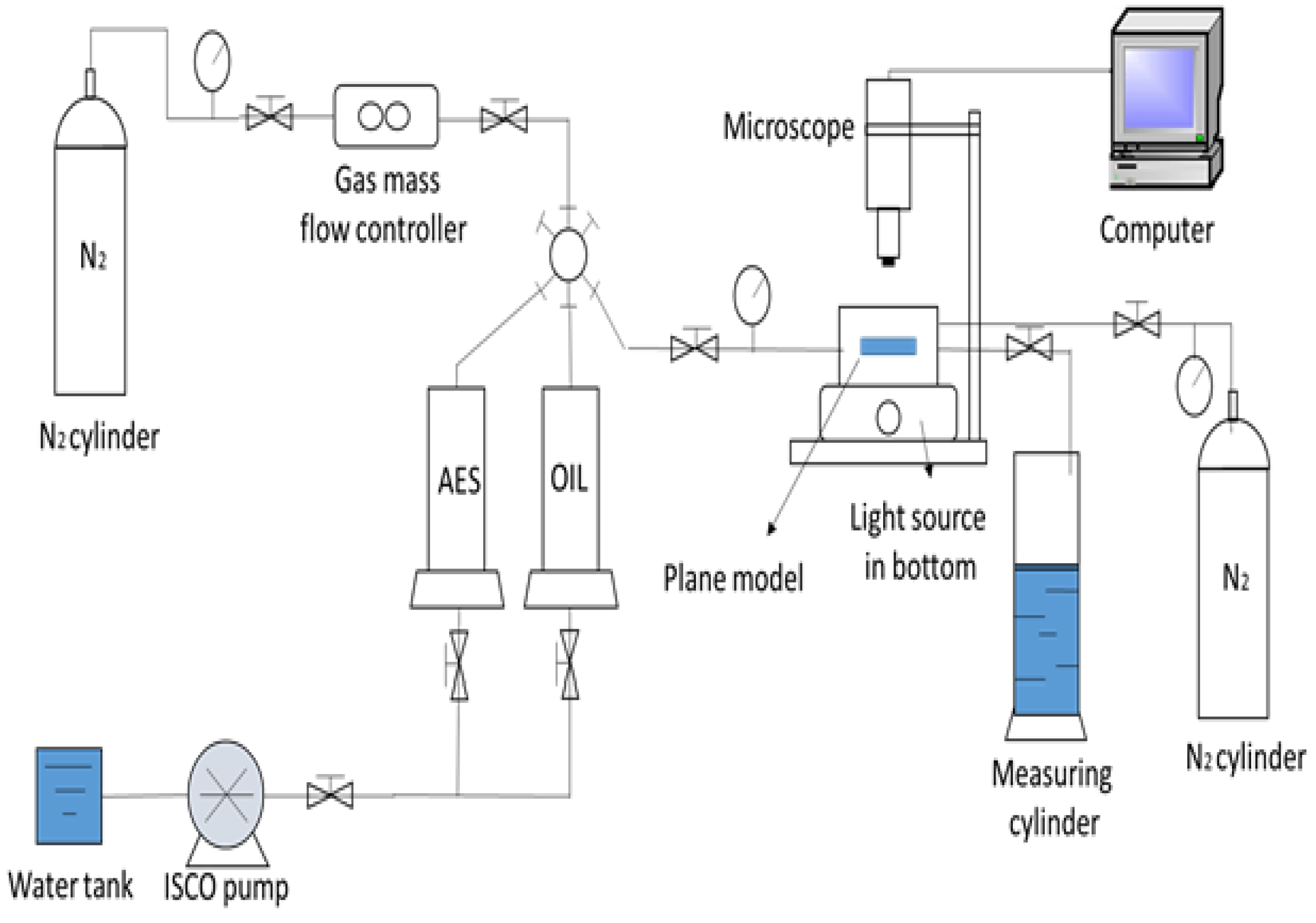
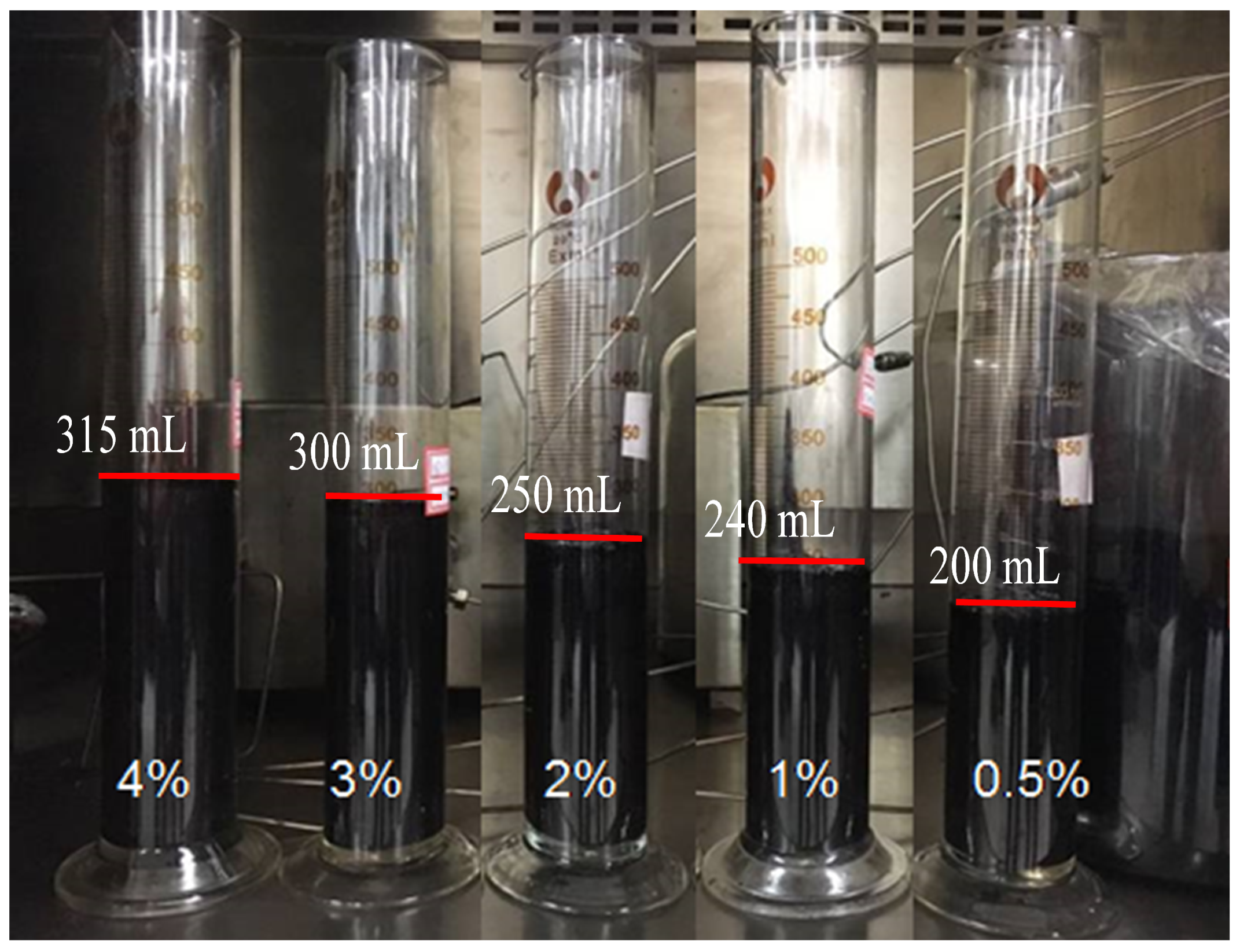
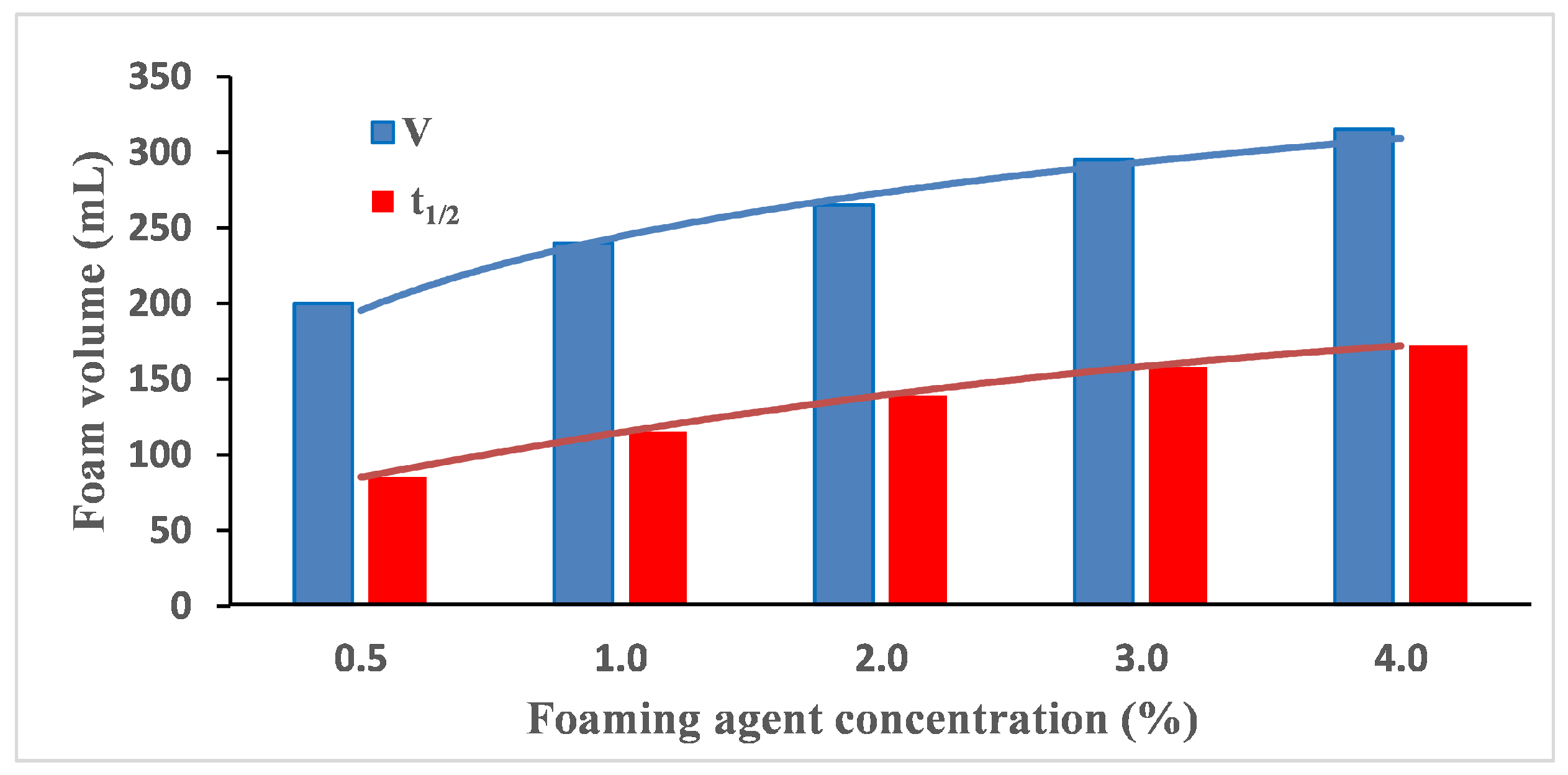
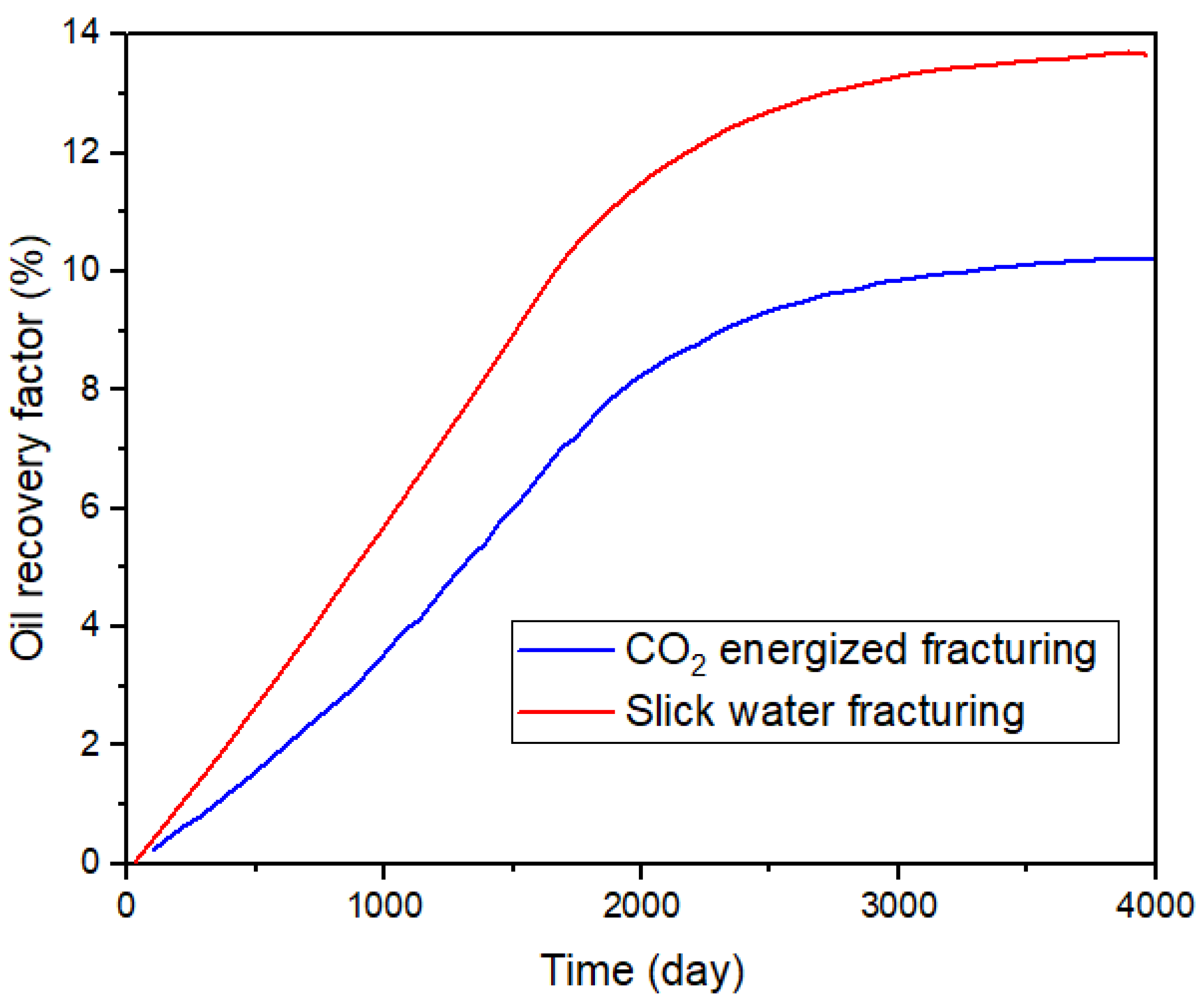
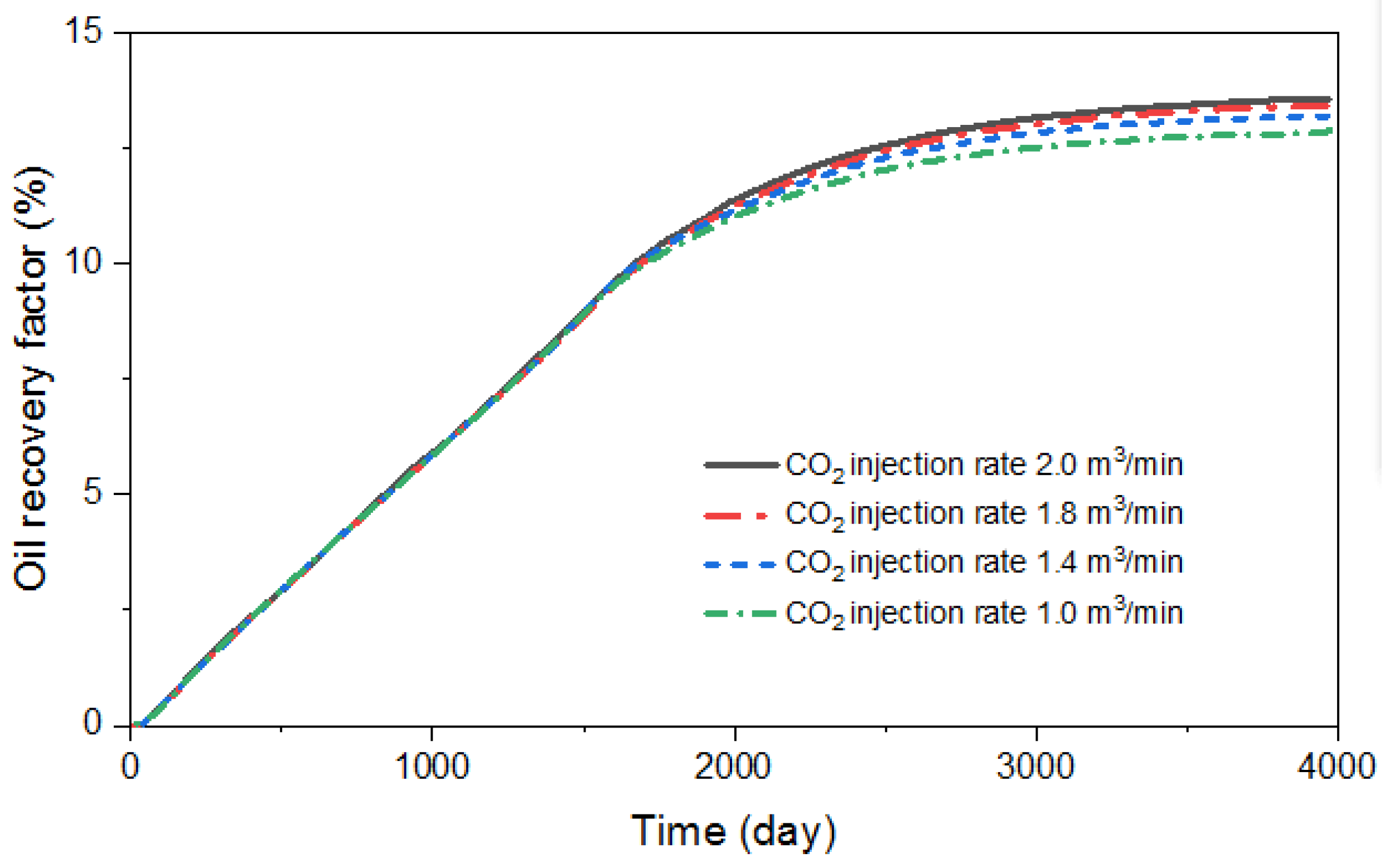
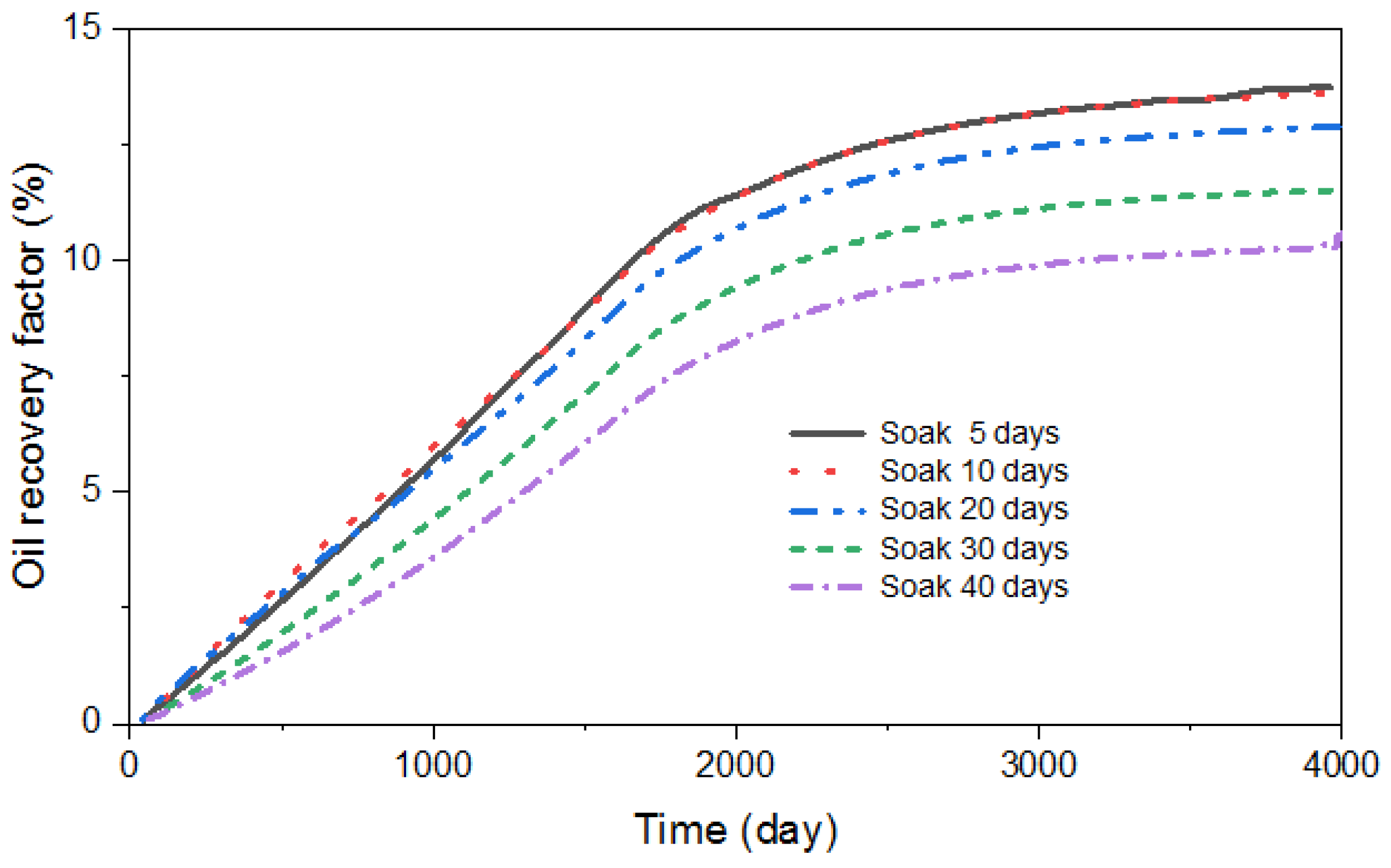
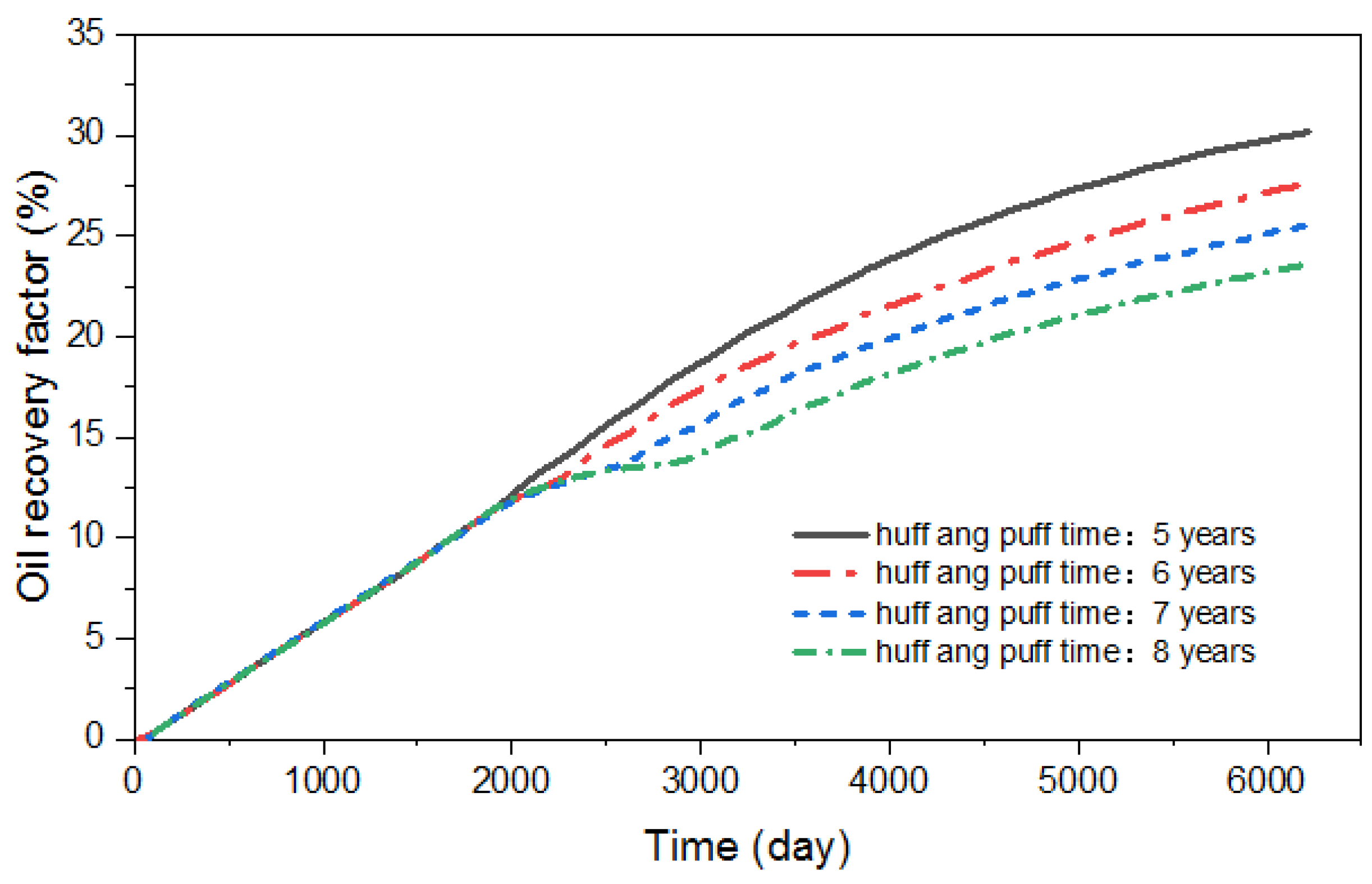
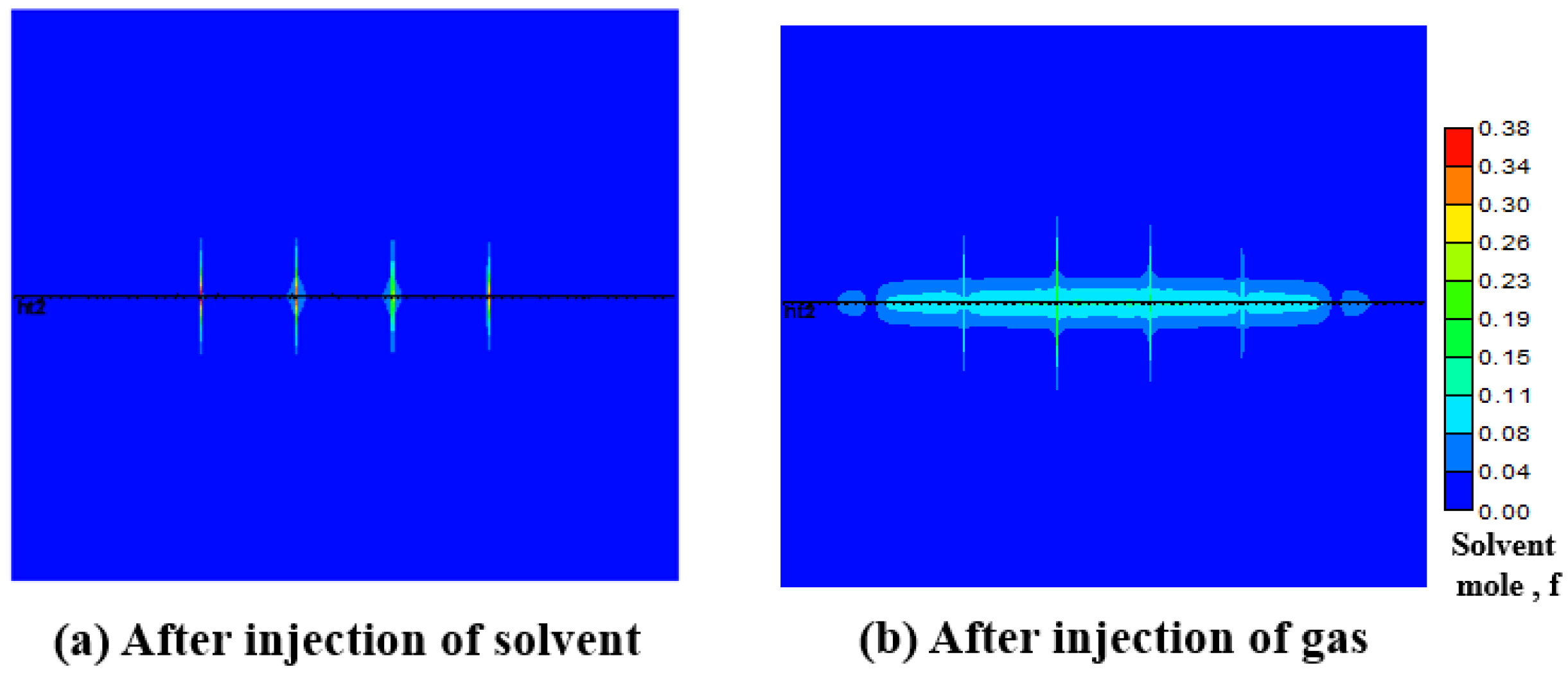
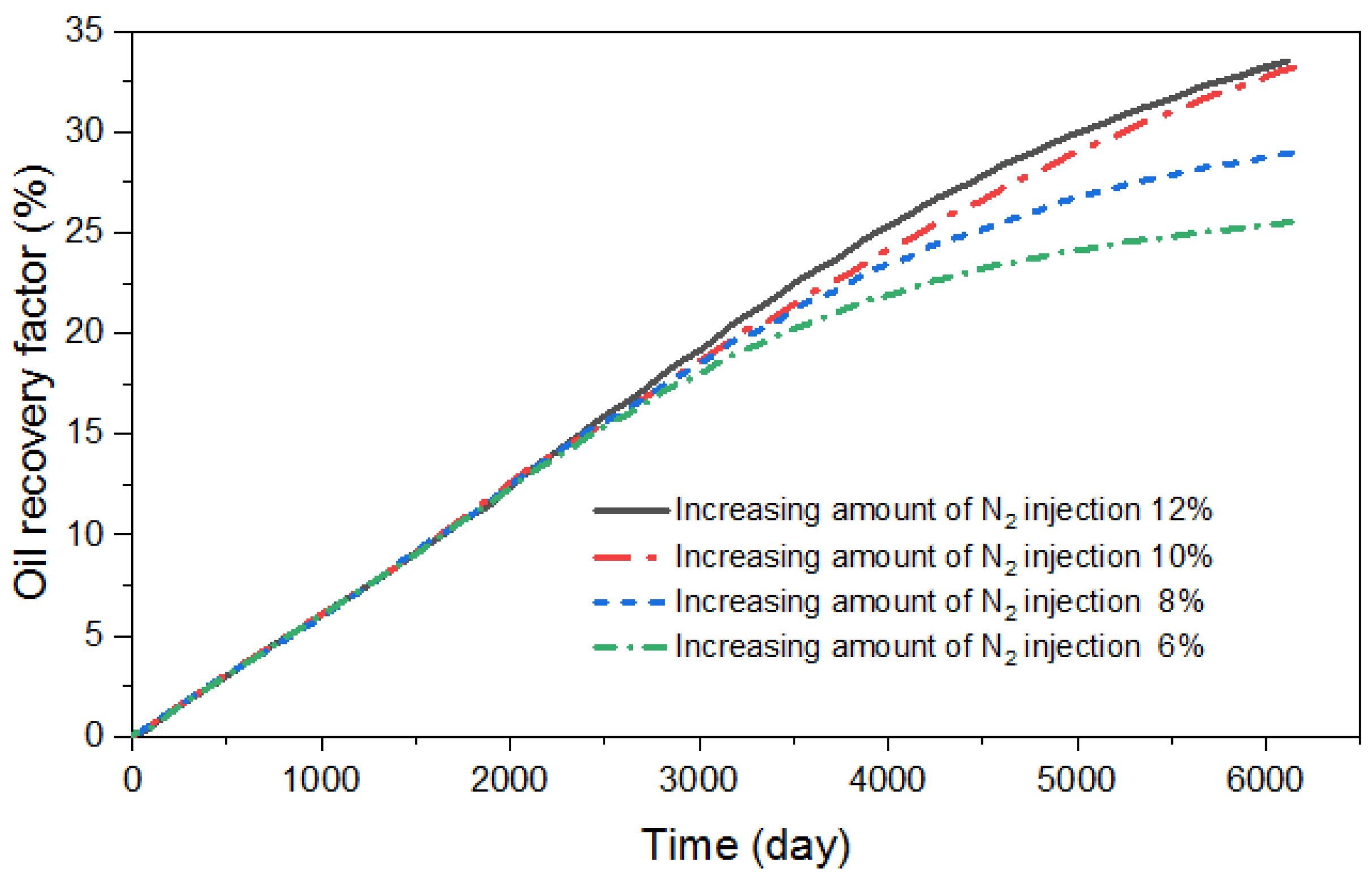
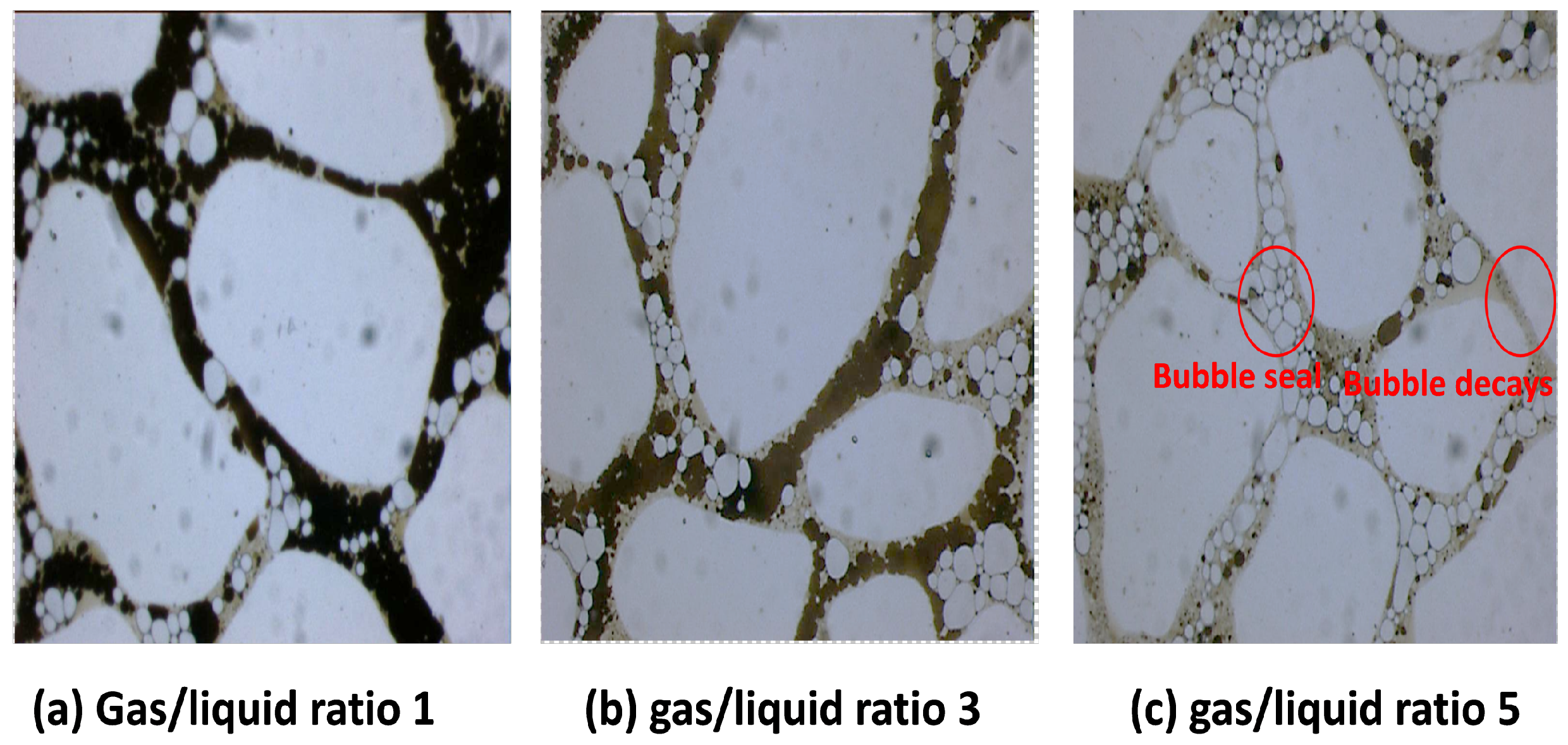
There are large, heavy oil reserves in Block X of the Xinjiang oilfields, China. Due to its large burial depth (1300 m) and low permeability (26.0 mD), the traditional steam-injection technology cannot be used to obtain effective development benefits. This paper conducts experimental and simulation research on the feasibility and mechanism of CO2-energized fracturing of horizontal wells and N2 foam huff-n-puff in deep heavy oil reservoirs with low permeability in order to further explore the appropriate production technology. The foaming volume of the foaming agent at different concentrations and the oil displacement effect of N2 foam at different gas/liquid ratios were compared by the experiments. The results show that a high concentration of foaming agent mixed with crude oil is more conducive to increasing the foaming volume and extending the half-life, and the best foaming agent concentration is 3.0∼4.0%. The 2D micro-scale visualization experiment results show that N2 foam has a good selective blocking effect, which increases the sweep area. The number of bubbles per unit area increases as the gas/liquid ratio increases, with 3.0∼5.0 being the optimal gas/liquid ratio. Numerical simulation results show that, when CO2-energized fracturing technology takes into account the advantages of fracturing and crude oil viscosity reduction by CO2 dissolution, the phased oil recovery factor in the primary production period can reach approximately 13.7%. A solvent pre-slug with N2 foam huff-n-puff technology is applied to improve oil recovery factor following primary production for 5∼6 years, and the final oil recovery factor can reach approximately 35.0%. The methodology formulated in this study is particularly significant for the effective development of this oil reservoir with deeply buried depth and low permeability, and would also guide the recovery of similar oil deposits.
Keywords: deep oil reservoir; heavy oil reservoir; CO2-energized fracturing; N2 foam; huff-n-puff; oil recovery factor deep oil reservoir; heavy oil reservoir; CO2-energized fracturing; N2 foam; huff-n-puff; oil recovery factor