Article

Power Planning for a Reliable Southern African Regional Grid

by
Nomihla Wandile Ndlela
*,
Innocent Ewean Davidson
and
Katleho Moloi
Department of Electrical Power Engineering, Durban University of Technology, Durban 4000, South Africa
*
Author to whom correspondence should be addressed.
Energies 2023, 16(3), 1028; https://doi.org/10.3390/en16031028
Submission received: 5 December 2022 / Revised: 12 January 2023 / Accepted: 14 January 2023 / Published: 17 January 2023
(This article belongs to the Section F1: Electrical Power System)

Abstract

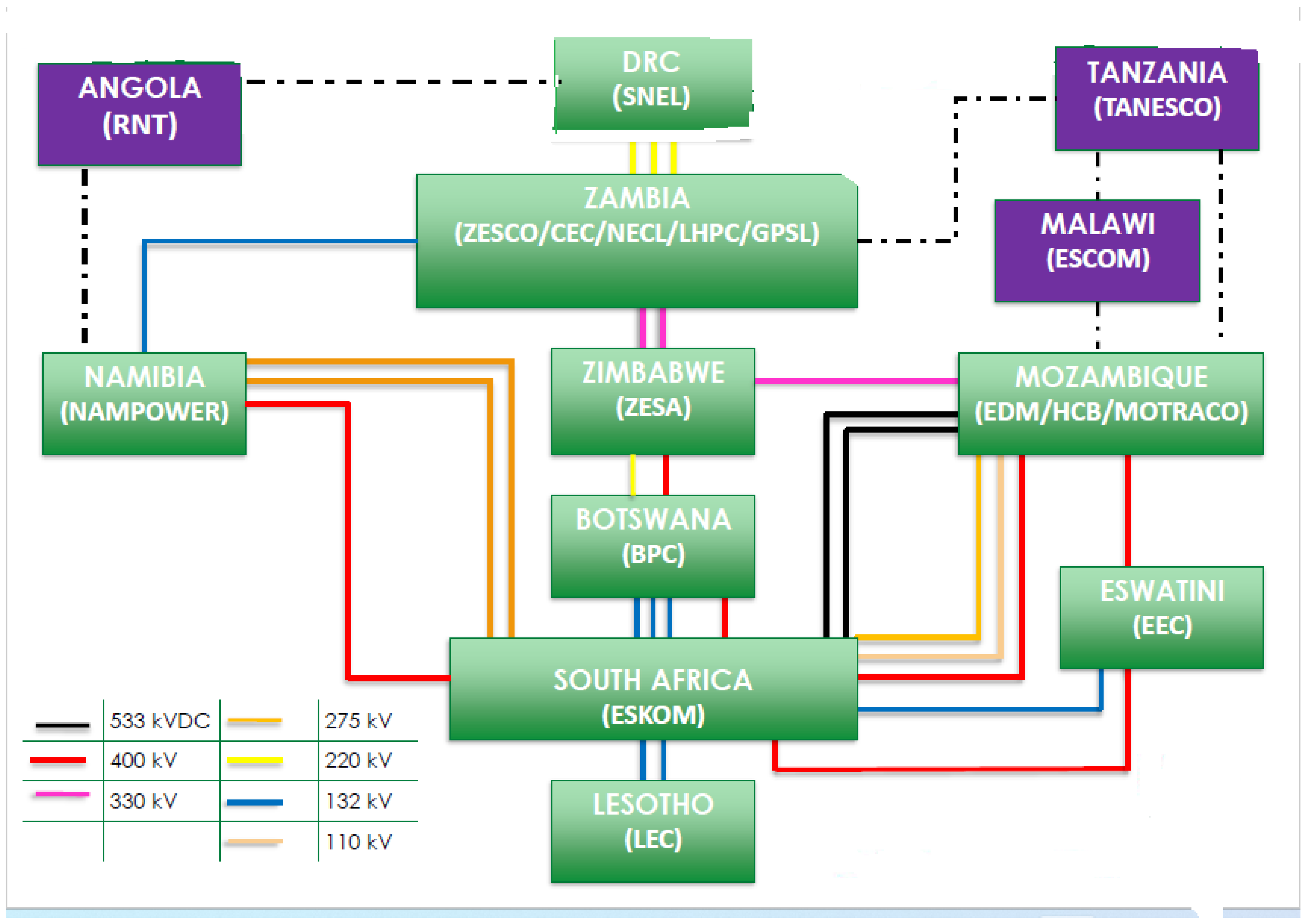
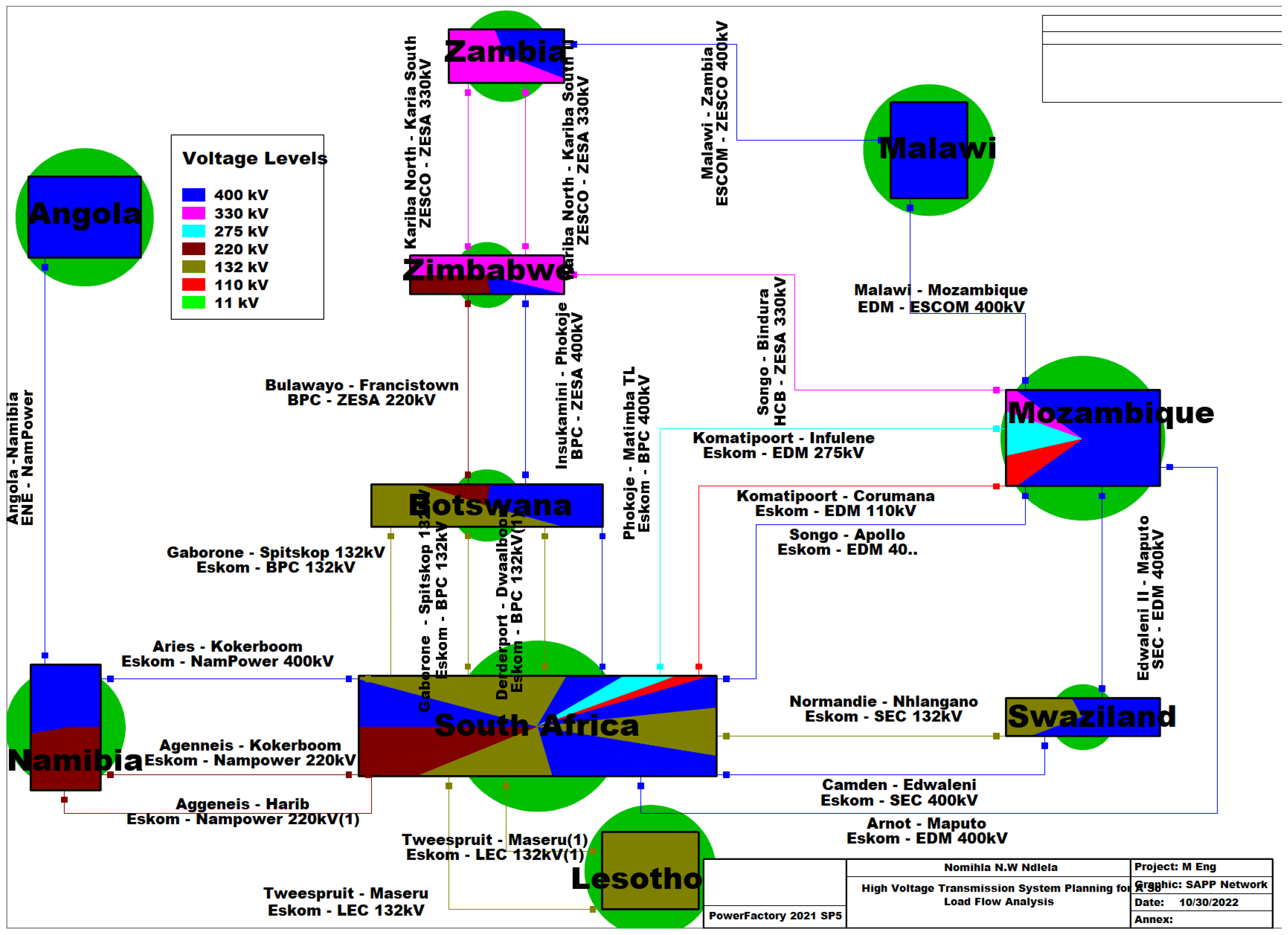
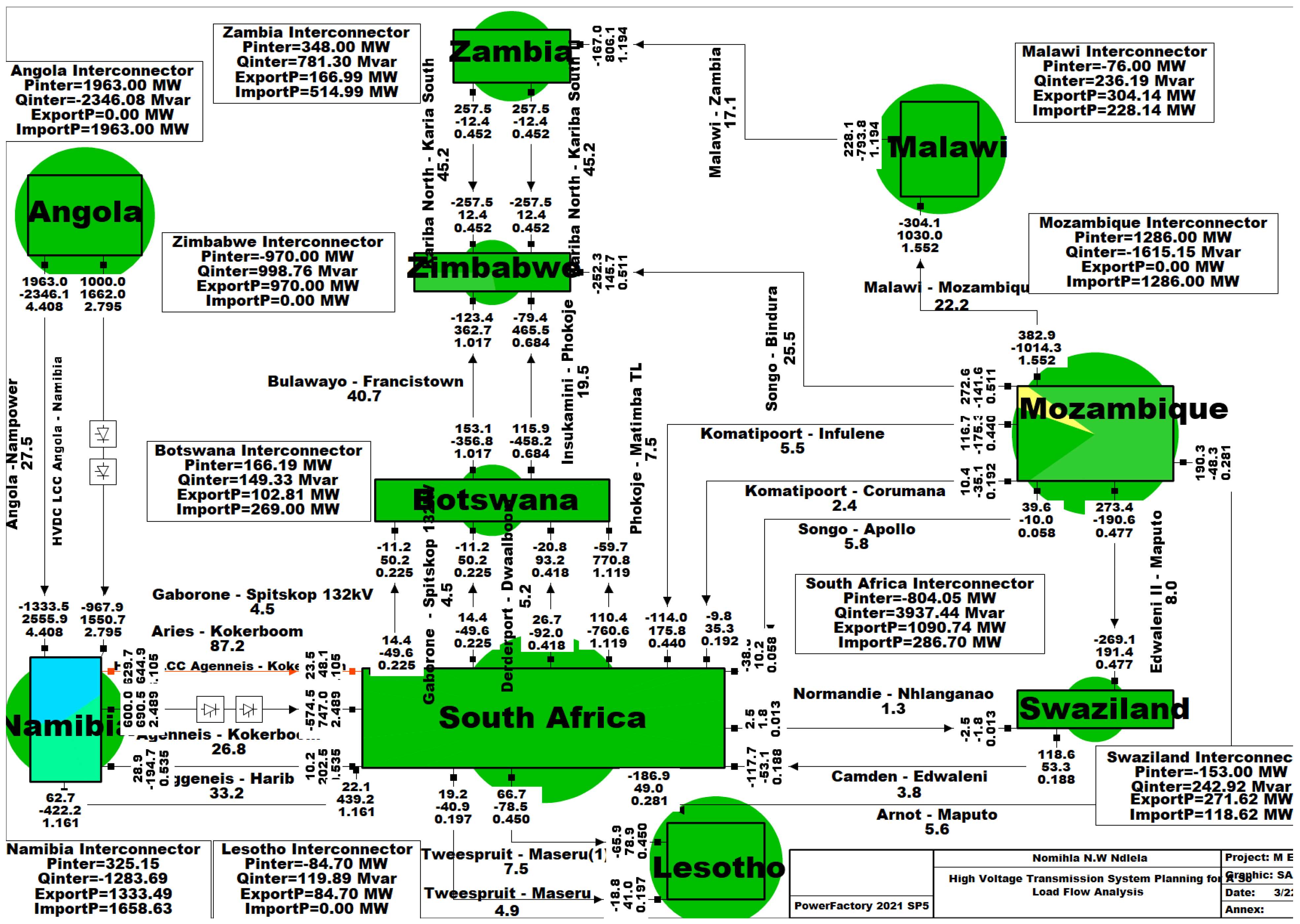
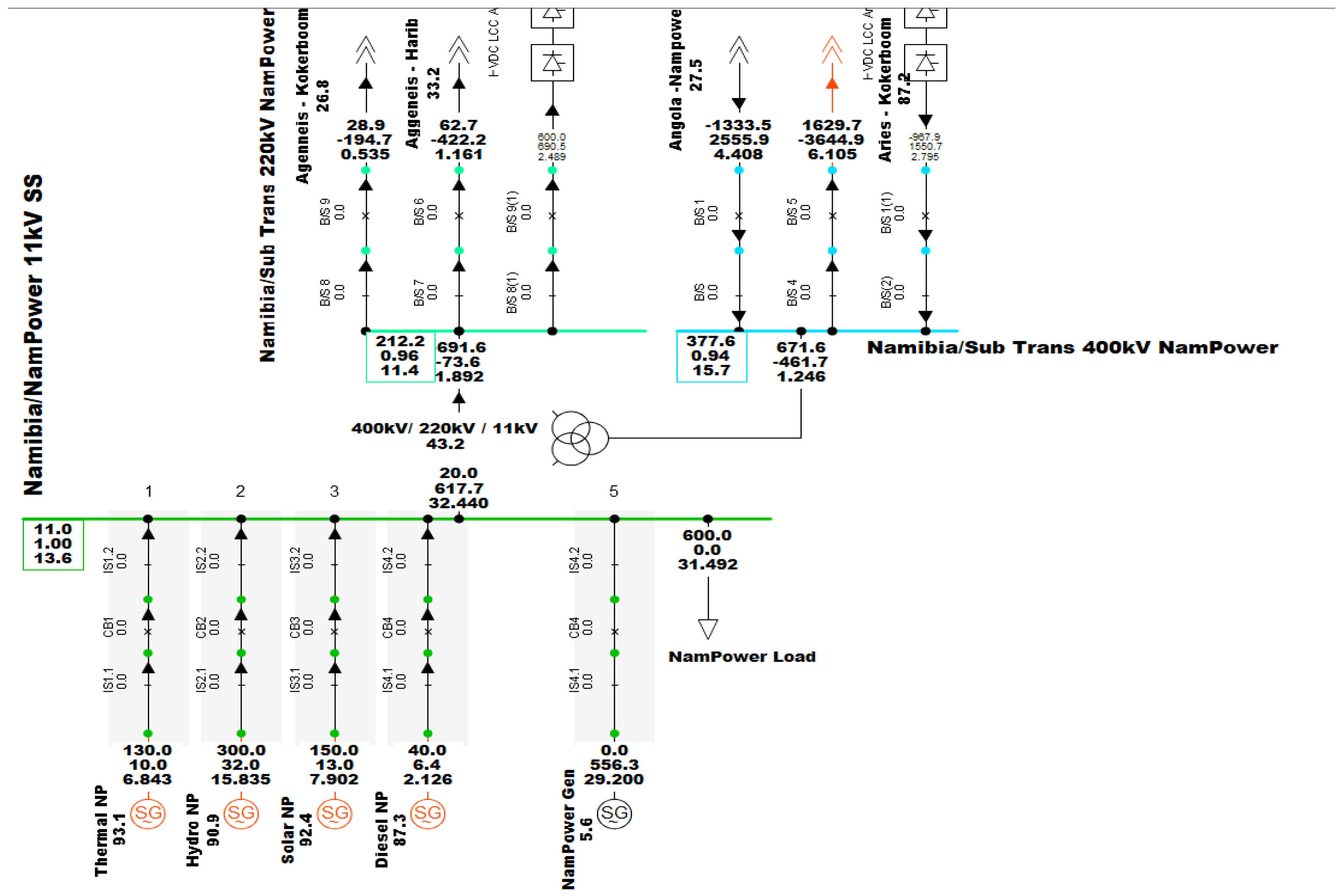
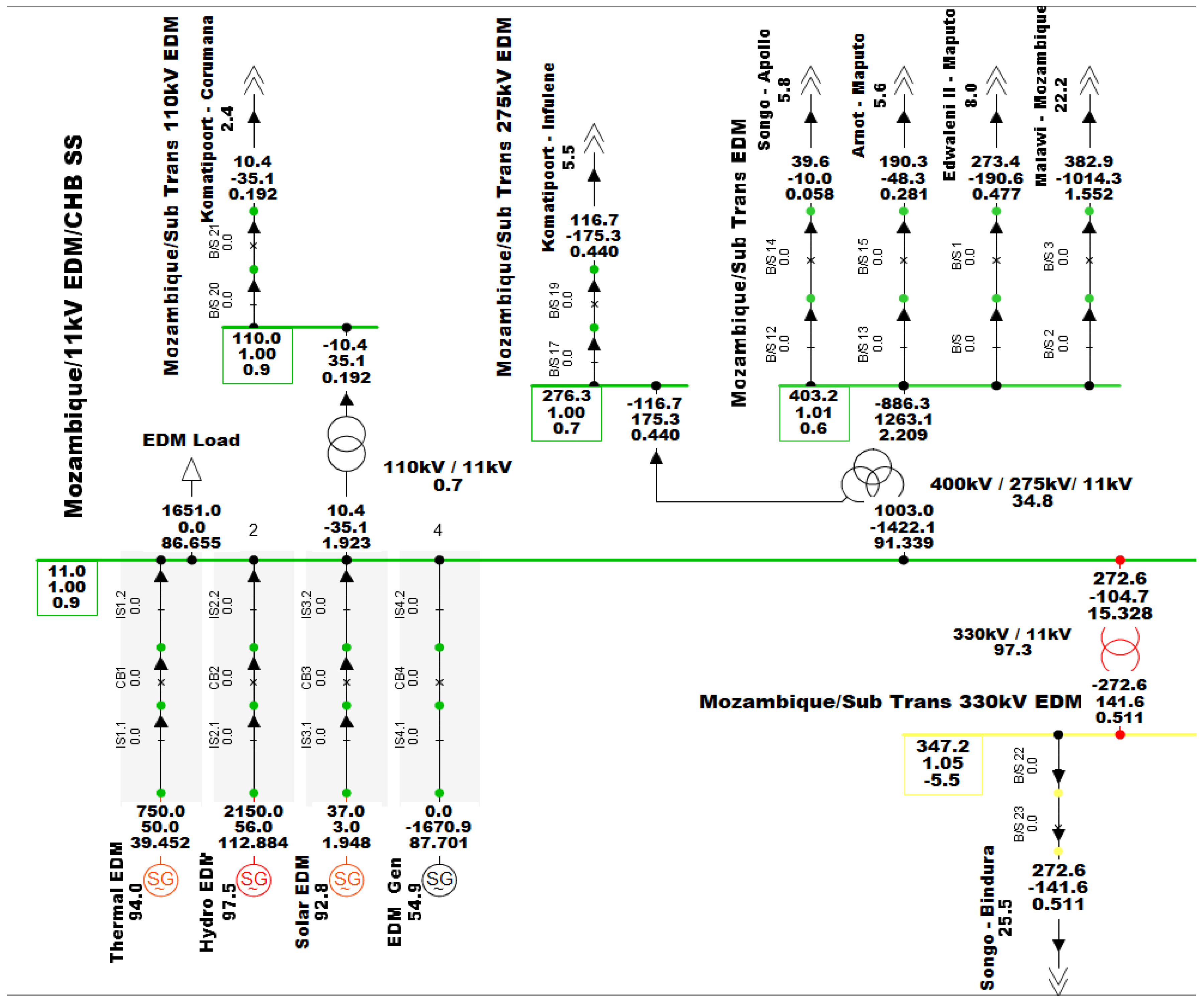
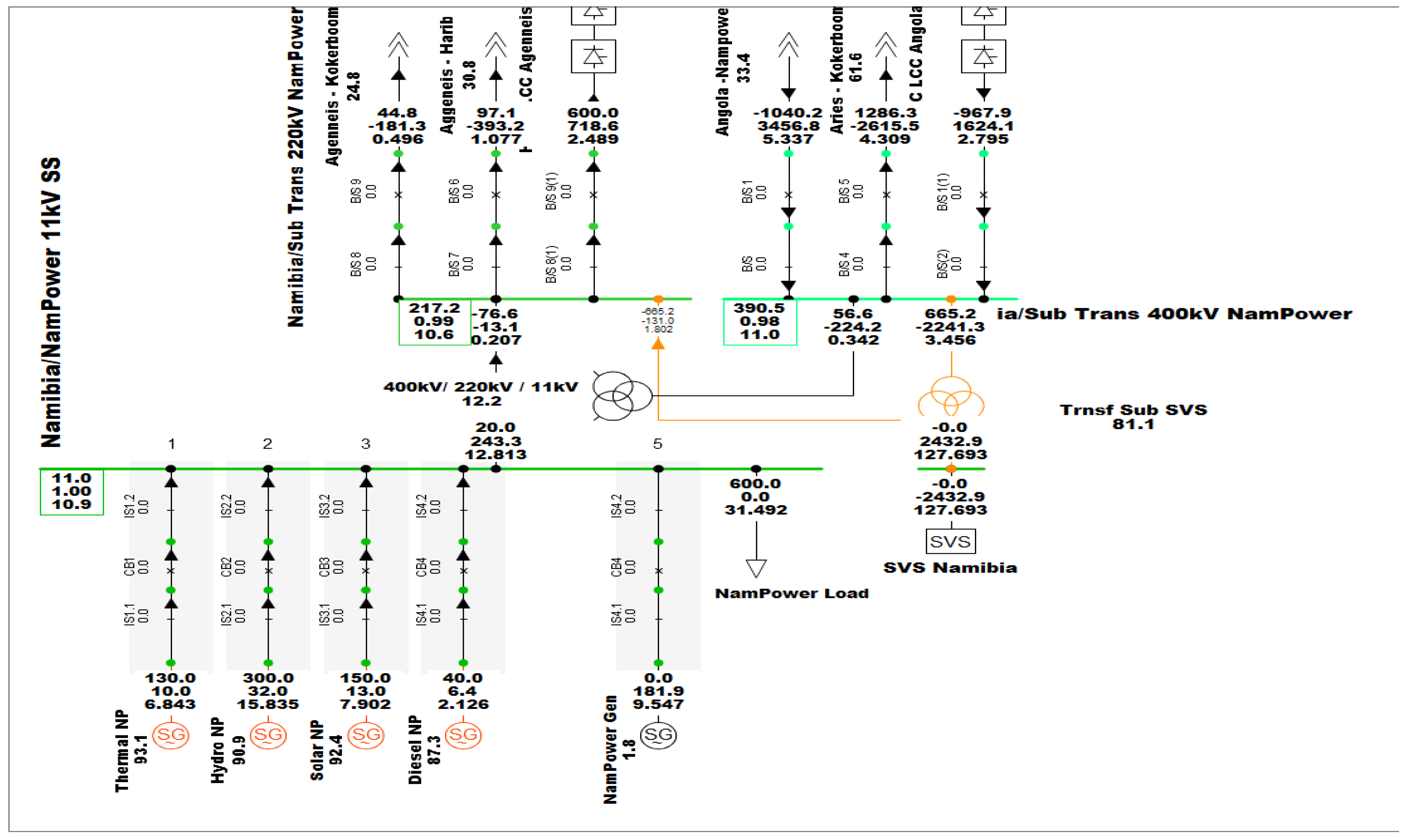
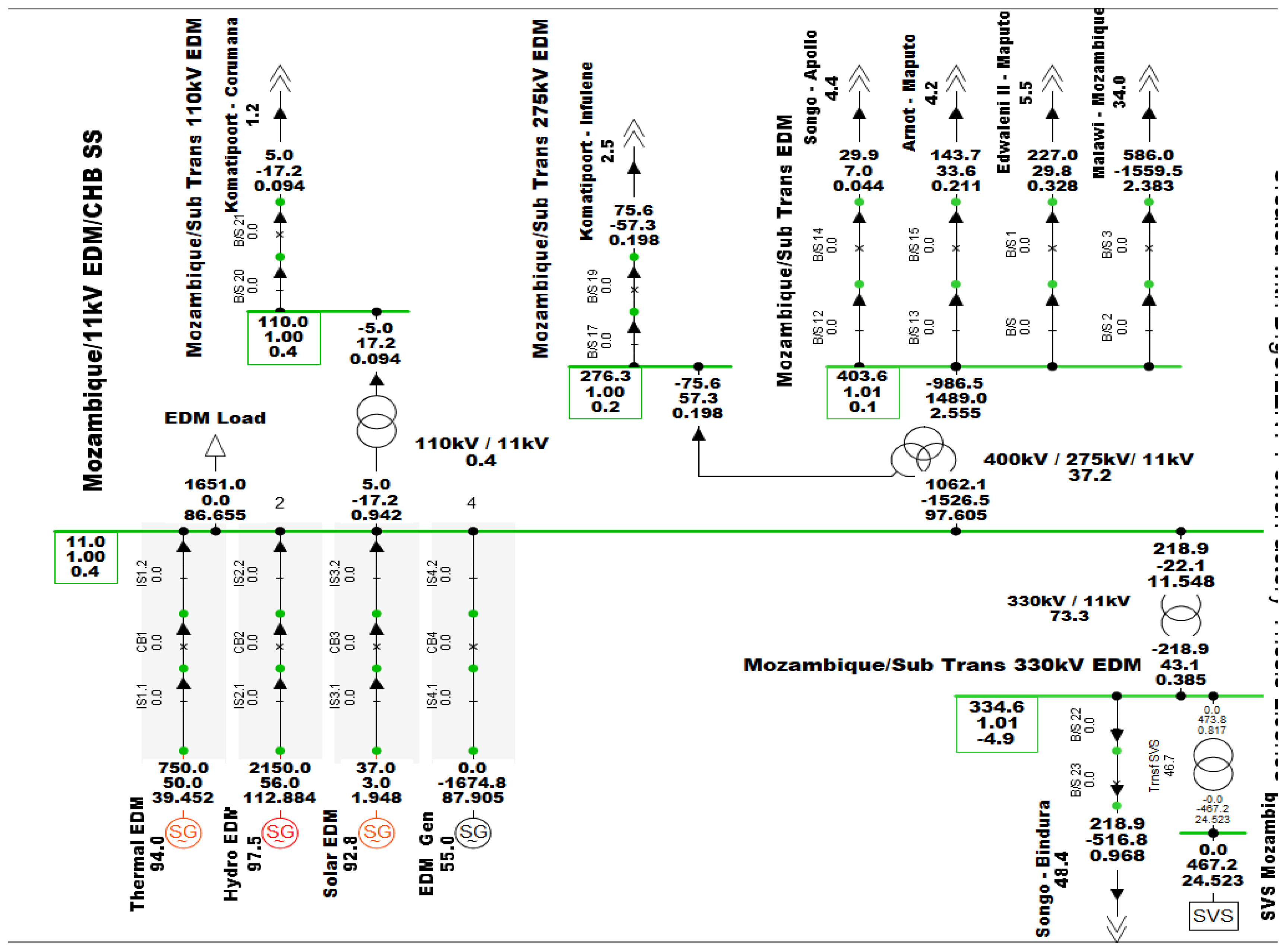
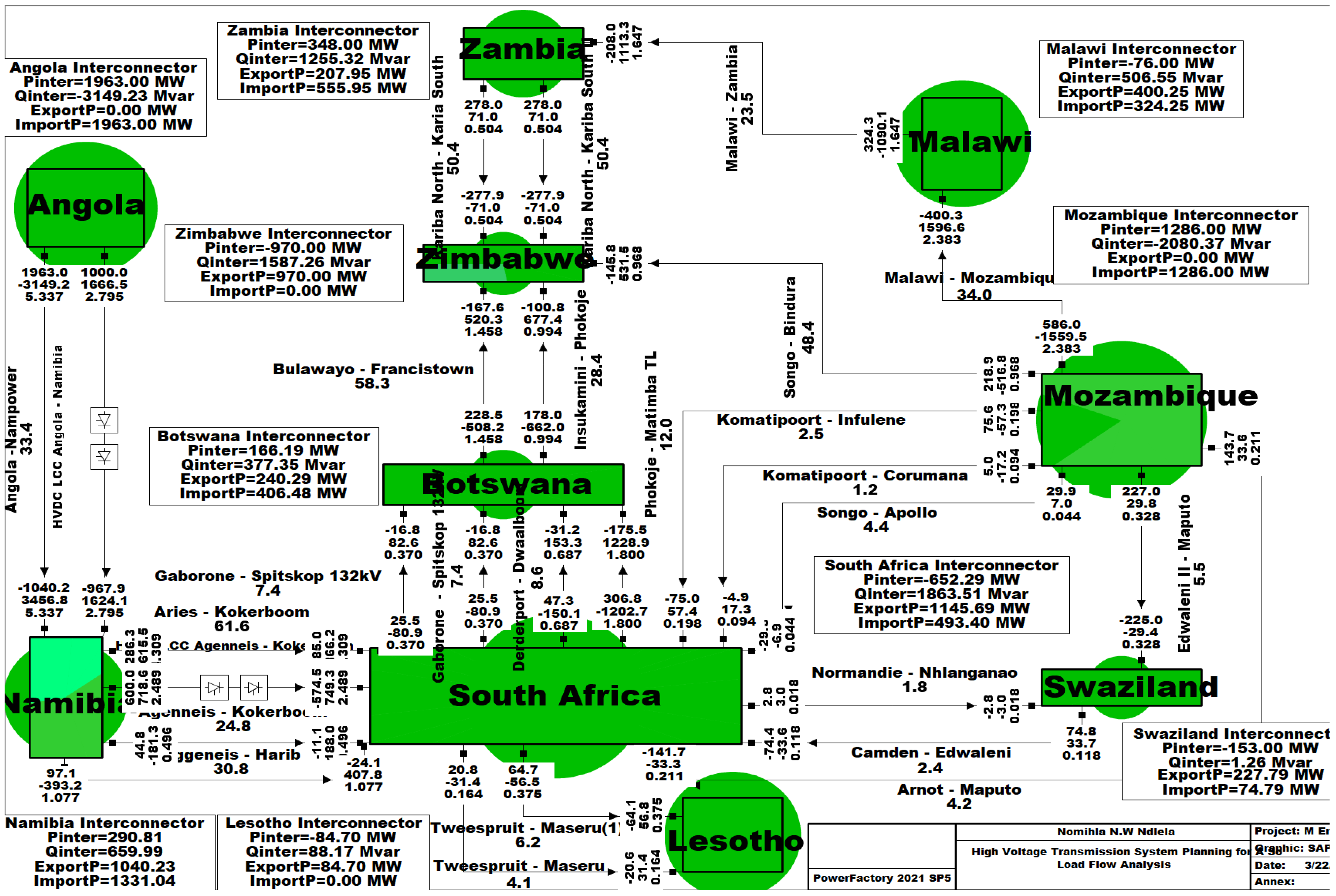
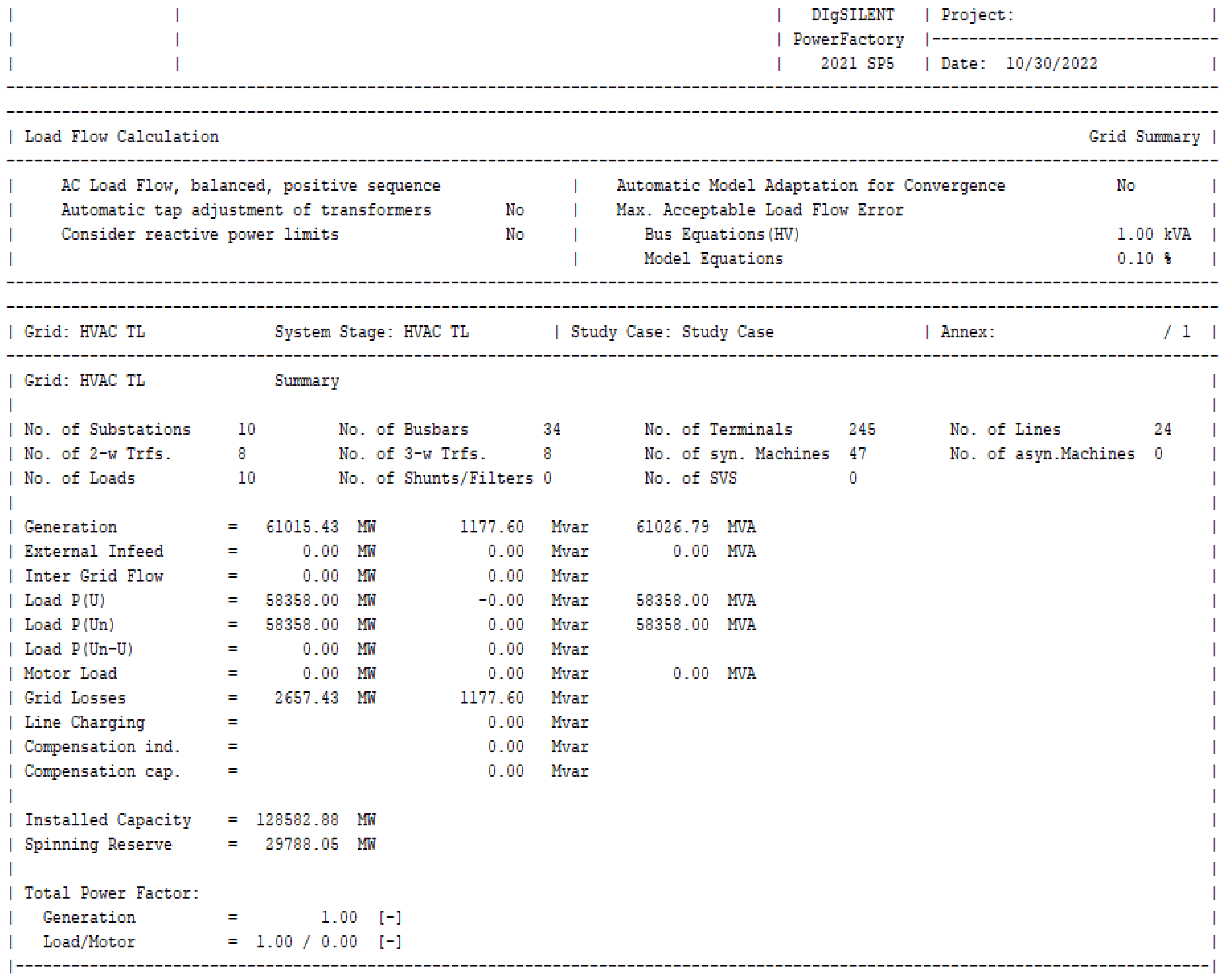
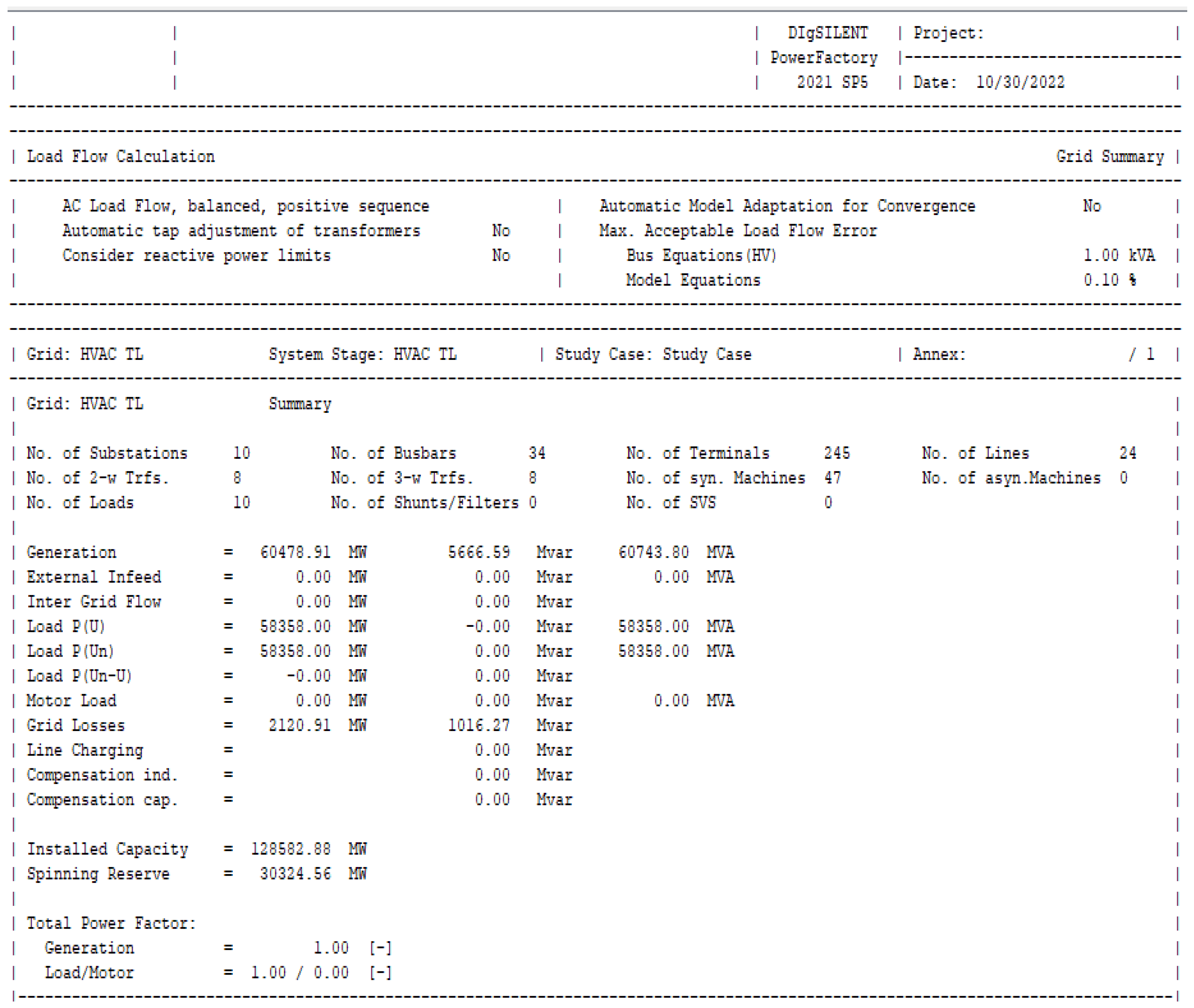
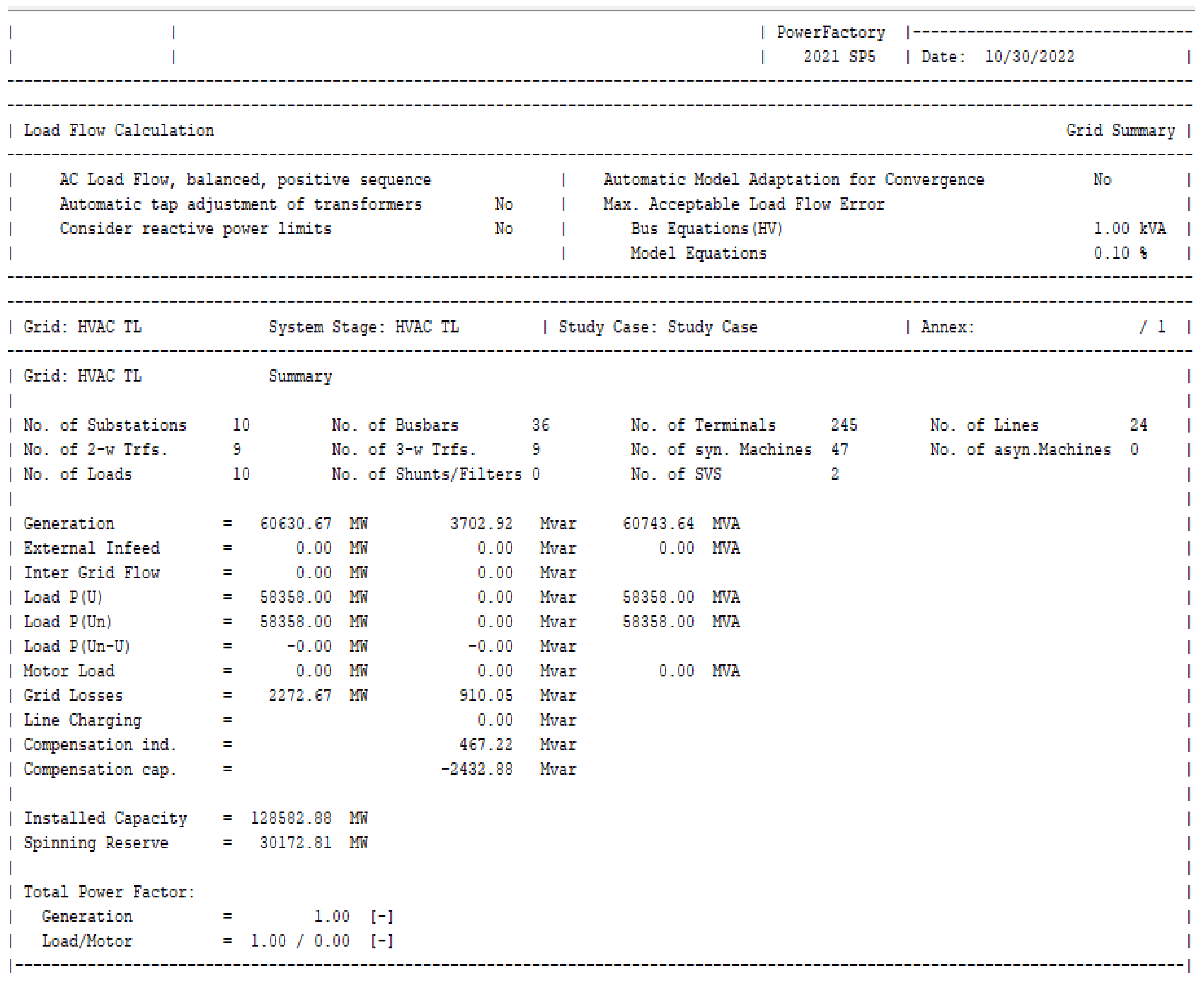
Southern Africa has suffered from multiple power disruptions in the past decade due to inadequate electrical generation capacity, as well as load developments in locations that were not suitably planned for. Southern African countries are able to have reliable, sustainable, and efficient electrical power grids. The use of power interconnections for exchange power, especially for long-distance transmission networks, is important. Installing a suitable high-voltage alternating current (HVAC) with a high-voltage direct current (HVdc) will improve the active–reactive power compensation when transmitting electrical power over long distances (when transmitting bulk power is possible). Flexible alternating current transmission system (FACTS) devices are typically combinations of shunt and series converters. These approaches are capable of improving the power stability and voltage while allowing power to be transferred with minimal losses to an alternating current transmission system for the power exchange. In this article, two HVDC line-commutated converter (LCC) links, i.e., Angola–Namibia and Aggeneys–Kokerboom, were applied to minimize losses from 2657.43 to 2120.91 MW, with power setpoints of 1000 and 600 MW, respectively. The 2500 and 475 MVAr SVCs were used to control the voltage instabilities at Namibia and Mozambique substations, respectively. The use of HVdc to reduce losses and FACTS devices to enhance controllability and power transfer is extremely effective, particularly in long transmission lines transporting bulk power.
Keywords: electric grid reliability; flexible AC transmission system; high-voltage direct current; power exchange; power interconnections electric grid reliability; flexible AC transmission system; high-voltage direct current; power exchange; power interconnections