Review

A Review on Modeling Variable Renewable Energy: Complementarity and Spatial–Temporal Dependence

by
Anderson Mitterhofer Iung
1,*,
Fernando Luiz Cyrino Oliveira
1,* and
André Luís Marques Marcato
2
1
Industrial Engineering Department, Pontifical Catholic University of Rio de Janeiro (PUC-Rio), Rio de Janeiro 22451-040, Brazil
2
Electrical Engineering Department, Universidade Federal de Juiz de Fora (UFJF), Juiz de Fora 36036-900, Brazil
*
Authors to whom correspondence should be addressed.
Energies 2023, 16(3), 1013; https://doi.org/10.3390/en16031013
Submission received: 15 December 2022 / Revised: 5 January 2023 / Accepted: 9 January 2023 / Published: 17 January 2023
(This article belongs to the Special Issue Renewable Energy Planning and Energy Management Systems)

Abstract

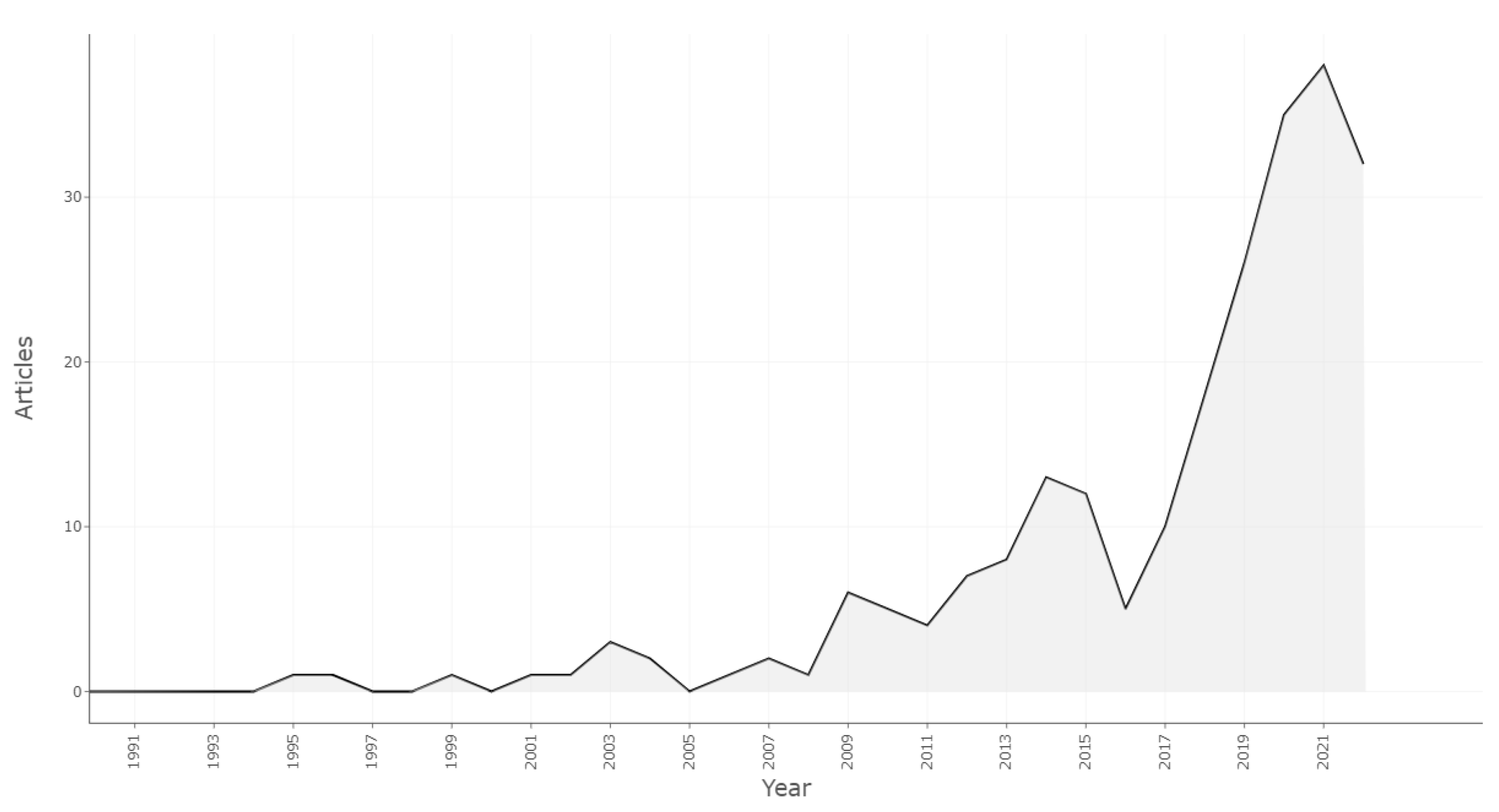
The generation from renewable sources has increased significantly worldwide, mainly driven by the need to reduce the global emissions of greenhouse gases, decelerate climate changes, and meet the environmental, social, and governance agenda (ESG). The main characteristics of variable renewable energy (VRE) are the stochastic nature, its seasonal aspects, spatial and time correlations, and the high variability in a short period, increasing the complexity of modeling, planning, operating, and the commercial aspects of the power systems. The research on the complementarity and dependence aspects of VREs is gaining importance, given the development of hybrid generation systems and an array of VREs generators spread over a large region, which could be compounded by different renewable sources, such as hydro, solar, and wind. This review is based on a systematic literature review, providing a comprehensive overview of studies that investigated applied methodologies and methods to address dependence and complementarity. It is a recent field of interest, as 60% of the articles were published in the last five years, a set of methods that have been employed to address this issue, from conventional statistics methods to artificial intelligence. The copulas technique appears as an important approach to modeling renewable energy interdependence. There is a gap in articles comparing the accuracy of the methods employed and the computational efforts.
Keywords: renewable energy; wind generation; hydro generation; solar generation; dependence; interdependence; correlation; scenario generation renewable energy; wind generation; hydro generation; solar generation; dependence; interdependence; correlation; scenario generation