Article

Adjustable Capability Evaluation of Integrated Energy Systems Considering Demand Response and Economic Constraints
1
College of Energy and Electrical Engineering, Hohai University, Nanjing 211100, China
2
State Grid Jiangsu Electric Power Company Research Institute, Nanjing 211100, China
*
Authors to whom correspondence should be addressed.
Energies 2023, 16(24), 8048; https://doi.org/10.3390/en16248048
Submission received: 20 November 2023 / Revised: 8 December 2023 / Accepted: 12 December 2023 / Published: 13 December 2023
(This article belongs to the Special Issue Impacts of Distributed Energy Resources on Power Systems)

Abstract

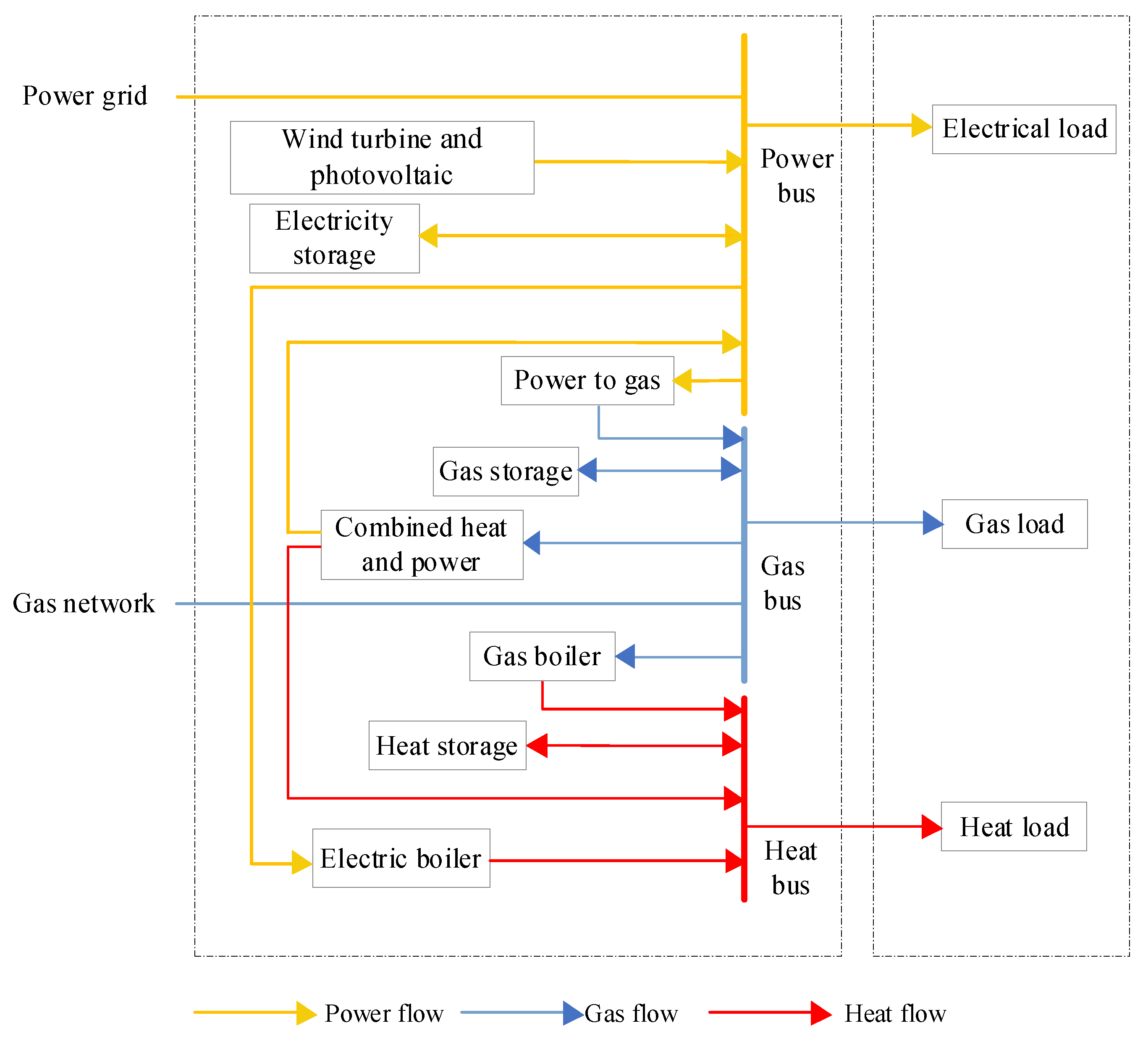
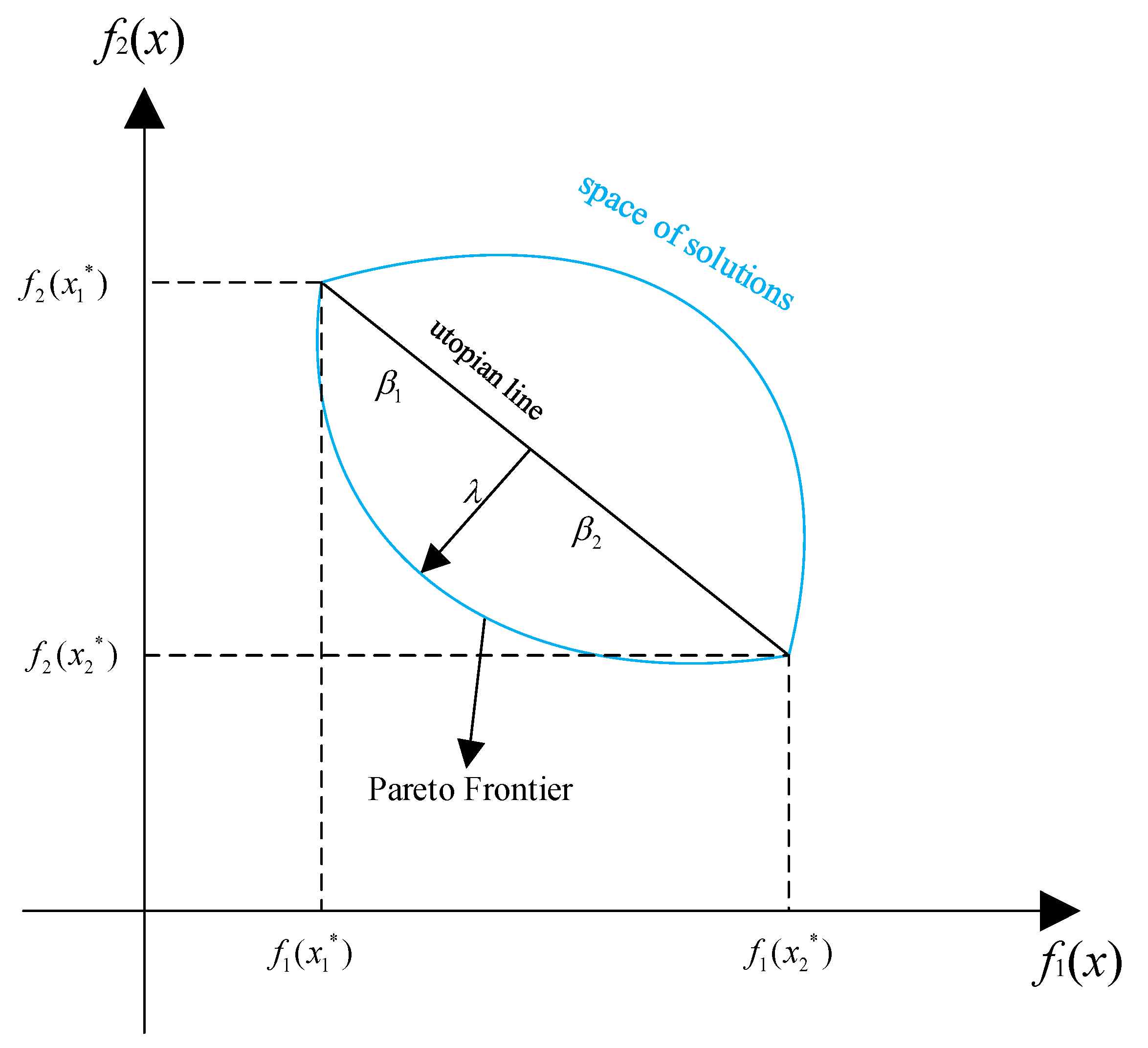
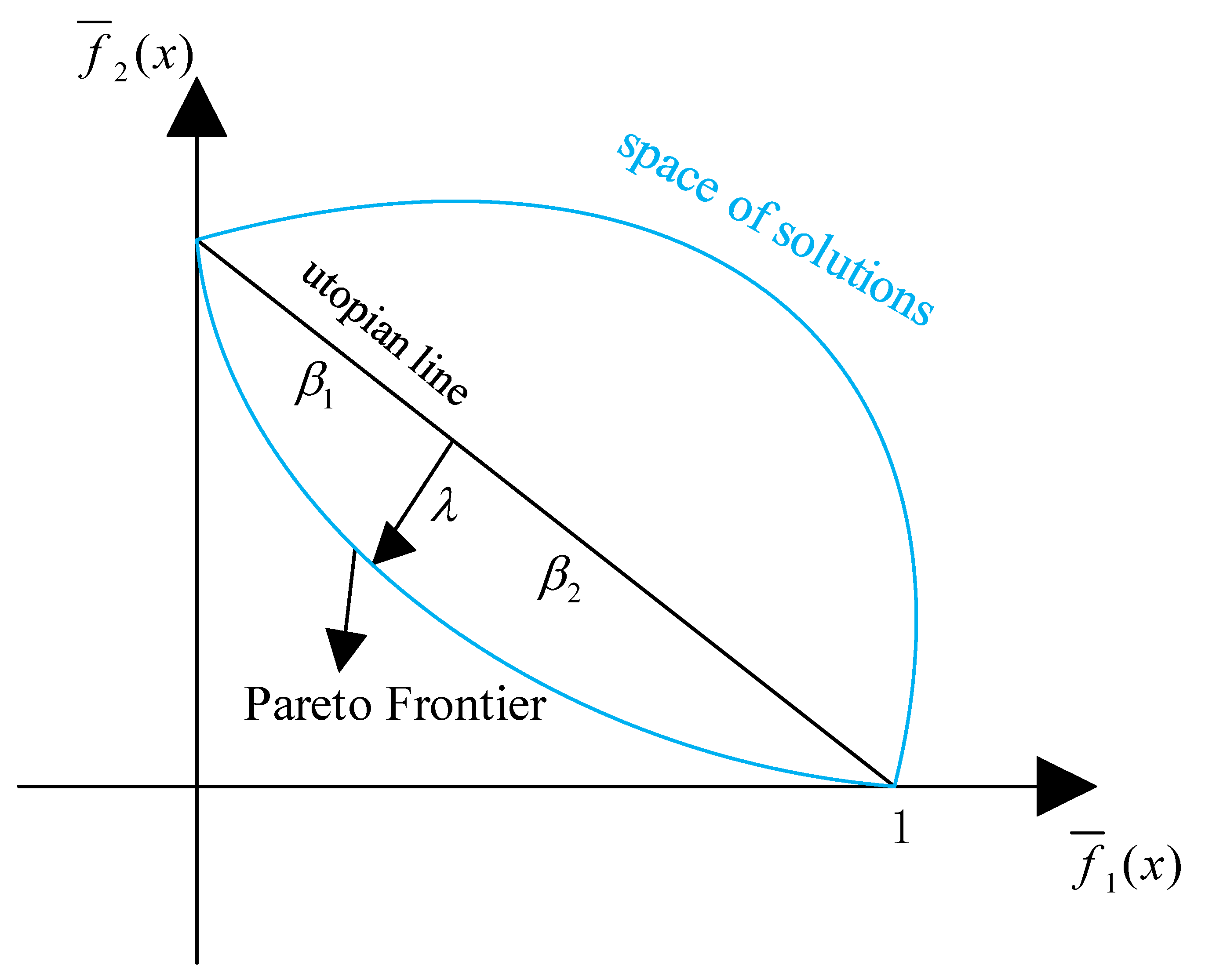
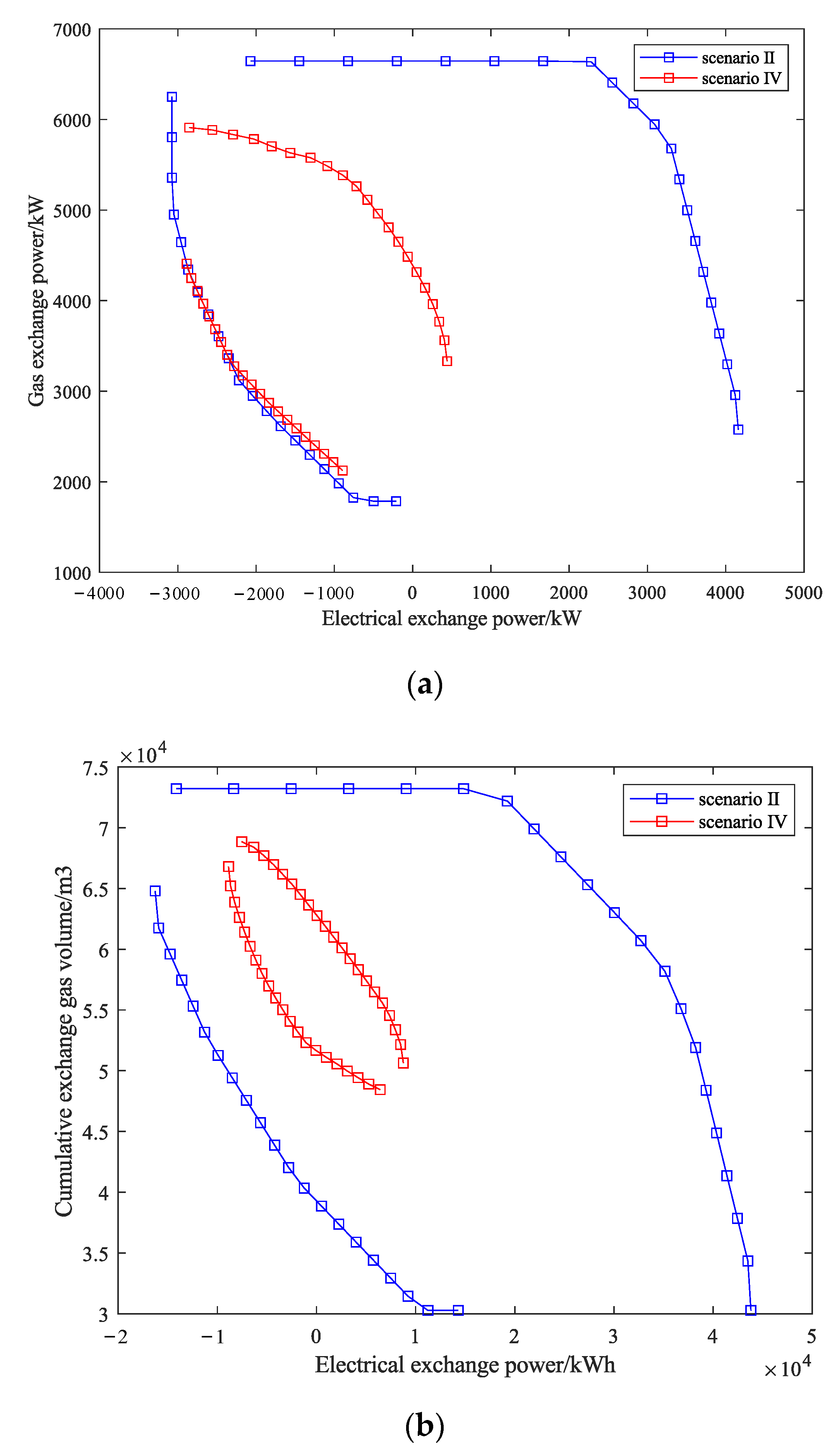
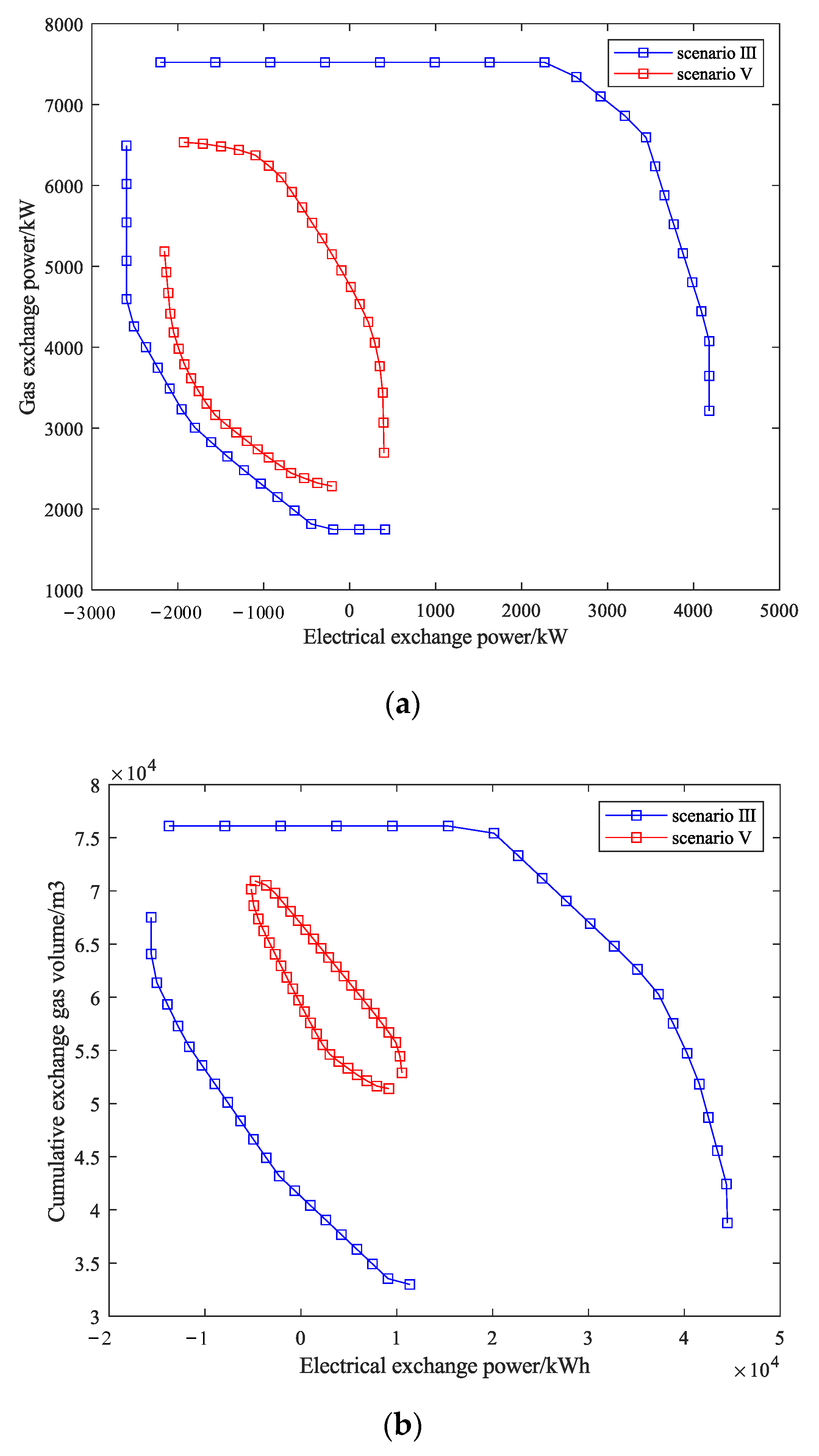
The coupling between multiple energy sources such as electricity, gas, and heat is strengthened in an integrated energy system (IES), and this, in turn, improves the operational flexibility of the IES. As an upper-level energy supply system, an IES can play a role as virtual energy storage, which can provide regulating power to smooth out the volatility from large-scale renewable energy generation. The establishment of an aggregating virtual energy storage model for IESs has become an important issue. Under this background, a multi-objective optimization-based adjustable capacity evaluation method is proposed in this paper. Firstly, the mathematical model of an IES considering the coupling of multiple kinds of energy forms is proposed. Then, an aggregating model considering demand response and economic constraints is established to demonstrate the adjustable capacity of the IES. In addition, multi-objective optimization is used to identify parameters in the proposed model, and the normal boundary intersection (NBI) method is used to solve the problem. Finally, a simulation example is provided to verify the effectiveness and feasibility of the proposed method. The external energy demand boundary of the IES can be modeled as virtual energy storage, and the coupling relations of electricity and gas can be presented. Case studies demonstrate that economic constraints narrow the adjustable capacity of the IES while the demand response extends it.
Keywords: integrated energy system; adjustable capability; demand response; economic constraints; multi-objective optimization; normal boundary intersection integrated energy system; adjustable capability; demand response; economic constraints; multi-objective optimization; normal boundary intersection