Article

Simulations to Eliminate Backflow Power in an Isolated Three-Port Bidirectional DC–DC Converter

1
Department of Electrical Engineering, Sunchon National University, Suncheon-Si 57922, Republic of Korea
2
Smart Energy Institute, Sunchon National University, Suncheon-Si 57922, Republic of Korea
*
Author to whom correspondence should be addressed.
Energies 2023, 16(1), 450; https://doi.org/10.3390/en16010450
Submission received: 24 October 2022 / Revised: 12 December 2022 / Accepted: 27 December 2022 / Published: 31 December 2022

Abstract

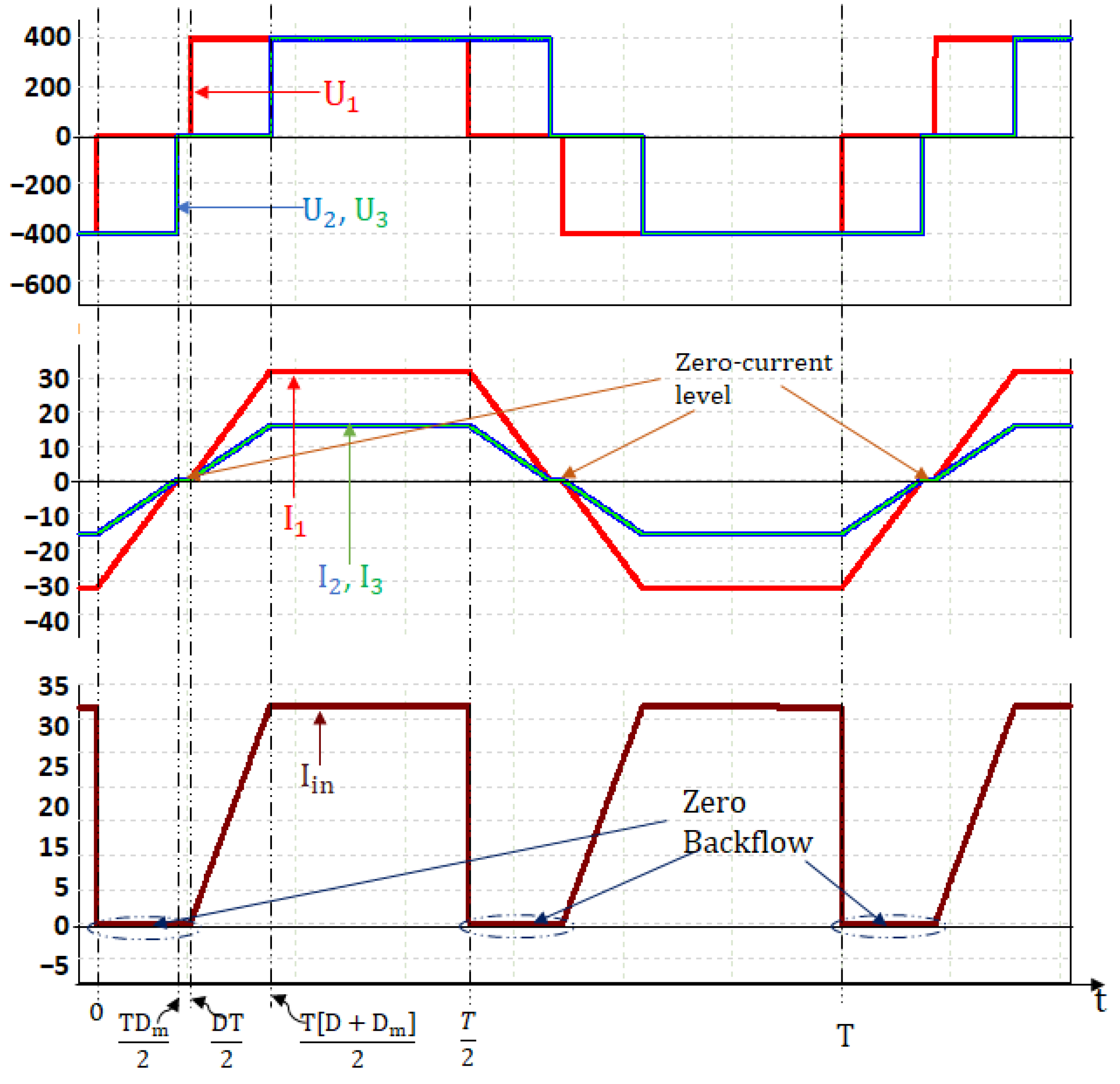
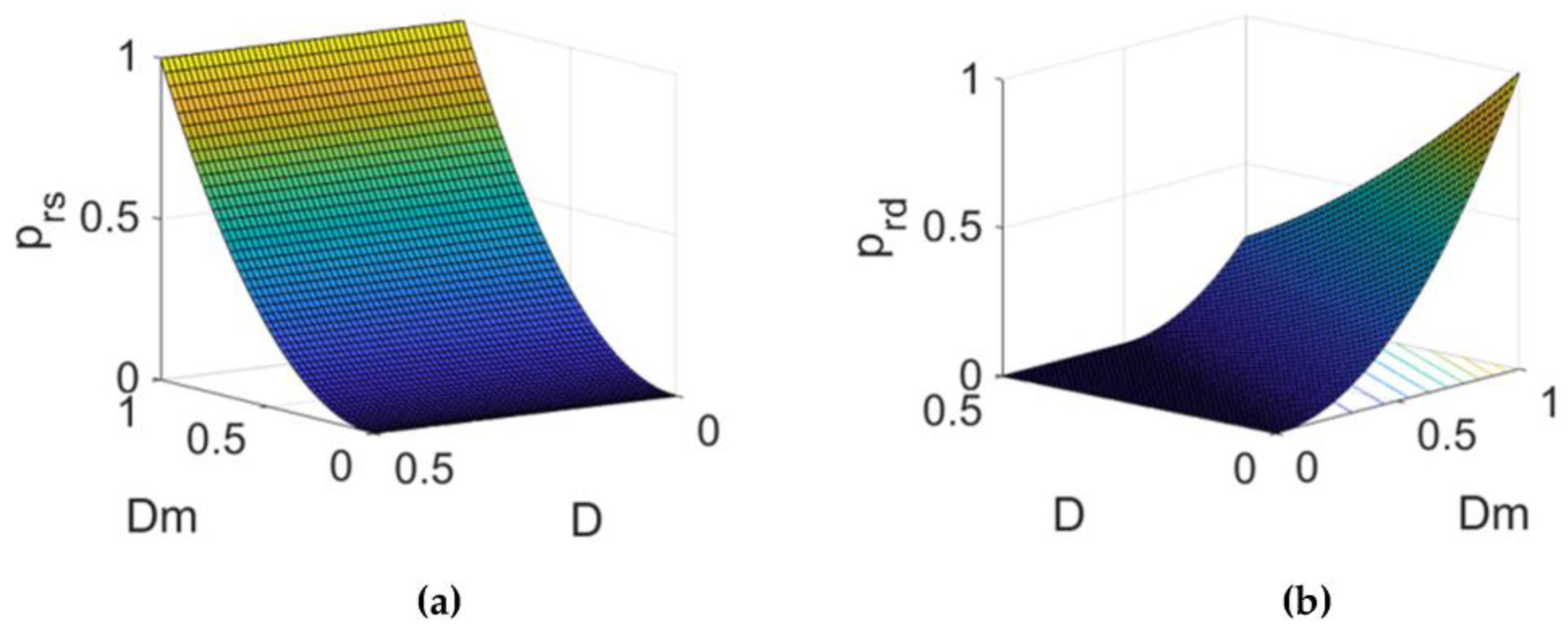
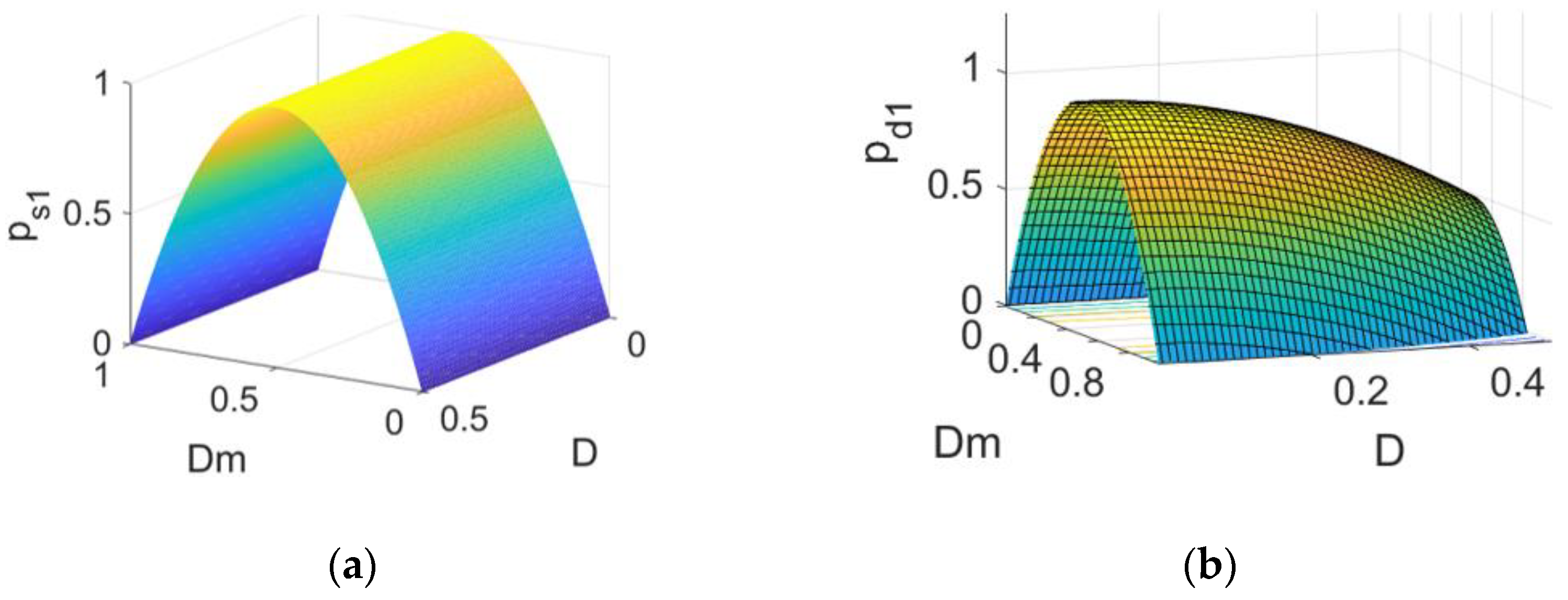
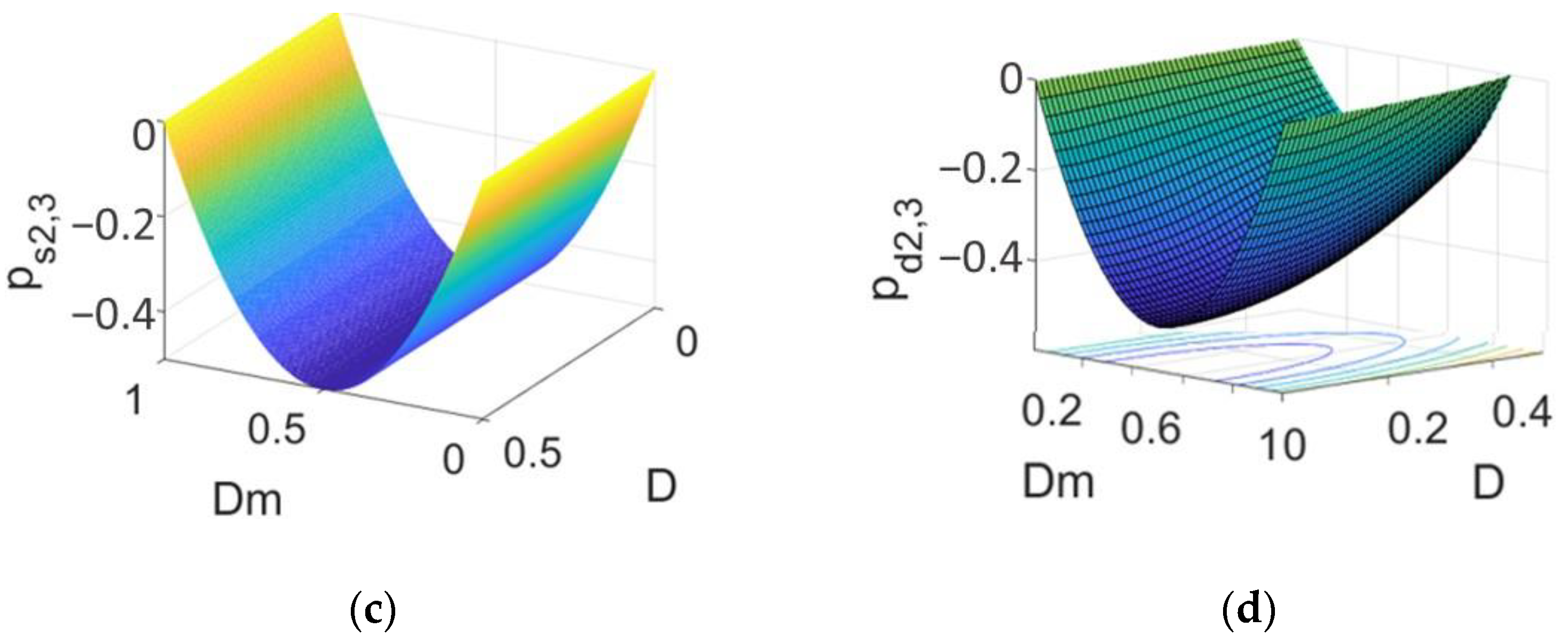
The aim of this work was to eliminate the backflow power present in an isolated three-port DC–DC converter. Backflow power (which is an inherent property of phase-shifted DC–DC converters) is the major contributor of circulating current the converter, which in turn is known to be the leading cause of system loss. The dual phase shift (DPS) control scheme (which alters the transformer voltage waveform at the different winding terminals) was used to reduce the backflow power. Mathematical relations for the backflow power present in the three-port converter were derived. And from this equation, an operating point in which the backflow power is zero was also obtained. This condition for zero backflow power was confirmed by simulations on PSIM. Added to this were simulation results that show other operating conditions in which zero backflow power could be obtained in the converter. In addition, equations for the power processed at the different ports of the converter were also presented, and 3D plots were made to illustrate the variation of the power and backflow power with respect to the phase shift ratios of the DPS control scheme. It was observed that the backflow power can be totally removed from the three-port converter when using this control scheme.
Keywords: backflow power; three-port converter; reactive power; dual phase shift; isolated DC–DC converter; multi-winding DC–DC converter backflow power; three-port converter; reactive power; dual phase shift; isolated DC–DC converter; multi-winding DC–DC converter