Article

A Machine Learning Modeling Framework for Predictive Maintenance Based on Equipment Load Cycle: An Application in a Real World Case

by
Arnaldo Rabello de Aguiar Vallim Filho
1,*,
Daniel Farina Moraes
2,
Marco Vinicius Bhering de Aguiar Vallim
3,
Leilton Santos da Silva
4 and
Leandro Augusto da Silva
5
1
Graduate Program in Applied Computing and Graduate Program in Controllership and Corporate Finance, Mackenzie Presbyterian University, Rua da Consolacao, 896, Sao Paulo 01302-907, Brazil
2
Computer Science Department, Mackenzie Presbyterian University, Rua da Consolacao, 896, Sao Paulo 01302-907, Brazil
3
Graduate Program in Electrical Engineering and Computing, Mackenzie Presbyterian University, Rua da Consolacao, 896, Sao Paulo 01302-907, Brazil
4
EMAE—Metropolitan Company of Water & Energy, Avenida Nossa Senhora do Sabara, 5312, Sao Paulo 04447-902, Brazil
5
Graduate Program in Applied Computing and Graduate Program in Electrical Engineering and Computing, Mackenzie Presbyterian University, Rua da Consolação, 896, Sao Paulo 01302-907, Brazil
*
Author to whom correspondence should be addressed.
Energies 2022, 15(10), 3724; https://doi.org/10.3390/en15103724
Submission received: 2 April 2022 / Revised: 28 April 2022 / Accepted: 5 May 2022 / Published: 19 May 2022
(This article belongs to the Section K: State-of-the-Art Energy Related Technologies)

Abstract

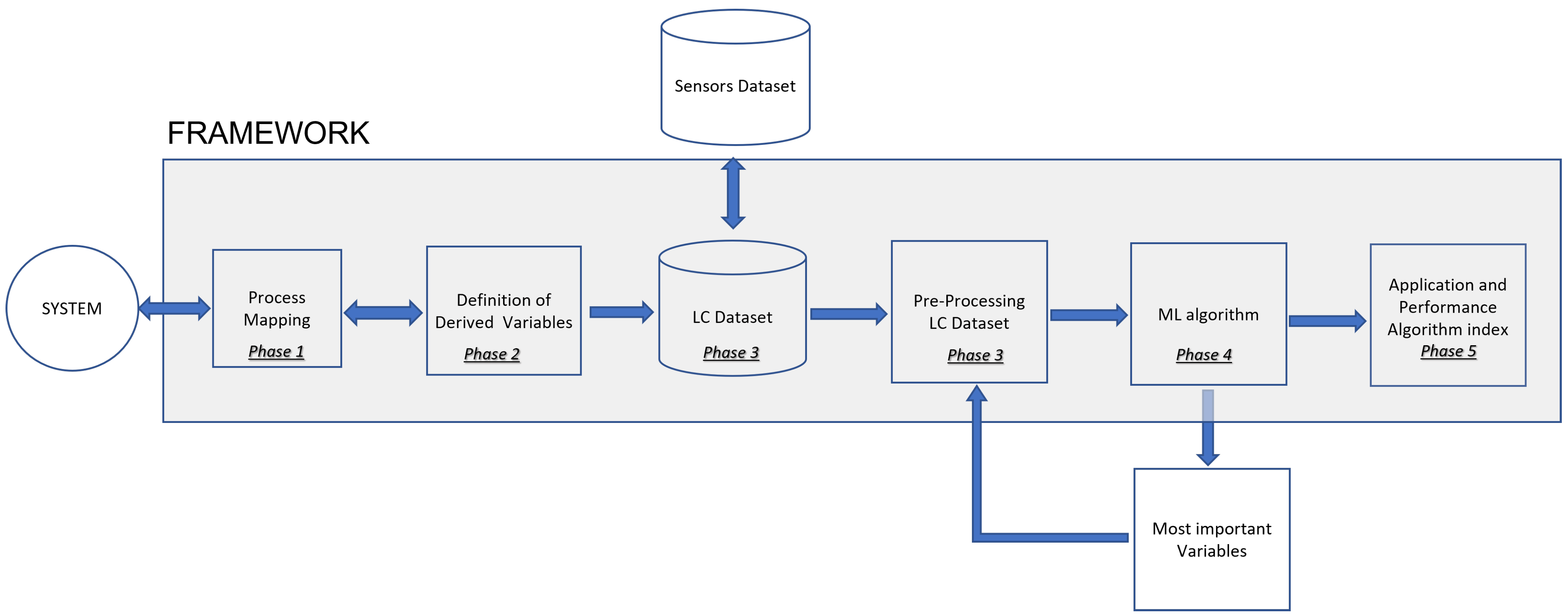
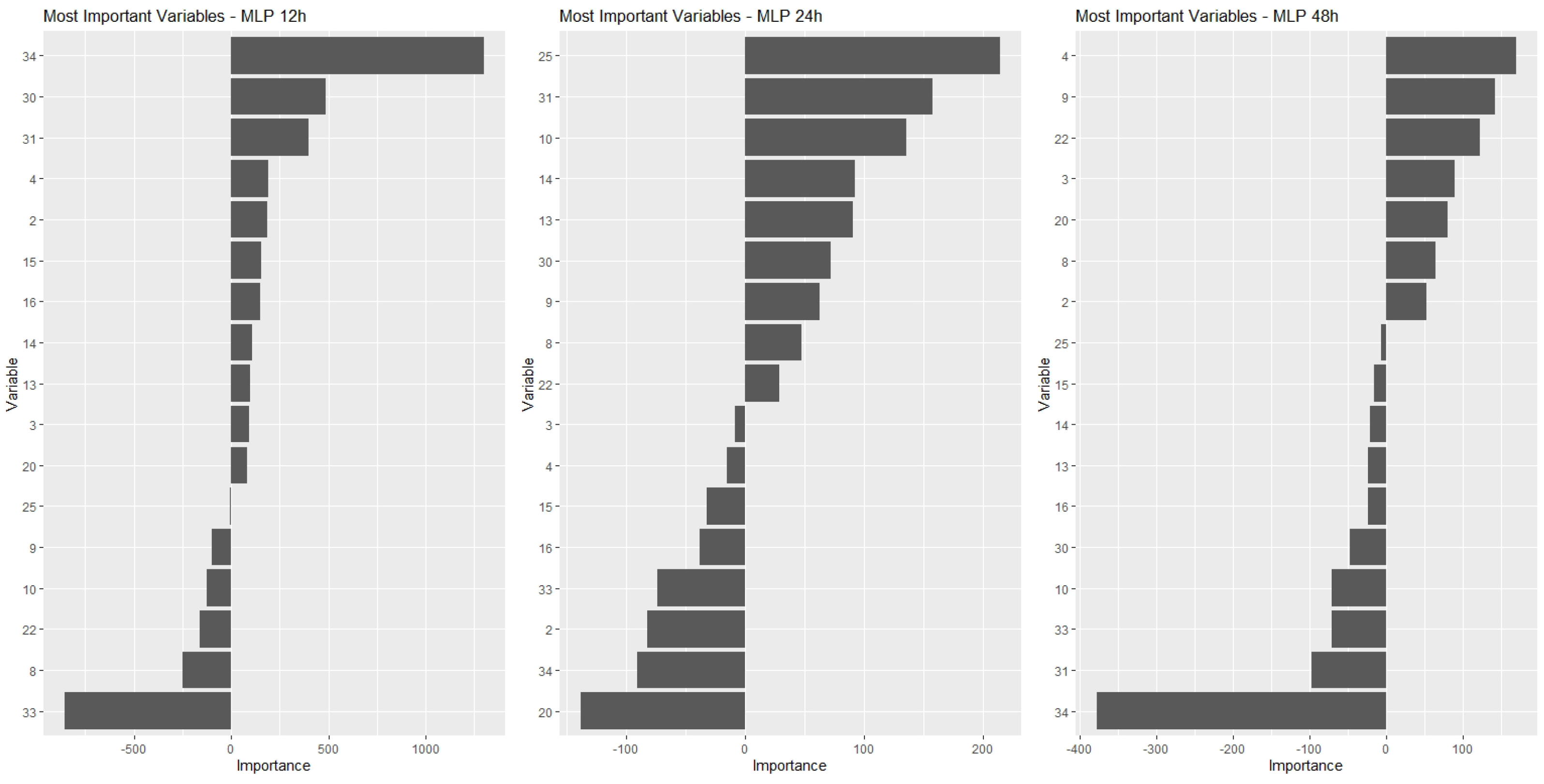
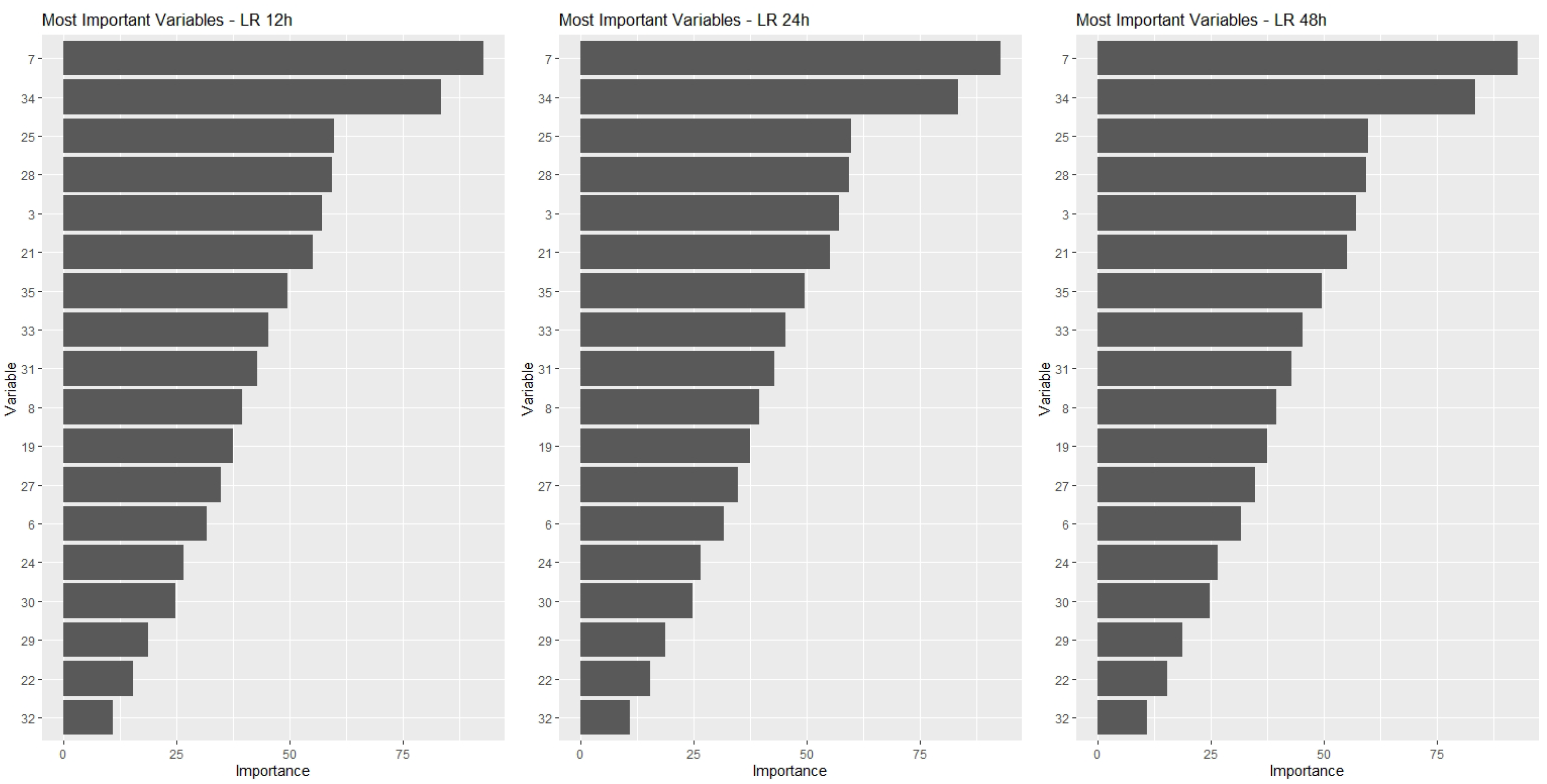
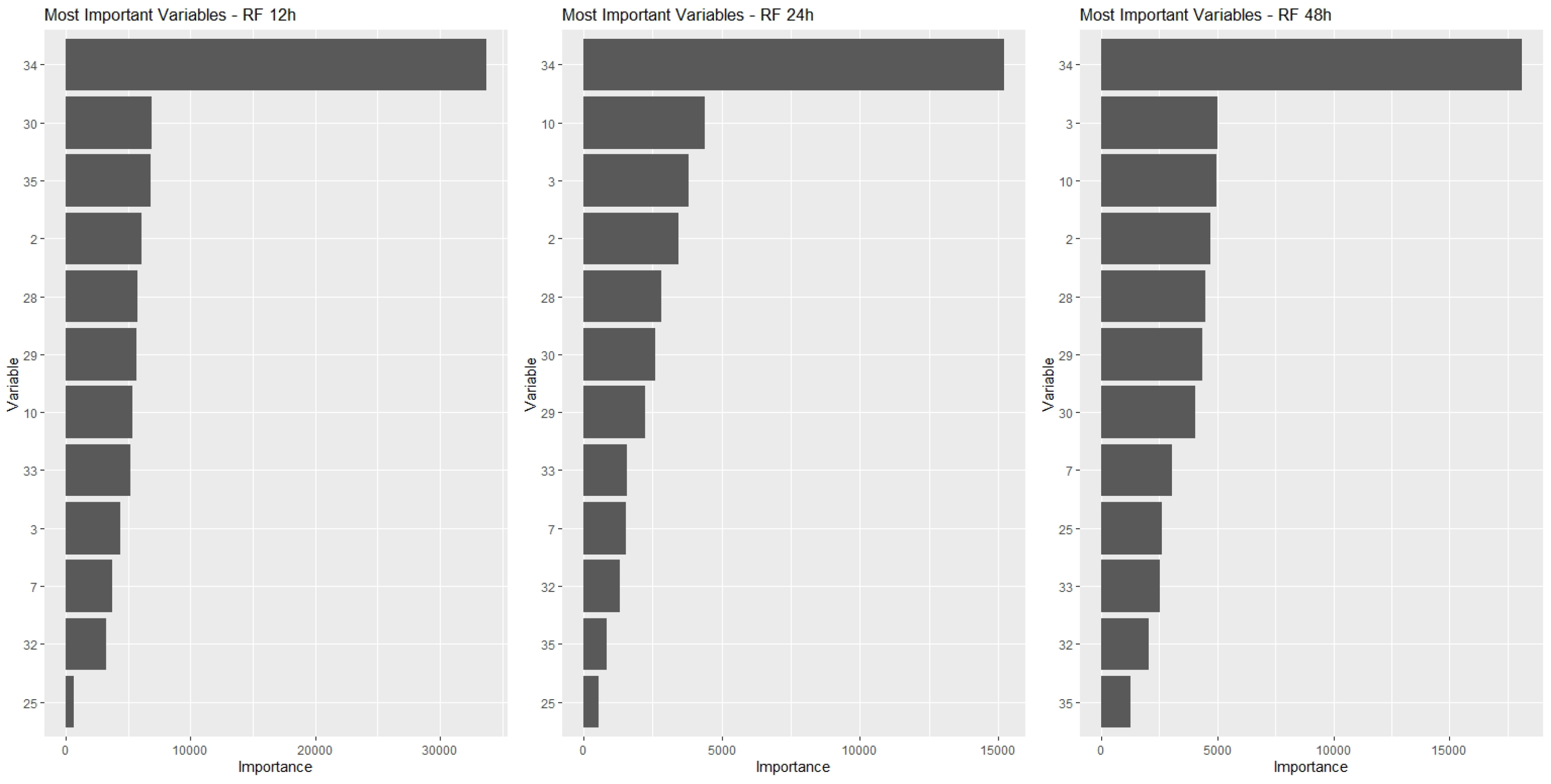
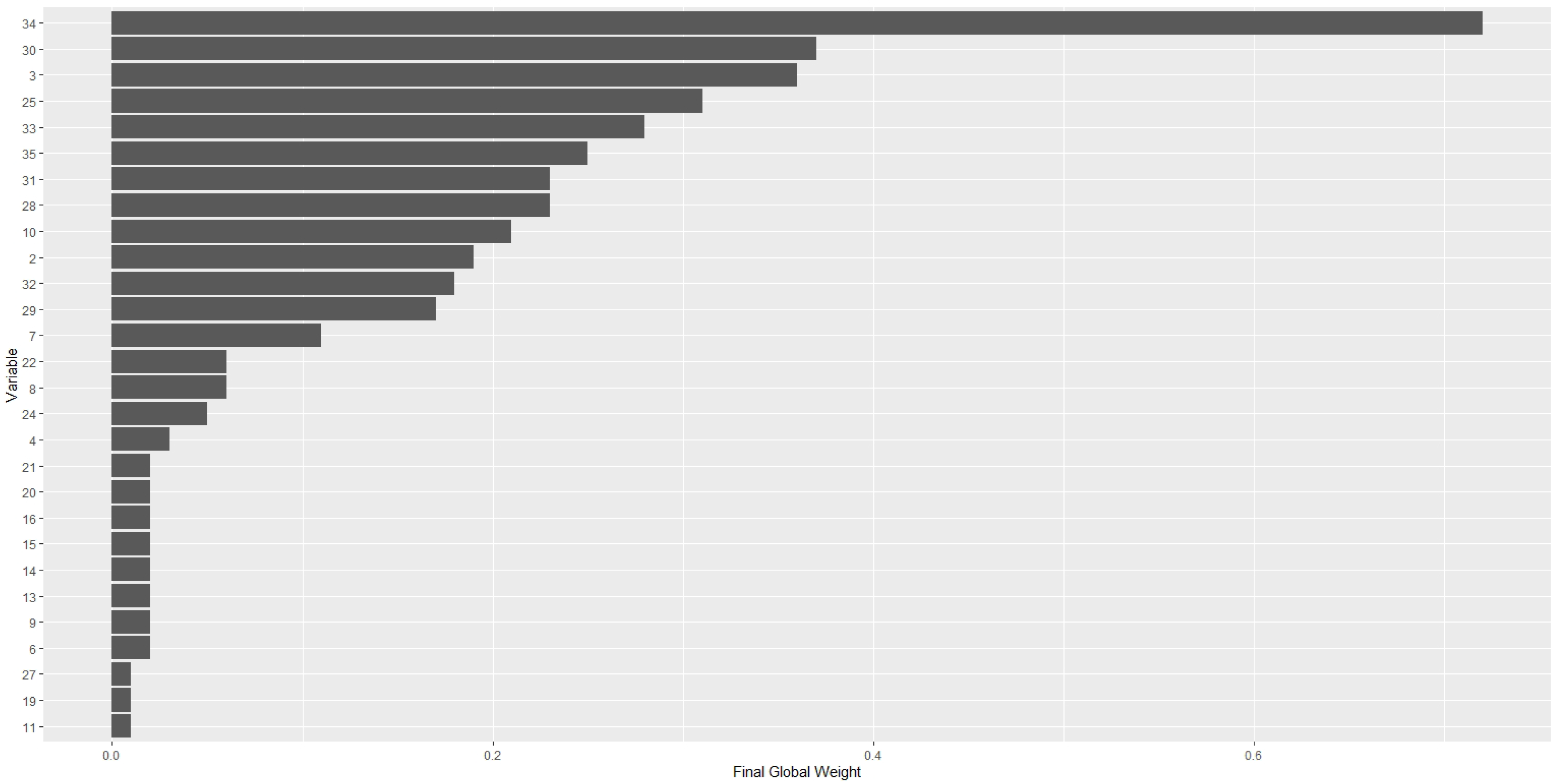
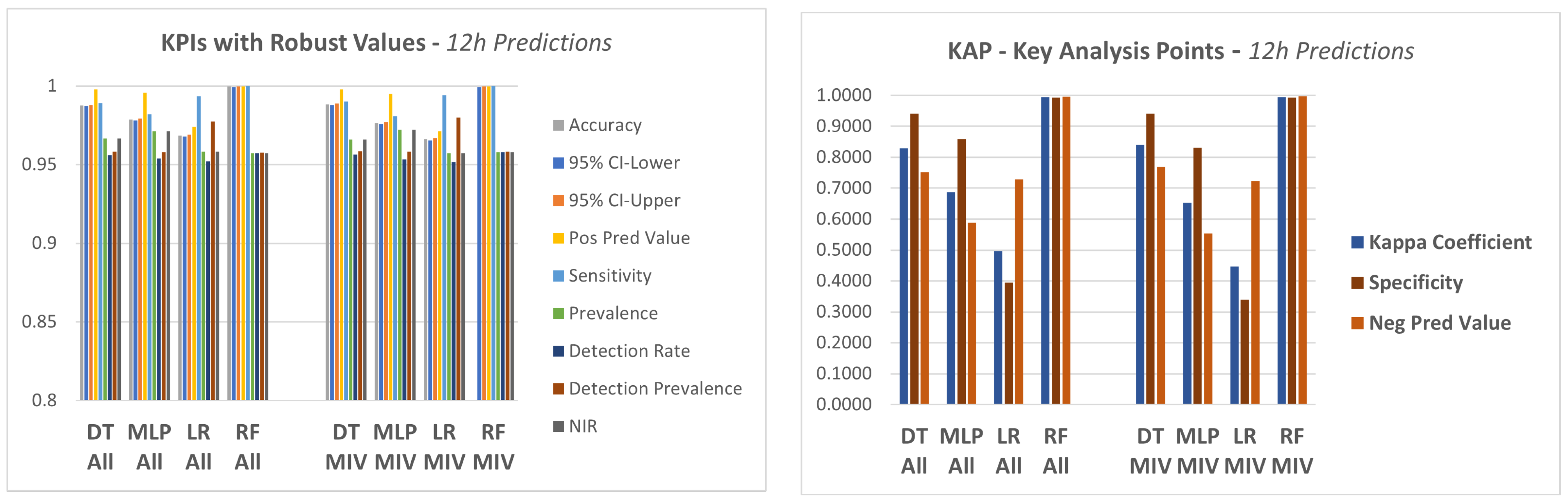
From a practical point of view, a turbine load cycle (TLC) is defined as the time a turbine in a power plant remains in operation. TLC is used by many electric power plants as a stop indicator for turbine maintenance. In traditional operations, a maximum time for the operation of a turbine is usually estimated and, based on the TLC, the remaining operating time until the equipment is subjected to new maintenance is determined. Today, however, a better process is possible, as there are many turbines with sensors that carry out the telemetry of the operation, and machine learning (ML) models can use this data to support decision making, predicting the optimal time for equipment to stop, from the actual need for maintenance. This is predictive maintenance, and it is widely used in Industry 4.0 contexts. However, knowing which data must be collected by the sensors (the variables), and their impact on the training of an ML algorithm, is a challenge to be explored on a case-by-case basis. In this work, we propose a framework for mapping sensors related to a turbine in a hydroelectric power plant and the selection of variables involved in the load cycle to: (i) investigate whether the data allow identification of the future moment of maintenance, which is done by exploring and comparing four ML algorithms; (ii) discover which are the most important variables (MIV) for each algorithm in predicting the need for maintenance in a given time horizon; (iii) combine the MIV of each algorithm through weighting criteria, identifying the most relevant variables of the studied data set; (iv) develop a methodology to label the data in such a way that the problem of forecasting a future need for maintenance becomes a problem of binary classification (need for maintenance: yes or no) in a time horizon. The resulting framework was applied to a real problem, and the results obtained pointed to rates of maintenance identification with very high accuracies, in the order of 98%.
Keywords: predictive maintenance; machine learning; artificial intelligence; big data process; most important variables predictive maintenance; machine learning; artificial intelligence; big data process; most important variables