Article

Pre-Breakdown and Breakdown Behavior of Synthetic and Natural Ester Liquids under AC Stress

1
Laboratory of Technology, Université Félix Houphouët Boigny de Cocody, Abidjan 01 BP V34, Côte d’Ivoire
2
Research Chair on the Aging of Power Network Infrastructure (ViAHT), Department of Applied Sciences, University of Quebec at Chicoutimi, Chicoutimi, QC G7H 2B1, Canada
3
Institut de Recherche D’Hydro-Québec, Varennes, QC J3X 1S1, Canada
4
Department of Electrical Engineering, Institute National Polytechnique, Yamoussoukro P.O. Box 1093, Côte d’Ivoire
*
Author to whom correspondence should be addressed.
Energies 2022, 15(1), 167; https://doi.org/10.3390/en15010167
Submission received: 23 November 2021 / Revised: 21 December 2021 / Accepted: 21 December 2021 / Published: 27 December 2021

Abstract

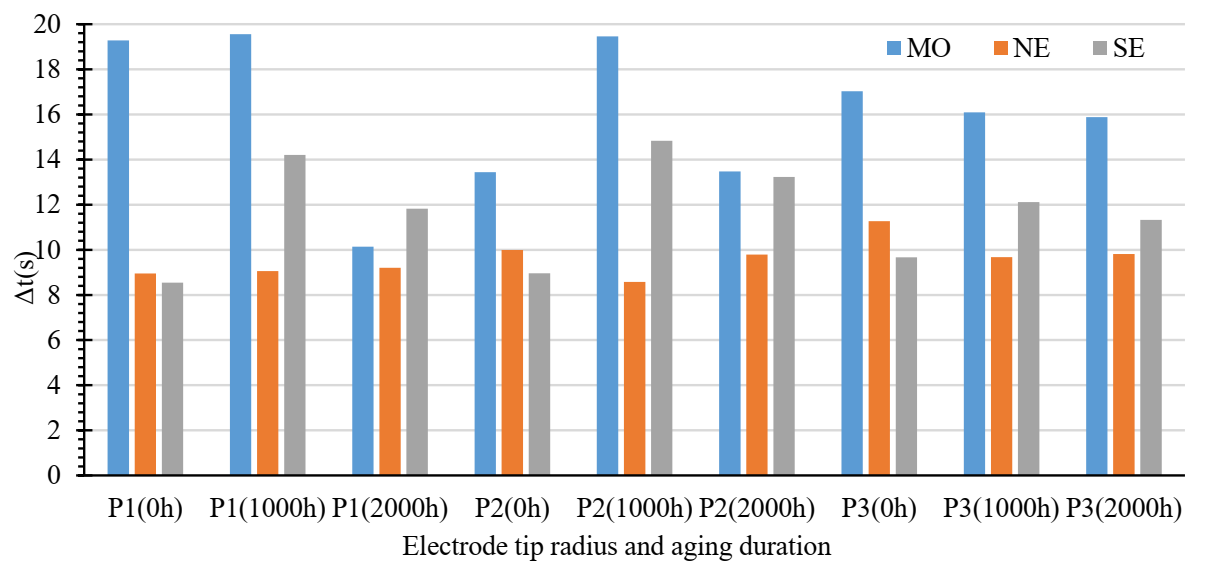
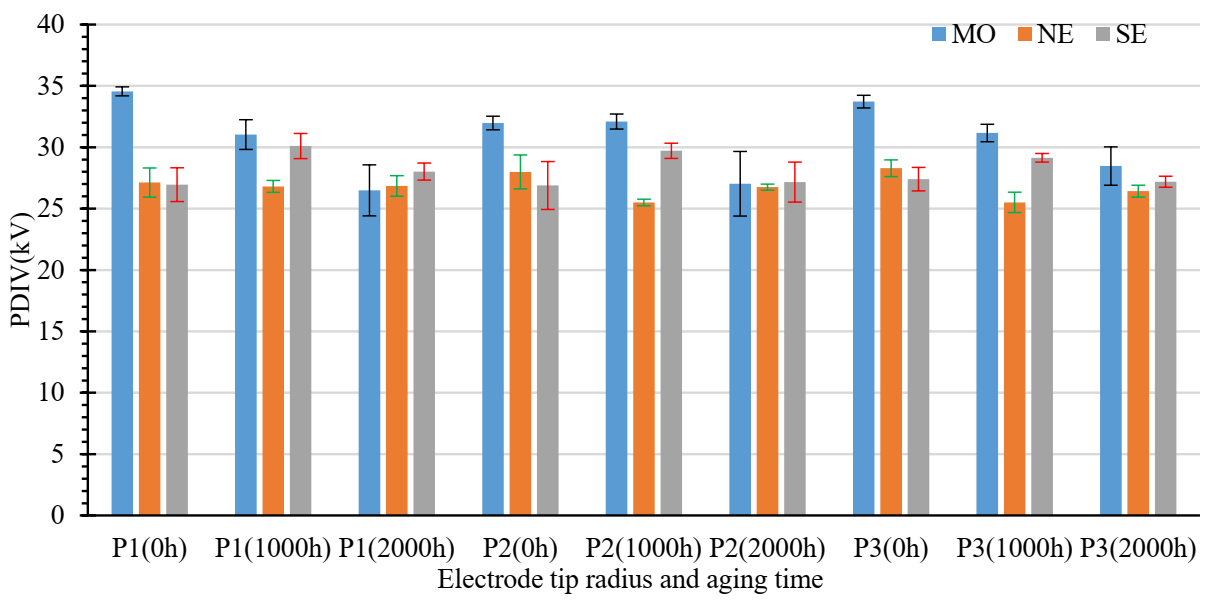
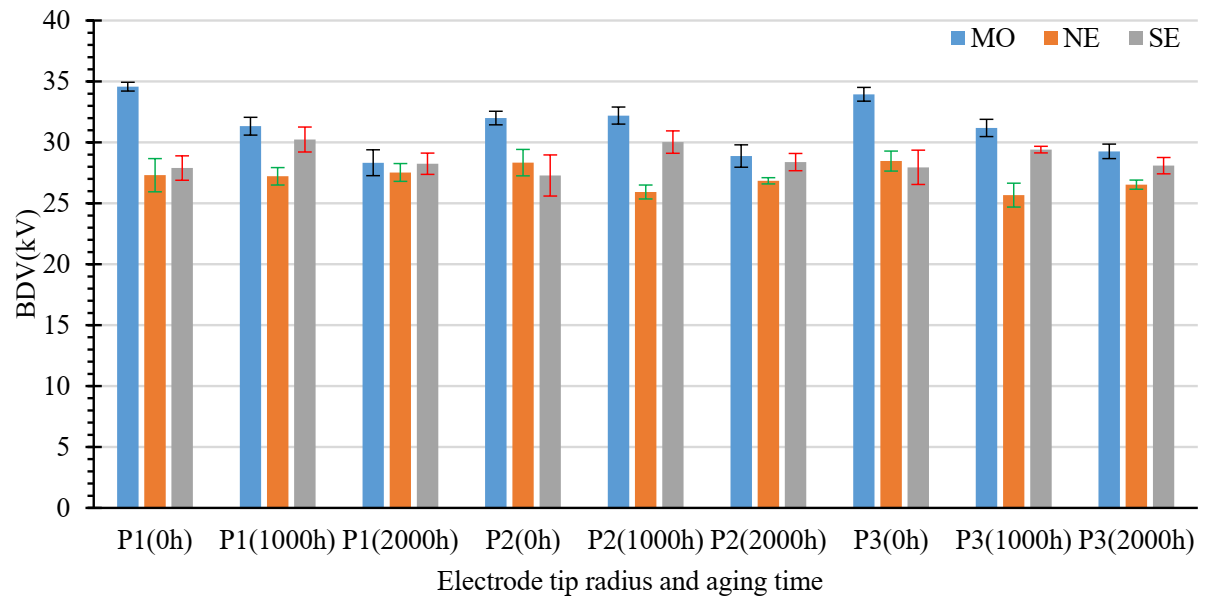
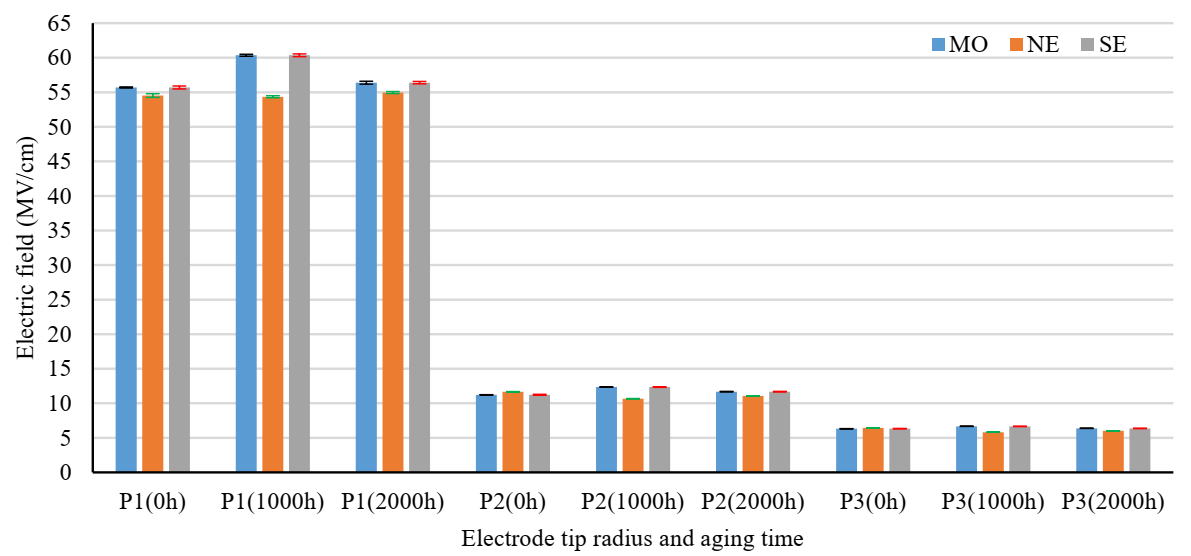
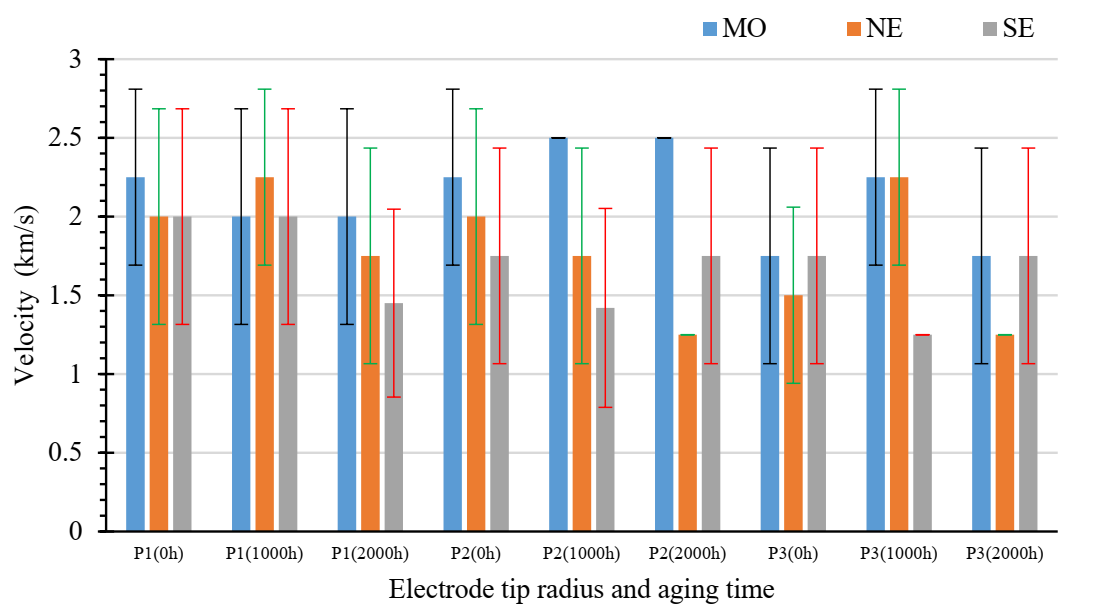
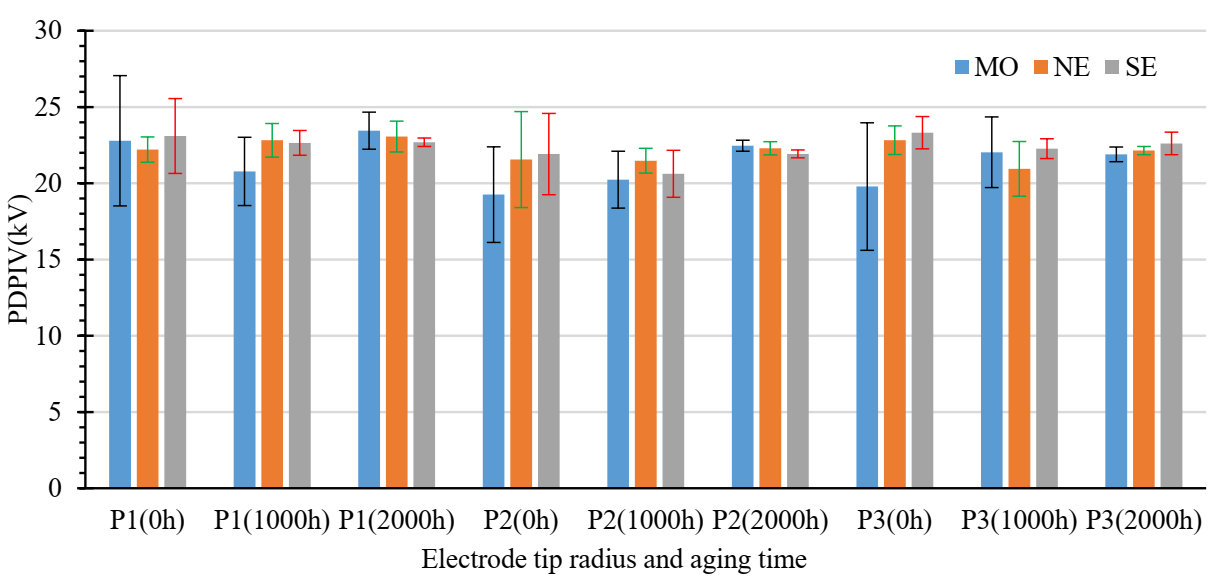
In the last decades, a large focus is being placed on the sustainability and safety of the power transformer spectrum. Ester liquids, which have interesting properties such as high fire point and biodegradability, are gaining needed attraction. Since in-service condition, thermal aging deteriorates the physicochemical and electrical properties of liquid dielectrics, it is important to study their long-term behavior. In this contribution, the pre-breakdown and breakdown behavior of ester fluids (synthetic and natural) under AC stress are investigated. Important characteristics, such as partial discharge pre-inception voltage, partial discharge inception voltage, breakdown voltage, average streamer velocity, and inception electric field, were assessed. The influence of the radius of curvature (of high voltage needle electrode) as well as the thermal degradation of typical ester liquids are also discussed. Mineral oil was also included in the tests loop as a benchmark for comparative purposes. It is found that the pre-inception voltage of ester liquids was, in most cases, higher than that of mineral oil. For a given radius of curvature, the streamer inception and breakdown voltages decreased with thermal aging. During the streamer initiation, the electric field at the electrode tip decreased with the increase in the radius of curvature. The velocity of the streamers seems to increase with the decrease in the radius of curvature. The period of vulnerability, the so-called “delay time”, seems to be independent of the aging or the radius of curvature for a given condition of the liquid.
Keywords: breakdown voltage; partial discharge; power transformer; ester liquids breakdown voltage; partial discharge; power transformer; ester liquids