Article

Building Retrofitting through Coupling of Building Energy Simulation-Optimization Tool with CFD and Daylight Programs
by
Mehrdad Rabani
1,2,*,
Habtamu Bayera Madessa
1 and
Natasa Nord
2
1
Department of Civil Engineering and Energy Technology, Oslo Metropolitan University, 0130 Oslo, Norway
2
Department of Energy and Process Engineering, Norwegian University of Science and Technology, 7491 Trondheim, Norway
*
Author to whom correspondence should be addressed.
Energies 2021, 14(8), 2180; https://doi.org/10.3390/en14082180
Submission received: 18 March 2021 / Revised: 6 April 2021 / Accepted: 12 April 2021 / Published: 14 April 2021
(This article belongs to the Special Issue CFD Simulation in Energy Efficiency and Building Energy Saving)

Abstract

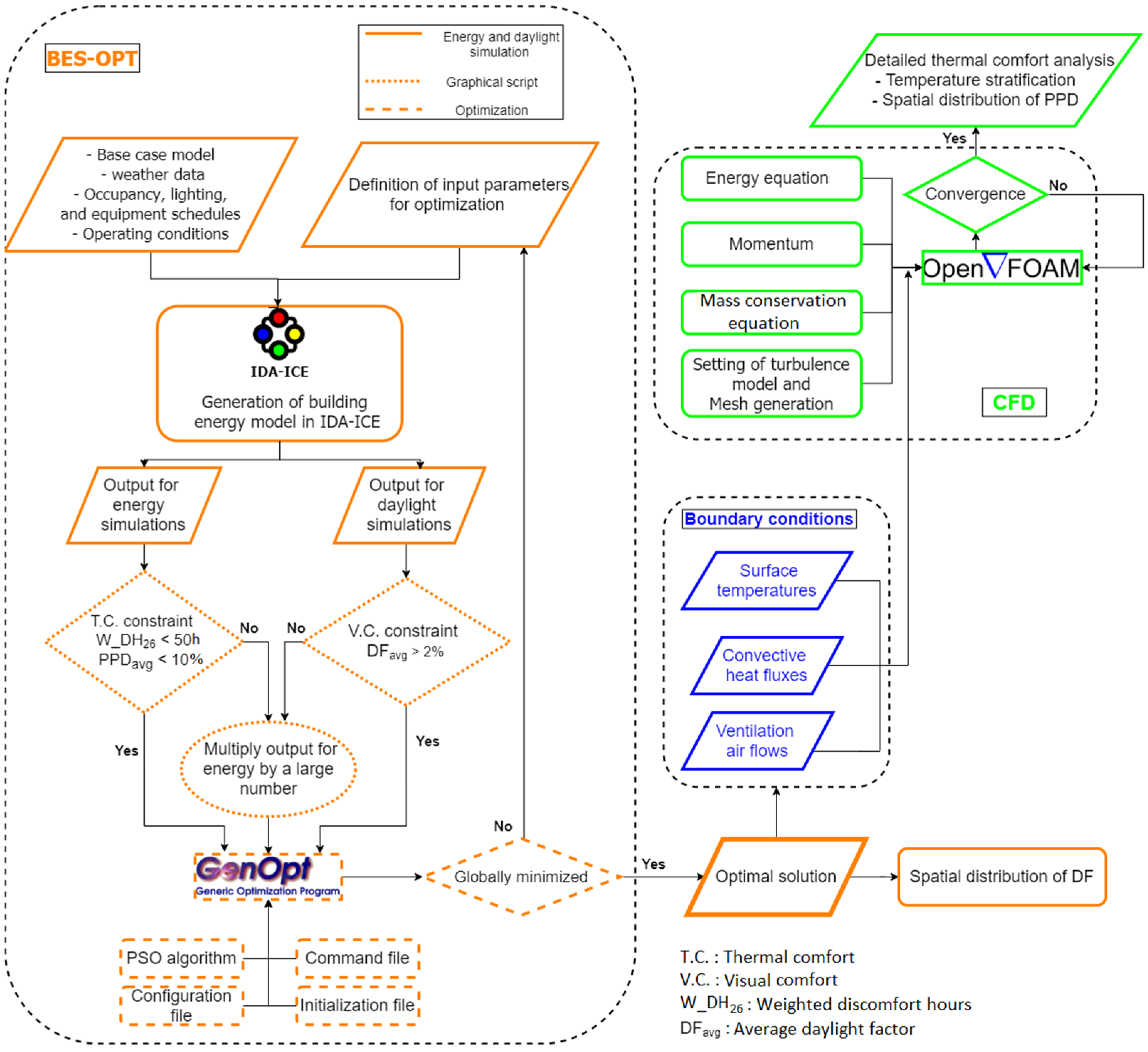
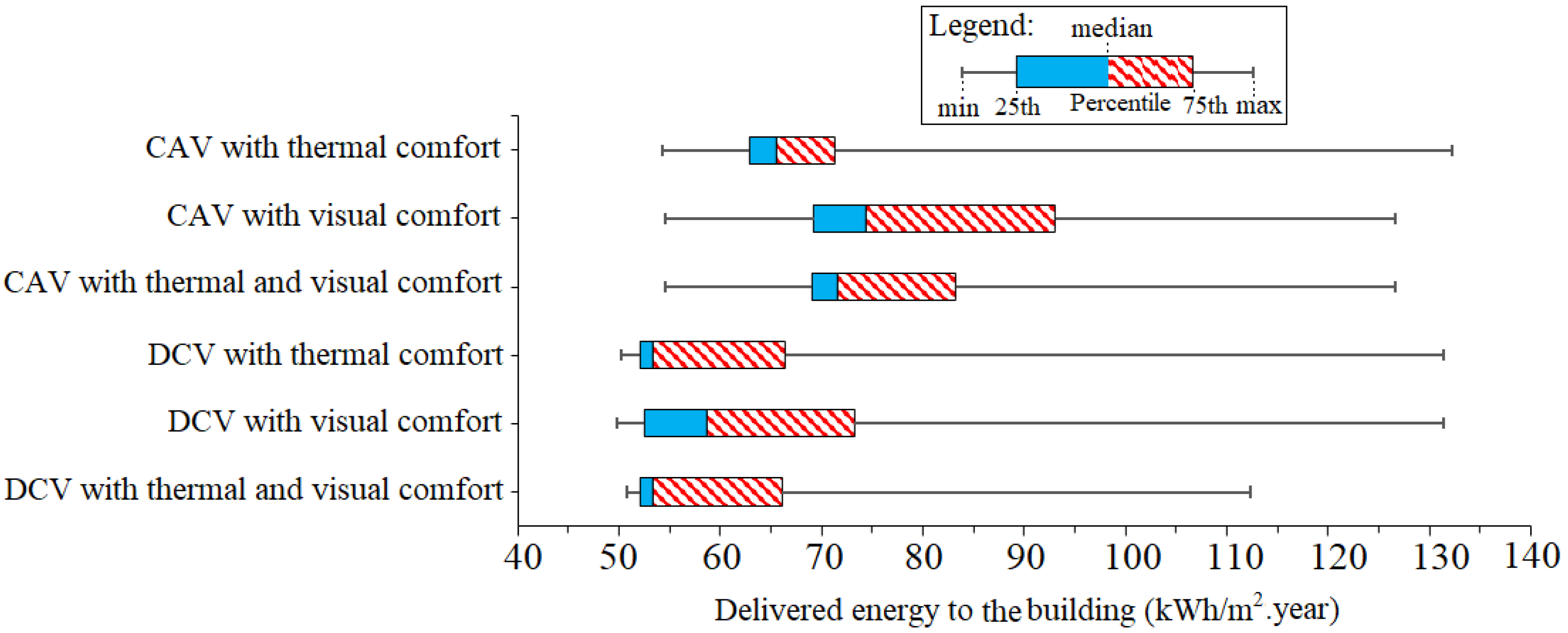
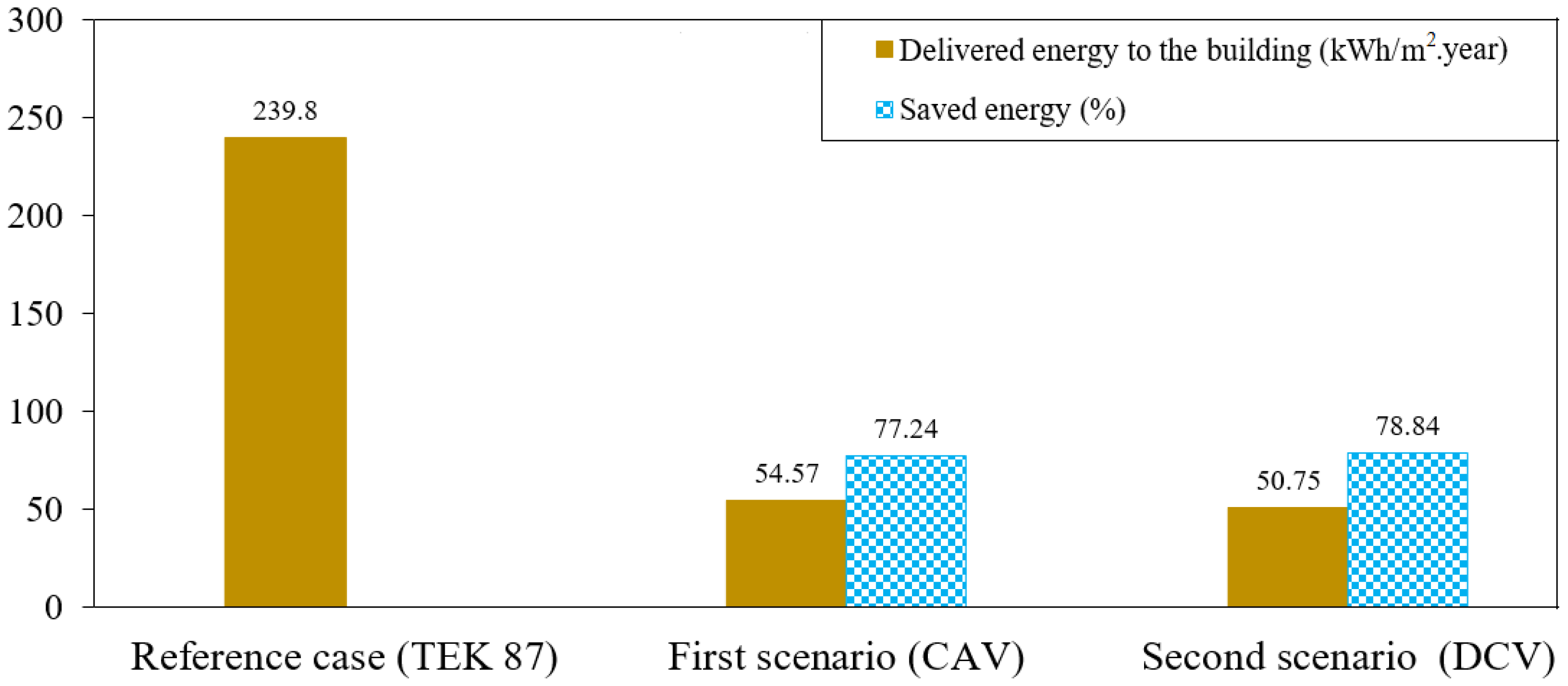
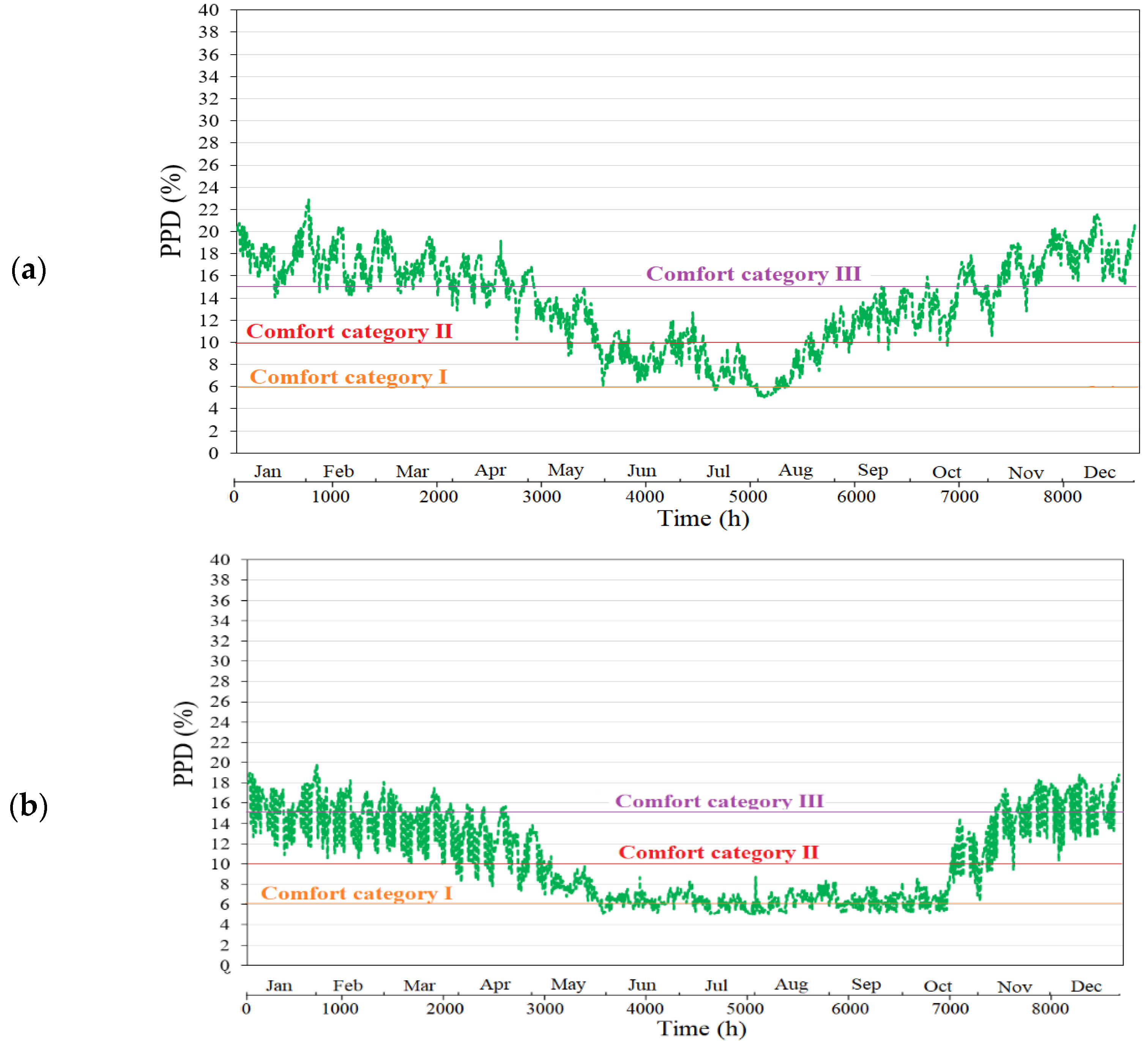
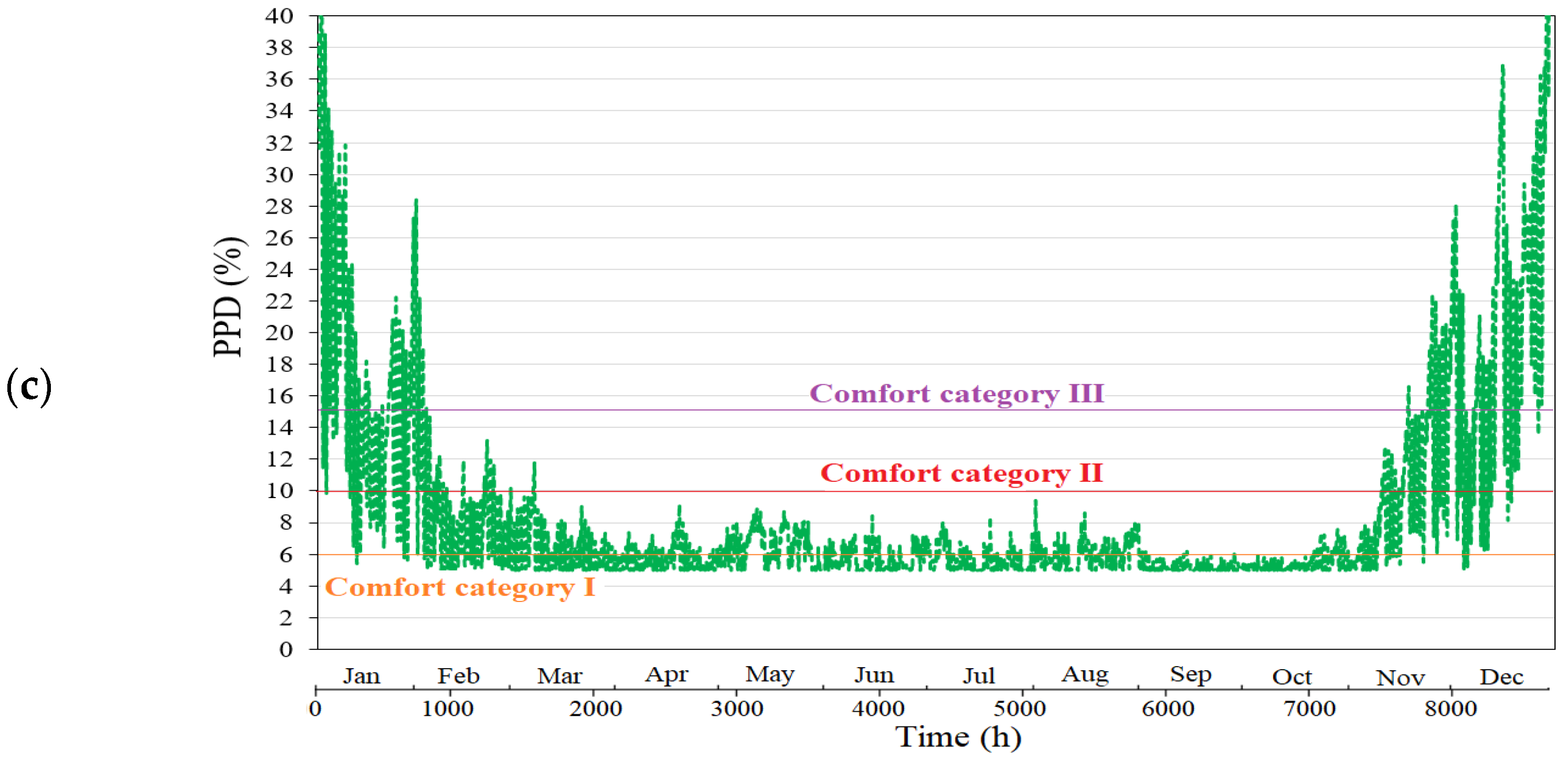
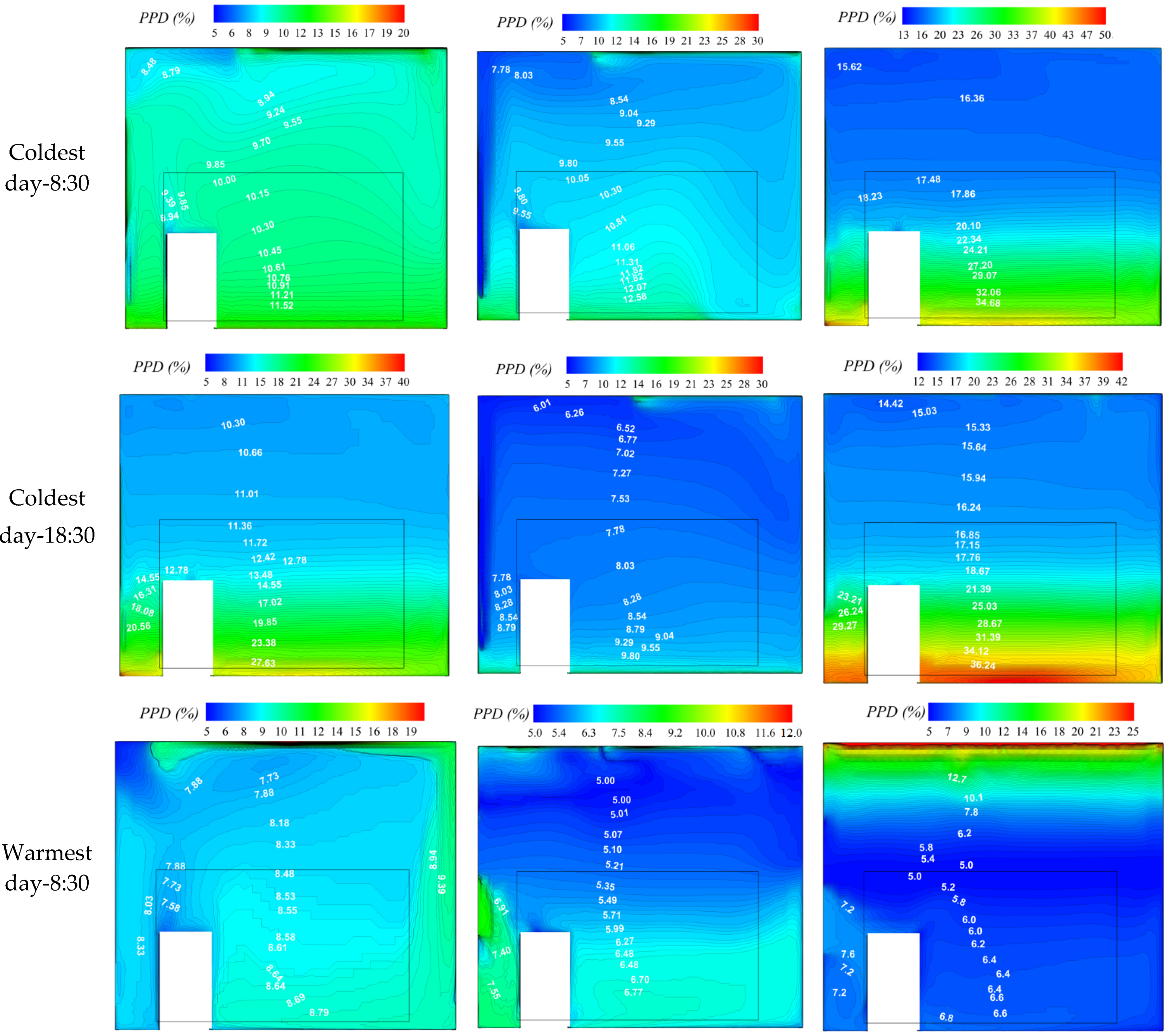
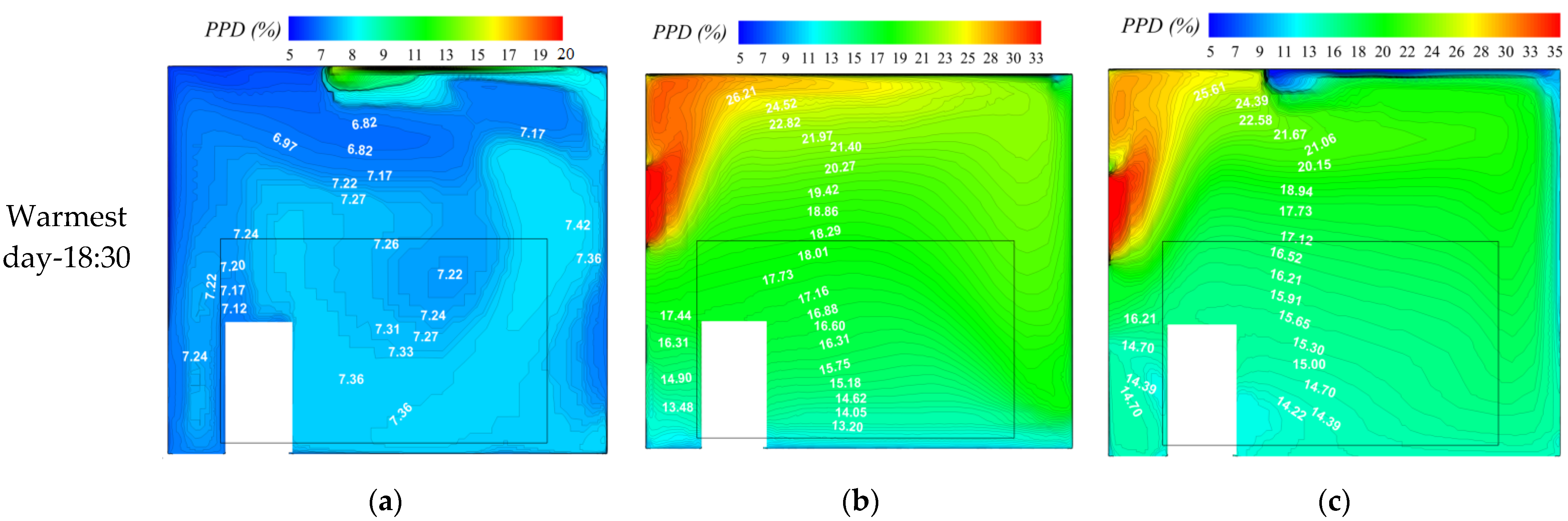
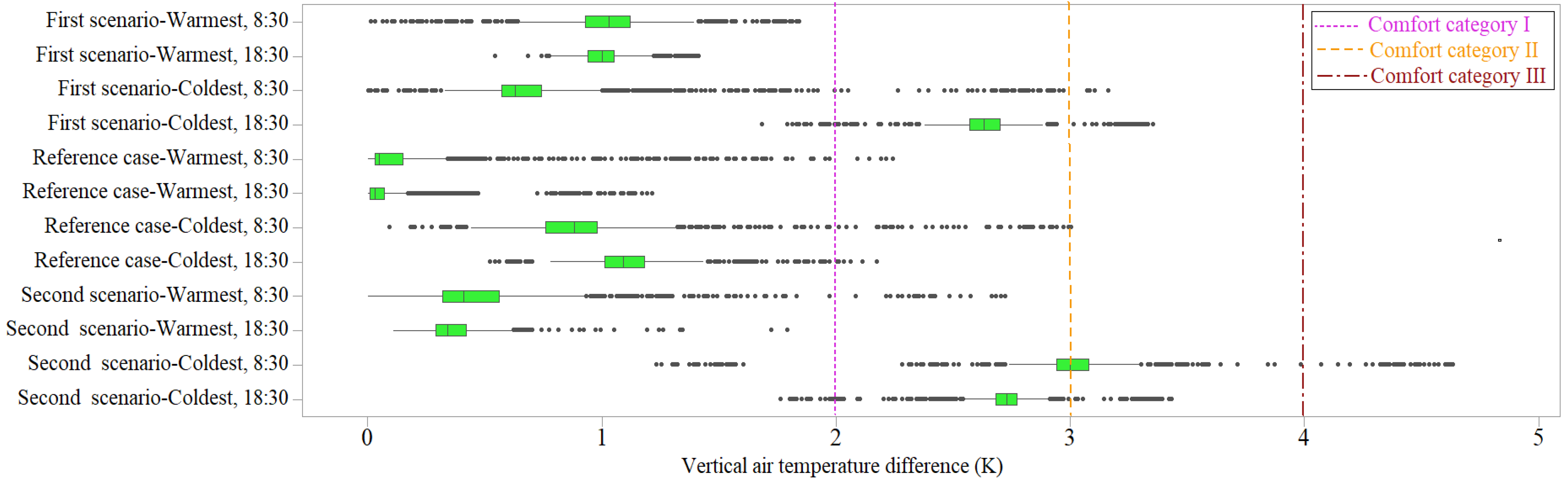
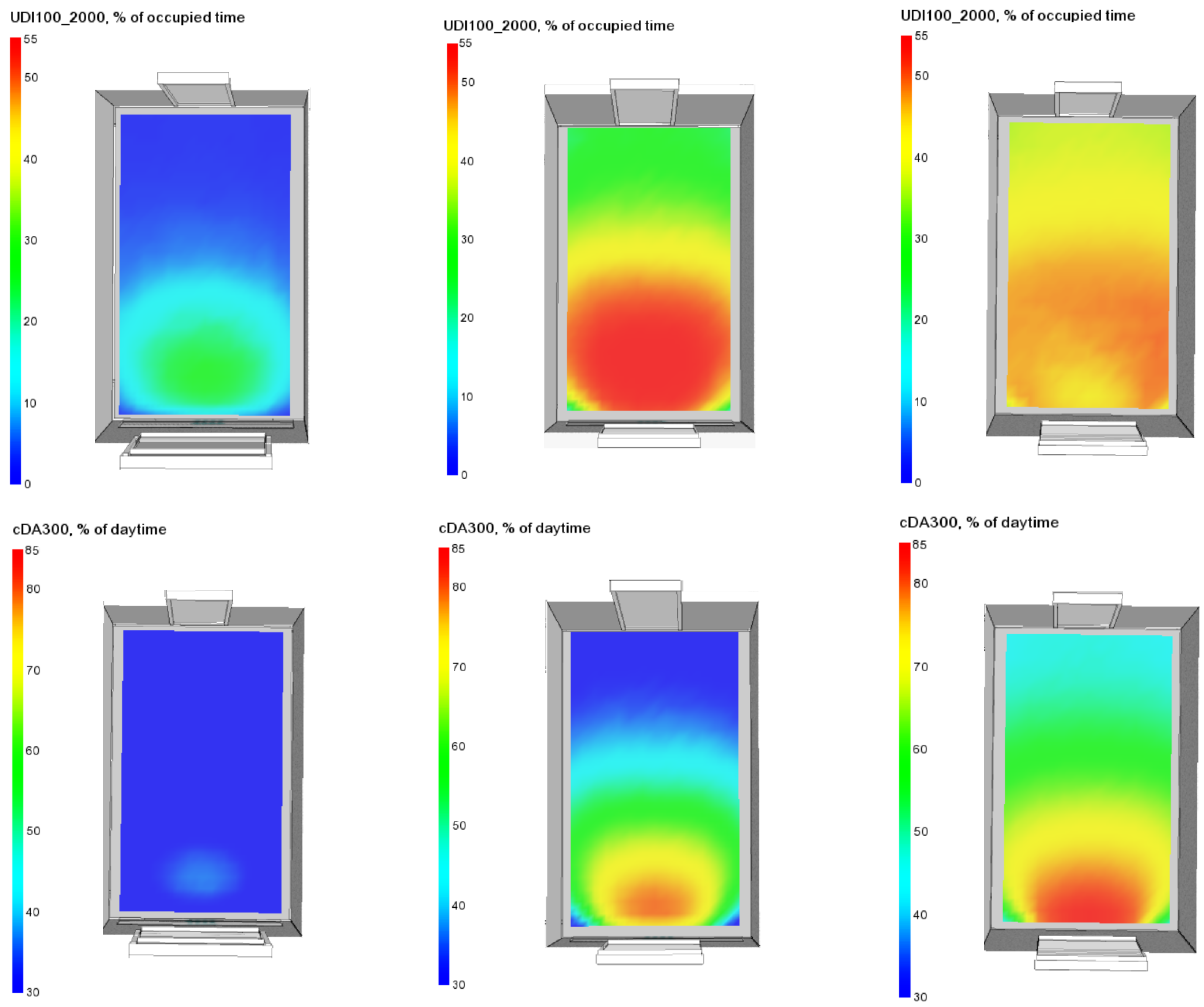
Simultaneous satisfaction of both thermal and visual comfort in buildings may be a challenging task. Therefore, this paper suggests a comprehensive framework for the building energy optimization process integrating computational fluid dynamics (CFD) daylight simulations. A building energy simulation tool, IDA Indoor Climate and Energy (IDA-ICE), was coupled with three open-source tools including GenOpt, OpenFOAM, and Radiance. In the optimization phase, several design variables i.e., building envelope properties, fenestration parameters, and Heating, Ventilation and Air-Conditioning (HVAC) system set points, were selected to minimize the total building energy use and simultaneously improve thermal and visual comfort. Two different scenarios were investigated for retrofitting of a generic office building located in Oslo, Norway. In the first scenario a constant air volume (CAV) ventilation system with a local radiator in each zone was used, while an all-air system equipped with a demand control ventilation (DCV) was applied in the second scenario. Findings showed that, compared to the reference design, significant reduction of total building energy use, around 77% and 79% in the first and second scenarios, was achieved respectively, and thermal and visual comfort conditions were also improved considerably. However, the overall thermal and visual comfort satisfactions were higher when all-air system was applied.
Keywords: building retrofitting; building performance optimization; CFD; daylight analysis; thermal and visual comfort building retrofitting; building performance optimization; CFD; daylight analysis; thermal and visual comfort