Article

Experimental and Theoretical Validation of One Diode and Three Parameters–Based PV Models

1
INESC-ID/IST, University of Lisbon, 1049-001 Lisbon, Portugal
2
Instituto Superior Técnico, University of Lisbon, 1049-001 Lisbon, Portugal
*
Author to whom correspondence should be addressed.
Energies 2021, 14(8), 2140; https://doi.org/10.3390/en14082140
Submission received: 9 March 2021 / Revised: 3 April 2021 / Accepted: 7 April 2021 / Published: 11 April 2021
(This article belongs to the Topic Solar Thermal Energy and Photovoltaic Systems)

Abstract

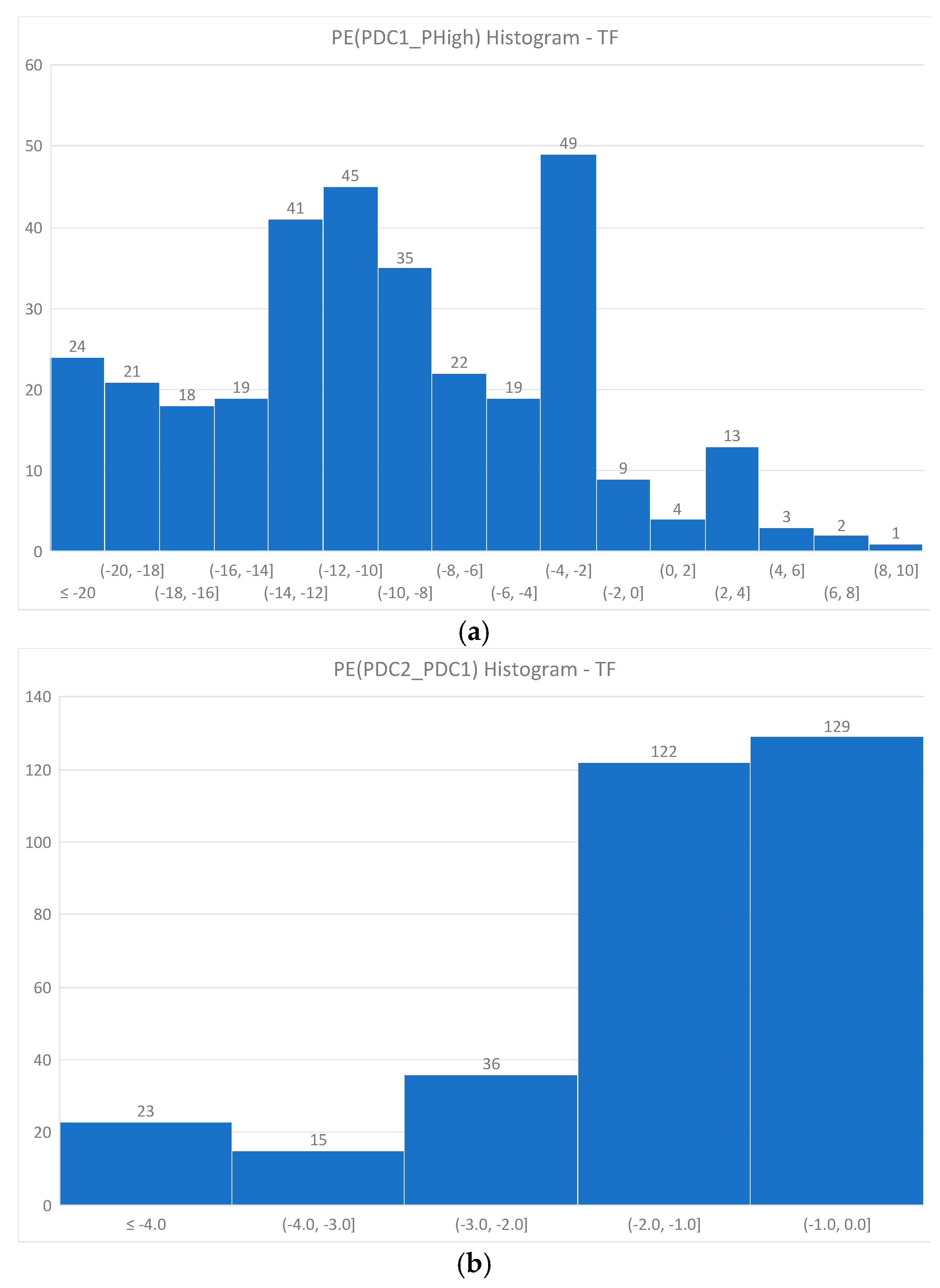
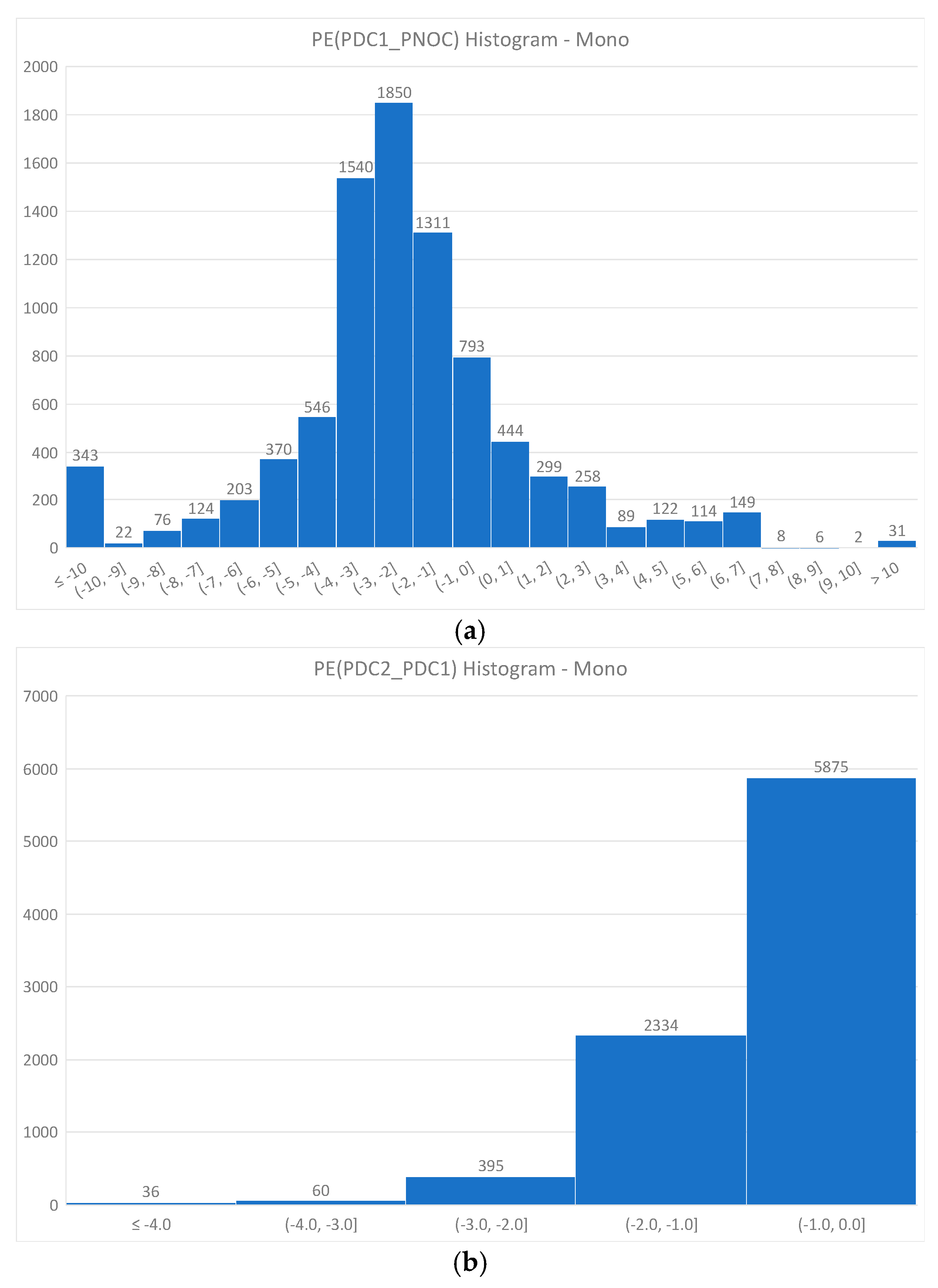
The present paper defines and assesses a new simplified method to represent the photovoltaic (PV) modules’ electrical behavior, based on the commonly used one diode and three parameters (1D + 3P) model, addressing two main objectives. The first one is to quantify and assess, at different operating conditions, the PV modules electrical behavior estimations’ accuracy provided by the well-known 1D + 3P, through a comparison based on experimental and theoretical results. The second one concerns the performance assessment of the 1D + 3P model’s suggested approximation, aiming at simplifying the mathematics instead of solving complex iterative equations, which hinges on higher computational time to obtain accurate results. Hence, experimental and theoretical data were considered, aiming at performing a thorough comparison with more than 17,000 PV modules being assessed, which was achieved by using both the California Energy Commission (CEC) database and PVsyst software. The findings show that the already known 1D + 3P model delivers satisfactory power output estimations for crystalline silicon modules and high irradiance conditions. However, its performance worsens when considering Low Irradiance and thin-film technology. In comparison with the original model, accurate results were obtained with the new simplified suggested 1D + 3P for all irradiance conditions and technologies assessed, thus proving its validity and capability of circumventing the aforementioned challenges.
Keywords: PV modules; performance models; data-driven models; one diode and three parameters model; experimental validation; theoretical validation PV modules; performance models; data-driven models; one diode and three parameters model; experimental validation; theoretical validation