Article

An Enhanced Emulated Inertia Control for Grid-Connected PV Systems with HESS in a Weak Grid
by
Ratnam Kamala Sarojini
1,
Palanisamy Kaliannan
1,
Yuvaraja Teekaraman
2,
Srete Nikolovski
3,* and
Hamid Reza Baghaee
4
1
Vellore Institute of Technology, School of Electrical Engineering, Vellore 632 014, Tamil Nadu, India
2
EVERGi-Sustainable Energy Communities, MOBI-Mobility, Logistics and Automotive Technology Research Centre, ETEC-Department of Electrical Engineering and Energy Technology, Faculty of Engineering, Vrije Universiteit Brussel, 1050 Brussel, Belgium
3
Power Engineering Department, Faculty of Electrical Engineering, Computer Science and Information Technology, University of Osijek, 31000 Osijek, Croatia
4
Department of Electrical Engineering, Amirkabir University of Technology, Tehran 15875–4413, Iran
*
Author to whom correspondence should be addressed.
Energies 2021, 14(6), 1721; https://doi.org/10.3390/en14061721
Submission received: 3 February 2021 / Revised: 15 March 2021 / Accepted: 16 March 2021 / Published: 19 March 2021
(This article belongs to the Special Issue Optimisation and Control Modelling in Micro-Grids)

Abstract

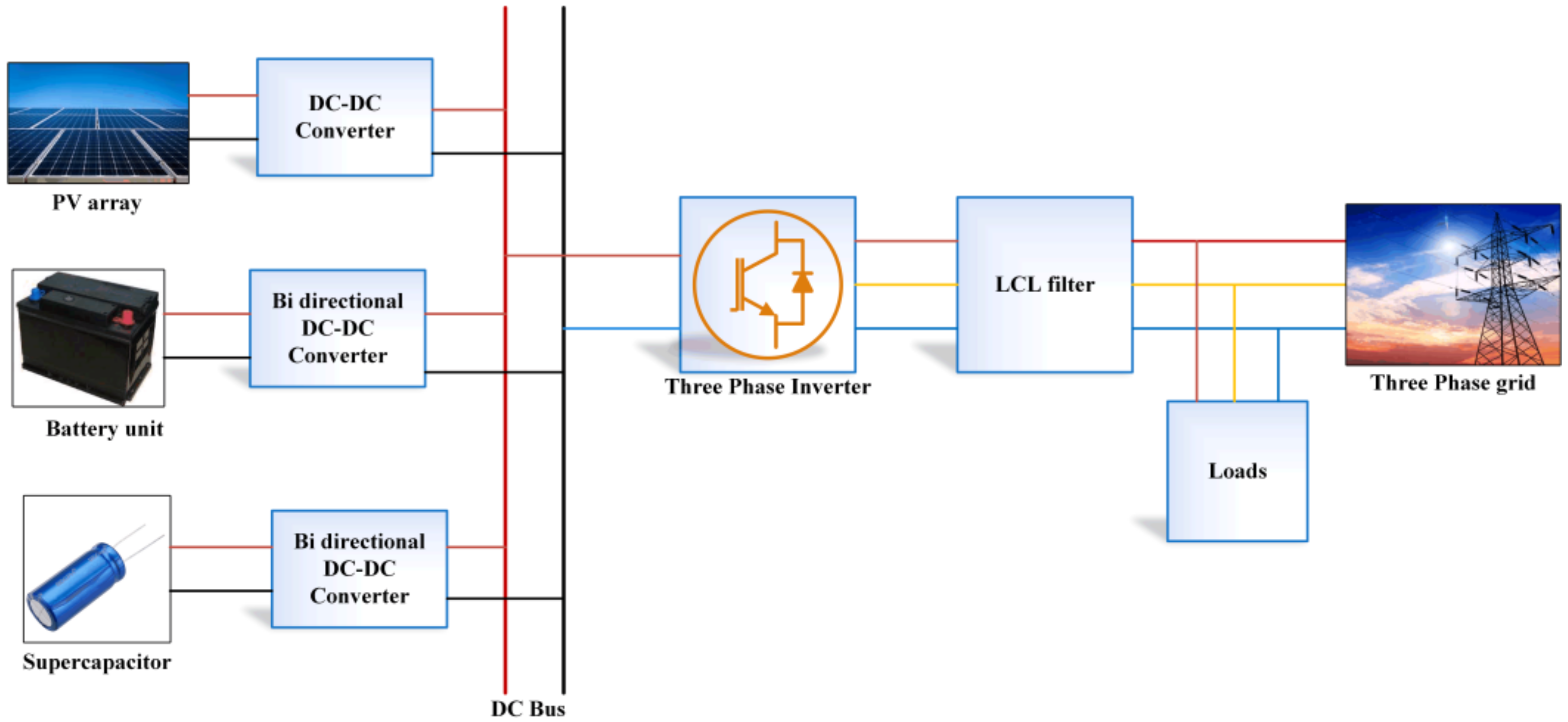
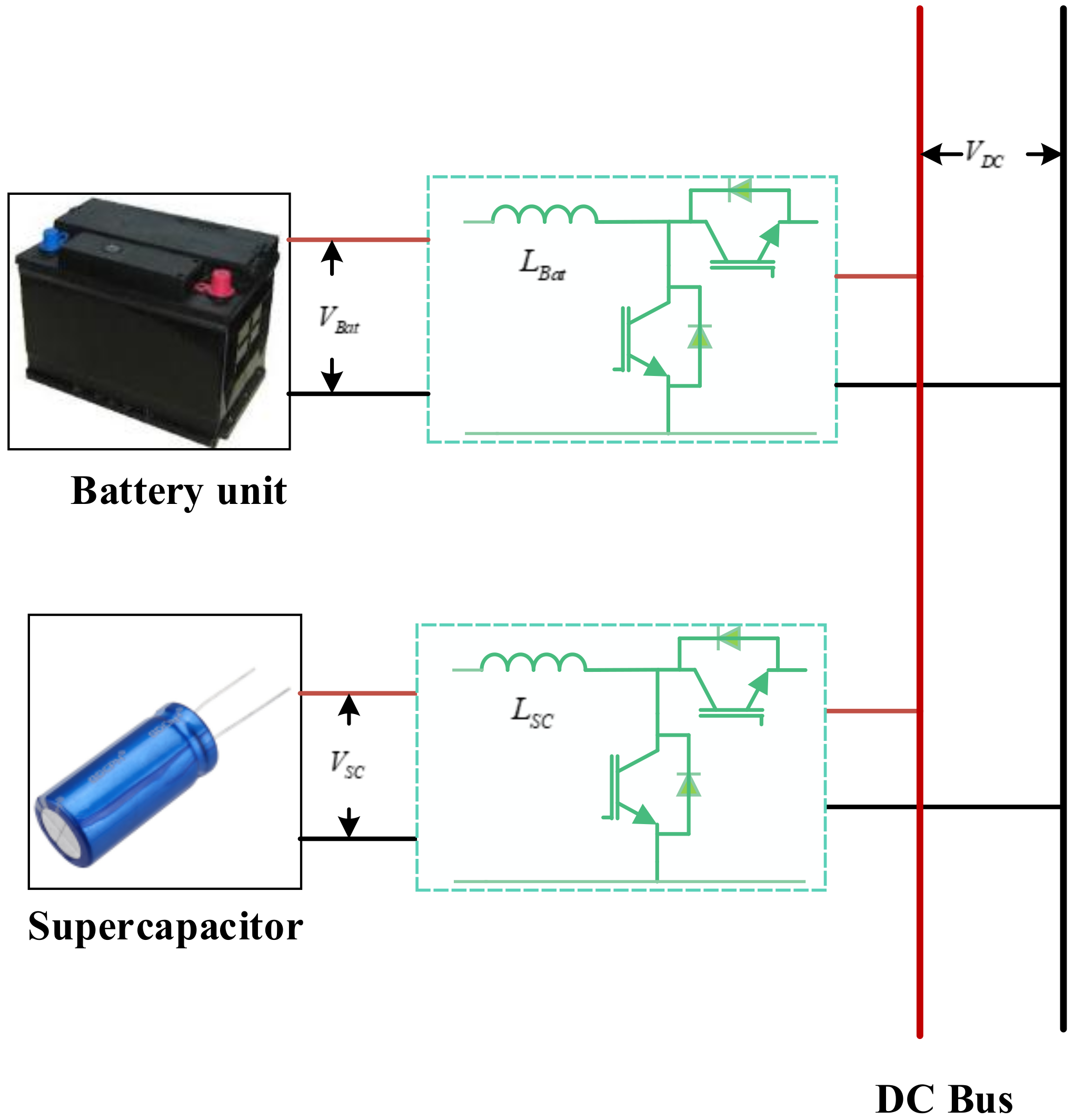
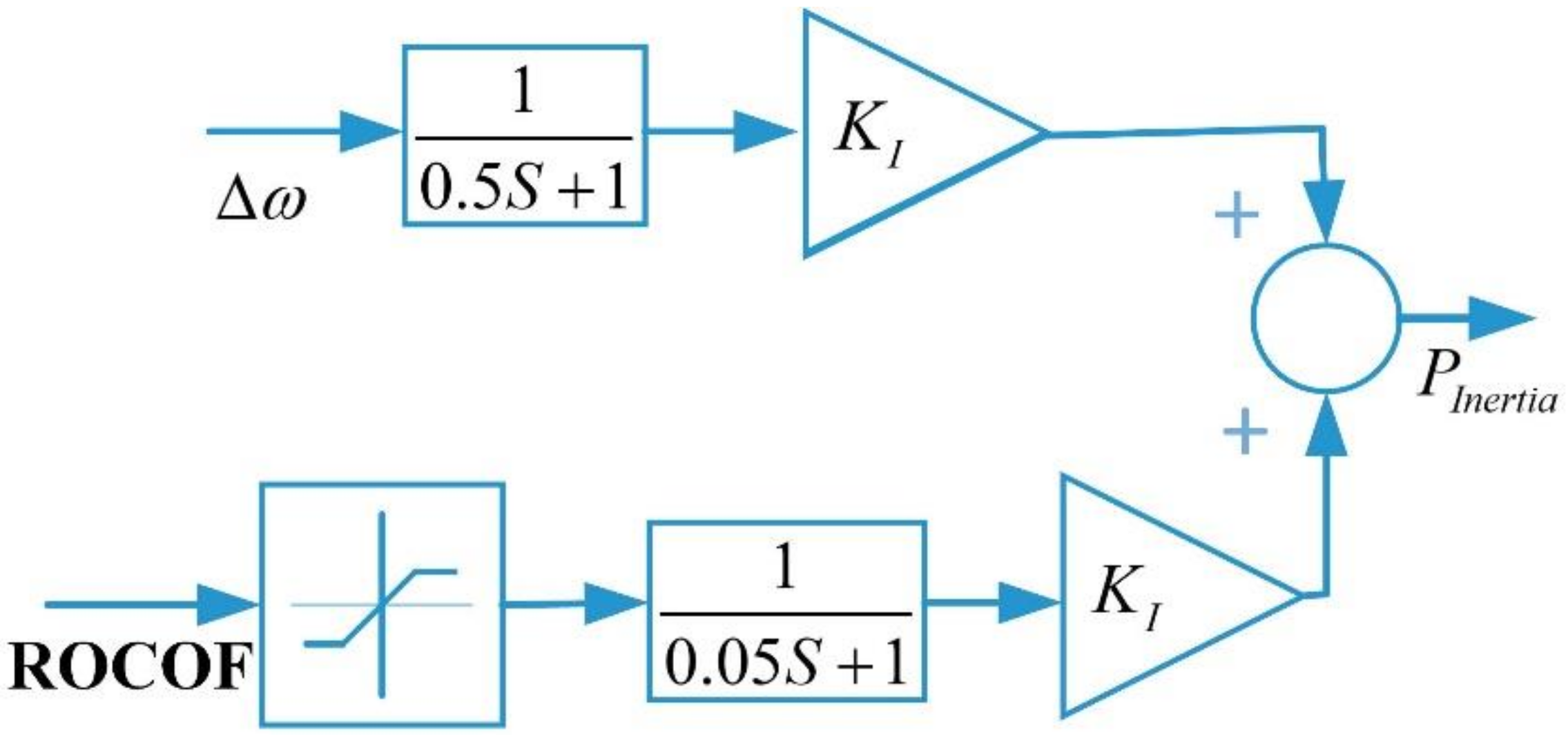
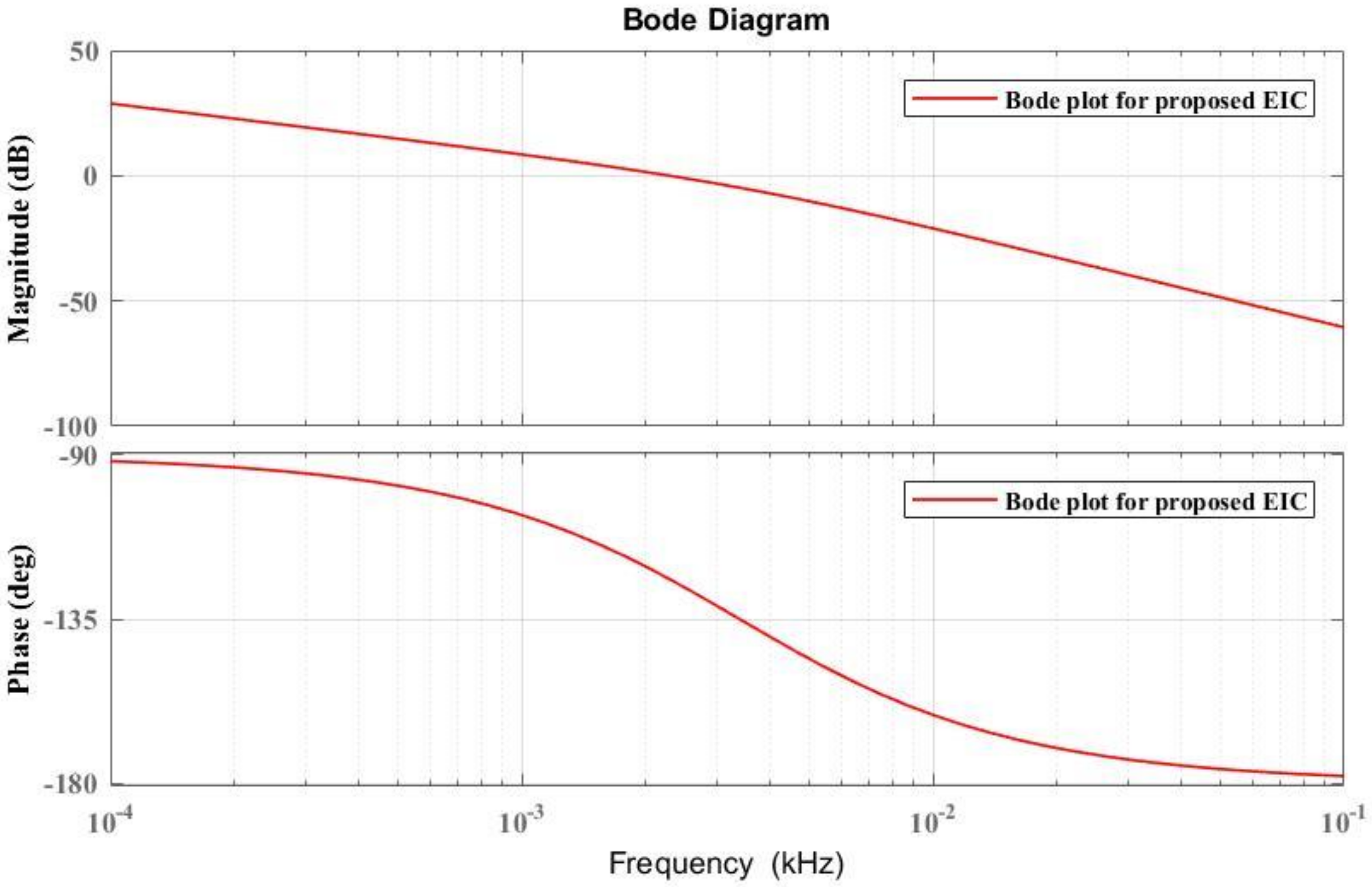
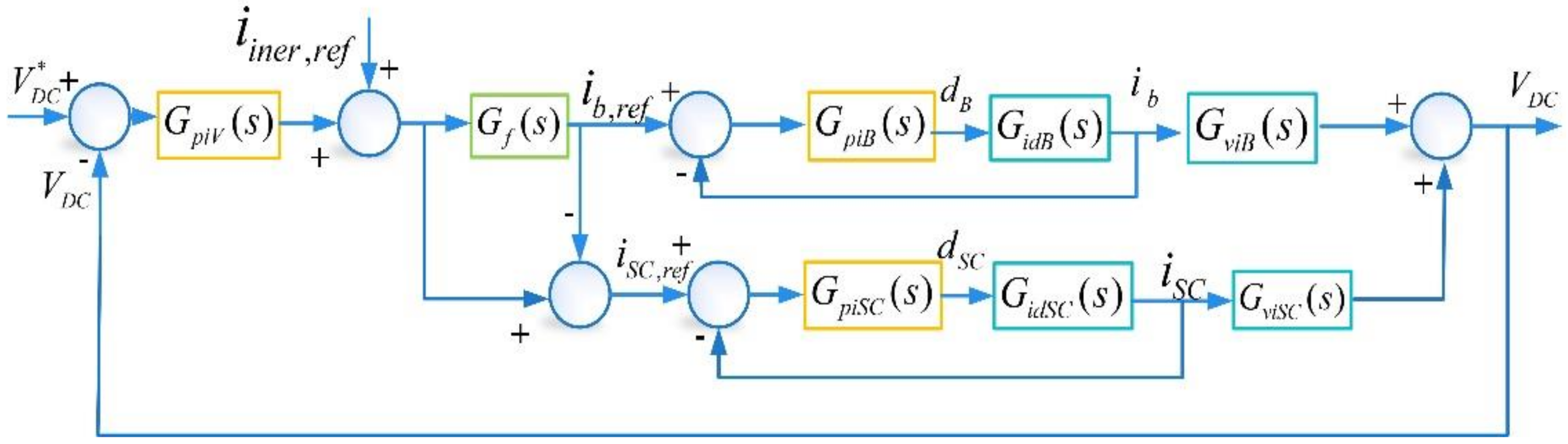
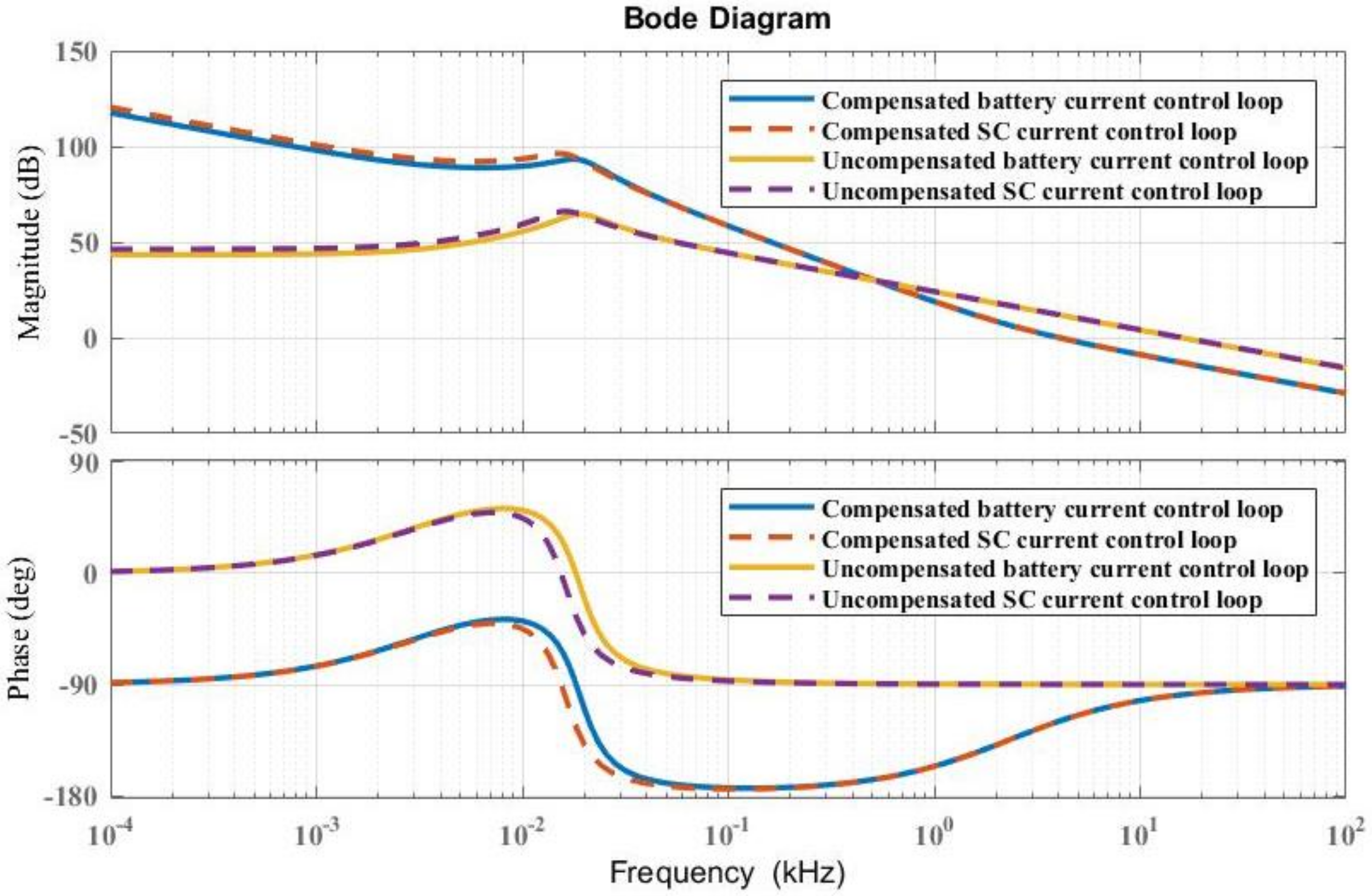
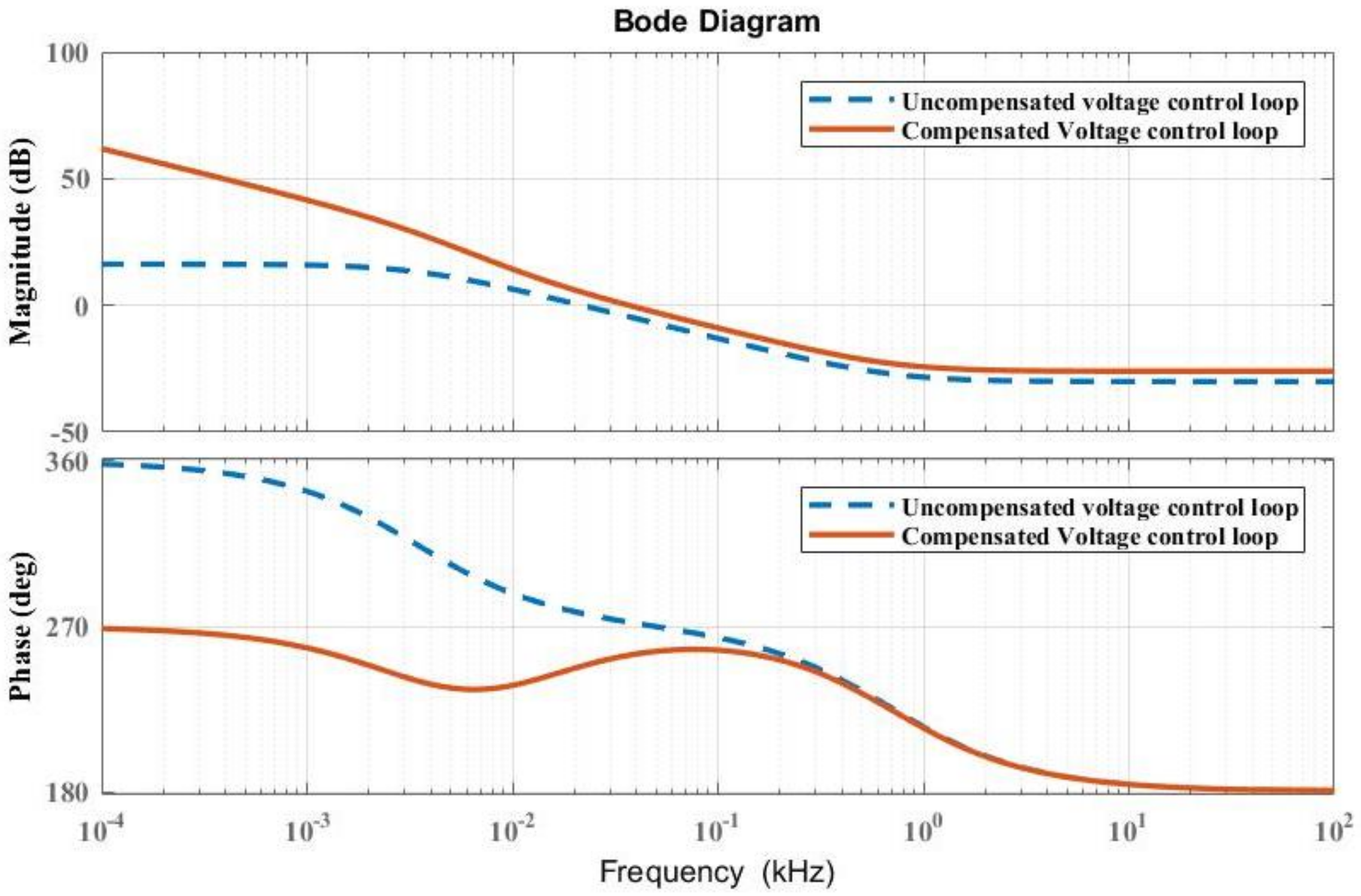
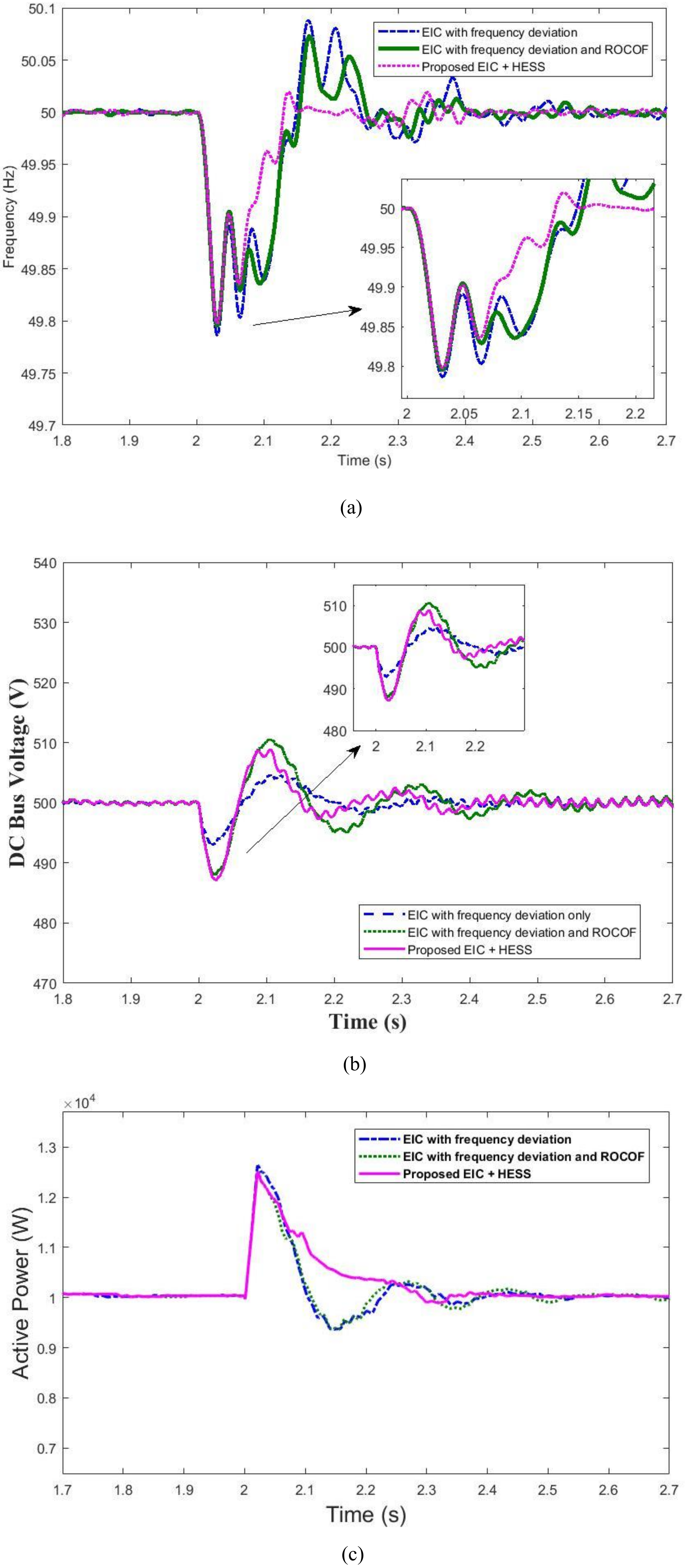
The role of renewable energy sources in the power grid is increasing tremendously. However, power electronic converters are used to incorporate RES into the grid without inertia. This article recommends an improved emulated inertia control approach focused on the frequency deviation and rate of change of frequency to enhance the inertia of a power system. The required inertial power calculated from emulated inertia control is delivered through hybrid energy storage systems equipped with a proper hybrid energy storage system control. The fast-varying power calculated from emulated inertia control is linked to super-capacitor. Simultaneously, the battery handles the slow varying power by regulating the DC bus voltage proportionate to the frequency variations. Further, the stability of the emulated inertia control and hybrid energy storage system controller is validated by Bode plots. The simulation results verified the correctness of the proposed emulated inertia control and hybrid energy storage system control. The real-time simulation results with the help of OPAL-RT are presented to validate the proposed method’s feasibility.
Keywords: inertia emulation; hybrid energy storage systems; frequency control; grid-connected PV; super-capacitor; battery inertia emulation; hybrid energy storage systems; frequency control; grid-connected PV; super-capacitor; battery