Article

At what Pressure Shall CO2 Be Transported by Ship? An in-Depth Cost Comparison of 7 and 15 Barg Shipping


1
SINTEF Energy Research, Sem Sælandsvei 11, NO-7465 Trondheim, Norway
2
Department of Energy and Process Engineering, Norwegian University of Science and Technology (NTNU), Kolbjørn Hejes Vei 1B, NO-7491 Trondheim, Norway
*
Author to whom correspondence should be addressed.
Energies 2021, 14(18), 5635; https://doi.org/10.3390/en14185635
Submission received: 2 July 2021 / Revised: 25 August 2021 / Accepted: 31 August 2021 / Published: 8 September 2021
(This article belongs to the Special Issue Techno-Economic and Environmental Analysis of Low-Carbon Technologies)

Abstract

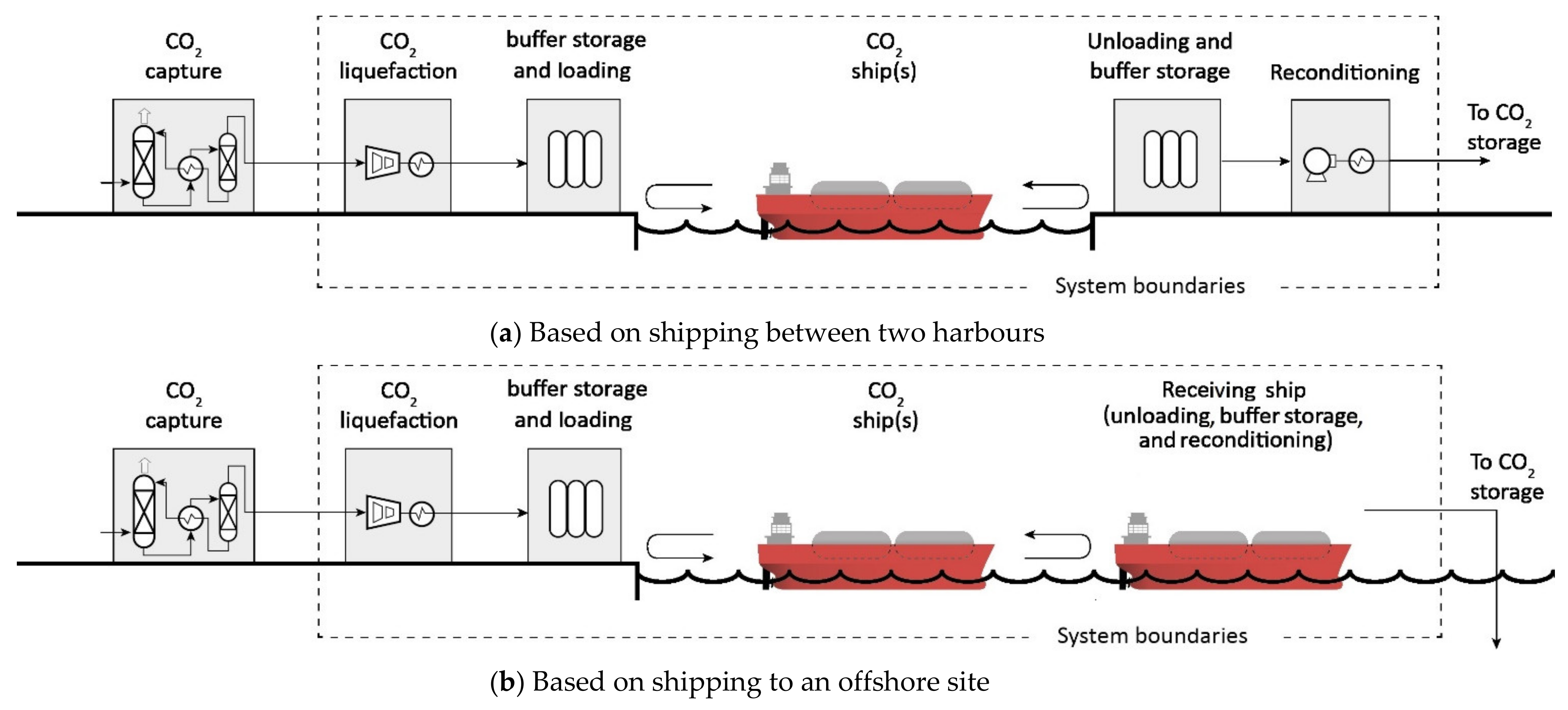
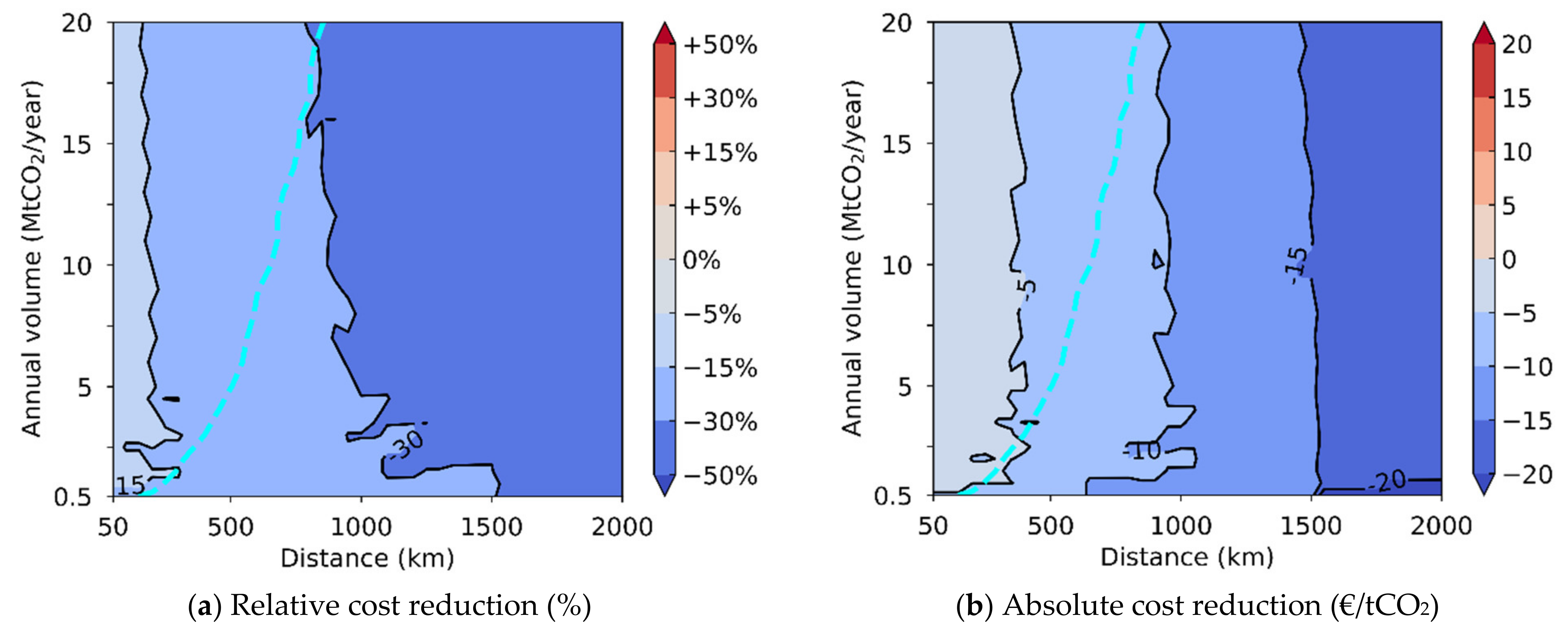
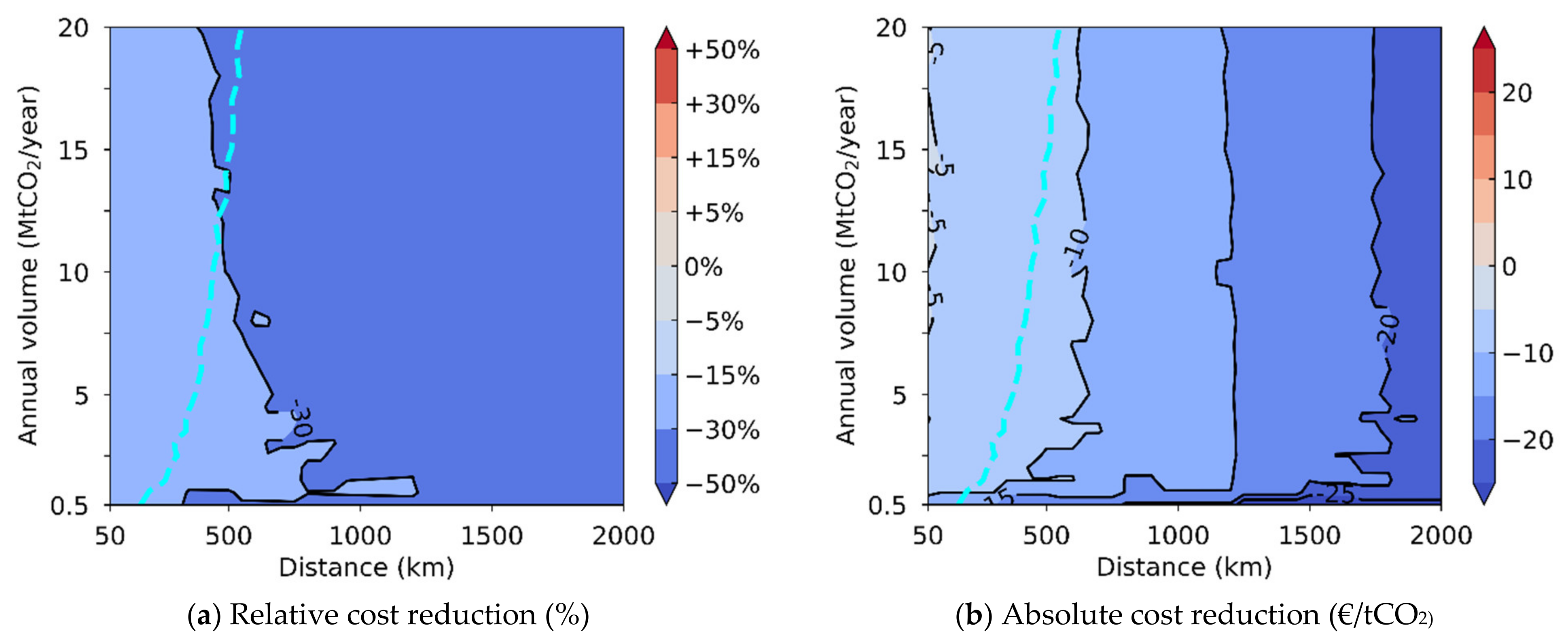
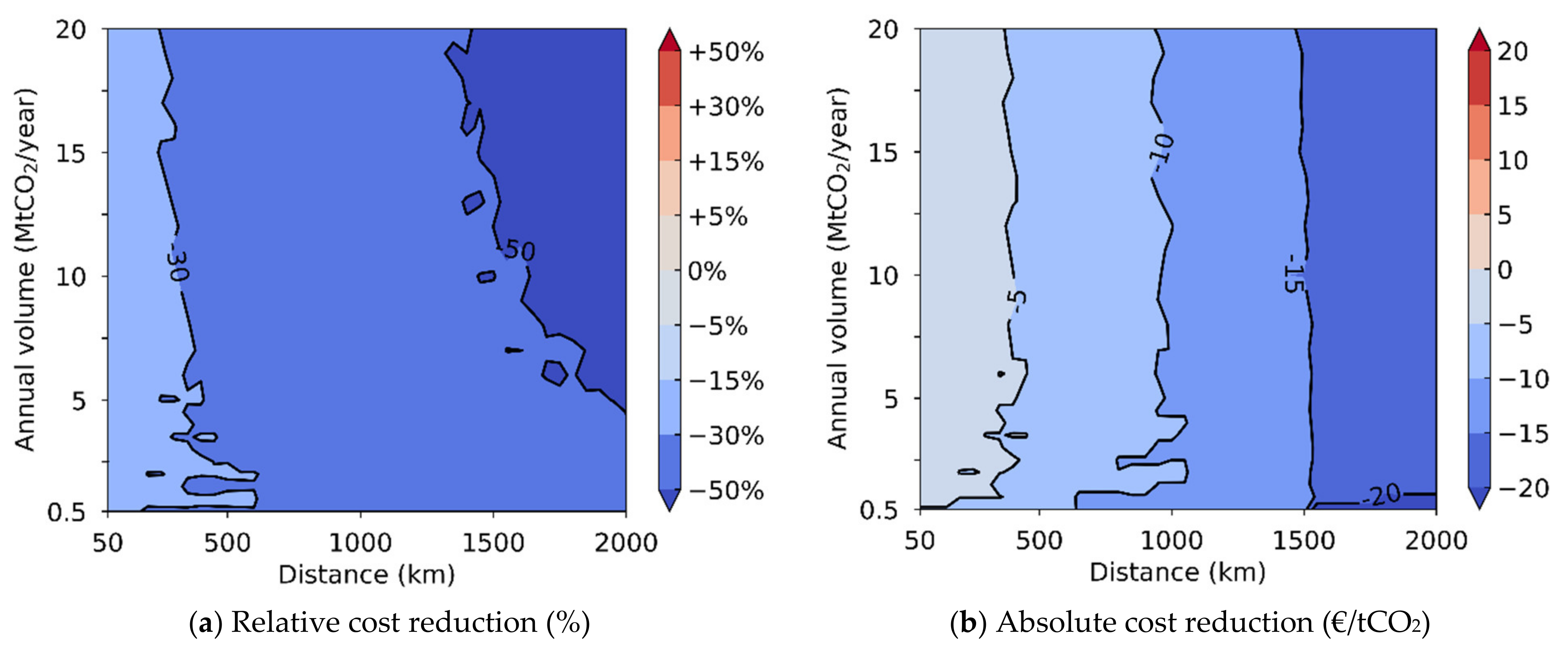
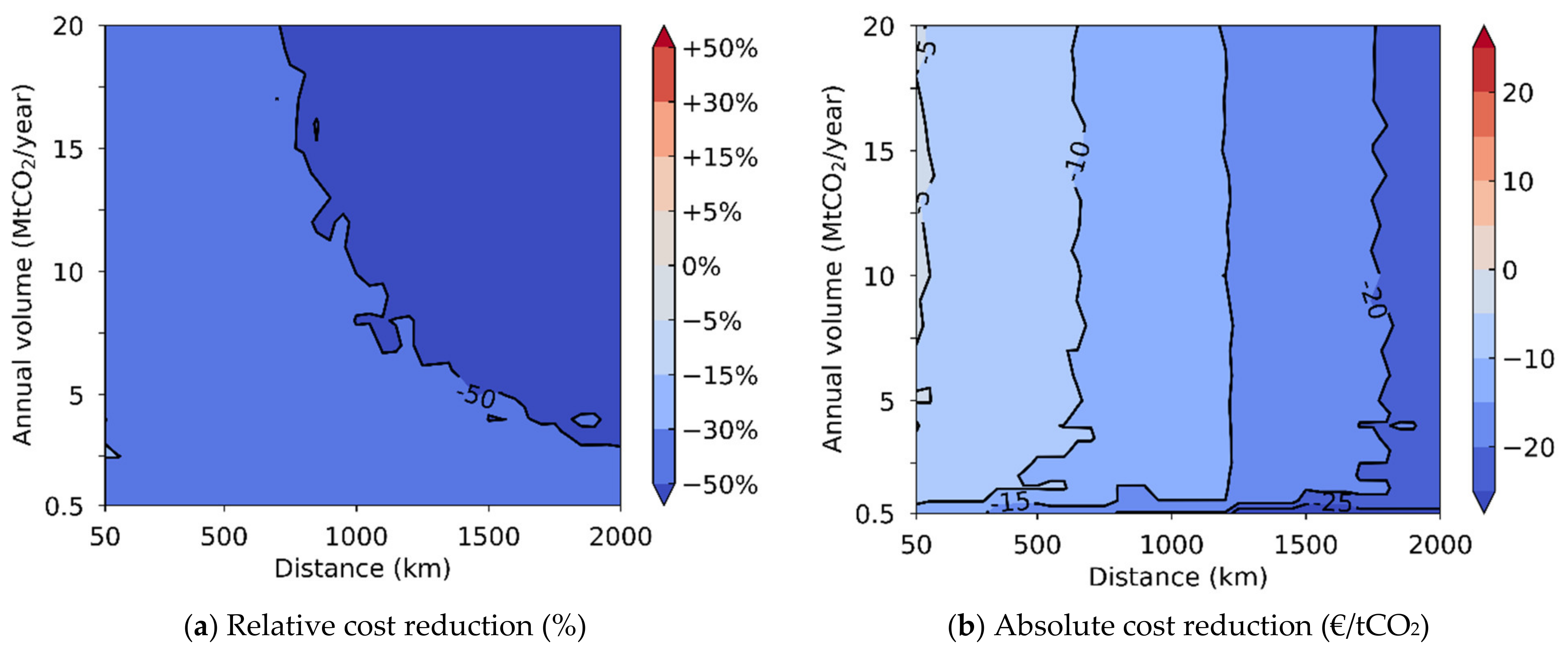
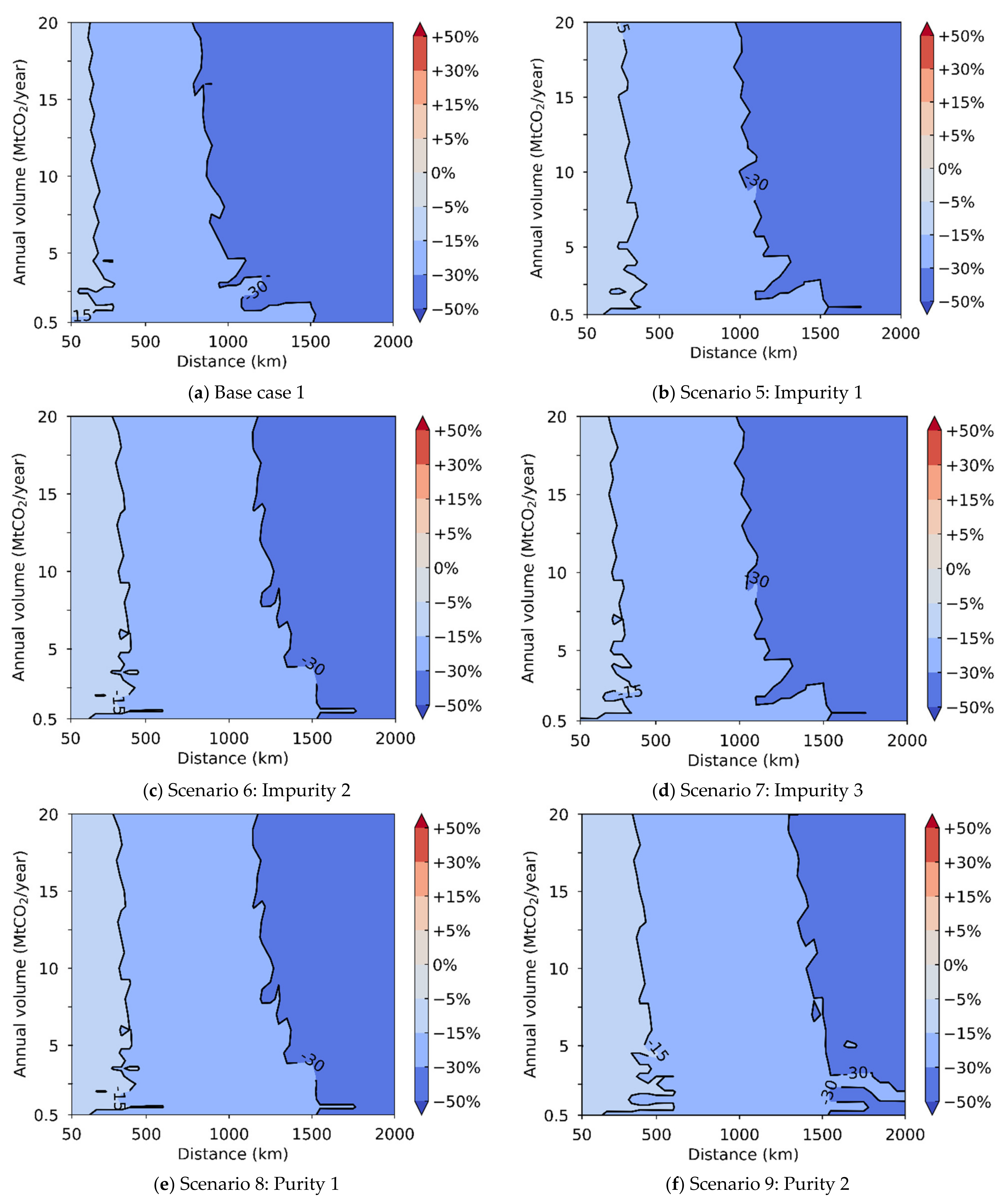
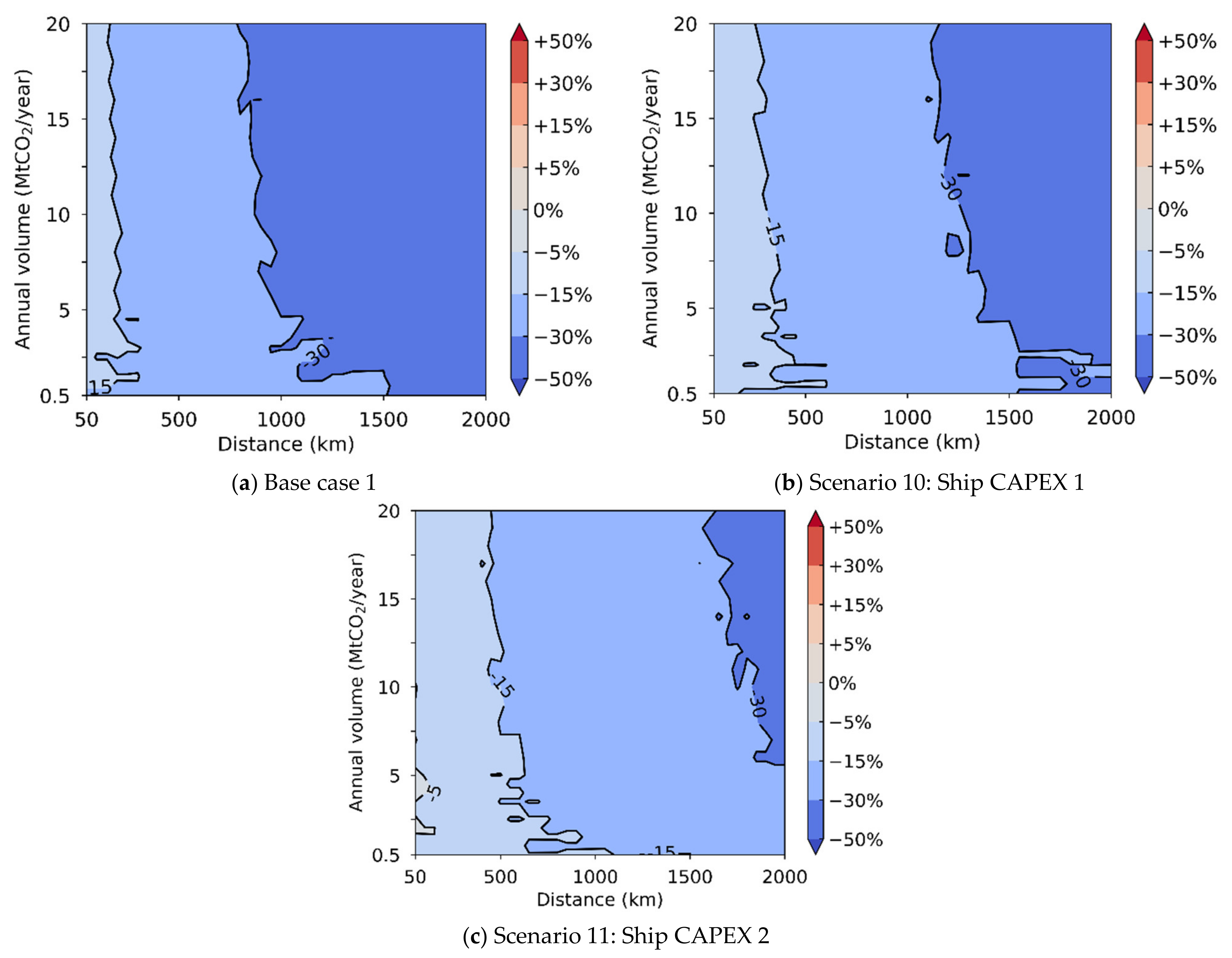
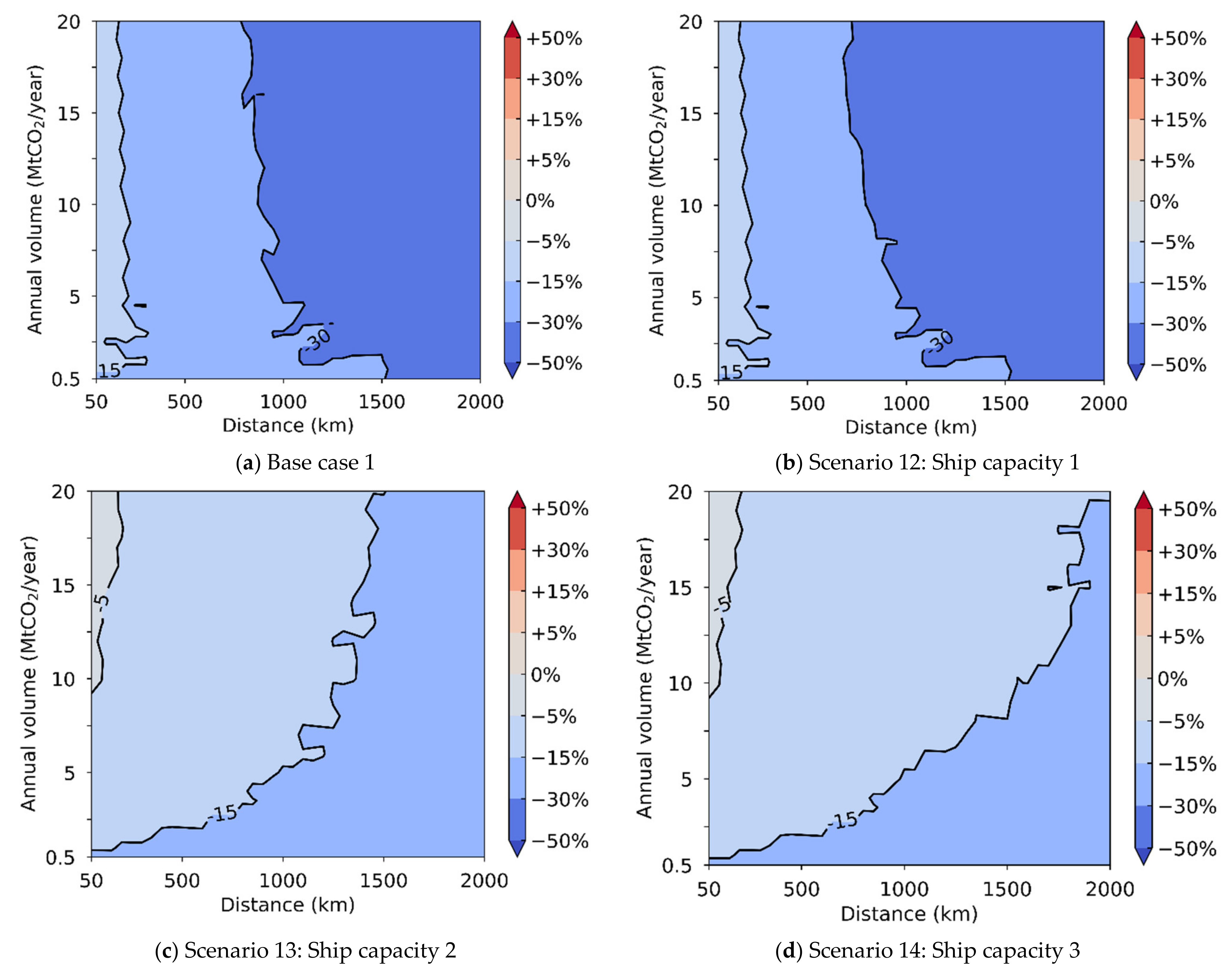
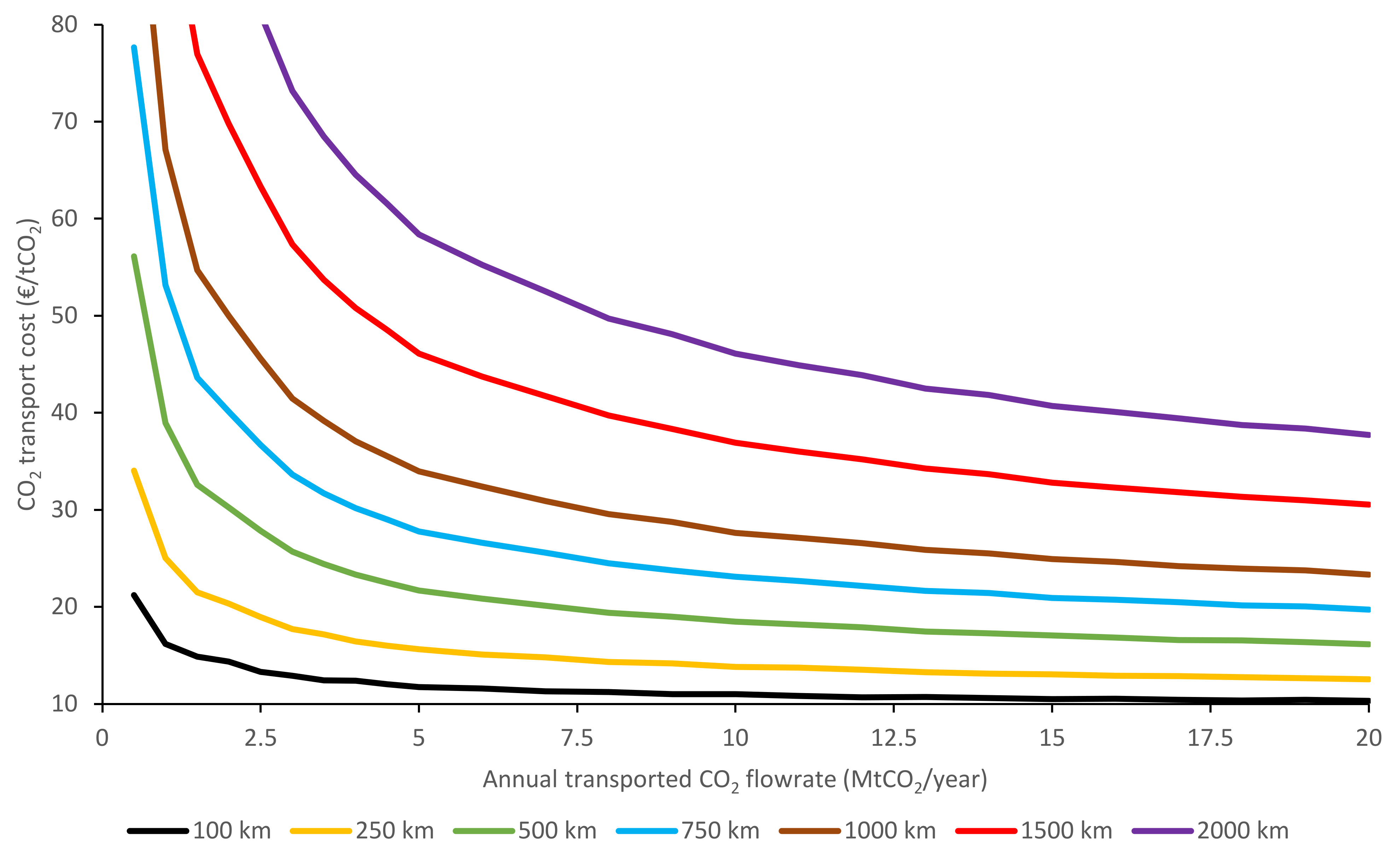
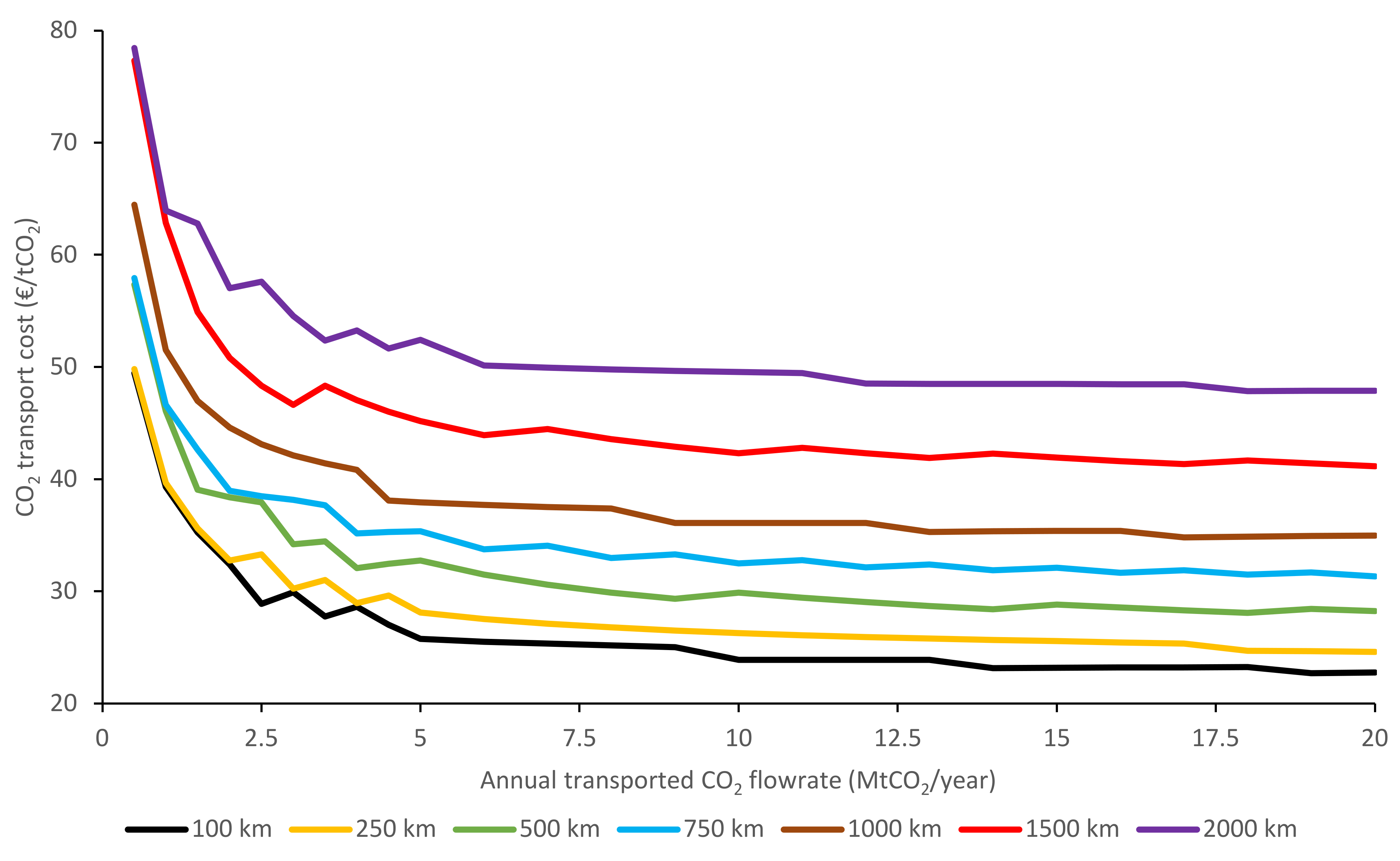
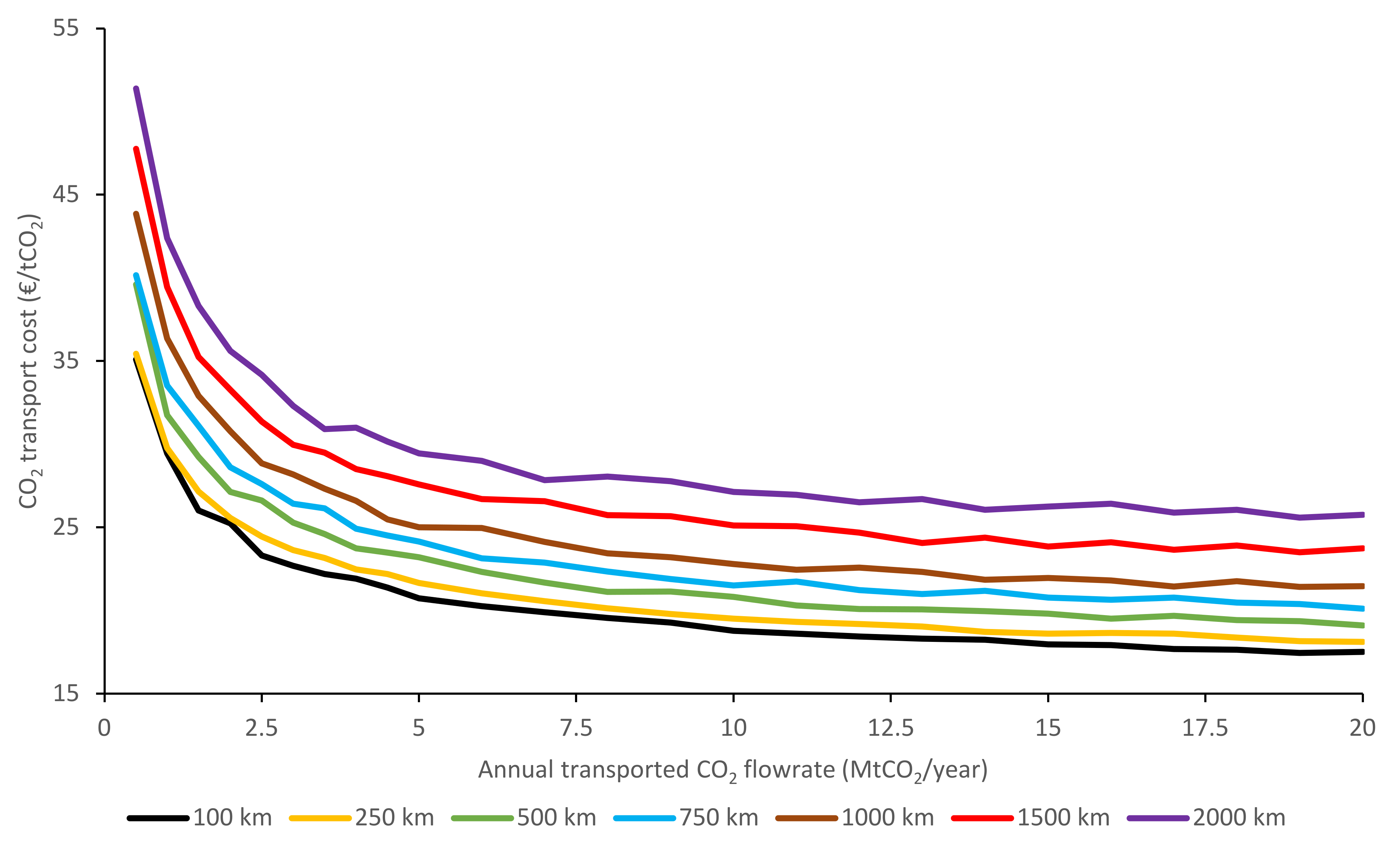
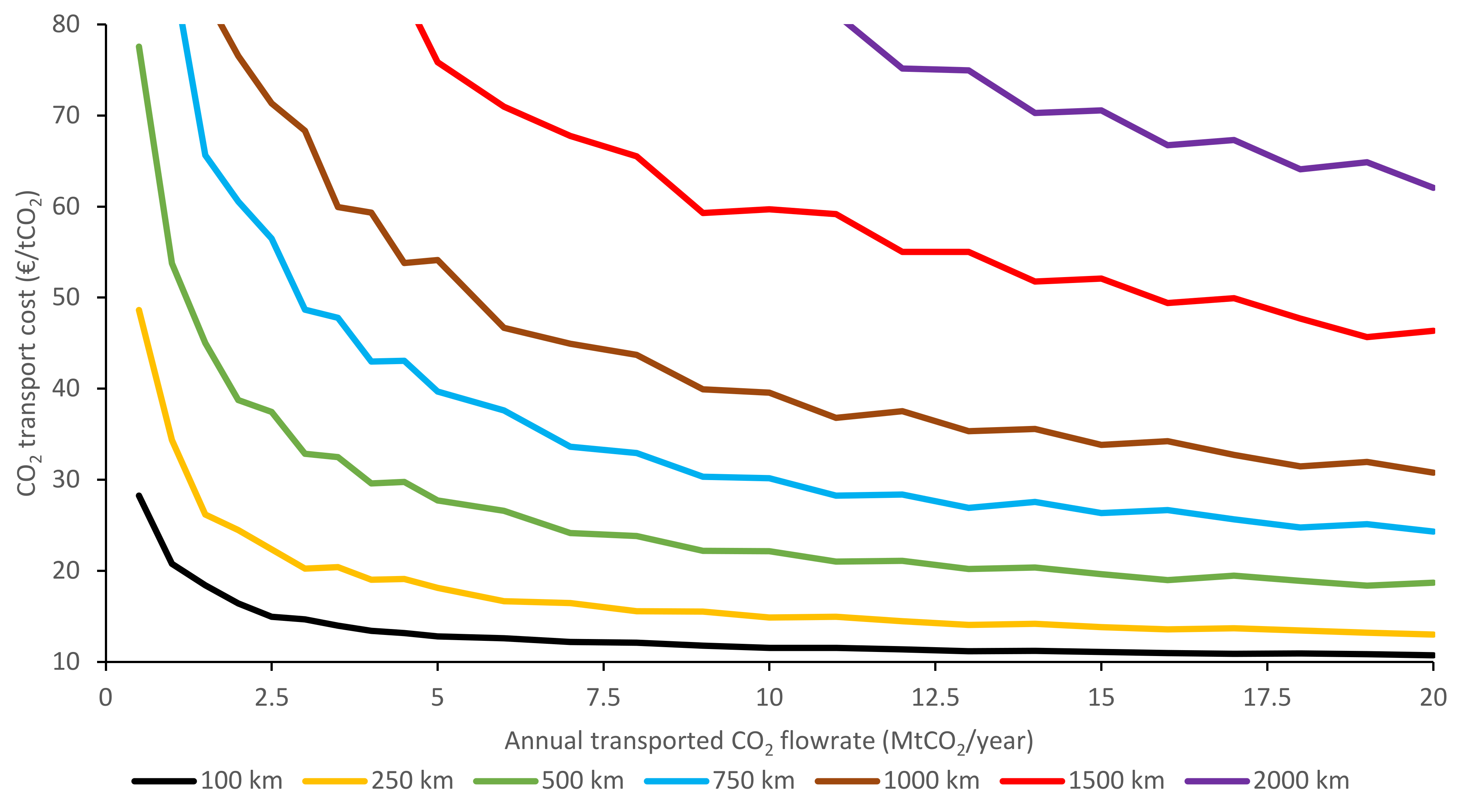
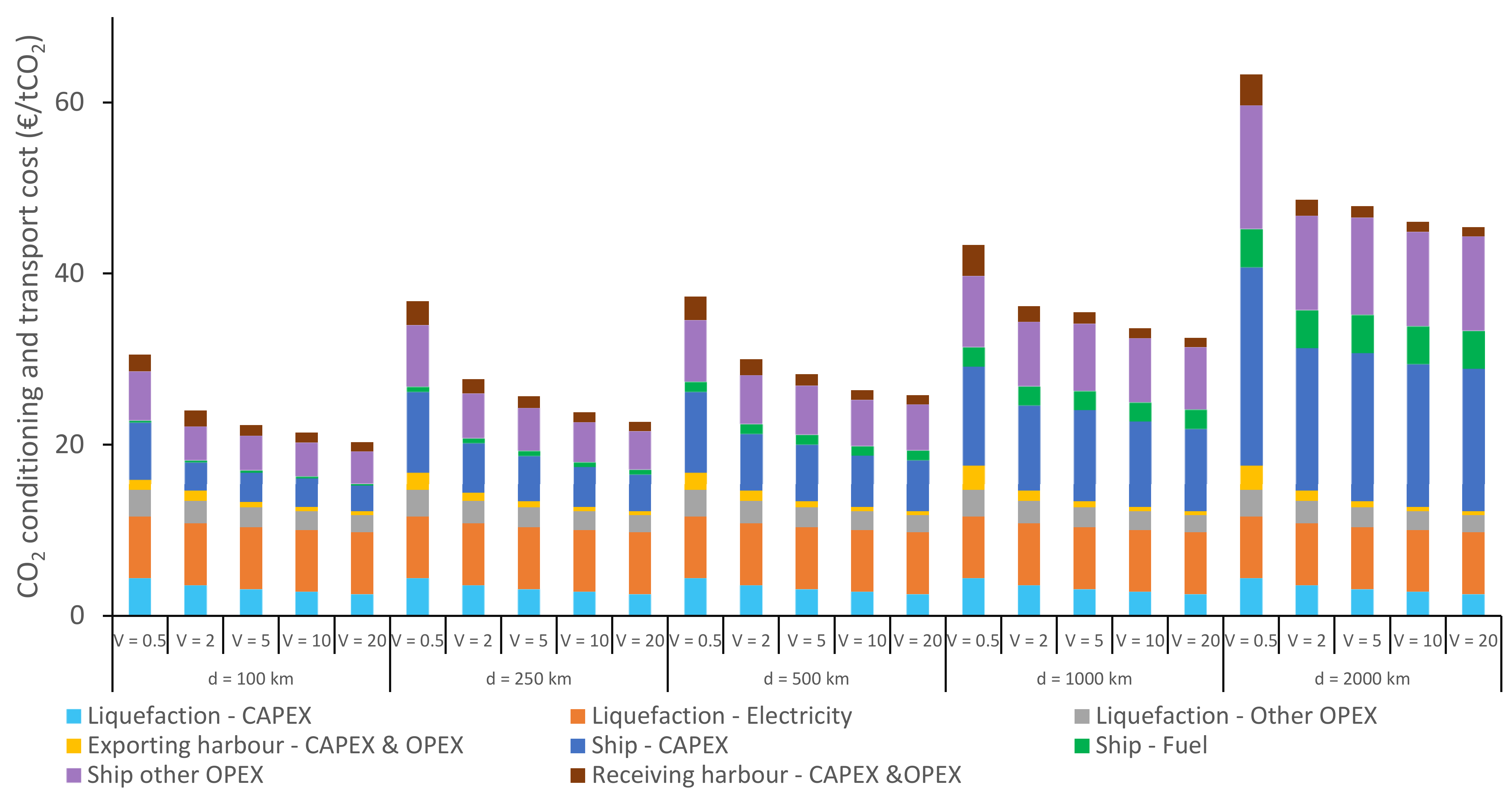
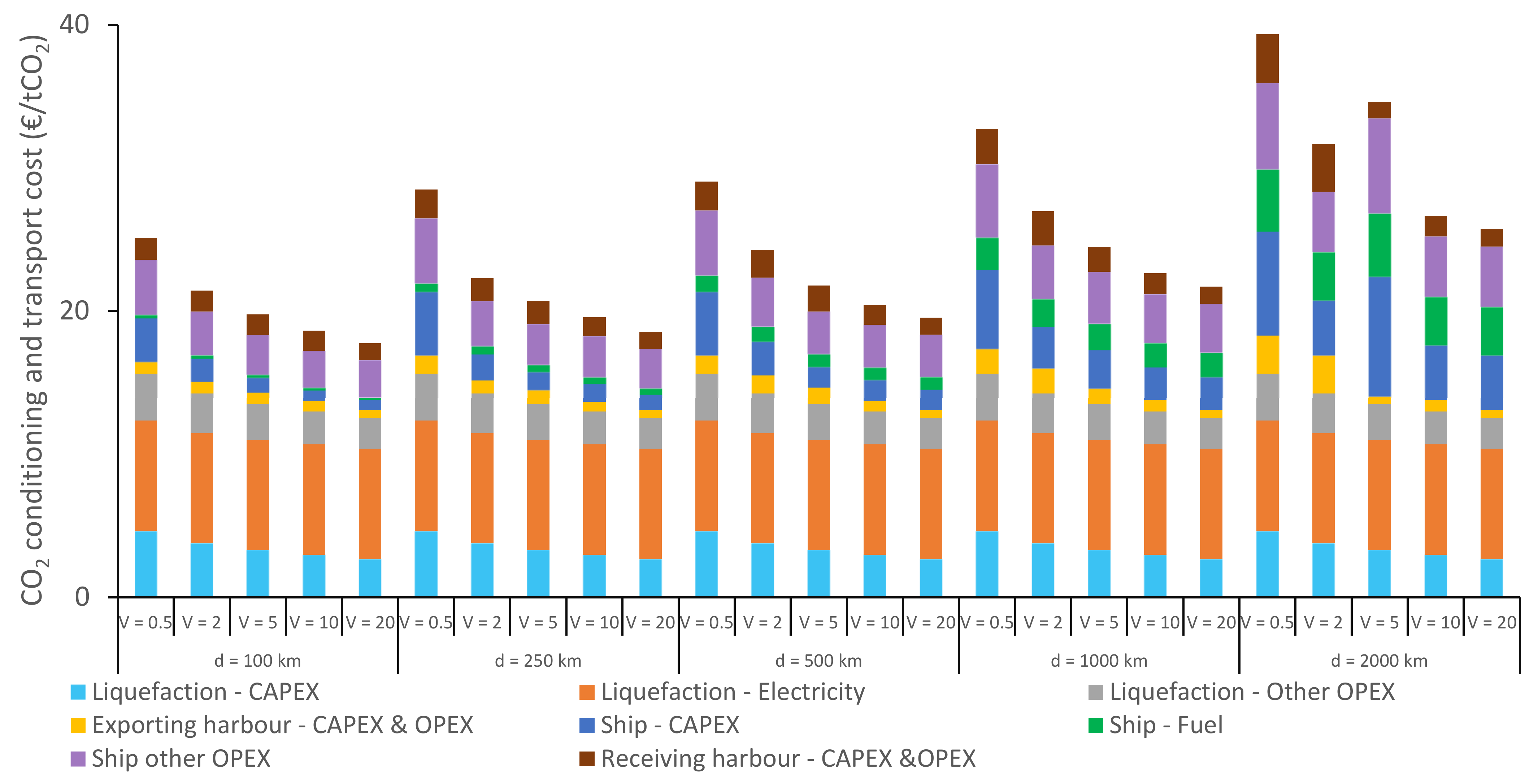
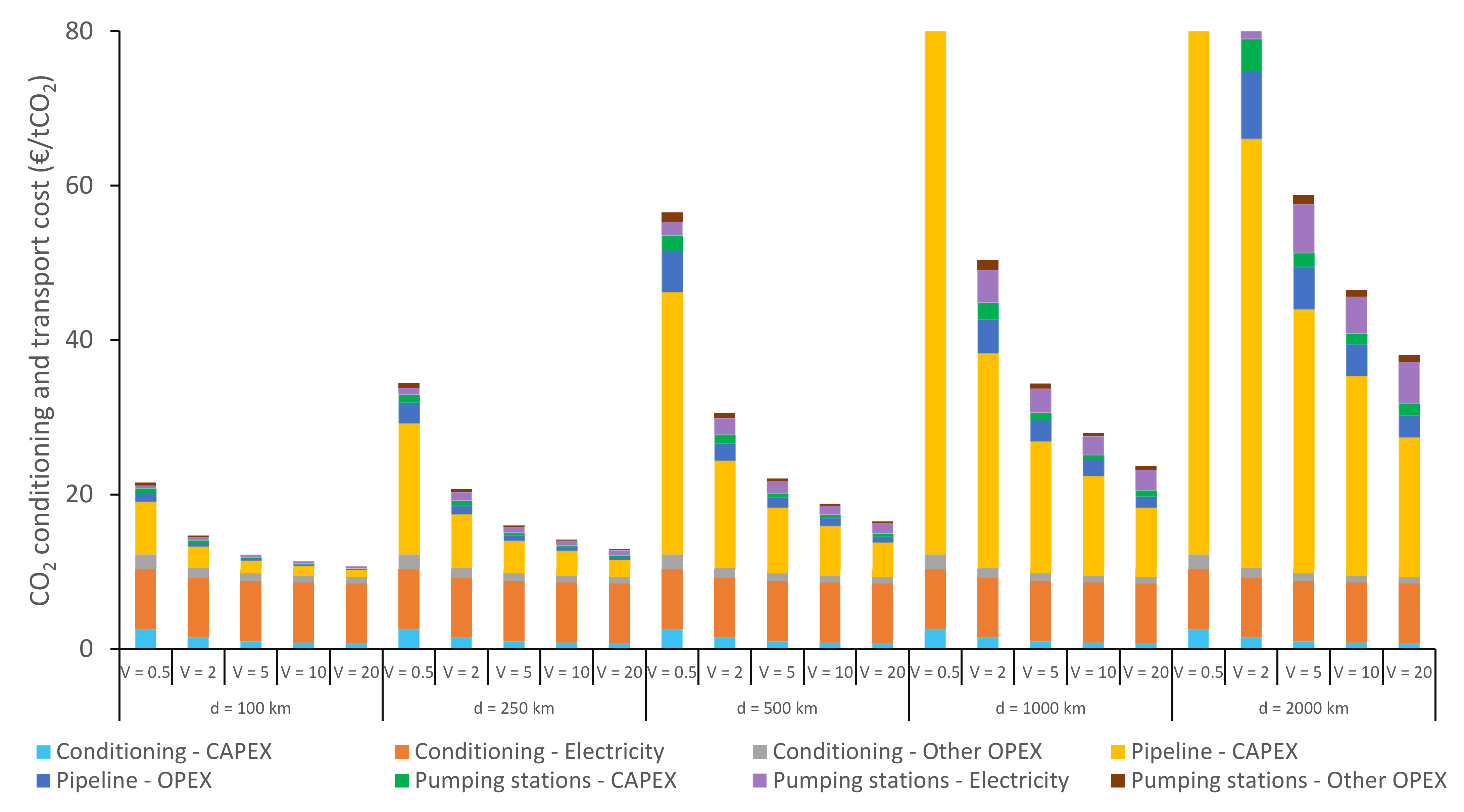
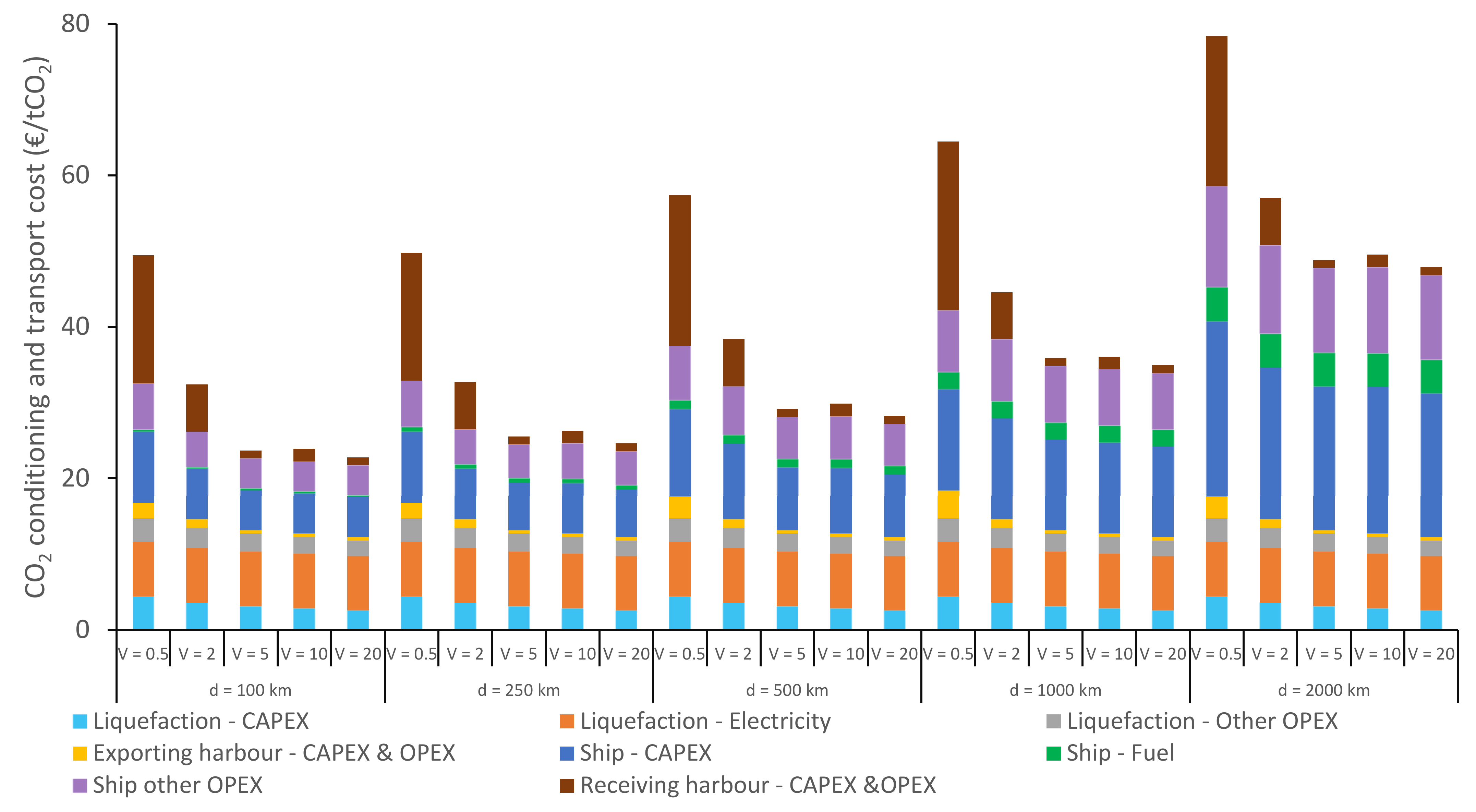
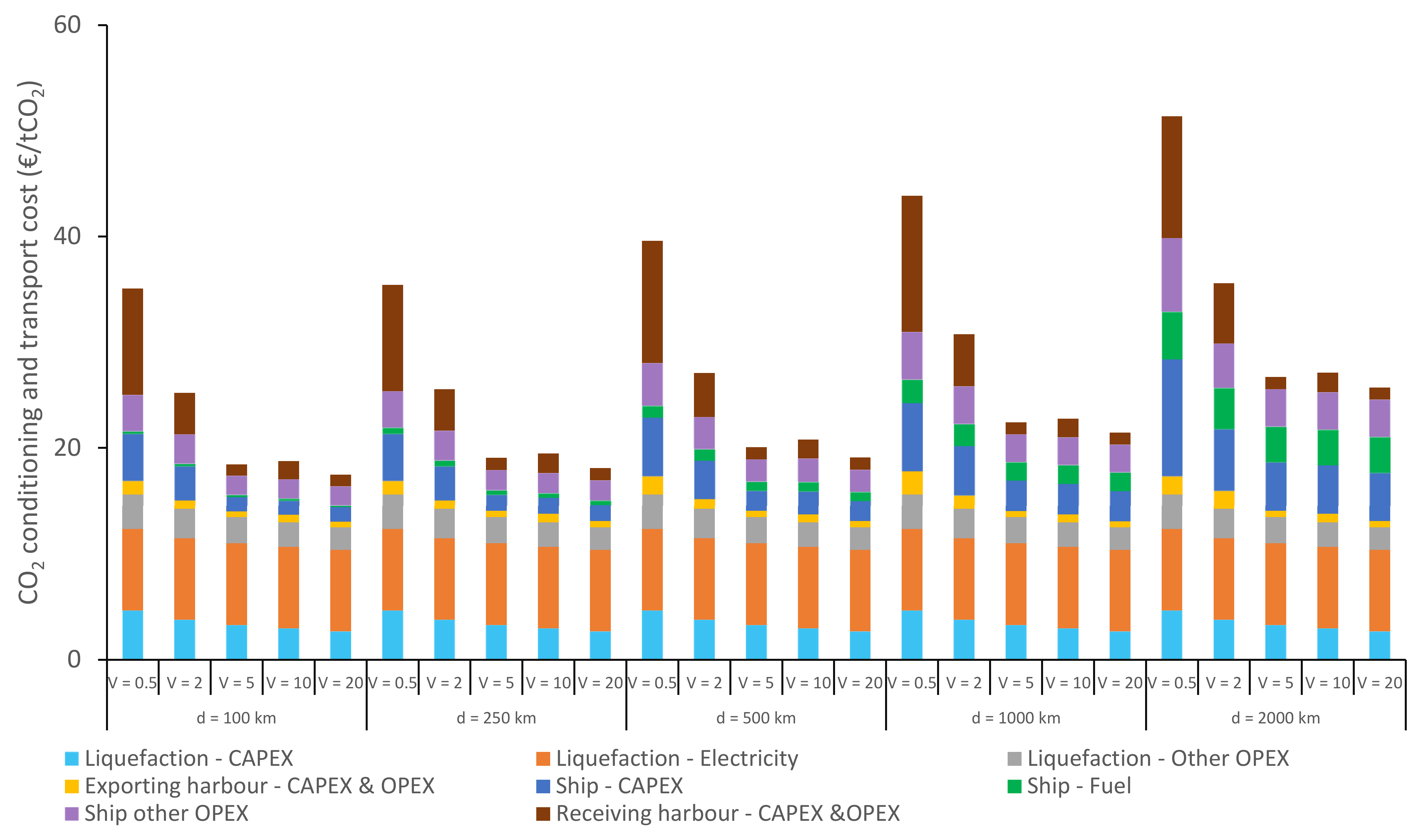
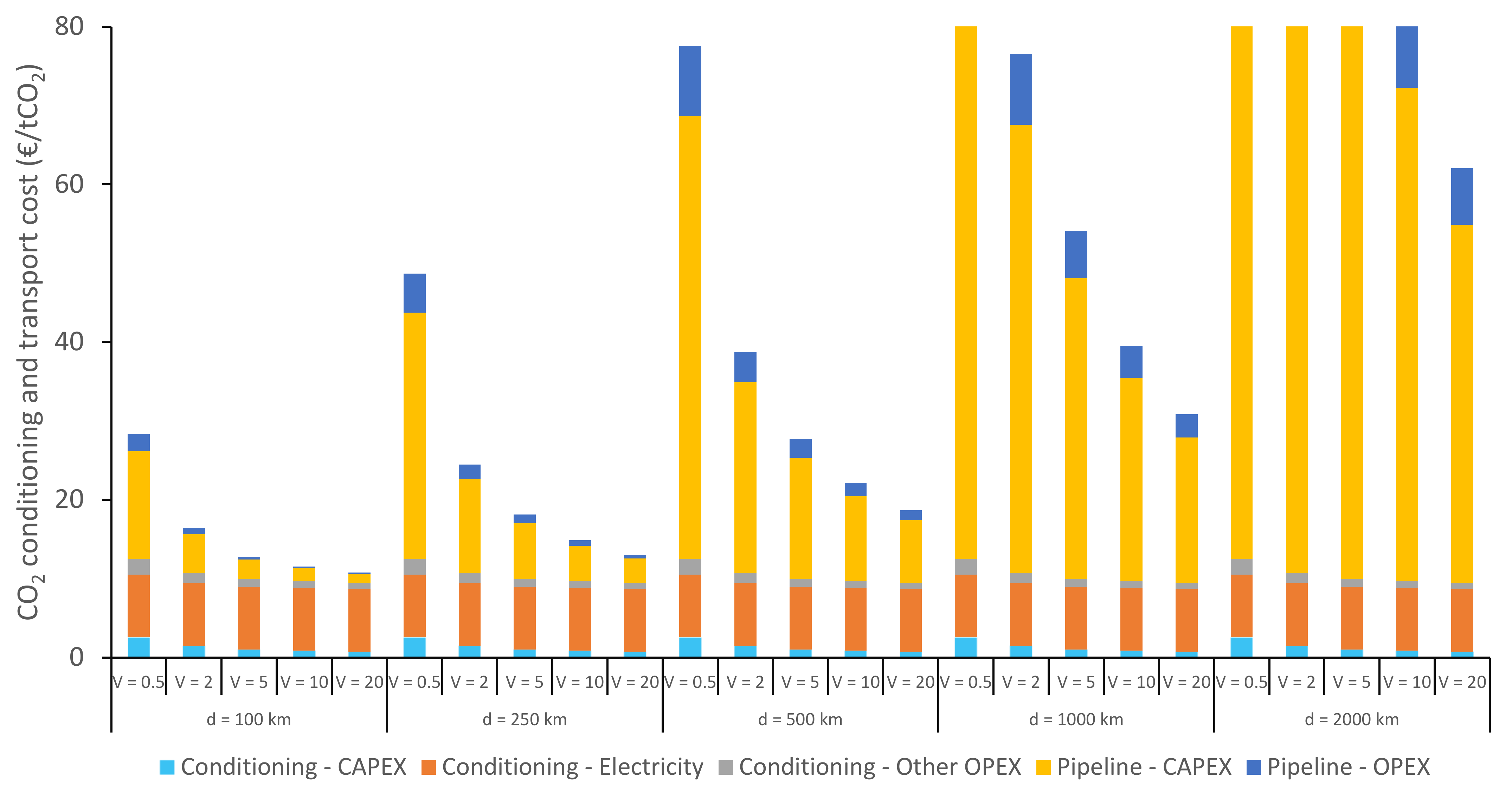
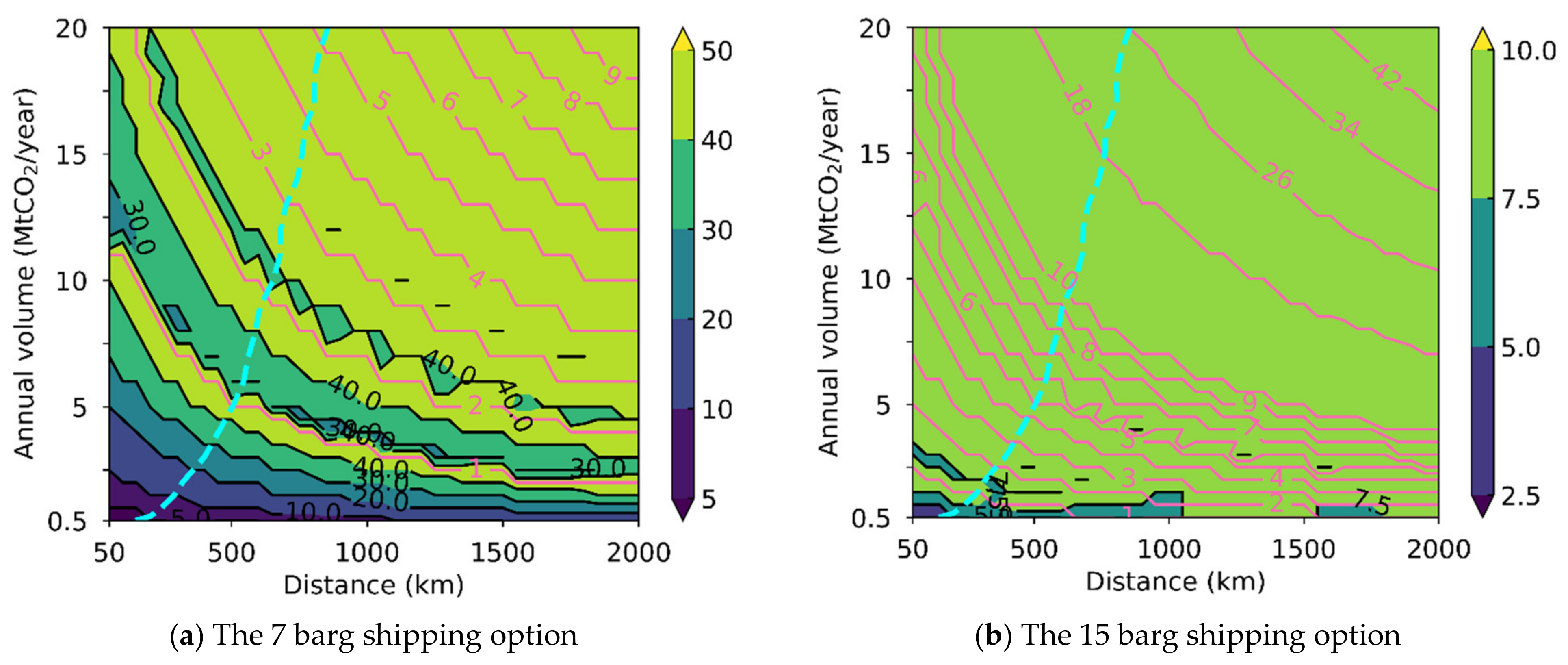
The pipeline has historically been the preferred means to transport CO2 due to its low cost for short distances and opportunities for economies of scale. However, interest in vessel-based transport of CO2 is growing. While most of the literature has assumed that CO2 shipping would take place at low pressure (at 7 barg and −46 °C), the issue of identifying best transport conditions, in terms of pressure, temperature, and gas composition, is becoming more relevant as ship-based carbon capture and storage chains move towards implementation. This study focuses on an in-depth comparison of the two primary and relevant transport pressures, 7 and 15 barg, for annual volumes up to 20 MtCO2/year and transport distances up to 2000 km. We also address the impact of a number of key factors on optimal transport conditions, including (a) transport between harbours versus transport to an offshore site, (b) CO2 pressure prior to conditioning, (c) the presence of impurities and of purity constraints, and (d) maximum feasible ship capacities for the 7 and 15 barg options. Overall, we have found that 7 barg shipping is the most cost-efficient option for the combinations of distance and annual volume where transport by ship is the cost-optimal means of transport. Furthermore, 7 barg shipping can enable significant cost reductions (beyond 30%) compared to 15 barg shipping for a wide range of annual volume capacities.
Keywords: carbon capture and storage; CO2 transport; CO2 shipping; optimal transport pressure; techno-economic carbon capture and storage; CO2 transport; CO2 shipping; optimal transport pressure; techno-economic