Article

Machine Learning-Based Production Prediction Model and Its Application in Duvernay Formation
The Research Institute of Petroleum Exploration & Development CNPC, Beijing 100083, China
*
Author to whom correspondence should be addressed.
Energies 2021, 14(17), 5509; https://doi.org/10.3390/en14175509
Submission received: 2 August 2021 / Revised: 25 August 2021 / Accepted: 31 August 2021 / Published: 3 September 2021

Abstract

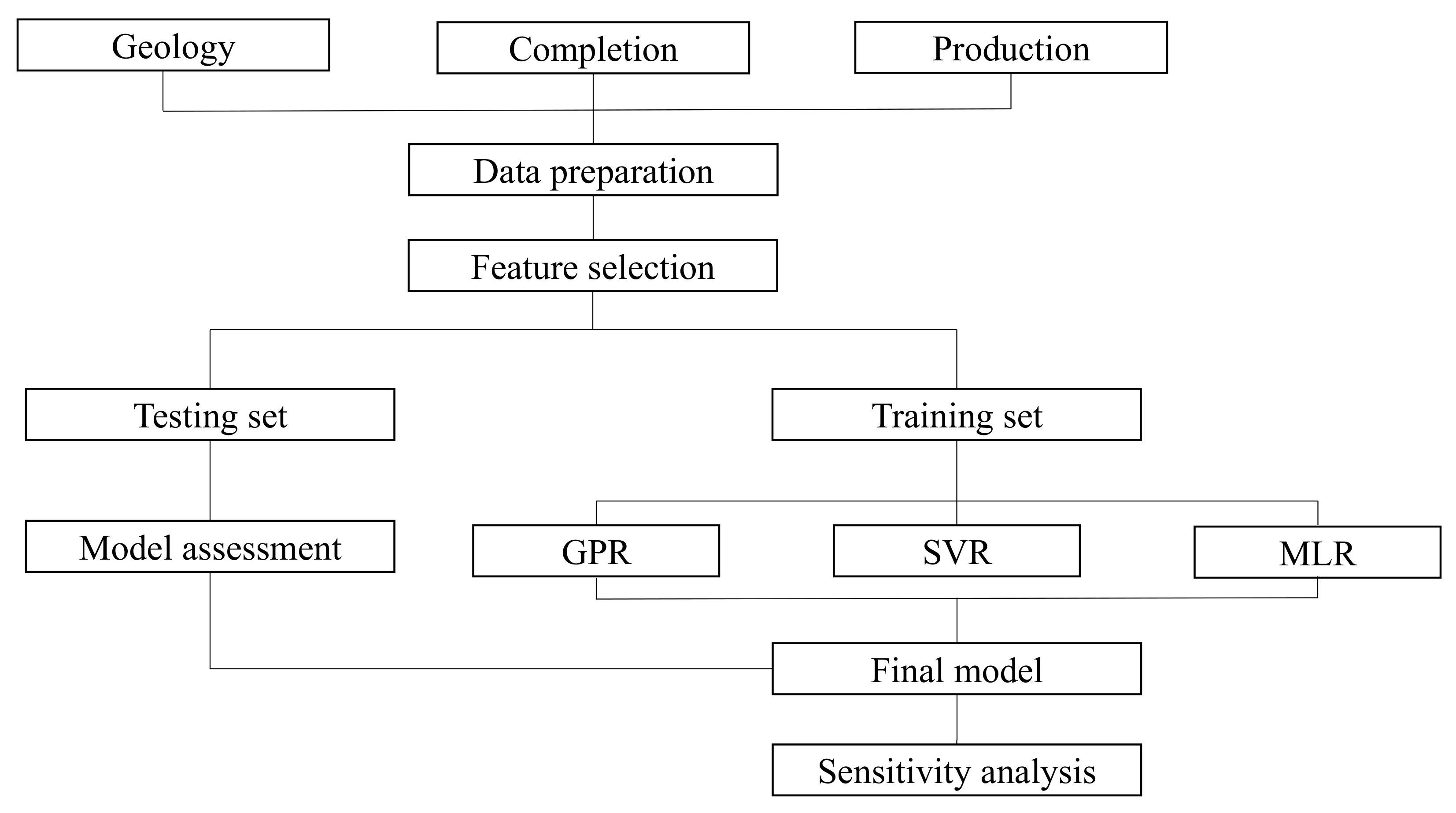
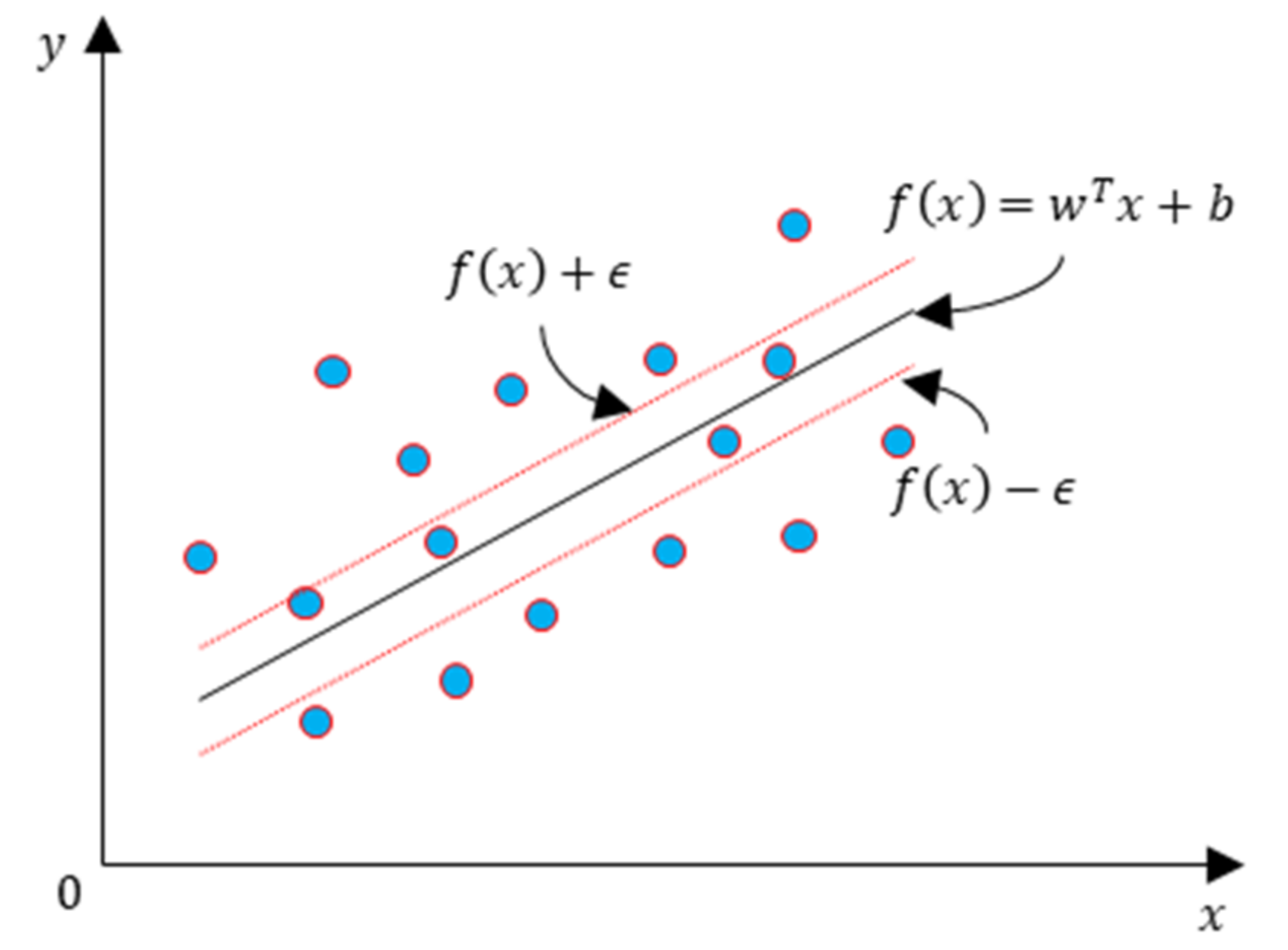
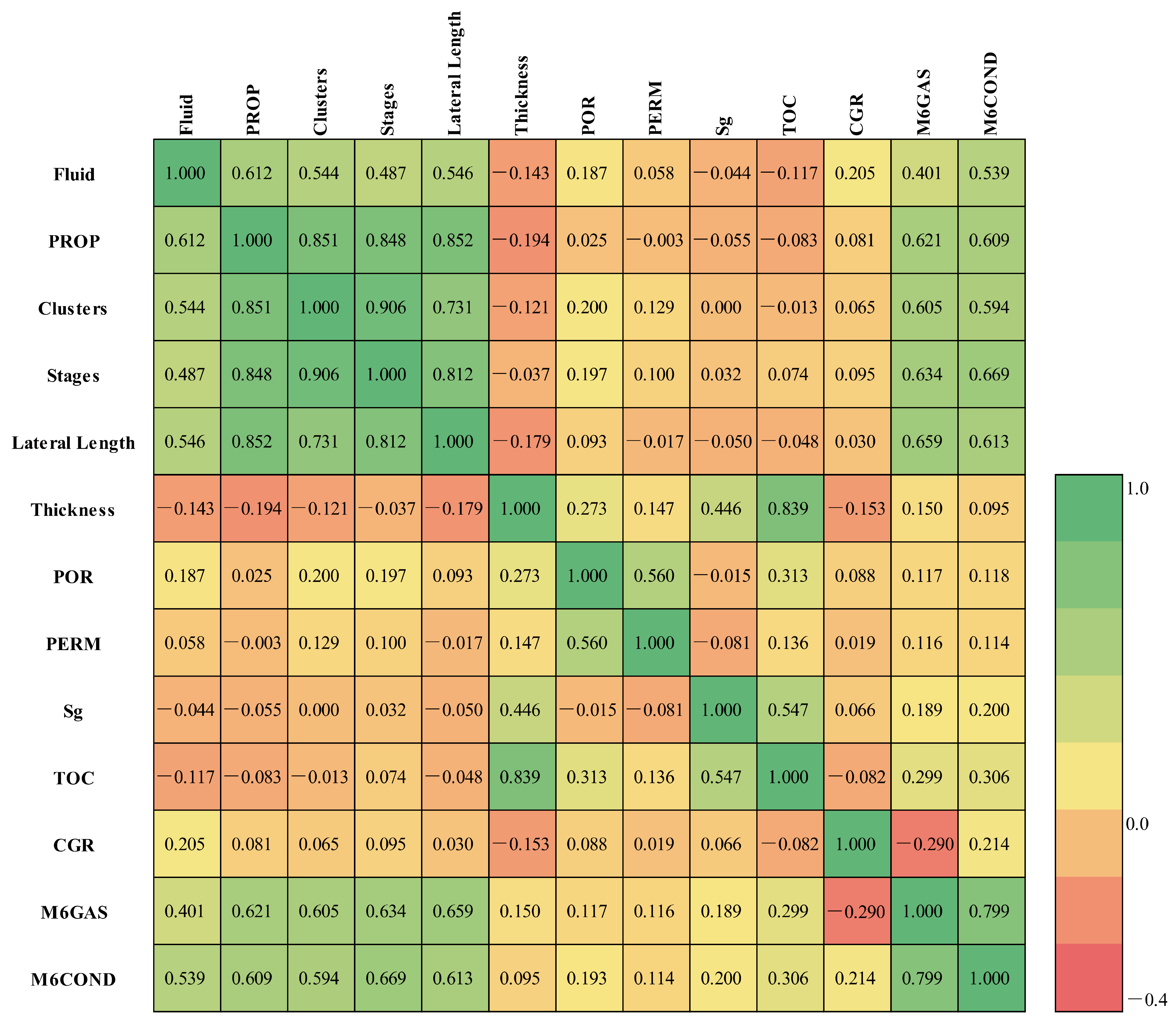
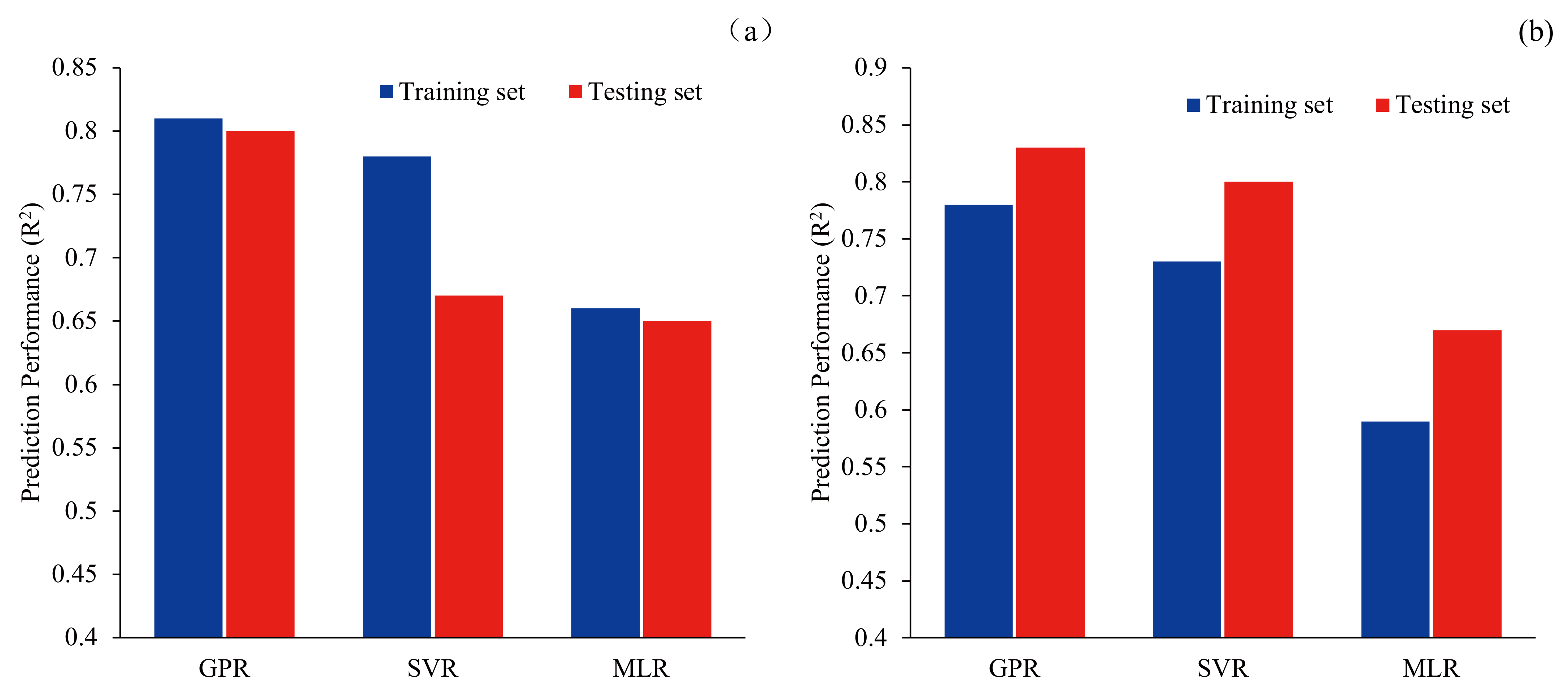
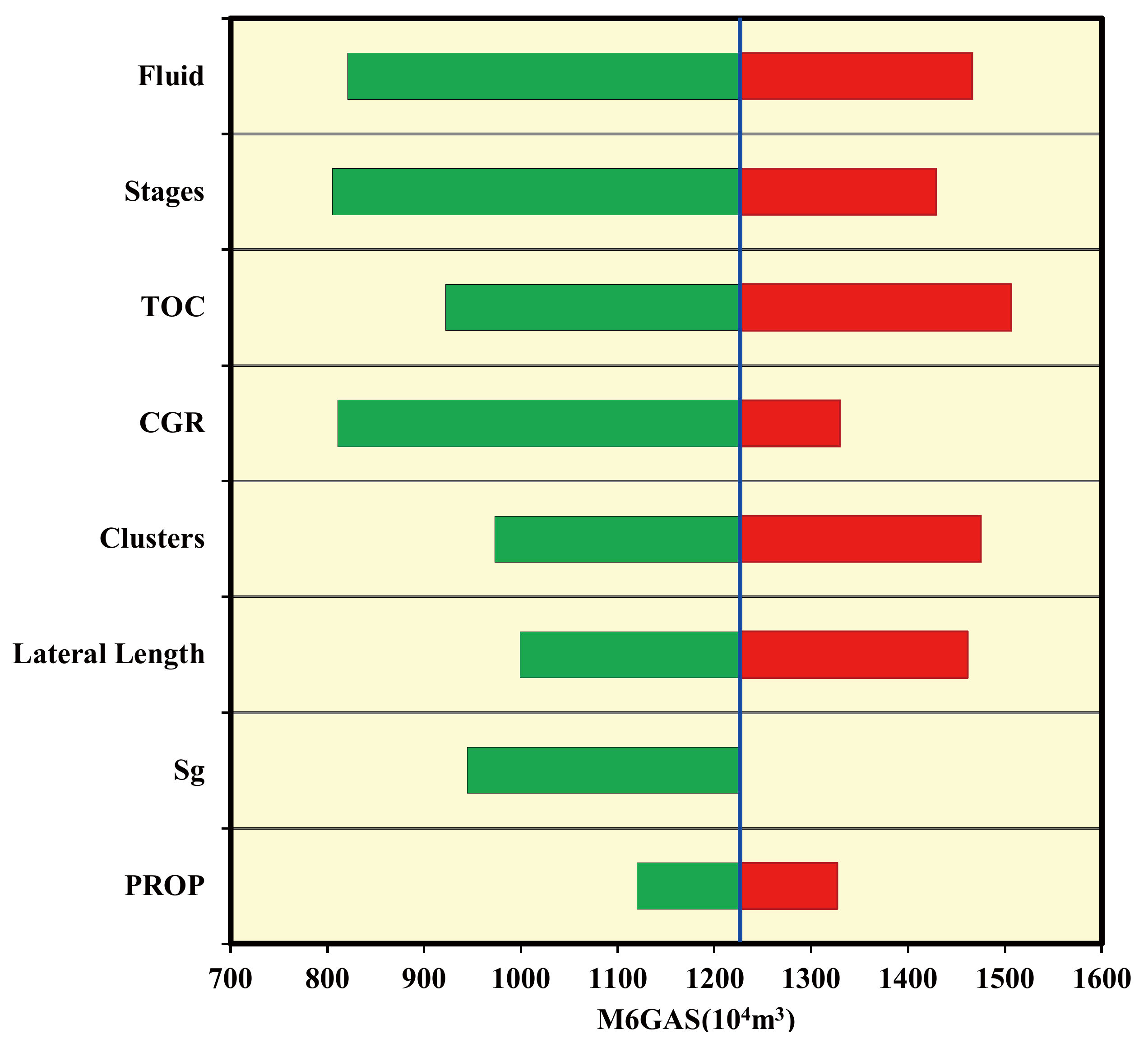
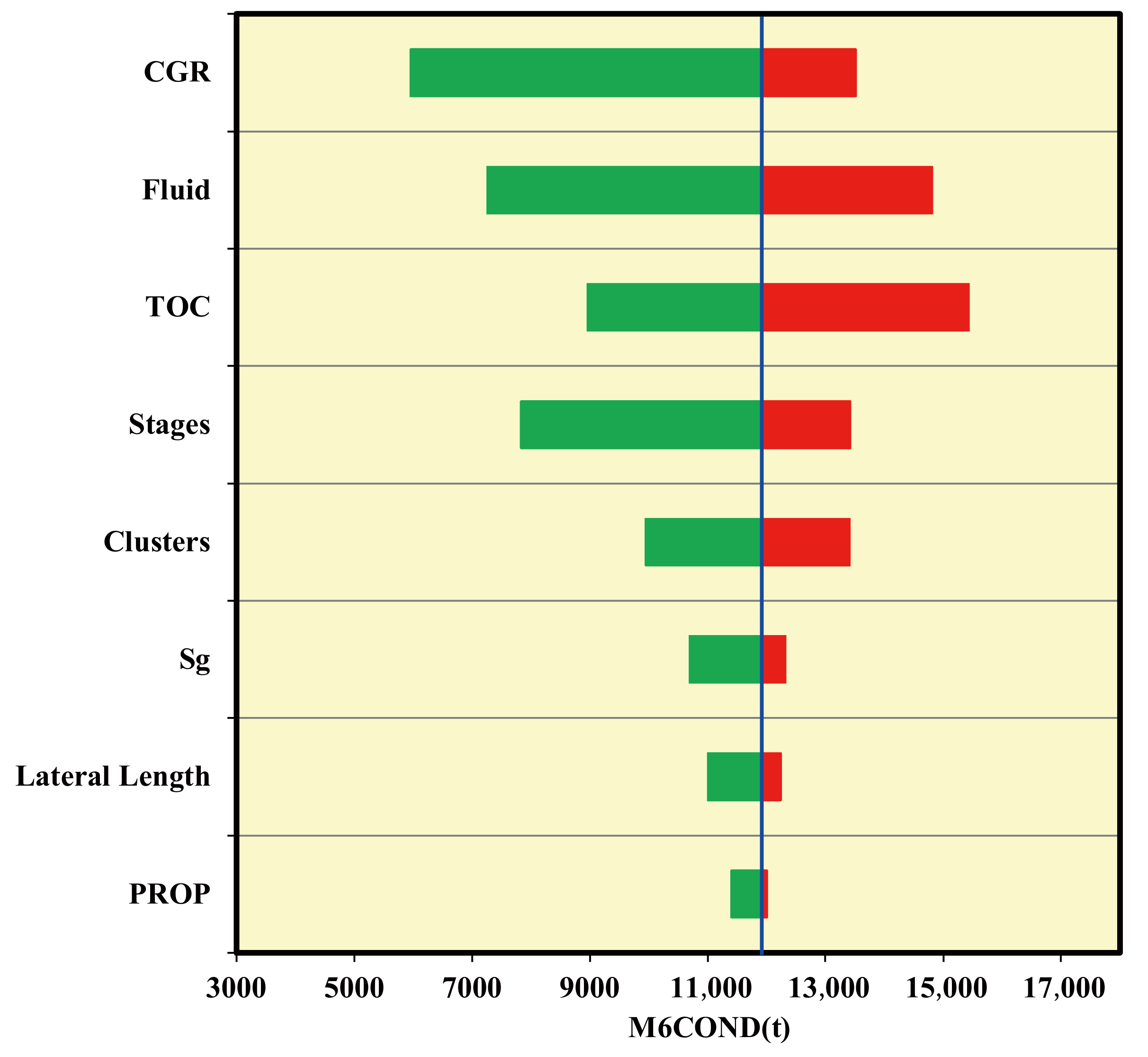
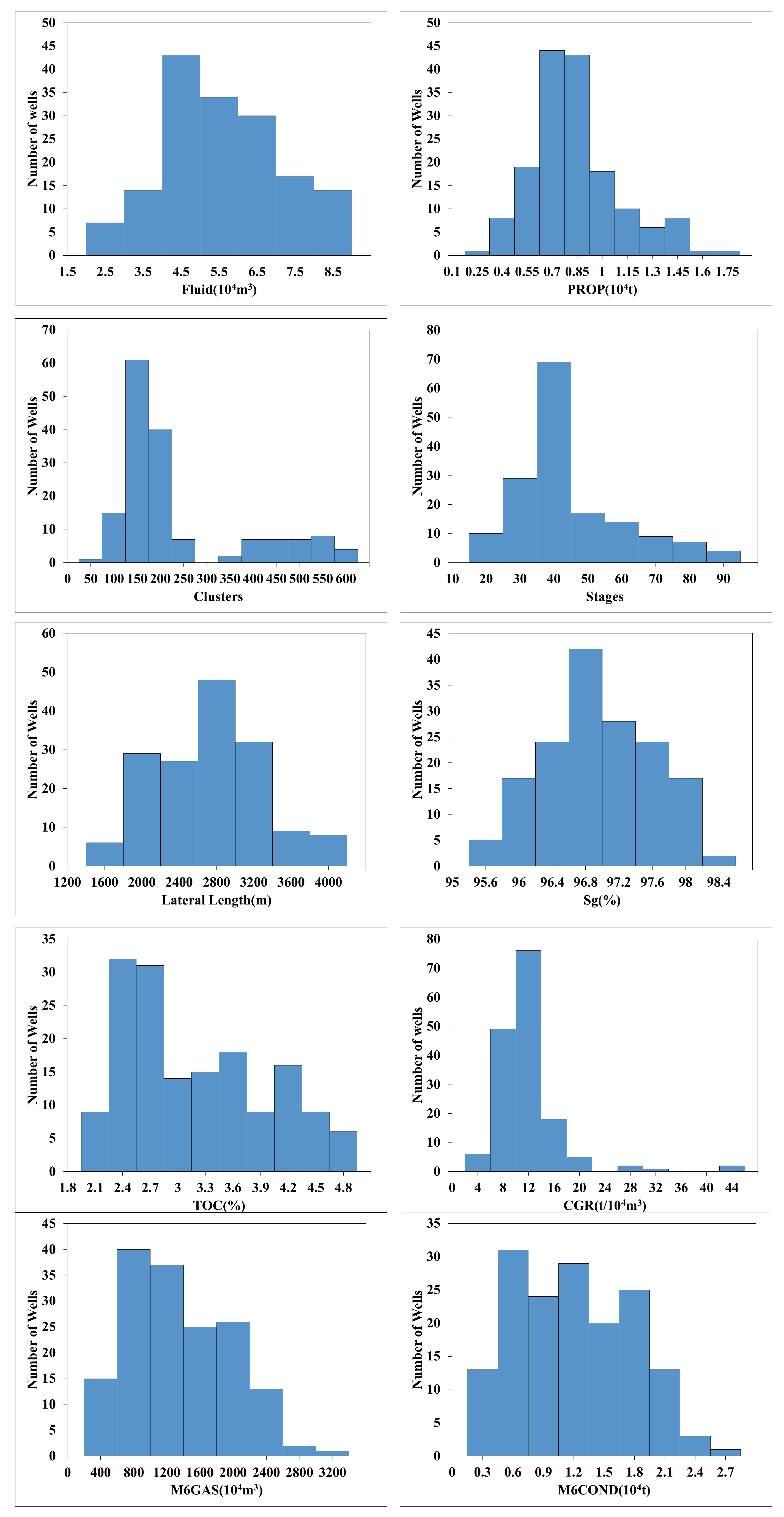
The production of a single gas well is influenced by many geological and completion factors. The aim of this paper is to build a production prediction model based on machine learning technique and identify the most important factor for production. Firstly, around 159 horizontal wells were collected, targeting the Duvernay Formation with detailed geological and completion records. Secondly, the key factors were selected using grey relation analysis and Pearson correlation. Then, three statistical models were built through multiple linear regression (MLR), support vector regression (SVR), gaussian process regression (GPR). The model inputs include fluid volume, proppant amount, cluster counts, stage counts, total horizontal lateral length, gas saturation, total organic carbon content, condensate-gas ratio. The model performance was assessed by root mean squared errors (RMSE) and R-squared value. Finally, sensitivity analysis was applied based on best performance model. The analysis shows following conclusions: (1) GPR model shows the best performance with the highest R-squared value and the lowest RMSE. In the testing set, the model shows a R-squared of 0.8 with a RMSE of 280.54 × 10⁴ m3 in the prediction of cumulative gas production within 1st 6 producing months and gives a R-squared of 0.83 with a RMSE of 1884.3 t in the prediction of cumulative oil production within 1st 6 producing months (2) Sensitivity analysis based on GPR model indicates that condensate-gas ratio, fluid volume, and total organic carbon content are the most important features to cumulative oil production within 1st 6 producing months. Fluid volume, Stages, and total organic carbon content are the most significant factors to cumulative gas production within 1st 6 producing months. The analysis progress and results developed in this study will assist companies to build prediction models and figure out which factors control well performance.
Keywords: machine learning; sensitivity analysis; production prediction; grey relation analysis machine learning; sensitivity analysis; production prediction; grey relation analysis