Article

Investigating the Performance of a Super High-head Francis Turbine under Variable Discharge Conditions Using Numerical and Experimental Approach

1
State Key Laboratory of Fluid Power and Mechatronic Systems, Zhejiang University, Hangzhou 310027, China
2
School of Mechanical Engineering, Zhejiang University, Hangzhou 310027, China
3
Zhejiang Fuchunjiang Hydropower Equipment Co., Ltd., Hangzhou 311121, China
4
China Institute of Water Resources and Hydropower Research, Beijing 100038, China
5
China Gezhouba Group Mechanical & Electrical Construction Co., Ltd., Chengdu 610000, China
*
Authors to whom correspondence should be addressed.
Energies 2020, 13(15), 3868; https://doi.org/10.3390/en13153868
Submission received: 22 May 2020 / Revised: 14 July 2020 / Accepted: 16 July 2020 / Published: 29 July 2020
(This article belongs to the Special Issue Power Electronics in Renewable Energy Systems Ⅱ)

Abstract

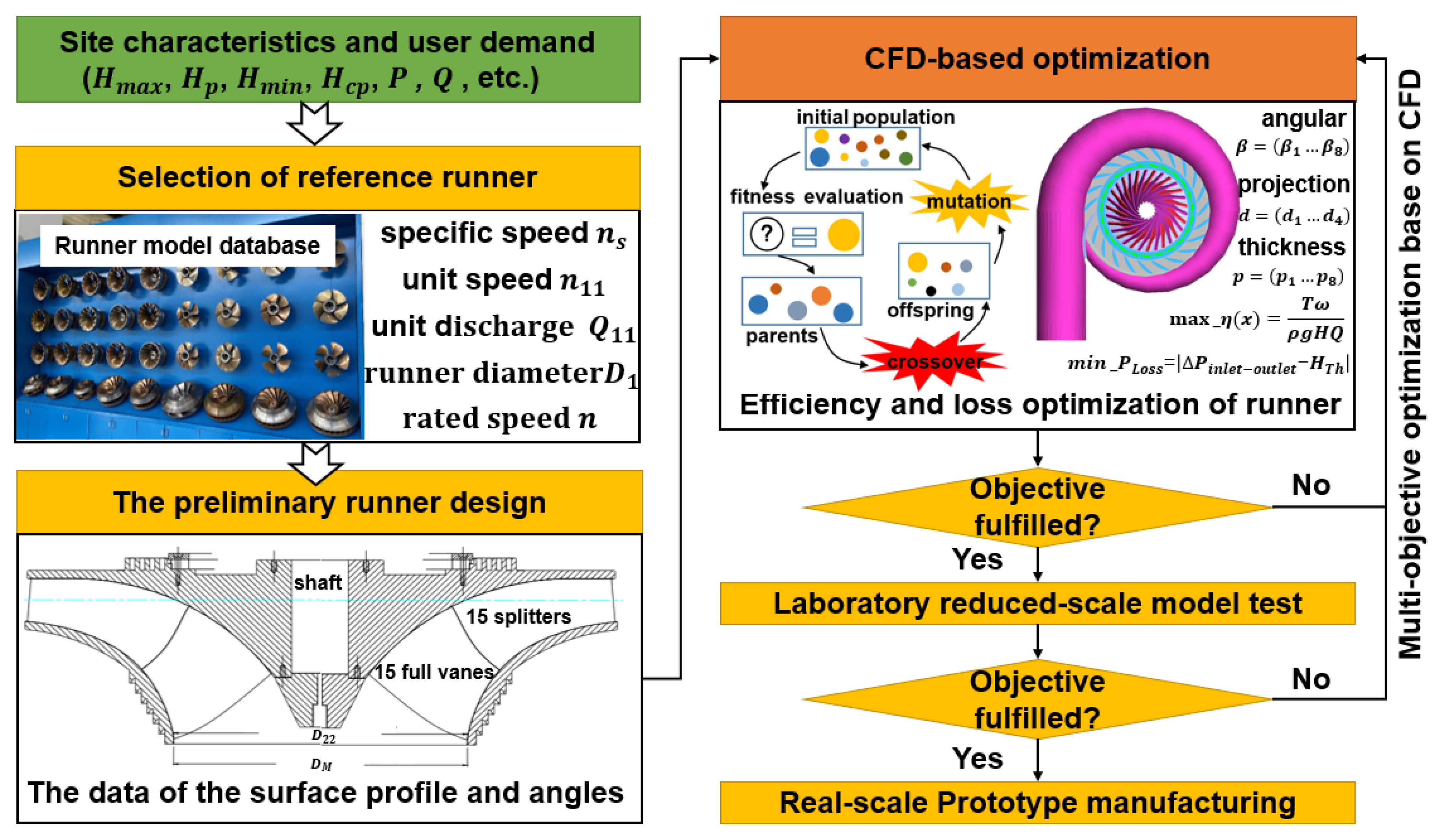
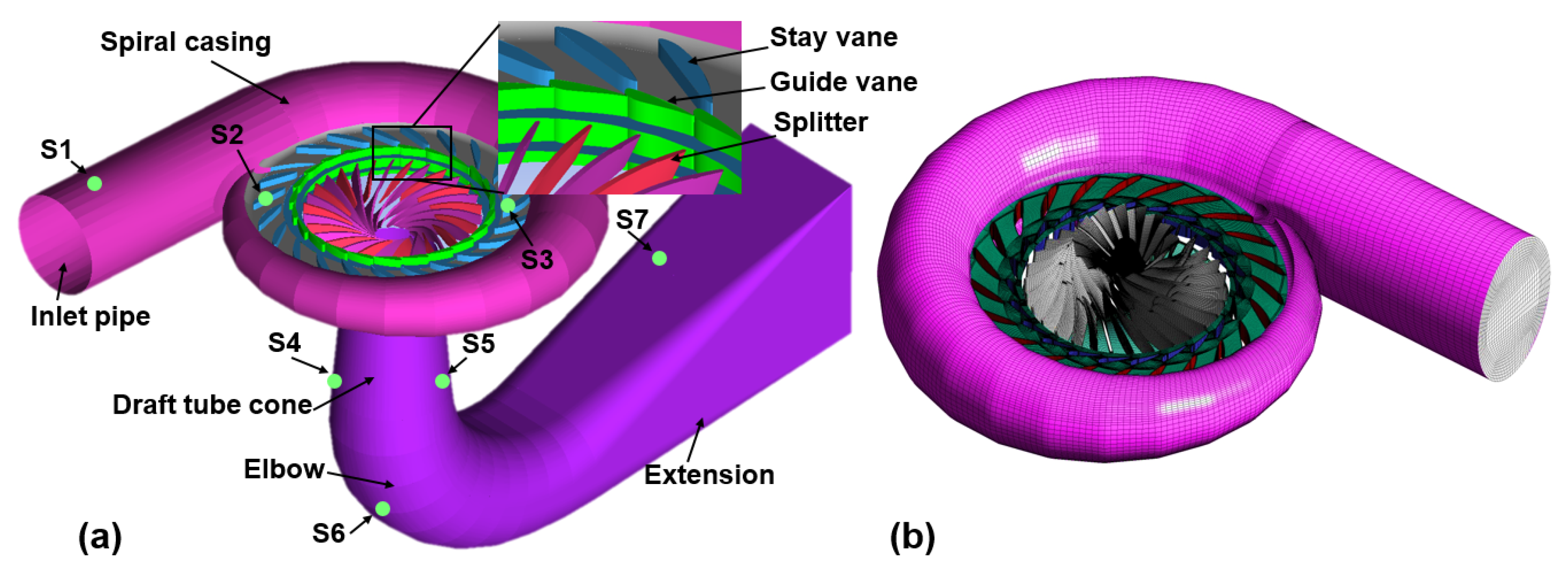
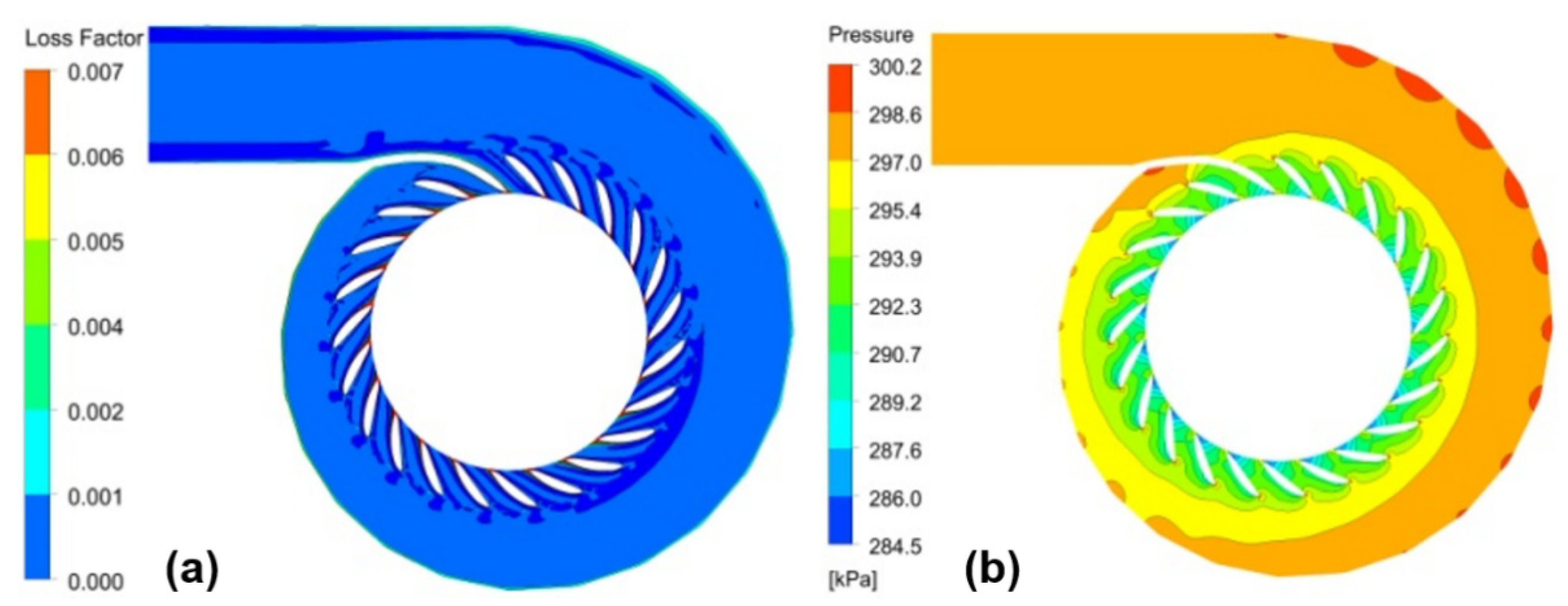
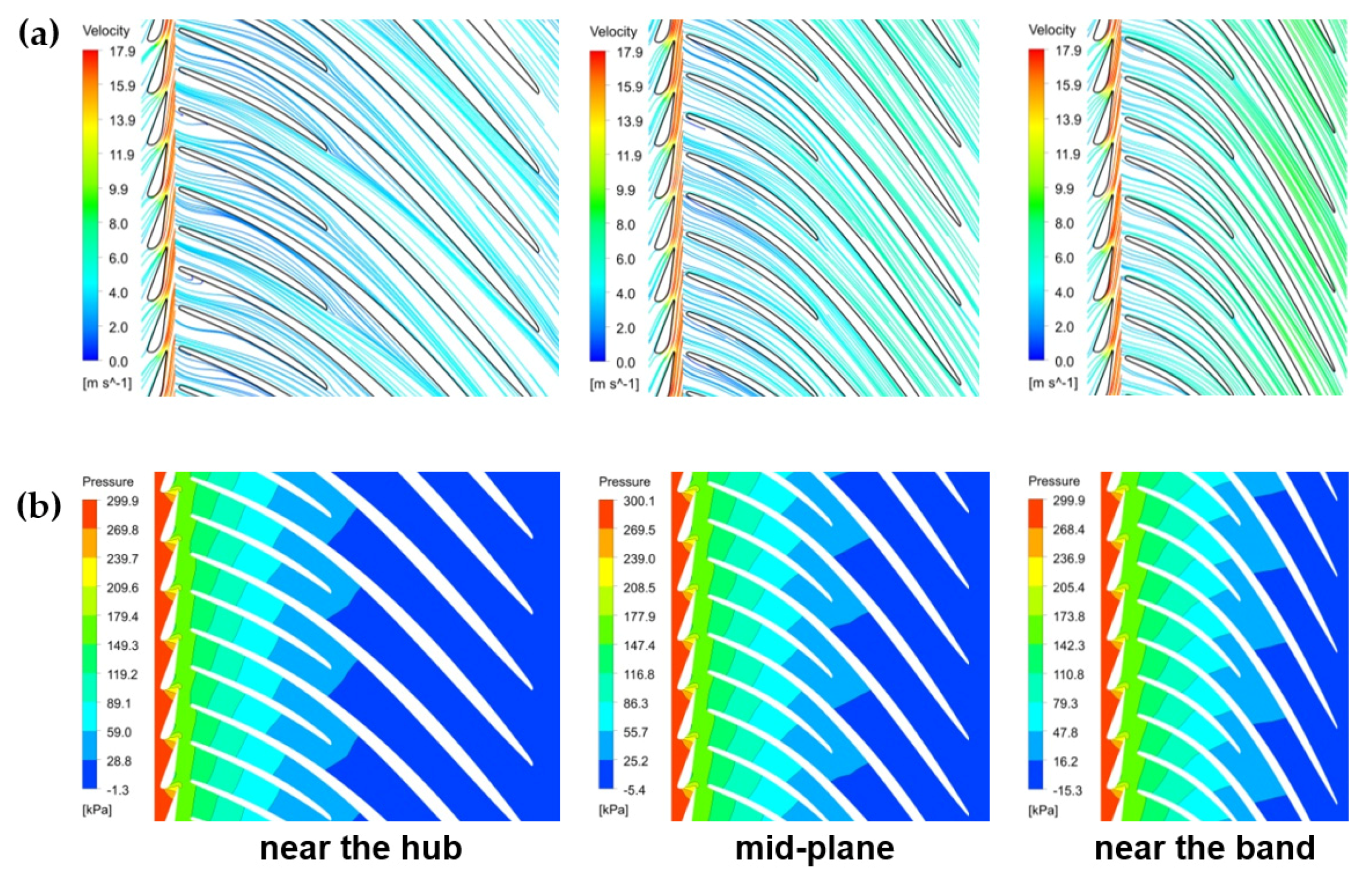
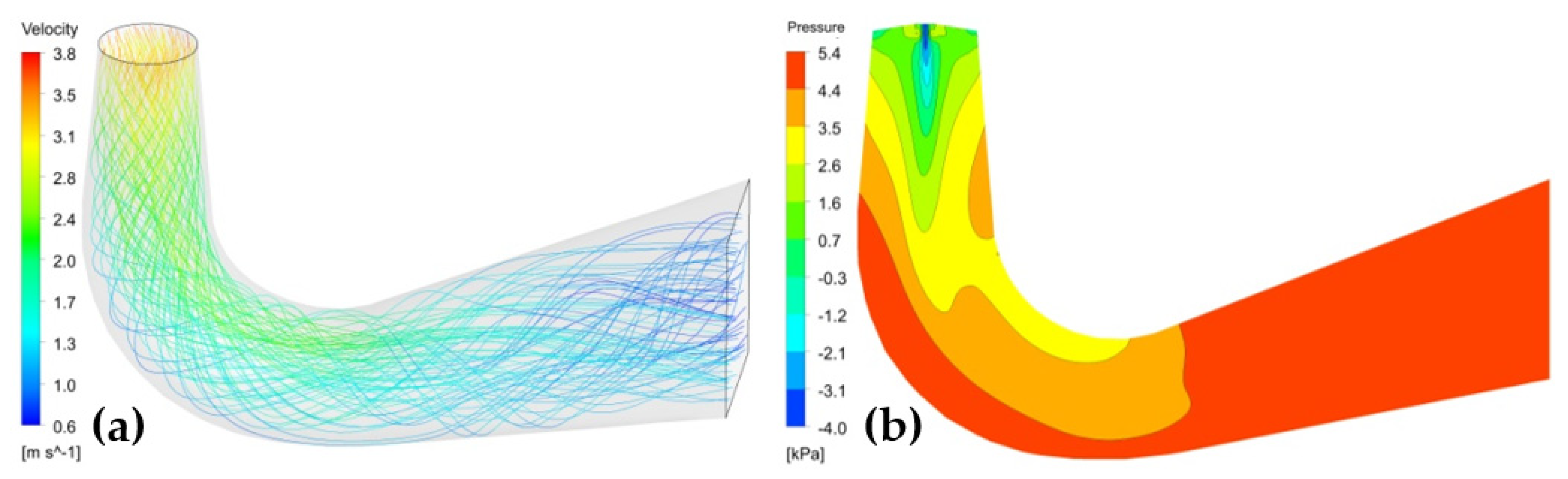
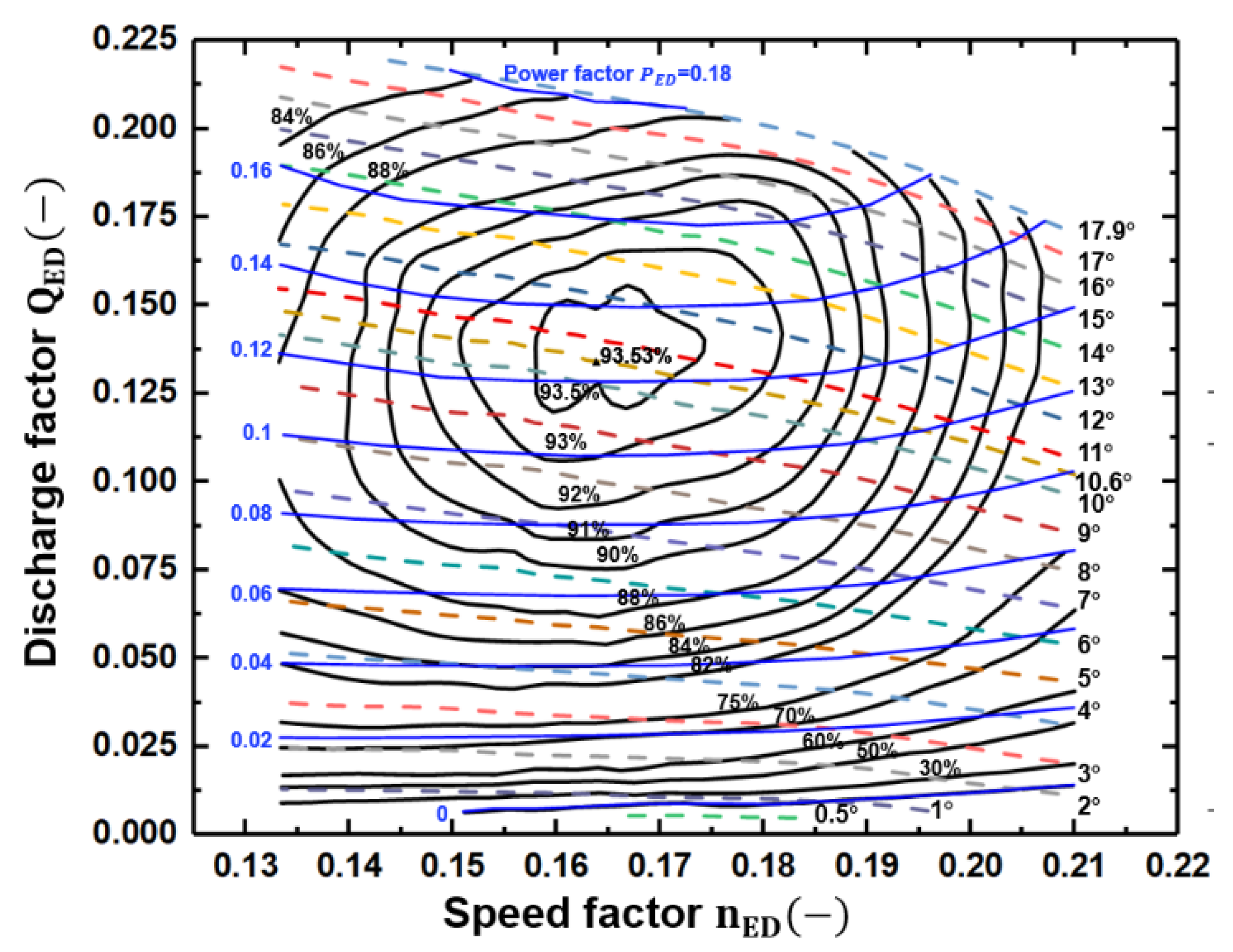
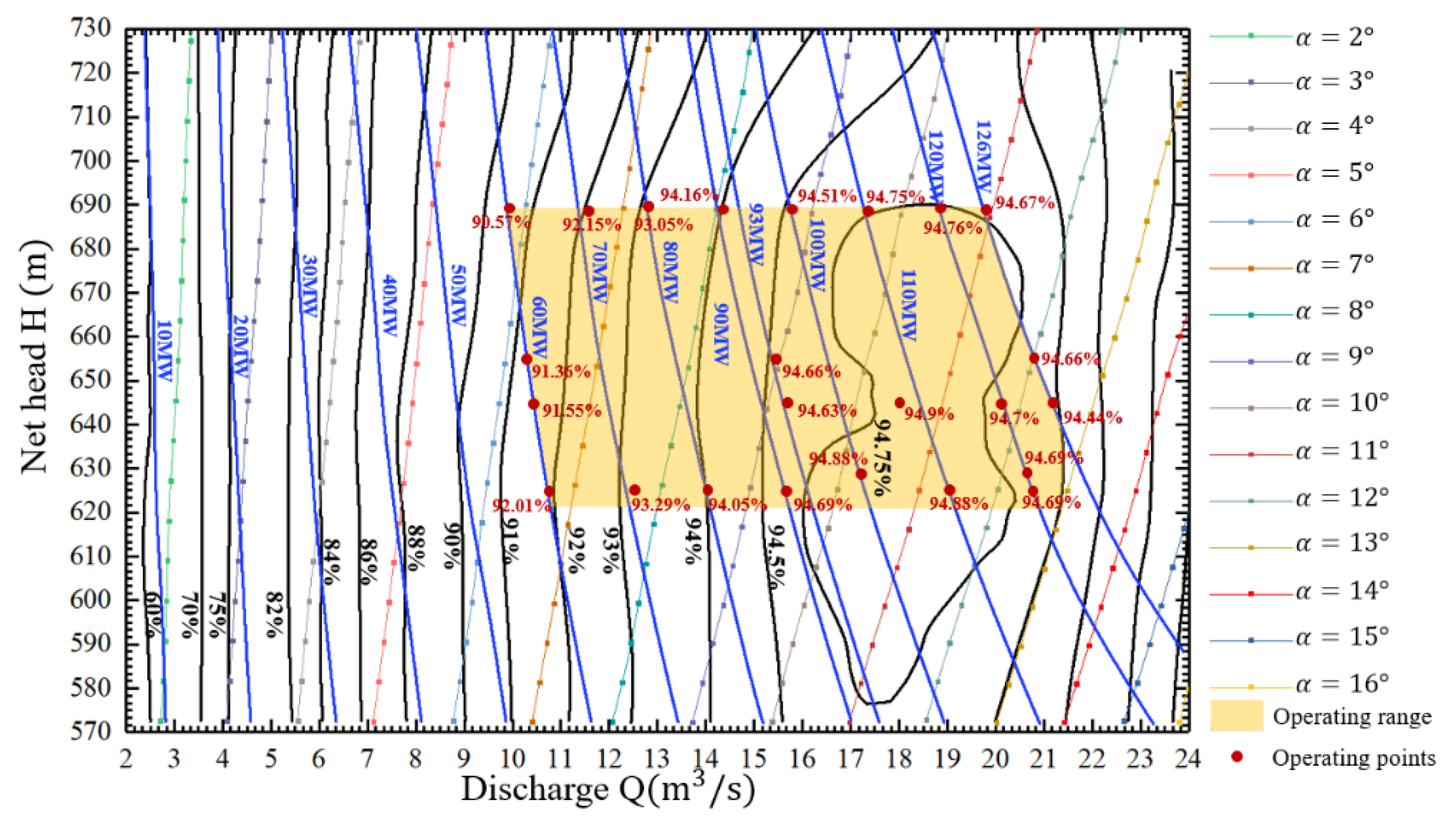
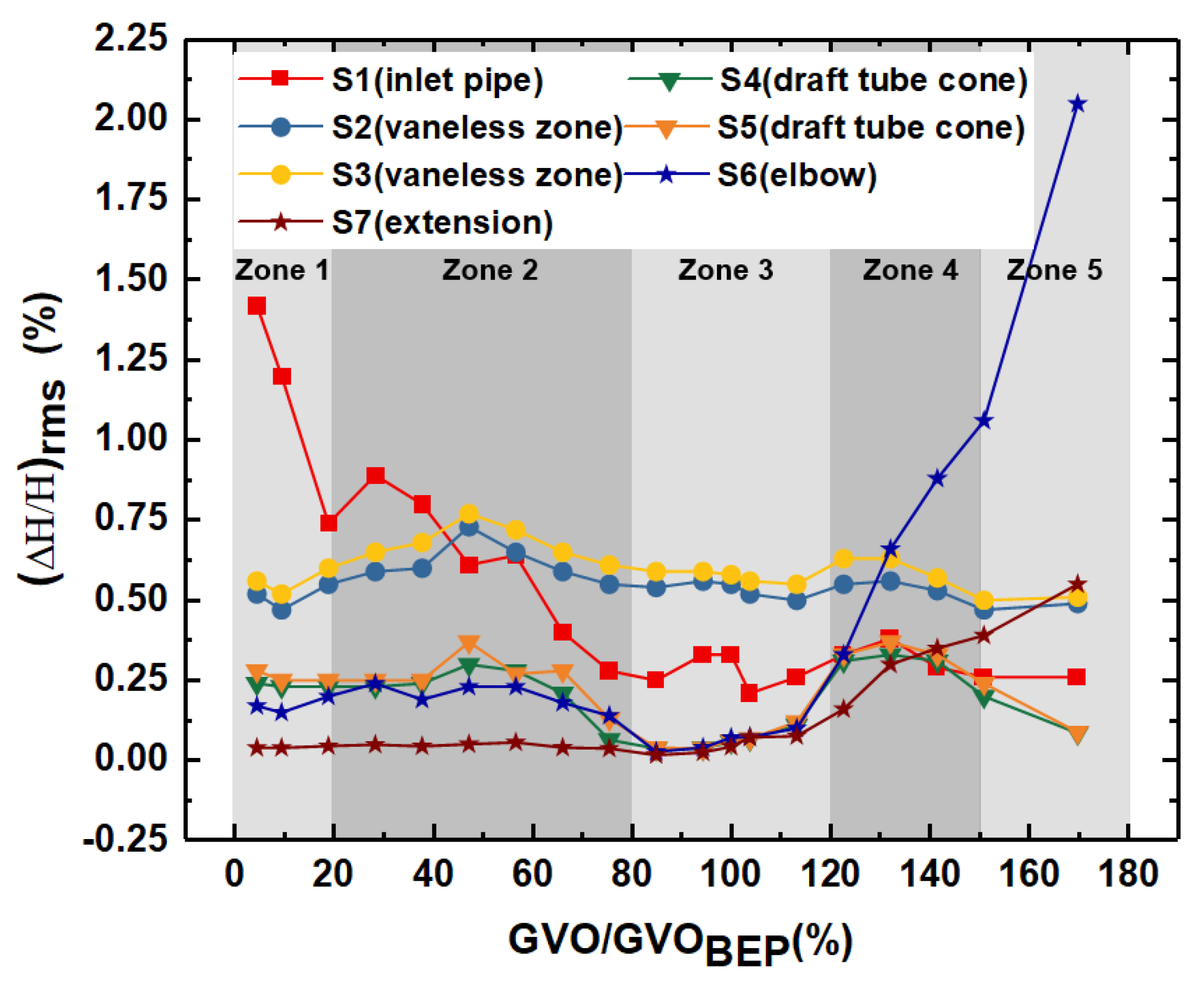
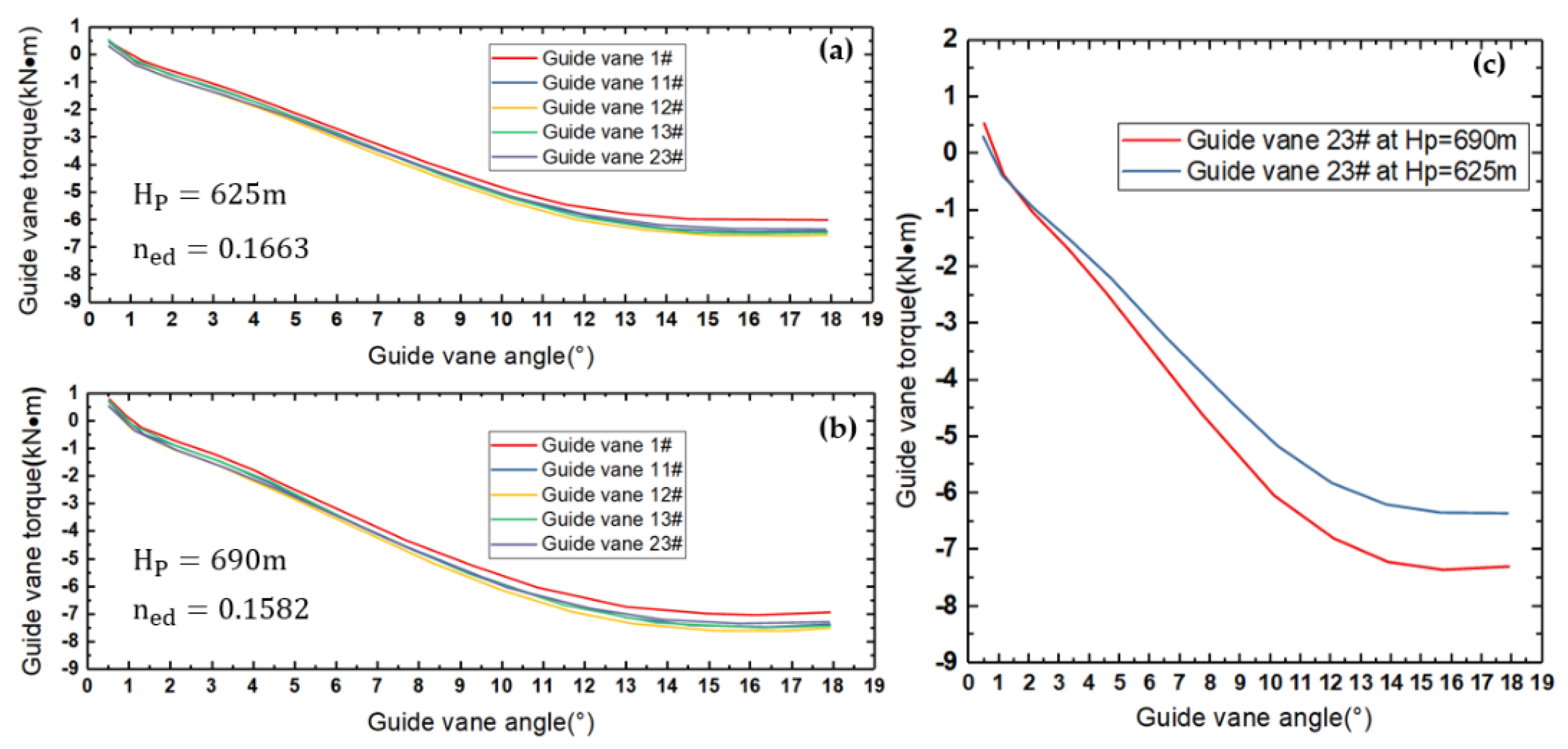
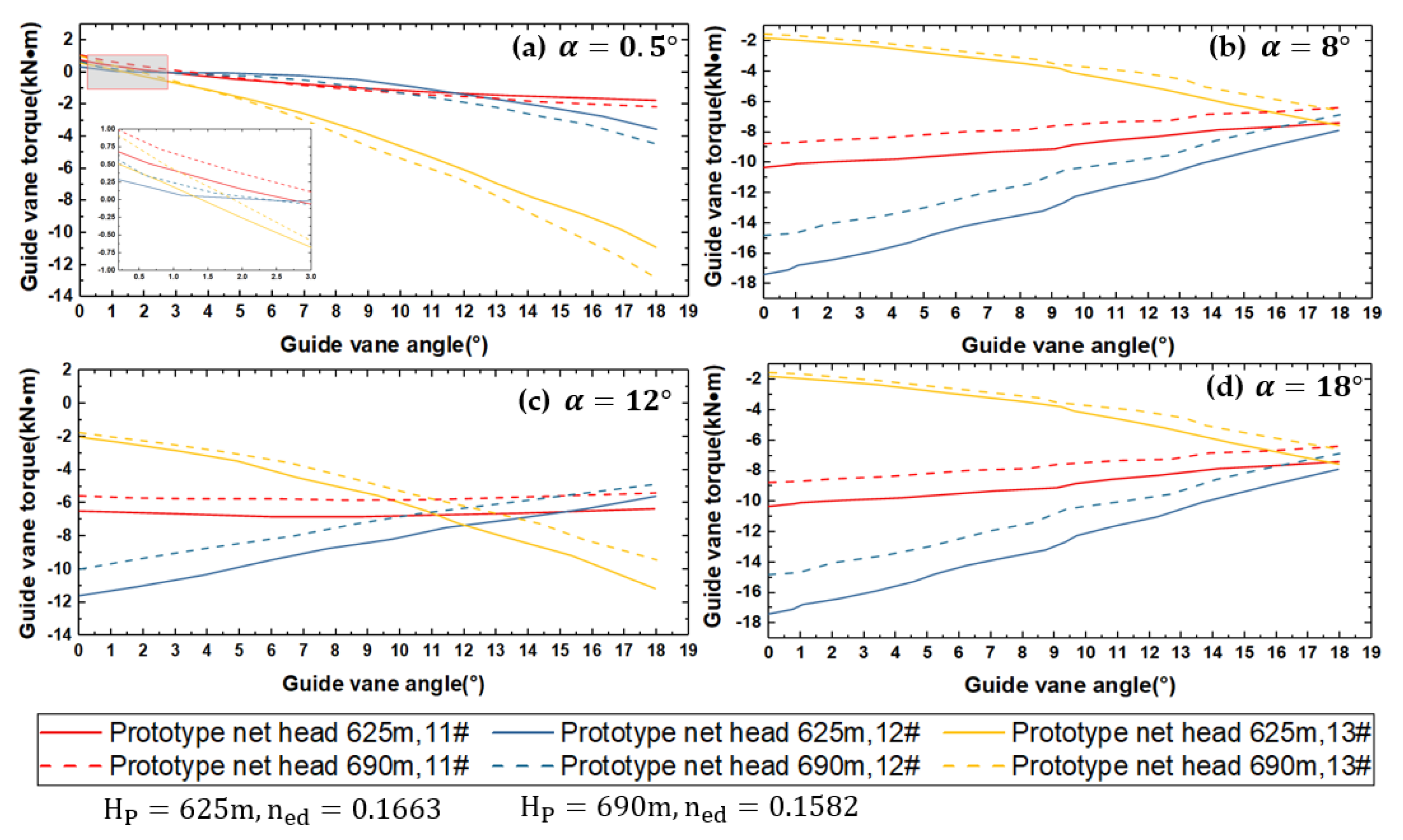
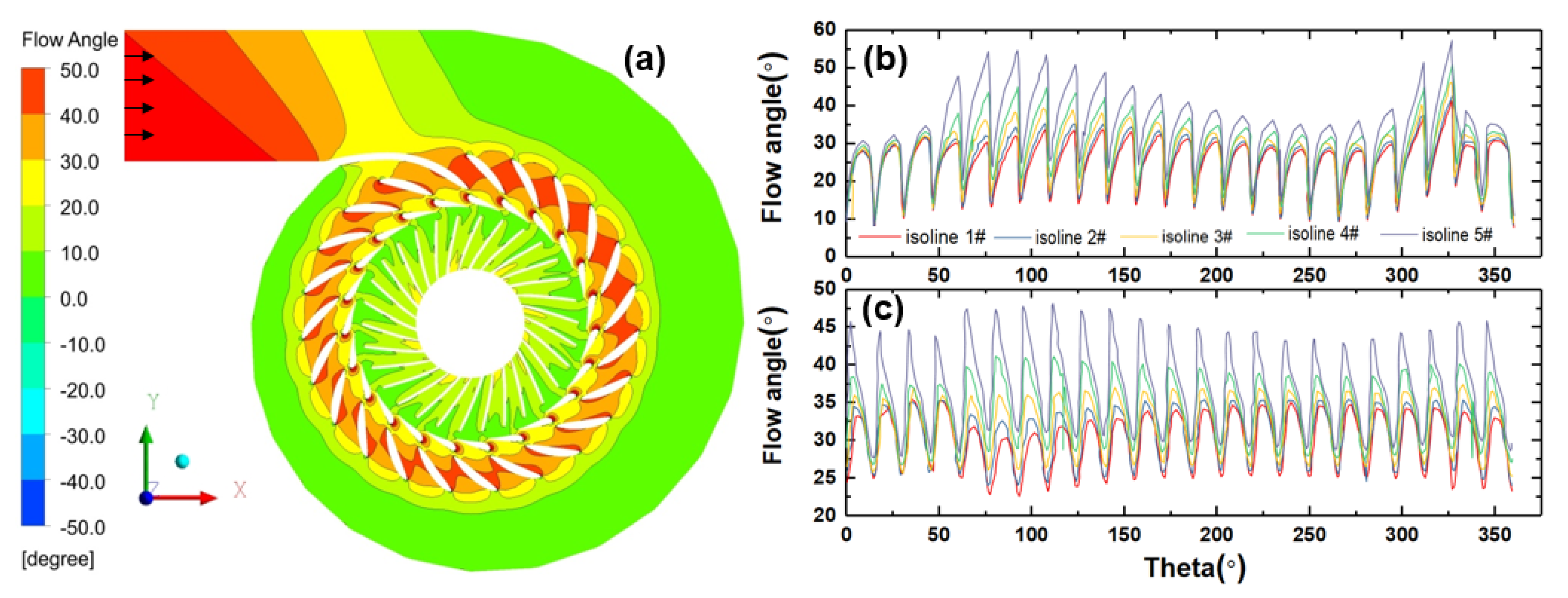
A super high-head Francis turbine with a gross head of nearly 700 m was designed with computational fluid dynamics (CFD) simulation and laboratory tests. Reduced-scale (1:3.7) physical and numerical models of the real-scale prototype were created to investigate the hydraulic performance. According to the CFD analysis, a strong rotor–stator interaction (RSI) between guide vanes and runner blades is observed as a result of the high-speed tangential flow towards runner created by the super high water head as well as the small gaps between the radial blades. At the designed best efficiency point (BEP), there is no significant flow recirculation inside the flow passage and minor loss occurs at the trailing edge of the stay vanes and guide vanes. Maximum velocity is observed at runner inlets due to flow acceleration through the narrow passages between the guide vanes. The elbow-shaped draft tube gradually decreases the flow velocity to keep the kinetic energy loss at a minimum. The laboratory test was conducted on a reduced-scale physical model to investigate the pressure pulsations and guide vane torque (GVT) under variable-discharge configurations, which are key concerns in the design of a high head turbine. Pressure sensor networks were installed at the inlet pipe, vaneless space and draft tube, respectively. The most intense pressure variation occurs at the inlet pipe and elbow at 0.04–0.2 GVOBEP and 1.5–1.8 GVOBEP with a low frequency about 0.3 times of the runner frequency, while the vibration in vaneless zone performs stable with the blade passing frequency caused by RSI. The GVT shows a declining trend and then keeps stable as GVOs increases at synchronized condition. For the misaligned conditions, the torque of adjacent guide vanes differs a lot except at the synchronous angle and maximum absolute value at least doubles than the synchronized condition.
Keywords: Francis turbine; super high-head; pressure pulsation; guide vane torque; hill chart Francis turbine; super high-head; pressure pulsation; guide vane torque; hill chart