Article

Sliding Mode Output Regulation for a Boost Power Converter †

by
Jorge Rivera
1,*,
Susana Ortega-Cisneros
2 and
Florentino Chavira
3
1
CONACYT–Advanced Studies and Research Center (CINVESTAV), National Polytechnic Institute (IPN), Guadalajara Campus, Zapopan 45015, Mexico
2
Advanced Studies and Research Center (CINVESTAV), National Polytechnic Institute (IPN), Guadalajara Campus, Zapopan 45015, Mexico
3
Ceti Unidad Colomos, Calle Nueva Escocia 1885, Providencia 5a Sección, Guadalajara 44638, Mexico
*
Author to whom correspondence should be addressed.
This paper is an extended version of our paper published in CCE 2012, Mexico city, Mexico, 26–28 September 2012.
Energies 2019, 12(5), 879; https://doi.org/10.3390/en12050879
Submission received: 21 November 2018 / Revised: 23 January 2019 / Accepted: 21 February 2019 / Published: 6 March 2019
(This article belongs to the Special Issue Sliding Mode Control of Power Converters in Renewable Energy Systems)

Abstract

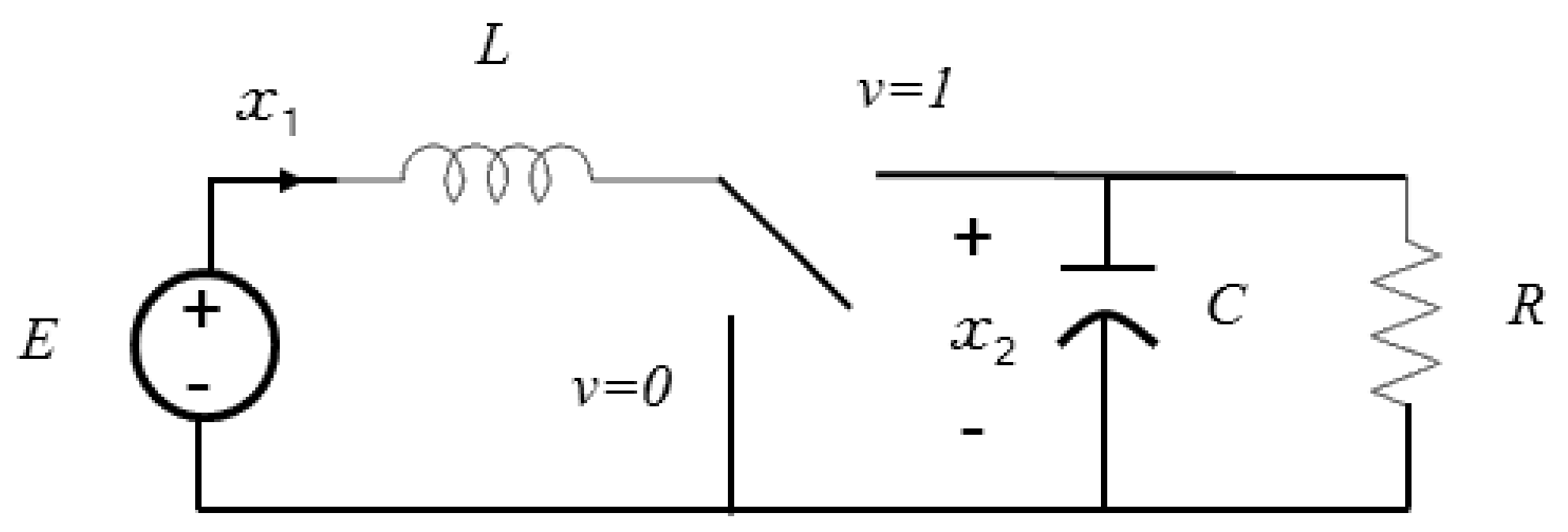
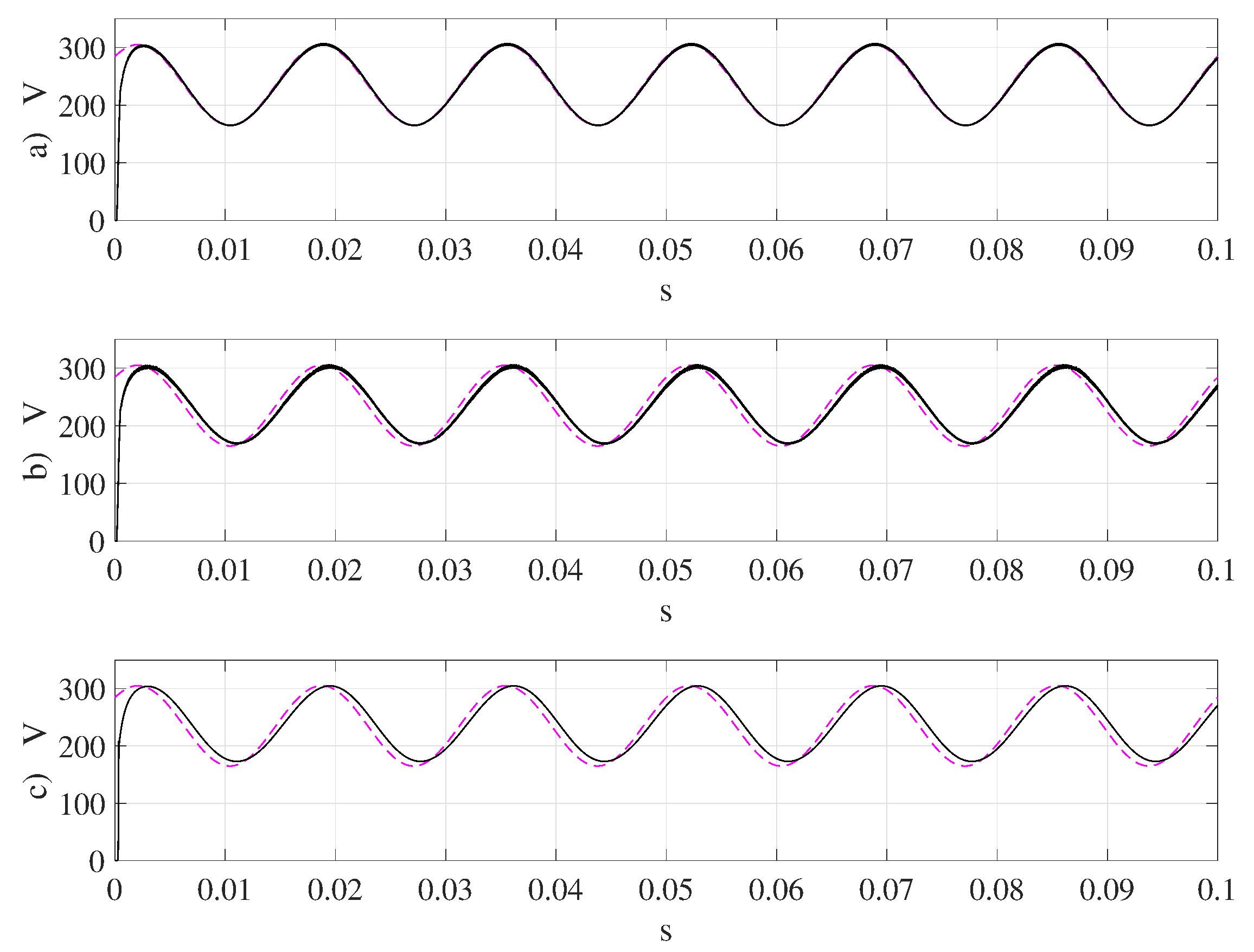
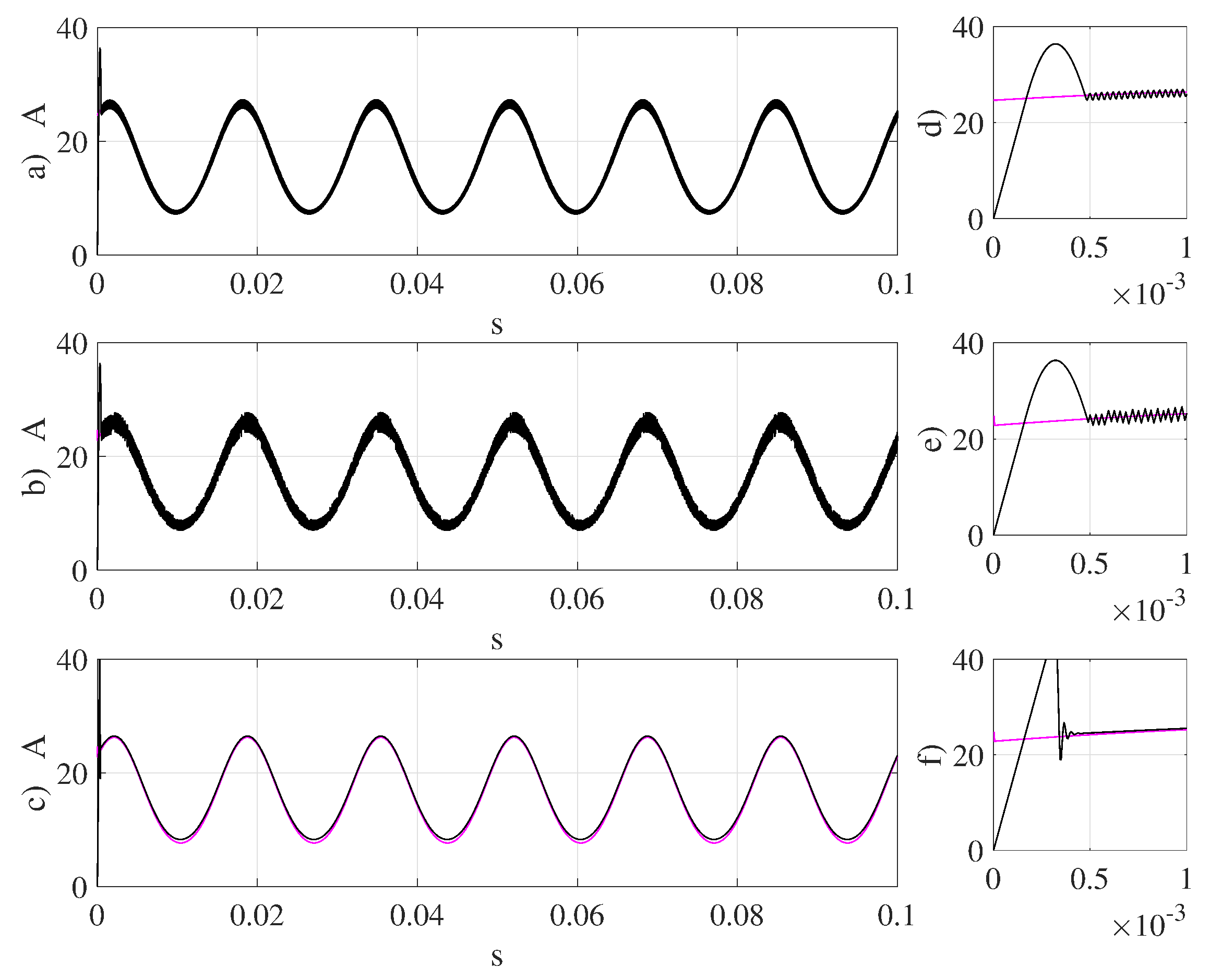
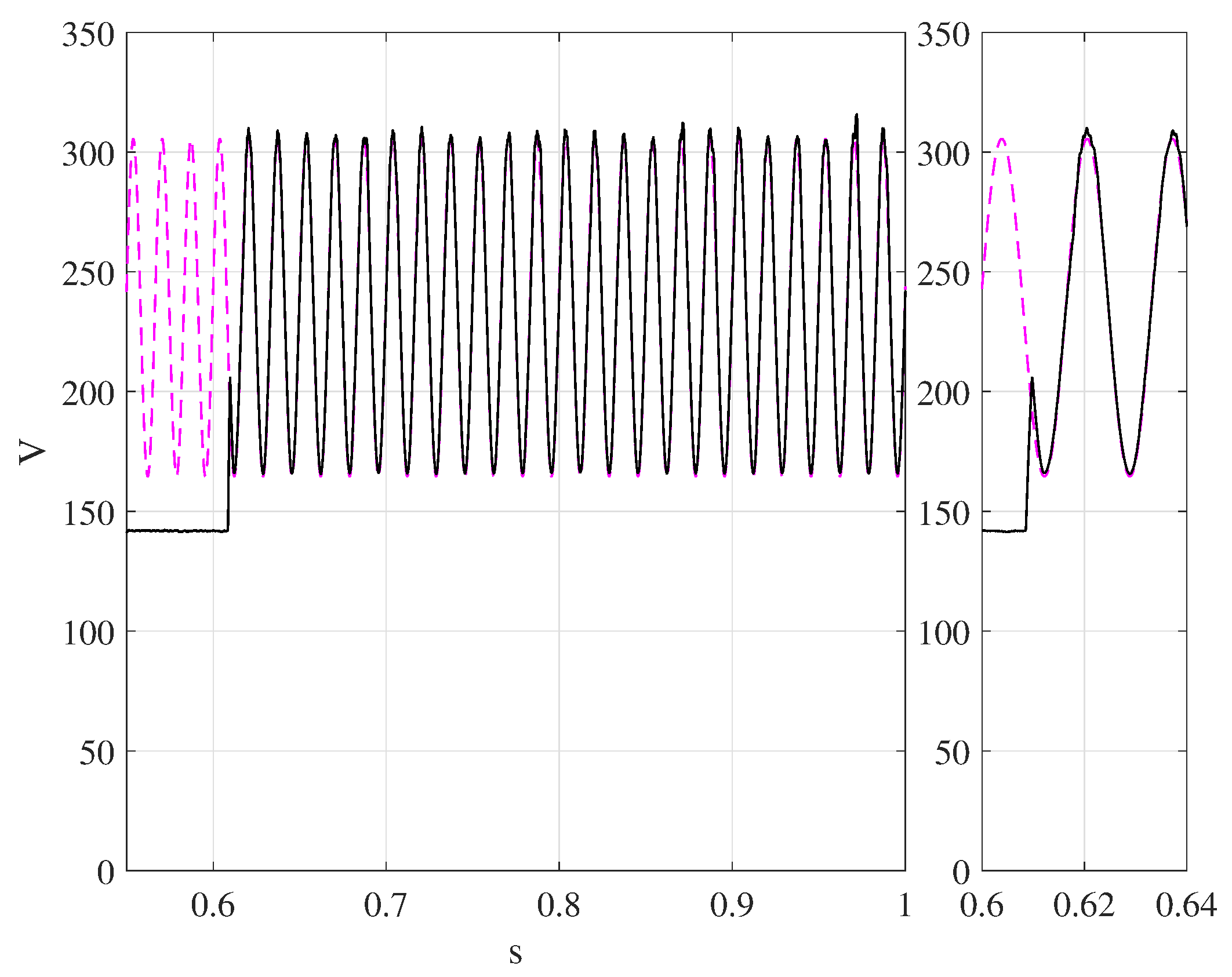
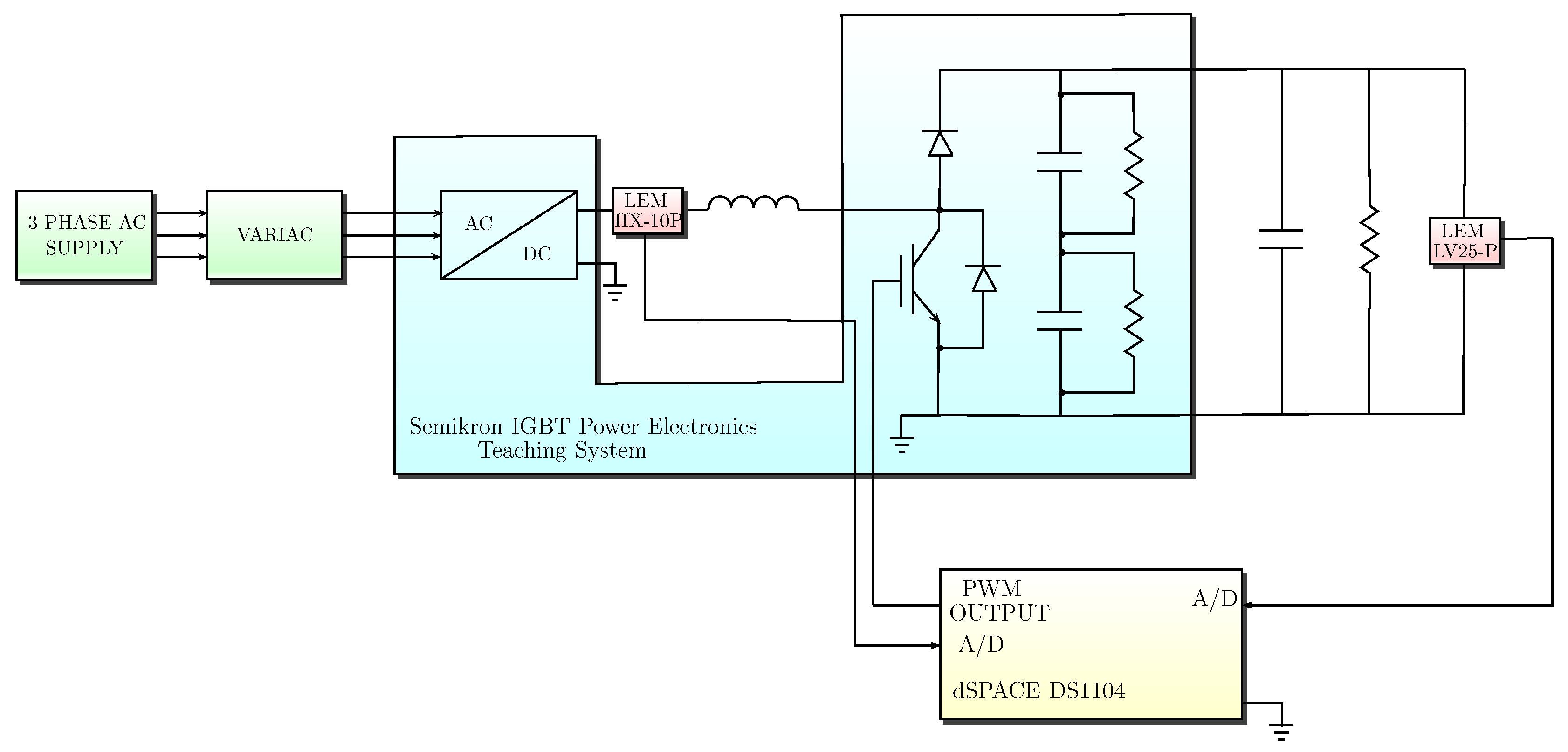
This work deals with the novel application of the sliding mode (discontinuous) output regulation theory to a nonlinear electrical circuit, the so-called boost power converter. This theory has excelled due to the fact that trajectory tracking plays a central role. The control of a boost power converter for the output tracking of a DC biased sinusoidal signal is a challenging problem for control engineers. The main difficulties are the computation of a proper reference signal for the inductor current, and the stabilization of the inductor current dynamics or to guarantee the correct output tracking of the capacitor voltage. With the application of the discontinuous output regulation these problems are solved in this work. Simulations and real time experiments were carried out with an unknown variation of the DC input voltage, where the good output tracking of the capacitor voltage was verified along with the stabilization of the inductor current. The discontinuous output regulation theory has proven to be a suitable tool in the output tracking for the boost power converter.
Keywords: output regulation; state feedback; sliding mode control; DC-DC power converter output regulation; state feedback; sliding mode control; DC-DC power converter