Article

Optimization in the Stripping Process of CO2 Gas Using Mixed Amines


Department of Chemical and Materials Engineering, Lunghwa University of Science and Technology, Taoyuan 333, Taiwan
*
Author to whom correspondence should be addressed.
Energies 2019, 12(11), 2202; https://doi.org/10.3390/en12112202
Submission received: 30 April 2019 / Revised: 1 June 2019 / Accepted: 5 June 2019 / Published: 10 June 2019

Abstract

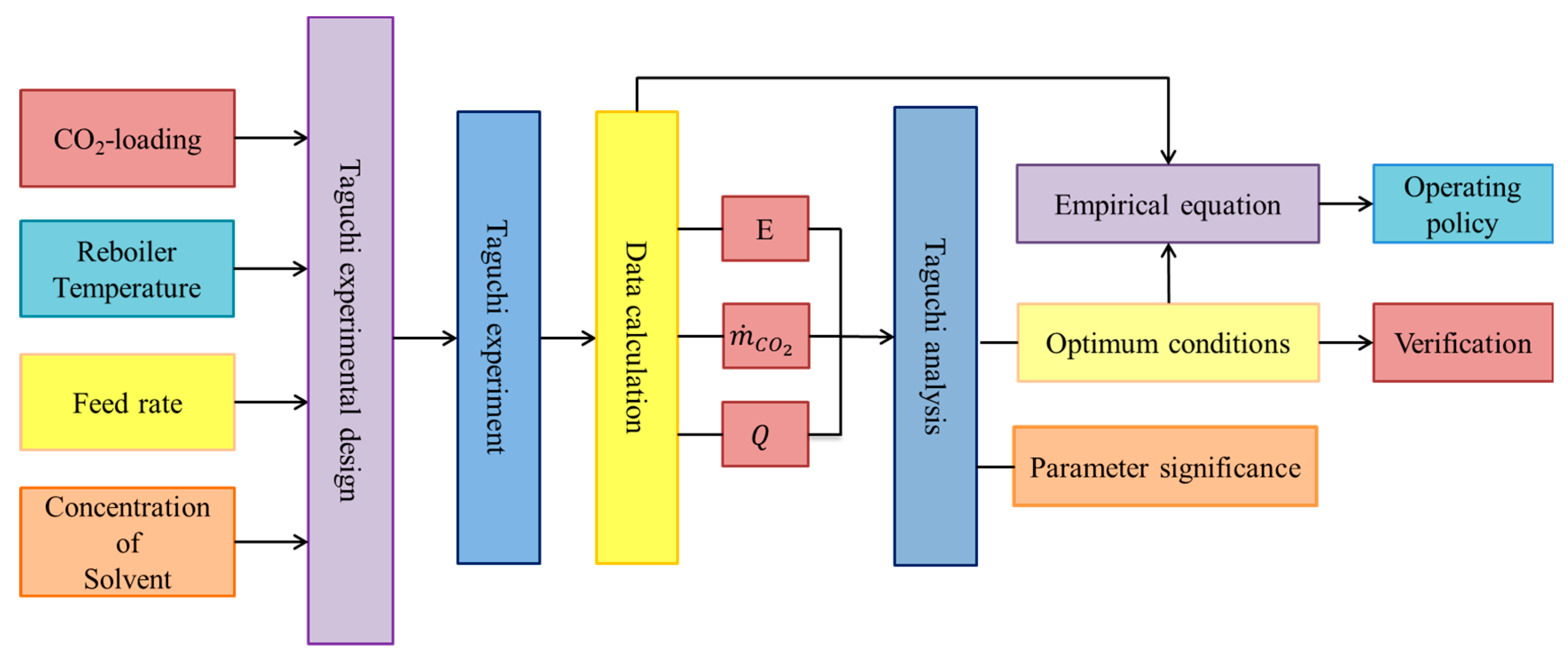
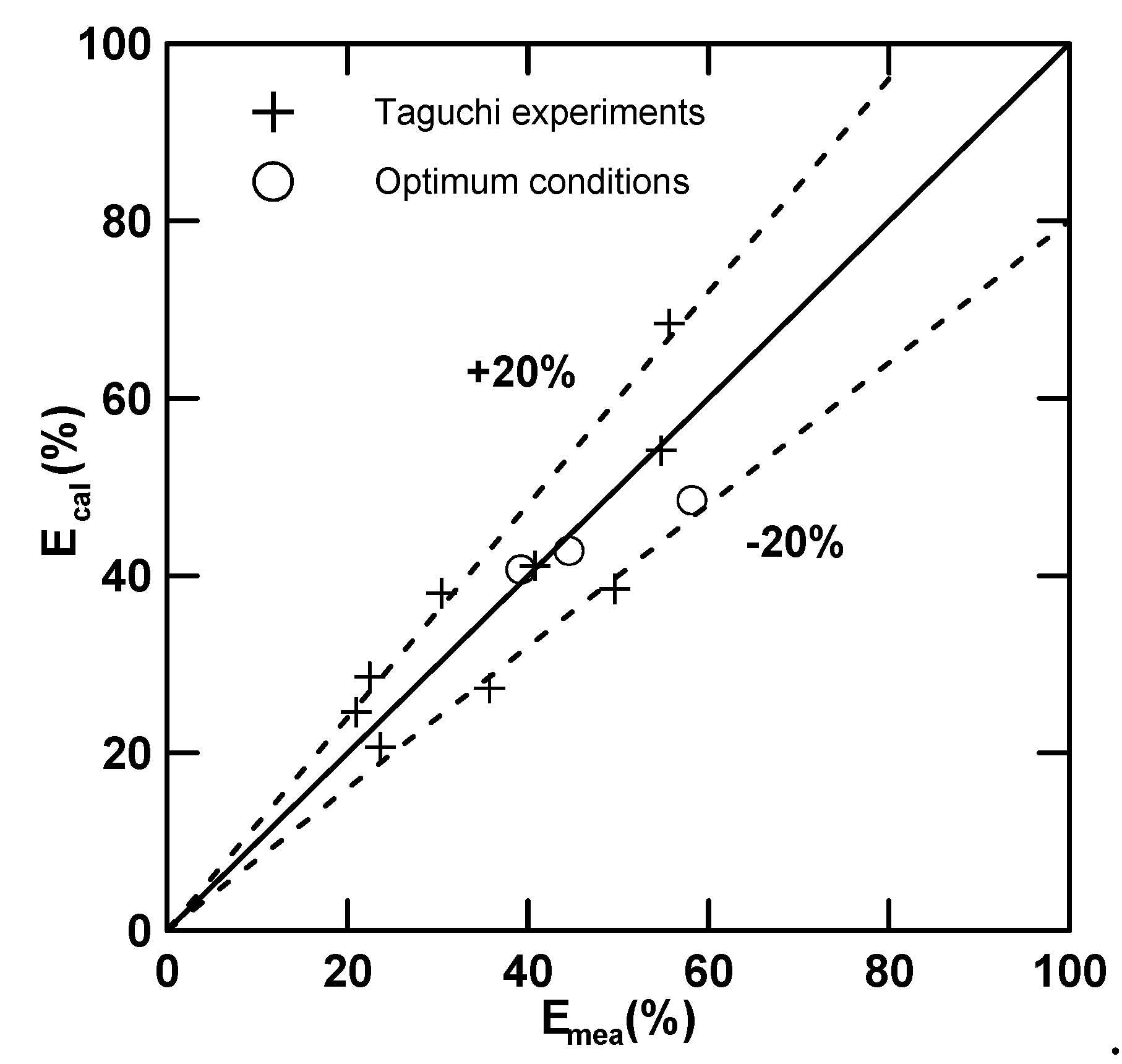
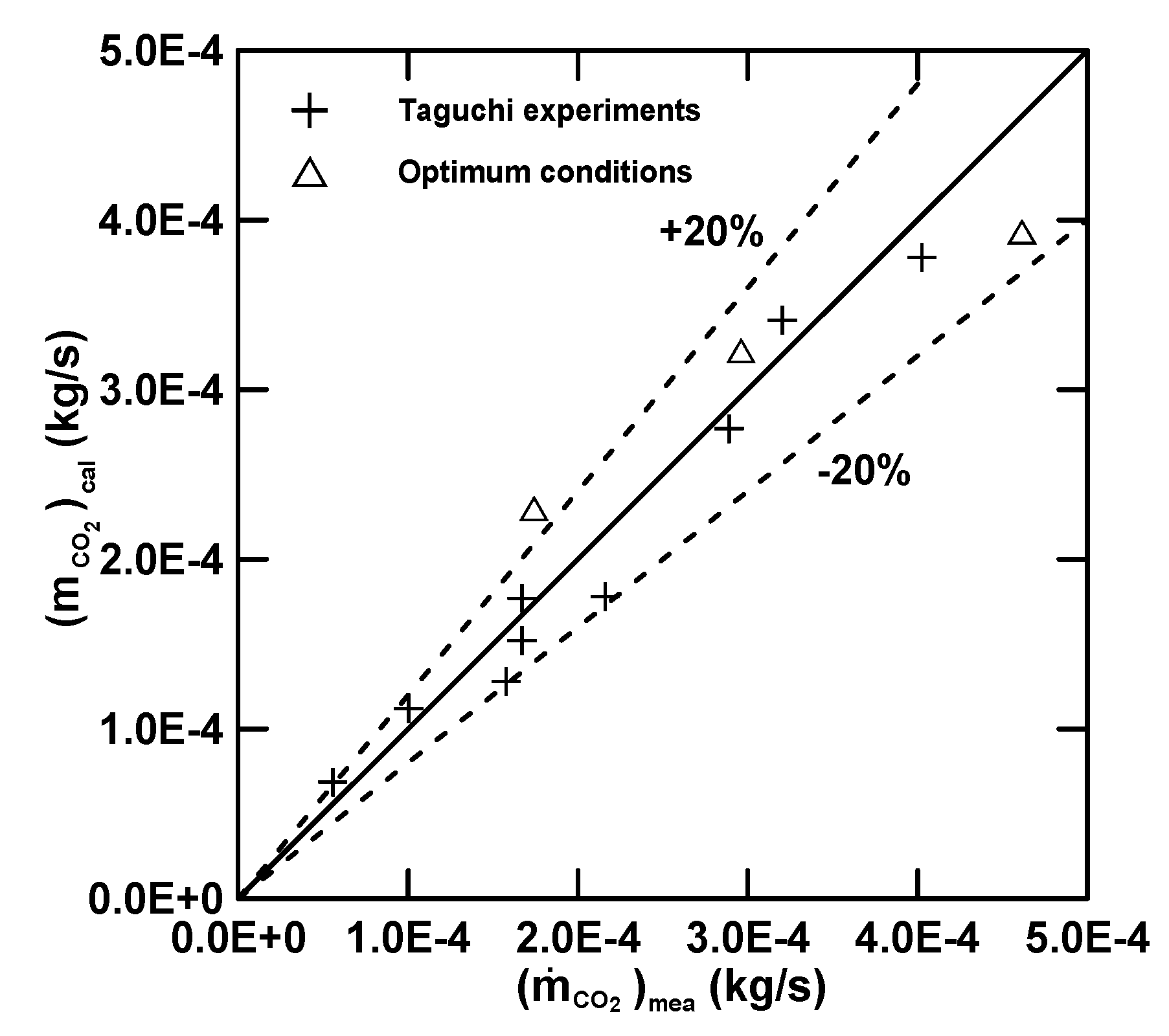
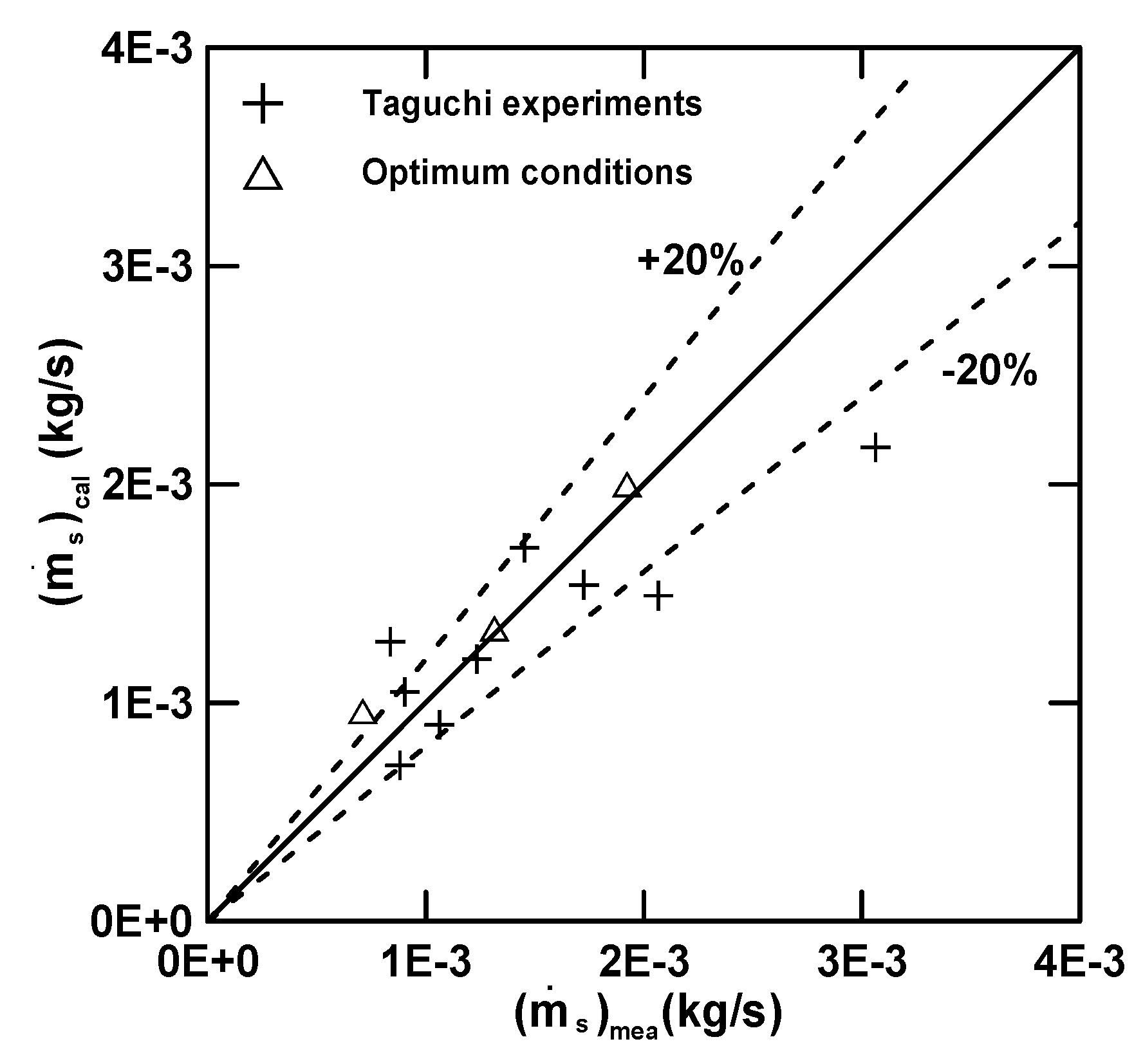
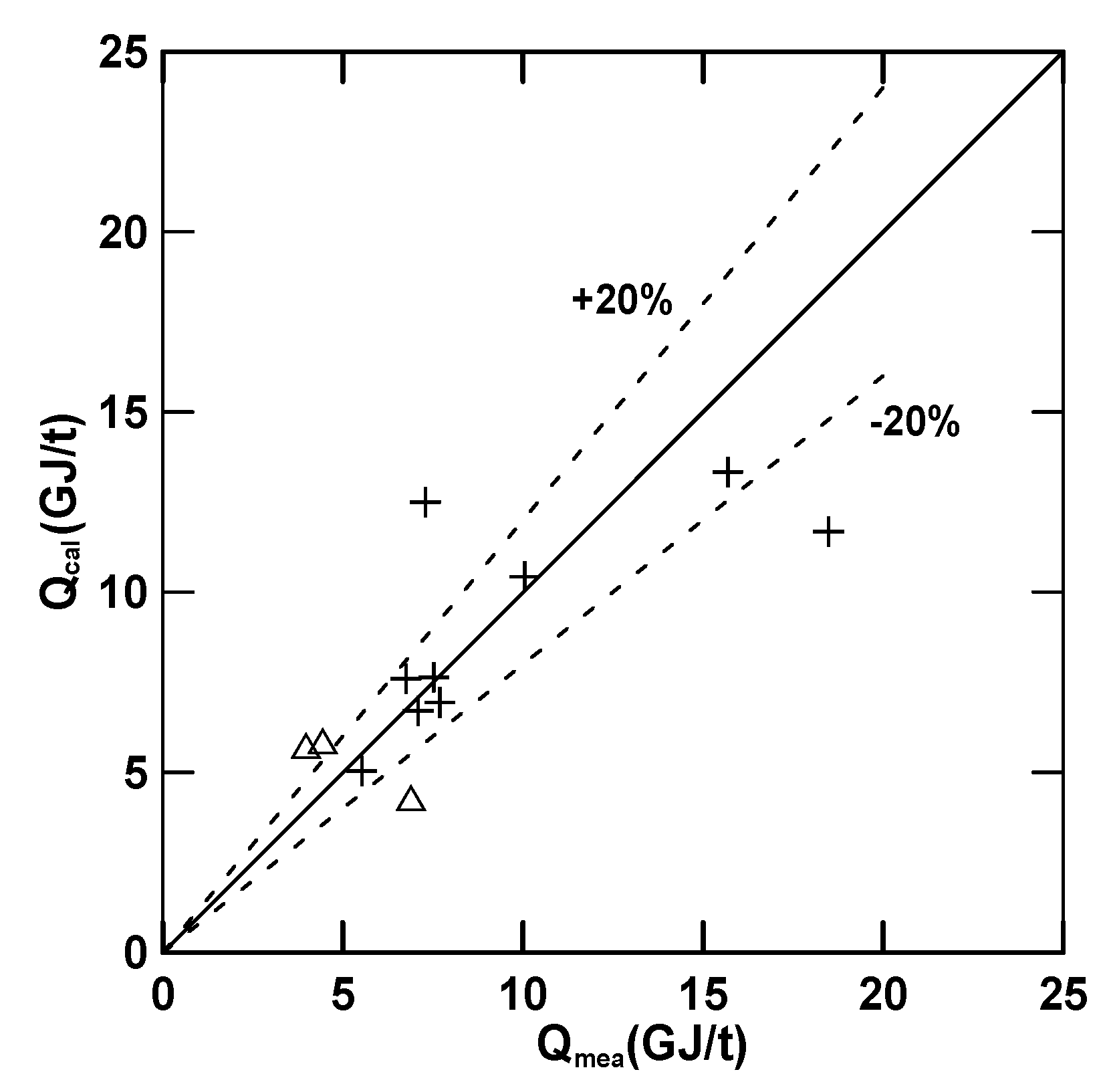
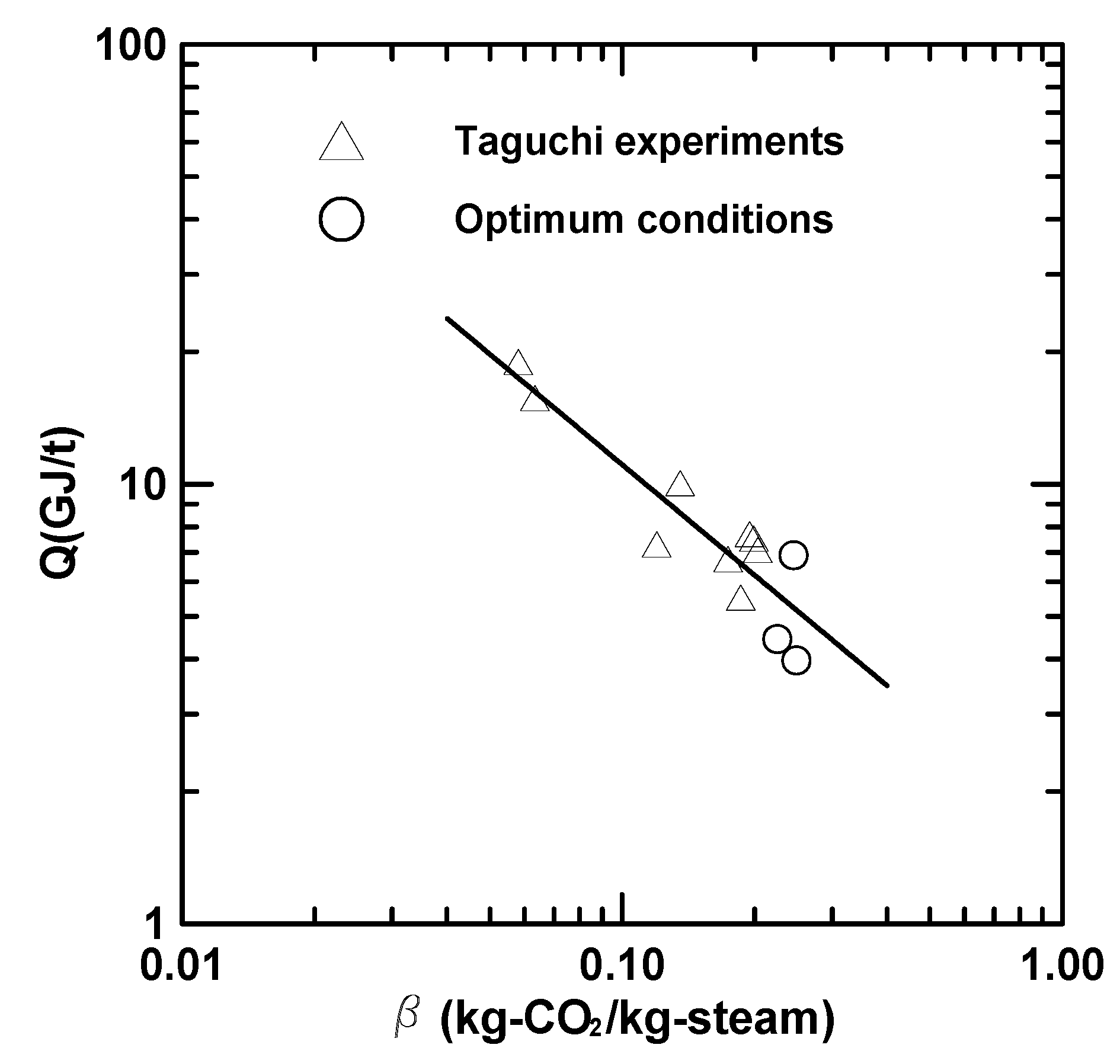
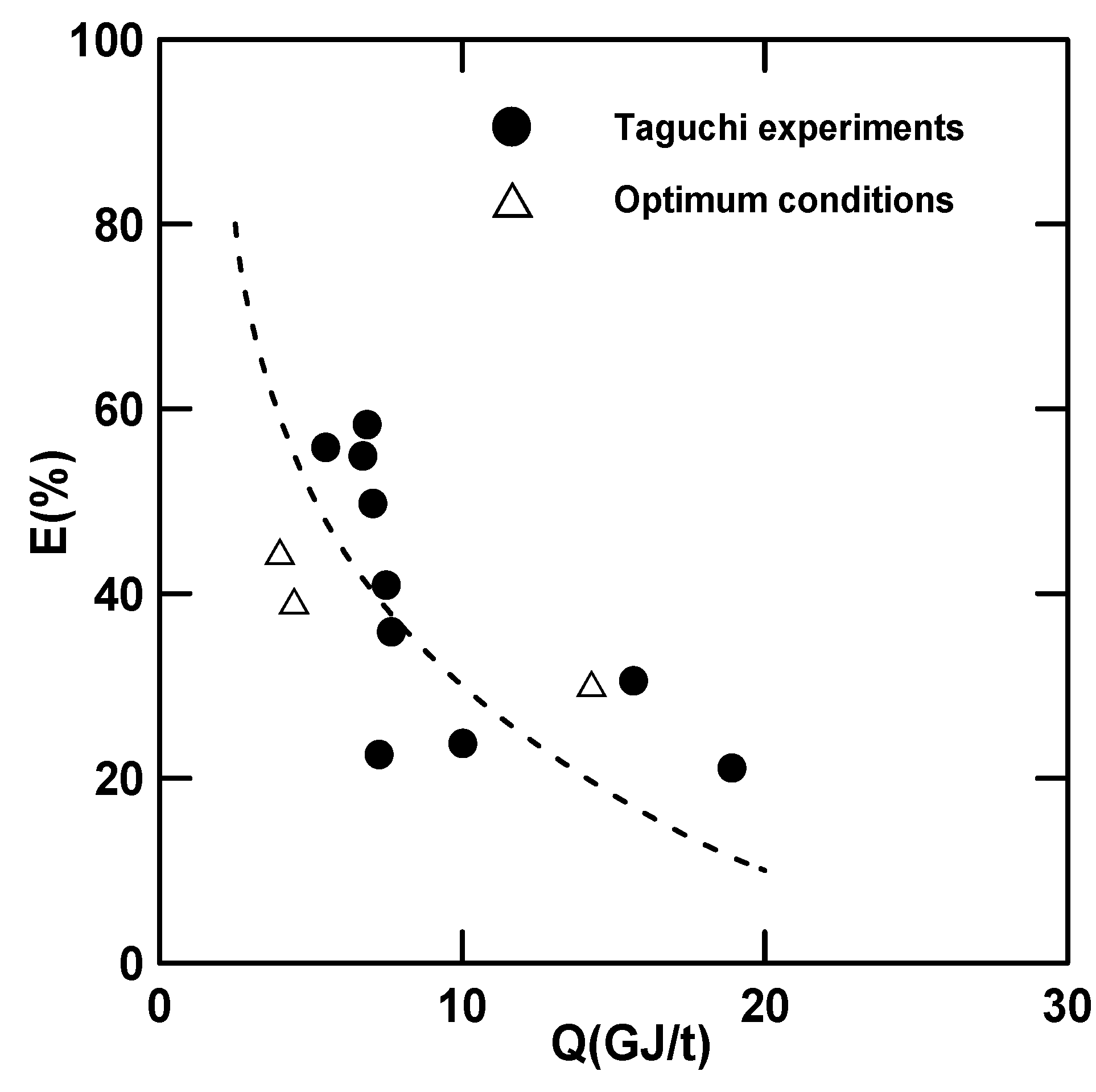
The aim of this work was to explore the effects of variables on the heat of regeneration, the stripping efficiency, the stripping rate, the steam generation rate, and the stripping factor. The Taguchi method was used for the experimental design. The process variables were the CO2 loading (A), the reboiler temperature (B), the solvent flow rate (C), and the concentration of the solvent (monoethanolamine (MEA) + 2-amino-2-methyl-1-propanol (AMP)) (D), which each had three levels. The stripping efficiency (E), stripping rate ( m ˙ CO 2 ), stripping factor (β), and heat of regeneration (Q) were determined by the mass and energy balances under a steady-state condition. Using signal/noise (S/N) analysis, the sequence of importance of the parameters and the optimum conditions were obtained, and the optimum operating conditions were further validated. The results showed that E was in the range of 20.98–55.69%; m ˙ CO 2 was in the range of 5.57 × 10⁻⁵–4.03 × 10⁻⁴ kg/s, and Q was in the range of 5.52–18.94 GJ/t. In addition, the S/N ratio analysis showed that the parameter sequence of importance as a whole was A > B > D > C, while the optimum conditions were A3B3C1D1, A3B3C3D2, and A3B2C2D2, for E, m ˙ CO 2 , and Q, respectively. Verifications were also performed and were found to satisfy the optimum conditions. Finally, the correlation equations that were obtained were discussed and an operating policy was discovered.
Keywords: heat of regeneration; stripping rate; stripping factor; mixed solvent; Taguchi method heat of regeneration; stripping rate; stripping factor; mixed solvent; Taguchi method