Article

Single and Multi-Sequence Deep Learning Models for Short and Medium Term Electric Load Forecasting


1
Department of Computer Science and Software Engineering, UAE University, 15551 Al Ain, UAE
2
Department of Software Engineering and IT, Ecole de Technologie Superieure, Montréal, QC H3C 1K3, Canada
*
Author to whom correspondence should be addressed.
Energies 2019, 12(1), 149; https://doi.org/10.3390/en12010149
Submission received: 28 October 2018 / Revised: 23 November 2018 / Accepted: 26 November 2018 / Published: 2 January 2019

Abstract

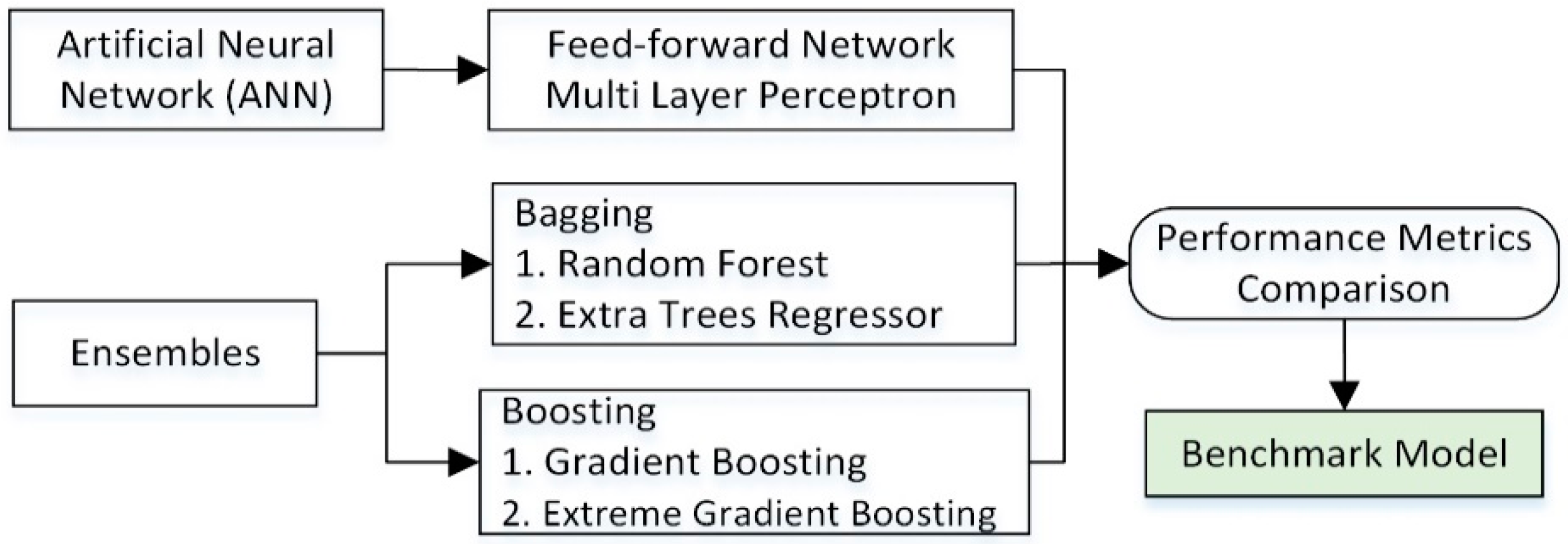
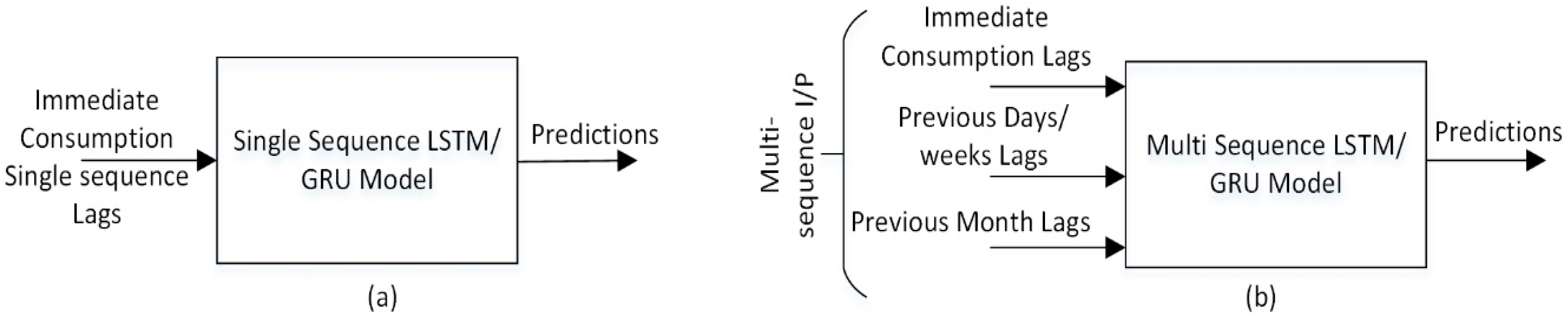
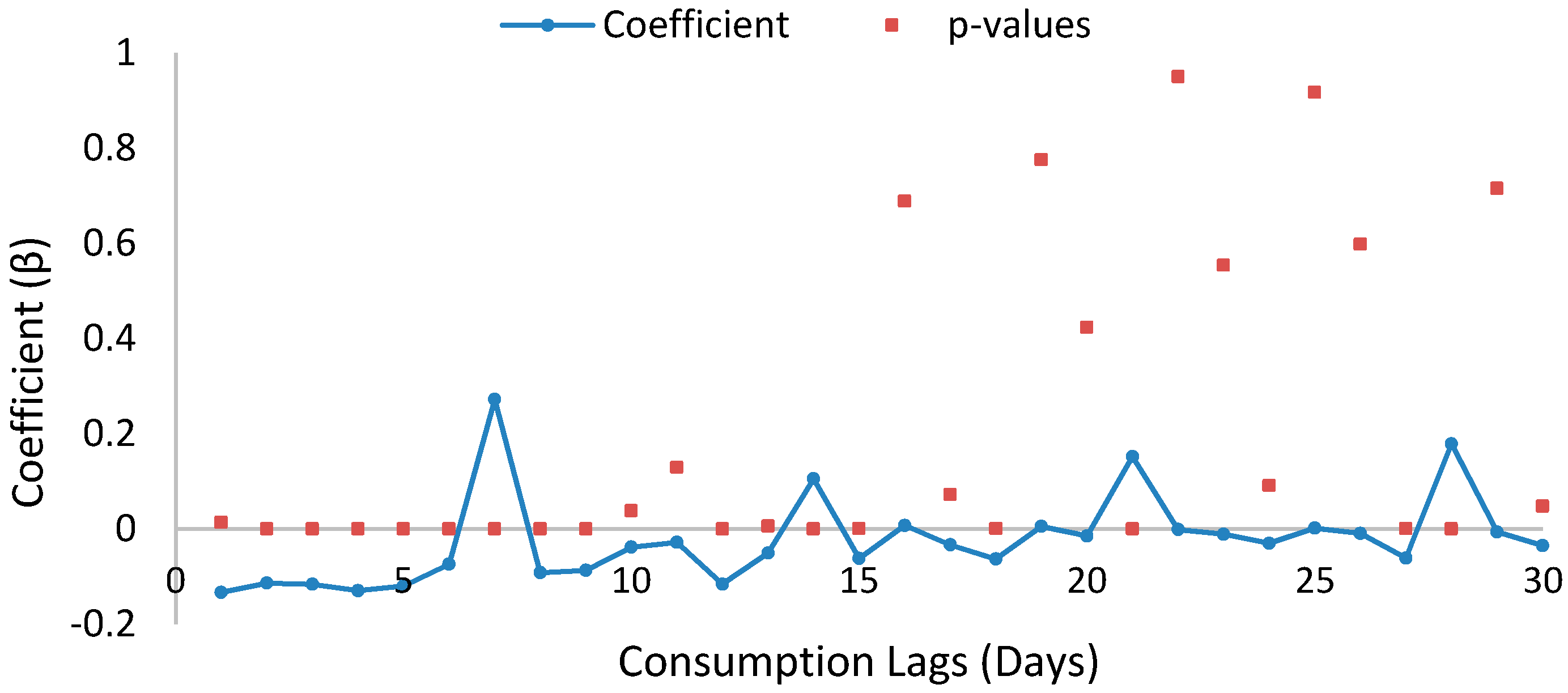
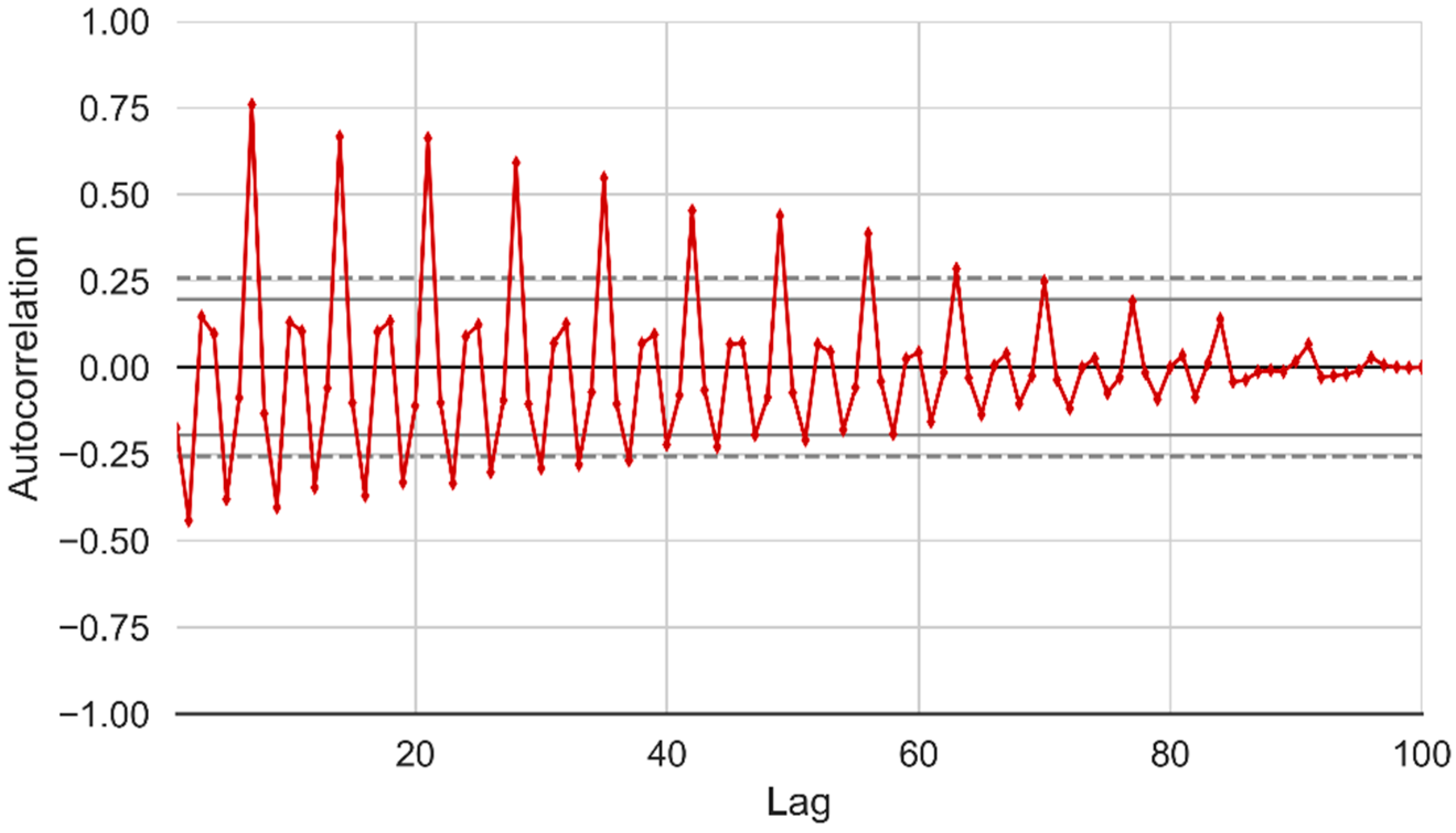
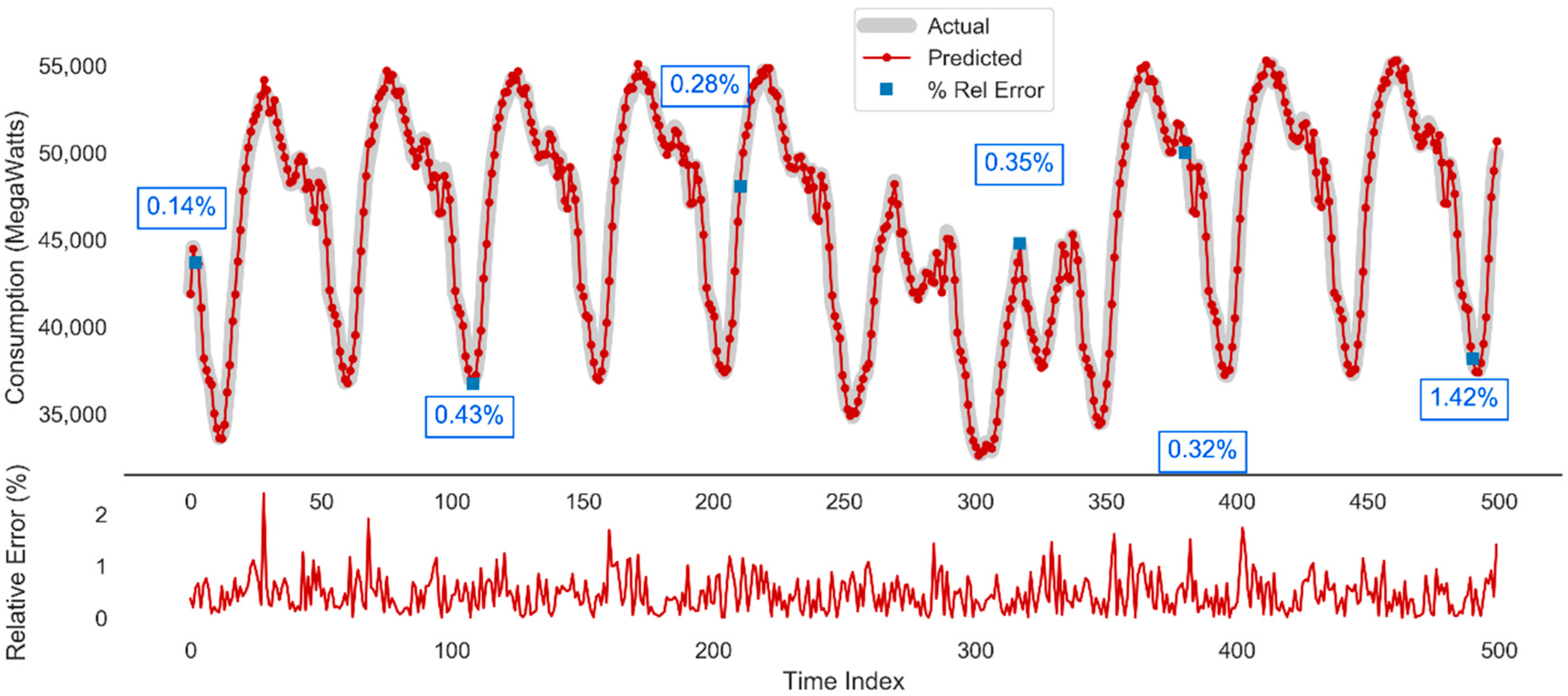
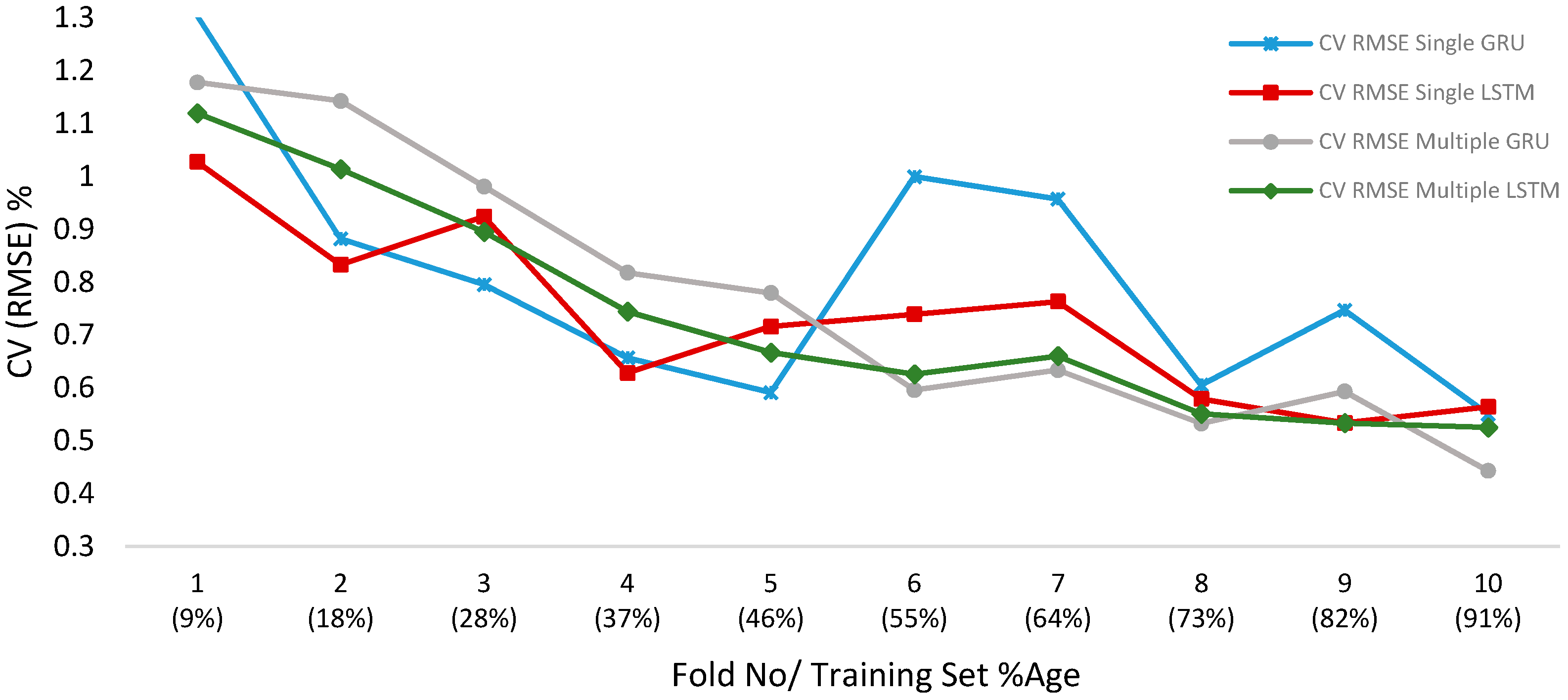
Time series analysis using long short term memory (LSTM) deep learning is a very attractive strategy to achieve accurate electric load forecasting. Although it outperforms most machine learning approaches, the LSTM forecasting model still reveals a lack of validity because it neglects several characteristics of the electric load exhibited by time series. In this work, we propose a load-forecasting model based on enhanced-LSTM that explicitly considers the periodicity characteristic of the electric load by using multiple sequences of inputs time lags. An autoregressive model is developed together with an autocorrelation function (ACF) to regress consumption and identify the most relevant time lags to feed the multi-sequence LSTM. Two variations of deep neural networks, LSTM and gated recurrent unit (GRU) are developed for both single and multi-sequence time-lagged features. These models are compared to each other and to a spectrum of data mining benchmark techniques including artificial neural networks (ANN), boosting, and bagging ensemble trees. France Metropolitan’s electricity consumption data is used to train and validate our models. The obtained results show that GRU- and LSTM-based deep learning model with multi-sequence time lags achieve higher performance than other alternatives including the single-sequence LSTM. It is demonstrated that the new models can capture critical characteristics of complex time series (i.e., periodicity) by encompassing past information from multiple timescale sequences. These models subsequently achieve predictions that are more accurate.
Keywords: long short term memory networks; gated recurrent unit; short- and medium-term load forecasting; ANN; deep learning; ensembles long short term memory networks; gated recurrent unit; short- and medium-term load forecasting; ANN; deep learning; ensembles