Article

Thermal Simulation of the Fresh Food Compartment in a Domestic Refrigerator

by
Juan M. Belman-Flores
,
Sergio Ledesma
*,
Armando Gallegos-Muñoz
and
Donato Hernandez
School of Engineering Campus Irapuato-Salamanca, University of Guanajuato, Carretera Salamanca-Valle de Santiago km 3.5+1.8 Comunidad de Palo Blanco, Salamanca, 36885 Guanajuato, Mexico
*
Author to whom correspondence should be addressed.
Energies 2017, 10(1), 128; https://doi.org/10.3390/en10010128
Submission received: 9 November 2016 / Revised: 5 January 2017 / Accepted: 9 January 2017 / Published: 19 January 2017
(This article belongs to the Special Issue Advanced Thermal Simulation of Energy Systems)

Abstract

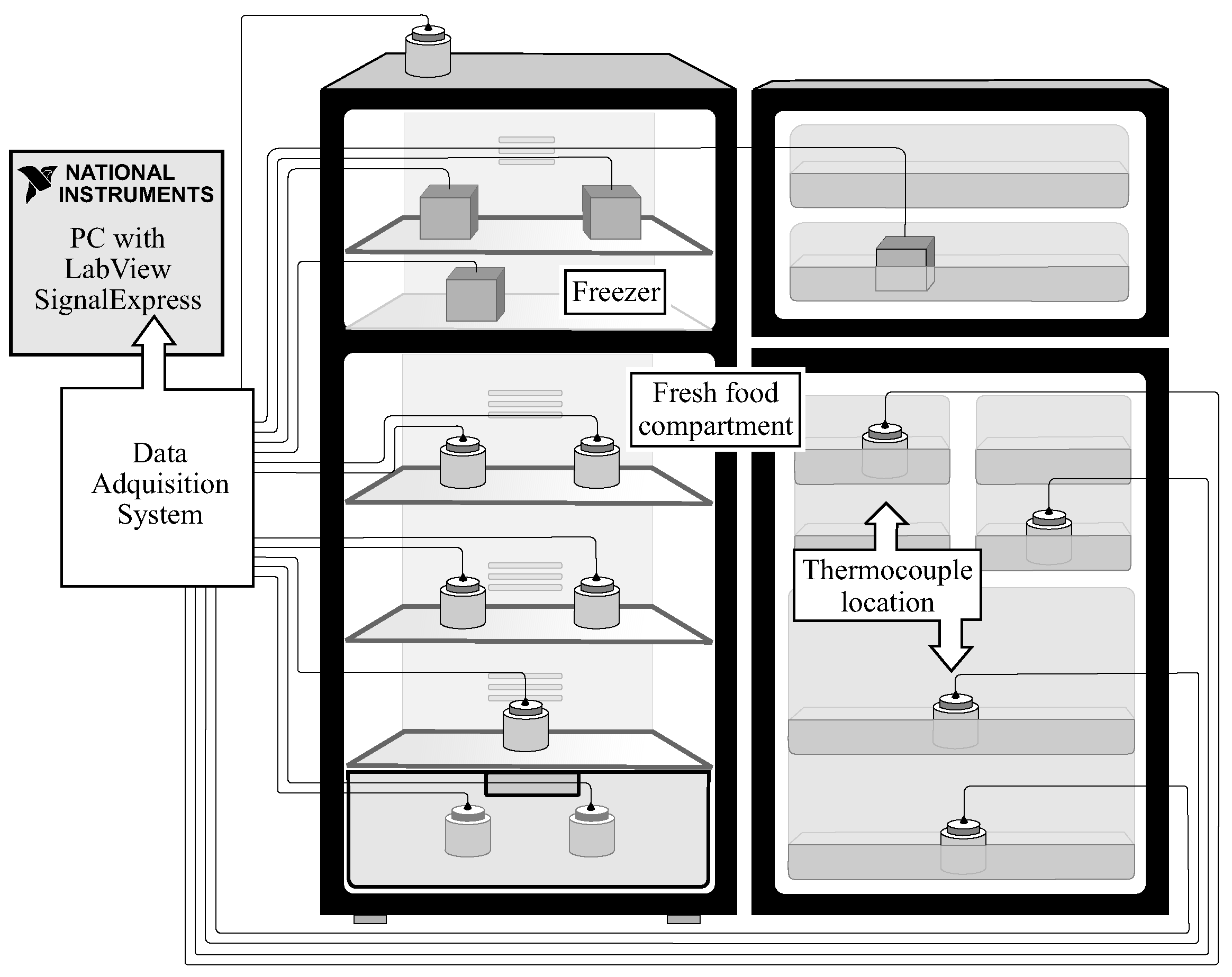
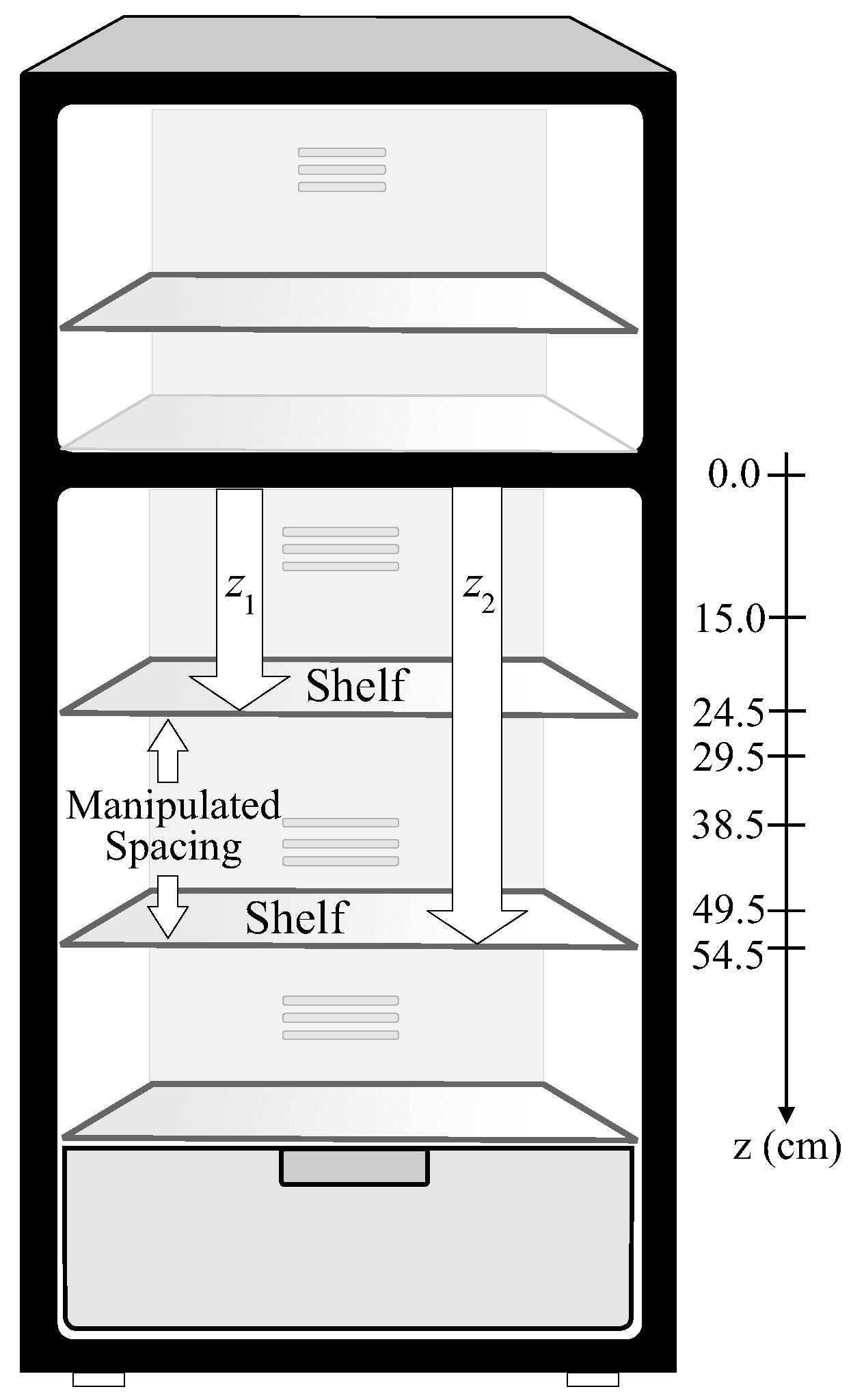
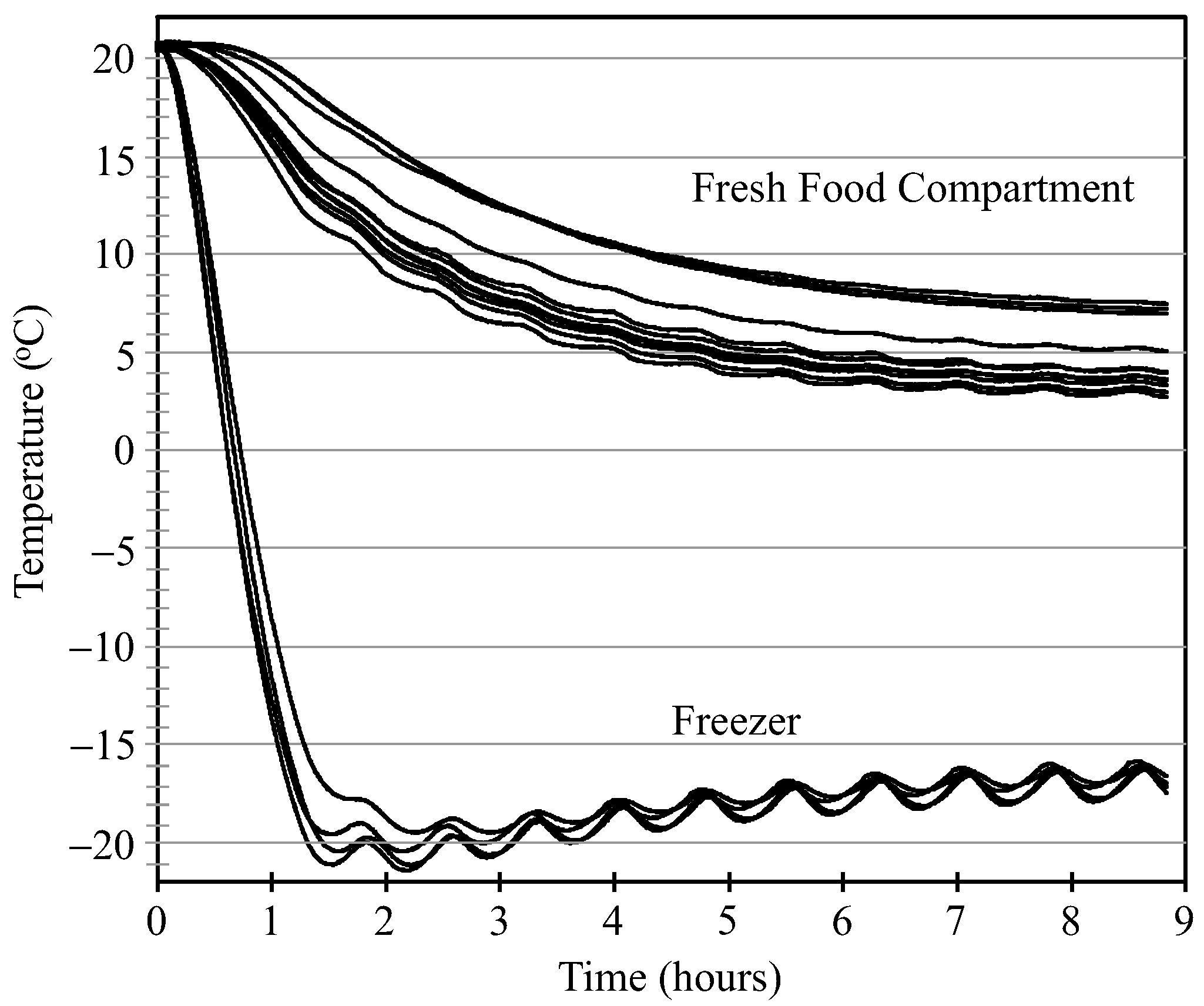
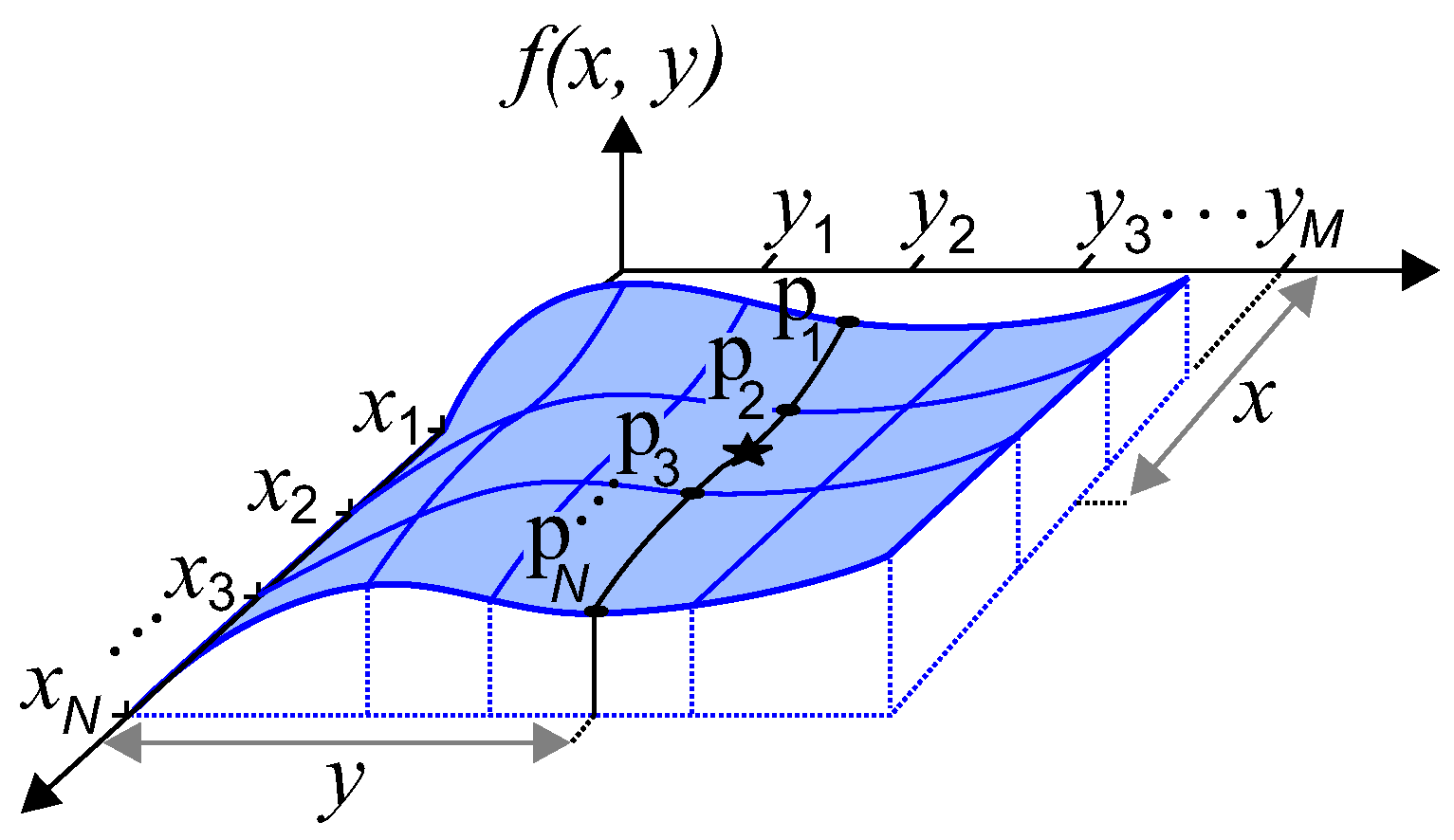
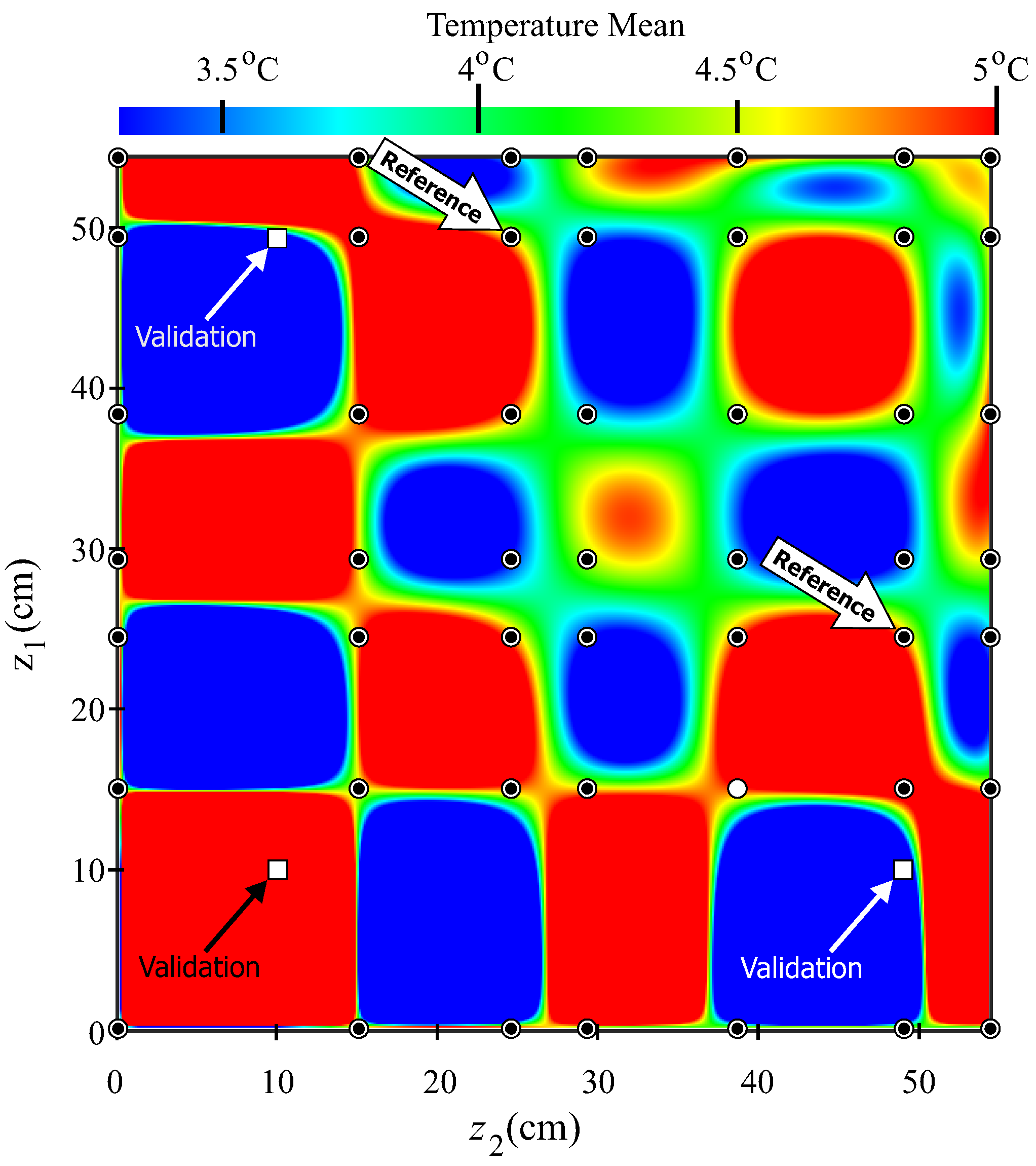
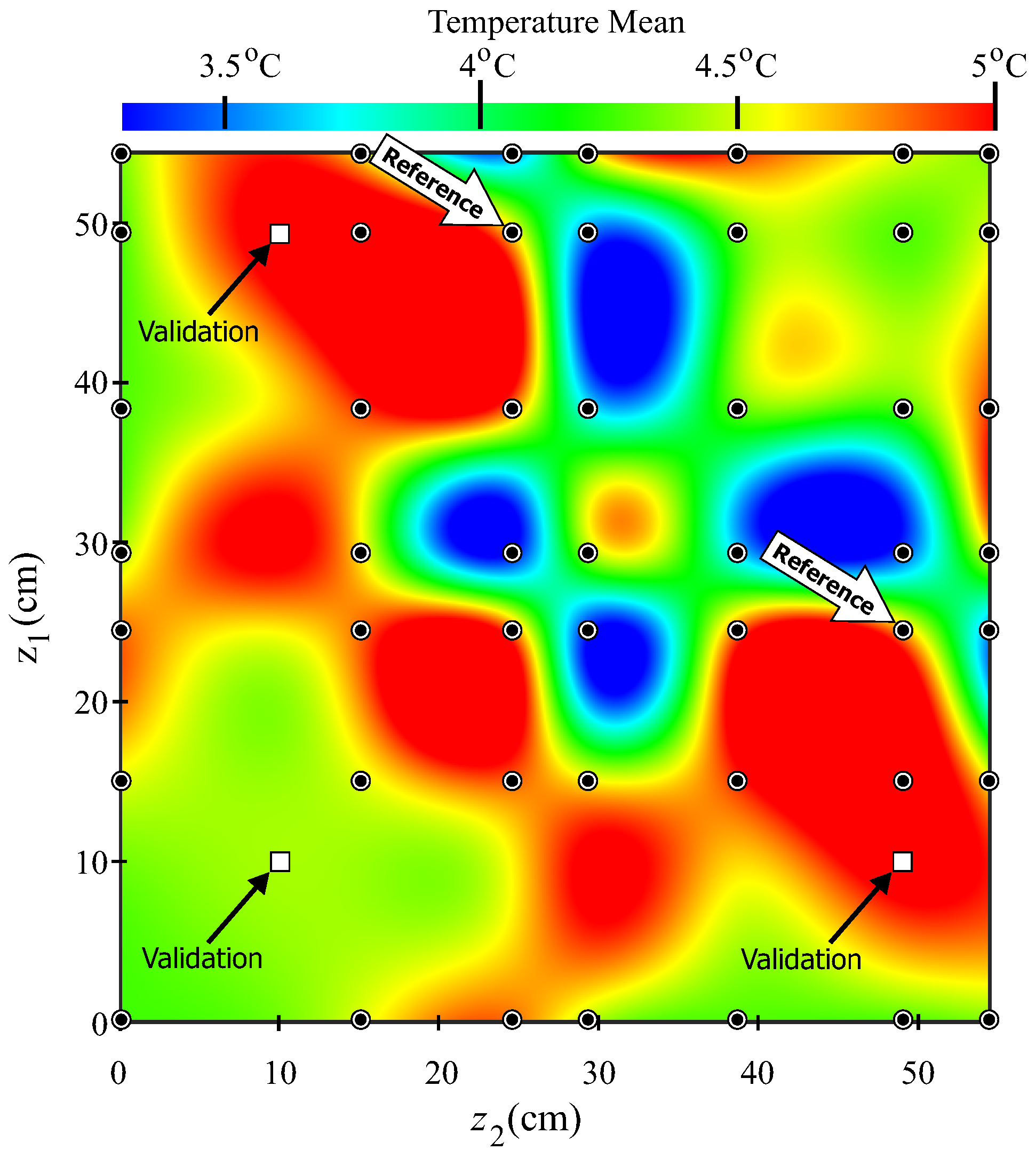
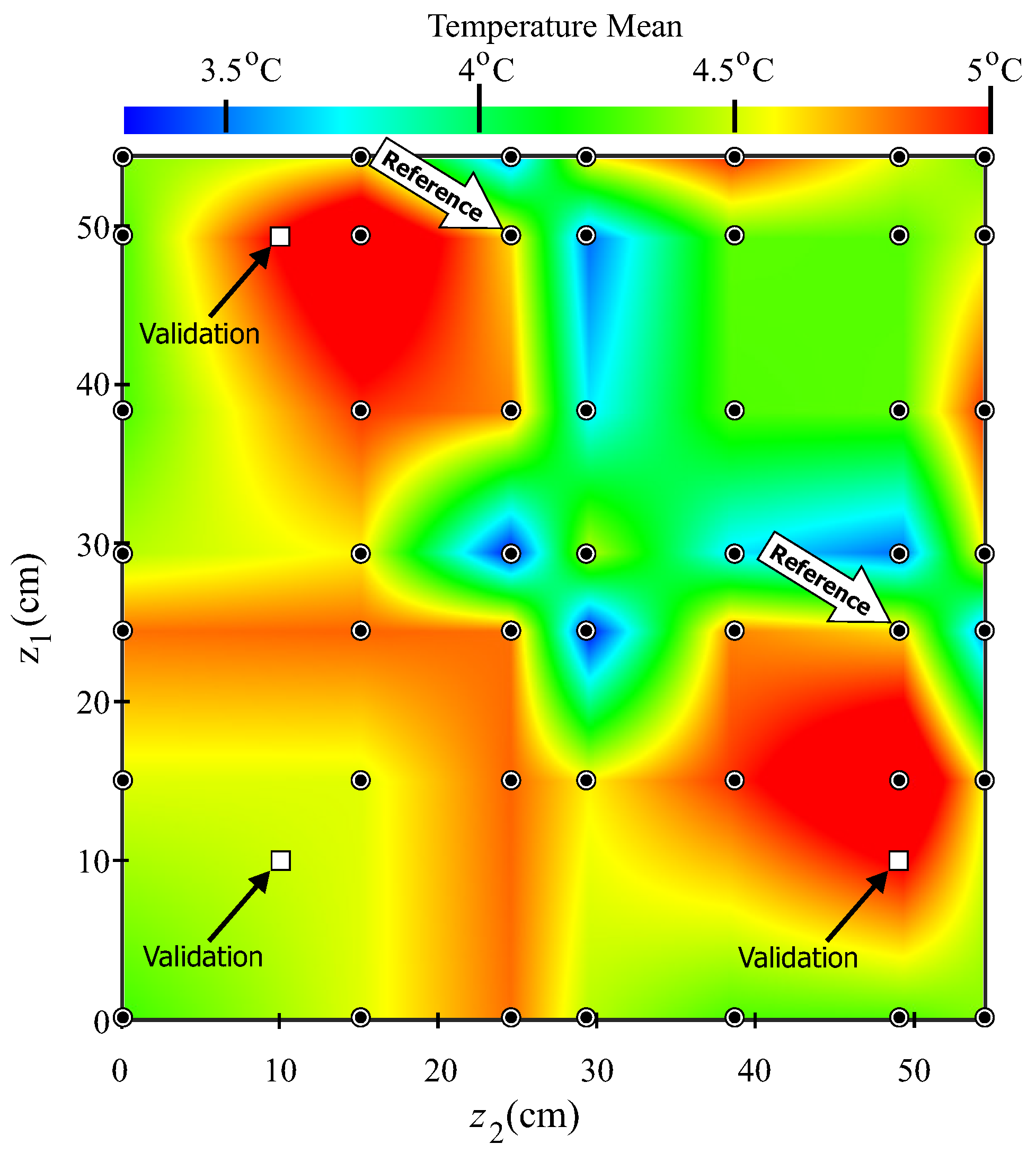
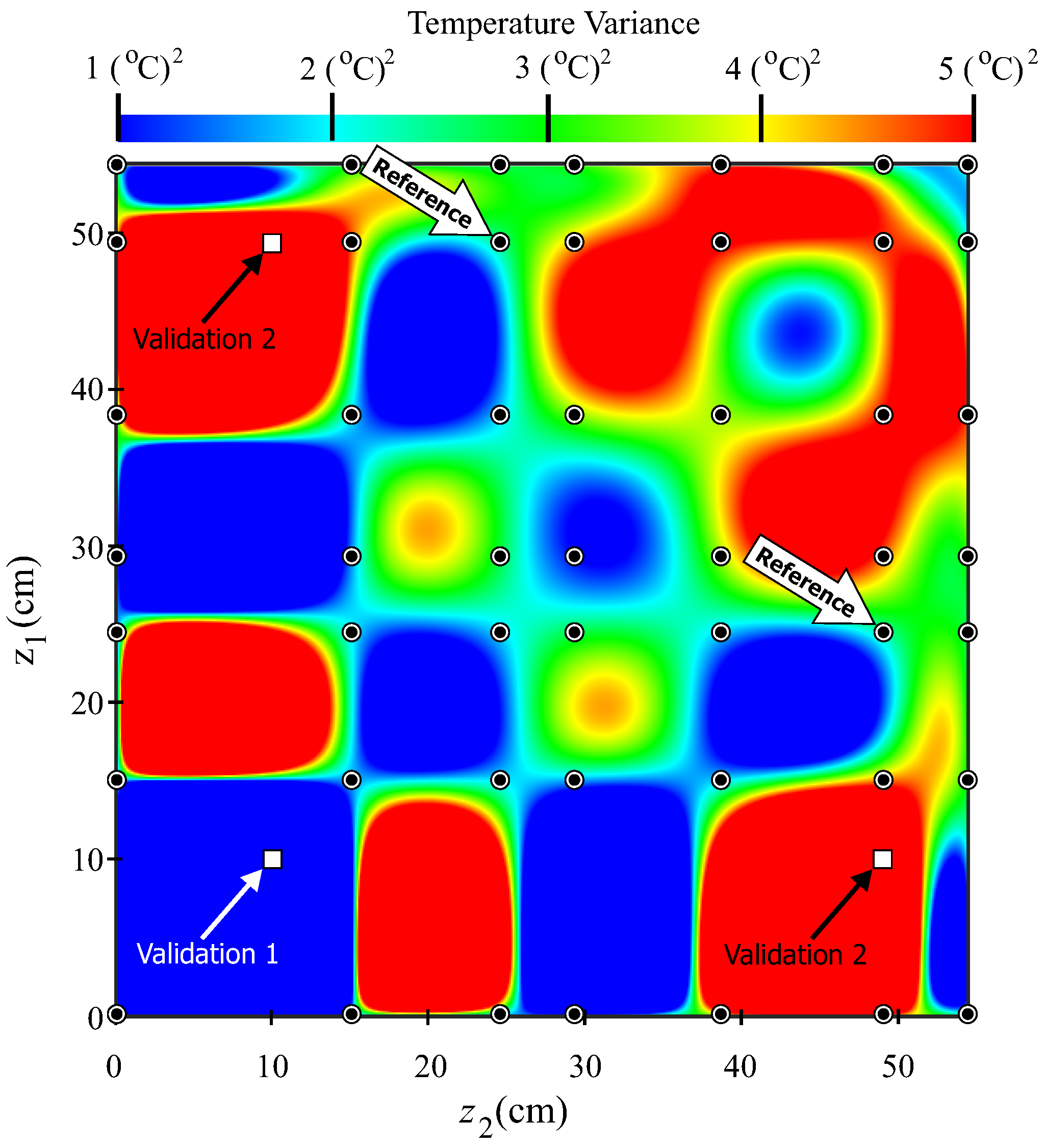
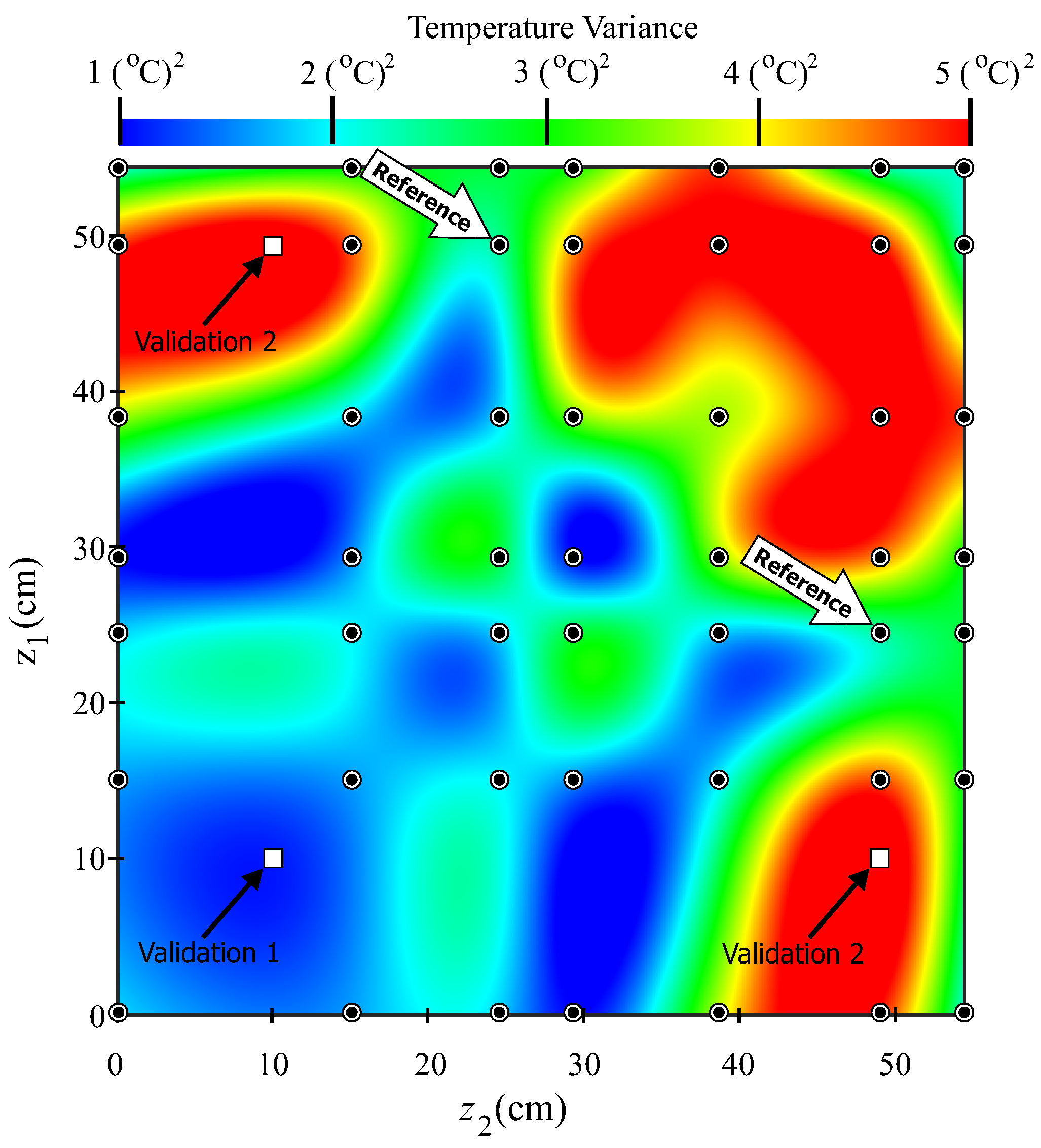
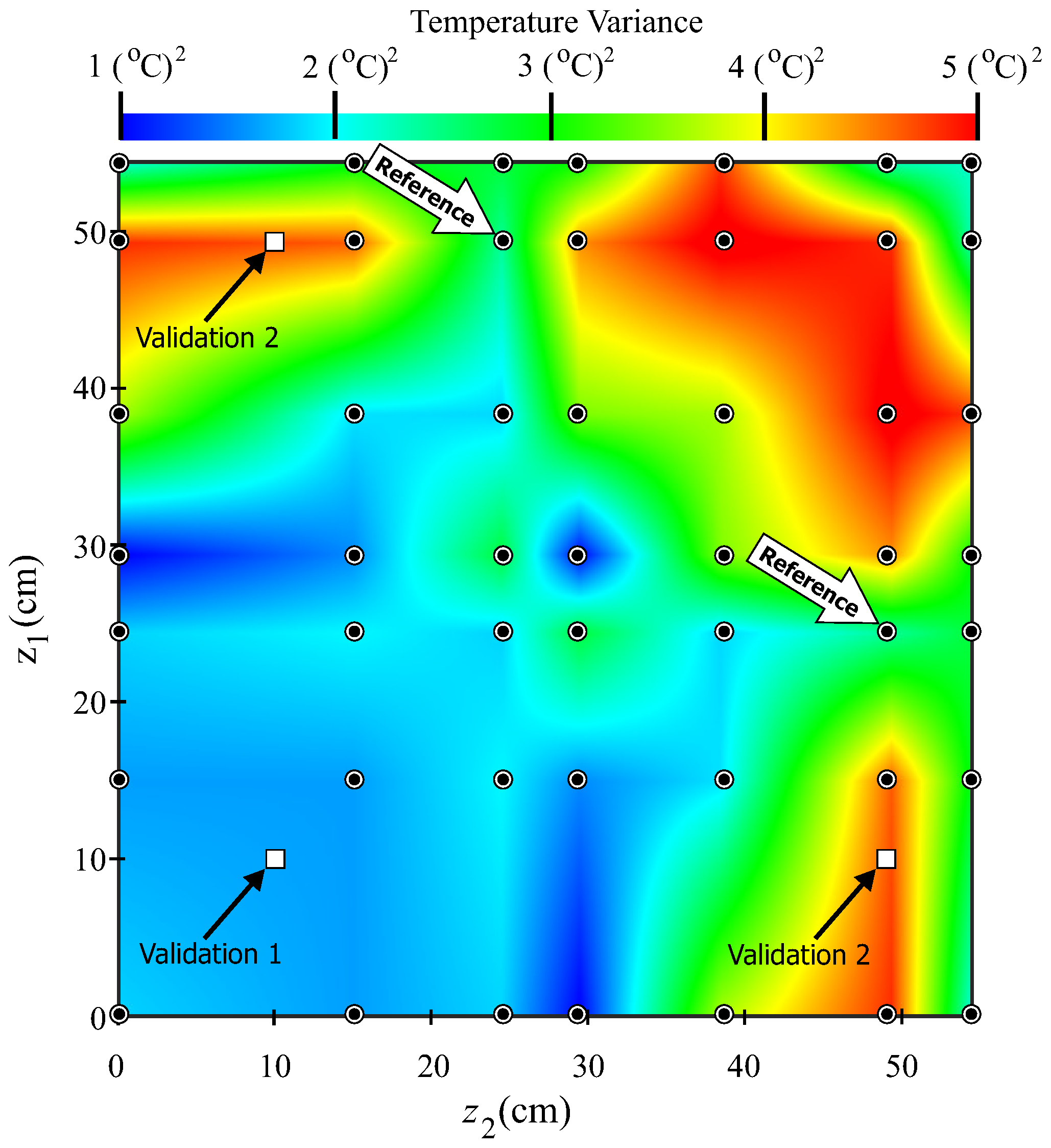
In the field of domestic refrigeration, it is important to look for methods that can be used to simulate, and, thus, improve the thermal behavior of the fresh food compartment. In this sense, this study proposes some methods to model the thermal behavior of this compartment when the shelves’ positions are changed. Temperature measurements at specific locations in this compartment were obtained. Several shelf position combinations were performed to use three 2D interpolation methods in order to simulate the temperature mean and the temperature variance. The methods used were: Lagrange’s interpolation, cubic spline interpolation and bilinear interpolation. Two validation points were chosen to verify the proposed methods. By comparing the experimental results with the computer simulations, it was possible to conclude that the method of Lagrange’s interpolation provided values that were not close to the real measured values. On the other hand, it was observed that the method of bilinear interpolation offered the best results, estimating values which were very close to the actual experimental measurements. These interpolation methods were used to build color thermal graphs that can be used to find some of the most appropriate shelf position combinations in this type of refrigerator. By inspection of these thermal graphs, it can be seen that the lowest average temperature was obtained when one shelf was located at 24.5 cm while the second shelf was located at 29.5 cm measured from the top of the compartment. In the same way, it can be seen that the minimum temperature variance was obtained when only one shelf was inside the compartment and this shelf was located at 29.5 cm.
Keywords: thermal behavior; domestic refrigerator; interpolation; shelf position; computer simulation thermal behavior; domestic refrigerator; interpolation; shelf position; computer simulation