Foot orthotic devices are used to treat a variety of running-related injuries. In terms of pain relief, success rates between 70% and 90% have been cited.[
1–
4] Further, 53% to 83% of patients continue to wear their orthotic devices even after their symptoms have resolved.[
5,
6] Although the clinical efficacy of orthotic devices is widely documented, the mechanism behind that success is not well understood.[
1–
4,
6,
7] Most studies have focused on the capacity of the devices to control rearfoot motion. The overwhelming majority of the literature on the use of custom orthotic devices reports a decrease in some aspect of rearfoot motion including peak eversion (PEV), eversion excursion (EVEXC), eversion duration (EVDUR), and eversion velocity (EVVEL).[
8–
12]
Custom orthotic devices can cost between
$100 and
$400 per pair. In a survey of patients who were successfully treated with custom orthotic devices, 11% did not believe the custom fitted orthoses were worth the expense.[
1] The high cost of custom orthotic devices has driven some patients to purchase off-the-shelf inserts. In response to this, some orthotic laboratories have begun creating semicustom orthotic devices as an intermediate, more cost-effective solution.
Semicustom orthotic devices can be fabricated in several ways, but all involve matching a “mold-of-best-fit” with an individual’s cast. Increments in measures such as heel width, medial and lateral arch height, arch contour, arch length, and foot length are used to create multiple permutations of each size foot. These measurements from a pair of patient casts are used to select a mold-of-best-fit from a library of predesigned functional orthotic shapes. Although these devices are currently being marketed, there are no studies that have attempted to determine whether semicustom orthoses control motion as well as custom orthoses. In addition, semicustom orthoses are not fabricated directly from the patient’s foot mold and may not provide the same comfort as custom devices.
Comfort of an orthotic device is one of the most important features for patient satisfaction and long-term use; however, comfort is difficult to quantify. Nigg et al[
13] suggest that comfort is a product of fit, increased stability, delay of muscle fatigue, and a decrease in soft-tissue vibrations or shock. When studied in orthotic investigations, comfort is usually measured qualitatively and is focused on the absence of irritation rather than the presence of comfort. Blake and Denton[
1] used a questionnaire of patients fitted with a custom orthotic device to quantify the incidence of orthoses-related discomfort. These authors reported that arch irritation was the most commonly reported problem (41%), followed by heel slippage (31%), poor shoe fit (21%), and blistering (6%). Richie and Olson[
7] compared the comfort of custom orthotic devices fabricated from graphite and polypropylene. In that study, comfort was categorized as excellent (5), good (4), fair (3), poor (2), or terrible (1). Based on this scale, subjects were able to perceive overall comfort differences between the two types of materials.
Another method of assessing comfort is by using a visual analog scale. This scale has been validated as a measure of pain and comfort and has been used as a tool for assessing the comfort of orthotic devices.[
14,
15] In most cases, literature on the use of visual analog scales in studies of individuals wearing orthotic devices involved an assessment of overall comfort. Recently, Mundermann et al[
16] measured comfort differences between a no-orthotic condition and three orthotic conditions. These authors used a 150-mm visual analog scale labeled as “not comfortable at all” and “most comfortable condition imaginable.” Subjects completed a separate scale for each condition regionally using the areas of heel cushioning, arch height, heel cup fit, shoe heel width, shoe forefoot width, and shoe length. These scores were reported to be highly reliable. Further, these authors reported significant differences in visual analog scale scores between the no-orthotic condition and the three orthotic conditions. Similar 100-point visual analog scales have also been used for a variety of research applications. While comfort is important, orthotic devices must also be able to perform the intended function of rearfoot motion control. Although many orthotic laboratories are currently dispensing semicustom orthotic devices, there have been no studies that investigate the comfort and function of these devices.
The first purpose of this study was to assess the difference in rearfoot motion control of a custom versus a semicustom orthotic device during running and walking. We hypothesized that there would be no differences in PEV, EVEXC, EVDUR, and EVVEL between the two devices. Additionally, these variables were expected to be significantly reduced in both devices as compared to a no-orthotic condition. A difference of at least 20% between orthotic conditions was considered clinically relevant. A 20% change correlates to approximately a 2° change in PEV and EVEXC, a 10% stance change in EVDUR, and a 30° /sec change in EVVEL. The second purpose of this study was to compare comfort between the custom and semicustom orthotic devices. No differences in comfort were expected between the two devices.
Methods
An apriori sample size calculation was conducted based upon using an α of 0.05, β of 0.20, variability of previously collected data, and a 20% difference as an expected effect size. Results suggested that 15 to 20 subjects were needed to adequately power the study. Therefore, 19 healthy recreational runners between the ages of 18 and 45 were recruited from the local University of Delaware community (Newark, Delaware). The mean height of subjects was 1.70 m (SD ± 0.10) and the mean mass of subjects was 72.6 kg (SD ± 16.3). All subjects gave written informed consent to participate, as approved by the University of Delaware Human Subjects Review Board. Subjects were free from injury throughout the study. Subjects with a history of neurologic, cardiovascular, or orthopedic injury that may affect their gait were excluded from participation. In addition, subjects with leg-length discrepancies greater than 1.5 cm, which could not be accommodated by an orthotic device alone, were also excluded.
Subjects were evaluated by a single podiatric physician. Bilateral measurements of leg length and forefoot to rearfoot relationship were taken. Plaster casting of the feet was performed using a neutral nonweightbearing supine method. The casts and measurements were sent to a single orthotic laboratory and a pair of custom and semicustom orthotic devices were fabricated (KLM Orthotic Labs; Valencia, California). Both orthotic devices were made with semiflexible graphite with vinyl covers. In both cases, all forefoot deformities were balanced to neutral intrinsically, with leg-length discrepancies (up to 1.5 cm) accommodated to 50%. Both pairs of devices were fabricated per technical standards established by the Board for Accreditation of Prescription Foot Orthotic Laboratories. Based on measurements from the casts, the laboratory chose the semicustom orthotic mold-of-best-fit for each subject. The method of fabrication for the semicustom orthotic device used in this study combined three major contours of the foot and four discrete measurements. The contours were medial arch contour, heel contour, and lateral arch contour. The discrete measurements included foot length (from the first metatarsal bisection to the most proximal point on the heel along the first metatarsal), heel width, medial arch height, and lateral arch height.
Table 1 is a summary of the ranges and increments of the discrete measurements.
Table 1
.
Laboratory Specifications for Length, Heel Width, and Arch Height Used for Semicustom Orthotic Fabrication
Table 1
.
Laboratory Specifications for Length, Heel Width, and Arch Height Used for Semicustom Orthotic Fabrication
The subjects returned to the motion analysis laboratory and were fitted with both pairs of devices. The investigators and subjects were blinded to which devices were custom and which were semicustom. This was accomplished by having the manufacturer label the devices as “A” and “B” and revealing the identities only after the entire study was completed. Each subject was given accommodation instructions, based on a minimum acclimation period of 2 weeks as listed in
Table 2. Subjects were instructed to contact the investigators if they developed any problems related to fit, such as pain or blisters.
Table 2
.
Accommodation Schedule for Running and Walking in the Custom and Semicustom Orthotic Devices
Table 2
.
Accommodation Schedule for Running and Walking in the Custom and Semicustom Orthotic Devices
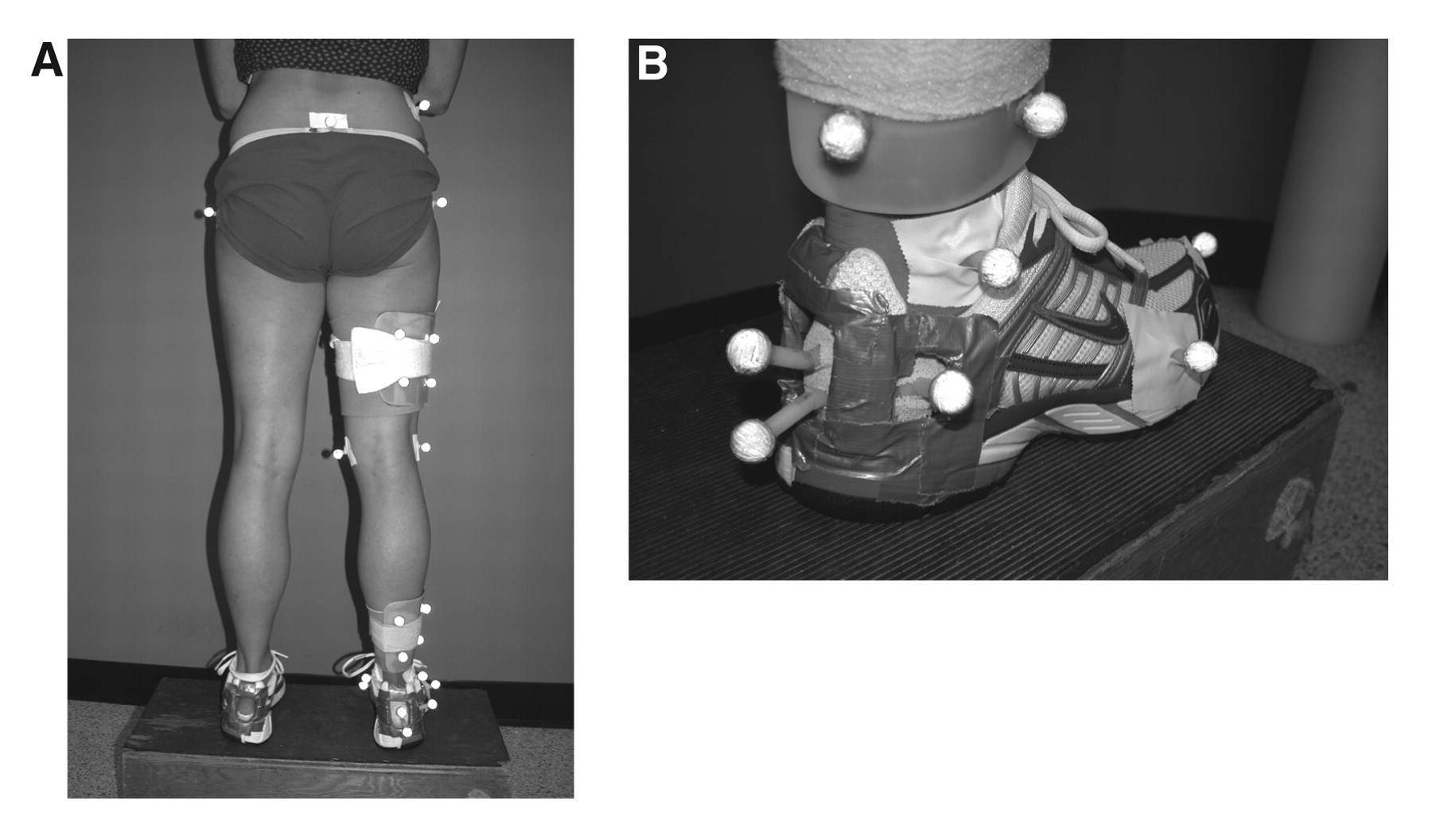
After the acclimation period, subjects returned to the motion analysis laboratory for a collection of three-dimensional kinematic data on their dominant leg. Retroreflective markers were placed on the medial and lateral femoral condyles, medial and lateral malleoli, lateral border of the fifth metatarsal, and medial border of the first metatarsal. These markers established an anatomical coordinate system. In addition to these anatomical markers, non-collinear retro-reflective tracking markers were placed on the posterior shank and calcaneus (
Fig. 1). All subjects wore the same brand of laboratory running shoes (Nike; Beaverton, Oregon). In order to more accurately represent the motion of the calcaneus, holes were cut out of the heel counters so that the calcaneal markers could be placed directly on the heel. Previous pilot work using an Instron device (Instron; Canton, Massachusetts) indicated that the holes caused only a 10% reduction in heel-counter stability (IS Davis, PhD, unpublished manuscript, 2000).
Figure 1
.
A, Anatomical and tracking marker placement for the three-dimensional motion analysis data collection. B, Heel markers were placed directly on the skin.
Figure 1
.
A, Anatomical and tracking marker placement for the three-dimensional motion analysis data collection. B, Heel markers were placed directly on the skin.
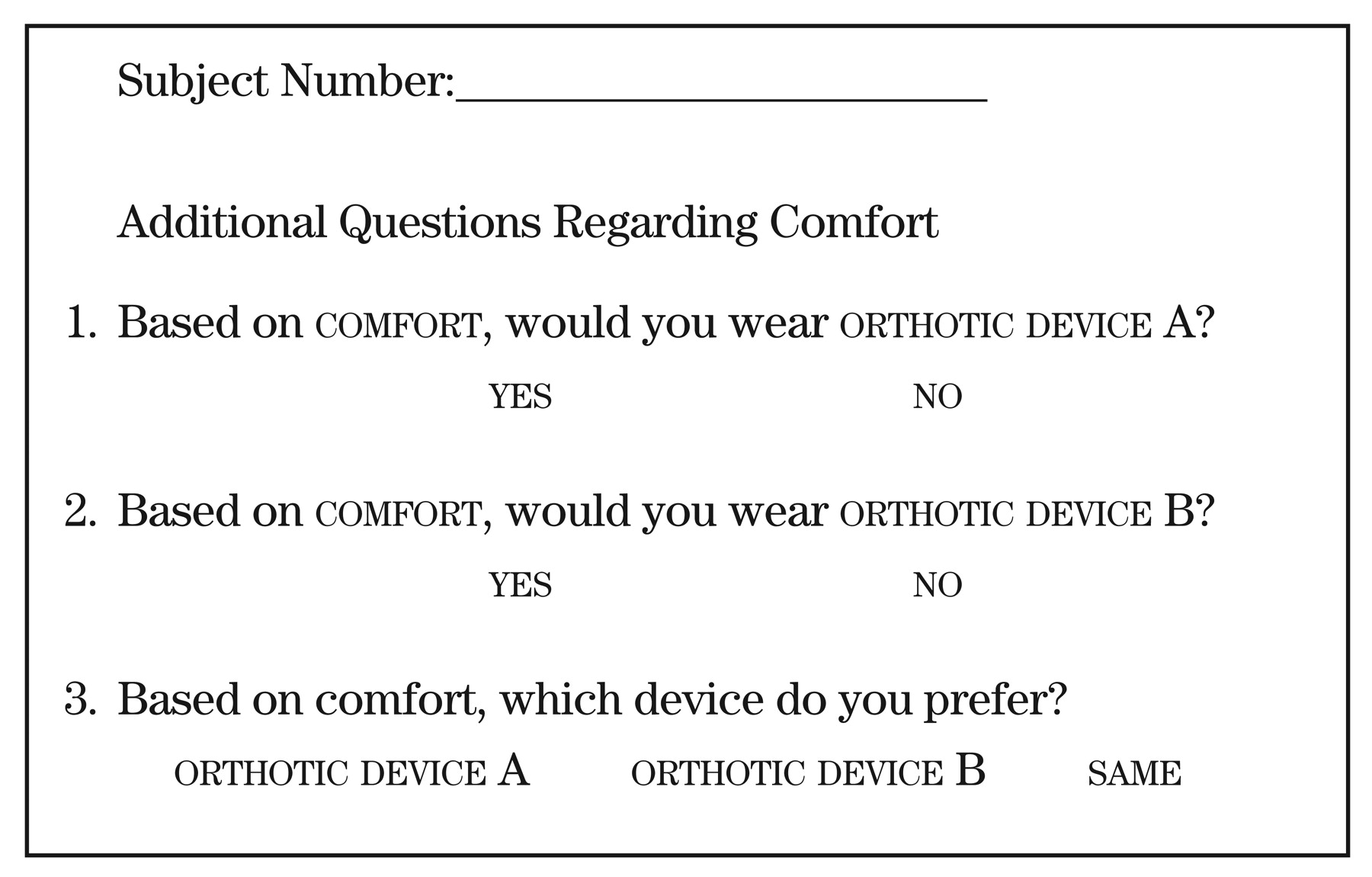
A standing calibration was collected for each condition with the anatomical and tracking markers in place. After the standing calibration, the anatomical markers were removed for the running and walking trials. However, the bases of these markers remained affixed to the subject to ensure similar anatomic reference frames between conditions. Five running trials and five walking trials were collected in each of the three conditions: no-orthotic, custom, and semicustom orthotic devices. These conditions were randomized to minimize order effects. Subjects traversed a force plate (Bertec Corporation; Columbus, Ohio), centered on a 25-m runway, at a running speed of 3.7 m/sec (SD ± 5%) and a walking speed of 1.4 m/sec (SD ± 5%). Speeds were monitored by two photoelectric beams placed 2.86 m apart. Kinematic data were collected at 120 Hz by six infrared cameras (VICON; Oxford, United Kingdom) placed in standardized locations and heights. Ground reaction force data were collected at 960 Hz in order to identify heel-strike and toe-off. After running and walking trials were completed in the orthotic device conditions, subjects completed separate 100-mm visual analog scales to evaluate comfort in the heel, arch, edges, and forefoot for the custom and semicustom orthotic devices. Overall comfort was also assessed. Finally, the subjects answered a subjective questionnaire regarding their preference for either device, based upon their comfort (
Fig. 2).
Figure 2
.
Additional subjective questionnaire filled out by subjects at the completion of the data collection.
Figure 2
.
Additional subjective questionnaire filled out by subjects at the completion of the data collection.
All kinematic data were reconstructed with VICON motion analysis software (VICON; Oxford, United Kingdom) and filtered with a second-order recursive Butterworth filter with an 8 Hz cut-off frequency. Variables of interest were calculated with Move3D (NIH Biomechanics Laboratory; Bethesda, Maryland). For both running and walking, the discrete variable was extracted from each trial and averaged across the five trials.
One-way repeated measures analyses of variance were performed on the rearfoot variables of interest: PEV, EVEXC, EVDUR, and EVVEL. Eversion and inversion were defined as the relative motion of the rearfoot with respect to the shank in the frontal plane. Post hoc comparisons were performed using two-tailed
t tests, as indicated by the analysis of variance. Dependent
t tests were used to compare each of the five measures of comfort between the two orthotic conditions. For all variables of rearfoot motion and comfort, an α of
P < .05 was used to determine significance. It has been reported that there can be high variability in the response to orthotic devices and mean data can mask individual responses. Therefore, a descriptive analysis of individual differences during running was also conducted. A difference of 20% was used as a criterion measure to establish a clinically relevant change. Therefore, those individuals exhibiting at least a 2° change in PEV and EVEXC, a 10% stance change in EVDUR, and a 30° /sec change in EVVEL between an orthotic and no-orthotic condition were identified. These differences are at least as large as those found between orthotic conditions in previously reported work.[
17,
18]
Results
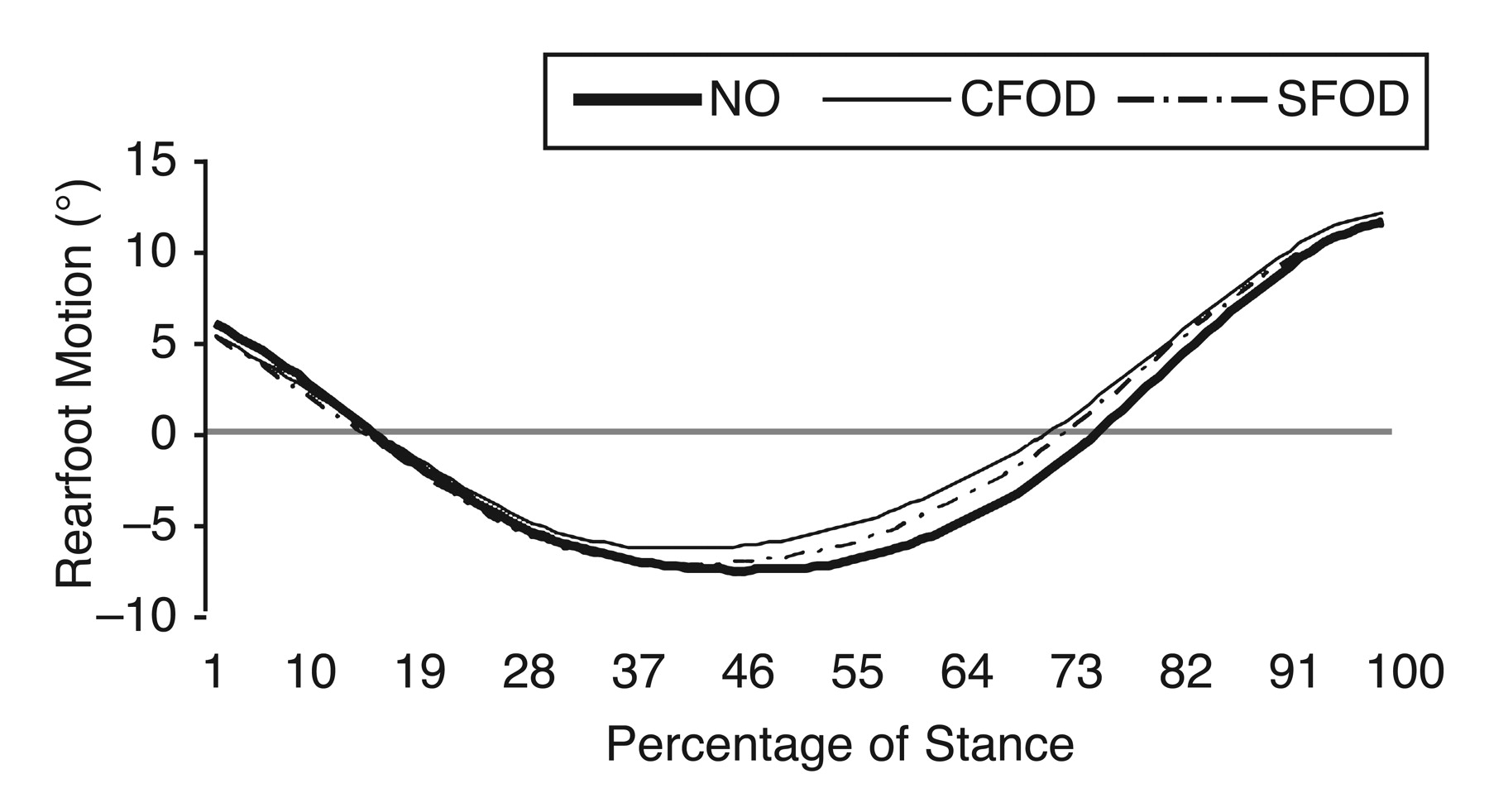
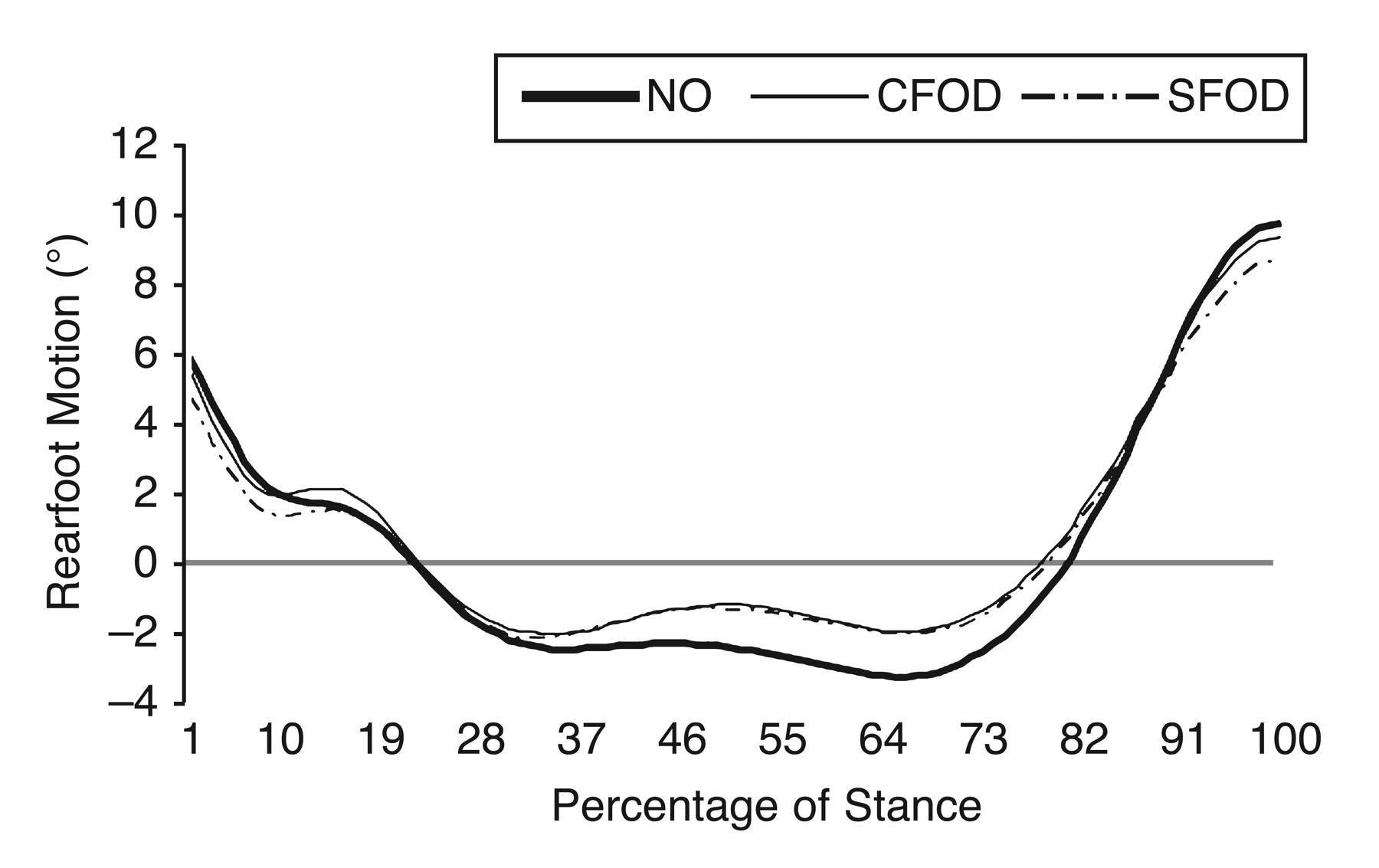
The mean rearfoot motion curves for all subjects running and walking in the no-orthotic, custom, and semicustom orthotic conditions can be seen in
Figure 3 and
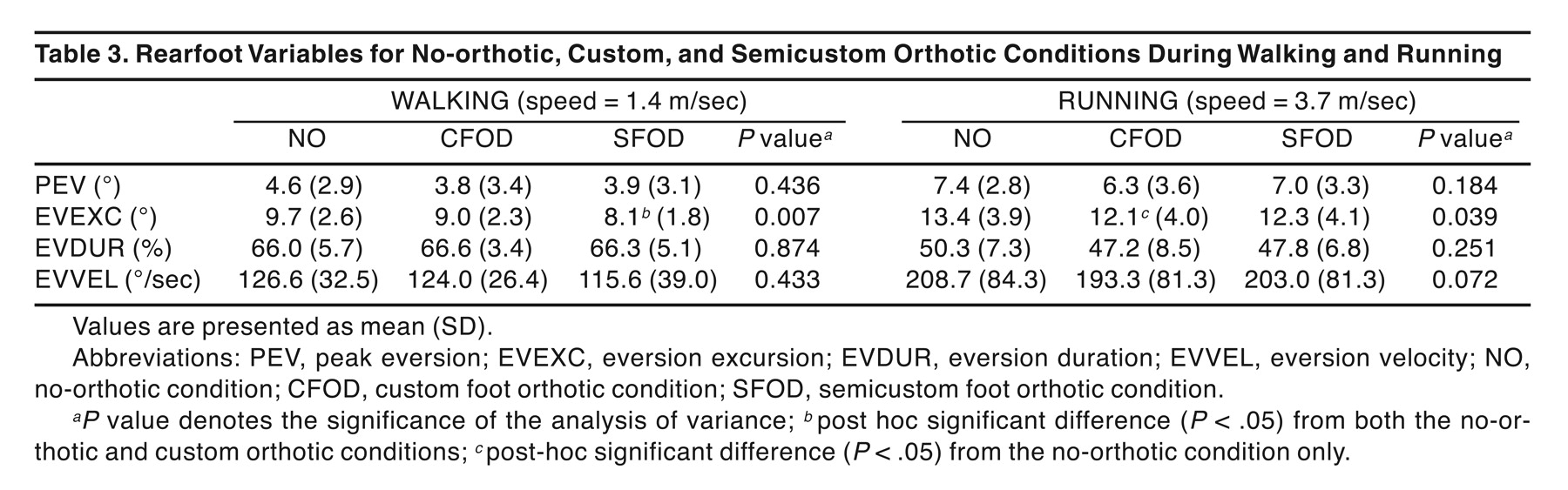
Figure 4. The means and standard deviations for eversion variables during running and walking are reported in
Table 3.
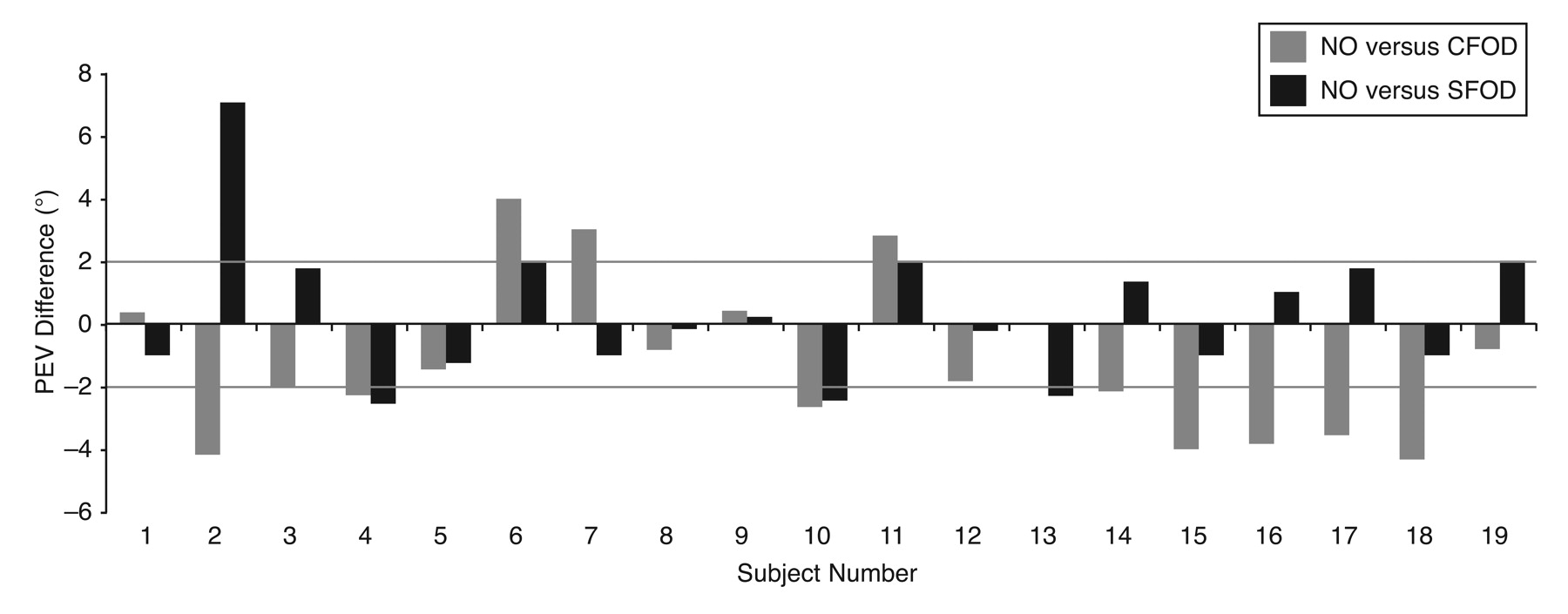
Figure 5 through Figure 8
provide the changes in eversion parameters between the no-orthotic, custom, and semicustom orthotic conditions for individual subjects during running.
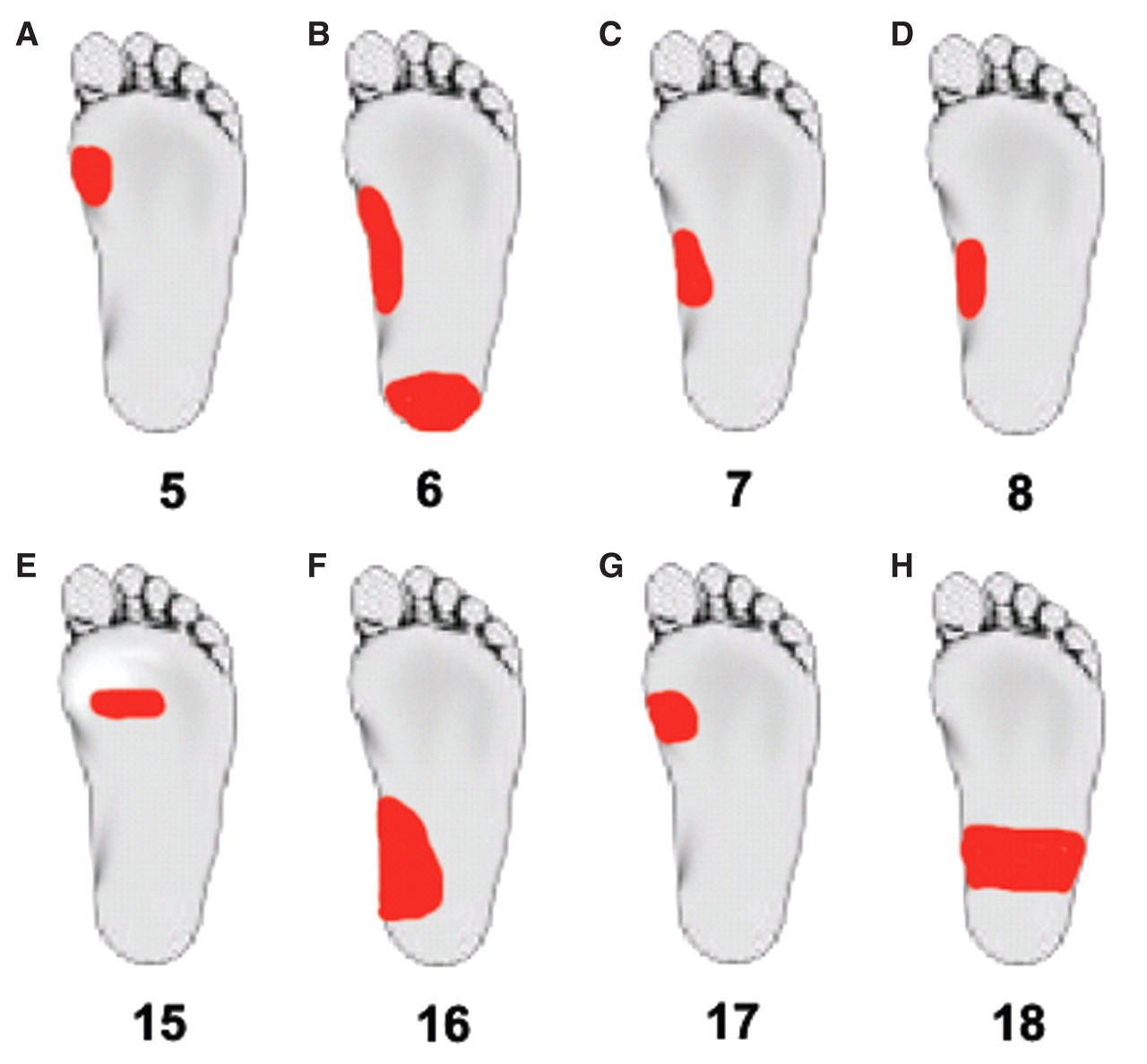
Figure 9 is a compilation of the areas of discomfort noted by individual subjects during the data collection. Comfort data are provided in
Table 4.
Table 3
.
Rearfoot Variables for No-orthotic, Custom, and Semicustom Orthotic Conditions During Walking and Running
Table 3
.
Rearfoot Variables for No-orthotic, Custom, and Semicustom Orthotic Conditions During Walking and Running
Figure 3
.
Composite rearfoot motion curve for subjects running in the no-orthotic (NO), custom (CFOD), and semicustom orthotic (SFOD) conditions.
Figure 3
.
Composite rearfoot motion curve for subjects running in the no-orthotic (NO), custom (CFOD), and semicustom orthotic (SFOD) conditions.
Figure 4
.
Composite rearfoot motion curve for subjects walking in the no-orthotic (NO), custom (CFOD), and semicustom orthotic (SFOD) conditions.
Figure 4
.
Composite rearfoot motion curve for subjects walking in the no-orthotic (NO), custom (CFOD), and semicustom orthotic (SFOD) conditions.
Figure 5
.
Changes in peak eversion angle (PEV) between the no-orthotic (NO) versus custom orthotic (CFOD, light bars) and no-orthotic versus semicustom orthotic (SFOD, dark bars) conditions for each subject during running. Note that negative values represent reductions in PEV motion in the orthotic condition as compared to the no-orthotic condition. The horizontal lines above and below the x axis represent the threshold for a 2° change in PEV.
Figure 5
.
Changes in peak eversion angle (PEV) between the no-orthotic (NO) versus custom orthotic (CFOD, light bars) and no-orthotic versus semicustom orthotic (SFOD, dark bars) conditions for each subject during running. Note that negative values represent reductions in PEV motion in the orthotic condition as compared to the no-orthotic condition. The horizontal lines above and below the x axis represent the threshold for a 2° change in PEV.
Figure 6
.
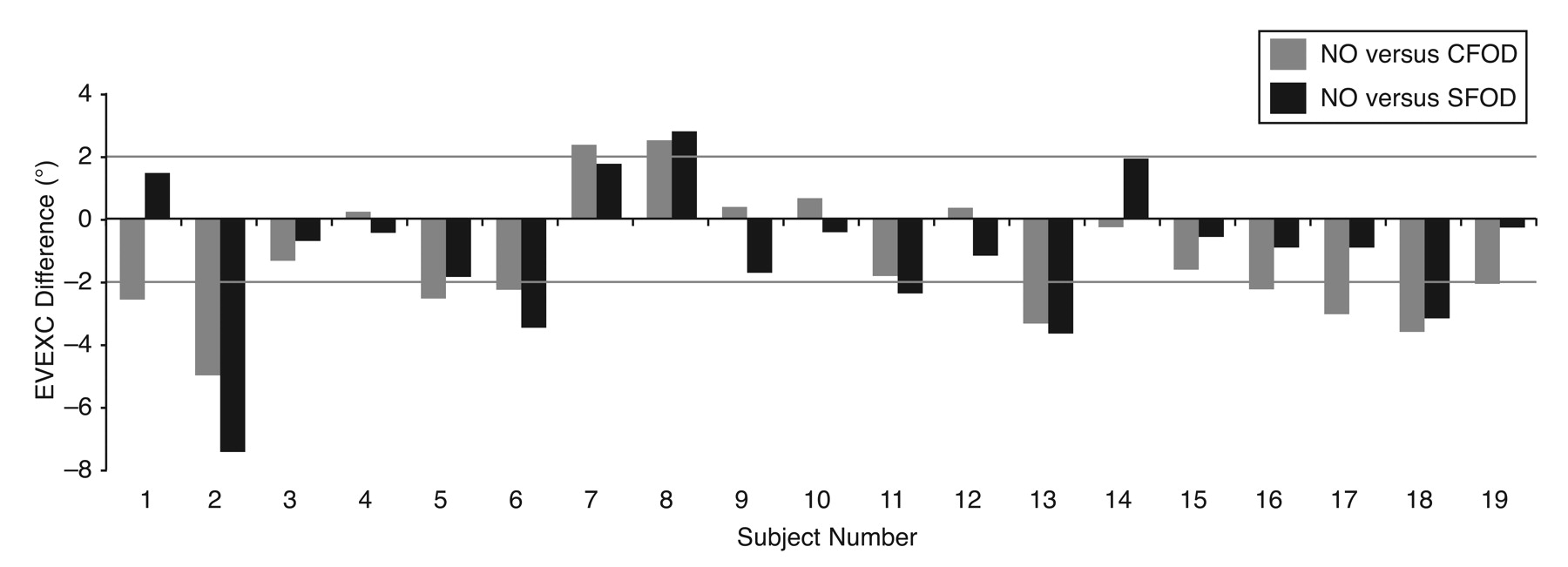
Changes in eversion excursion (EVEXC) between the no-orthotic (NO) versus custom orthotic (CFOD, light bars) and no-orthotic versus semicustom orthotic (SFOD, dark bars) conditions for each subject during running. Note that negative values represent reductions in EVEXC in the orthotic condition as compared to the no-orthotic condition. The horizontal lines above and below the x axis represent the threshold for a 2° change in EVEXC.
Figure 6
.
Changes in eversion excursion (EVEXC) between the no-orthotic (NO) versus custom orthotic (CFOD, light bars) and no-orthotic versus semicustom orthotic (SFOD, dark bars) conditions for each subject during running. Note that negative values represent reductions in EVEXC in the orthotic condition as compared to the no-orthotic condition. The horizontal lines above and below the x axis represent the threshold for a 2° change in EVEXC.
Figure 7
.
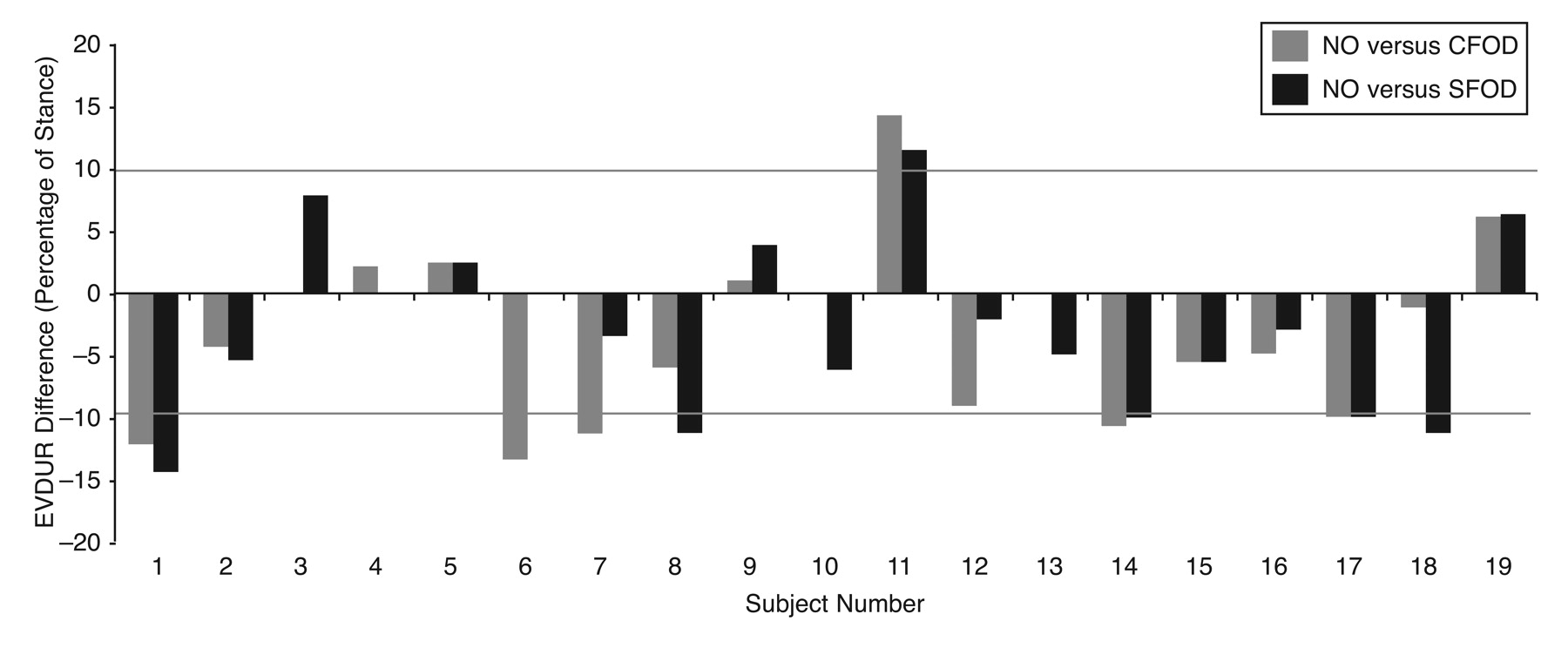
Changes in eversion duration (EVDUR) between the no-orthotic (NO) versus custom orthotic (CFOD, light bars) and no-orthotic versus semicustom orthotic (SFOD, dark bars) conditions for each subject during running. Note that negative values represent reductions in EVDUR in the orthotic condition as compared to the no-orthotic condition. The horizontal lines above and below the x axis represent the threshold for a 10% change in EVDUR.
Figure 7
.
Changes in eversion duration (EVDUR) between the no-orthotic (NO) versus custom orthotic (CFOD, light bars) and no-orthotic versus semicustom orthotic (SFOD, dark bars) conditions for each subject during running. Note that negative values represent reductions in EVDUR in the orthotic condition as compared to the no-orthotic condition. The horizontal lines above and below the x axis represent the threshold for a 10% change in EVDUR.
Figure 8
.
Changes in peak eversion velocity (EVVEL) between the no-orthotic (NO) versus custom orthotic (CFOD, light bars) and no-orthotic versus semicustom orthotic (SFOD, dark bars) conditions for each subject during running. Note that negative values represent reductions in EVVEL in the orthotic condition as compared to the no-orthotic condition. The horizontal lines above and below the x axis represent the threshold for a 30° /sec change in EVVEL.
Figure 8
.
Changes in peak eversion velocity (EVVEL) between the no-orthotic (NO) versus custom orthotic (CFOD, light bars) and no-orthotic versus semicustom orthotic (SFOD, dark bars) conditions for each subject during running. Note that negative values represent reductions in EVVEL in the orthotic condition as compared to the no-orthotic condition. The horizontal lines above and below the x axis represent the threshold for a 30° /sec change in EVVEL.
Figure 9
.
Illustration of areas of discomfort (shading) noted by select subjects while running in the semicustom orthotic condition. The corresponding subject number is listed below each foot diagram.
Figure 9
.
Illustration of areas of discomfort (shading) noted by select subjects while running in the semicustom orthotic condition. The corresponding subject number is listed below each foot diagram.
In general, rearfoot motion patterns for running and walking were consistent across the orthotic conditions (
Figure 3 and
Figure 4). During running and walking, rearfoot eversion was lowest through most of stance in the custom orthotic condition and is reflected by the peak values reported in
Table 3. However, there were no significant differences in PEV between the three conditions. When assessing individual responses during running trials, eight of the 19 subjects demonstrated a 2° reduction in PEV in the custom orthotic as compared to the no-orthotic condition (
Figure 5). Only three subjects demonstrated an increase of 2° or greater. In the semicustom orthotic device, only four subjects had a greater than 2° reduction in PEV as compared to the no-orthotic condition, and two subjects demonstrated an increase.
During walking, the semicustom orthotic device significantly reduced EVEXC compared to both the custom and the no-orthotic conditions (
P = .024 and .001, respectively). During running, the custom orthotic device significantly reduced EVEXC (
P = .039) compared with the no-orthotic condition. When running in the custom orthotic device, eight subjects demonstrated a 2° or greater reduction in EVEXC as compared with six subjects running in the semicustom orthotic device (
Fig. 6).
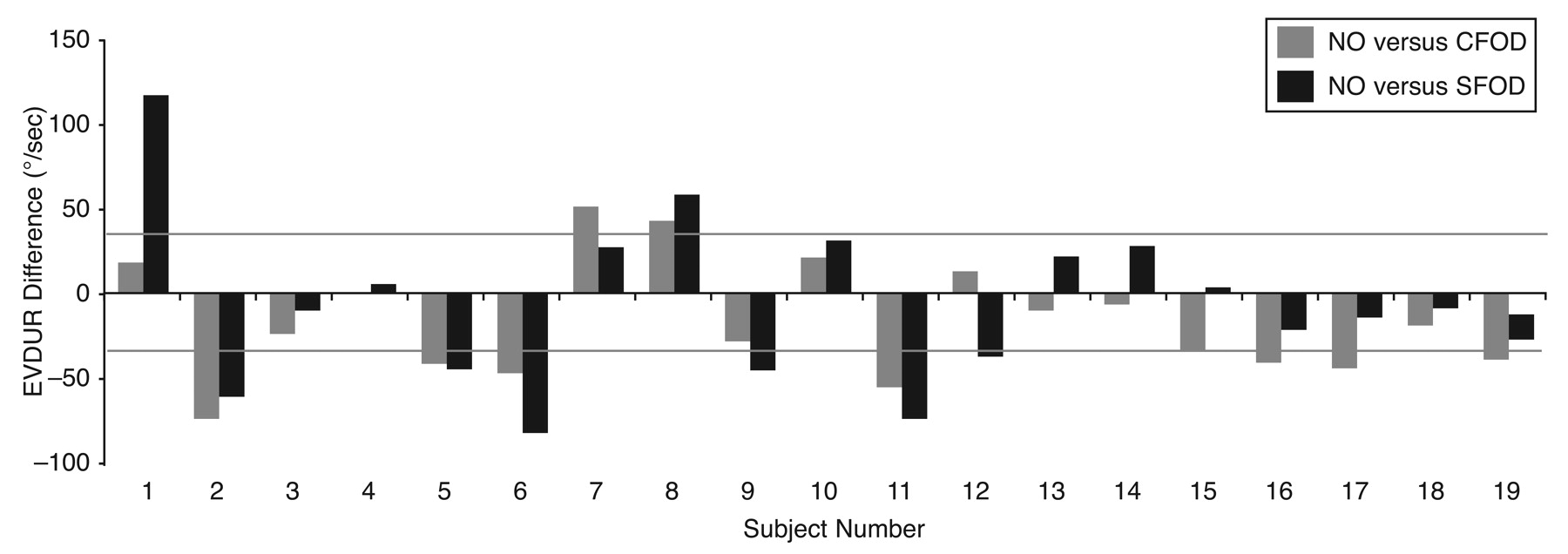
There were no significant differences in EVDUR between the three conditions during walking or running. While running in the custom orthotic device, as compared to the no-orthotic condition, six subjects demonstrated a reduction in EVDUR of at least 10%. Four subjects demonstrated at least a 10% reduction in the semicustom orthotic device as compared to the no-orthotic condition (
Fig. 7).
There were no significant differences (
P = .072) in EVVEL between the three conditions during running or walking. In the running trials, nine subjects demonstrated a 30° /sec reduction in EVVEL in the custom as compared to the no-orthotic condition. Six subjects demonstrated a 30° /sec reduction in EVVEL in the semicustom as compared to the no-orthotic condition (
Fig. 8).
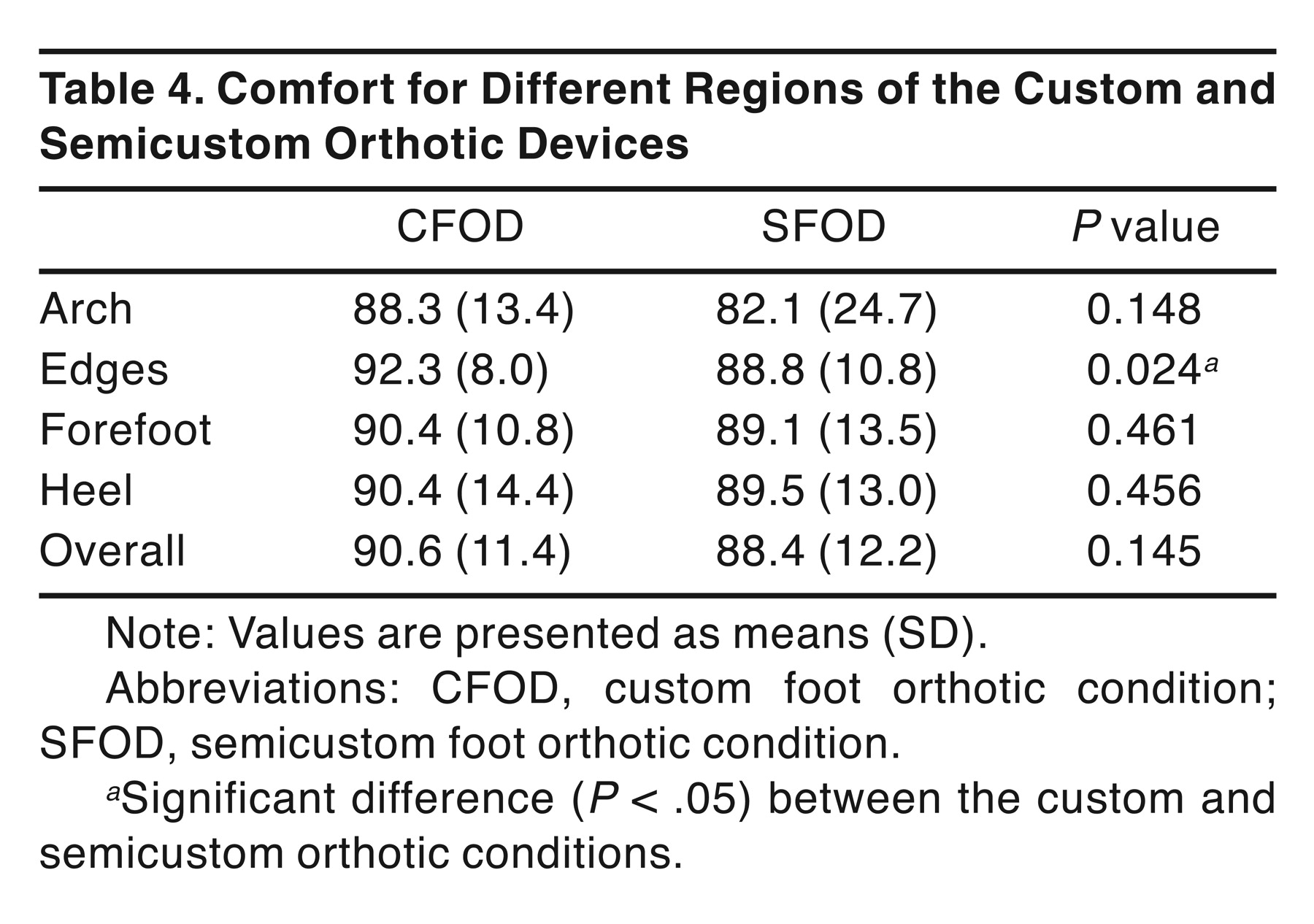
No differences in overall comfort were found between the custom and semicustom orthotic conditions (
Table 4). The custom orthotic device was slightly more comfortable than the semicustom orthotic device in all subdivisions with the greatest mean difference in comfort in the arch region. However, the only region where the custom orthotic device was significantly more comfortable was in the edge region (
P = .048). When examining the areas of discomfort marked by subjects wearing the semicustom orthotic device, none of the subjects reported discomfort on the lateral side of the orthotic devices (
Figure 9). The areas of discomfort were mostly noted in the medial arch region, which is consistent with lower mean scores on the visual analog scale for arch comfort (
Table 4). The subjective questionnaire revealed that ten of the 19 subjects stated they would be willing to wear either of the devices, while two stated that they would wear neither device. Of the remaining subjects, six reported that they preferred the custom orthotic device.
Table 4
.
Comfort for Different Regions of the Custom and Semicustom Orthotic Devices
Table 4
.
Comfort for Different Regions of the Custom and Semicustom Orthotic Devices
Discussion
The purpose of our study was to examine the effectiveness and comfort of semicustom foot orthotic devices. These devices may provide a less expensive alternative to custom foot orthotic devices. However, if semicustom orthoses are to replace custom orthoses, they need to provide similar rearfoot motion control and be as comfortable as custom-made ones.
Compared to the no-orthotic condition, both the custom and semicustom orthotic conditions showed small reductions in all rearfoot variables. These reductions were consistent with other reports in the literature.[
8,
11,
12,
16,
19–
22] However, only EVEXC was significantly reduced by the devices. Interestingly, in walking, the semicustom orthoses had the greatest effect, whereas in running, the custom orthoses produced the greatest reduction.
Analysis of the individual response in rearfoot mechanics to both orthotic conditions during running revealed a high degree of variability, which has also been noted in the literature.[
10,
13,
23] This variability may explain, in part, the lack of agreement in the orthotic literature with respect to rearfoot motion control. As compared to the no-orthotic condition, most subjects demonstrated a clinically relevant decrease in rearfoot variables in one of the two devices. However, in all cases, more subjects had a clinically relevant decrease in the custom as compared to the semicustom orthoses. This may lend some support for greater control with this device that was not detected by the mean data. Other factors, such as arch height, have been shown to influence the response to orthotic devices.[
10] While arch structure was not assessed in the current study, it may have influenced which subjects had reductions in the rearfoot variables. It is possible that extreme foot structures (such as planus or cavus feet) may not be accommodated well in the semicustom orthotic device. Further studies are needed to determine the range of foot structures for which a semicustom device is appropriate.
In terms of comfort, scores on the visual analog scale were generally higher for the custom as compared to the semicustom orthotic device. However, the only area significantly more comfortable was the edge region. Subjects tended to indicate areas of discomfort in the medial edges of the semicustom orthotic device. The areas of discomfort illustrated in
Figure 9 may indicate places in which the fabrication of the semicustom orthotic device could be improved. For example, using smaller increments for semicustom fabrication may improve comfort. It is interesting to note that the largest difference between devices in comfort scores was in the arch region. Comfort in this region also demonstrated the highest standard deviation, which may explain why the difference was not significant.
It is not clear how uncomfortable an orthotic device (or area of an orthotic device) must be in order for the patient to choose not to wear it. Of the four subjects who reported an increased overall comfort of 10% or greater in the custom orthotic device, all preferred the custom to the semicustom orthotic device. For the subjects reporting a difference in comfort of less than 10%, the choice was more ambiguous. These results suggest that a 10% difference in comfort may be a threshold for an individual to discontinue wear.
Conclusion
In summary, this was the first study to compare rearfoot motion and comfort between a custom and semicustom orthotic device. The results suggest that, for uninjured individuals, there are few differences between a custom and semicustom orthotic device for rearfoot motion control during running or walking. The custom orthotic device was slightly more comfortable in all areas (
Table 4). Although the greatest percentage difference between the custom and semicustom orthotic devices was in the arch area, the custom orthoses were significantly more comfortable than the semicustom orthoses in the edge region only. These small differences between the custom and semicustom orthoses may become magnified when testing a patient population. Additional investigations of subjects with specific lower-extremity injuries or wide ranges of foot structure may lend greater insight into differences between semicustom and custom orthotic devices. The information gained may assist manufacturers of orthoses in further modifying the fabrication of semicustom orthotic devices so that they maintain comfort, while still providing the necessary function of rearfoot motion control.