Undifferentiated carcinoma is the most common histopathologic type and is associated with Epstein-Barr virus. Nasopharyngeal carcinoma represents 0.2% of malignant disease in the white population but is more common in southern China, among Chinese in East Asia and the United States, and in North Africa and Saudi Arabia.[
1] Nasopharyngeal carcinoma in these ethnic groups tends to manifest at a pediatric age. Literature reports up to 11% distant metastases at presentation and up to 87% at autoptic studies; however, no reports in the foot have been described.[
2] Distant metastases can appear in the lungs, bones, liver, and the choroid. They are usually present at the initial presentation and increase in frequency in advanced disease and in recurrent tumors.[
3]
Case Report
A 33-year-old man from Ethiopia with a 2-year history of nasopharyngeal carcinoma was referred to the UCSD Foot and Ankle Surgery Clinic (San Diego) by the UCSD Head and Neck clinic for pain in the hallux. The patient complained of pain in the hallux without any history of trauma or injury. He stated that initially he was seen at the UCSD ENT and Oncology clinic with facial pain, hearing loss, and bilateral neck adenopathy from the nasopharyngeal mass. Biopsy reports revealed stage-IV undifferentiated nasopharyngeal carcinoma. He denied any other medical history and had a questionable past history of tobacco and alcohol consumption.
Upon physical examination, he was not well nourished or developed, had poor balance, and was losing weight because of anorexia and food intake problems. During his chemotherapy treatments, he was fed through a gastric feeding tube. He was afebrile and had stable vital signs. His right foot revealed a well-circumscribed mass in the hallux of 2 cm × 3 cm × 2 cm just plantar distal to the nail. There was tenderness to direct palpation. There were no color changes to the skin noted, and the skin and nail were intact. Pulses were palpable (2/4) with instantaneous capillary filling times to all digits. There were no malalignments noted, and muscle strength was normal (5/5) in the anterior, posterior, and lateral group muscles.
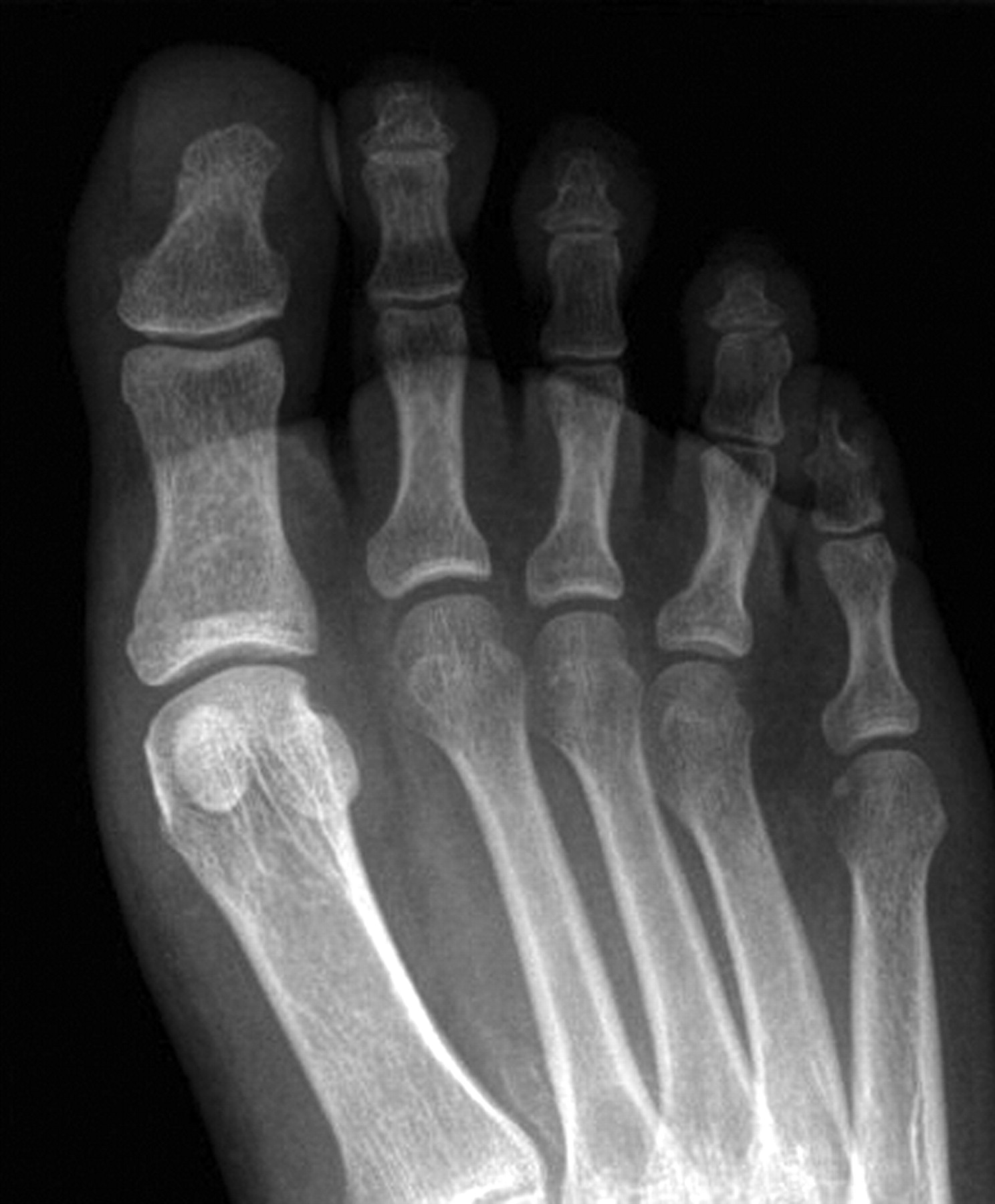
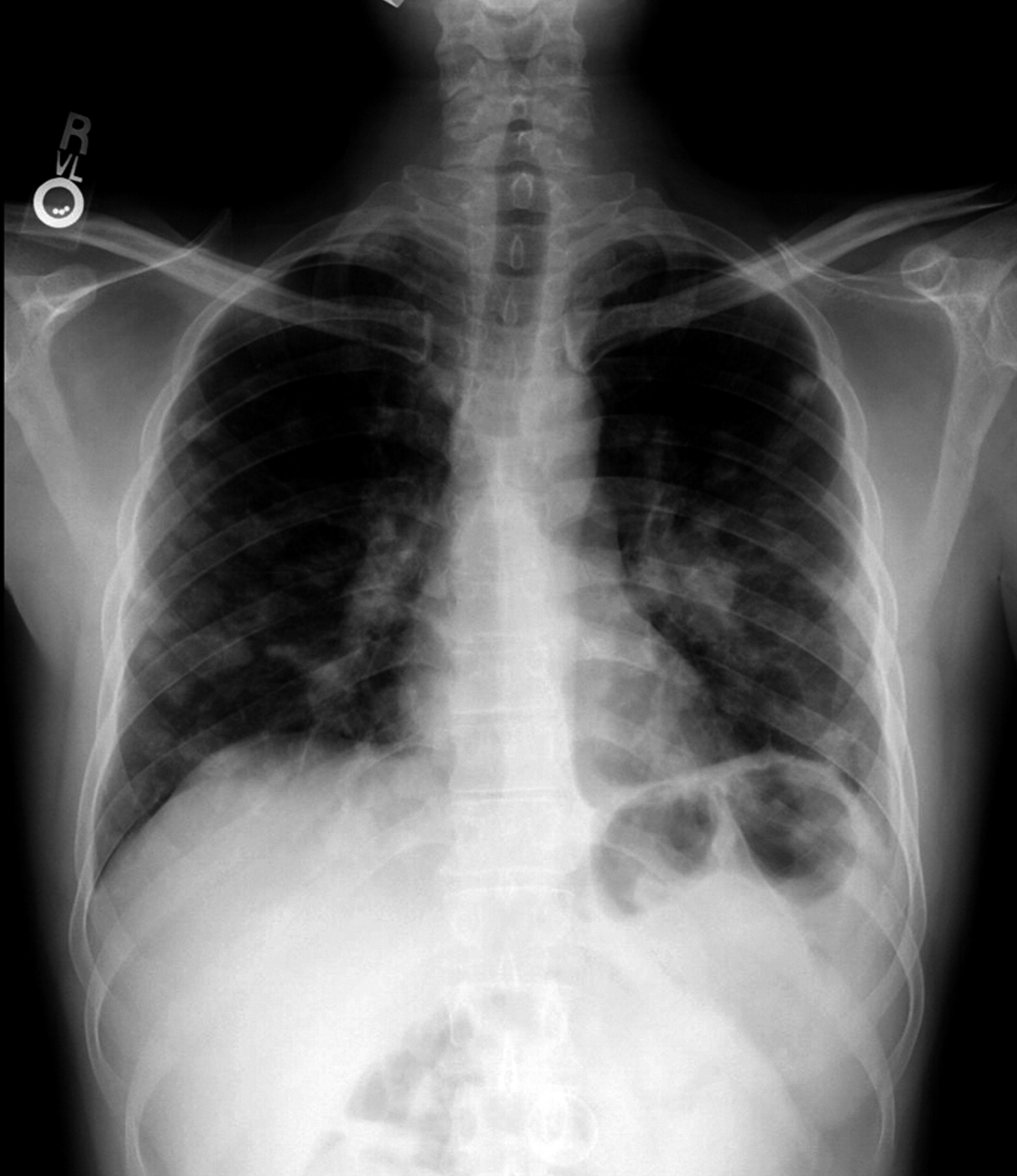
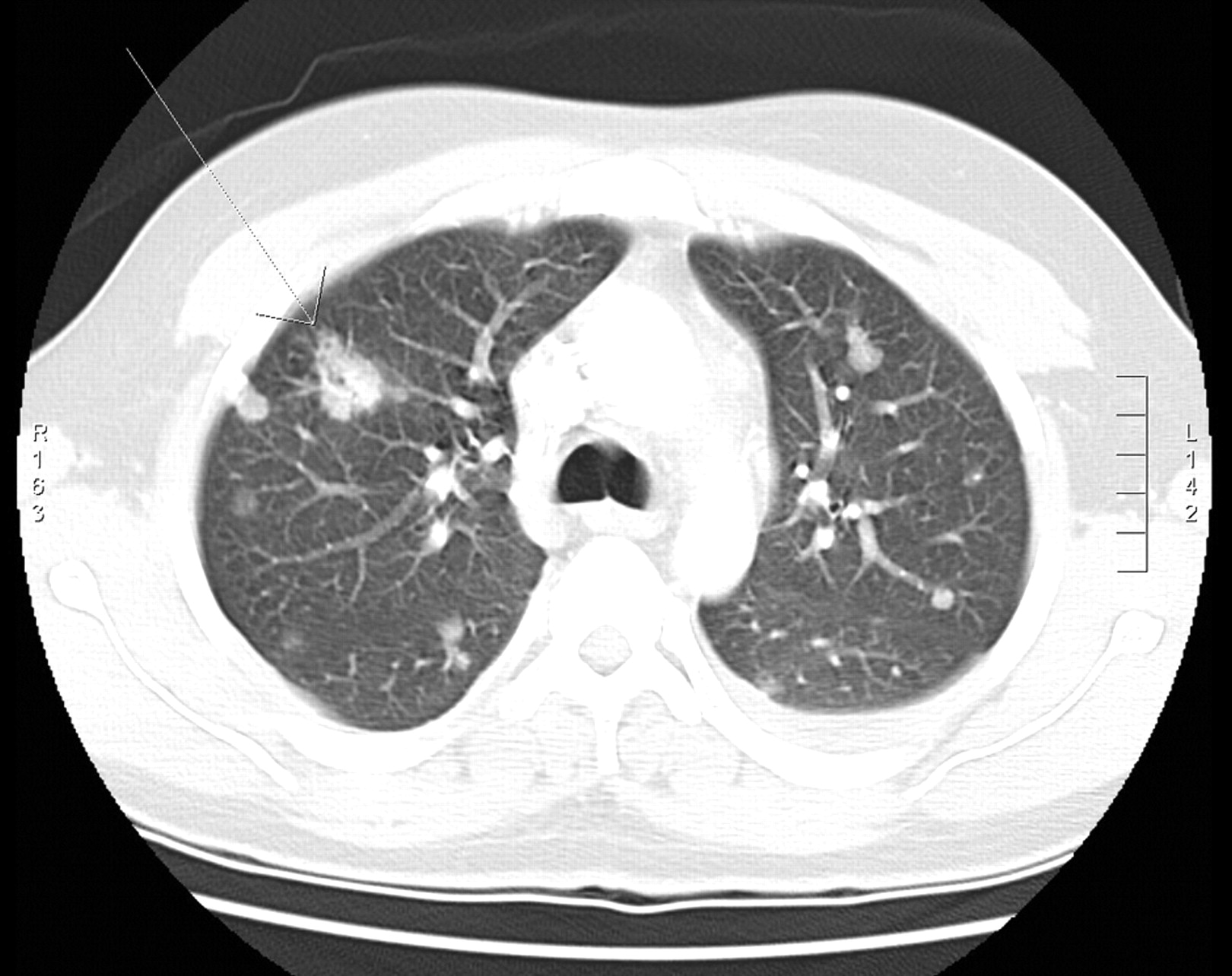
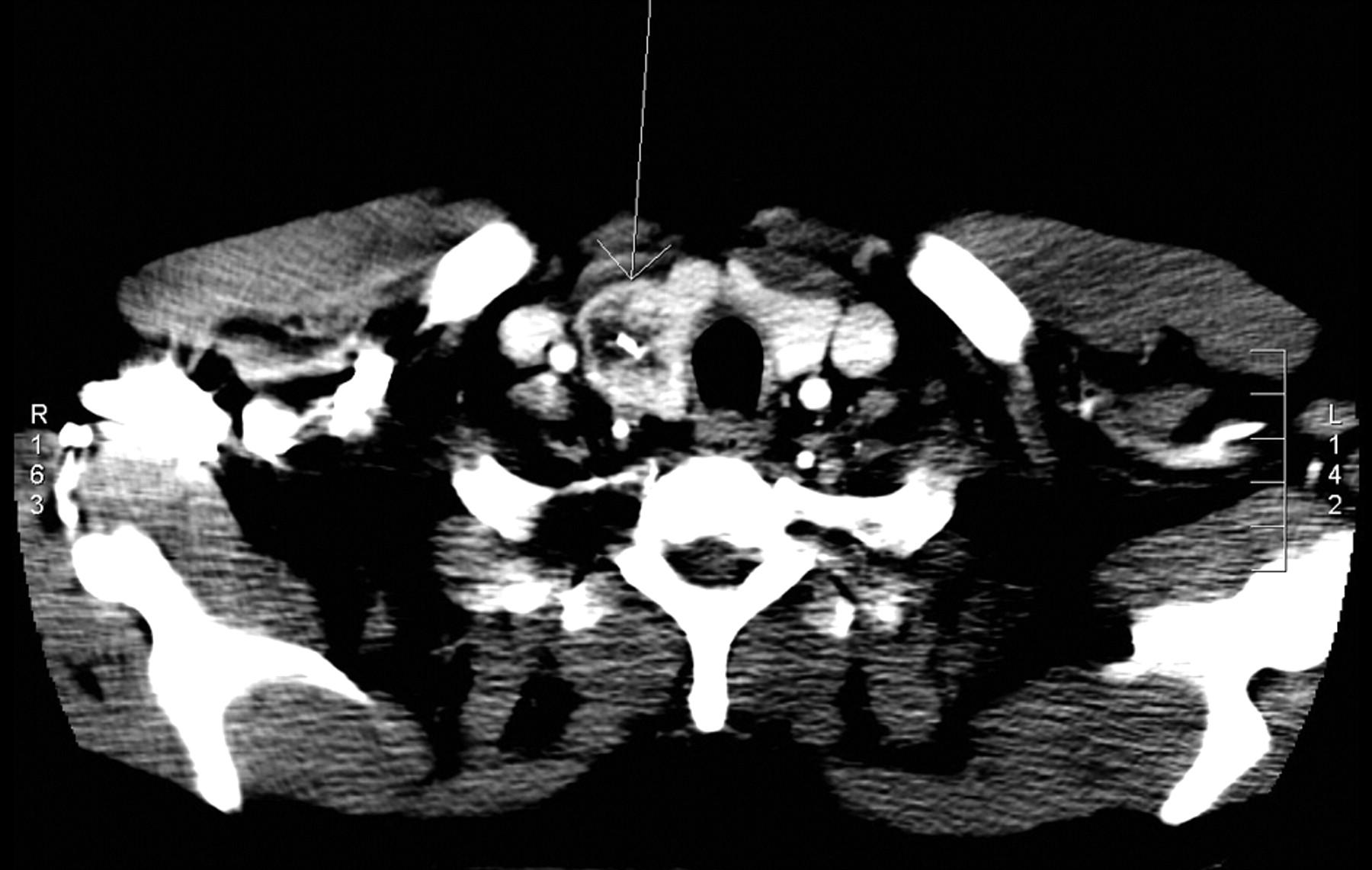
The patient’s laboratory results showed a white blood count of 5,200 μL, with hematocrit of 41 and platelet count of 227,000 μL. He had normal blood chemistry, liver function test, and coagulation times. His Epstein-Barr viral capsid antigen IgA was positive. Imaging findings of the foot radiographs reveal mild periosteal changes to the distal phalanx of the hallux (Fig. 1). Although his initial chest radiograph and abdomen and chest computed tomography scans were normal, subsequent ones revealed penetration of masses to the base of the skull, with non-bulky neck nodes and metastases to the lungs. Furthermore, later examinations revealed a mass filling in the right maxillary sinus and an obstructive nasopharyngeal carcinoma mass, including numerous pulmonary nodules, left pleural effusion, and areas of segmental atelectasis (Figs. 2–4).
The patient was treated with chemoradiotherapy because he was not a candidate for nasopharyngeal carcinoma surgery. Oncology and a primary-care team cleared him for foot surgery (mass excision) under local anesthesia despite his increased shortness of breath and hoarseness from a tumor in the mediastium affecting the laryngeal nerve.
Figure 1.
Radiograph of preoperative right foot showing mild periosteal erosions on the distal tip of the distal phalanx.
Figure 1.
Radiograph of preoperative right foot showing mild periosteal erosions on the distal tip of the distal phalanx.
Figure 2.
Chest radiograph showing multiple bilateral lung masses with pleural effusions and elevation of left hemidiaphragm with overlying atelectasis.
Figure 2.
Chest radiograph showing multiple bilateral lung masses with pleural effusions and elevation of left hemidiaphragm with overlying atelectasis.
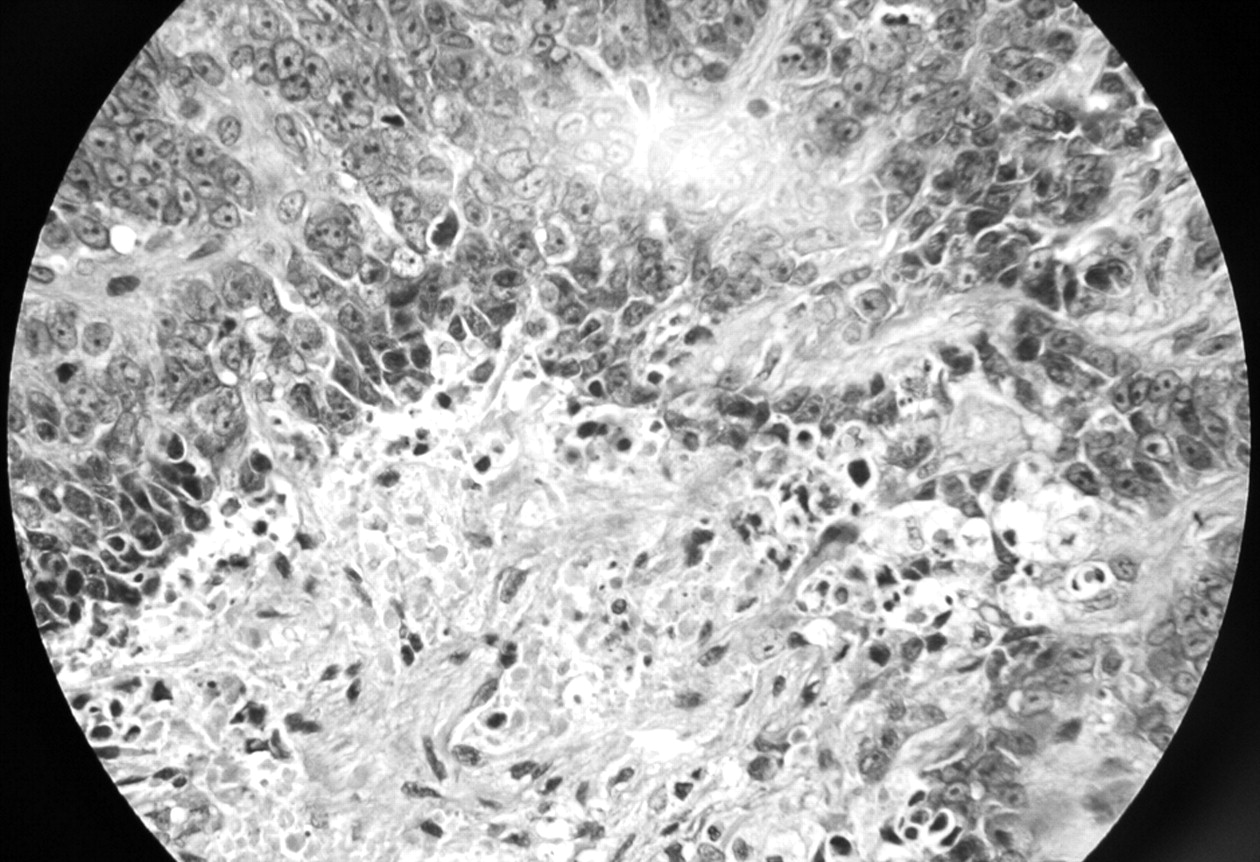
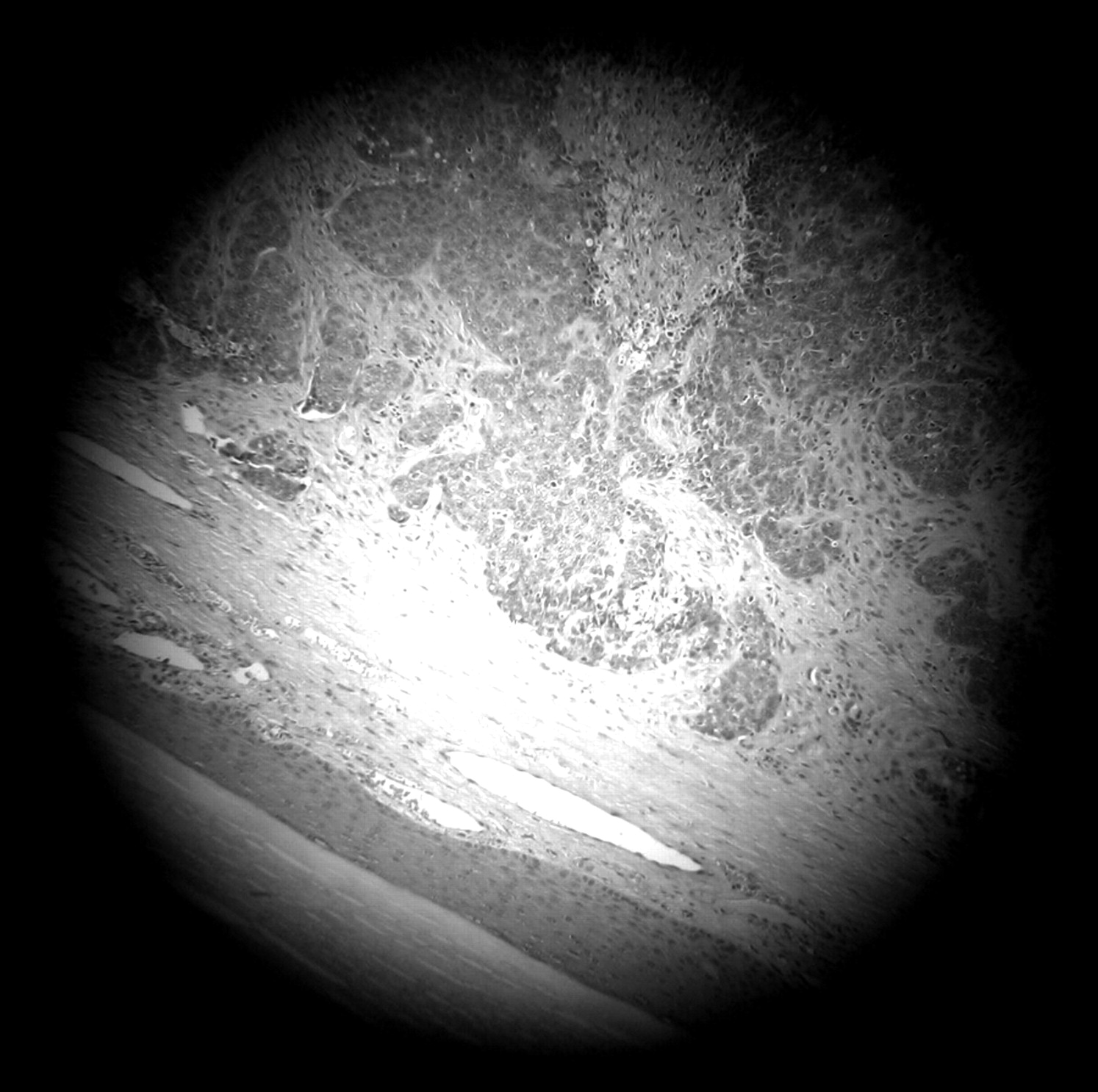
Pathology findings revealed poorly differentiated carcinoma with possible primary or metastatic carcinoma (Figs. 5 and 6). At 2 months post pathologic identification, while in hospice and palliative care, the patient died.
Discussion
Nasopharyngeal carcinoma is usually present as locally advanced (stage III or IV) disease. Although metastases to the head, neck, and trunk areas have been noted,[
1] distant metastases to the foot and ankle have not been described in the literature.
Figure 3.
Computer tomography scan of the thorax showing extensive and numerous pulmonary nodules throughout the lung.
Figure 3.
Computer tomography scan of the thorax showing extensive and numerous pulmonary nodules throughout the lung.
Before 1980, the primary treatment for nasopharyngeal carcinoma was radiotherapy. The 5-year survival rate of patients with stage-IV nasopharyngeal carcinoma was less than 30% to 50% across the world. Local, regional, and systemic recurrences are high in these patients and contributed to the poor survival. Meta-analyses show that radiation with concomitant chemotherapy is probably the most effective way to improve overall survival in patients with nasopharyngeal carcinoma.[
4] Some reports show that a combination of chemotherapy and radiotherapy resulted in a 5-year survival rate of up to 90% in patients with stageIV disease.[
2,
5]
Figure 4.
Computer tomography scan of the neck showing nasopharyngeal mass invading retropharyngeal and bilateral parapharyngeal spaces.
Figure 4.
Computer tomography scan of the neck showing nasopharyngeal mass invading retropharyngeal and bilateral parapharyngeal spaces.
Figure 5.
Tissue sections of formalin-fixed, paraffinembedded primary tumors. Note detection of necrosis and metastatic large areas of necrosis in the tumor tissues (H&E, ×2400).
Figure 5.
Tissue sections of formalin-fixed, paraffinembedded primary tumors. Note detection of necrosis and metastatic large areas of necrosis in the tumor tissues (H&E, ×2400).
The detection of the Epstein-Barr virus nuclear antigen and viral DNA in nasopharyngeal carcinoma has revealed that the virus can infect epithelial cells and is associated with their transformation to cancer.[
6]
Nasopharyngeal carcinoma is optimally assessed via computed tomography scanning and magnetic resonance imaging and positron-emission tomography scanning for staging. The primary tumor in the nasopharynx may be small and infiltrating, causing no or only a small mass effect in the nasopharynx. Nodal involvement is highly frequent (70%–90%) and bulky regardless of the size of the primary tumor. Lymph node metastases in the neck are present in 90% of cases and are bilateral in 50% of cases. In a small percentage of cases, lymph node metastases extend to the mediastinum and hilar areas. Pretreatment work-up should include personal history, clinical and fiberscopic examination, magnetic resonance imaging or computed tomography scan of the base of the skull and neck, histology of the primary and cytology of neck lumps, bone marrow aspiration and biopsy, and Epstein-Barr virus serological profile.[
7]
Figure 6.
Tissue sections of formalin-fixed, paraffinembedded primary tumors were immunohistochemically stained. Note the normal skin layers in relation to necrosis and metastatic large areas of necrosis in the tumor tissues. The tumor cells are negative for cytokeratin 20 and chromogranin, which essentially excludes the possibility of local cell carcinoma (×200).
Figure 6.
Tissue sections of formalin-fixed, paraffinembedded primary tumors were immunohistochemically stained. Note the normal skin layers in relation to necrosis and metastatic large areas of necrosis in the tumor tissues. The tumor cells are negative for cytokeratin 20 and chromogranin, which essentially excludes the possibility of local cell carcinoma (×200).