Pigmented villonodular synovitis (PVNS) is a rare proliferative disease of unknown etiology characterized by idiopathic proliferation of synovial tissue in the joint, tendon sheath, and bursa. When the whole synovium is affected, the disease is termed
diffuse PVNS, whereas when there is only a small synovial mass it is termed
localized PVNS. The histologic and cytogenetic findings are the same in both forms, but because there are differences in clinical symptoms and in the course of the disease, they are considered two separate entities [
1].
Although PVNS may affect any of the joints, the knee is the most commonly affected (approximately 75% of reported cases), followed by the hip and ankle [
1,
2]. In the foot joints, PVNS is rare (2% of these lesions) [
3]; the literature contains reports of small series and isolated cases only [
4,
5,
6]. Generally, PVNS is found in young adults, although cases have been reported involving elderly people and children [
1,
3]. The clinical findings depend on the location and the extent of the lesion. In the foot, PVNS presents as a generally painless, firm, immobile, soft-tissue mass, and the patient often complains of footwear problems. There may also be pain due to irritation caused by footwear or joint involvement.
Radiology sometimes shows an opaque soft-tissue mass, and in more than half of the cases there is visible bone involvement, usually marginal erosions and cysts surrounded by sclerotic margins [
1,
3]. Diagnosis tends to be delayed or mistaken in the early stages of the disease, often leading to a delay in starting treatment. The treatment of choice is extirpation of the whole affected synovium [
7], with curettage of subchondral cystic lesions. Where there is extensive bone destruction, treatment should consist of arthrodesis and bone grafting [
3].
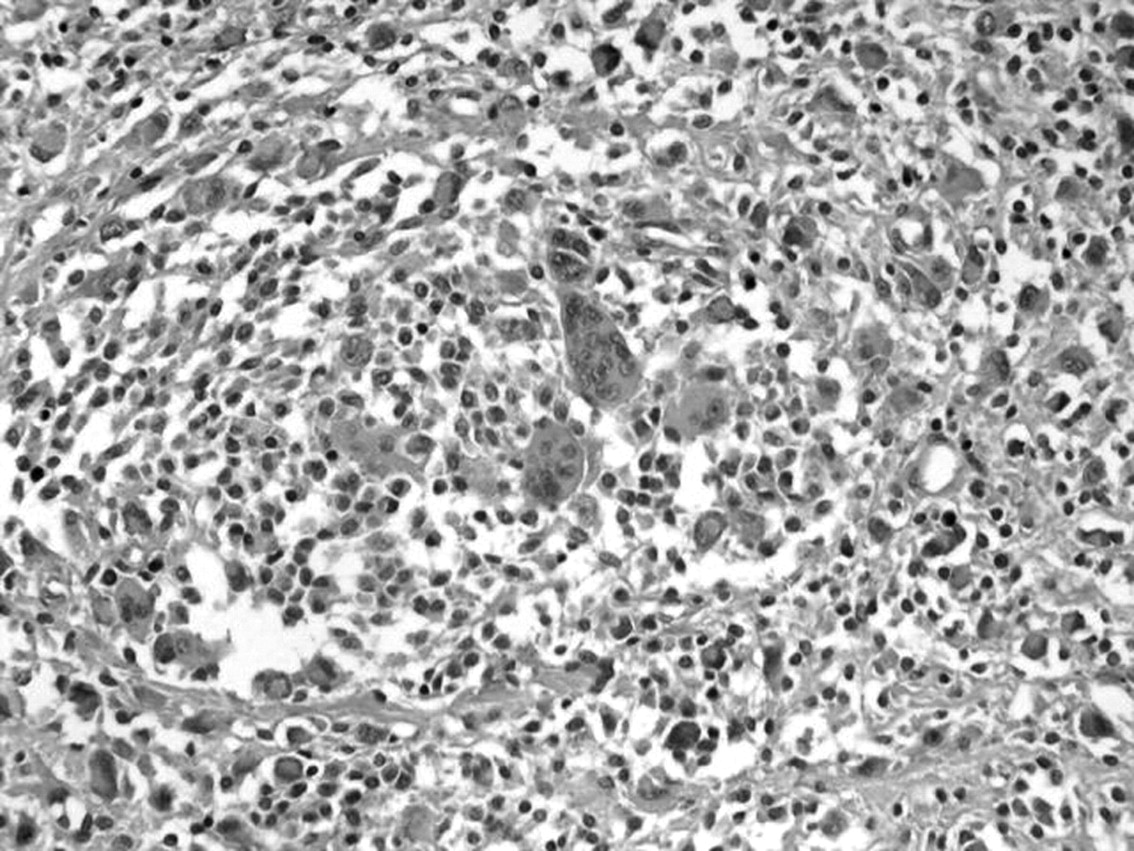
This article reviews clinical and radiographic features, clinical behavior, diagnostic difficulty, and treatment in eight cases of PVNS of the foot. Seven patients had diffuse PVNS, and affected bones included the talus, first cuneiform, and first metatarsal; the remaining patient presented with a localized form affecting the second phalanx of the fourth toe.
Patients and Methods
A retrospective review was undertaken of the case histories, radiographs, and imaging results of eight patients treated at University Hospital “Reina Sofia,” Córdoba, Spain, for PVNS of the foot during a 15-year period. Diagnosis in all cases was histologic. For all of the patients, the following were noted: reason for initial consultation, duration of symptoms before diagnosis, initial diagnosis, presence of bone lesions, type of PVNS (diffuse, localized, or tenosynovial), treatment performed, and recurrences of the disease. The mean patient age was 37.25 years (range, 10–62 years), with a slight predominance of women (n = 5) over men (n = 3).
Results
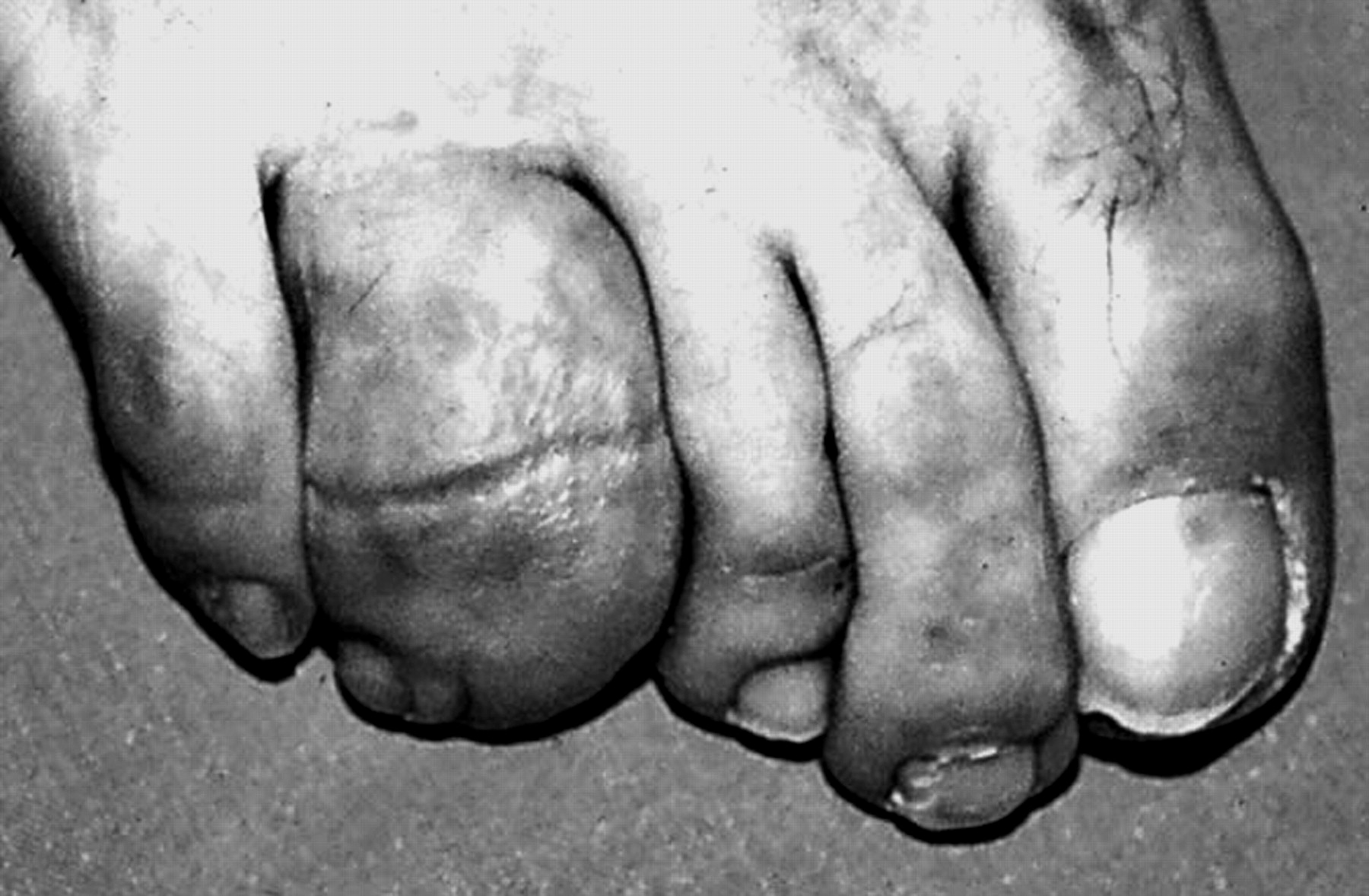
All of the patients were first seen for a “lump” (tumor) on the foot (
Fig. 1), associated in six cases with pain of greatly varying intensity (ranging from mild discomfort to intense pain on weightbearing or simply discomfort when putting on a shoe). No patients reported foot pain when at rest. The mean interval between onset of symptoms and diagnosis was 15.75 months (range, 2–26 months). In three cases, the initial diagnosis before referral of the patient to this center and before histologic examination was correct; in the other five, diagnoses included tumor, arthritis, and bunionettes.
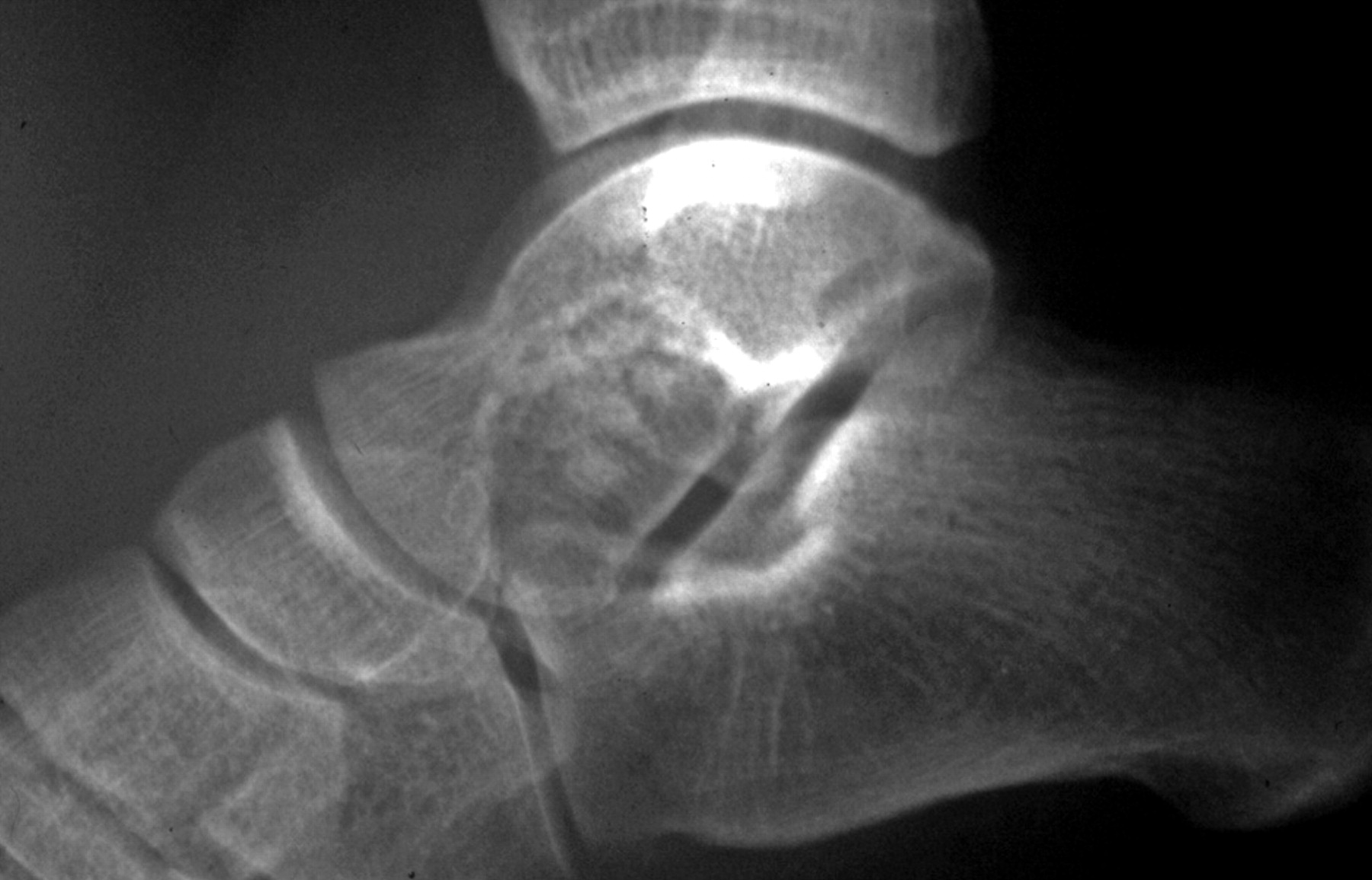
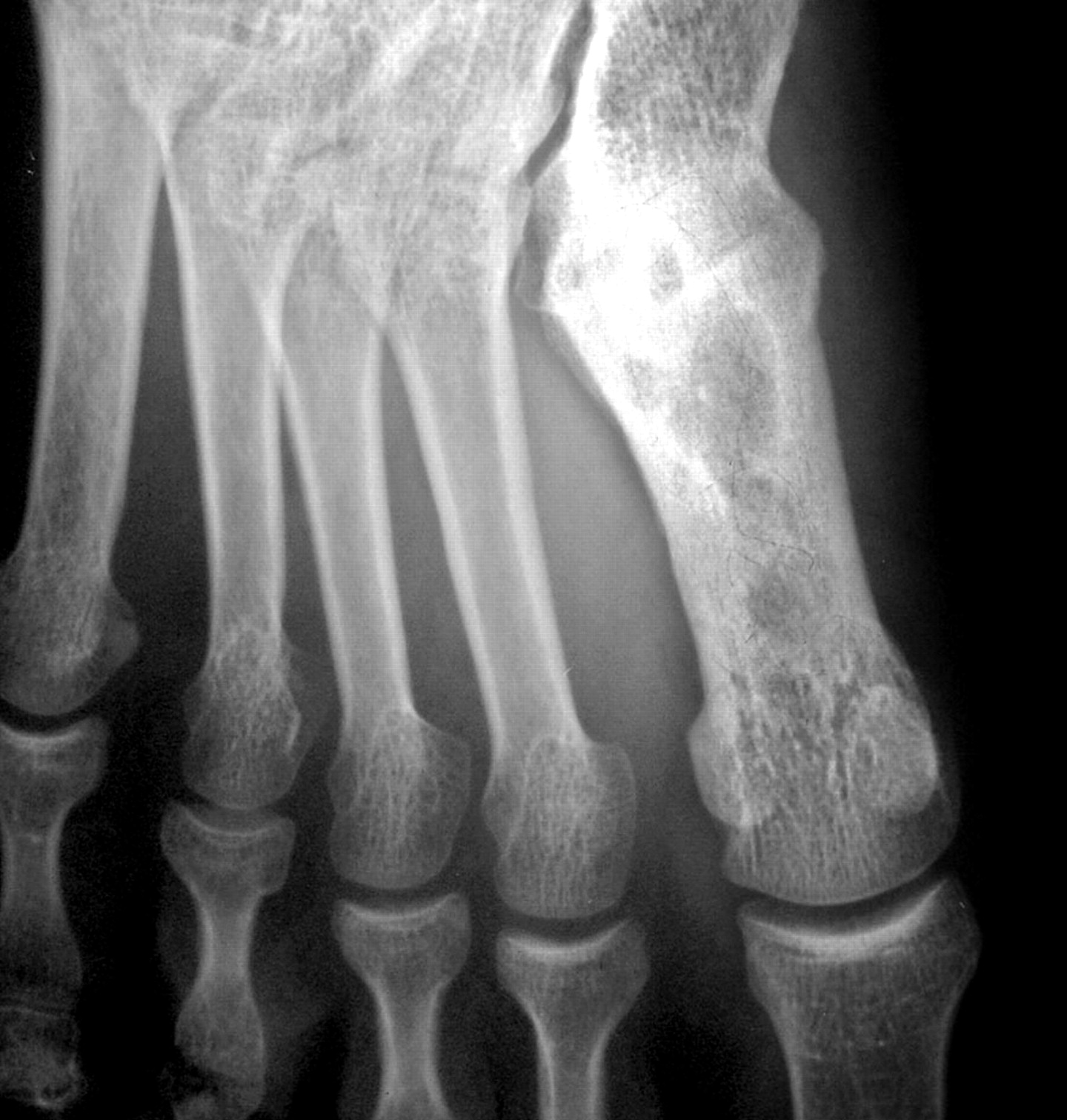
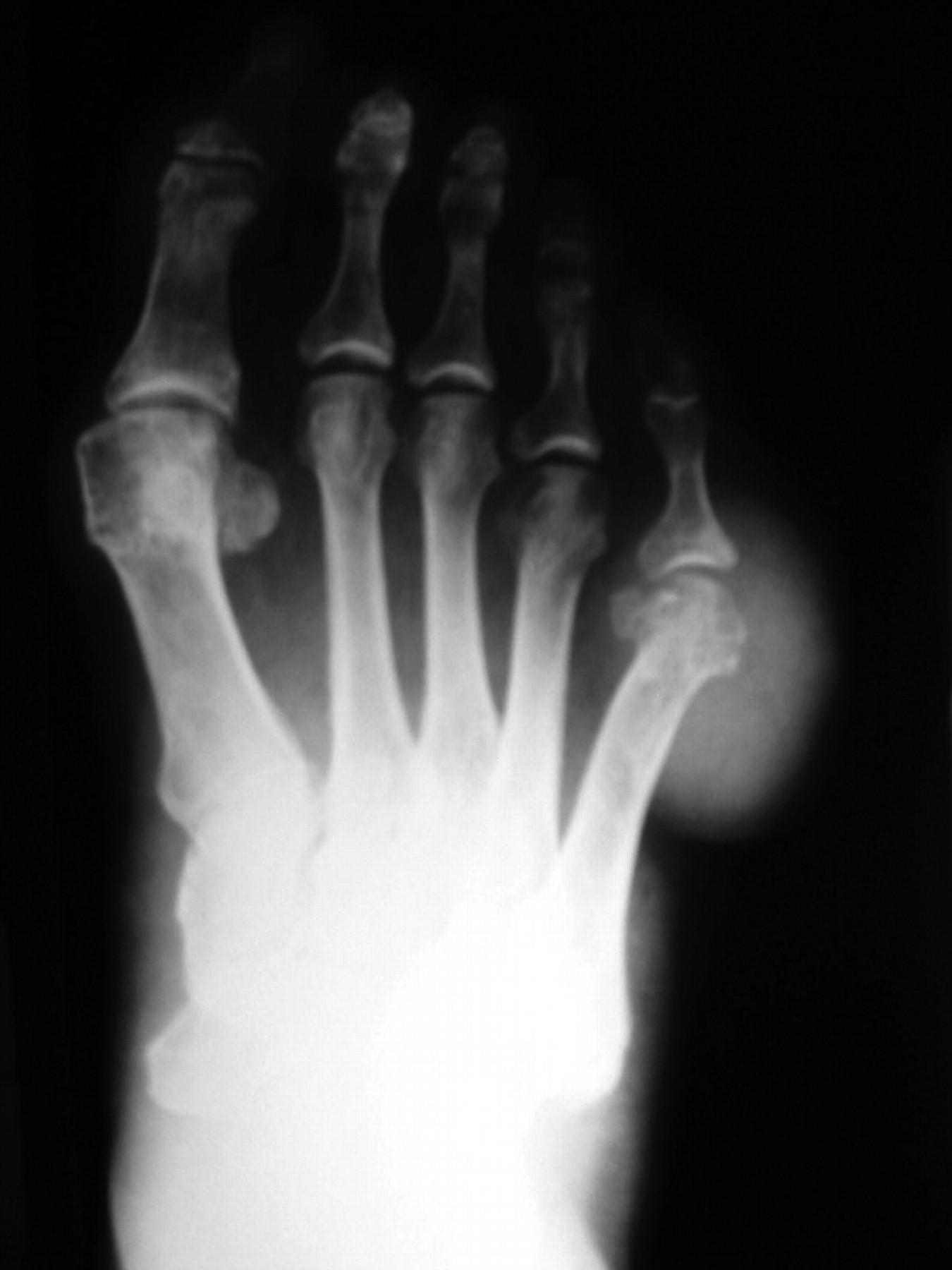
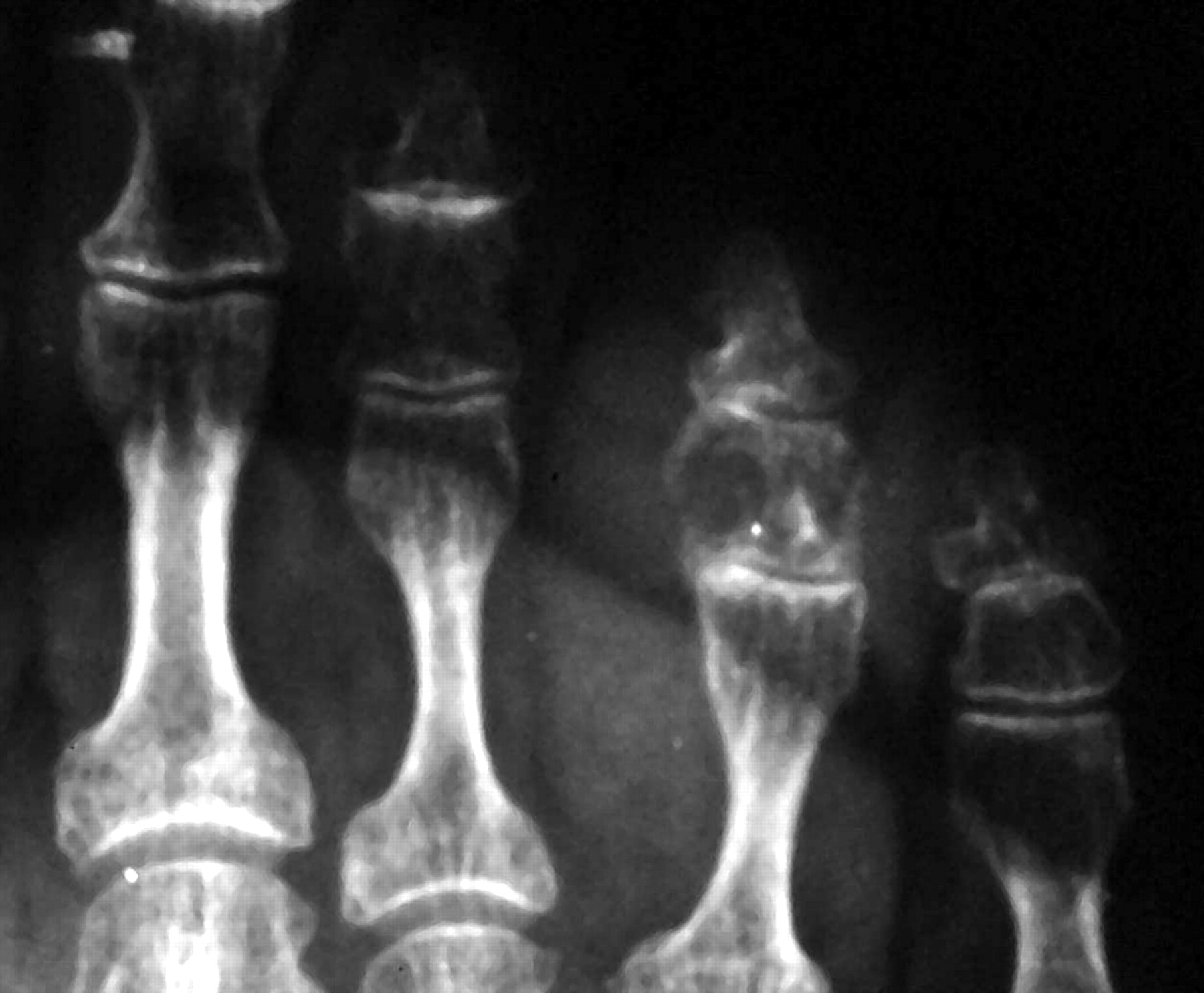
The PVNS was located in the rearfoot (tarsal sinus) in five patients and in the forefoot in the other three. Radiographs in six patients showed bone involvement (geodes and erosions). Affected bones included the talus (
Fig. 2), first cuneiform and first metatarsal (
Fig. 3), fifth metatarsal head (
Fig. 4), and middle phalanx of the fourth toe (
Fig. 5). In two cases, more than one bone was involved, and in one case more than one joint was affected (subtalar and taloscaphoid) (
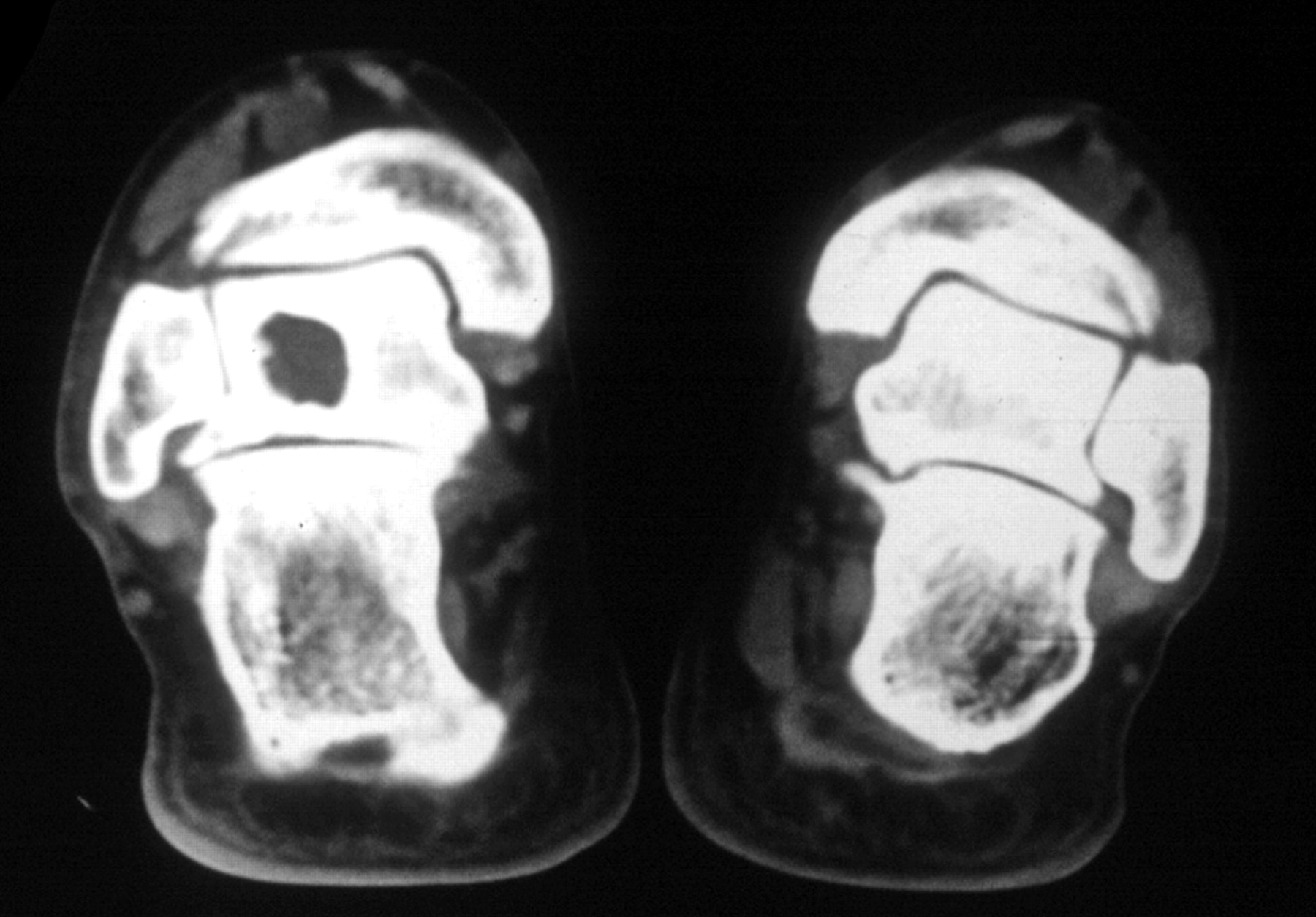
Fig 6). Computed tomography provided a clearer view of bone involvement in three patients (
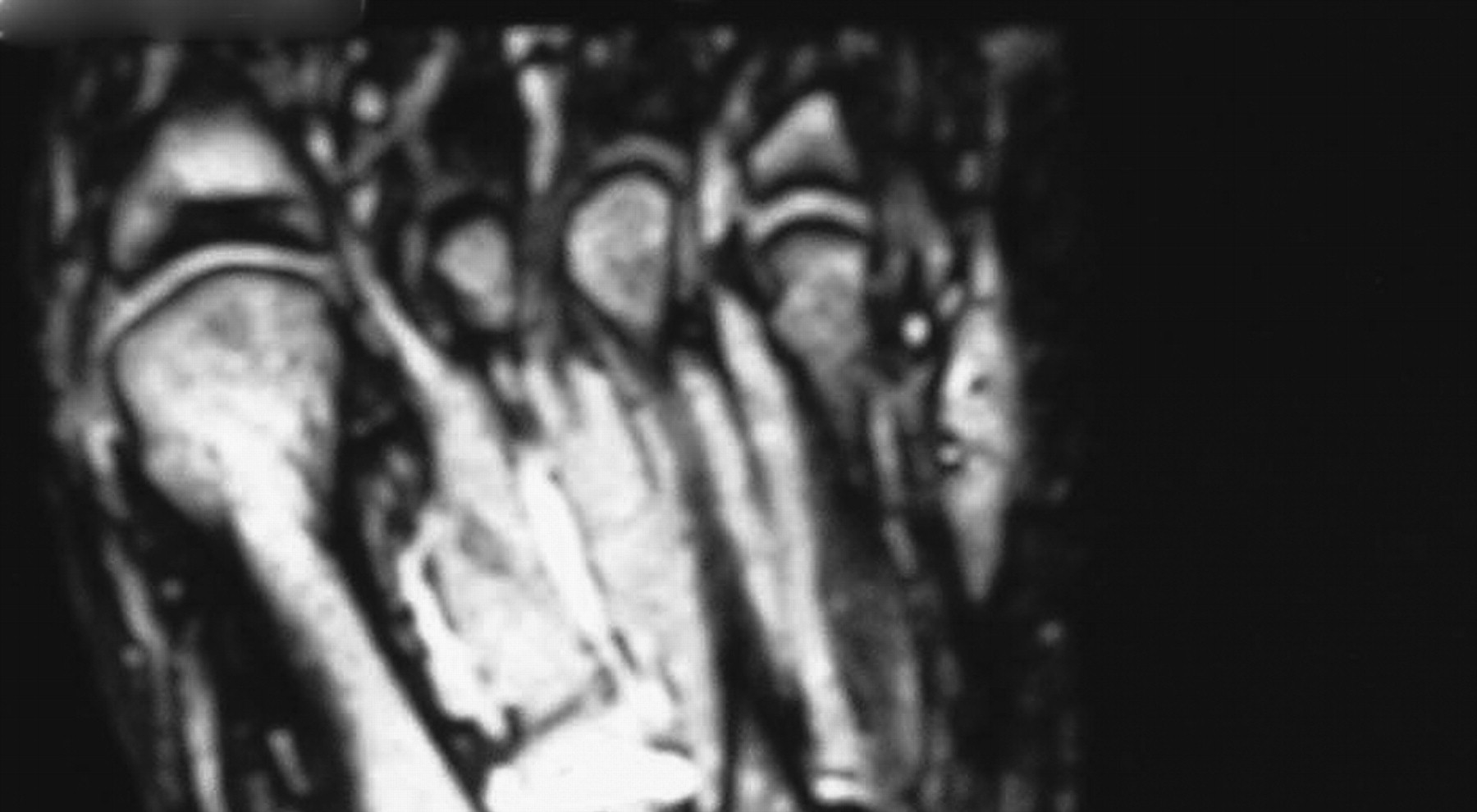
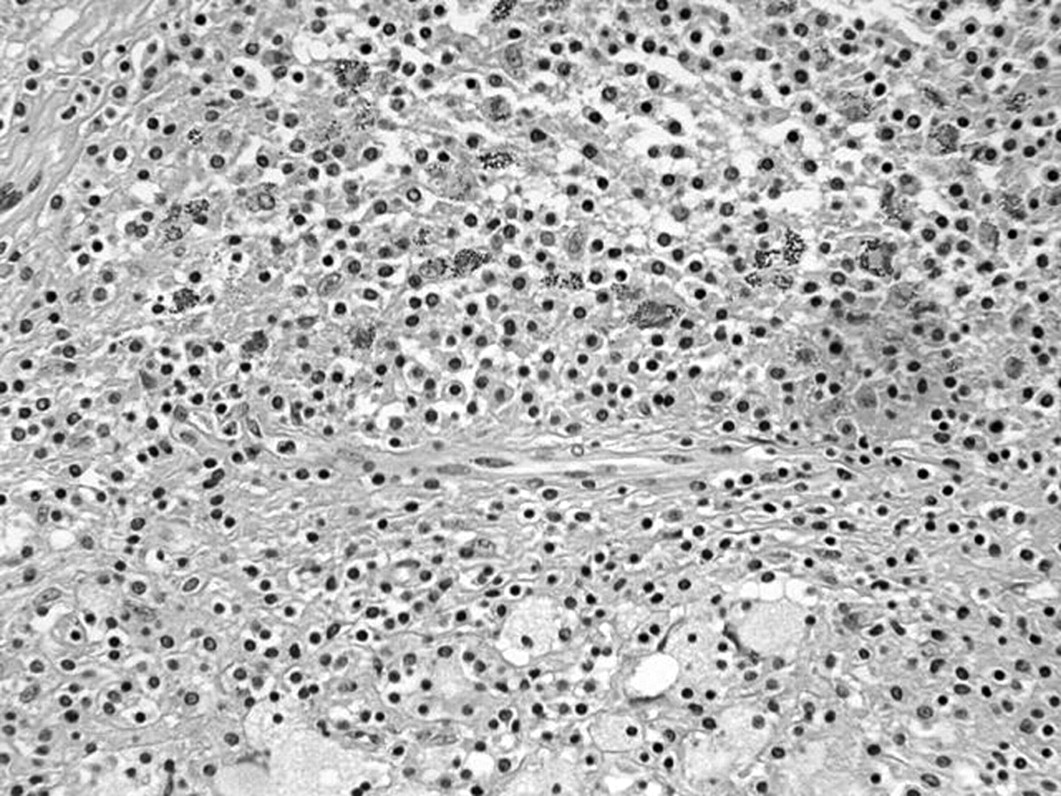
Fig. 7). Magnetic resonance imaging in four patients disclosed characteristic deposition of hemosiderin in synovial masses. Seven patients had intra-articular diffuse PVNS (
Fig. 8), and the other had extra-articular tenosynovial PVNS invading the bone (
Fig. 9). Treatment in all cases was surgical excision of the synovial membrane, together with heterologous bone graft packing in cases of bone lesions.
Mean postoperative follow-up was 94.77 months (range, 12–174 months), and only one recurrence was recorded after 24 months. This patient was offered a course of radiotherapy followed by repeated synovectomy. However, after treatment with a total dose of 30 Gy in 20 fractions over 4 weeks, the pain disappeared and the patient refused repeated surgery.
Discussion
Pigmented villonodular synovitis is a rare, aggressive disease with an estimated incidence of approximately 1.8 cases per million [
8]. Although reported in a variety of joints, PVNS most commonly affects the knee, followed by the hip and ankle [
1,
2,
9]. In foot joints, PVNS is rare, with approximately 30 cases reported in the English-language literature [
10].
The mean age and sex of the patients matched those widely reported in the literature [
1,
2,
9]. All of the patients consulted their physician for a foot tumor causing either discomfort or varying degrees of pain in six patients. Other studies [
6,
11] report that PVNS generally presents as a slow-growing, painless lump or as a diffusely painful joint. Pain was reported in all cases of rearfoot location, where bone was affected, and pain increased with weightbearing and walking. Patients with forefoot PVNS reported discomfort only when wearing shoes owing to considerable enlargement of the tumor, which is in agreement with data reported in the literature [
3,
6,
7].
The time between onset of symptoms and diagnosis was fairly long (mean, 14 months). Patients took this length of time to consult largely because in its initial stages, PVNS tends to present as a painless mass and because lumps on the foot are common (eg, bunions, bunionettes, and corns), so patients tend to consult their physician only when the lump is very large and hinders the use of footwear or invades a weightbearing joint, causing pain. Indeed, only two of the eight patients reviewed here consulted their physician within 1 year of the onset of symptoms (2 and 6 months). The first case was a physician who suspected that the swelling might be a malignant tumor, despite the absence of pain. Although radiographic results were normal, he opted to have it biopsied. The second case was a young girl previously treated for pes planus (calcaneus stop procedure) who reported pain in one foot several months after surgery. The pain was attributed to the screw placed in the tarsal sinus, and PVNS was detected as an incidental finding when the screw was removed. The delayed diagnosis described here has also been reported by other authors [
1,
2,
11].
In three cases, the diagnosis with which the patient was referred by a general practitioner or rheumatologist was subsequently confirmed by histologic examination; these were the most advanced of the eight cases, and bone involvement was visible on radiographs. The remaining patients reported no pain, and bone involvement was limited; initial misdiagnoses included tumor, arthritis, and bunionette. It must be stressed, therefore, that PVNS should be suspected in any patient with a slow-growing foot mass; diagnosis should be made before the onset of bone joint symptoms, which require treatment more complex than a simple synovectomy. Magnetic resonance images are of considerable diagnostic value because their sensitivity enables detection of hemosiderin deposition in synovial masses [
1,
12].
Bone lesions were radiographically apparent in six of the patients reviewed here, in whom the disease was more advanced. One striking finding was that in PVNS of the foot, only one side of the joint was generally affected, whereas in other locations both sides of the joint tend to be involved [
2,
13]. Computed tomography is helpful for confirming the location and the extent of bone invasion and thus for deciding on the need for bone grafts [
2]. Seven patients had diffuse PVNS, and only one had the tenosynovial form; none of them displayed localized PVNS. This may be due in part to the small number of patients reviewed and to the fact that localized PVNS primarily affects the knee joint [
14].
Total synovectomy proved to be effective during follow-up in all but one patient, who displayed recurrence after 24 months. The patients continue to be monitored because recurrences of PVNS in large joints have been reported as long as 25 years after surgery [
15]. However, we believe that recurrences in foot joints are less common than in larger joints, such as the hip or knee, because total excision of the synovium is usually easier in foot joints. Radiotherapy [
16] proved to be effective against pain and swelling in the single patient to whom it was applied, who subsequently refused repeated surgery.
Conclusion
Pigmented villonodular synovitis of the foot should be considered in the differential diagnosis of foot tumors. Although it is a rare disease, delayed diagnosis can lead to serious bone and joint injury.