Next Article in Journal
Cutaneous Larva Migrans. Case Report with Current Recommendations for Treatment
Previous Article in Journal
Percutaneous Tendo Achillis Lengthening to Promote Healing of Diabetic Plantar Foot Ulceration
 
 
Journal of the American Podiatric Medical Association is published by MDPI from Volume 116 Issue 1 (2026). Previous articles were published by another publisher in Open Access under a CC-BY (or CC-BY-NC-ND) licence, and they are hosted by MDPI on mdpi.com as a courtesy and upon agreement with American Podiatric Medical Association.
Review

Focal Tuberculous Osteomyelitis of the Calcaneus Secondary to Direct Extension from an Infected Retrocalcaneal Bursa

by
Ibrahim Fikry Abdelwahab
1,*,
Michael J. Klein
2,
George Hermann
3 and
Mohammed Abdul-Quader
4
1
Department of Radiology, New York Methodist Hospital, affiliated with Weill Medical College of Cornell University, Brooklyn, NY
2
Department of Pathology, Mount Sinai Medical Center, New York, NY
3
Department of Radiology, Mount Sinai Medical Center, New York, NY
4
Department of Radiology, Columbia Presbyterian Medical Center, New York, NY
*
Author to whom correspondence should be addressed.
J. Am. Podiatr. Med. Assoc. 2005, 95(3), 285-290; https://doi.org/10.7547/0950285
Published: 1 May 2005

Abstract

We report a case of focal tuberculous involvement of the posterior margin of the calcaneus with preservation of the articular margin. The route of infection was direct extension through tuberculous retrocalcaneal bursitis, a rare and atypical pathogenesis. Magnetic resonance imaging was helpful in ruling out neoplasm and in limiting the diagnosis to an inflammatory infectious process.

After the introduction of antituberculous drugs, the prevalence of tuberculosis in Europe and North America declined considerably. However, since 1986 its prevalence in the United States has been rising, mostly because of pulmonary tuberculosis, but there also has been an associated increase in the number of adults and children with musculoskeletal tuberculosis [1-3]. Although the human immunodeficiency virus remains the leading known risk factor for activation of latent tuberculous infection, other factors contributing to the increased rate of tuberculosis are an aging population and the emergence of drug-resistant strains of Mycobacterium [4]. There has been an increase in the number of patients in North America with tuberculosis that is not associated with acquired immunodeficiency syndrome [5].
The typical radiographic appearance of osteoarticular tuberculosis in the extremities consists of metaphyseal or epiphyseal lesions that lack sclerosis, sequestra, or periosteal bone reaction. The adjacent joint space is involved. The normally sharply defined subarticular cortical outline becomes blurred or even invisible. Secondary marginal erosions follow. In due course, destruction of the articular cartilage leads to narrowing of the joint space. Marginal erosions are especially characteristic in tight joints that lack mobility, such as the sacroiliac or weightbearing joints (eg, hips, knees, and ankles). The joints of the upper extremity are less commonly affected than those of the lower extremity [6,7].
As musculoskeletal tuberculosis in North America has increased, the pattern of disease has changed. The typical radiographic appearance is not always encountered, particularly in nonwhite patients [6]. Tuberculosis at the end of a long tubular bone causing bone destruction, marginal periosteal reaction, and sequestration with preservation of the adjacent joint has been described [8]. Such solitary lytic lesions involving the subarticular region of large joints may mimic bone neoplasms and may be called “tuberculous pseudotumors” or “tumorlike tuberculous granulomata.”
A MEDLINE search of articles published between 1960 and the present revealed three reports of tuberculosis of the calcaneus in the world literature: one in the English literature [9], one in the German literature [10], and the third in the Spanish literature [11]. The authors of the first report9 were mainly interested in systemic therapy for tuberculous osteomyelitis. However, the subtalar joint was involved by tuberculous process. In the second report [10], the authors surgically treated six patients with tuberculosis in the calcaneus. They stated that tuberculosis extended to the ankle joint in one case and that two cases presented with fistulae. One of the two cases had simultaneous infection of a sternoclavicular joint and had tuberculous cervical lymphadenitis at age 9 years. In the other three cases, the patients had been treated previously for tuberculosis (in the lung, pleura, and kidney). No radiographs or other imaging modalities were included in this study. It seems that the authors, being surgeons, were mainly concerned with the surgical treatment of the six patients. In the third report [11], the authors described three cases of tuberculous osteomyelitis of the calcaneus. Two of the cases were in children, aged 9 and 11 years, and involved the calcaneal apophysis. The whole calcaneus was involved by tuberculosis in the third patient. The infection in these patients was complicated by sinus formation and fistulae. It was not clear to us whether tuberculosis in the case that involved the whole calcaneus had spread to the subtalar joint, the calcaneocuboid joint, or both. In most of the previously mentioned cases, the tuberculous process was not selectively contained in the calcaneus. These cases either represented osteoarticular tuberculosis or were part of a disseminated tuberculous process. We also found few reports of tuberculosis of the bones and joints of the foot, limited to a single tarsal bone in one report [12] and involving multiple tarsal bones, including the calcaneus, in the other reports [13-15]. Again, the etiology in these reports was either hematogenous or osteoarticular.
We report a case of focal tuberculous involvement of the posterior margin of the calcaneus with preservation of the articular margin and illustrate the utility of magnetic resonance imaging (MRI) in the evaluation of this condition.

Case Report

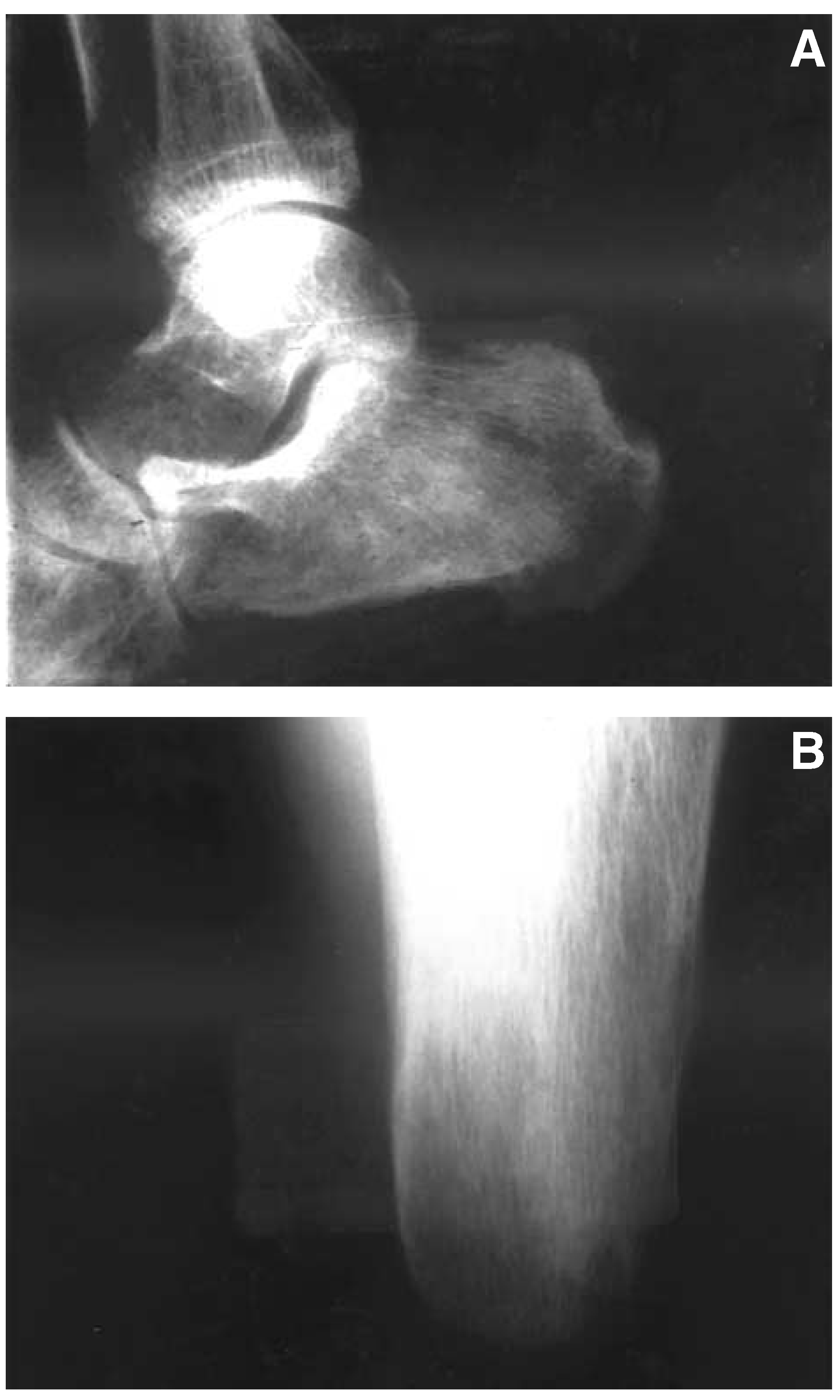
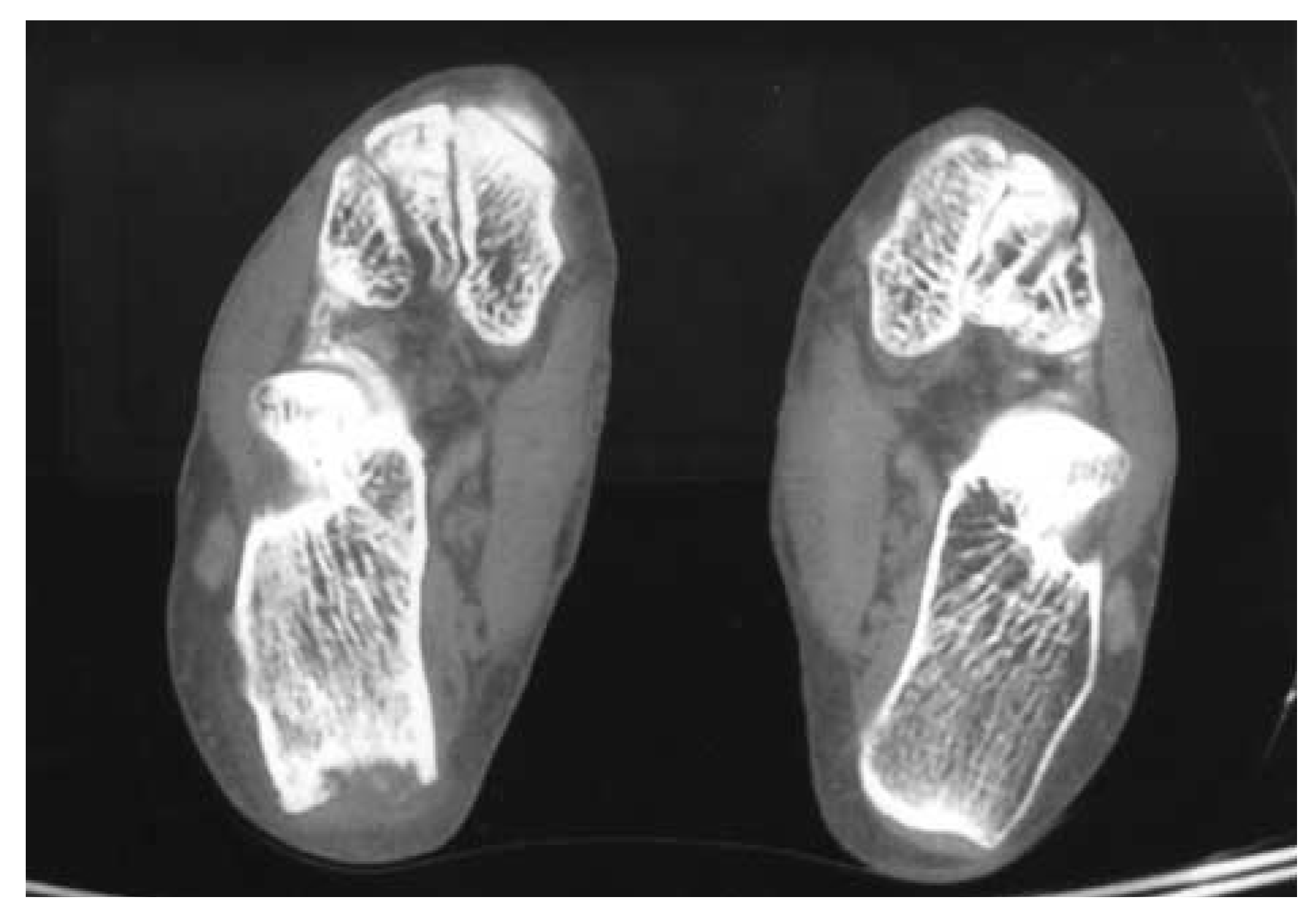
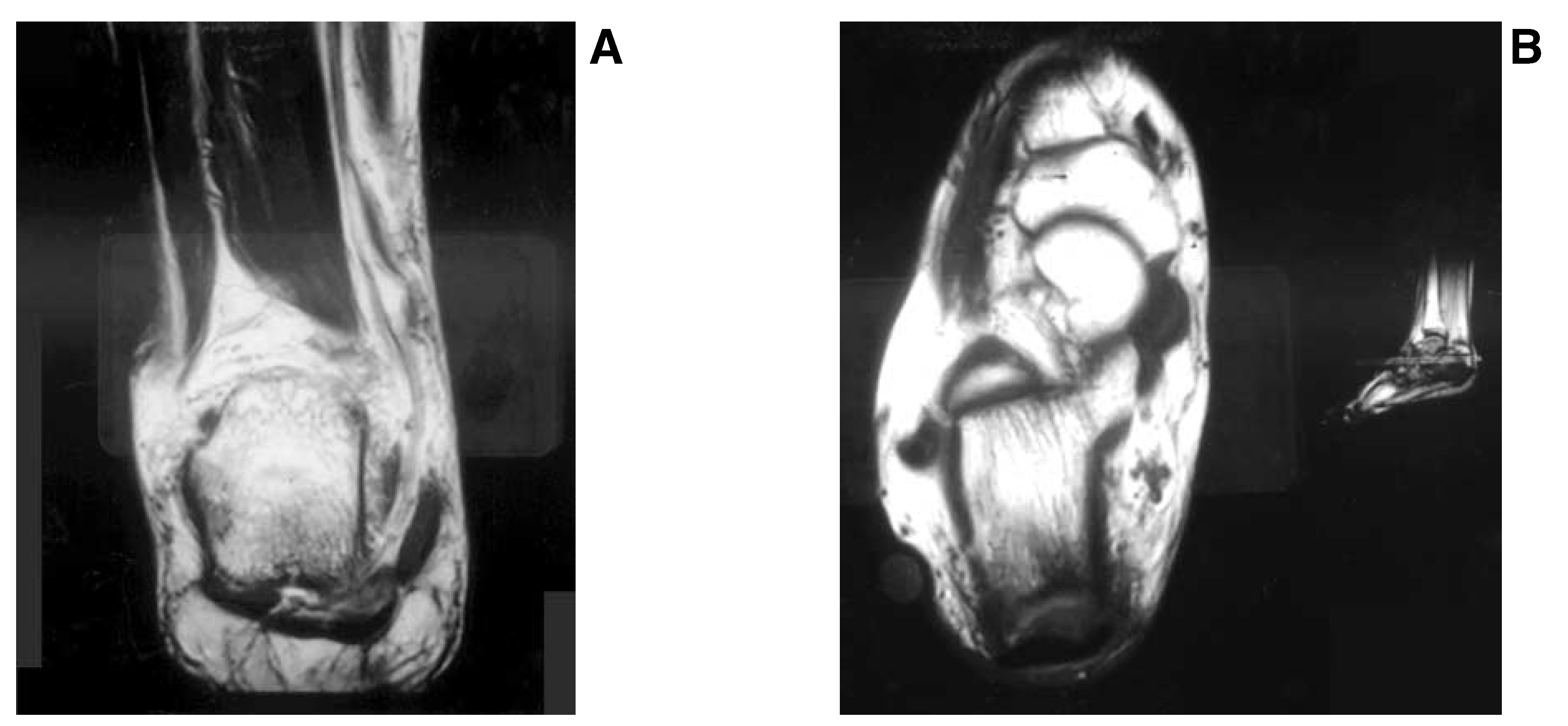
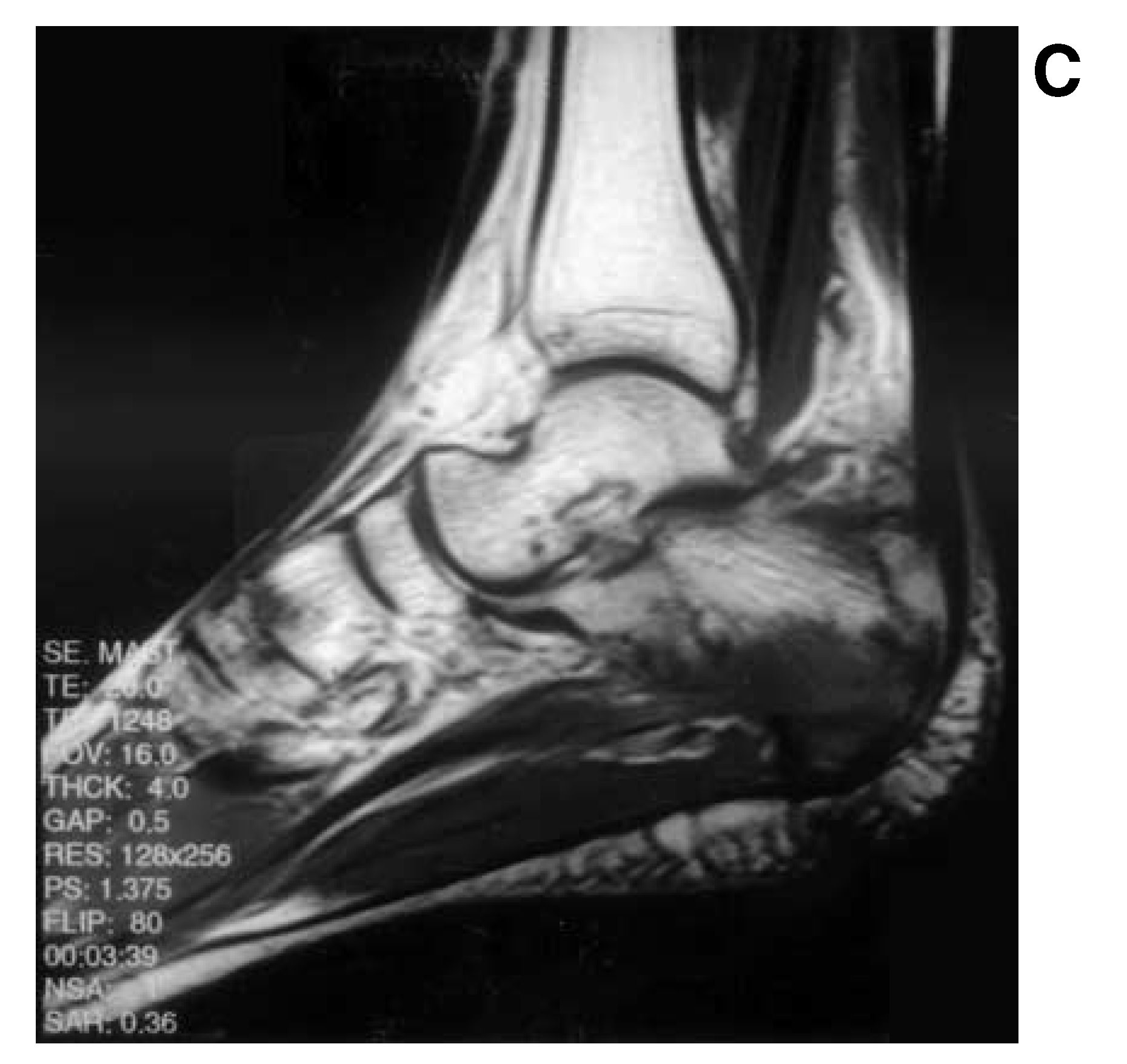
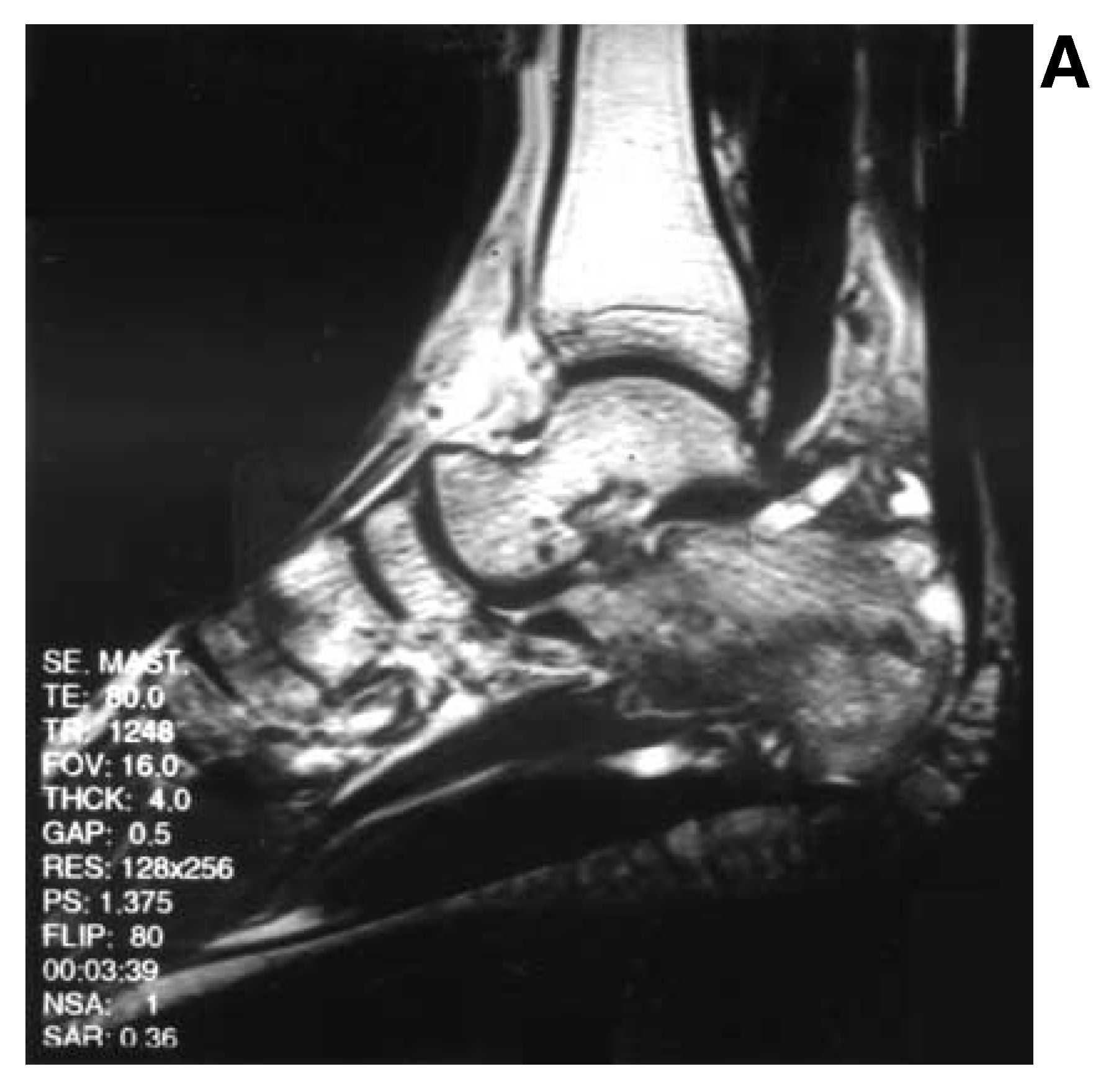
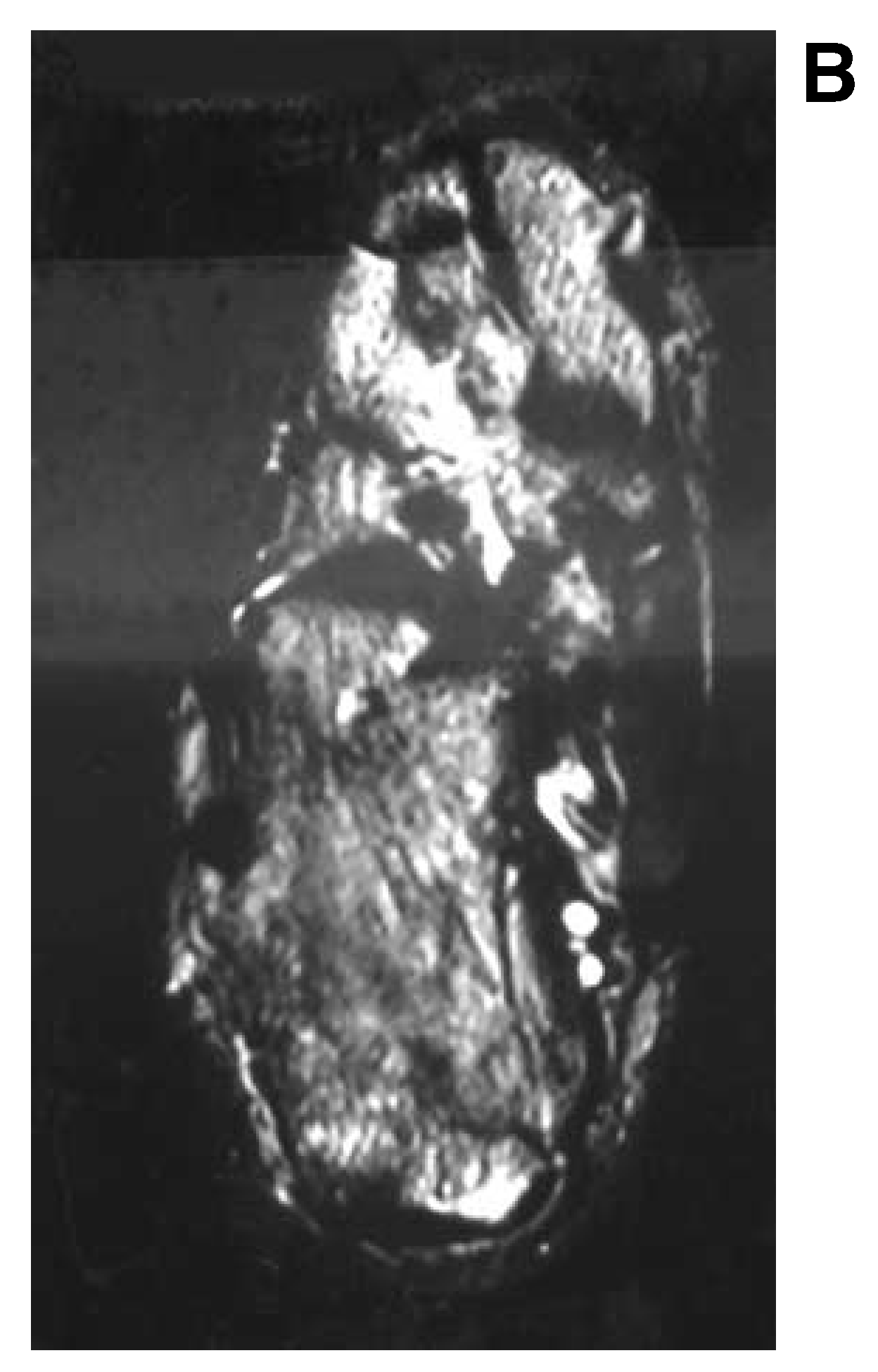
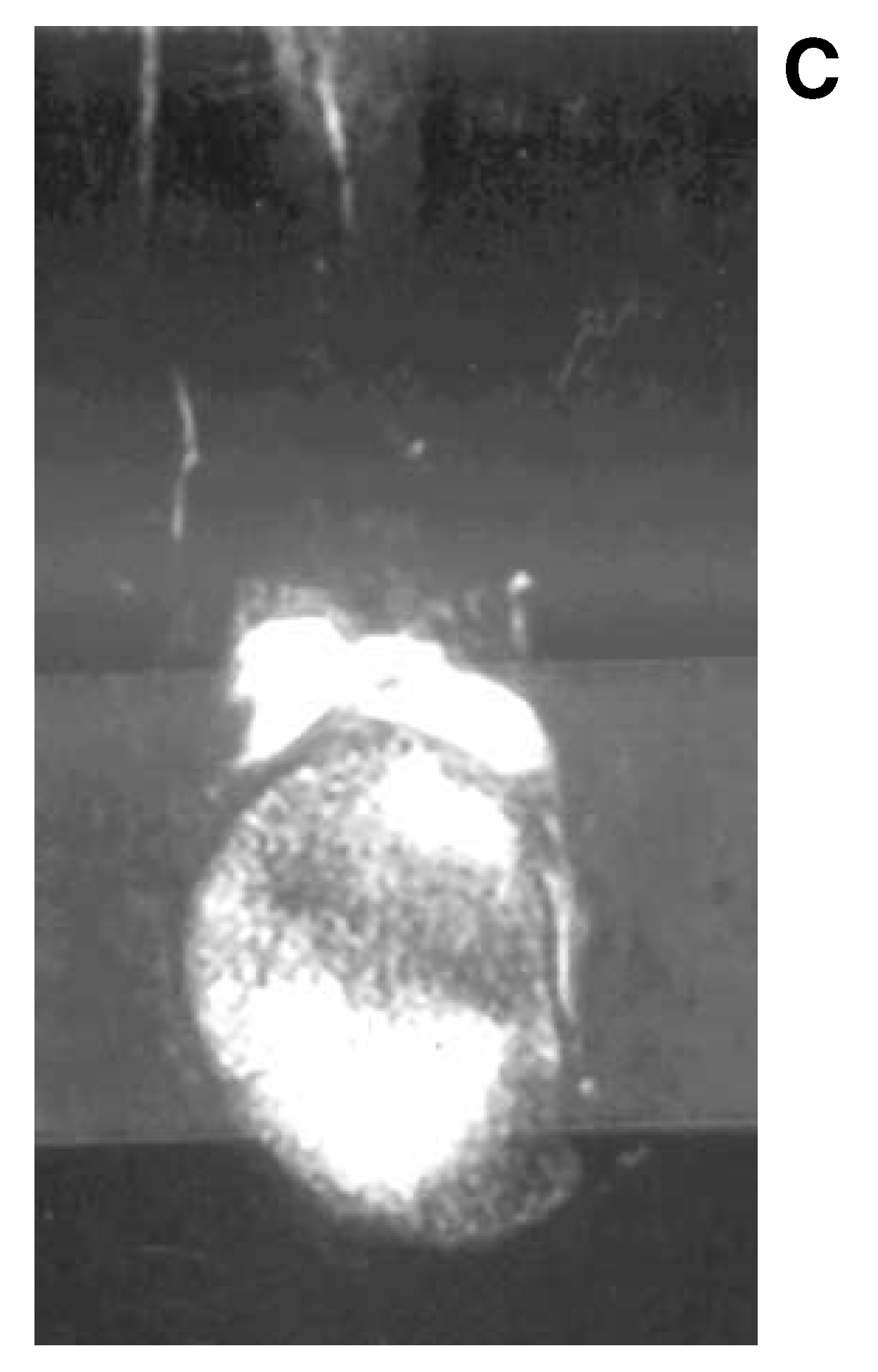
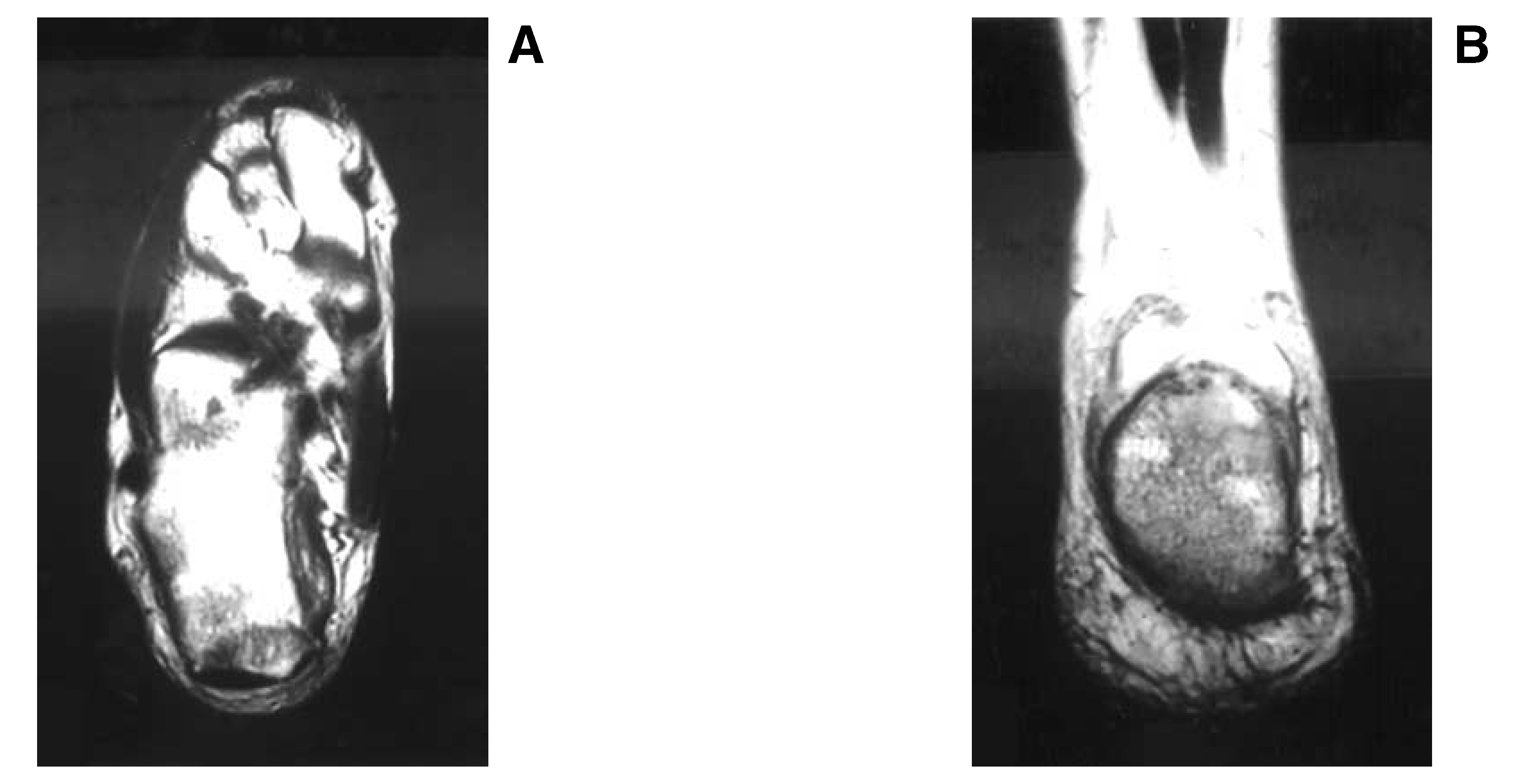
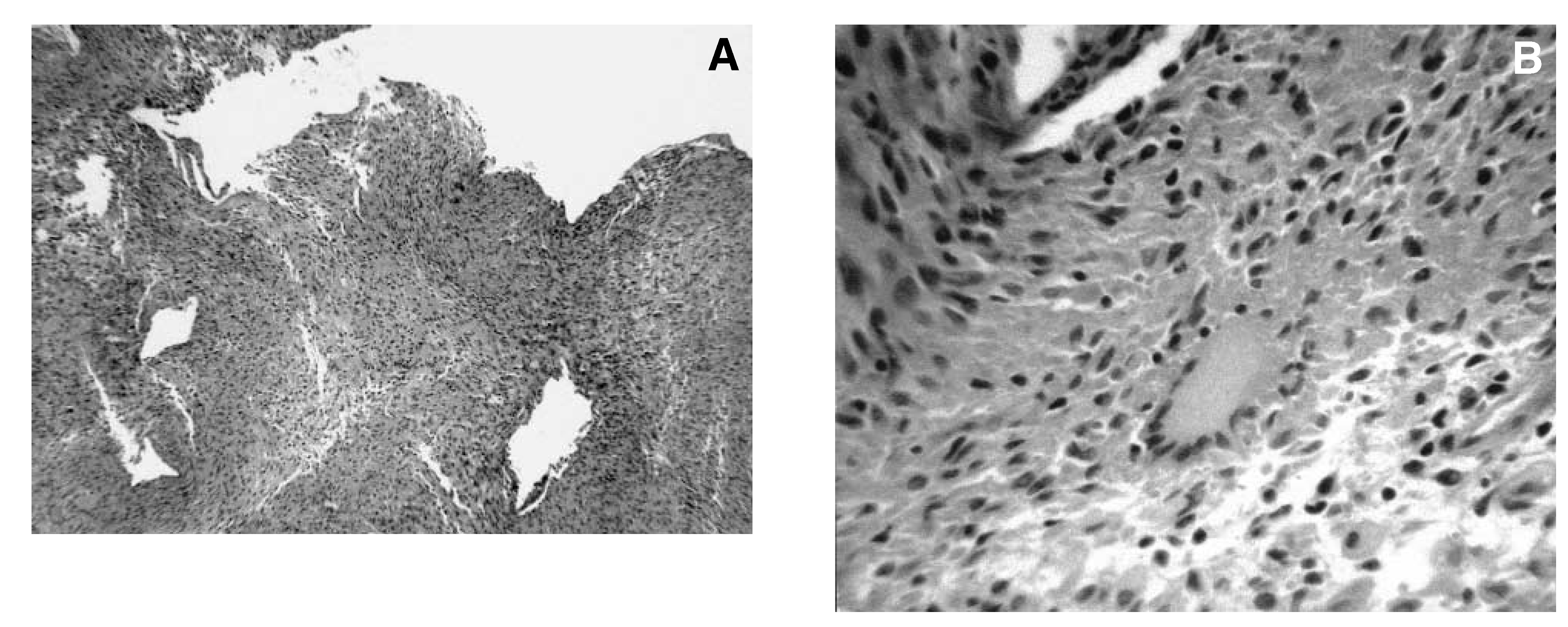
A 35-year-old female practicing nurse had had pain in her right heel since she was involved in a motor vehicle accident 9 months before her presentation. Recently, she noticed a mass in her heel. Her medical history was unremarkable. She exercised regularly and took naproxen for pain. Physical examination revealed a healthy-looking woman in no acute distress who walked with a limp on the right side. Examination of the foot revealed a diffuse, tender, fluctuant mass involving the posterior, medial, and inferior aspects of the calcaneus. The mass was not inflamed or pulsatile. The remainder of the examination of the foot was unremarkable. Laboratory studies and a radiograph of the chest revealed normal findings. Radiographs of the right ankle showed focal erosion of the posterior margin of the calcaneus just proximal to the insertion of the Achilles tendon, with lytic changes adjacent to the erosion (Fig. 1). Computed tomography demonstrated the cortical erosion (Fig. 2). Magnetic resonance imaging was performed at another institution, and multiple sequences of the study revealed signal intensities consistent with an enlarged, inflamed retrocalcaneal bursa measuring approximately 2.5 × 2.0 × 1.0 cm and a focal infiltrative process approximately 3 cm in diameter in the posterior aspect of the calcaneus, with soft-tissue extension (Fig. 3, Fig. 4 and Fig. 5). Anatomically, the bursa is adjacent and very close to the posterior margin of the calcaneus, where the bone erosion and focal infiltration had occurred. Hence, the possibility of a neoplastic process was excluded. The radiologic diagnosis, therefore, was centered on an inflammatory infectious process. An open biopsy was performed through an incision made just anterior to the insertion of the Achilles tendon on the medial aspect of the ankle. The enlarged retrocalcaneal bursa was opened, and turbid fluid extruded from the bursa. The synovium and the tissue around the bone defect were sent for frozen section. Both were interpreted as granulomatous tissue. The granulomatous processes around the bone erosion and in the bursa were debrided, and the wound was closed. Fresh tissue was sent for culture for acid-fast bacilli. Histologic examination of the soft tissues showed necrotizing epithelioid granulomata (Fig. 6), and Mycobacterium tuberculosis grew on cultures of a tissue specimen.
For 6 months after the operation, the patient received daily antituberculous chemotherapy consisting of isoniazid (300 mg), rifampin (300 mg), pyrazinamide (500 mg), and pyridoxine (50 mg). The patient was followed up every 2 months. By 2 months after the operation, the swelling had resolved completely. At 9 months, she was in good health and without a limp or pain.

Discussion

Isolated and selective hematogenous or osteoarticular tuberculous infection of the calcaneus without articular involvement is rarely seen [9-11]. Occasionally, tuberculous bursitis may spread to involve an adjacent bone, most commonly the greater trochanter through the trochanteric bursa [16,17].
The synovial membrane of a tendon sheath and bursa is a rare site of tuberculous involvement [16,17]. The diagnosis is usually made on the basis of histologic and bacteriologic examination of the material obtained at surgery [18,19]. Tuberculous tenosynovitis has been seldom described in the literature [16-19], and usually it results from hematogenous spread [17]. When a bursa is infected, its size increases owing to increased bursal fluid, and its wall becomes thickened, forming part of the abscess capsule [20]. Tuberculous bursitis may affect any site, but it is more common in bursae subjected to frequent trauma (ie, trochanteric and olecranon bursae) [21]. In two different studies [16,22], the trochanteric bursa had the highest prevalence of involvement. There are sporadic reports of tuberculous bursitis that involved the prepatellar [23], subdeltoid [24], and ischiogluteal [25] bursae. To the best of our knowledge and after a thorough search of the world literature, we know of no report describing involvement of the retrocalcaneal bursa by tuberculosis. As the retrocalcaneal bursa lies between the posterior margin of the calcaneus and just proximal to the insertion of the Achilles tendon, we assume that the thrust of the largest tendon in the body against a bony wall may inflict repetitive trauma to the squeezed bursa in its tight space, mimicking the mechanism that occurs in the trochanteric and prepatellar bursae [21]. Our patient was a young, healthy-looking woman with no history of pulmonary or extrapulmonary tuberculosis. She was immunocompetent. Her radiographs and other imaging studies were suggestive of tuberculosis but not conclusive. The MRI findings were consistent with focal cortical erosion and bone destruction with soft-tissue extension. As there is no pathognomonic finding in MRI that differentiates tuberculosis from other skeletal infections or neoplasms, and in view of the age of the patient, the differential diagnosis we suggested included bacterial infection, histiocytosis, lymphoma, and metastatic disease. As the posterior margin of the calcaneus is in close proximity to the retrocalcaneal bursa, we postulate that the tuberculous infection started hematogenously in the bursa, which enlarged markedly and finally turned into a cold abscess, and that the calcaneus was infected by direct extension, which is the same mechanism occurring in superficial bursae (ie, trochanteric and prepatellar) [15]. Therefore, the possibility of neoplasia was ruled out and the diagnosis was confirmed histopathologically and by culture. Although the etiology of tuberculous infection of the calcaneus is either hematogenous or osteoarticular, it rarely occurs by direct extension through the retrocalcaneal bursa, as in our case.
Necrotizing granulomata is strong presumptive evidence of tuberculosis. Confirmation requires the demonstration of acid-fast bacilli by special stains or growth of M tuberculosis on culture.
Tuberculosis remains a major public health problem. It is axiomatic that before the disease can be treated it must be diagnosed, and before this is possible it must be considered as part of the differential diagnosis. As tuberculous lesions may be mistaken for neoplasms, a small amount of fresh specimen should always be cultured, even if the clinical diagnosis of a tumor seems likely.


References

  1. Centers for Disease Control. Tuberculosis Statistics in the United States 1989; HHS Publication No. [CDC] 91-8322; Public Health Service: Atlanta, GA, USA, 1991. [Google Scholar]
  2. Summary of notifiable diseases, United States—1991. MMWR Morb. Mortal. Wkly. Rep. 1992, 40, 1.
  3. Watts, H.G.; Lifeso, R.M. Tuberculosis of bone and joints: current concepts review. J. Bone Joint Surg. Am. 1996, 78, 288. [Google Scholar] [CrossRef]
  4. Reider, H.L.; Cauthen, G.M.; Comestock, G.W.; et al. Epidemiology of tuberculosis in the United States. Epidemiol. Rev. 1989, 11, 79. [Google Scholar] [CrossRef]
  5. Abdelwahab, I.F.; Kenan, S.; Hermann, G.; et al. Atypical skeletal tuberculosis mimicking neoplasm. Br. J. Radiol. 1991, 64, 551. [Google Scholar] [CrossRef]
  6. Goldblatt, M.; Cremin, B.J. Osteo-articular tuberculosis: its presentation in coloured races. Clin. Radiol. 1978, 29, 669. [Google Scholar] [CrossRef] [PubMed]
  7. Chapman, M.; Murray, R.O.; Stoker, D.J. Tuberculosis of bone and joints. Semin. Roentgenol. 1979, 24, 266. [Google Scholar] [CrossRef] [PubMed]
  8. Abdelwahab, I.F.; Present, D.A.; Zwass, A.; et al. Tumorlike tuberculous granulomas of bone: a case report. AJR Am. J. Roentgenol. 1987, 149, 1207. [Google Scholar] [CrossRef] [PubMed][Green Version]
  9. Manzella, J.P.; Vanvoris, L.P.; Hruska, J.F. Isolated calcaneal tuberculous osteomyelitis. J. Bone Joint Surg. Am. 1979, 16, 946. [Google Scholar] [CrossRef]
  10. Richter, V.P.; Könler, G.; Michels, P. Tuberculöse Kalkaneusherde, ihre Behandlung und Diferential diagnose. Fortschr. Röentgenstr 1981, 135, 583. [Google Scholar] [CrossRef]
  11. Velasco Dominguez, E.; Garcia Velasco, P.; Arranz Velasco, J.L.; et al. Osteitis tuberculosus del calcáneo. Rev. Clin. Esp. 1981, 161, 251. [Google Scholar]
  12. Dhillon, M.S.; Singh, P.; Sharma, H.; et al. Tuberculous osteomyelitis of the cuboid: a report of four cases. J. Foot Ankle Surg. 2000, 39, 329. [Google Scholar] [CrossRef] [PubMed]
  13. Mittal, R.; Gupta, V.; Rastogi, S. Tuberculosis of the foot. J. Bone Joint Surg. Br. 1999, 81, 997. [Google Scholar] [CrossRef]
  14. Dhillon, M.S.; Sharma, S.; Gill, S.S.; et al. Tuberculosis of bones and joints of the foot: an analysis of 22 cases. J. Foot Ankle Surg. 1993, 14, 505. [Google Scholar] [CrossRef] [PubMed]
  15. Martini, M.; Adjrad, A.; Boudjemaa, A. Tuberculous osteomyelitis. Int. Orthop. 1986, 10, 201. [Google Scholar] [CrossRef]
  16. Jaovisidha, S.; Chen, C.; Ryu, K.N.; et al. Tuberculous tenosynovitis and bursitis: imaging findings in 21 cases. Radiology 1996, 201, 507. [Google Scholar] [CrossRef]
  17. Briede, P.C. Tuberculosis of the greater trochanter and its bursa. Radiology 1945, 44, 32. [Google Scholar] [CrossRef]
  18. Bickel, W.H.; Kimbrough, R.F.; Dahlin, D.C. Tuberculous tenosynovitis. JAMA 1953, 151, 31. [Google Scholar] [CrossRef]
  19. Abdelwahab, I.F.; Kenan, S.; Hermann, G.; et al. Tuberculous peroneal tenosynovitis. J. Bone Joint Surg. Am. 1993, 75, 1687. [Google Scholar] [CrossRef]
  20. Ahlberg, A. Tuberculosis of the greater trochanter and trochanteric bursae. Acta Chir. Scand. 1948, 97, 201. [Google Scholar]
  21. Bocanegra, T.S. Mycobacterial, Fungal and Parasitic Arthritides. In Rheumatology; Klippel, J.H., Dieppe, P.A., Eds.; Mosby–Year Book: London, UK, 1994; p. 5.1. [Google Scholar]
  22. Meyerding, H.W.; Mroz, R.J. Tuberculosis of the greater trochanter. JAMA 1993, 17, 1308. [Google Scholar] [CrossRef]
  23. Schickendantz, M.S.; Watson, J.T. Mycobacterial prepatellar bursitis. Clin. Orthop. 1900, 258, 209. [Google Scholar] [CrossRef]
  24. Kenin, A. Tuberculosis of the subdeltoid bursa. Bull. Hosp. Joint Dis. 1950, 11, 128. [Google Scholar] [PubMed]
  25. Chafetz, N.; Genant, H.K.; Hoagland, F.T. Ischiogluteal tuberculous bursitis with progressive bony destruction. J. Can. Assoc. Radiol. 1982, 33, 119. [Google Scholar] [PubMed]
Figure 1. Lateral (A) and axial (B) radiographic views of the right ankle showing focal cortical erosion of the posterior margin of the calcaneus just above the insertion of the Achilles tendon with focal bone destruction. The subtalar and calcaneocuboid joints are intact.
Japma 95 00285 g001
Figure 2. Computed tomographic semicoronal slice demonstrating the posterior cortical erosion and focal destruction of the right calcaneus with slight soft-tissue swelling on the posteromedial aspect of the calcaneus.
Japma 95 00285 g002
Figure 3. Magnetic resonance images of the right calcaneus. A, Coronal T1-weighted image demonstrating the tuberculous process as a focal, ill-defined, homogeneous, low-intensity signal involving the posteroinferior aspect of the calcaneus. Note the stretching of the Achilles tendon mostly by the enlarged retrocalcaneal bursa. B, Axial T1-weighted image showing the same low-intensity signal. Note that the medial part of the Achilles tendon has lost its smooth, regular anterior margin and half of its substance secondary to the granulomatous disease. C, Sagittal proton-density image demonstrating the interruption of the cortical margin just proximal to the insertion of the Achilles tendon with low-intensity signal of the posteroinferior aspect of the calcaneus.
Japma 95 00285 g003aJapma 95 00285 g003b
Figure 4. Magnetic resonance images of the right calcaneus. A, Sagittal fast spin-echo, low T2-weighted image with fat saturation showing signal of increased intensity replacing the low-intensity signal shown on the T1-weighted image. Note the enlarged retrocalcaneal bursa demonstrated by a bright signal. B, Axial fast spin-echo T2-weighted image with fat saturation showing a heterogeneous signal of increased intensity replacing the low signal intensity shown on the T1-weighted image. C, Coronal fast spin-echo T2weighted image with fat saturation just anterior to the Achilles tendon revealing the enlarged retrocalcaneal bursa as a sharply defined, round, bright signal.
Japma 95 00285 g004aJapma 95 00285 g004bJapma 95 00285 g004c
Figure 5. Magnetic resonance images of the right calcaneus. A, Axial T1-weighted image after intravenous injection of 6 cm2 of gadopentetate dimeglumine without fat saturation showing enhancement of the posterior margin of the calcaneus, which showed low signal on the T1-weighted image. B, Coronal T1-weighted image just anterior to the Achilles tendon after injection of gadopentetate dimeglumine without fat saturation showing the enlarged retrocalcaneal bursa. Note the central low-intensity signal representing fluid surrounded by the thick, bright signal representing the “rim sign” of the cold abscess.
Japma 95 00285 g005
Figure 6. A, Low-power photomicrograph showing synovial tissue infiltrated and replaced by granulomatous infiltrate (×40). B, High-power photomicrograph of synovial infiltrate showing epithelioid histiocytes and a Langhans’type multinucleated giant cell (center) typical of tuberculosis (×400).
Japma 95 00285 g006