In 1876, Thomas Morton [
1] described the concept of compressive neuropathy of the plantar interdigital nerves. This affliction is observed in all adult age groups and is predominantly found in women. Keh et al [
2] reported that 88% of cases in the age range of 30 to 86 years occur in women. Mann and Reynolds [
3] reported a figure of 95% for a similar age range. This predominance in females is probably due to the type of footwear often chosen by women (narrow, tight, and high-heeled), which leads to great compression of the metatarsal heads and any nearby structures.
Other etiologies have been proposed since Morton’s original description of compressive neuropathy, but none has confirmed the pathophysiology of this condition. Betts [
4] described a biomechanical etiology. As the digits dorsiflex and the short flexor muscle contracts, the intermetatarsal neurovascular structures are stretched under the deep transverse intermetatarsal ligament. Betts found a significant enlargement of the nerve with an abundance of fibrous tissue. Graham and Graham [
5] provided a microscopic description of symptomatic nerves that had been resected and reported an increase in the number of blood vessels just distal to the deep transverse intermetatarsal ligament. They also reported an enlargement of individual nerve fascicles just distal to the deep transverse intermetatarsal ligament. Other authors have also implicated the distal aspect of the deep transverse intermetatarsal ligament as the main area of constriction, as well as vascular congestion, edema, fibrosis, nerve fiber degeneration, increased nerve width, and an inflamed intermetatarsal bursa. [
5-
8]
Diagnosis
Patients generally present with the chief complaint of a burning sensation and a feeling that a pebble is lodged in their shoe under the affected metatarsal heads. They often report that removing the shoe and massaging the affected area provides relief. The third interspace is most commonly affected, but the second interspace may also be involved. Focal paresthesia is often present and may be aggravated by footwear and walking. Tight, narrow shoes, especially those with an elevated heel, become nearly impossible to wear because of the pain.
Application of direct pressure to the affected interspace may reproduce the pain and paresthesia. Gauthier’s test may reproduce pain or result in sensory aberration. This test is performed by firmly compressing the metatarsal heads together while actively dorsiflexing and plantarflexing the digits for 30 sec. [
6] This clinical test is highly sensitive for evaluating a nerve compression syndrome. Mulder’s test is performed by applying medial-to-lateral compression of the first through fifth metatarsal heads while applying dorsal-to-plantar pressure. The result is often a painful, palpable click in the affected intermetatarsal space with reproduction of the patient’s symptoms. [
9,
10] However, a positive Mulder’s test is not always indicative of a neuroma. The click may be attributed to movement of a tendon or a bursa sac or compression of the metatarsal heads.
A complete history must be obtained and a thorough physical examination performed to establish a working differential diagnosis and to rule out other disorders with similar presenting symptoms. The metatarsal heads, including the plantar plate, should be carefully examined for signs of metatarsalgia and plantar plate strain or rupture. Weightbearing plain film radiographs are usually normal but should be obtained to rule out other pathologic conditions of the metatarsal bones. Magnetic resonance imaging (MRI) can also be used for diagnosis. The neuroma shows up as a well-demarcated mass of low signal intensity on a T1-weighted image. [
11,
12] However, the cost of MRI limits its usefulness in the diagnosis of this condition. High-resolution ultrasound seems to provide a more economical alternative to assist in the diagnosis. Its reported accuracy is as high as 98%, but it appears to be highly dependent on the operator. [
12-
14]
Treatment
Conservative Treatment
All patients should be treated conservatively for an adequate period of time (up to 12 weeks). Initial treatment can include a change in footwear to a shoe with a wide toe box and avoidance of high heels. Placement of a metatarsal pad proximal to the metatarsal heads may also be beneficial. A low-Dye strapping may be applied, with or without a metatarsal pad, to provide additional support. Nonsteroidal anti-inflammatory drugs may provide some benefit, but a more aggressive approach is generally required to achieve an anti-inflammatory effect. Up to three injections of a corticosteroid of choice and local anesthetic may be made in the affected intermetatarsal area at 1- to 3-week intervals. To avoid soft-tissue degradation and fat pad atrophy, no more than three injections should be administered.
Surgical Treatment
The persistence of pain following a course of conservative treatment leads to surgical options. Patients should be made aware that surgical intervention does not guarantee complete resolution of symptoms. Various surgical procedures have been described, including complete resection of the affected nerve through a dorsal or plantar approach. Mann and Reynolds [
3] reported a success rate of up to 80% with resection of the nerve and described decompression of the affected nerve by means of sectioning of the deep transverse intermetatarsal ligament in combination with external neurolysis. Gauthier [
6] performed this procedure with an 83% improvement of symptoms, and Dellon [
15] found that 80% of the patients obtained relief.
The authors of the current article propose a modification of the decompression method of Gauthier and Dellon to include relocation of the nerve above the level of the deep transverse intermetatarsal ligament and the epicondyles of the adjacent metatarsal heads.
The Modification
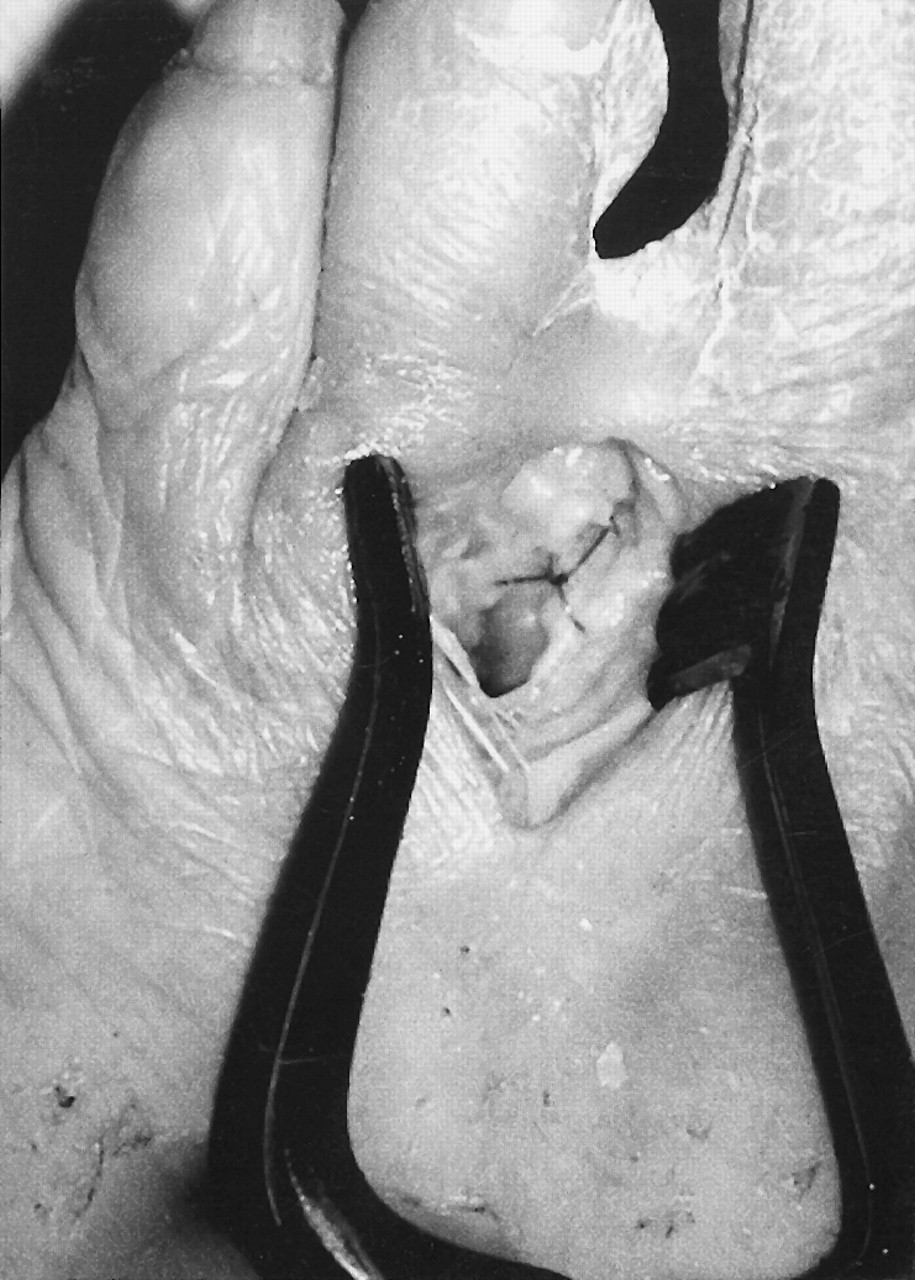
The patient is placed supine on the operating table, with no ankle tourniquet applied. The affected intermetatarsal space is identified, and a dorsal linear skin incision of 2 to 4 cm is made between and proximal to the metatarsal heads. The superficial fascia is bluntly dissected until the deep transverse intermetatarsal ligament is identified. A blunt dissector is then placed deep to the ligament and the ligament is sectioned. By pressing from the plantar aspect between the metatarsal heads, the nerve is exposed (
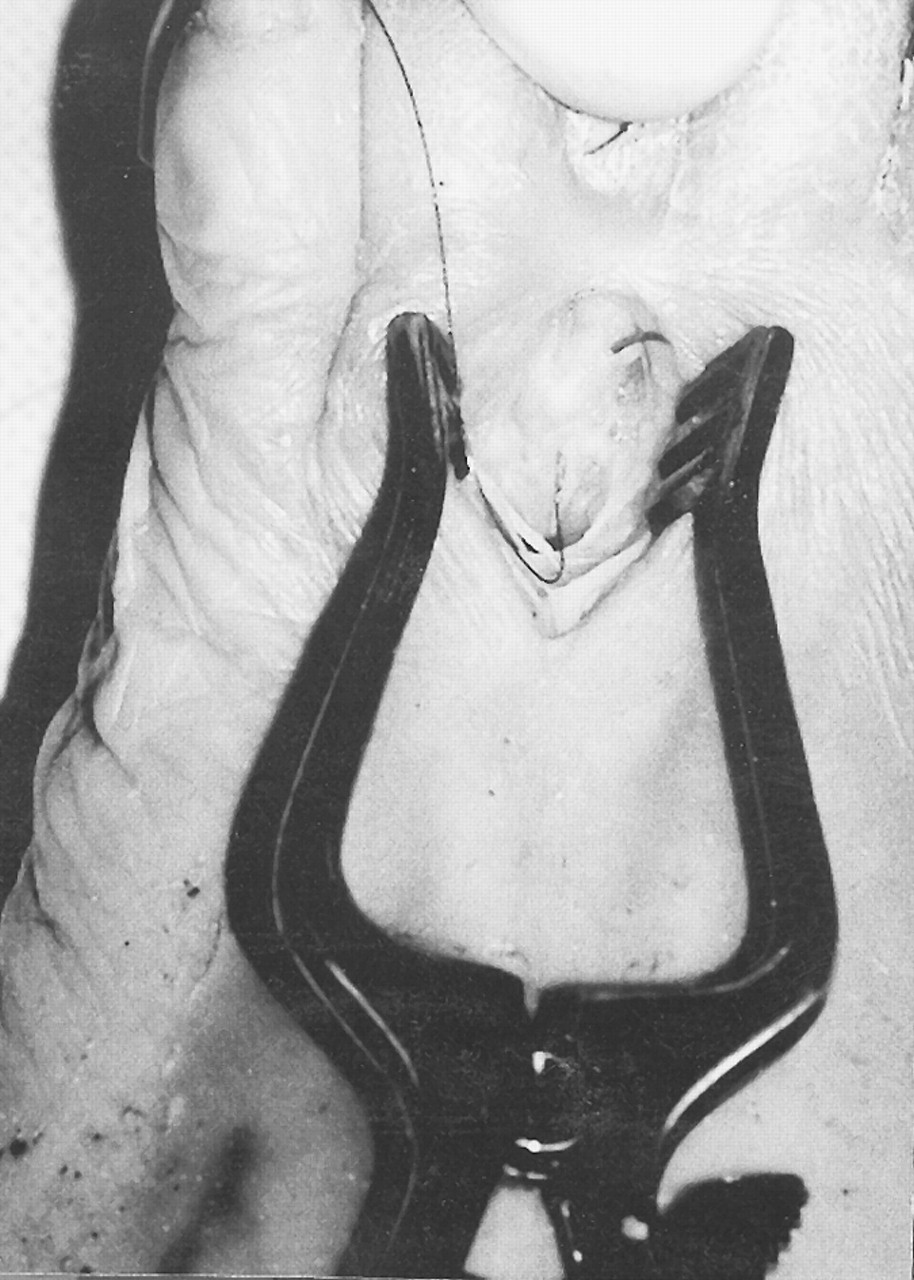
Figure 1). It is important to note that the digital branches are not identified or manipulated in any way. A 6-0 Prolene suture (Ethicon, Somerville, New Jersey) is placed longitudinally through the epineurium of the exposed nerve to prevent impingement of any nerve fascicles (
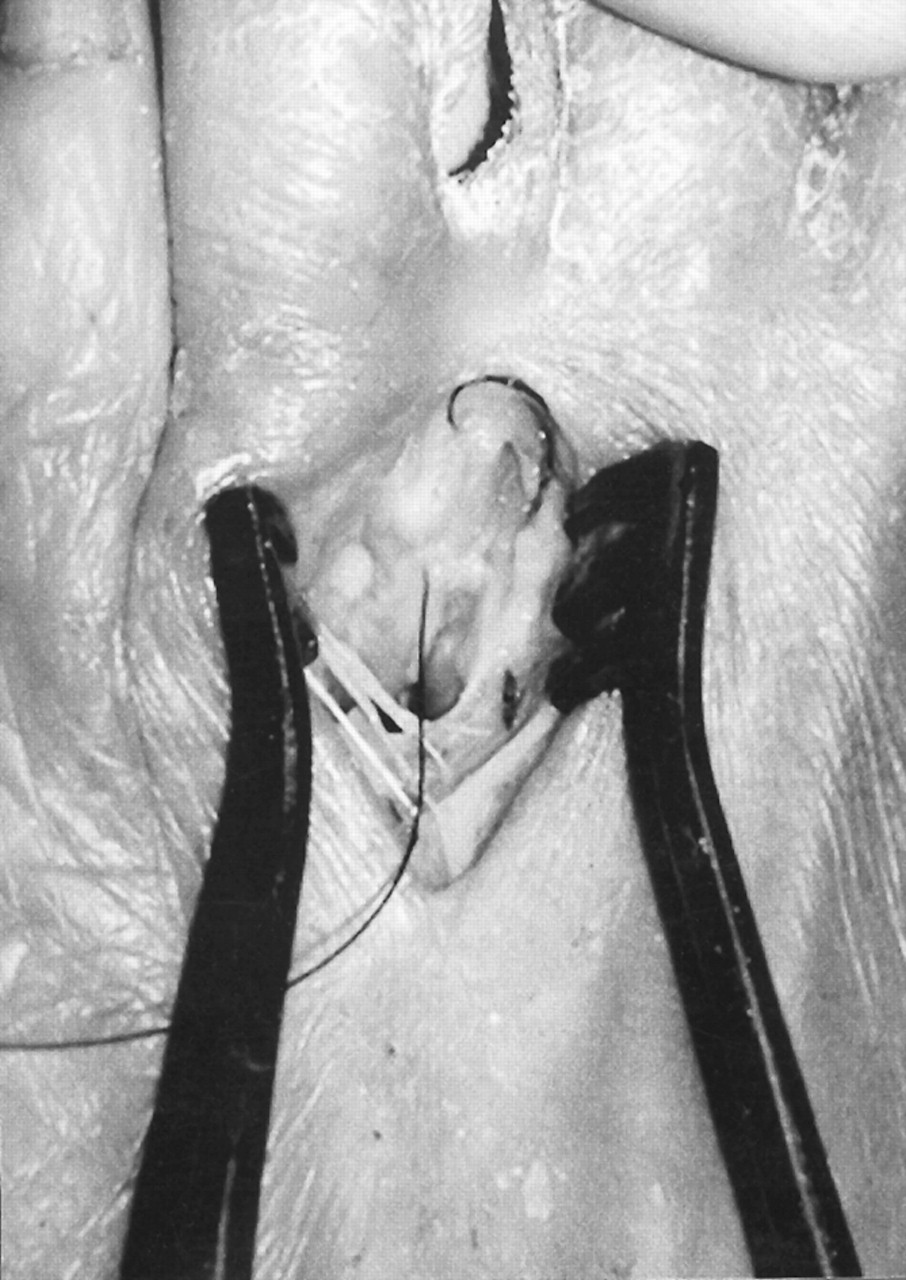
Figure 2). This suture is passed through and tied to the deep fascia/periosteum of the adjacent metatarsal (
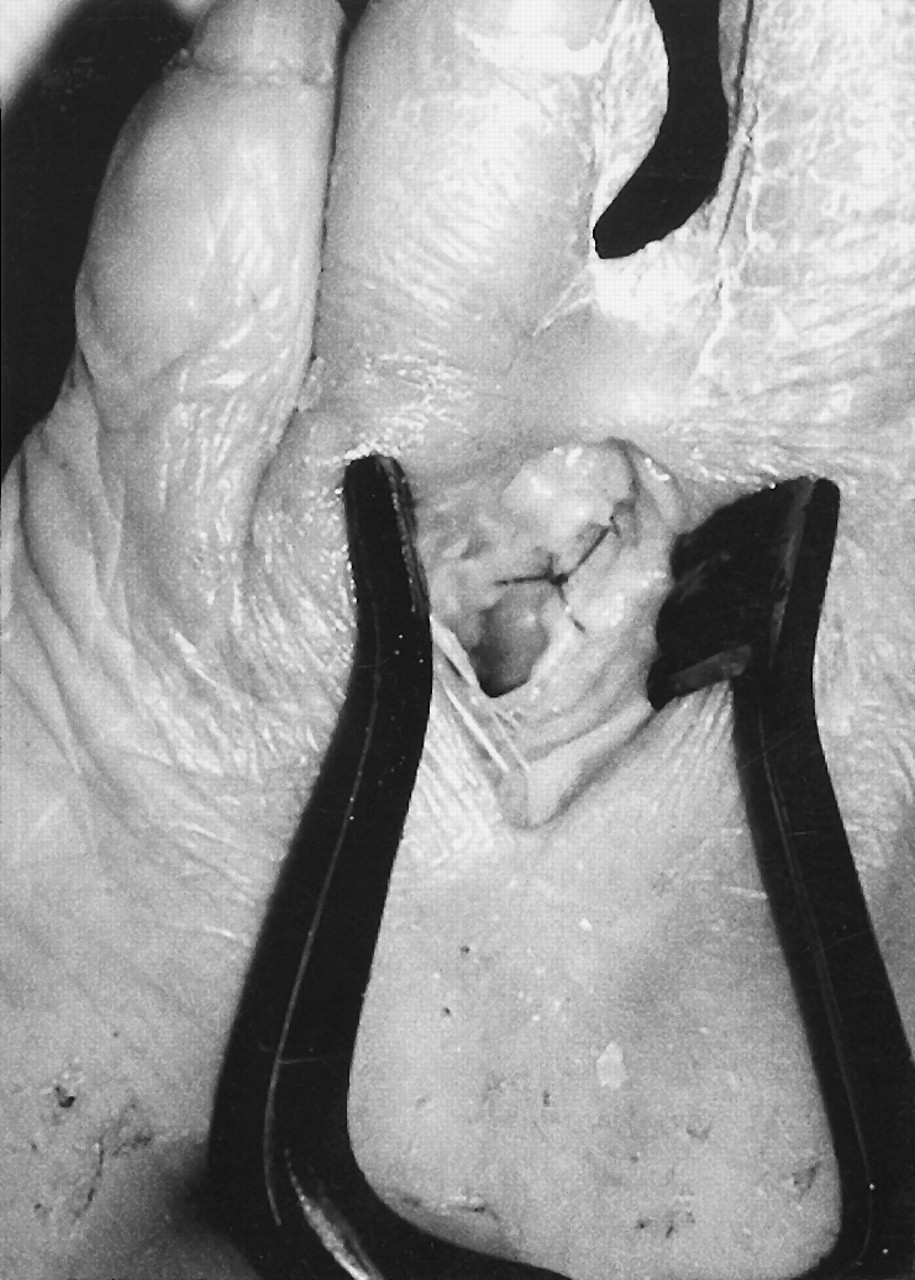
Figure 3). The result is that the decompressed nerve is relocated above the level of the deep transverse intermetatarsal ligament and the epicondyles of the adjacent metatarsals (
Figure 4). The deep transverse intermetatarsal ligament is not repaired. Closure of the superficial fascia and skin is achieved with the suture of choice. The patient is instructed to remain nonweightbearing and to keep the affected foot elevated for 36 hours postoperatively. Partial weightbearing with a surgical shoe is permitted for a minimum of 1 week, and the patient is then allowed to wear shoes as tolerated. The wound should be kept clean and dry for the first 2 weeks after surgery. The sutures are removed after 2 weeks and the patient is then allowed to perform any tolerable activity.
Results
Eighty-two nerve decompression and relocation procedures were performed on 78 patients from 1991 to 2001. The mean age of the patients was 46 years (range, 25 to 56 years), and 52 of them were female. The third interspace was involved in 73 procedures, while 9 procedures involved the second interspace. The Gauthier test was positive in 69 of the 78 patients. Forty-six patients had a positive Mulder’s test. Conservative treatment was administered to all patients prior to surgery. A minimum of two, but no more than three, injections of dexamethasone sodium phosphate (Decadron; American Regent Laboratories, Inc, Shirley, New York), bupivacaine 0.5% (Marcaine; Abbott Laboratories, North Chicago, Illinois), and lidocaine 1% (Xylocaine; Abbott Laboratories) were given in a series. No long-lasting relief was obtained. Shoe modifications, padding with low-Dye strapping, and physical therapy were also used. The average length of conservative treatment was 4 months. The longest follow-up period to date is 10 years, 8 months. Thus far, 78 of the 82 procedures (95%) have provided complete relief of symptoms. Four patients had a reduction of pain and paresthesia but not complete relief. These four patients went on to have neurectomies after approximately 4 additional months of conservative treatment. Relief of pain was achieved in an average of 7 days after surgery. All patients began weightbearing in a surgical shoe within 3 days of surgery. Within 8 days, all patients were able to tolerate full weightbearing in an athletic shoe with a wide toe box. Full sensation returned to the affected digits an average of 5 weeks postoperatively (range, 15 to 56 days).
Discussion
Resolution of symptoms was achieved in 95% of the patients with decompression and relocation of the affected nerve. Virtually no complications were observed. All patients quickly returned to normal footwear and activities. This procedure requires no more technical skills than those required to perform a neurectomy. A common concern has been the placement of the 6-0 Prolene suture within the epineurium of the nerve. The suture must be placed longitudinally to prevent impingement of nerve fascicles. No adverse effects of this technique have been observed to date. It has been questioned whether this suture is capable of securely holding the nerve in place. This question cannot be answered without reentering the surgical site. However, in the opinion of the authors the nerve is held securely. If the suture does not hold, the deep transverse intermetatarsal ligament and other soft tissues are likely to heal sufficiently to maintain the nerve in its surgically relocated position, above the level of the deep transverse intermetatarsal ligament and the epicondyles of the adjacent metatarsals. Mann and Reynolds [
3] performed further surgery on patients who had previously undergone sectioning of the deep transverse intermetatarsal ligament for interdigital neuritis and discovered that the ligament had repaired itself. They concluded that sectioning of the deep transverse intermetatarsal ligament alone would not provide adequate long-term relief of symptoms of interdigital neuritis. The authors believe that, given the results that have been achieved with nerve decompression and relocation, coupled with the relative ease of the surgical technique and the short time period required for patients to resume normal activities, this procedure should be the surgery of choice for the treatment of Morton’s neuroma or nerve compression syndrome, with neurectomy reserved for cases in which decompression and relocation have failed to bring relief of symptoms.