The center of pressure (COP) has been used in gait-analysis research since Elftman[
1] first described it in 1939 and has become increasingly popular with the advent of floor-mounted transducer matrix systems. When measured with such a platform system, the COP is defined as the centroid of the total number of active transducers for each data sample collected.
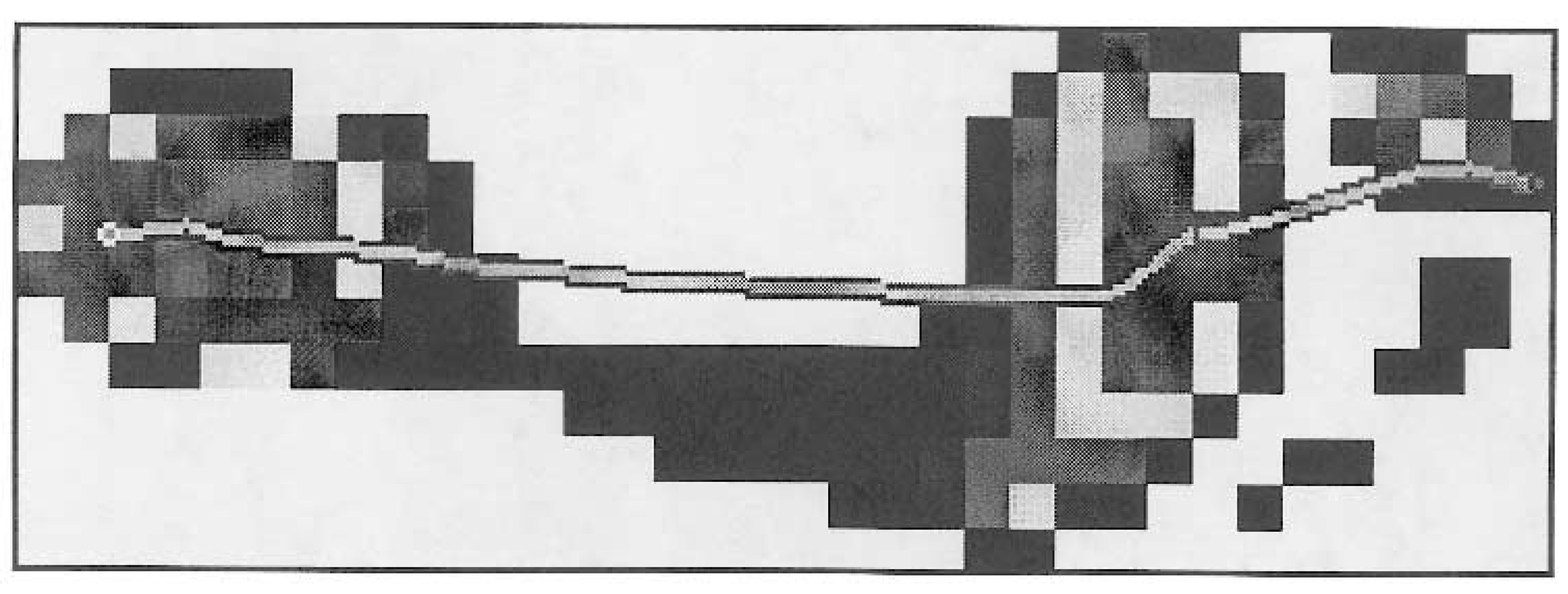
Analysis of the COP path or “gait line” during the stance phase of walking has been used in a variety of research studies (
Fig. 1). A common application has been to use the COP as a measure of the temporal loading of the foot during walking. Using the time that the COP falls within specific regions of the foot, the effect of various conditions and treatment interventions, such as hallux amputation,[
2] tibial nerve palsy,[
3] lower-extremity orthoses and prostheses,[
4-
6] and ankle strapping,[
7] have been studied. As an extension of this application, Cornwall and McPoil[
8] recently reported on the velocity of the COP path in a study involving 60 young, healthy individuals.
Figure 1.
A typical center-of-pressure pattern during the stance phase of walking.
Figure 1.
A typical center-of-pressure pattern during the stance phase of walking.
Another use of the COP measurement in gait analysis has been in the investigation of foot function. The rationale for such a use has been the theory that the COP path is a direct result of foot pronation and supination during walking.[
9,
10] On the basis of this theory, Katoh and associates[
11] proposed using the COP as a means of evaluating the efficacy of foot orthoses.
Using a technique proposed by Nigg,[
10] McPoil and associates[
9] used the COP pattern to investigate three different types of foot orthoses. By integrating the mediolateral area under the COP displacement time curve, they demonstrated that all three types of foot orthoses significantly reduced the mediolateral excursion of the COP if the individual had a forefoot valgus deformity. No significant change was found for individuals with a forefoot varus deformity.
In a later study, Scherer and Sobiesk[
12] theorized that the COP pattern would drift medially in an unstable (pronated) foot compared with a stable foot. The benefit of a functional foot orthosis could therefore be demonstrated by analyzing the mediolateral displacement of the COP. To quantify this mediolateral displacement, they calculated a ratio between the area lateral to the COP line and the area medial to the COP line. They termed this ratio the COP index (COPI). The results of their study indicated that for subjects with a high COPI (a medially displaced COP line), 92% had a reduction in the COPI value (a lateral shift of the COP line) when using a functional foot orthosis.
Despite the significant results reported in these studies, neither research group reported on the reliability or validity of their measurements. In 1998, McPoil and Cornwall[
13] found a very low between-trial reliability of the COP pattern integral measurement. To date, no data have been published regarding the validity of the COPI. With respect to the validity of the COP pattern being an indicator of foot function, the current authors could find no published data to support such an assumption. The COP pattern does enjoy face validity, as evidenced by its previous use and recommendation.[
9-
12] The purpose of this study was twofold: to investigate the between-trial reliability of two quantification measures of the COP pattern and to investigate the validity of such measurements relative to normal frontal plane motion of the foot during walking.
Methods
Subjects
Reliability. A total of 105 individuals (33 men and 72 women) aged 19 to 43 years (mean ± SD, 26.7 ± 5.3 years) served as subjects for this phase of the study. The subjects had a mean ± SD weight of 68.9 ± 13.2 kg and a mean ± SD height of 167.7 ± 13.8 cm.
Validity. For the validity phase of the study, 30 subjects (all women) aged 21 to 38 years were randomly selected from the 105 individuals who participated in the reliability phase of the study. Subjects in this phase had a mean ± SD age of 26.7 ± 4.7 years, a mean ± SD weight of 62.9 ± 6.7 kg, and a mean ± SD height of 164 ± 4.5 cm.
None of the subjects participating in either phase of the study had a history of congenital deformity, pain, or traumatic injury to either of their lower extremities within the 6 months preceding the start of the study. The institutional review board at Northern Arizona University, Flagstaff, approved this study, and all subjects provided informed consent before participation.
Instrumentation
Barefoot floor COP measurements were collected using an EMED-SF floor-mounted capacitance transducer matrix platform (Novel USA, Inc, Minneapolis, Minnesota). The platform has an active sensor area of 23 × 44 cm and 1,944 force transducers with a density of two sensors per square centimeter. The platform was positioned at the midpoint of a 6-m walkway and was calibrated by the manufacturer before the start of the study. The pressure data were sampled at 70 Hz.
Frontal plane movement of the calcaneus relative to the tibia, termed rearfoot motion, was used to assess the validity of the two COP measures. Rearfoot motion was measured using the 6D-RESEARCH electromagnetic motion-analysis system (Skill Technologies Inc, Phoenix, Arizona). This system is based on the Fastrak tracking device (Polhemus, Colchester, Vermont) and uses an electromagnetic transmitter with up to four electromagnetic sensors. The sensors measure 2.8 × 2.3 cm and have a mass of 17 g. The signals from each sensor are input into a digital signal processor that computes the sensor’s position and orientation relative to a transmitter. It has an effective accurate range of 76 cm from the transmitter. Within this range, it has an accuracy of 0.8 mm and 0.15° root mean square (RMS).[
14] Although a 76-cm radius is typically too small for recording a full walking stride, it is sufficient for analyzing the stance phase of a single limb.[
15] For the present study, the electromagnetic transmitter was positioned at a height of 96 cm, at the midway point of a 6.1-m raised walkway. The walkway was raised to a height of 76 cm to avoid any possible distortion of the electromagnetic fields caused by metal reinforcement in the laboratory’s concrete floor.
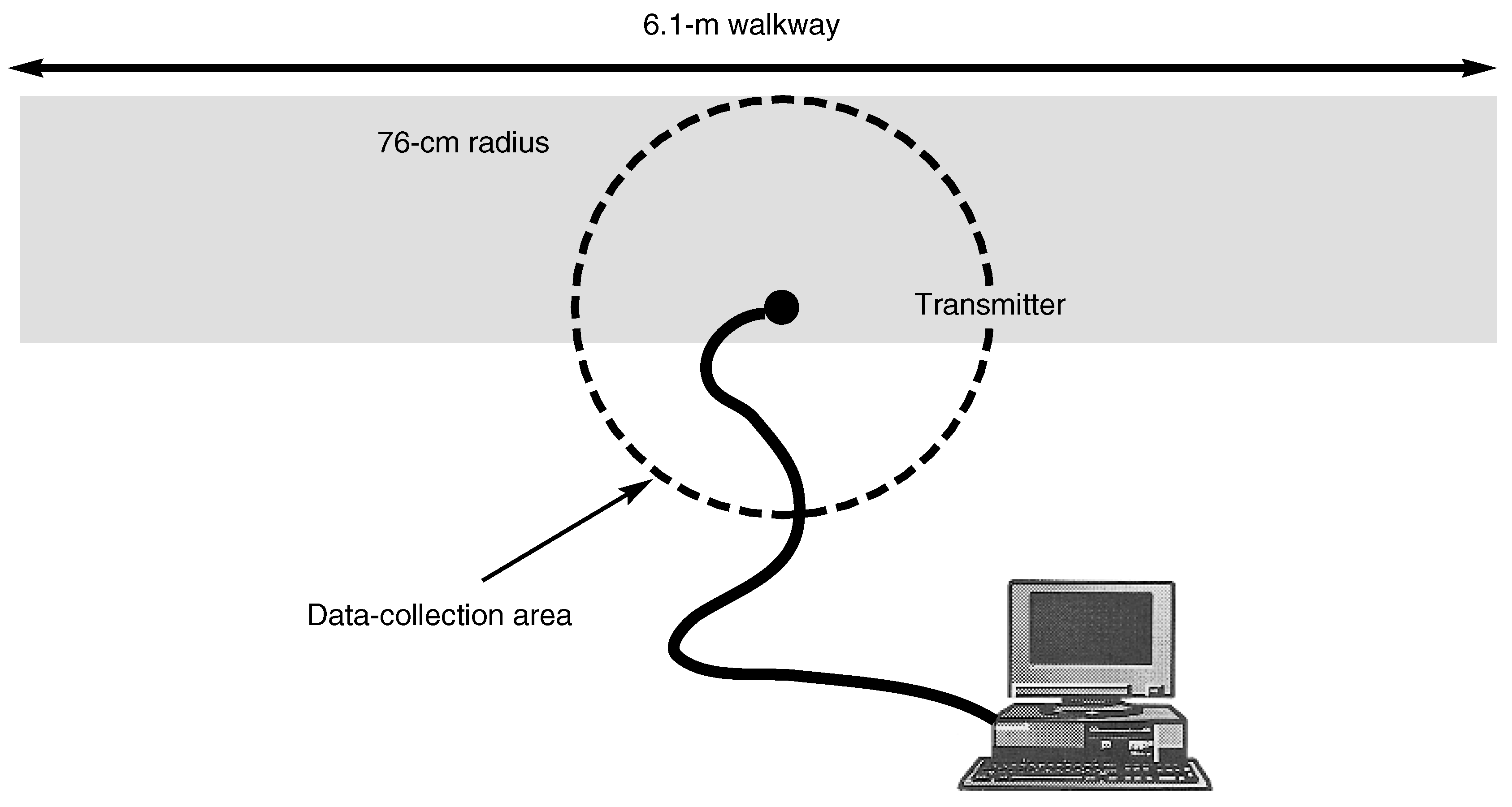
Figure 2 shows the experimental setup used for this study.
Figure 2.
Schematic representation of the experimental setup used to measure frontal plane rearfoot motion during walking.
Figure 2.
Schematic representation of the experimental setup used to measure frontal plane rearfoot motion during walking.
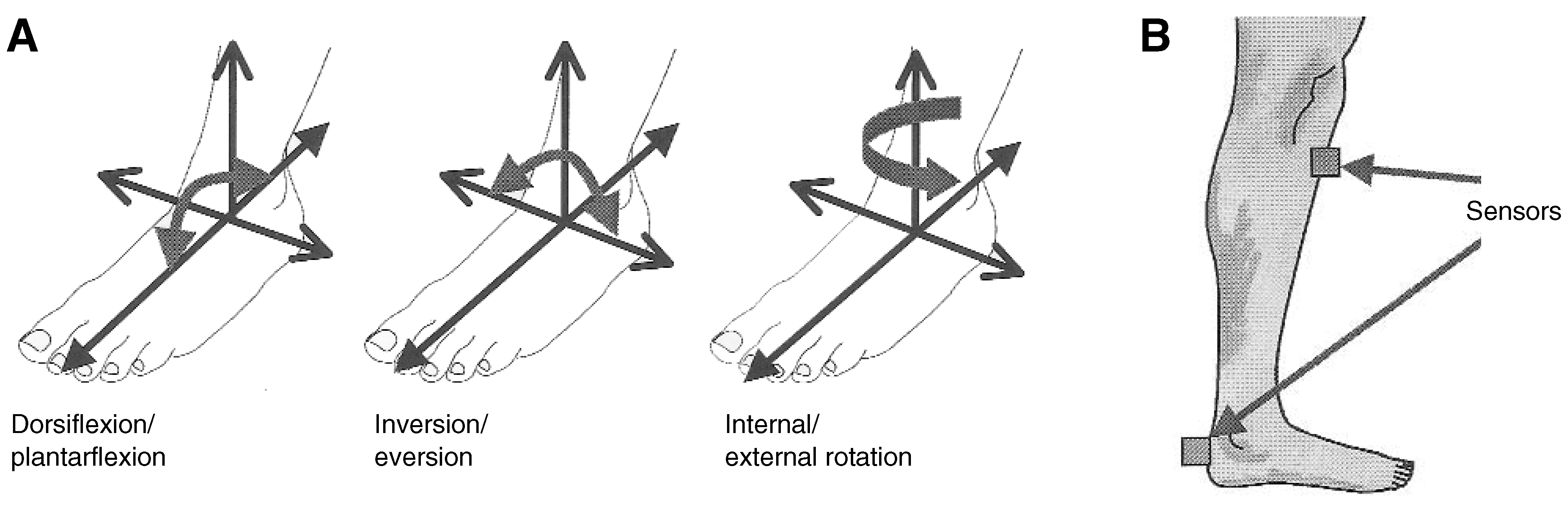
Two electromagnetic sensors were used to collect the angular position data of the tibia and calcaneus during walking. Joint coordinate system angles for the ankle, as defined by Allard et al,[
16] were calculated using the two sensors (
Fig. 3A). Movement about the mediolateral axis (
x) was defined as dorsiflexion/plantarflexion, and movement about the anteroposterior axis (
y) was defined as inversion/eversion. Finally, movement about a vertical or longitudinal axis (
z) of the tibial segment was defined as internal/external rotation of the tibia. The sampling rate for each sensor was 60 Hz, and the resulting angles were smoothed using a 6-Hz low-pass digital Butterworth filter.
Figure 3.
A, Definition of angular movement recorded between the calcaneus and the tibia. B, Position of the electromagnetic sensors on the leg and foot of each subject.
Figure 3.
A, Definition of angular movement recorded between the calcaneus and the tibia. B, Position of the electromagnetic sensors on the leg and foot of each subject.
The temporal occurrences of heel strike and toe-off were recorded using force-sensing switches (Interlink Electronics, Camarillo, California). The switches were secured to the plantar surface of each subject’s right heel and hallux using adhesive tape. The signal produced by each switch was recorded and then synchronized with the kinematic data.
Procedures
Reliability. The midgait data-collection method was used to gather COP data for each subject as he or she walked barefoot at a self-selected speed across the pressure platform. Previous research[
17 has shown that this data-collection method yields reliable results. Data from three walking trials of the right extremity of each subject were collected. Walking trials that seemed atypical were repeated. Before data collection, all subjects practiced walking along the walkway to ensure consistency of gait velocity and to minimize “targeting” of the pressure platform. In addition, 30 subjects had data collected for an additional two trials, for a total of five trials. Finally, seven additional walking trials were obtained from 10 of the 105 subjects who participated. Thus all 105 subjects walked three times, but subsets of the subject pool had data collected from five or ten trials. The inclusion of three, five, or ten walking trials was done to determine the effect of additional walking trials on between-trial reliability.
Validity. For kinematic analysis of the rearfoot, the electromagnetic sensors were attached to the right lower extremity of the 30 subjects chosen for this phase of the study. The sensors were placed on the skin overlying the tibial tubercle and the posterior calcaneus (
Fig. 3B). These locations were selected because of the presence of minimal soft tissue, reducing the possibility of sensor skin movement during walking. The sensors were connected to a microcomputer by means of a 30-foot serial cable for data collection. After the sensors were attached, the subjects stood relaxed, with the knees extended and the feet parallel to the plane of progression, while the orientation of each sensor relative to the laboratory reference frame (transmitter) was synchronized. This position was used as the reference point (zero) for all subsequent measurements.
After initialization of the sensors, each subject walked along the walkway at a self-selected speed. The subject was observed continuously during testing to ensure consistency of walking velocity. Any questionable trials were repeated. Five walking trials were recorded for each subject. Frontal plane angular movement of the calcaneus relative to the tibia was calculated, and the data were stored for further analysis.
Data Analysis
The path of the COP was quantified using two different variables. The first variable was termed the lateral-medial area index (LMAI) and consisted of the ratio between the area lateral to and the area medial to the COP pattern. The LMAI was calculated using the following formula:
where Al is the area lateral to the COP line and Am is the area medial to the COP line. The second variable calculated was the lateral-medial force index (LMFI) and consisted of the ratio between the force lateral to and the force medial to the COP line. The LMFI was calculated using the following formula:
where F
l is the amount of force lateral to the COP line and F
m is the amount of force medial to the COP line. Both of these indices were calculated using Novel Orthowin software (Novel USA, Inc). These indices were chosen because they are similar to the COPI proposed and used by Scherer and Sobiesk.[
12]
The following variables were calculated from the mean rearfoot motion patterns of each subject: the angle of the rearfoot at the instant of heel strike, the maximum rearfoot eversion angle obtained during the stance phase of walking, and the total rearfoot eversion range of motion obtained during the stance phase of walking. These variables were selected because of their representation of the magnitude of rearfoot eversion during walking.
Statistical Analysis
Descriptive statistics on the COP and rearfoot variables calculated in this study were initially calculated.
Reliability. Frequency histograms were produced for the LMAI and the LMFI to help determine whether the values were normally distributed, which was considered to be a prerequisite to subsequent reliability assessment. The between-trial reliability of the stance phase durations was assessed using a type (2,1) intraclass correlation coefficient (ICC). Between-trial reliability of the LMAI and the LMFI was assessed using both type (2,1) and type (2,3) ICCs.[
18] Both types of ICCs were calculated so that the reliability of a single measurement as well as an average of three measurements could be determined. In addition to the ICC values calculated, the average between-trial standard deviation (SD), standard error of the mean (SEM), and coefficient of variation (CV) were calculated for the two COPIs. These statistics, along with the ICC values, were used to gain a better overall picture of the true between-trial reliability of the indices.[
19]
Validity. Pearson correlation coefficients between the two COPIs obtained from the plantar pressure walking trials and the three rearfoot kinematic variables obtained from the motion walking trials were used to evaluate the validity of the COP pattern relative to rearfoot motion during walking.
Results
Using the force-sensitive foot switches attached to the plantar surface of the subject’s right foot, mean ± SD stance phase duration was calculated to be 679 ± 48 msec. The ICC value indicating between-trial reliability for stance phase duration was 0.969.
Reliability
Descriptive statistics for the LMAI and the LMFI using all subjects are given in
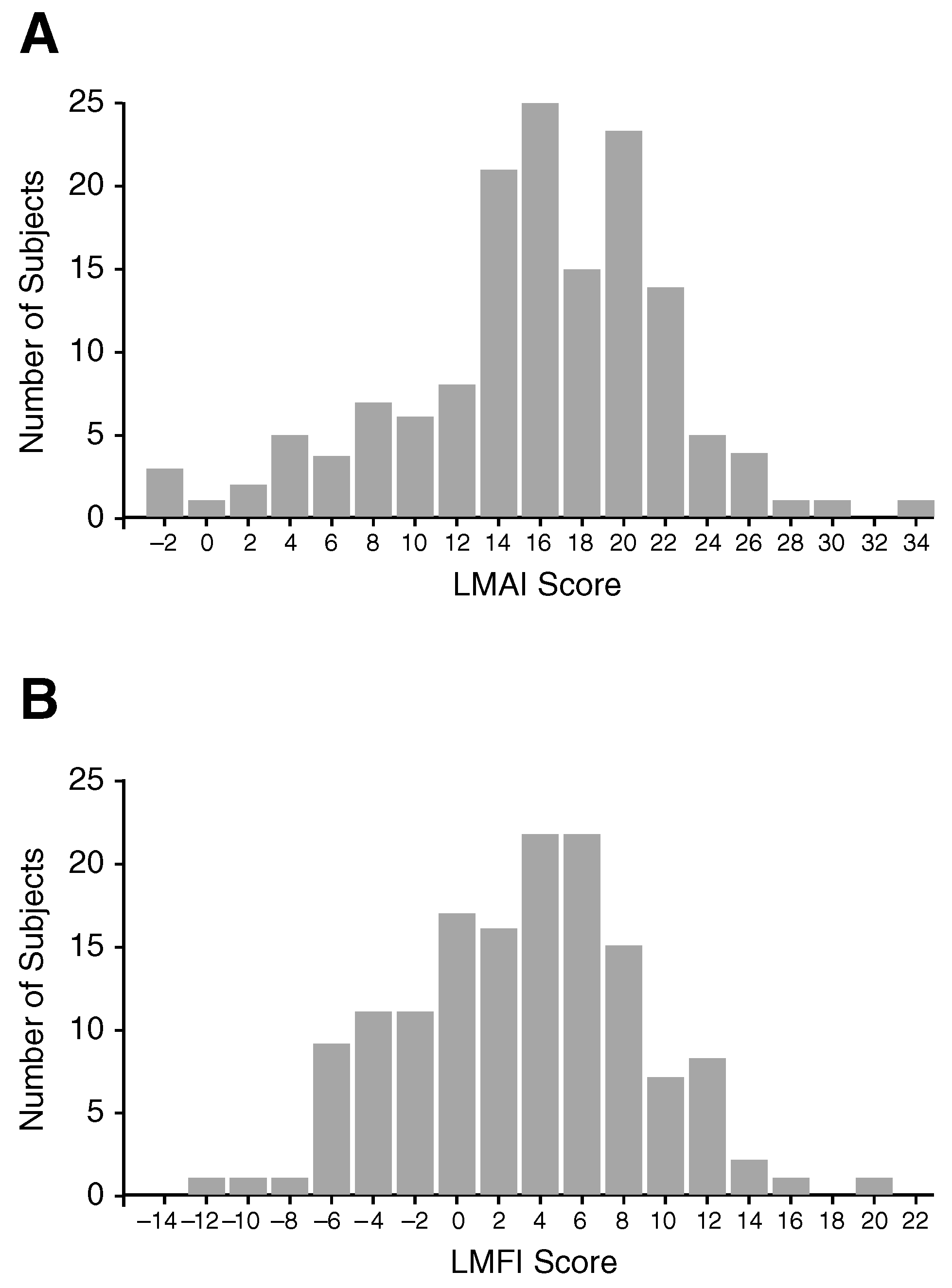
Table 1. The frequency histograms showing the distribution of the two COPIs are shown in
Figure 4. Neither distribution was significantly skewed (
P < .01).
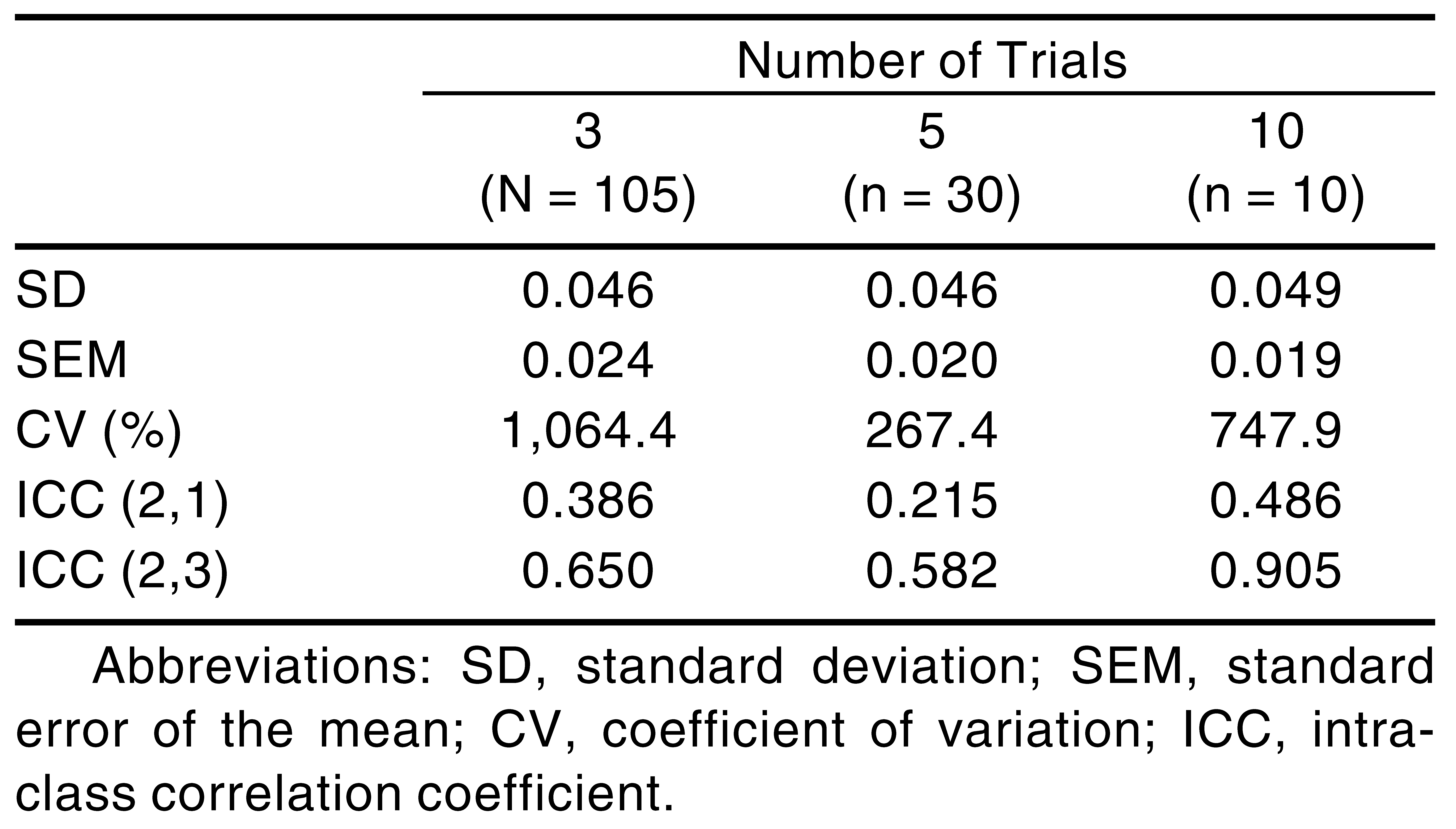
20 Results of the between-trial reliability analysis for the two indices with three, five, or ten trials are presented in
Tables 2 and
3.
Table 1.
Descriptive Statistics for the Two Center-of-Pressure Indices Calculated for All 105 Subjects
Table 1.
Descriptive Statistics for the Two Center-of-Pressure Indices Calculated for All 105 Subjects
Figure 4.
Frequency histograms showing the distribution of lateral-medial area index (LMAI) (A) and lateral-medial force index (LMFI) (B) values.
Figure 4.
Frequency histograms showing the distribution of lateral-medial area index (LMAI) (A) and lateral-medial force index (LMFI) (B) values.
Table 2.
Measures of Between-Trial Reliability for the Lateral-Medial Area Index
Table 2.
Measures of Between-Trial Reliability for the Lateral-Medial Area Index
Table 3.
Measures of Between-Trial Reliability for the Lateral-Medial Force Index
Table 3.
Measures of Between-Trial Reliability for the Lateral-Medial Force Index
Validity
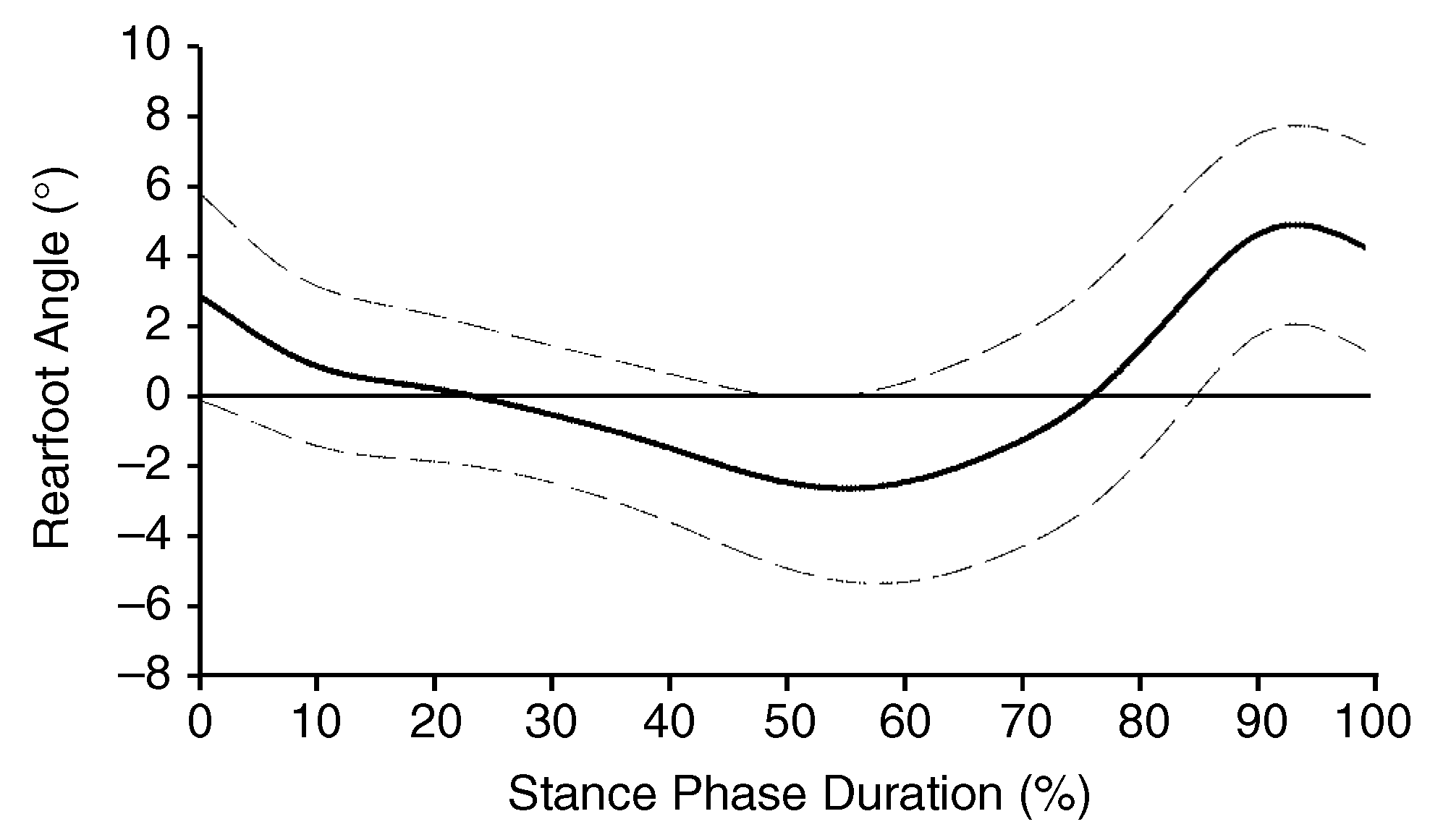
The mean frontal plane rearfoot motion pattern of the 30 subjects selected for this phase of the study is shown in
Figure 5. The descriptive statistics for the COP and kinematic variables for these subjects are given in
Table 4. Finally, the results of the Pearson correlations between the two COPIs and the three frontal plane rearfoot kinematic variables are presented in
Table 5.
Figure 5.
Mean (±1 SD) pattern of frontal plane rearfoot motion during walking. Positive values indicate inversion and negative values indicate eversion relative to the zero position of each person’s resting standing posture.
Figure 5.
Mean (±1 SD) pattern of frontal plane rearfoot motion during walking. Positive values indicate inversion and negative values indicate eversion relative to the zero position of each person’s resting standing posture.
Table 4.
Descriptive Statistics for the Center-of-Pressure and Rearfoot Kinematic Variables Calculated for 30 of the 105 Subjects
Table 4.
Descriptive Statistics for the Center-of-Pressure and Rearfoot Kinematic Variables Calculated for 30 of the 105 Subjects
Table 5.
Pearson Product Moment Correlation Coefficients Between the Center-of-Pressure Indices and the Rearfoot Kinematic Variables
Table 5.
Pearson Product Moment Correlation Coefficients Between the Center-of-Pressure Indices and the Rearfoot Kinematic Variables
Discussion
The between-trial reliability of the stance phase durations for this study were exceptionally good and indicate that walking velocity was sufficiently controlled to allow additional analysis of the data.
Reliability
When evaluating the reliability of the COPIs, the authors believed that the first requirement was for the variables to be normally distributed. As seen in
Figure 4, the results of this study indicate that the variables are normally distributed. With respect to the between-trial reliability of the LMAI and the LMFI, average between-trial SD, SEM, and CV values provide a somewhat mixed picture. Coefficients of variation ranged from 43.9% to 1,064.4% for the two indices, which is extremely high. On the other hand, SD and SEM values were relatively low. From
Tables 2 and
3 it seems that little or no effect is seen when additional trials are performed. Finally, ICC values were calculated to give a more complete picture of between-trial reliability. Type (2,1) ICC values ranged from 0.215 to 0.486 (
Tables 2 and
3). According to the classification system proposed by Landis and Koch,[
21] these values indicate only fair-to-moderate between-trial reliability. As expected, type (2,3) ICC values are higher for both indices, ranging from 0.145 to 0.905. Burdock et al[
22] suggested that an ICC value of at least 0.75 is needed to indicate reliability. Using this criterion, both indices have sufficient between-trial reliability provided that data from ten trials are collected and averaged (
Tables 2 and
3). These results indicate that although the two indices are normally distributed, a single trial has insufficient reliability to be used with any degree of confidence. The authors of the present study believe that either index has sufficient between-trial reliability to be used clinically or in research if the average of at least ten trials is used.
Validity
Although the two COPIs have adequate between-trial reliability, the question of their validity remains. The results of this study indicate that there is no relationship between the two COPIs and the magnitude of frontal plane rearfoot eversion during walking. These results are contrary to the face validity implied by previous researchers.[
9,
10,
12] It is possible that the outcome of the present study is the result of trying to use a single value, such as the LMAI or the LMFI, to represent a continuous pattern of activity (rearfoot motion). As such, a single variable is not sensitive enough to correlate with the chosen measures of rearfoot magnitude. It is also possible that the use of healthy, asymptomatic individuals as subjects did not yield a sufficiently large range of rearfoot motion patterns to allow accurate discrimination from the COP parameters. Finally, the idea that the COP pattern is representative of rearfoot motion is too simplistic. The pattern of the COP during walking is in reality a composite of kinetic and kinematic activity of the trunk and entire lower extremity during walking. Thus it is not surprising that no correlation with rearfoot magnitude was found in the present study. Further research needs to be conducted before any of these possible explanations can be completely confirmed or refuted. Regardless of these points, the authors recommend that the LMAI and the LMFI not be used in any study that assumes that the pattern of the COP is related to the magnitude of rearfoot eversion.
A potential limitation of this study is that the plantar pressure and rearfoot kinematic data were not collected simultaneously. Although this is potentially threatening to the results, the authors believe that the possibility is low because the mean pressure and kinematic values were obtained from the average of five trials. Within-subject variability for the COPIs calculated in this study from the average of at least five trials was good (
Tables 2 and
3). With respect to the kinematic data, previous studies[
23] have shown that they also have good between-trial reliability (MW Cornwall and TG McPoil, unpublished manuscript, 1998). Because both the pressure and the kinematic data have good between-trial consistency, it is unlikely that the walking patterns for the various data-collection sessions were significantly different. Another potential source of error in this study is the artifact created by skin sensor movement during the kinematic analysis of walking. Although skin sensor movement cannot be eliminated, it is most likely similar to motion artifact seen with other three-dimensional motion-analysis systems that use sensors attached to the skin. In the present study, the amount of skin sensor motion artifact was minimized as much as possible by securing the sensors over bony landmarks.
The results of this study do not imply that the COP pattern is not a useful measurement in gait analysis. The COP pattern has been used successfully as a means of looking at timing and progression of plantar loading during walking.[
2,
3,
6,
24] Again, further research should be pursued for these and other possible applications for the COP pattern.
Conclusion
Analysis of the COP pattern or gait line has been used in the literature to assess the effectiveness of foot orthoses. The principle reason for using the COP pattern in these studies is the assumption that it is related to the magnitude of foot pronation and supination during walking. Despite use of the COP pattern, its reliability and validity have not been established. The results of this study indicate that although the LMAI and the LMFI have adequate between-trial reliability, they are not related to magnitude measures of rearfoot eversion. Thus neither of these COP variables should be used as a direct or indirect measure of rearfoot eversion during walking.