To the Editor:
A study by Hirschhorn and Hodge[
1] cited a rate of 10 rat bites per 100,000 people per year in large cities according to the Centers for Disease Control and Prevention. Classically, rats have been known as disease carriers or transmitters, most notably for the bubonic plague. In addition, rats are known to carry
Spirillum minus, classified as an aerobic/microaerophilic, motile, helical/vibroid, gram-negative bacterium according to Prescott et al,[
2] and
Streptobacillus moniliformis, a facultatively anaerobic, gram-negative, pleomorphic bacillus,[
3] which cause two types of rat bite fever.[
1] Although rats have been associated with tetanus, they have not been directly linked with rabies.[
4]
Despite the rat’s association with disease, the incidence of infection in rat bite wounds is low. In a prospective study by Ordog et al,[
5] 50 rat bite victims with uninfected wounds were subjected to cultures and sensitivity analyses. Twenty percent of the patients in the study were seen after 24 hours. According to the study, 30% of the wounds had positive culture results. Forty-three percent of bacterial isolates were
Staphylococcus epidermidis, with the remaining cultures revealing
Bacillus subtilis, diphtheroids, and α-hemolytic streptococcus. These isolates were sensitive to either cephalosporins or penicillinase-resistant penicillin. Only 1 (2%) of the 50 patients in the study developed an infection. This patient underwent incision and drainage, and the cultures were positive for
S epidermidis. The patient was treated with and responded to an oral cephalosporin.
Most commonly, rat bites occur on the face and extremities. Hirschhorn and Hodge[
1] calculated that 48.3% of patients were bitten on the hand, 19.6% on the head, 15.0% on the foot, and 9.0% on the leg. In their analysis of large-city studies, most victims were either very young (<5 years) or very old (>75 years). Most bites occurred late at night or early in the morning while people were sleeping in their homes. The authors make note of the close association between poverty and rat bites. In addition, diabetic patients with peripheral neuropathy may also be susceptible in certain environments, according to Cooles and Paul,[
4] who reported multiple rat bite cases in diabetic individuals in the West Indies.
Case Report
A 73-year-old man was found unresponsive in his home by emergency medical service workers. A concerned neighbor had not seen the man in 3 or 4 days and contacted the emergency medical service. Paramedics found the man lying on his side being eaten by rats at various sites on his body. When airway management was attempted, insects were found in his oropharynx. The patient was intubated in the field and brought to the emergency department at JFK Medical Center in Atlantis, Florida, where he was evaluated and given prophylaxis for tetanus.
The patient was stabilized and then transferred to the critical care unit, where he was placed on a ventilator. The podiatric surgical service was consulted for management of lower-extremity wounds. As the patient remained unresponsive and the authors were unable to contact any immediate family members, medical and surgical histories were unobtainable and allergies were unknown.
On further evaluation and consultations with the medicine, nephrology, cardiology, pulmonology, and neurology departments, it was determined that the patient was in shock and respiratory failure and that he had experienced a myocardial infarction, a cerebrovascular accident, and acute renal failure with acidosis, hypernatremia, and hyperkalemia. The patient also had necrotizing fasciitis of the left temporalis area and the left ear secondary to pressure necrosis, as the patient was found on his left side. In addition, multiple wounds secondary to rat bites were noted on his hands, arms, right ear, shoulders, chest, scrotum, legs, and feet. The infectious disease, general sugery, and ears, nose, throat departments were consulted for treatment at that time.
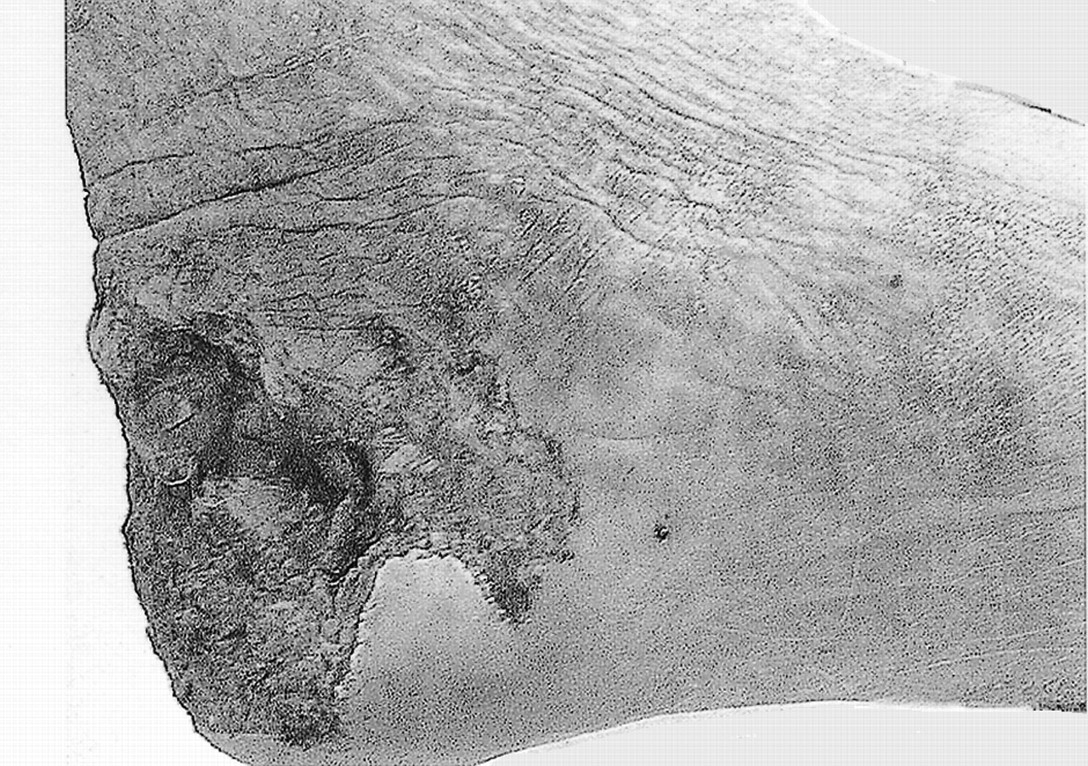
The patient was unresponsive to commands but responsive to pain. The lower-extremity examination revealed the following: Vascular examination showed nonpalpable dorsalis pedis and posterior tibial pulses bilaterally. Dorsalis pedis pulses were monophasic with Doppler bilaterally. Posterior tibial pulses were inaudible bilaterally. Capillary refill time was delayed to digits 1 to 5 bilaterally. No edema was noted bilaterally. Epicritic sensation was unobtainable. Dermatologic examination revealed a geographic full-thickness ulcer consistent with a rat-inflicted wound measuring approximately 6 × 8 cm on the posteromedial aspect of the left heel (
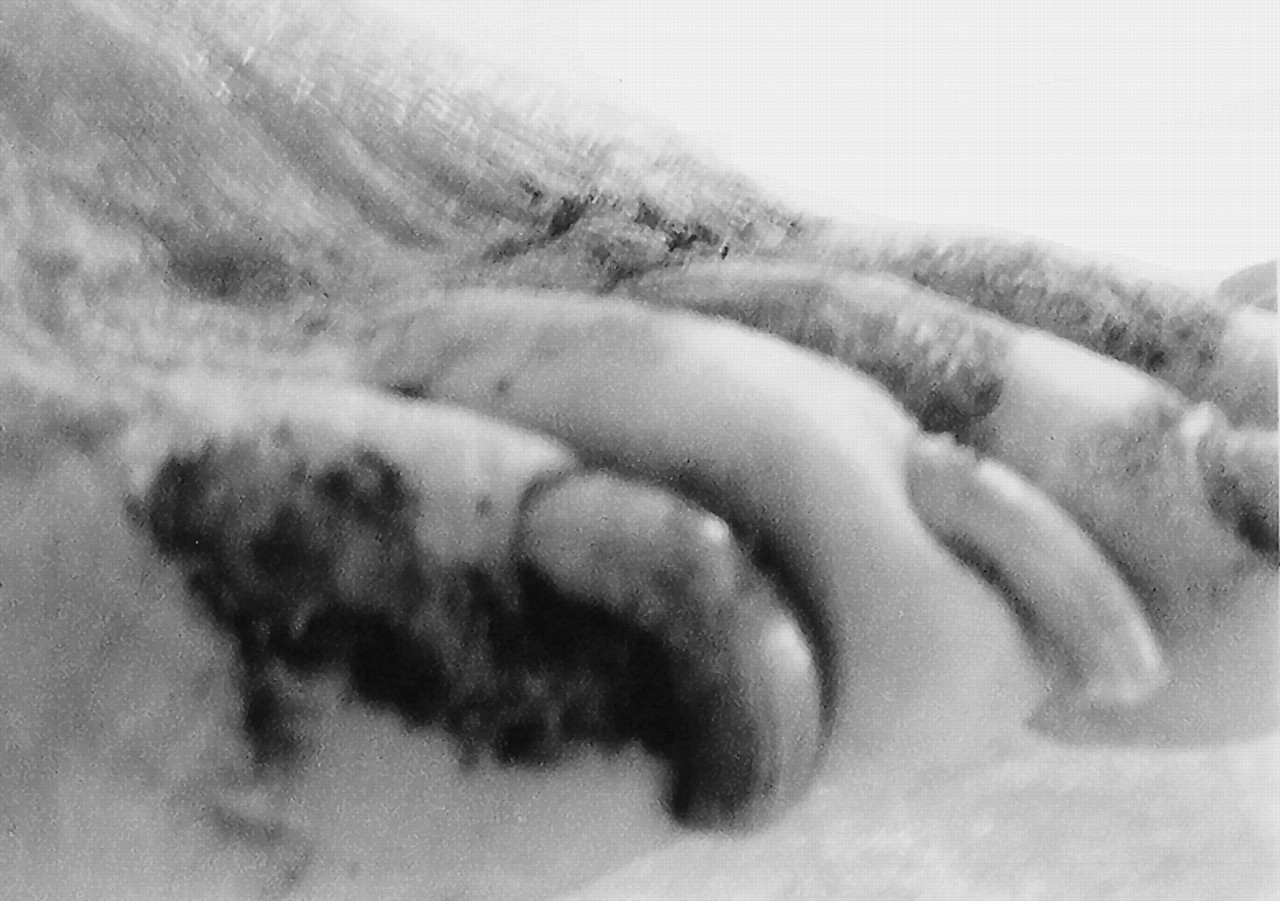
Fig. 1). A red granular base was noted, with a small area of black necrotic tissue on the posterior aspect of the wound. The posterior tibial tendon was exposed in the posterior aspect of the wound. No drainage was noted from the site. No periwound erythema or edema was noted. A superficial wound, consistent with a rat bite, measuring approximately 2 × 1 cm was noted on the lateral aspect of the right fifth digit (
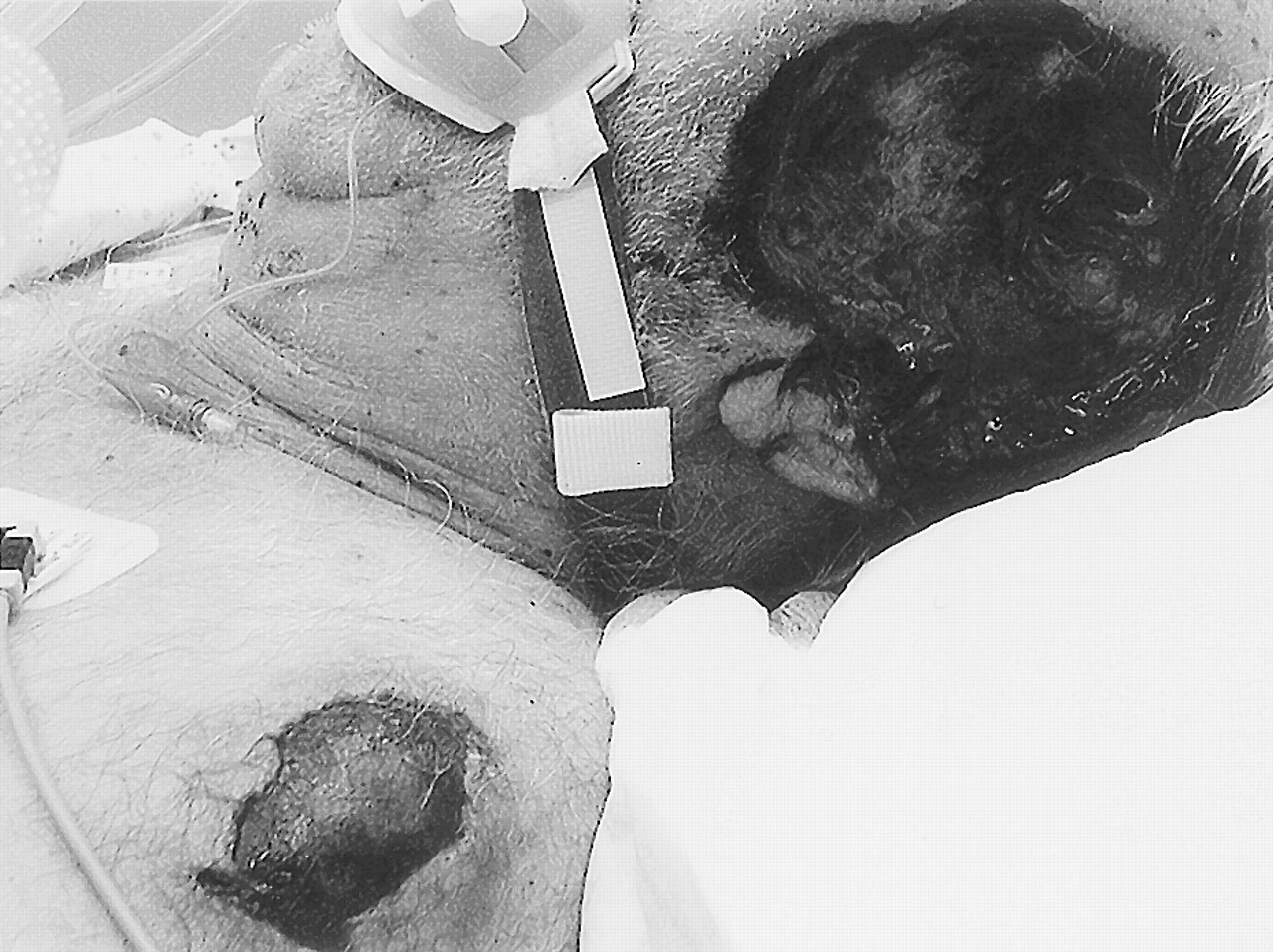
Fig. 2). The wound appeared dry with a fibrotic base. No periwound erythema or edema was noted. Multiple upper-leg wounds on the medial and lateral aspects of the knee as well as thigh wounds were noted bilaterally. These wounds appeared with black eschar and minimal periwound erythema and were treated by the general and vascular surgery service (
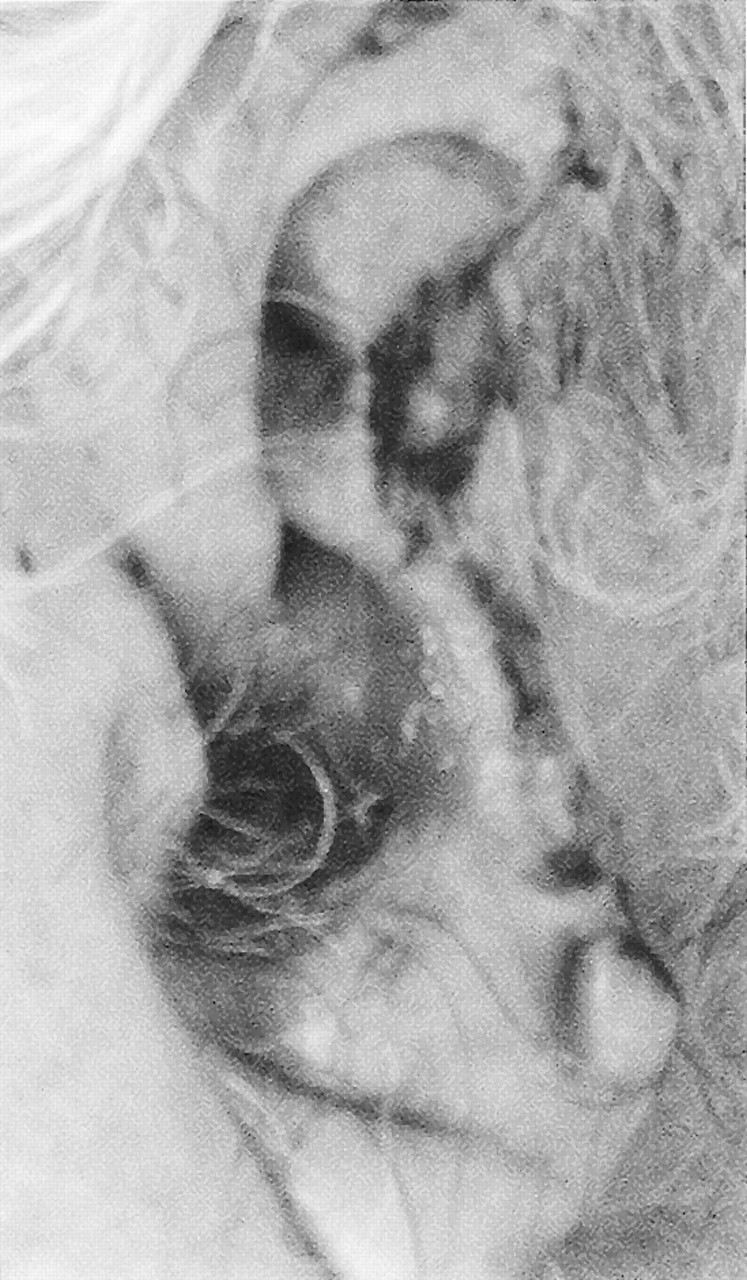
Figs. 3 and
4).
Figure 1.
Rat-inflicted wound on the medial aspect of the left foot.
Figure 1.
Rat-inflicted wound on the medial aspect of the left foot.
Figure 2.
Lateral aspect of the right fifth digit with rat bite.
Figure 2.
Lateral aspect of the right fifth digit with rat bite.
Figure 3.
Left lateral head and shoulder revealing pressure necrosis.
Figure 3.
Left lateral head and shoulder revealing pressure necrosis.
Figure 4.
Remaining right external ear after rat bite.
Figure 4.
Remaining right external ear after rat bite.
Standard laboratory tests were ordered and the following data were obtained from the chemistry panel: sodium, 153 mEq/L; potassium, 7.1 mEq/L; chloride, 115 mEq/L; carbon dioxide, 20 mEq/L; blood urea nitrogen, 174 mEq/L; creatinine, 5.8 mg/dL; glucose, 146 mg/dL. A complete blood count revealed the following: white blood cells, 27.0 × 10³/μL; hemoglobin, 14.8 g/dL; hematocrit, 45.6%; platelets, 263,000 × 103/μL. Cardiac enzymes were elevated. Urinalysis revealed no bacteria with mild proteinuria.
A chest x-ray was obtained to check placement of the central line, which was satisfactory, and no further pulmonary abnormalities were noted. An electrocardiogram showed a rate of 107 beats/min, normal sinus rhythm, T-wave inversion anteroseptal leads, and ST elevation lateral leads. Computed tomography of the brain without contrast revealed a 2-cm low-attenuation lesion in the right thalamus. In addition, subcutaneous emphysema of the left face and malar areas was noted.
The foot wounds were thoroughly cleansed, and sharp debridement of the posteromedial aspect of the left foot wound was performed. The wound was cultured for aerobic, anaerobic, acid-fast, and fungal organisms. A normal sterile, saline wet-to-dry dressing was applied to the site daily, along with becaplermin gel (Regranex, Ortho-McNeil Pharmaceutical, Raritan, New Jersey). A wet-to-dry dressing was also applied to the right foot wound. Antibiotic therapy consisting of ceftazidime (Fortaz, GlaxoSmithKline, Research Triangle Park, North Carolina), oxacillin sodium, and metronidazole (Flagyl, Searle, Chicago, Illinois) was instituted through the infectious disease service. Subsequent cultures were positive for Yarrowia lipolytica and Mucor sp. The patient was given amphotericin B at that time.
The patient continued on ventilation and eventually underwent a tracheostomy. Supportive and local wound care was continued for approximately 1 month. The left heel wound decreased in size and partially epithelialized; however, the posterior aspect of the wound necrosed. No signs of acute wound infection were ever present. The patient’s distant family members were subsequently contacted, and the patient was transferred to hospice care.
Discussion
This patient was not from a large urban area. However, he was found incapacitated in his home, which, according to paramedic reports, was in disarray and lacked sanitary conditions. Consistent with most cases reported by Ordog et al,[
5] this patient’s wounds did not become clinically infected, and a clean granular bed was maintained in the left heel wound, facilitated by the use of becaplermin gel.
Also of note were the organisms recovered by culture. The cultures from the left foot wound were positive for
Y lipolytica. This weakly pathogenic yeast[
5] was formerly known as
Candida lipolytica. A review of the literature regarding this organism shows that strains have been isolated from a range of hosts. A study by Ismail et al[
6] investigated the role and prevention of
Y lipolytica in raw poultry spoilage. Corbo et al[
7] studied 105 strains of yeasts isolated from Apulian dairy products. One of the most prevalent organisms found was
Y lipolytica. This same yeast flora has also been studied in populations of blood-sucking mosquitoes in the Ukraine and was identified as a dominant strain in mosquito larvae.[
8] Another study by Chang et al[
9] discussed a patient with acute myelogenous leukemia and catheter-related
Y lipolytica fungemia. This patient progressed to spontaneous resolution of the fungemia. The source of the organism in the authors’ patient, whether rat, insect, or some other contact, remains unknown.
Another organism isolated in this case was
Mucor sp, a saprophytic fungus. Although classically a serious infective agent in immunocompromised hosts, such as diabetic patients, the fungus in this instance was isolated only from the left foot wound. The fungus grows on fruits and breads; however, a study by Abarca et al[
10] revealed
Mucor as one of the isolates from samples taken from hair and feathers of apparently healthy domestic animals. Airborne spores may infect nasal sinuses and orbital areas and may ultimately cause pulmonary, gastrointestinal tract, or central nervous system infections.[
11] In this particular case, identification of this fungus may have been the result of a contaminant, or the fungus may have been suppressed or eradicated by early administration of amphotericin B, as no signs of acute infection developed and a clean granular wound bed was maintained.
Conclusion
Rat bites, although not commonly encountered, may be a problem for certain patient populations, with the elderly and very young tending to be victims. Diabetic patients and those with other immunocompromise and sensory compromise have also been affected. Areas of poverty, urban environments, and substandard housing tend to be related to rat infestations, with rat bites seen more often in these areas.[
4,
12] When suspected or diagnosed, rat bites must be further investigated by public health agencies to discourage the possible transmission of disease or further human injury. Treatment should begin with wound care and tetanus prophylaxis. Antibiotic treatment should be used if wounds show local or systemic signs of infection.[
10] Prophylactic antibiotics and rabies vaccine are not recommended as first-line treatment for rat bites.
It is a family and community responsibility to maintain awareness of the elderly and indigent populations. Allowing members of the community to live in hazardous and unsanitary conditions without intervention is unacceptable. The case presented is a tragic example of an elderly person living independently in such conditions without proper supervision. Unless public awareness and involvement are heightened, similar cases will continue to occur.