Plantar heel pain is usually attributed to plantar fasciitis or heel spur syndrome. In certain individuals, however, a different entity can produce similar pain and symptoms. Several authors have described a neurogenic source of heel pain: entrapment of the first branch of the lateral plantar nerve. [
1,
2,
3,
4,
5,
6,
7,
8,
9,
10,
11,
12]
The first branch of the lateral plantar nerve is a mixed nerve with both motor and sensory fibers. Muscles supplied by this nerve include the abductor digiti minimi, flexor digitorum brevis, and quadratus plantae. Sensory fibers supply the calcaneal periosteum, the long plantar ligament, and the skin at the plantar lateral aspect of the foot. This branch originates from the lateral plantar nerve proximal to the abductor hallucis and then dives through the fascia at the superior margin of the abductor. The nerve courses distally between the abductor hallucis muscle and the medial edge of the quadratus plantae until it reaches the inferior margin of the abductor fascia. There it turns laterally between the flexor digitorum brevis and the quadratus plantae. [
1] The nerve at this point lies adjacent to the calcaneus approximately 0.5 cm distal to the medial tubercle of the calcaneus. [
2,
3] Failure of traditional heel spur surgery may be due to damage and subsequent entrapment of the first branch of the lateral plantar nerve or an inadequate release of a primary neurogenic source of heel pain. Obviously, the nerve is not released through the traditional open heel spur surgical approach. This nerve branch should not be confused with the medial calcaneal nerve, a purely sensory nerve that lies in the superficial fascia of the heel. [
4,
5]
In 1963, Tanz [
6] proposed the first branch of the lateral plantar nerve as an overlooked source of plantar heel pain, and he demonstrated the nerve’s anatomy from cadaveric dissection. However, it was not until 1981 that Przylucki and Jones [
3] correlated actual patient symptoms with this structure. Their surgical treatment for this condition consisted of excision of the nerve. Subsequently, other authors reported successful treatment of this type of chronic heel pain with external neurolysis rather than nerve excision. [
1,
4,
5,
7,
8,
10,
11,
12]
Baxter and Thigpen [
7] in 1984 described two possible sites of entrapment. The first is the sharp fascial edge of the abductor hallucis muscle where the nerve changes course and turns laterally. Another possible site is the medial ridge of the calcaneus where the nerve passes beneath the tuberosity and origin of the flexor digitorum brevis and the plantar fascia. Therefore, nerve impingement may be caused by an increase in mass, such as a calcaneal spur, within the flexor digitorum brevis. Rondhuis and Huson [
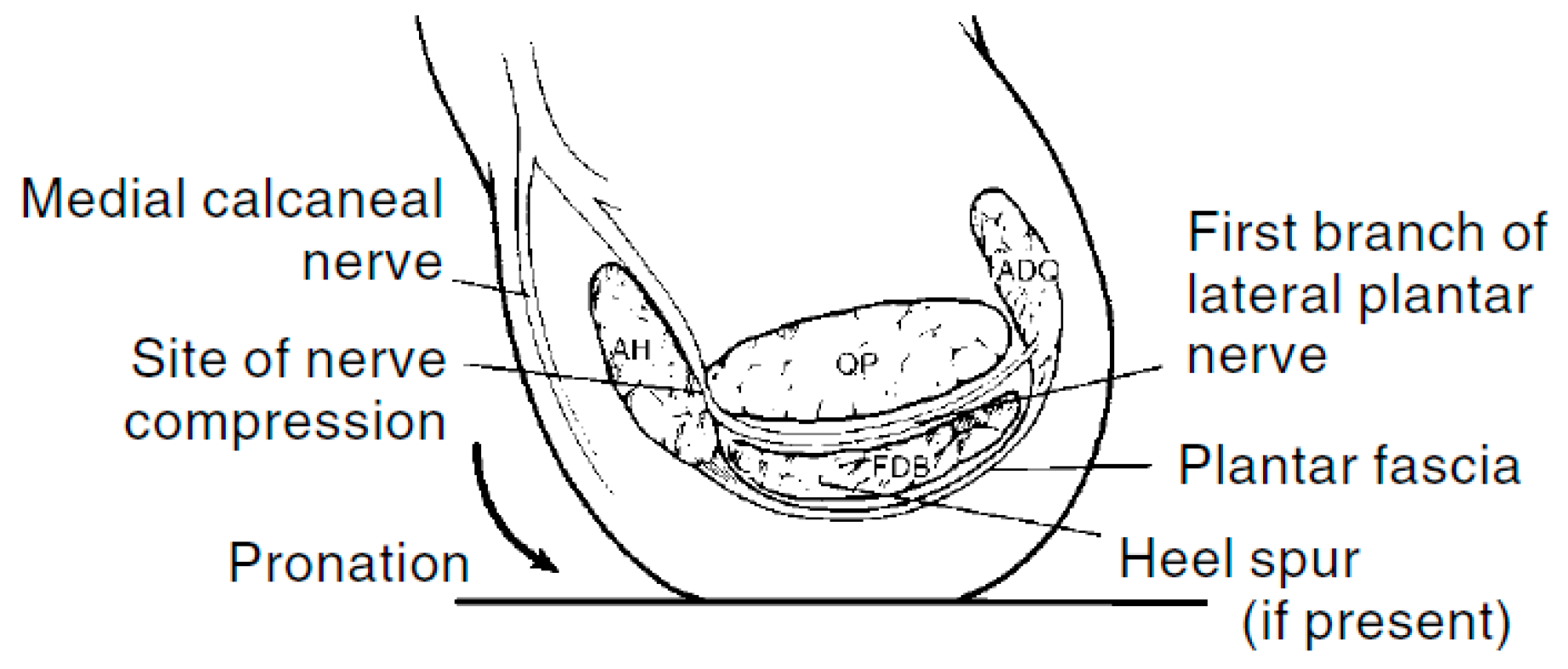
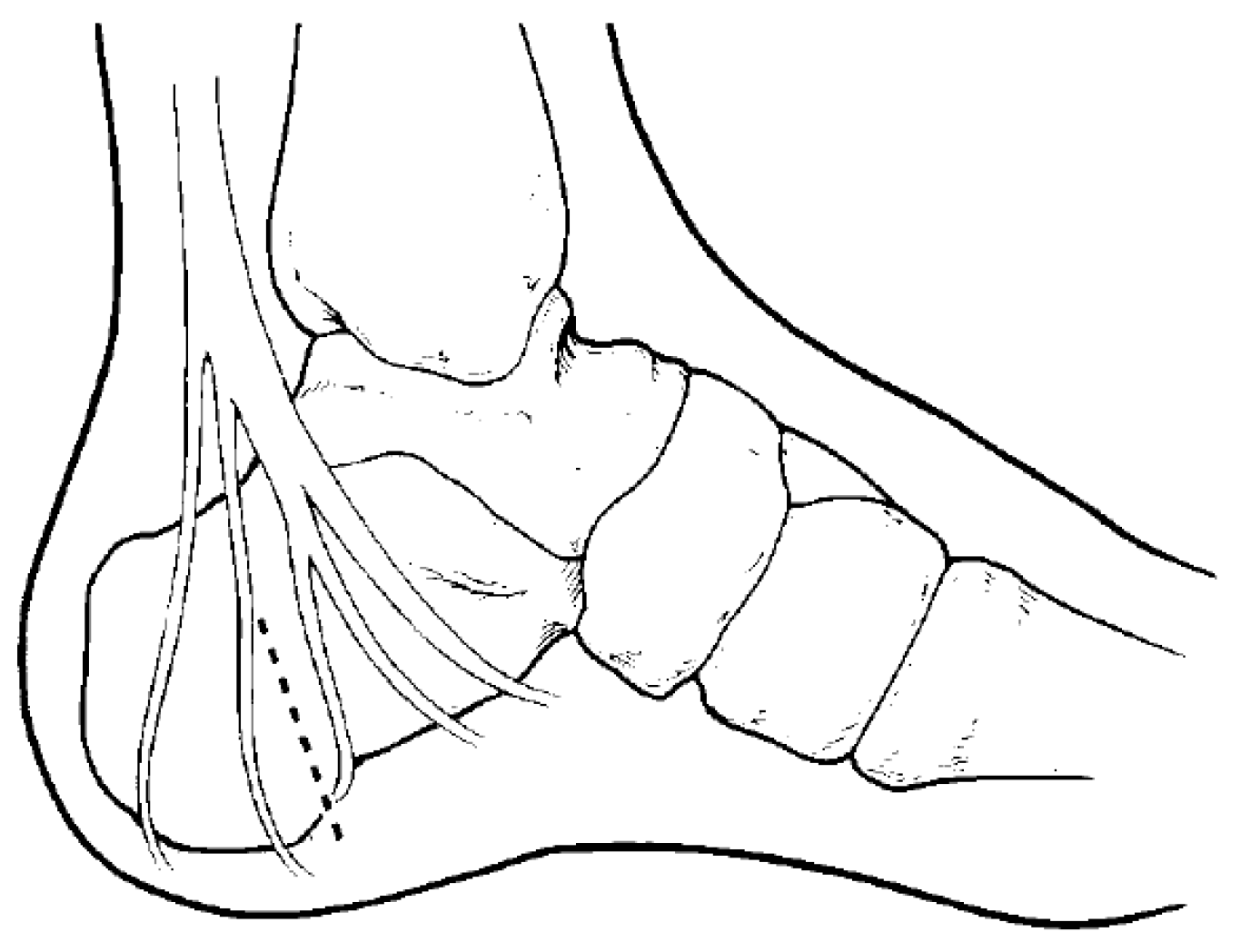
13] concluded that the exact site of the entrapment is where the nerve passes between the taut deep fascia of the abductor hallucis muscle and the medial caudal margin of the medial head of the quadratus plantae muscle (Fig. 1). Pronation, muscle hypertrophy, or other sources of irritation have been cited as instigating events that may irritate the nerve as it passes through the fascial port of the abductor hallucis.
Patients with heel pain secondary to nerve entrapment may present with slightly different symptoms than individuals suffering from plantar fasciitis. In the former condition, the pain is usually not as great in the morning or after periods of rest, but seems to be more pronounced after activity. Przylucki and Jones [
3] noted that compression of the first branch of the lateral plantar nerve may occur by physiologic motion secondary to pronatory forces. As the foot is pronating, the tension of the fascial structures increases, resulting in compression of the nerve. This suggests that the nerve compression may be not only static (constant) but also dynamic and can worsen with pathologic gait patterns.
However, in some patients a history more similar to that associated with plantar fasciitis may be described. Chronic inflammation of the plantar fascia may coexist with, and possibly predispose to, entrapment of the first branch of the lateral plantar nerve. [
4,
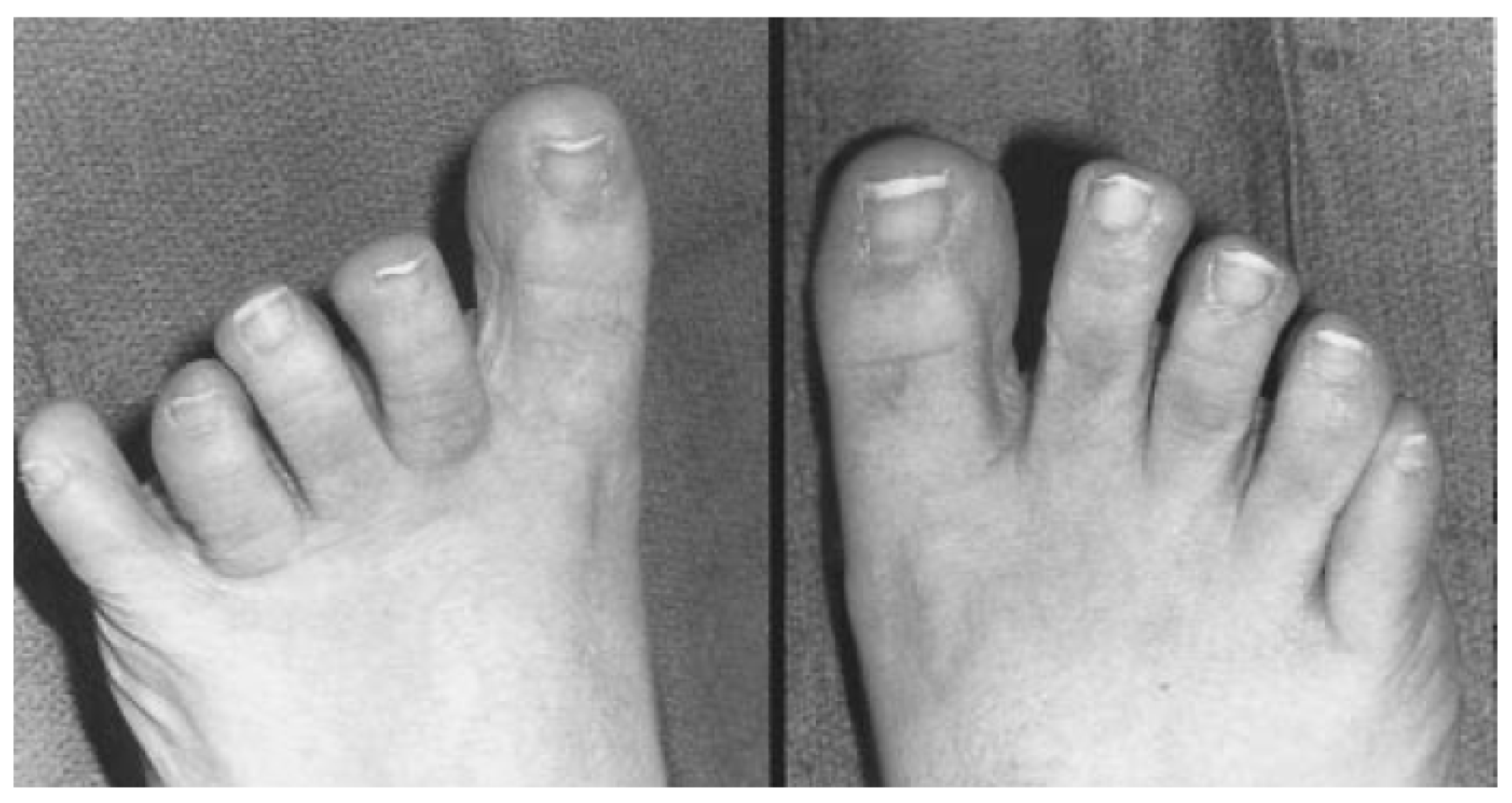
5] Therefore, the patient may initially have some component of plantar medial heel pain as well. In such cases, the plantar fascial symptoms will tend to respond to the conservative modalities, but the symptoms related to the nerve entrapment may tend to persist. In some instances, the patient may complain of pain radiating toward the lateral aspect of the heel following the normal anatomical course of the nerve. There may be associated motor weakness of the abductor digiti minimi indicated by the patient’s inability to abduct the fifth toe (Fig. 2). Abduction of the fifth toe may be a difficult task for many people to perform, but in some individuals with this entrapment, a difference may be observed between the symptomatic and asymptomatic sides.
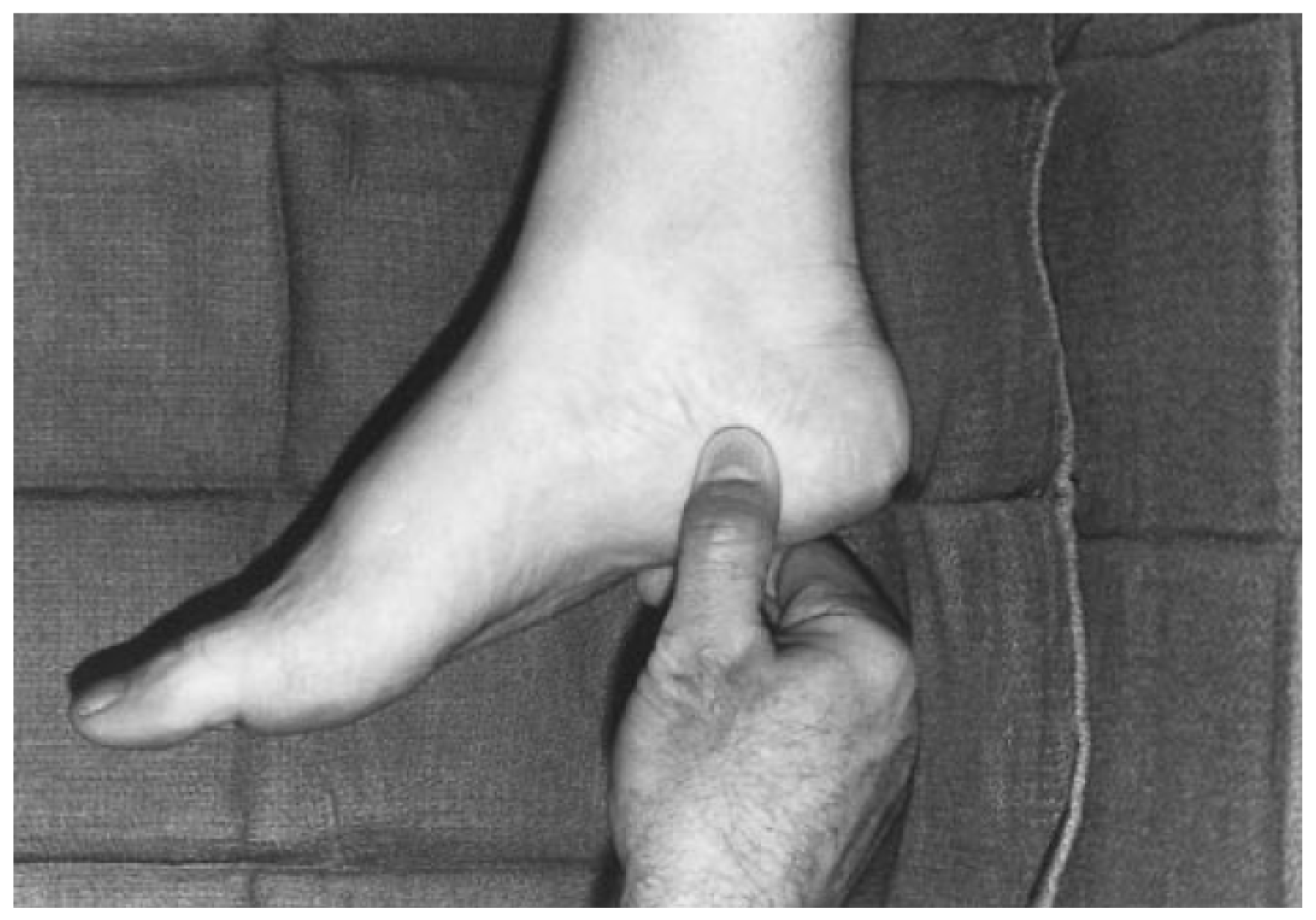
Regardless of the history, the diagnosis of entrapment of the first branch of the lateral plantar nerve may be made during the clinical examination. The exact source of the patient’s symptoms may be determined by careful palpation of the plantar aspect of the heel. Clinically, the pathognomonic sign of this entity is greater pain with compression over the medial aspect of the heel than plantarly (Fig. 3). Hendrix et al [
8] labeled this test the nerve compression test. Palpation in this region pinches the nerve between the deep fascia of the abductor hallucis and medial caudal margin of the quadratus plantae, resulting in pain and possible paresthesia. [
1] Hendrix et al [
8] have also found that plantarflexion and inversion of the foot (Phalen’s maneuver) may be helpful in diagnosing entrapment of the terminal branches of the tarsal tunnel, including the first branch of the lateral plantar nerve. This movement reduces the width of the porta pedis and causes the superior margin of the abductor hallucis to compress the nerve, producing nerve impingement signs and symptoms. The nerve is also felt to be compressed at the exit site of the fascia between the abductor and flexor brevis. [
4,
5]
The role of other diagnostic tests, such as electromyography and nerve conduction velocities, has been described by Schon et al. [
9] They found electro-physiologic abnormalities in 23 of 38 symptomatic heels, although careful review reveals that abnormalities in the lateral plantar nerve were found in only 7 patients (16%). It is also worth noting that the first branch of the lateral plantar nerve is technically difficult to isolate. It must therefore be emphasized that diagnostic tests are not a substitute for good clinical evaluation. If one does not trust a clinical diagnosis of nerve entrapment, technetium bone scans and magnetic resonance imaging (MRI) evaluations can be used to rule out an inflammatory source of heel pain. In the first few cases evaluated by the authors, patients underwent technetium bone scans and MRI evaluations, both of which failed to demonstrate inflammatory change in the heel area. This suggests that in these patients the pain is more consistent with nerve entrapment. Therefore, simple release of the plantar fascia will have limited effects on the symptoms.
Figure 1.
A frontal plane representation of the heel depicts the course of the nerve and its site of entrapment. ADQ, adductor digiti quinti; AH, abductor hallucis; FDB, flexor digitorum brevis; QP, quadratus plantae.
Figure 1.
A frontal plane representation of the heel depicts the course of the nerve and its site of entrapment. ADQ, adductor digiti quinti; AH, abductor hallucis; FDB, flexor digitorum brevis; QP, quadratus plantae.
Figure 2.
The patient is attempting to abduct the lesser toes on both feet. The difference between the affected right foot and the normal left foot is clearly seen.
Figure 2.
The patient is attempting to abduct the lesser toes on both feet. The difference between the affected right foot and the normal left foot is clearly seen.
Figure 3.
The classic point of maximum tenderness in patients with entrapment of the first branch of the lateral plantar nerve.
Figure 3.
The classic point of maximum tenderness in patients with entrapment of the first branch of the lateral plantar nerve.
The purpose of this article is to report on the success and long-term efficacy of release of the first branch of the lateral plantar nerve in those patients who failed to respond to conservative treatment modalities.
Materials and Methods
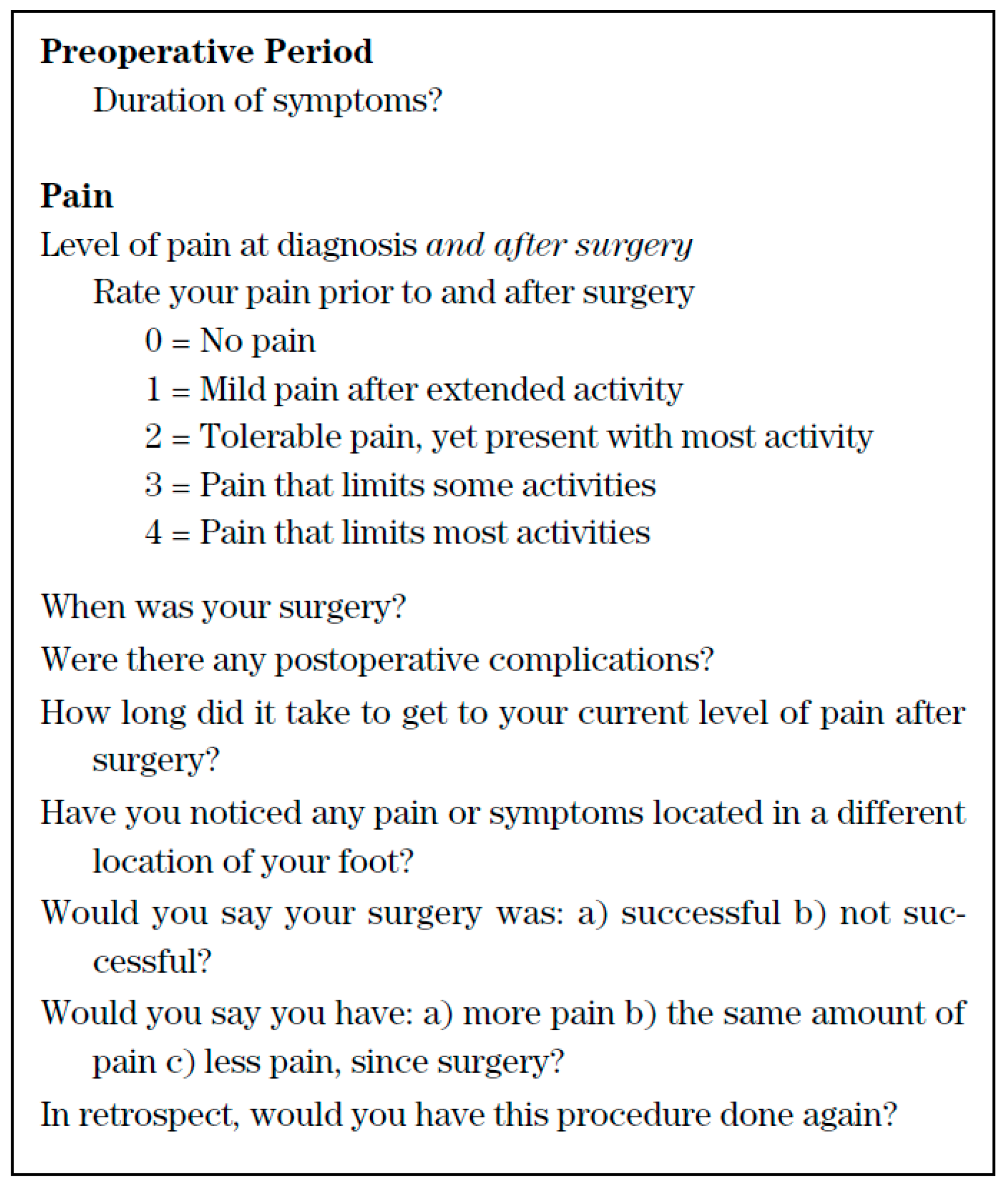
A total of 17 patients (18 feet) with painful medial heel pain were first treated with conservative modalities, such as padding, strapping, orthoses, various forms of immobilization, cortisone injections, and diagnostic nerve blocks. All patients had received extensive conservative treatment. Some of the patients had received conservative care by other physicians prior to surgical intervention by the authors. Anyone with prior heel surgery was excluded from the study. In each of these cases, the diagnosis of nerve entrapment was based on a positive clinical history and physical diagnostic findings consistent with entrapment of the first branch of the lateral plantar nerve. No other diagnostic modalities are necessary or routinely used by the authors for this condition. Surgery was elected in recalcitrant cases. The surgeries included in the study were performed over a 5-year period. All patients’ charts were reviewed, and each patient was evaluated by means of a follow-up examination or a telephone interview. The outcome of the procedures was assessed by means of a questionnaire (Fig. 4).
The surgical technique that was used consists of an oblique incision made over the medial aspect of the heel overlying the course of the first branch of the lateral plantar nerve. The distal extent of the incision ends just beyond the junction of the calcaneal tuber and the plantar fascia. When the incision is oriented in this manner, it remains relatively parallel to the branches of the medial calcaneal nerve; this creates less potential for postoperative entrapment of these structures (Fig. 5).
Dissection is carried through the subcutaneous tissue until the deep fascia over the abductor hallucis can be identified. The superficial fascia is then bluntly separated anteriorly and posteriorly so that the abductor fascia may be clearly visualized. A carefully controlled inverted T-incision is then made, with the horizontal component of the T beginning at the inferior margin of the deep fascia overlying the abductor hallucis muscle. The vertical incision is then made extending proximally from the middle of the horizontal arm to the superior aspect of the abductor hallucis muscle belly. The muscle belly of the abductor is freed from the fascia at the superior margin and retracted inferiorly, exposing the fascia separating the abductor hallucis from the quadratus plantae. A vertical incision is then made through this deeper fascial layer, and a segment of tissue is removed. This should eliminate any constriction of the first branch of the lateral plantar nerve. As the nerve may also be compressed at the inferior edge of the abductor muscle, this fascia deep to the abductor hallucis muscle belly is vertically sectioned as far inferiorly as possible. The abductor muscle is retracted superiorly, and any remaining intermuscular fascia between the abductor and flexor digitorum brevis is sectioned. This circumferentially releases the fascia around the abductor hallucis muscle belly.
Figure 4.
The patient questionnaire used in the current study.
Figure 4.
The patient questionnaire used in the current study.
Figure 5.
A vertical oblique incision over the medial heel and its relationship to the medial calcaneal nerve branches.
Figure 5.
A vertical oblique incision over the medial heel and its relationship to the medial calcaneal nerve branches.
Next, a small portion (approximately one-quarter) of the medial aspect of the plantar fascia is sectioned to completely free the abductor hallucis and eliminate any potential irritation at this level. However, the windlass effect of the plantar fascia is maintained. Sometimes, if it is deemed necessary, an inferior calcaneal spur is gently removed with hand instruments. A Freer elevator is usually placed over the spur to prevent damage to the soft tissues and nerve at this level.
Following surgery, the patient is kept nonweightbearing for 3 weeks. A cast or posterior splint, as opposed to a soft bandage alone, has worked well. It is felt that maintaining the foot in a neutral position prevents coaptation of the incised fascial tissues.
Orthotic support is reinstituted following surgery, especially in patients in whom the plantar fascia is partially sectioned. The loss of support of the plantar fascia results in greater weightbearing forces in the midfoot and the lateral column. Pain or discomfort in this region was noted postoperatively, despite significant improvement in the heel. This generalized cramping, achiness, and midfoot pain tends to resolve over time and is effectively treated with biomechanical support.
Results
Seventeen patients (18 feet) who had undergone release of the first branch of the lateral plantar nerve using the previously described technique were available for follow-up clinical or telephone evaluation. The average duration of heel pain prior to surgery was 21.2 months, with a range of 6 to 120 months. The time elapsed since surgery ranged from 10 to 72 months, with an average postoperative follow-up time of 32.8 months. Every patient deemed the surgery successful. On a pain scale of 0 to 4, all patients were asked to rate their pain both preoperatively and postoperatively (
Table 1). At the time of follow-up examination, nine feet were asymptomatic and nine feet experienced mild pain after extended activity. The average preoperative heel pain rating was 3.67, and the average postoperative pain rating was 0.5. A paired
t-test was performed on the pain level data, revealing a statistically significant difference to a level of
P < .001. There was one postoperative complication, medial calcaneal nerve entrapment, which was successfully treated with neurectomy. This patient is currently asymptomatic.
Three patients complained of a dull pain and a feeling of weakness across the top of the foot between 5 and 10 months postoperatively. Symptoms in this area can probably be attributed to the “settling phenomenon” that occurs after partial plantar fasciotomy. Thordarson et al14 showed a progressive loss of the arch-supporting function of the plantar fascia as the fascia was sequentially sectioned from medial to lateral. The loss of support of the plantar fascia results in greater weightbearing forces in the midfoot and subsequent pain.
Two patients also experienced vague lateral column pain. Both of these events were transient. In order to protect the midfoot and lateral column from increased stress after plantar fasciotomy, the authors section only the most medial expansion of the plantar fascia and suggest the use of postoperative orthoses.
Table 1.
Patients’ Assessment of Pain Preoperatively and Postoperatively.
Table 1.
Patients’ Assessment of Pain Preoperatively and Postoperatively.
Pain Rating |
Description | Preoperative Frequency (Number of Feet) | Postoperative Frequency (Number of Feet) |
|---|
| 0 | No pain | 0 | 9 |
| 1 | Mild pain after extended activity | 0 | 9 |
| 2 | Tolerable pain, yet present with most activity | 0 | 0 |
| 3 | Pain that limits some activities | 6 | 0 |
| 4 | Pain that limits most activities | 12 | 0 |
Discussion
The vast majority of patients suffering from heel pain achieve symptomatic relief with conservative measures. However, it is important to remain aware of sources of heel pain other than plantar fasciitis. Although reports of neurogenic heel pain have been linked to medial calcaneal nerve entrapment, tarsal tunnel syndrome, and heel neuromas, recent literature suggests that entrapment of the mixed (motor and sensory) nerve to the abductor digiti minimi may be a common source of medial heel pain. [
1,
2,
3,
4,
5,
6,
7,
8,
9,
10,
11,
12] Histologic examination of the nerve branches that have been excised under the described intermuscular septum between the abductor hallucis and quadratus plantae revealed evidence of hypertrophy, perineural fibrosis, increased endoneural collagen, and loss of myelinated fibers consistent with nerve entrapment. [
1,
3,
7]
Once a diagnosis of nerve entrapment is made, conservative treatment modalities similar to those used for plantar fasciitis are instituted. However, it is the authors’ experience that these patients demonstrate a less positive response to conservative and supportive treatment modalities. In these cases, a surgical approach that deals with potential nerve entrapment is employed.
As with any procedure, surgical approaches vary and have been adapted over time. Przylucki and Jones [
3] first described surgical management of this condition. Their approach involved removal of the calcaneal exostosis, plantar fasciotomy, and excision of the muscular branch of the lateral plantar nerve to the abductor digiti minimi. The procedure was performed in only three cases, and the incision placement and exact technique were not discussed.
Baxter and Thigpen [
7] performed the first large retrospective study of neurolysis of the first branch of the lateral plantar nerve. They performed the procedure on 34 heels using a modified DuVries heel spur incision. They recommended releasing the deep fascia of the abductor hallucis muscle and, if necessary, sectioning a small portion of plantar fascia as well as excising a small portion of a plantar heel spur, decompressing the nerve. They also noted that complete plantar fascial releases and heel spur resection should be avoided.
Henricson and Westlin [
10] performed the neurolysis through an oblique curved incision extending from below the medial malleolus toward the medial anterior edge of the heel pad. Kenzora [
11] used a plantar midline incision. These two techniques were used to avoid complications of medial calcaneal nerve injury secondary to the DuVries incision.
Baxter and Pfeffer [
1] published the results of a retrospective study involving 69 feet that underwent neurolysis. The incisional approach was modified to an oblique vertical incision over the medial heel similar to that described by Henricson and Westlin. [
10] This incision parallels the course of the nerve and is less likely to injure the medial calcaneal nerve. However, Baxter and Pfeffer still reported two medial calcaneal nerve entrapments with their new incision. The authors, as well as Sammarco and Helfrey, [
12] have also used the oblique vertical medial heel incision successfully. Even with this incision, extreme caution must be employed at the superior aspect of the incision to avoid injury to the medial calcaneal nerve branch. In the authors’ review of 18 surgical procedures, one patient did experience a medial calcaneal nerve entrapment, which was successfully treated with nerve excision.
Recently, Hendrix et al [
8] proposed a transverse medial oblique approach that allowed them to decompress not only the first branch of the lateral plantar nerve but also the posterior tibial, medial plantar, and lateral plantar nerves. They released the terminal branches of the posterior tibial nerve because of their belief that the chronic heel pain is related to distal tarsal tunnel syndrome. The authors of the present article believe that it is not necessary to decompress the other distal branches of the posterior tibial nerve (tarsal tunnel release) concomitantly with the first branch of the lateral plantar nerve, especially when a limited incision is used for exposure and release.
Finally, one must consider the possibility of plantar fasciitis or heel spur syndrome coexisting with the nerve entrapment. Chronic inflammation from plantar fasciitis and large calcaneal spurs have been linked etiologically to entrapment of the first branch of the lateral plantar nerve. [
11] The current authors did section the most medial expansion of the plantar fascia in every patient and removed two very large heel spurs. Other authors also report sectioning a portion of the plantar fascia and excising large spurs if deemed necessary during nerve release. [
1,
11,
12] Baxter and Pfeffer [
1] did not section the plantar fascia in any patient to preserve the windlass mechanism. They did, however, remove any spur that was present. Considering the effect of a plantar fasciotomy on the foot, the authors recommend minimal release followed by postoperative support to minimize any deleterious effects on the midfoot or lateral column.
Conclusion
In the vast majority of patients, heel pain is due to plantar fasciitis and can be treated conservatively. In certain individuals, a neurogenic source of heel pain—entrapment of the first branch of the lateral plantar nerve—must be considered, especially in recalcitrant cases. Readers are encouraged to examine the medial heel as part of the initial evaluation of patients with heel pain. The long-term results of the surgical release of this nerve with partial plantar fasciotomy have been promising.