Chondrosarcomas are most frequently found in men between the ages of 30 and 60 years [
1,
2]. Chondrosarcomas are slowly evolving neoplasms [
1,
2,
3,
4]. Physical findings vary, but the most common and most reliable symptoms are mild pain and tenderness, usually of 1 to 2 years’ duration. Other physical findings include localized swelling, well-defined soft-tissue masses, pathologic fractures, and antalgic gait [
1,
3,
5].
Chondrosarcomas account for 10% to 15% of primary bone tumors [
4]. The most common site for these tumors is the metaphysis of long tubular bones (45% of cases), particularly the femur, with innominate bones (25%) and ribs (8%) being the next most frequently affected sites [
1,
6]. The incidence of primary bone tumor in the foot is about 2%; chondrosarcoma is the most common primary malignant bone tumor of the foot [
7]. Harkless [
7] reported on chondrosarcomas of the foot: 36% of the tumors occurred in the calcaneus, 41% in the metatarsals, and only 10% in the phalanges. Although chondrosarcoma rarely occurs in the foot, it has been reported to involve nearly every bone of the foot, including the sesamoids [
5].
Metastasis of chondrosarcoma from the foot is through a hematogenous route and is typically to the lungs [
1,
2]. The overall survival rate of chondrosarcoma patients is 79% at 5 years and 76% at 10 years [
1,
2,
5].
The radiographic appearance of these tumors varies, but primary or secondary central chondrosarcomas are usually seen on radiographic examination as large radiolucent areas with thick walls. These radiolucent areas have trabeculation with multilocular medullary bone destruction in the central areas. Irregular calcification is also characteristic of a central tumor [
1,
5]. A
de novo peripheral tumor will usually show increased soft-tissue density, an irregular or indistinct surface of the calcified tissue beneath the cartilaginous cap, spotty calcification, radiating bone spicules, and a Codman’s triangle. The long axis of Codman’s triangle is parallel to the long axis of the bone, which may be 3.5 to 20 cm long. The medulla is free of the tumor in most cases, and there may be cortical erosion [
1,
5].
Peripheral secondary chondrosarcoma may have features that indicate the transformation of a benign osteochondroma into a malignant chondrosarcoma. These features usually consist of a bulky cartilaginous cap (more than 2 cm thick), scattered calcifications in the cartilaginous part of the tumor, focal areas of radiolucency, significant soft-tissue mass, pressure erosions of adjacent bone, and rapid growth [
1,
5,
8].
The most significant radiographic findings that indicate whether a central or peripheral tumor is a lowor high-grade tumor are the pattern of calcification, the nature of the tumor margin, and the size of the soft-tissue mass [
1]. The pattern of calcification in lowgrade tumors consists of well-organized calcified rings within the cartilage. The calcification of lowgrade tumors is also widespread but without soft-tissue extension [
1,
2]. There is a small zone of transition between normal- and abnormal-appearing tissue. High-grade tumors have amorphous, scattered, or irregular calcifications. The margin of a high-grade tumor has a poorly defined boundary with a wide zone of transition from normal- to abnormal-appearing tissue. High-grade tumors also have large areas with no calcification, as well as soft-tissue extension [
1,
4].
Low-grade chondrosarcomas may not be visible on radiographs, or they may show few or no signs of malignancy [
9]. It is important, therefore, to consider the use of other imaging modalities such as magnetic resonance imaging (MRI) or computed tomography (CT). Magnetic resonance imaging allows complete visualization of the intraosseous and soft-tissue components of chondrosarcomas [
10,
11]. Cartilaginous areas of the neoplasm have an intermediate signal intensity relative to adjacent skeletal muscle on T1-weighted images and a high signal intensity on T2-weighted images. Calcifications appear as areas devoid of signal. Computed tomography and standard radiographs are the best modalities for visualization of calcification. If only minimal calcification is seen on standard radiographs or CT scans, it will not be seen on MR images. Magnetic resonance imaging not only is the best modality for visualization of the soft-tissue extent of the chondrosarcoma, but is also best for observing endosteal scalloping and cortical erosion. Magnetic resonance imaging can be used to characterize tumor grade [
10]. When MRI is enhanced with gadolinium, it may be helpful in determining biopsy location by delineating areas of necrosis within the lesion [
4,
10].
These physical and radiographic findings help in distinguishing malignant and nonmalignant tumors of the foot. The differential diagnosis of central chondrosarcoma in the foot includes benign lytic bone tumors such as enchondroma or osteochondroma, malignant bone tumors such as those that have metastasized from other areas or osteosarcoma, and infection, such as mycetoma or tuberculosis [
1,
12].
Case Report
A 64-year-old woman presented to the podiatric outpatient clinic at Highland General Hospital in Oakland, California, with a complaint of pain in her right heel. The patient stated that the pain had been present for approximately 7 to 8 years. She described the pain as severe and said it was present during both weightbearing and nonweightbearing, although it was most severe with weightbearing. The patient had a remote (20 years previously) history of foot trauma, but specifically denied any injury involving penetration of the skin of the foot.
The patient had also noticed a mass in the dorsolateral midfoot area of approximately 2 years’ duration. She denied significant symptoms in the area of the mass. Previous treatment consisted of two surgeries in the area of the heel, which were performed in Mexico 4 to 6 years prior to this presentation. She stated that bone chips had been removed at the time of the second surgery, but she was unaware of a specific diagnosis. Several days before her presentation to the clinic, she was treated in an emergency department, at which time there was a failed attempt to aspirate the mass on the foot. The patient had no systemic complaints. She denied a history of tuberculosis. She denied travel to the central valley of California, which might have suggested the possibility of coccidioidomycosis.
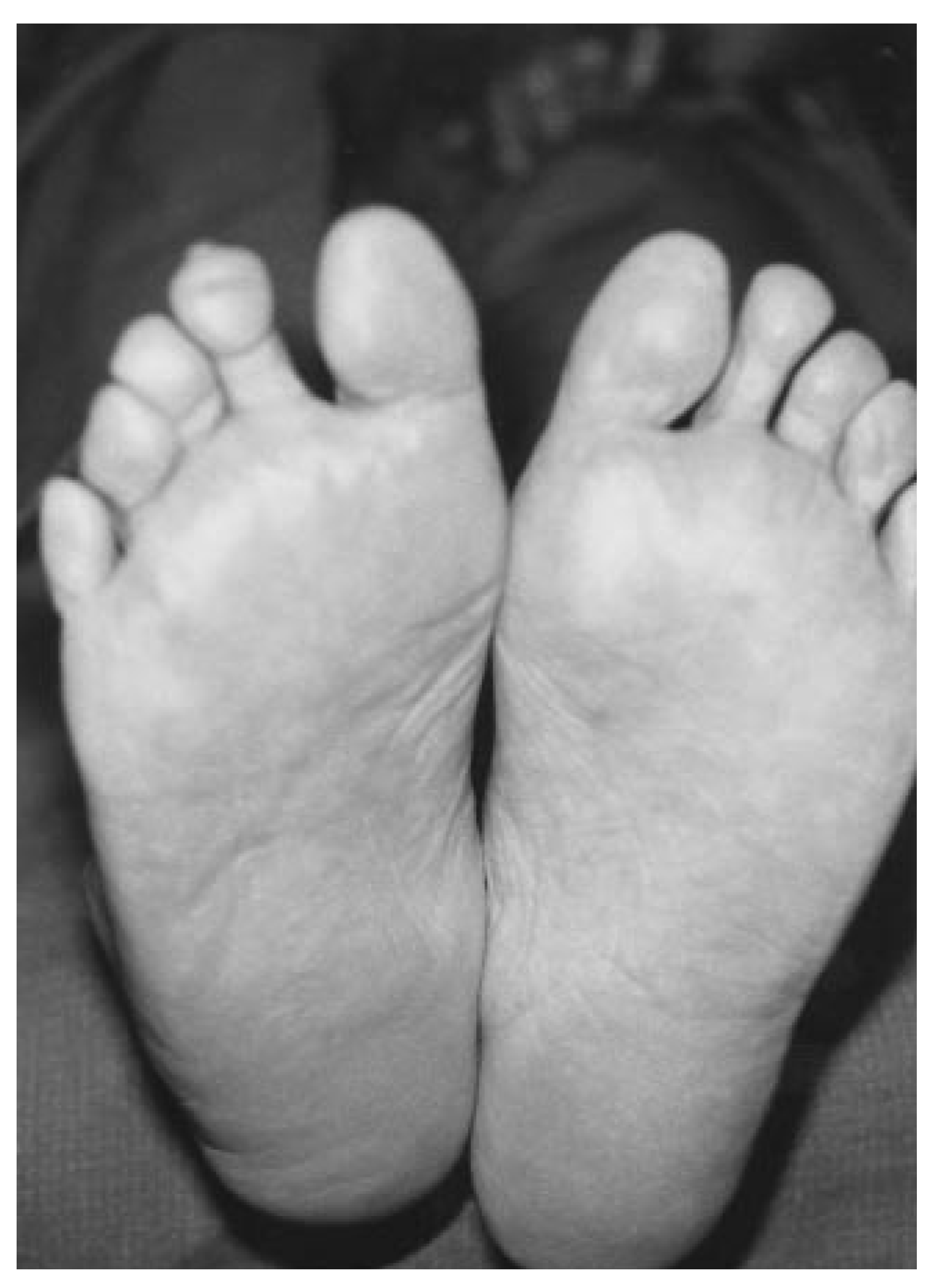
The physical examination revealed a mildly obese woman. There was a transverse scar overlying the area of the thyroid gland. The podiatric examination was significant for mildly increased temperature with mild erythema on the proximal plantar aspect of the right foot; the erythema was noted only in comparison with the left foot. This area was swollen and indurated as well (
Fig. 1). There was pain with palpation of the plantar aspect of the right heel and arch. There was a soft, 3-cm nodule at the lateral midfoot. No opening in the skin was noted.
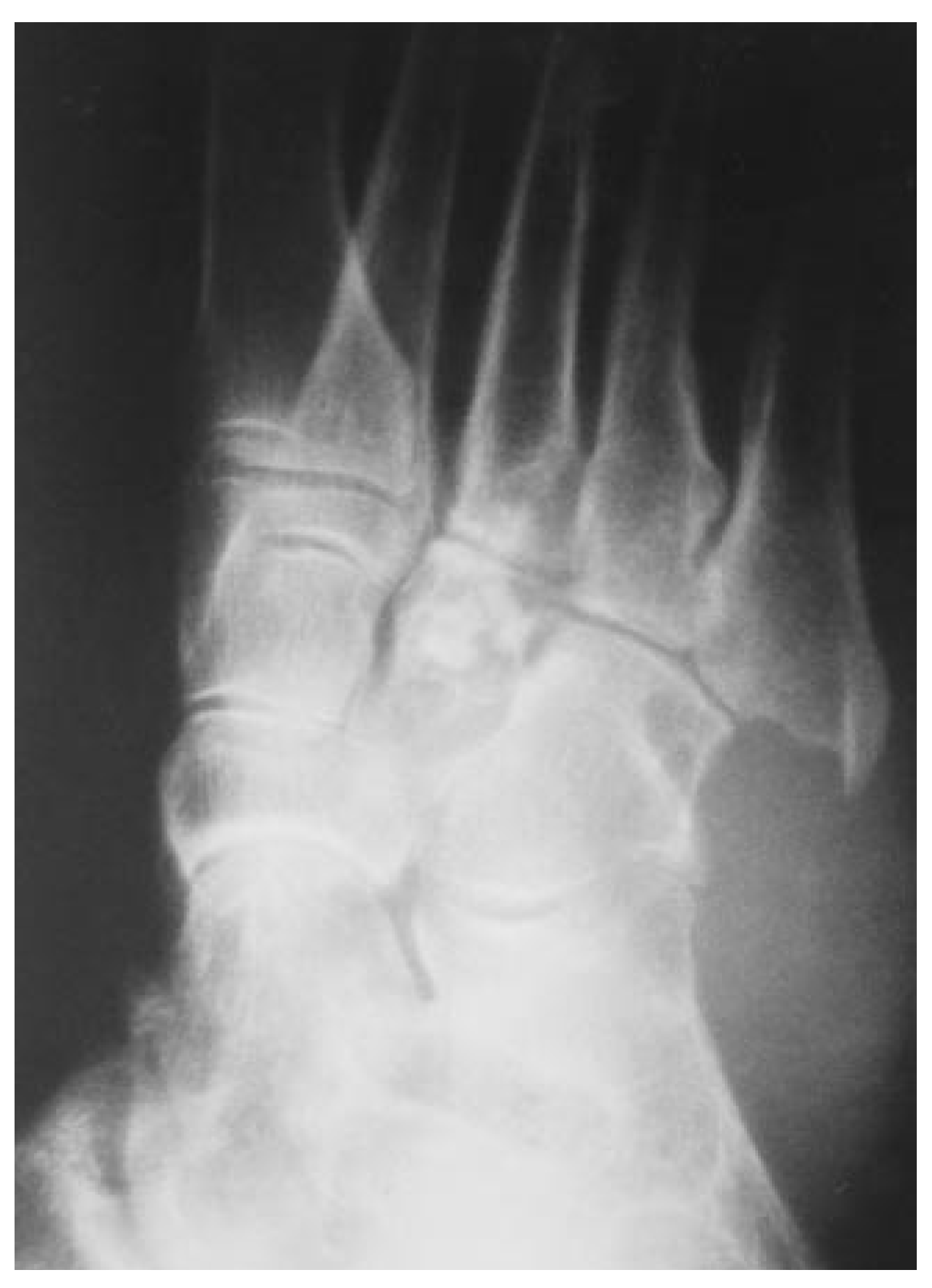
Radiographic examination revealed increased soft-tissue density and volume in the area of the mass. There were erosive changes at the base of the fifth metatarsal and at the lateral aspect of the cuboid, with calcified stippling in the area of the third cuneiform (
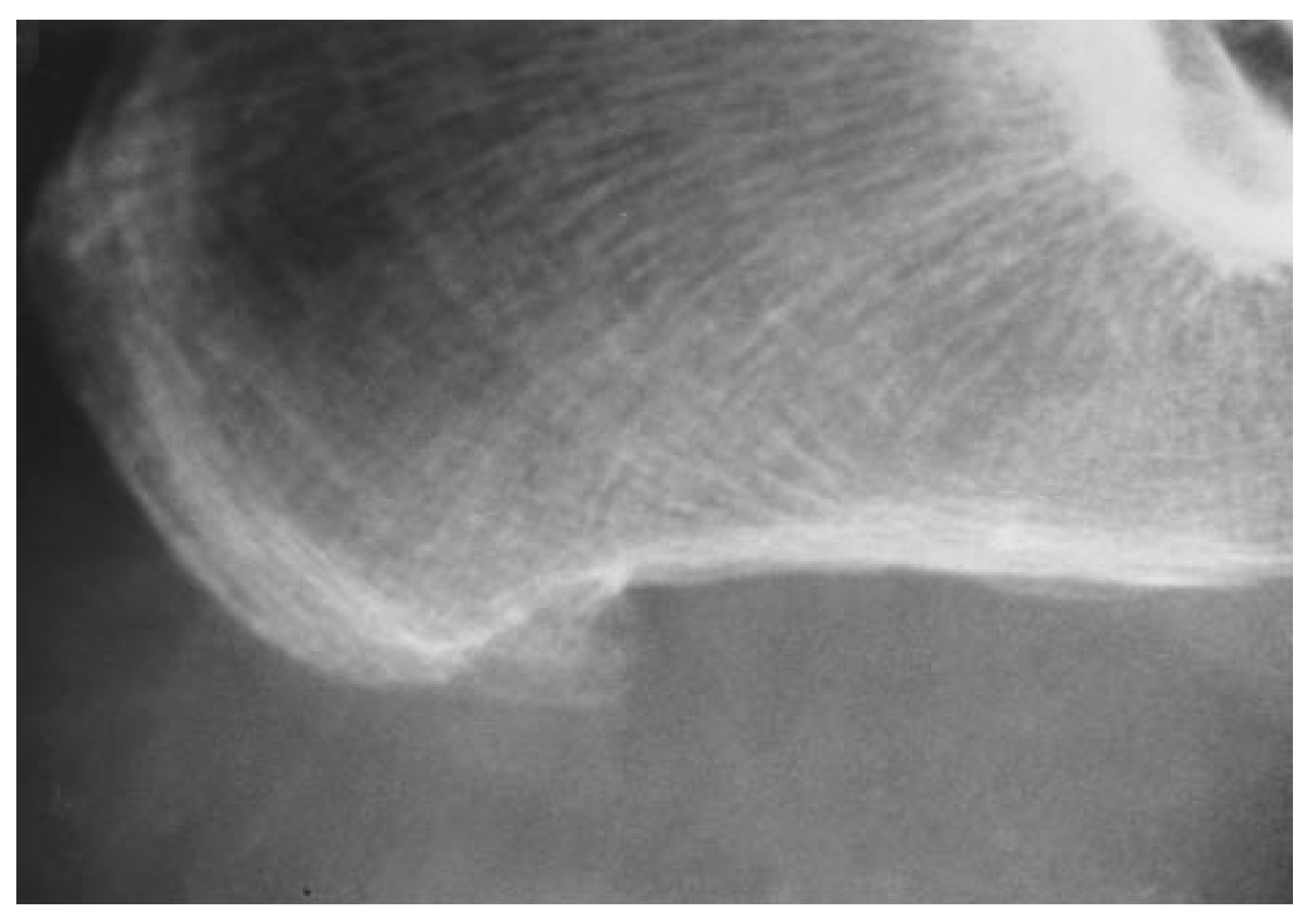
Fig. 2). There was an irregular, poorly defined plantar heel spur (
Fig. 3).
The differential diagnosis included an indolent infection such as mycetoma, coccidioidomycosis, and tuberculosis. A malignant bone tumor was initially considered, but this diagnosis was thought to be unlikely given the radiographic findings of a benign lesion.
Aspiration of the lateral midfoot mass was attempted, but the procedure failed. A consultation with infectious disease specialists was obtained, followed by evaluation of the laboratory data. Laboratory tests included a complete blood count, erythrocyte sedimentation rate, basic metabolic panel, cocci complement fixation titer, Brucella antibody titer, purified protein derivative (tuberculin), and chest x-ray. All test results were found to be within normal limits.
Specimens were obtained surgically for culture and biopsy of bone. The results of the bone culture were negative. The pathologist reported mature, focally cellular cartilage with some mild reactive atypia, but there was no evidence of malignant change. These findings were all consistent with chondroma or enchondroma.
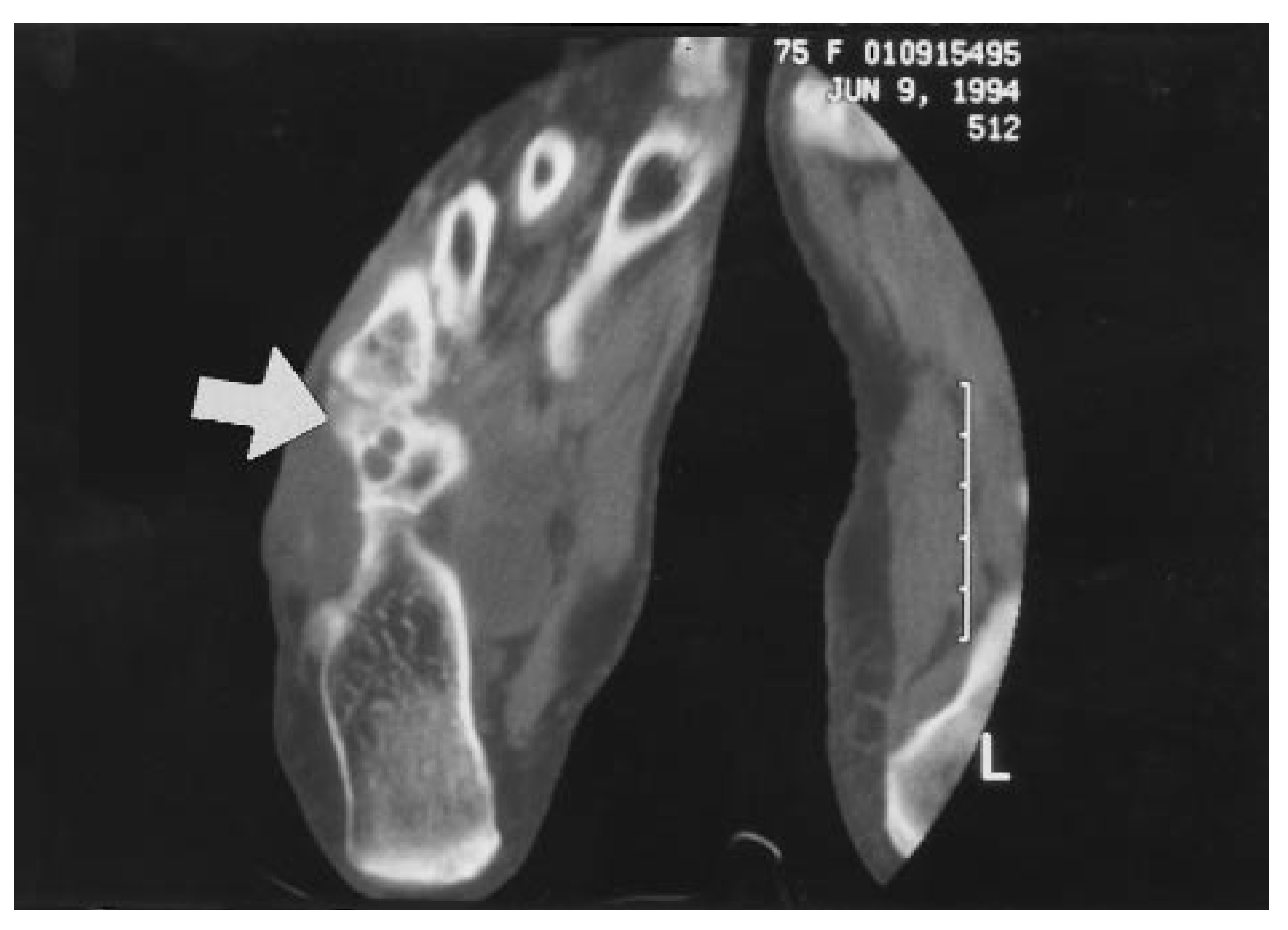
The correlation of the biopsy result with the clinical findings, along with a lack of substantiation of infection with the bone culture and laboratory workup, increased the likelihood of a malignant tumor, more specifically a chondrosarcoma. A CT scan was ordered; a bone tumor with an associated soft-tissue mass was clearly visualized (
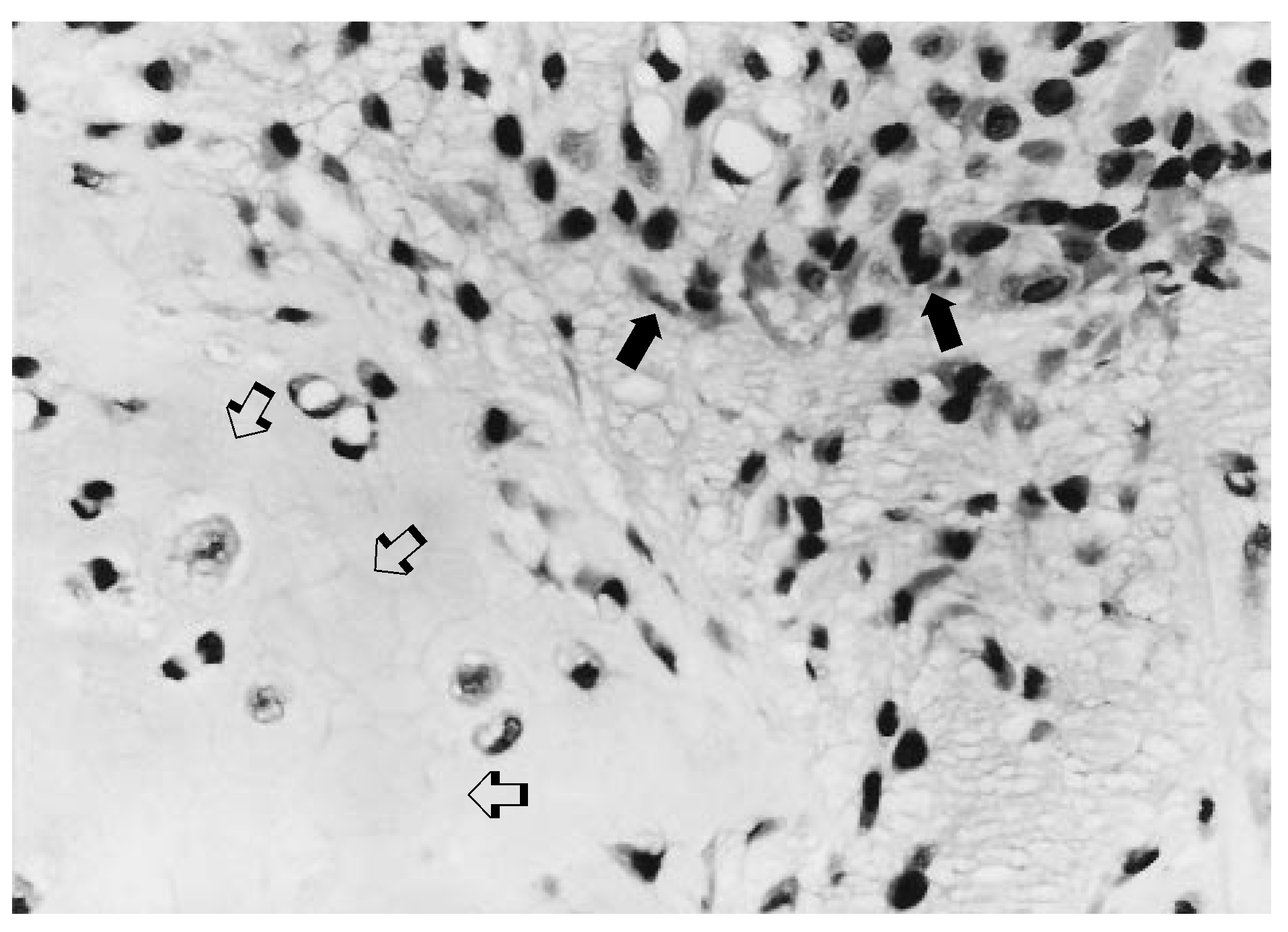
Fig. 4). A consultation with a bone tumor specialist was obtained, and the histopathology slides were reviewed (
Fig. 5). A diagnosis of low-grade chondrosarcoma was made. The patient underwent a below-the-knee amputation. No adjuvant chemotherapy was initiated because of the low metastatic potential of the lesion. The patient did not keep follow-up appointments.
Discussion
This rare presentation of chondrosarcoma of the foot demonstrates that it may be difficult to make the diagnosis of a malignant bone tumor in the case of a low-grade chondrosarcoma. Clinically, the course of the disease may be indolent. The radiographic findings may be consistent with a benign process, and the biopsy results may show no evidence of malignancy. It is important for the clinician to suspect malignancy on the basis of the clinical history and examination, and to then pursue appropriate ancillary tests and consultations.
In this case, there were several hints in the history and examination that the patient was suffering from a malignant tumor of the foot, including the fact that she was experiencing significant pain with weightbearing as well as with nonweightbearing. Moreover, the pain was slowly increasing over time and had been recalcitrant to previous surgery. Inflammation with induration and a soft-tissue mass were noted on examination. Although the radiographic findings indicated a benign lesion, the involvement of more than one bone in the foot and the confirmation of the presence of a soft-tissue mass were indicative of a more aggressive process.
This case also demonstrates the need for the podiatric physician to work as part of a team with other medical specialists. After receipt of the diagnosis of enchondroma in the biopsy report, one of the authors (C.K.H.) spoke with the pathologist regarding the incompatibility of this diagnosis with the clinical findings. The pathologist reviewed the slides and found areas that were more consistent with a lowgrade chondrosarcoma. There followed further consultation with a bone tumor specialist, and the diagnosis was confirmed without need for further biopsy. In cases where the pathologic and clinical diagnoses do not match after communication with the pathologist, a second biopsy may be necessary to ensure proper biopsy site, adequate specimen size, proper collection technique, and proper specimen handling.
Finally, imaging studies beyond radiographs may be helpful or essential in making the diagnosis. In this case, a CT scan confirmed the diagnosis of lowgrade chondrosarcoma and demonstrated the extent of involvement of the tumor in the foot, which aided in the selection of the surgical procedure.
Conclusion
Physicians may have difficulty making a diagnosis of low-grade chondrosarcoma because the biopsy and the radiographic findings may indicate a benign lesion. A false-negative pathology report may result from poor histologic samples or the lack of correlation of clinical data by the pathologist, who is not in direct communication with the patient. The observation of few or no malignant changes on radiographs is not unusual in cases of low-grade chondrosarcoma. Unfortunately, it is not uncommon for these lesions to go undiagnosed or misdiagnosed for many years. Podiatric physicians are advised to trust their clinical assessment of lesions despite inconsistent radiographic or pathologic results to make the diagnosis. If low-grade chondrosarcoma is strongly suspected on the basis of clinical findings, consultation with the pathologist and radiologist is advised, as well as consideration of second opinions, including referral to an oncologist. It is important to detect malignancies that appear as benign lesions before they metastasize to areas proximal to the foot and compromise the patient’s general health.