Fractures are commonly treated by podiatric physicians. This study was undertaken to determine whether the application of compression or tension changes the angle of fracture in bone, as it does in nonbiologic materials. Such knowledge would lead to a greater understanding of fracture etiology and the role of tension or compression in producing a particular fracture pattern.
For the purpose of this discussion, the following assumption must be made for analysis: The material under investigation obeys Hooke’s law, [
1] which states that within elastic limits, the deformation that is produced is proportional to the stress applied [
2].
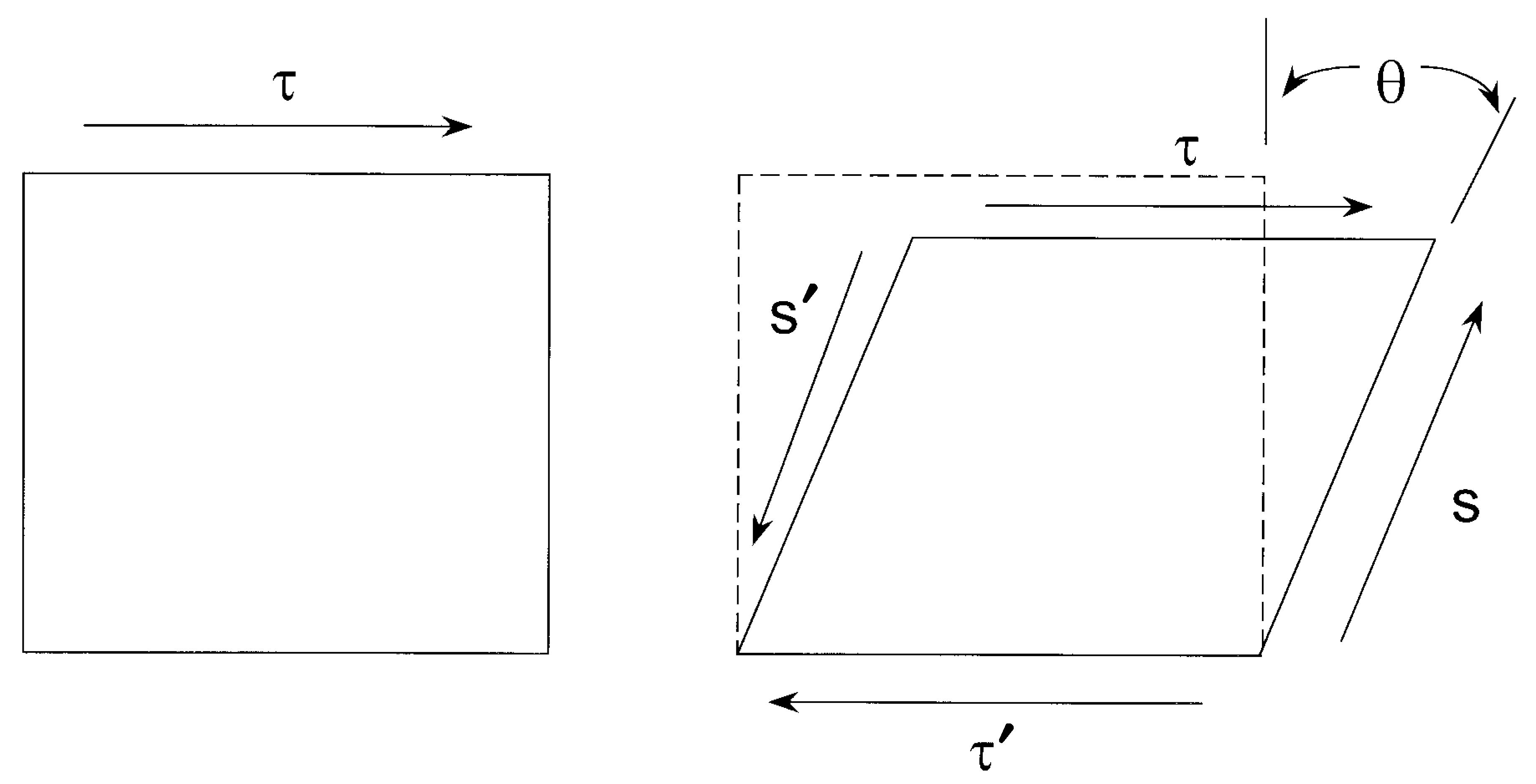
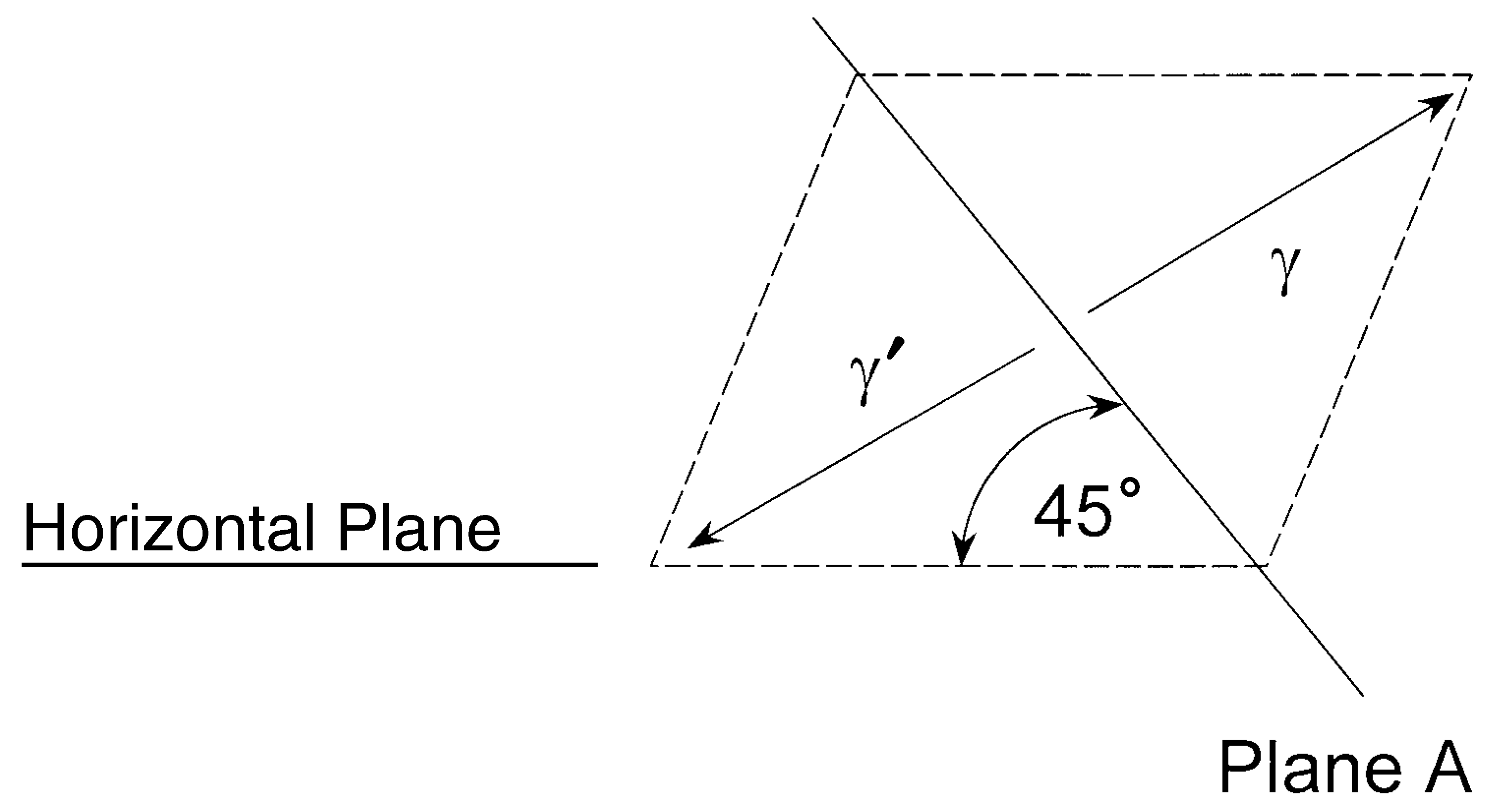
Figure 1 illustrates one side of an infinitely small cube with a deforming force, τ, being applied across its superior surface. As the cube begins to deform in the transverse direction, it should also shorten. In accordance with Hooke’s law that applied stress and deformation are proportional, the deformation created is proportional to the stress. The proclivity of the material to shorten, and its resistance to this shortening, creates the resultant force, s. The sum of all forces acting on any system must equal zero in order for there to be equilibrium. The forces τ’ and s’ are resultant forces that are equal to and opposite to the forces τ and s, respectively, and maintain the system in equilibrium. The vector sum of the applied and resultant forces, γ and γ’, applies a tensile force across a plane, plane A, at an angle of 45° with respect to the horizontal plane. This is illustrated in
Figure 2.
The foregoing information provides the basic background needed to continue this investigation into the mechanics of fracture.
The fracture mechanics of an isotropic material will be examined first, using as an example a solid rod with a torsional load applied at its surface. Although bone is more accurately described as a hollow cylinder than as a solid rod, this fact does not affect the angular outcome of the fracture. The reactive forces at the outside surfaces of both materials are the same.
There are additional assumptions, formed on the basis of the development of mathematical models, that must be made. The reader should be aware that all mechanical systems are far more complex than bone. These assumptions cannot be literally interpreted for either a biologic or a nonbiologic system, but represent a simplistic mechanical system for educational purposes. The assumptions, from the work by Shigley and Mischke, [
1] are the following:
The rod is acted on by torsional forces only.
The section receiving the load is remote from the point of application of the load.
The section receiving the load experiences no change in diameter.
Adjacent cross-sections that were originally parallel to each other remain so after twisting.
All radial lines remain straight.
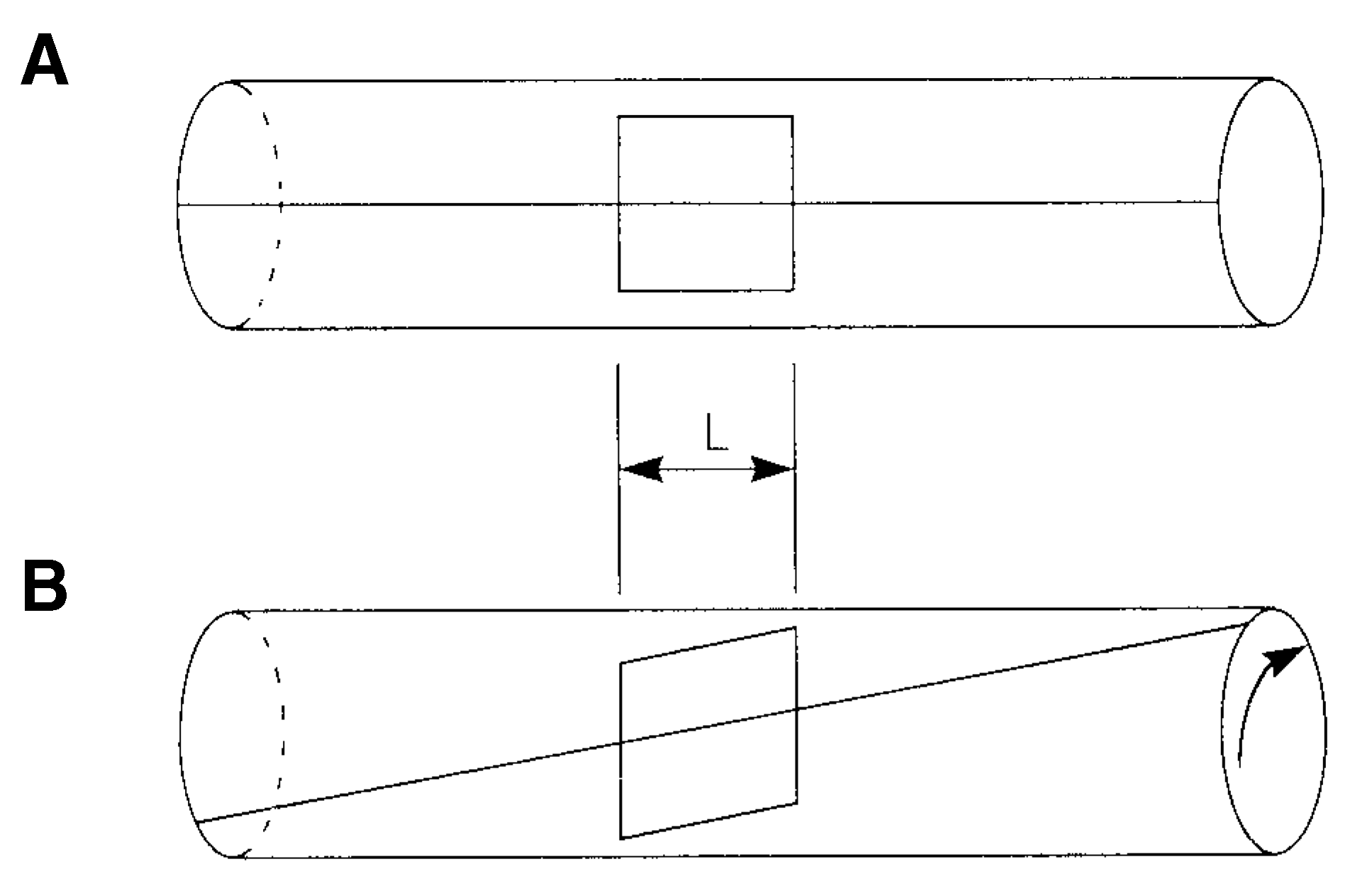
Figure 3 shows two solid rods. Rod A has neither torsional nor axial loading. A longitudinal bisector has been drawn on the surface of rod A and a square is drawn in the center of the rod at the center of the bisector. Consider the square as a side view of the cube in
Figure 1 and
Figure 2. This longitudinal bisector and square will be used to describe the changes that occur at the surface of the rod as torsional loading occurs.
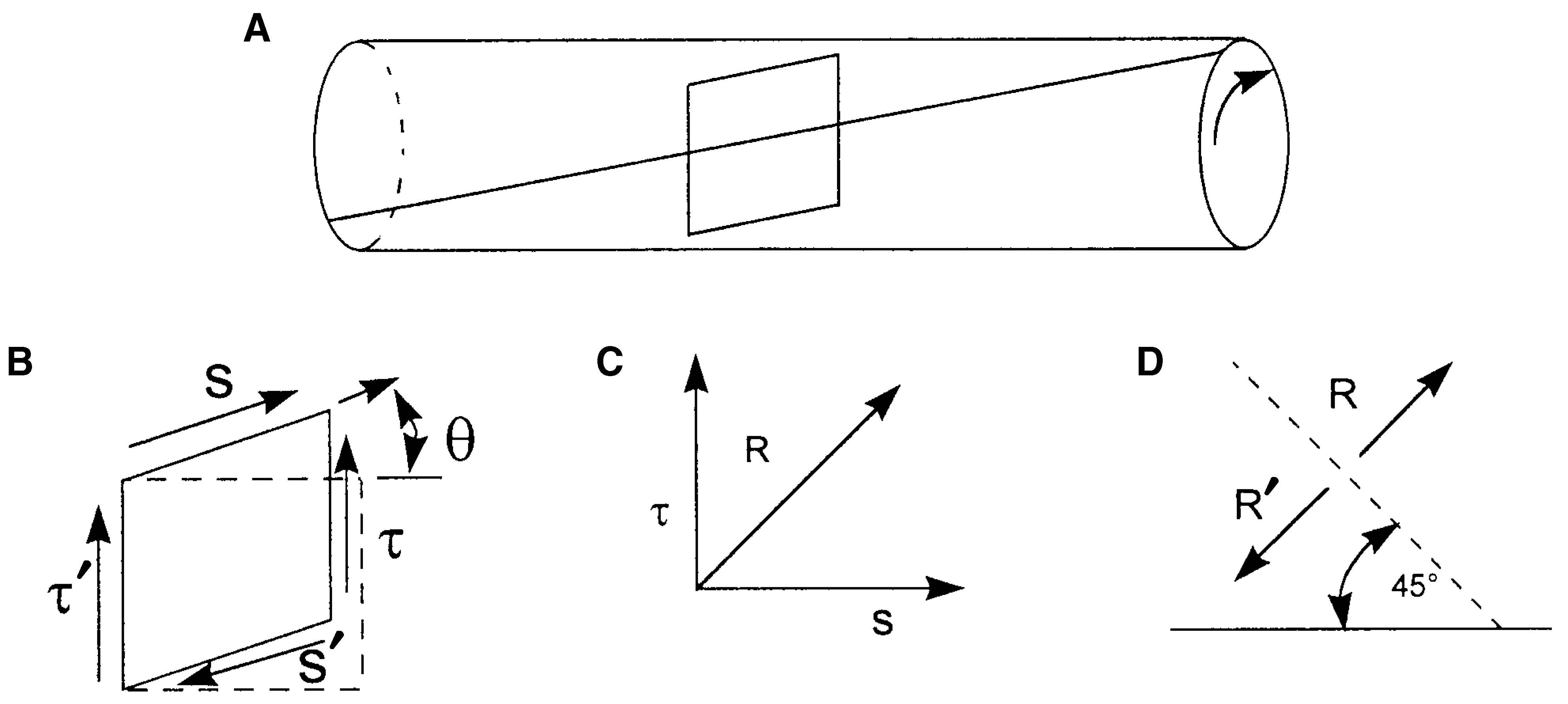
As torsional loading is applied to the rod, the longitudinal bisector begins to rotate around the rod (
Figure 3B). The distance, L, from one side of the square to its opposite side does not change significantly as a result of the torque [
3]. During the torsional loading, the square has a tendency to become a parallelogram, with sides that are the same length as those of the original square. The vertical lines of the parallelogram remain in the same plane and the longitudinal lines of the square remain parallel to one another, but are no longer parallel to the longitudinal axis of the rod. This rod is not subject to axial load, so its length is expected to remain unchanged [
3].
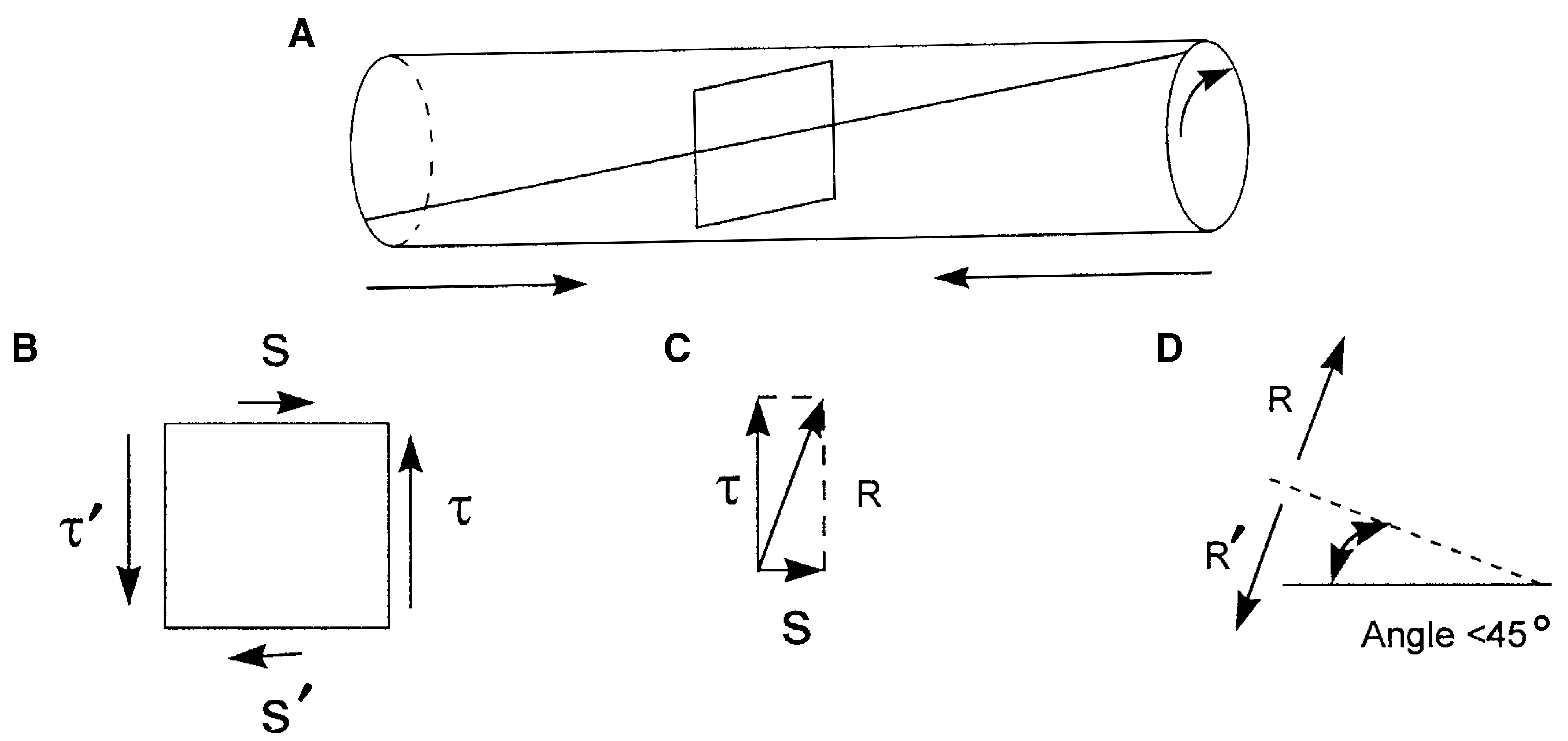
Figure 4 shows the rod (
Figure 4A) and the effect that torsion has on a cube of infinite smallness. The cube in
Figure 4B has the same forces and reaction as seen in
Figure 1 and
Figure 2. Graphically summing the vectors τ and s in
Figure 4C gives the resultant vector R. As shown in
Figure 4D, the resultant vectors of torsion oppose one another across a plane that is at an angle of 45° with respect to the longitudinal axis of the rod. This is the angle at which maximum tension and, therefore, fracture will occur.
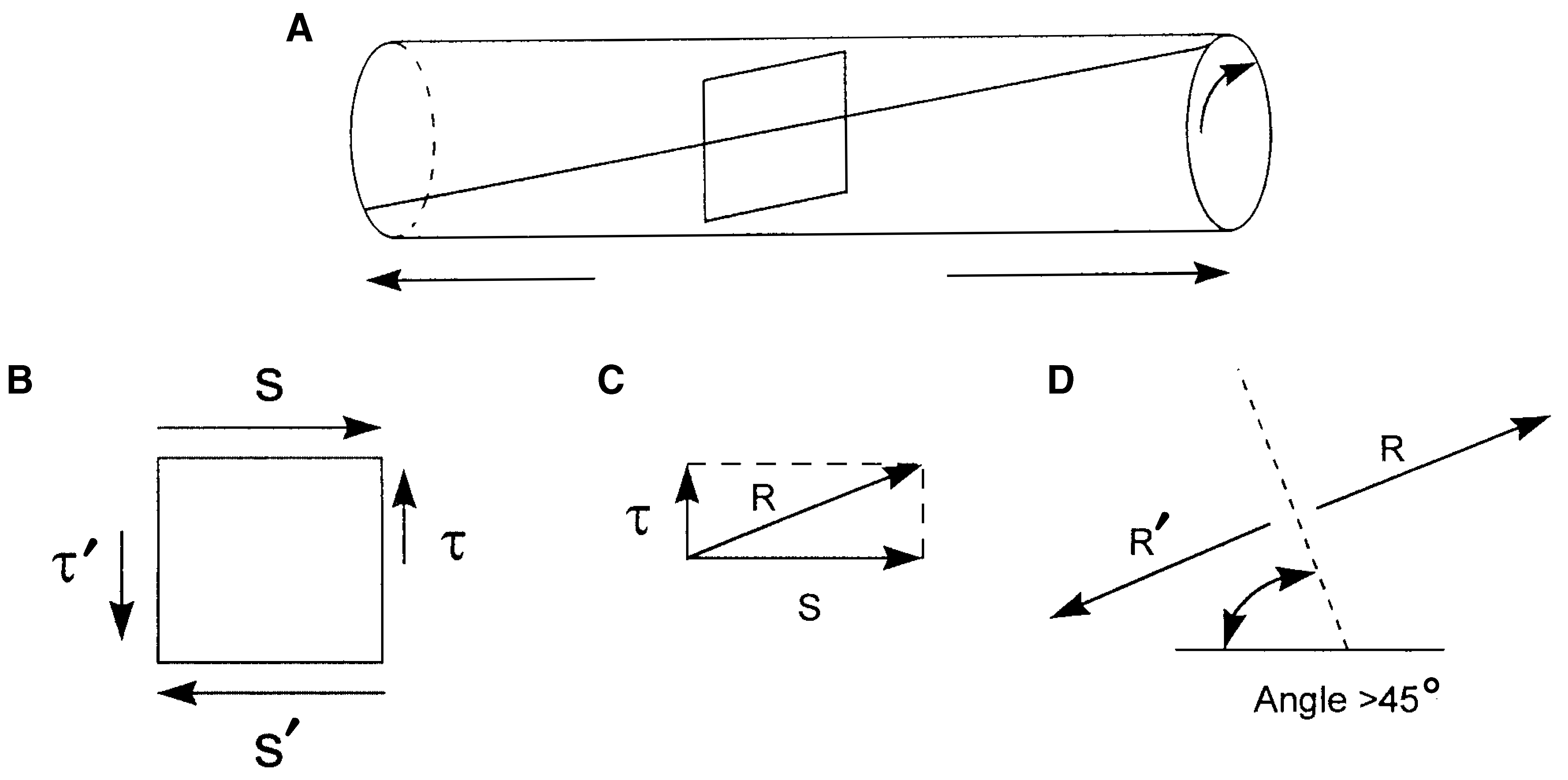
Figure 5 shows the effect of adding axial tensile load to the rod in question (
Figure 5A) while maintaining a constant torque. The effect of this added load results in an increase in forces s and s’. The loading itself increases the magnitude of s’. The concomitant increase in s is a response to axial loading and maintains the system in equilibrium. Forces τ and τ’ remain the same, as shown on the free-body diagram in
Figure 5B. Graphically summing τ and s (
Figure 5C) gives the resultant vector R.
Figure 5D shows the resultant vector R and its opposing vector R’ acting across a plane that is at an angle of greater than 45° with respect to the longitudinal axis of the rod. This plane is the area of distribution for maximum tension and, therefore, also the area where failure is most likely to occur. This tensile loading will generate a fracture line that is at an angle of greater than 45° with respect to the longitudinal axis of the rod, or a more transverse fracture line.
Figure 6 shows the effect of adding axial compressive load to the rod in question (
Figure 6A) while maintaining a constant torque. The effect of this added load results in a decrease in forces s and s’. Again, the change in magnitude of force s’ is a response to axial loading and maintains equilibrium. Forces τ and τ’ remain the same, as shown on the free-body diagram (
Figure 6B). Graphically summing τ and s in
Figure 6C gives the resultant vector R.
Figure 6D shows the resultant vector R and its opposing vector R’ acting across a plane that is at an angle of less than 45° with respect to the longitudinal axis of the rod. This plane is the area of distribution for maximum tension and, therefore, also the area where failure is most likely to occur. This loading will generate a fracture line that is at an angle of less than 45° with respect to the longitudinal axis of the rod, or a more longitudinal fracture line.
In 1971, Sammarco et al. [
4] demonstrated that relatively rapid torsional loading of canine bones resulted in a helical fracture. In their study, the average helix angle was 39.6° for all bones. The fracture of the femur resulted in an average helix angle of 25.4°. These results contrast with those of other studies involving torsion of a cylinder of an isotropic solid. Torsion on this material results in a 45° angle of principal stress, which in turn results in a 45° fracture angle. These latter results are expected because bone is an anisotropic material, which is stronger in the transverse direction.4 The study by Sammarco et al. was consistent with the premise that the rate of load application does not significantly affect the resultant fracture angle [
4].
Bonfield and Grynpas [
5] conducted a study of torsional fracture mechanics in bone by first machining the bone to a regular hollow cylinder; the fracture events were recorded with high-speed photography. This study again concentrated on torsional loading only. The authors consistently produced a fracture angle of 37° to 38° in their bone specimens. They fractured both wet and dry specimens and found similar results in both. The significant point drawn from this study was that the fracture helix angle was less than the 45° fracture angle that was produced in torsional fractures of isotropic material.
Materials and Methods
Ten bovine femurs and humeri were used to test the fracture mechanics of bone in biologic material.
These bones were kept refrigerated for 2 days and then warmed to room temperature over approximately 18 h. The first two bones were sacrificed to develop and adjust the testing methods. The remaining eight bones (all whole) weighed an average of 5.25 pounds each. For the purposes of this study, these bones were numbered 1 through 8. At the start of the study, radiographs were obtained of all eight test bones in order to identify any undetected prior flaws in any of the bones. No bone showed any sign of prestress damage, such as cortical disruptions or overt fractures. After the testing was complete, each bone was photographed. The postfracture photographs were used to calculate the results of this work. Measurements of fracture angles were performed with a tractograph. The measurement was performed on the tensile side of the fracture site because this is the point at which the fracture propagates and travels through bone.
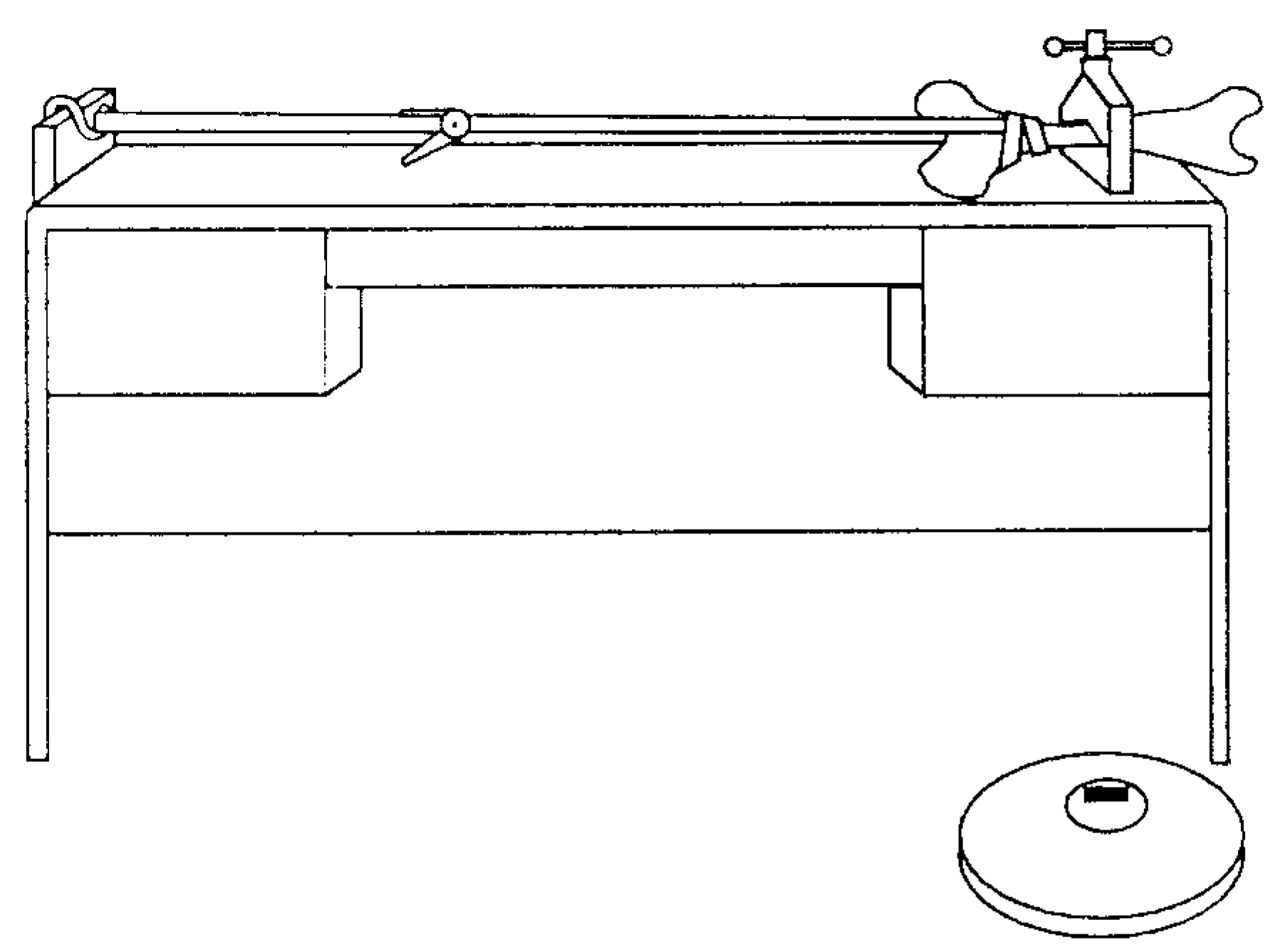
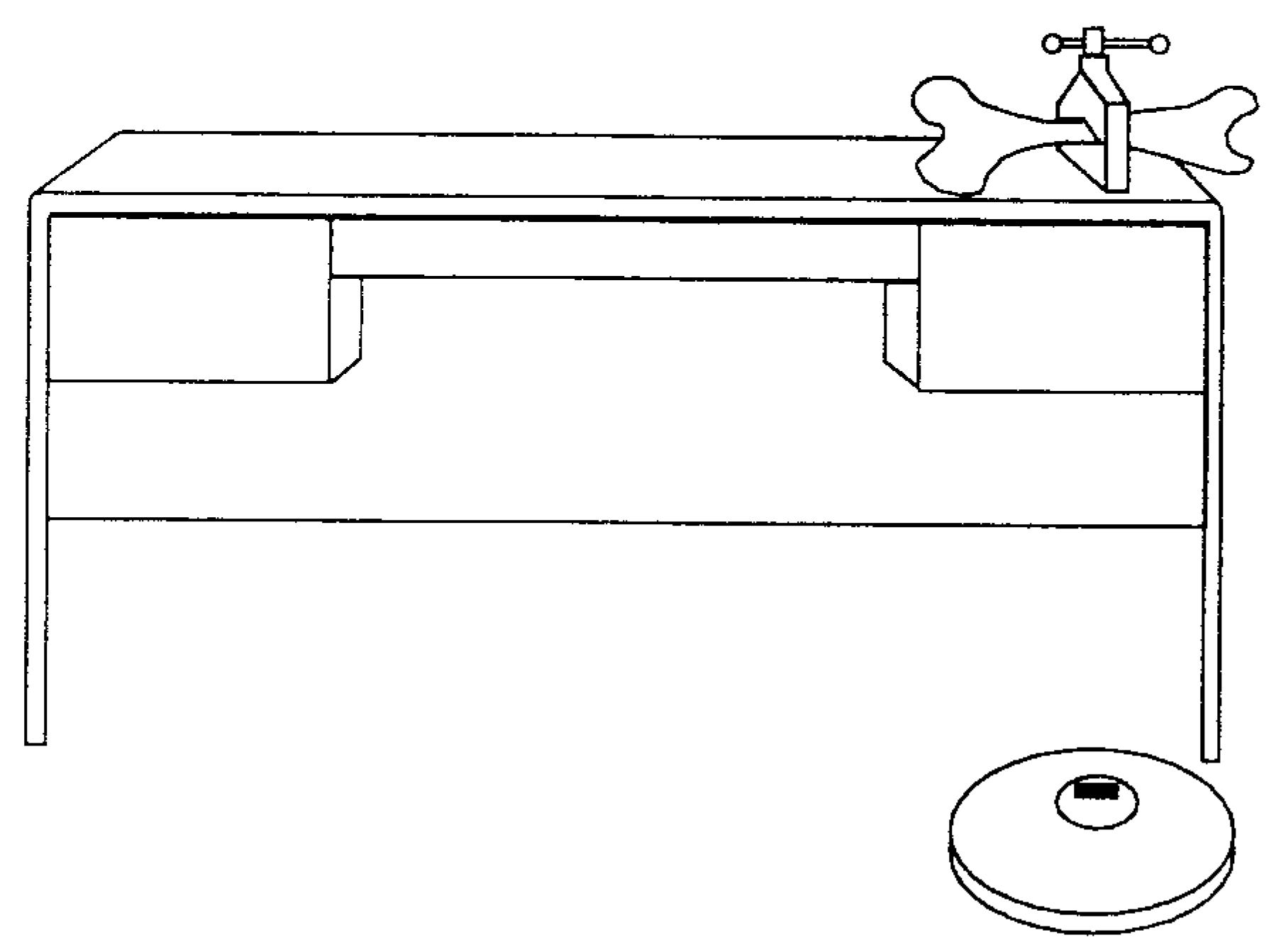
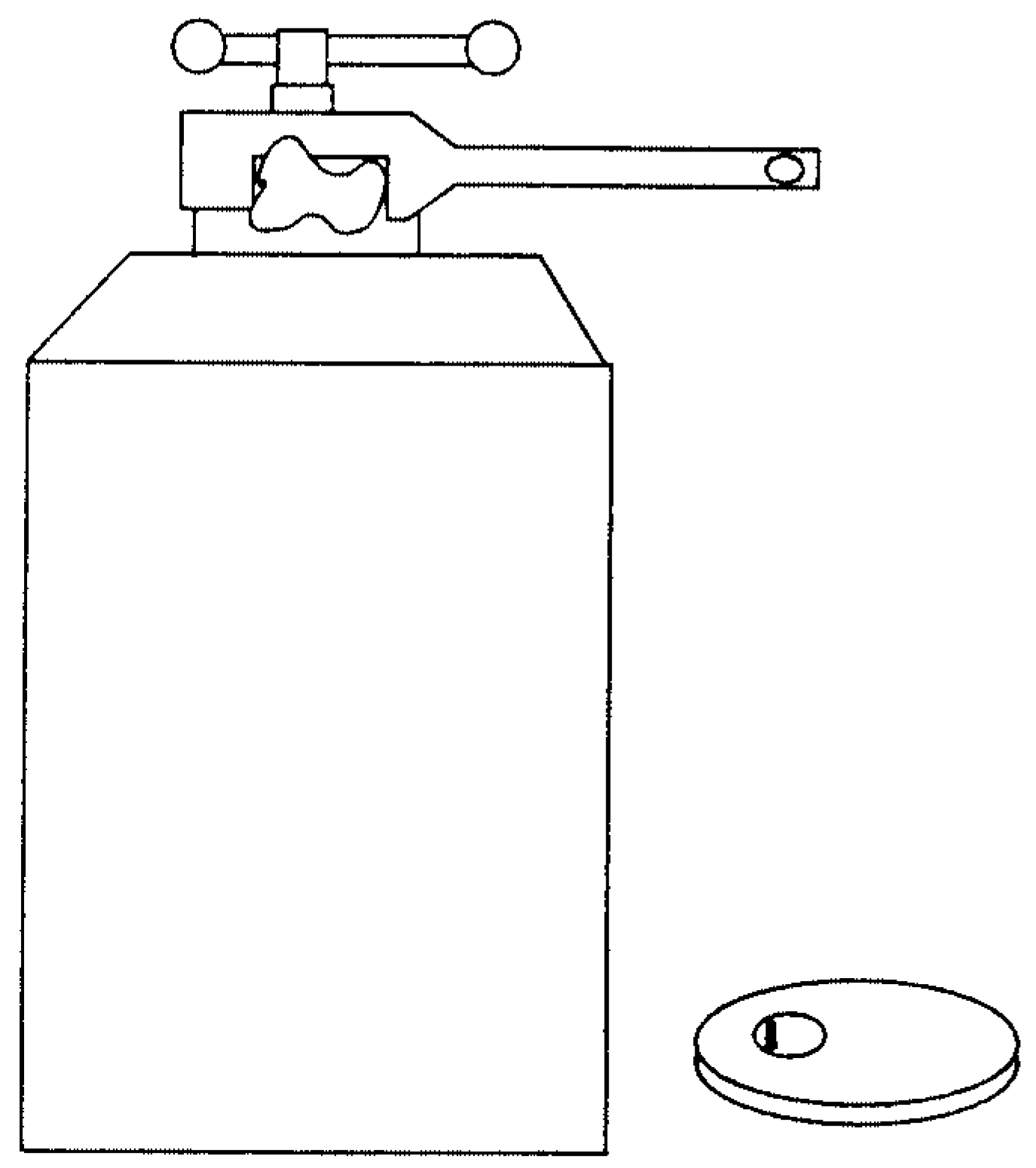
The testing was performed with the use of a crude, but effective, testing system. A pipe vise was mounted on a heavy table (
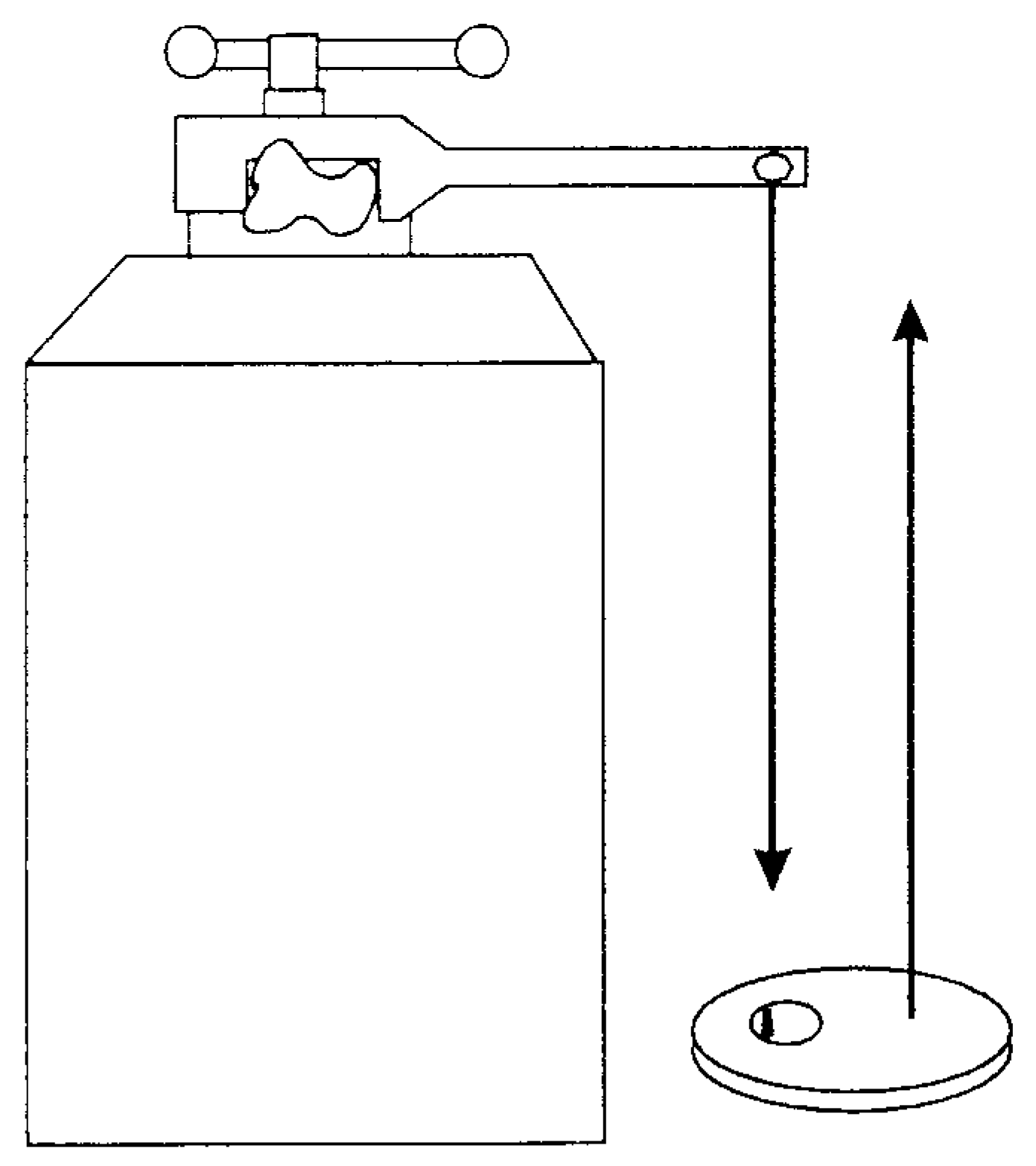
Figure 7) so the experiment could be performed with confidence that little extraneous motion would occur during stress. Each bone was, in turn, secured in the vise, and a protective layer of plastic was wrapped around the bone to contain any bone fragments, marrow, or blood that might be released. For the first two bones, a 26-inch pipe wrench was clamped to the bone at the shaft (
Figure 8). The student-author (S.J.A.) who applied the force stood on a bathroom scale that was placed on the floor near the table supporting the apparatus; his weight was first measured without the wrench (
Figure 9). (The same student-author performed all trials.) When the student applied a downward force on the handle of the pipe wrench, he was lifted from the scale. The weight on the scale was noted at the moment of bone fracture. The difference between this number and the baseline weight was multiplied by the length of the pipe wrench, from the center of the jaw to the end of the handle. The resultant number represents a crude estimate, in foot-pounds, of the amount of torsional force necessary to reach the point of fracture. These two trials were used as a baseline to demonstrate the fracture pattern that is produced with the application of torsion alone.
For the third and fourth bones, a nylon strap was attached at each end of the bone. Then one strap was attached to the opposite end of the table to provide axial tensile loading, and the straps were connected with a winch mechanism. The strap was then pulled taut with the winch (
Figure 10). This placed the bone under axial tensile load. With the use of this crude system it was not possible to measure the exact amount of tension that was applied. As was done in the first two trials, the wrench was clamped tightly to the bone shaft and a rotational force was applied, with the student standing on the scale, until the bone fractured. The fifth through eighth bones were ripped from the jaws of the wrench before torsional fracture could occur.
Results
The results of the trials are shown in
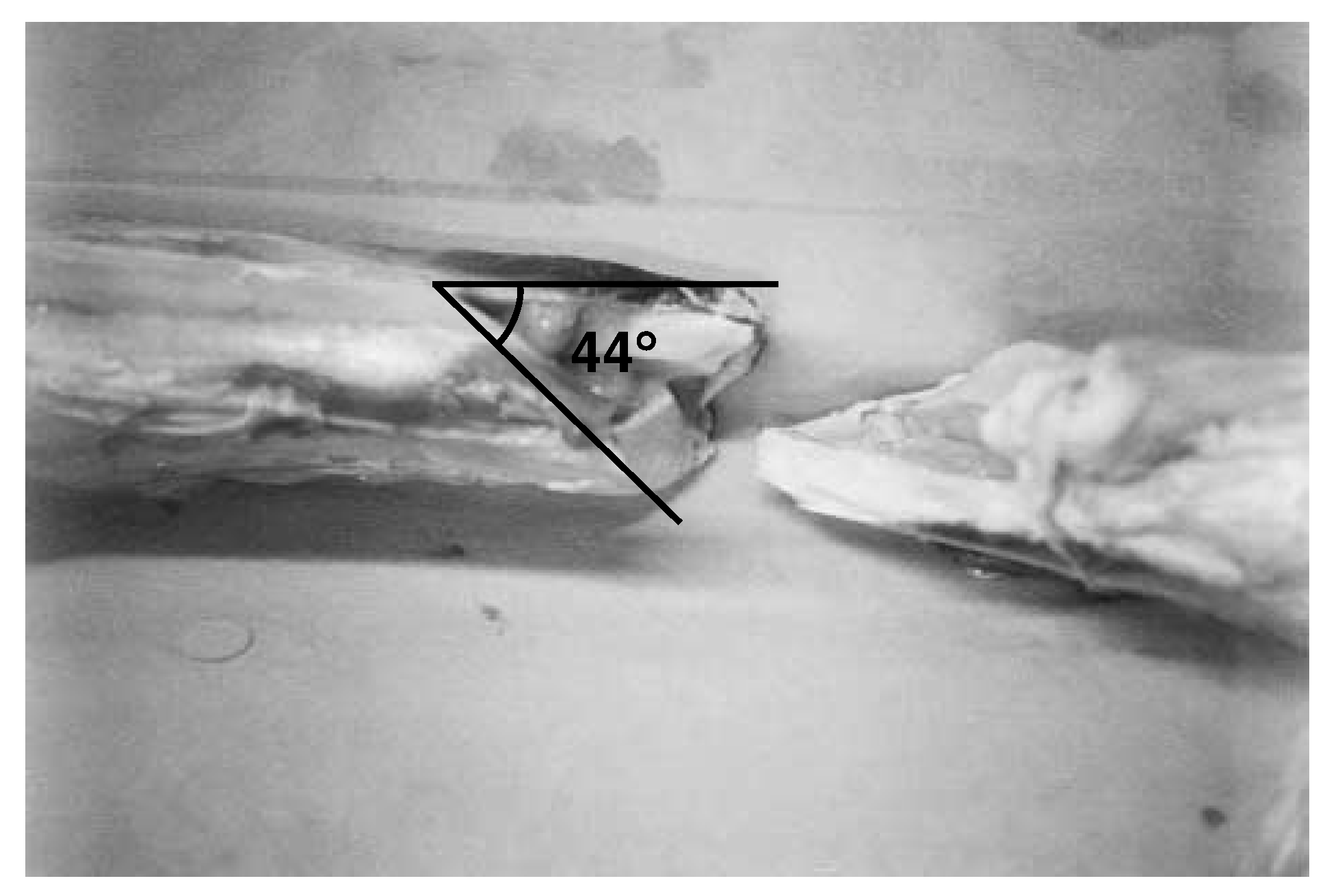
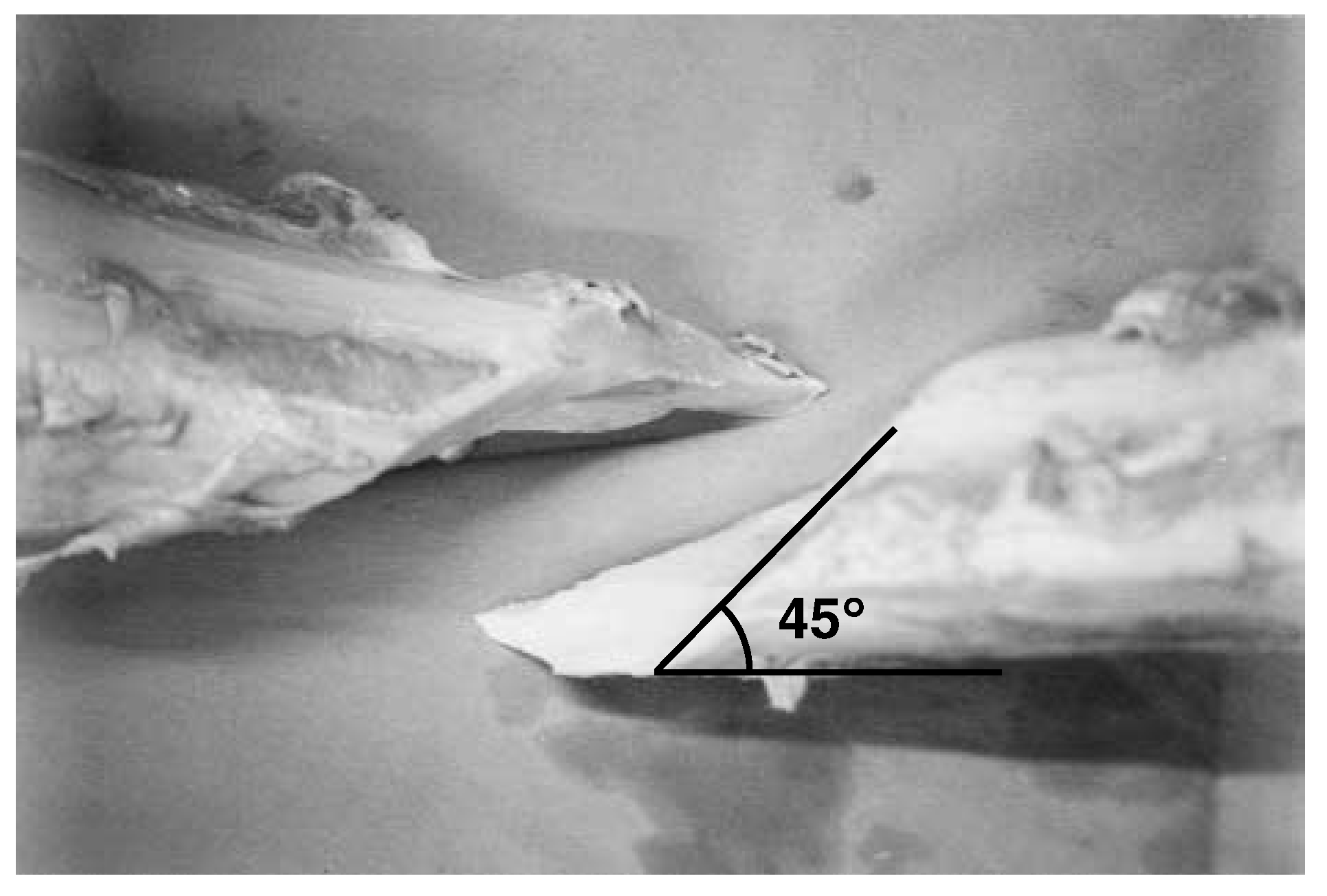
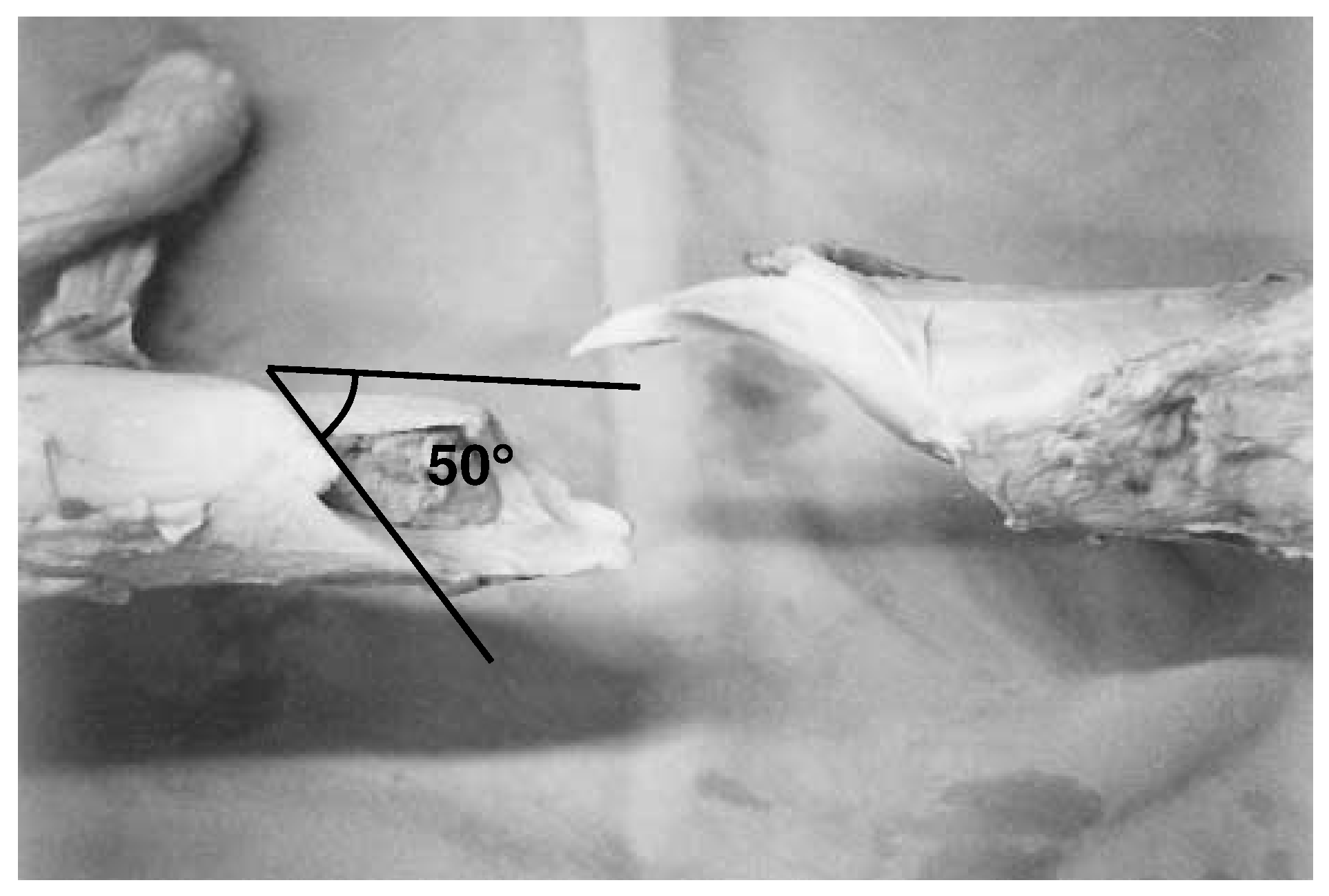
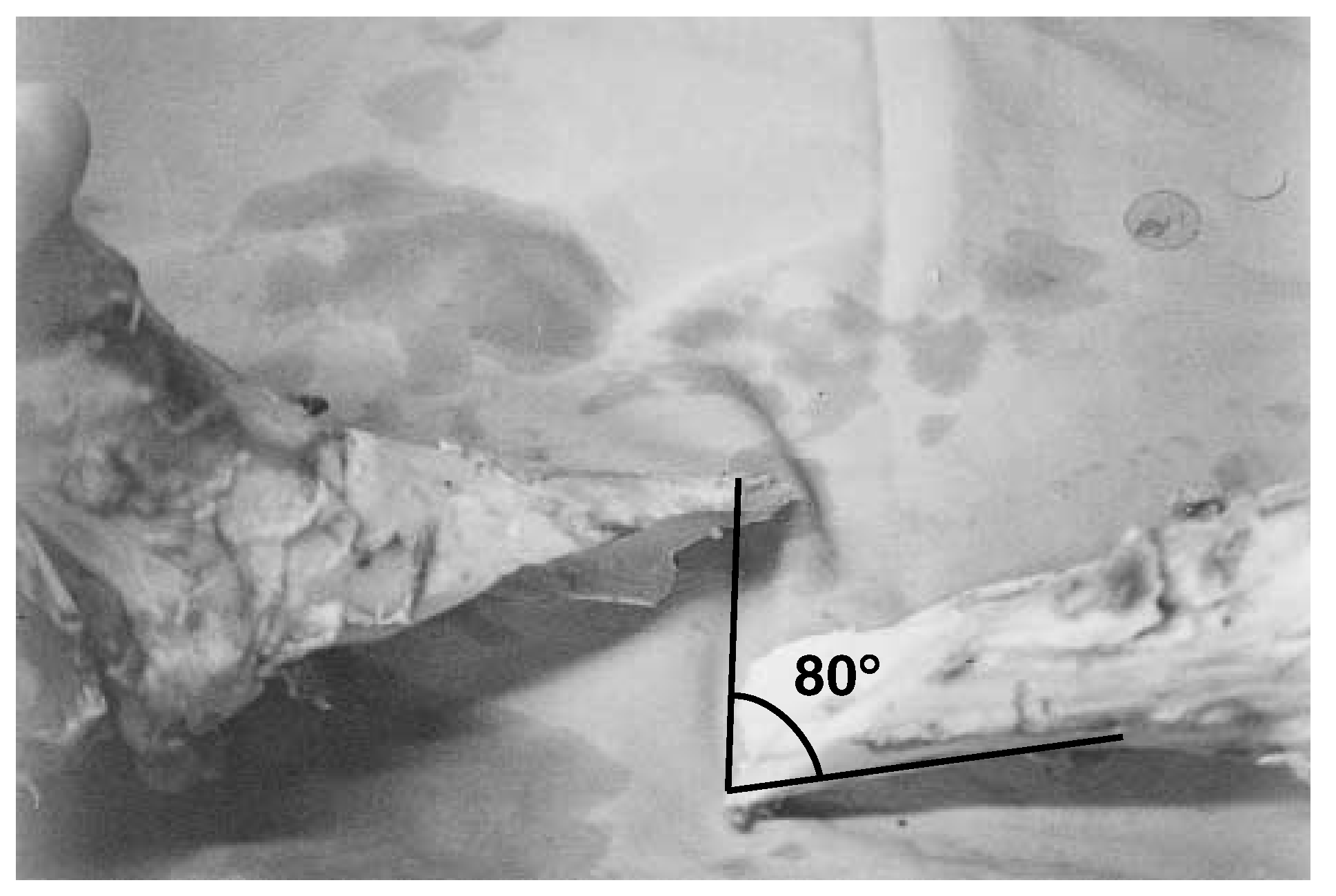
Table 1. For bones 1 and 2, the fracture occurred at an angle of approximately 45° with respect to the longitudinal axis of the bone (
Figure 11 and
Figure 12). With axial loading of the bone, as shown for bones 3 and 4, the angle with respect to the longitudinal axis was increased to greater than 45° (
Figure 13 and
Figure 14). The results obtained from this study follow the principles that pertain to fracture of nonbiologic material previously discussed.
Discussion
The results of this study are consistent with the fracture mechanics of isotropic materials, but they are not concordant with previous studies of the fracture mechanics of bone [
4]. The authors believe the results of torsional fracture obtained in this study may have produced angles close to 45° as a result of bone irregularity, the inability to generate purely torsional force on the bone because of the configuration of the vise, and the crude method of breaking the bone. In bracing the bone for breaking, the vise was manufactured in such a way that a small amount of bending force may have been imparted to the bone. This bending force provided a small amount of tensile loading on the fracture side of the bone and a compressive loading on the opposite side of the bone. The tensile force could not be measured, nor was it considered in these tests. This axial loading may be the reason for the resultant fracture angle’s approaching 45°, an angle that was higher than that achieved in previous studies of bone fracture mechanics.
As can be seen from the results of this study, adding tension (longitudinal load) to the bones prior to fracture increases the fracture helix angle to greater than 45°. In one trial, bone 4, the angle was significantly increased, approaching 90° with respect to the longitudinal axis of the bone. This increased angle is believed to be the result of increased tension on the bone. The authors believe that the same tensile loading imparted by the vise is also indicated in these results.
It is also of interest that increased tensile loading of the bone required less torsional loading to fracture the bone. This is believed to be the result of combined tensile components of the tension and torsion on the bone.
Conclusion
The results of this study, even with the crude system that was utilized, reveal that changes in the character of a fracture can be expected when there is axial loading of bone. Tensile axial loading produces a more oblique fracture, and less torsional load needs to be applied to fracture the bone. It can therefore be surmised that compressive axial loading will generate a longer, more longitudinal fracture. These assumptions follow the principles of fracture in mechanical systems of isotropic materials.
Publication of these results offers the reader a better understanding of fracture mechanics. This study was conducted to ascertain whether further studies with more elaborate research equipment may be useful in the study of fracture mechanics. Further studies should focus on performing these experiments with larger sample sizes and other experimental models so that statistically significant results may be attained.