Next Article in Journal
Vietnamese Military Shoes then and Now
Previous Article in Journal
The Ogden Anchor
 
 
Journal of the American Podiatric Medical Association is published by MDPI from Volume 116 Issue 1 (2026). Previous articles were published by another publisher in Open Access under a CC-BY (or CC-BY-NC-ND) licence, and they are hosted by MDPI on mdpi.com as a courtesy and upon agreement with American Podiatric Medical Association.
Case Report

Emergence of Non-Group A Streptococcal Necrotizing Diabetic Foot Infections

Department of Orthopaedics, University of Texas Health Science Center, San Antonio 78284-7776, USA
J. Am. Podiatr. Med. Assoc. 1998, 88(6), 305-307; https://doi.org/10.7547/87507315-88-6-305
Published: 1 June 1998

Abstract

Recently the authors have noted a disturbing trend toward an increased incidence of necrotizing infections caused by non–group A streptococcal species. This article describes the typical clinical course of such an infection. Prompt surgical intervention, coupled with an antibiotic regimen aimed at mitigating exotoxin release, may be both limband life-preserving.

Group A β-hemolytic streptococcal infections have been well described in the medical literature. These infections are well known for causing life-threatening soft-tissue destruction and organ failure [1].
Non–group A β-hemolytic streptococci, specifically group B organisms, have been recognized as causing serious infections in newborns and in women during the postpartum period [2]. Although group B necrotizing fasciitis is uncommon, there have been isolated case reports [3]. It is important to note that although there have been few reported cases of serious diabetic foot infections caused by group B streptococci, the risk of group B streptococcal infections is increased tenfold in diabetic patients [4]. The following case report describes a diabetic patient with group B streptococcal infection and its sequelae.

Case Report

A 42-year-old Hispanic man with a 4-year history of type 2 diabetes mellitus presented to the emergency room complaining of a painful, swollen, gangrenous fourth toe (Fig. 1). He reported that 2 weeks previously he had been using a blowtorch and accidentally burned the tip of his fourth toe. During that 2-week period, the end of his toe became black and continued to be painful and swollen. The patient’s diabetes was well controlled by an oral hypoglycemic agent.
The physical examination revealed palpable dorsalis pedis and posterior tibial pulses with brisk capillary filling time to toes 1, 2, 3, and 5. The fourth digit was edematous and had wet gangrene from the tip of the toe to the level of the middle phalanx. Cellulitis extended just proximal to the metatarsophalangeal joint, and his white blood cell count was 15,000/mm3. Plain radiographs were not consistent with osteomyelitis or soft-tissue emphysema.
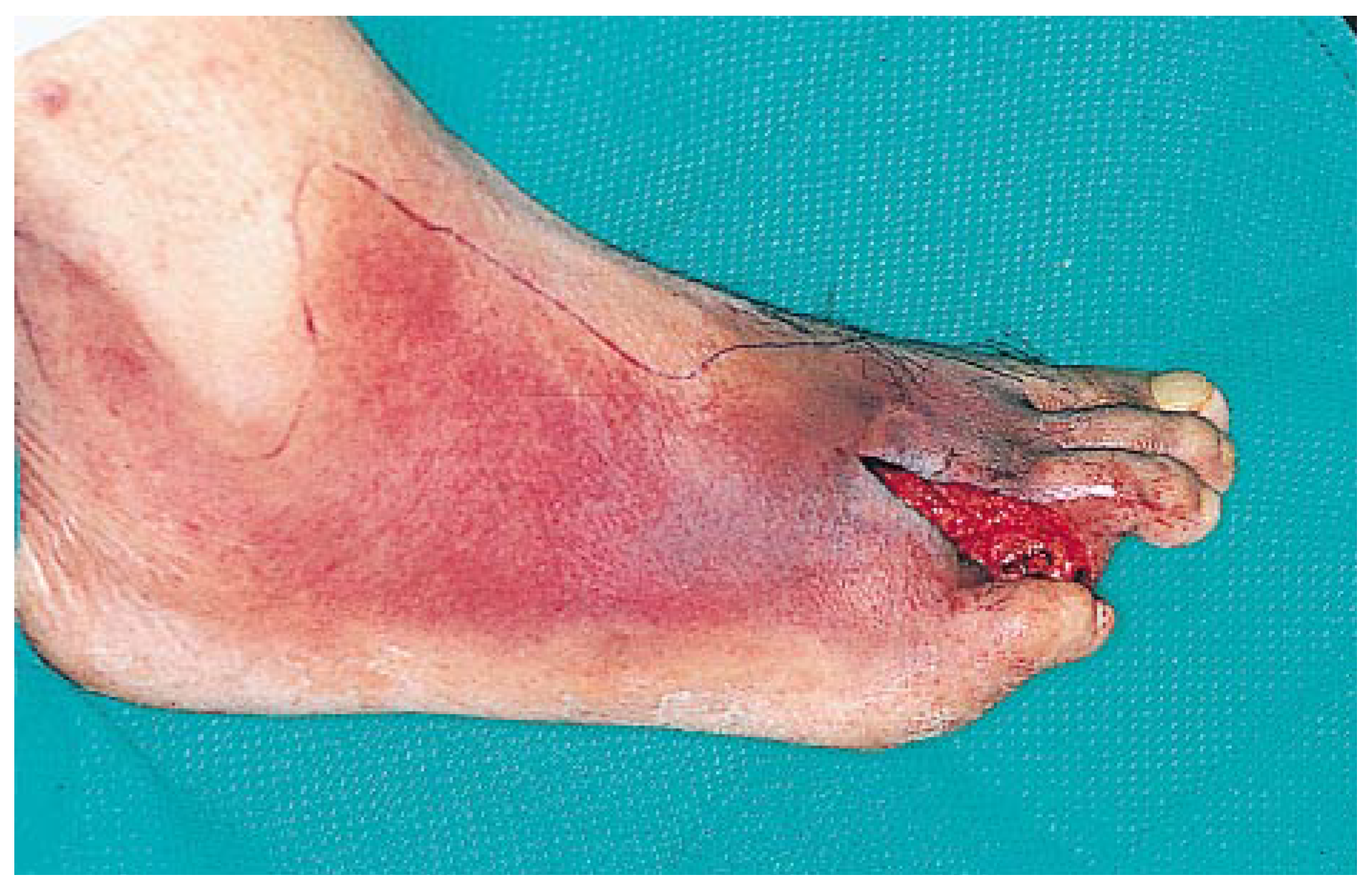
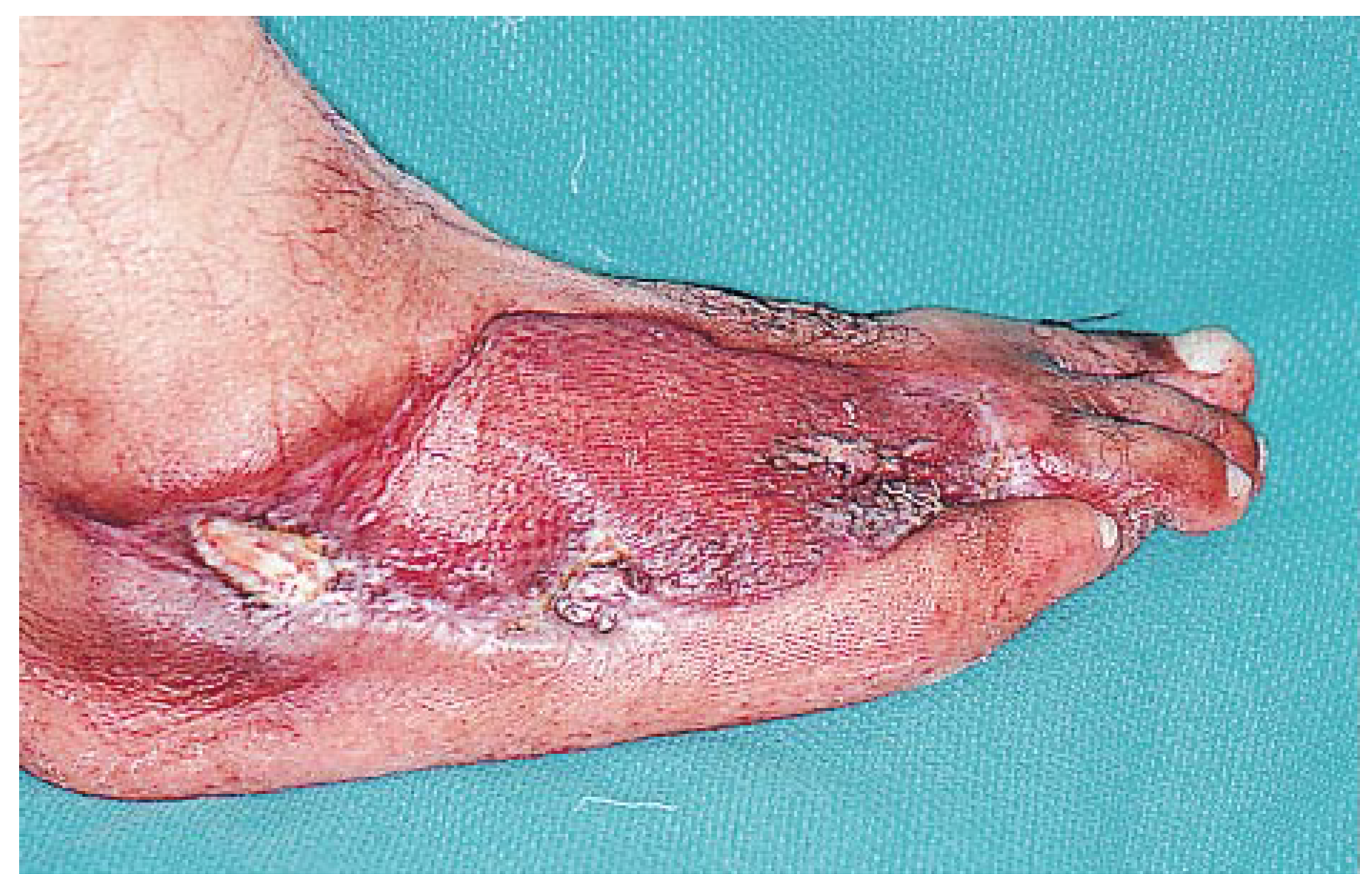
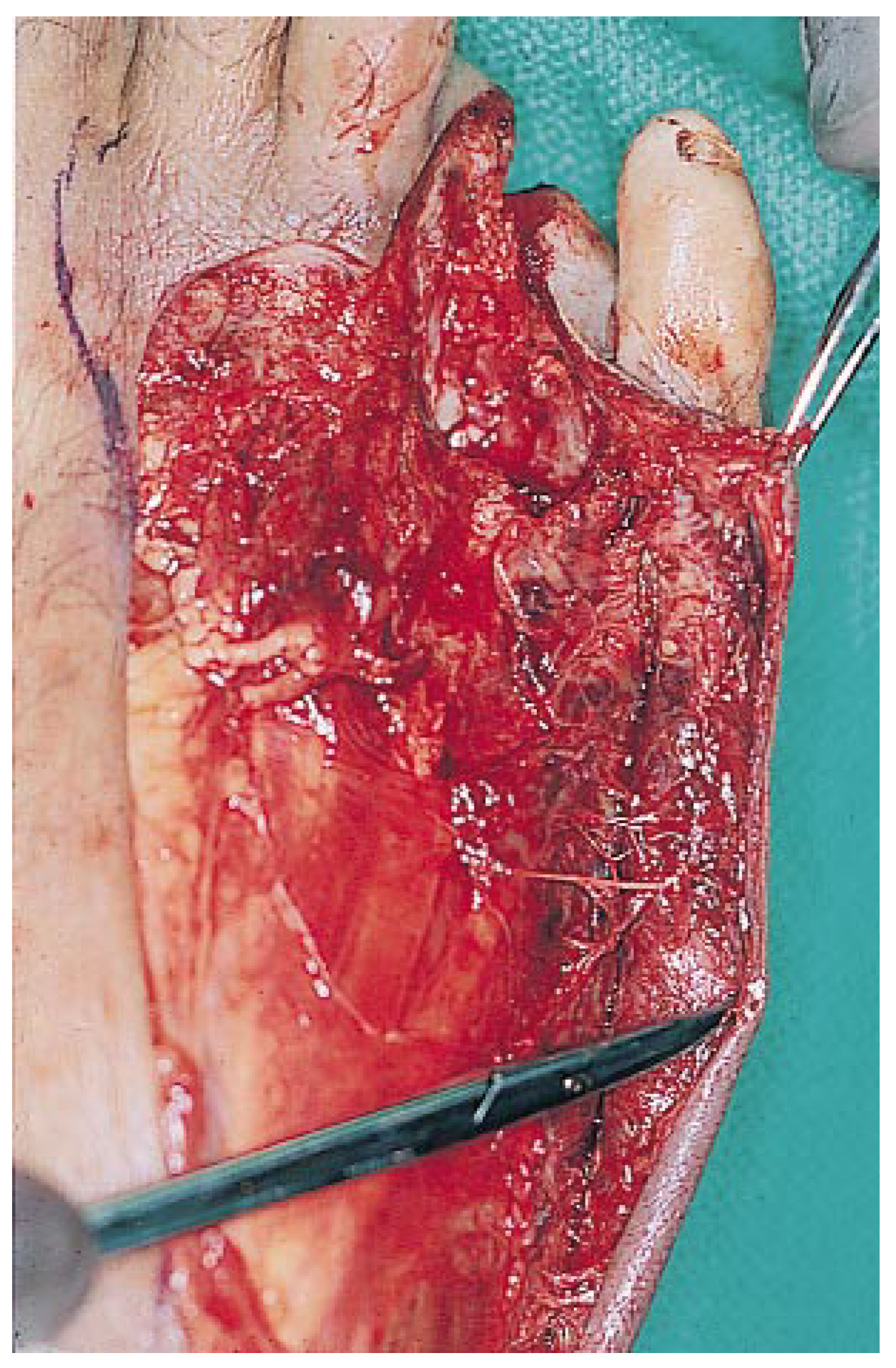
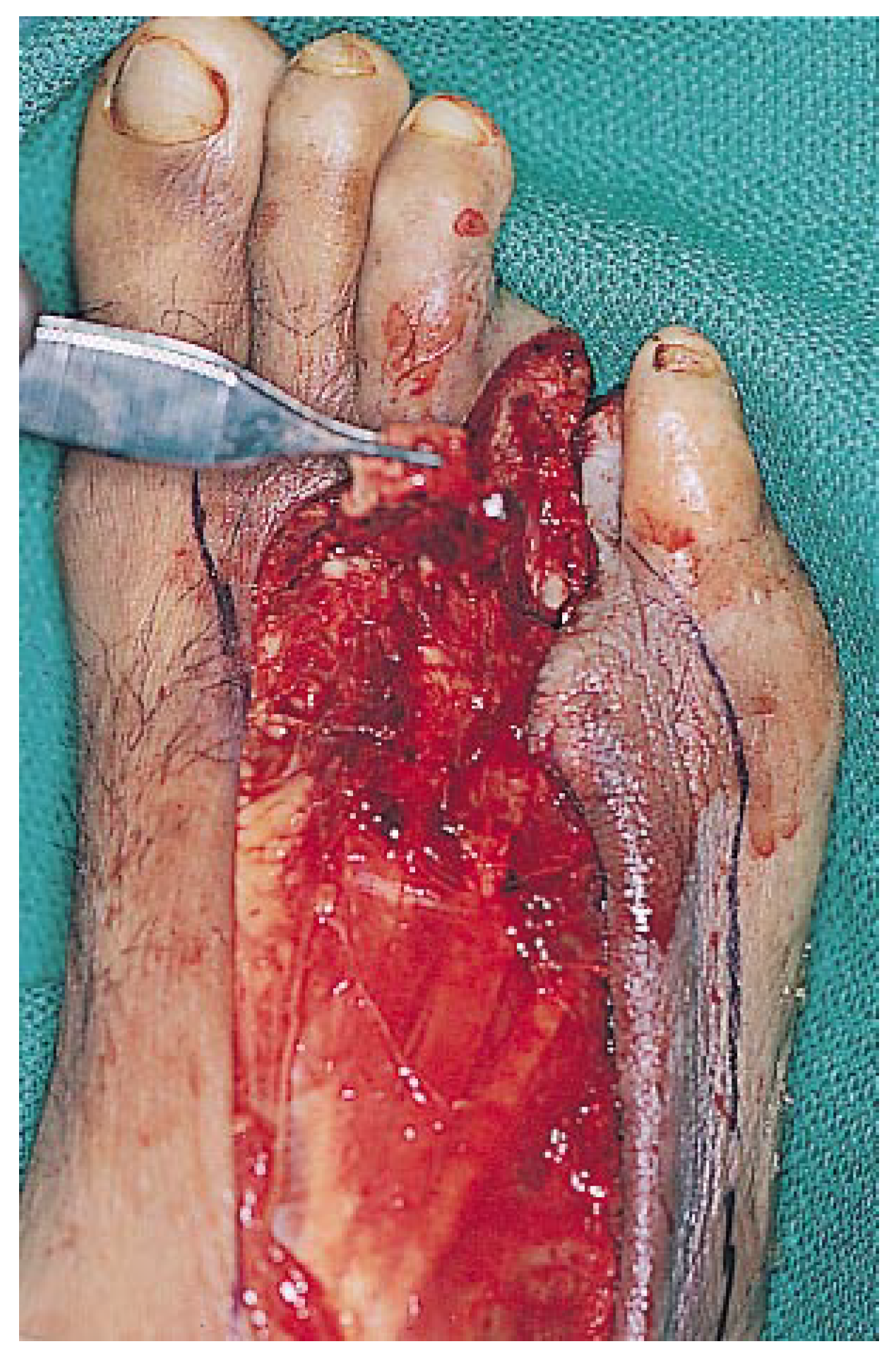
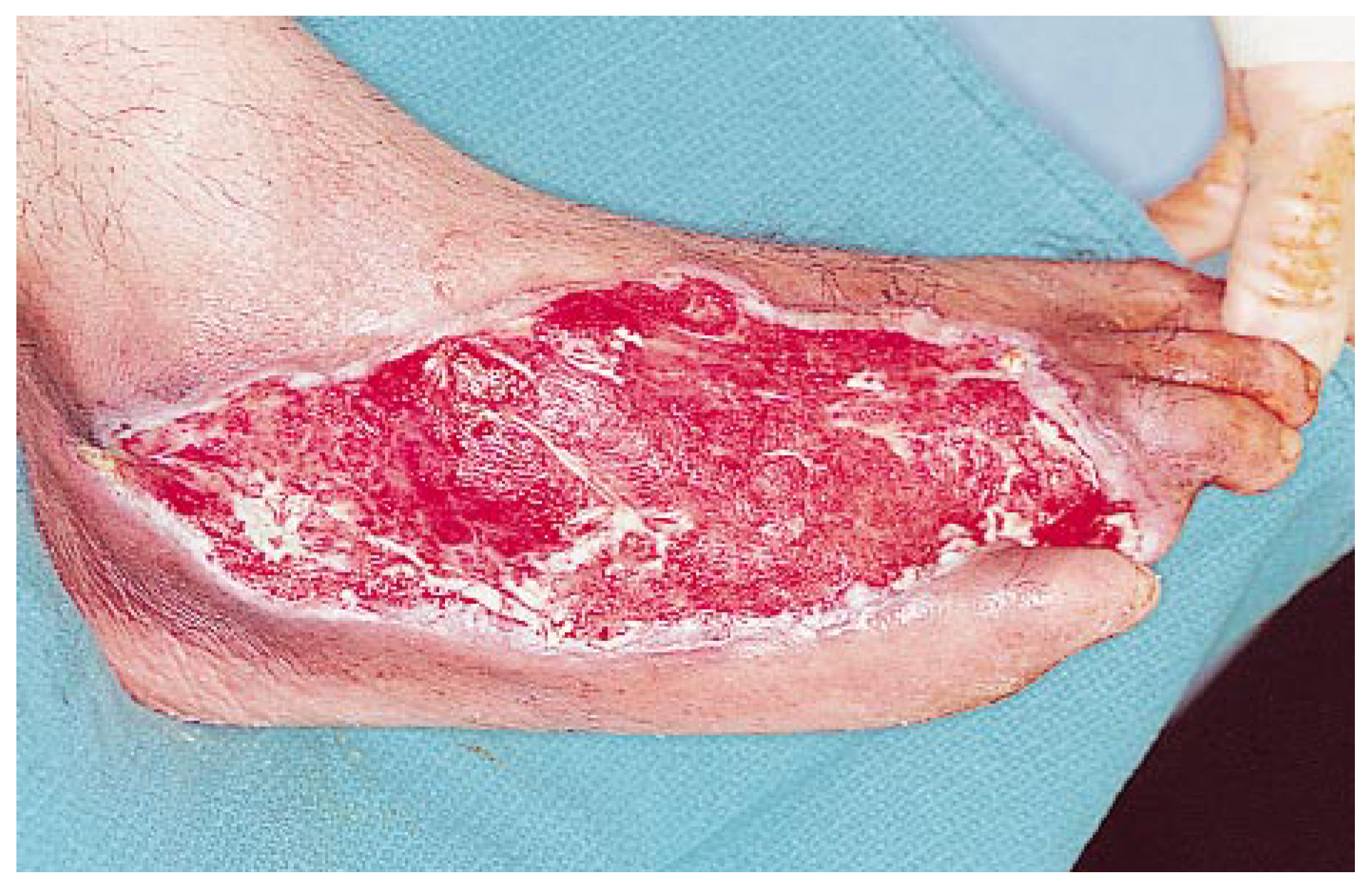
The patient was subsequently taken to the operating room, where he underwent a distal partial fourthray amputation. He was placed on broad-spectrum intravenous antibiotic therapy with daily wound care. Over the next 48 to 72 hours, purplish, nonblanching erythema was noted to be spreading to the level of the ankle joint anterolaterally (Fig. 2). Owing to the rapidly spreading cellulitis, the patient returned to the operating room and underwent another debridement procedure, which yielded significant findings of a thrombosed dorsal venous arch and abundant hemorrhagic tissue involving the skin and the superficial and deep fascia (Fig. 3 and Fig. 4). Tissue from both procedures was positive for group B β-hemolytic streptococci. After the final culture results were obtained, the broad-spectrum antibiotic was switched to penicillin and clindamycin. Ten days after being admitted to the hospital, the patient was discharged home on a regimen of daily wound care and oral antibiotics. Three months have passed since his partial fourth-ray amputation with a split-thickness skin graft (Fig. 5 and Fig. 6). He was able to return to work as a truck driver with a new pair of depth-inlay shoes.

Discussion

This case is one of many non–group A streptococcal necrotizing infections encountered at the authors’ institution over the last 6 months, illustrating a disturbing trend. The aggressive nature of some group B β-hemolytic streptococci in diabetic foot infections is an issue that has received scant attention in the medical literature. Recently, however, three cases of group B streptococcal necrotizing fasciitis were noted in Canada [5]. The authors believe that their recent experience with non–group A streptococcal infections and their aggressive nature mandate further investigation.

References

  1. BISNO, AL; STEVENS, DL. Streptococcal infections of skin and soft tissues. N Engl J Med 1996, 334, 240. [Google Scholar] [CrossRef] [PubMed]
  2. TAN, JS; FILE, TM, JR. Management of staphylococcal and streptococcal infections. Clin Podiatr Med Surg 1996, 13, 793. [Google Scholar] [CrossRef] [PubMed]
  3. RIEFLER, J 3D; MOLAVI, A; SCHWARTZ, D; et al. Necrotizing fasciitis in adults due to group B streptococcus: report of a case and review of the literature. Arch Intern Med 1988, 148, 727. [Google Scholar] [CrossRef] [PubMed]
  4. SCHWARTZ, B; SCHUCHAT, A; OXTOBY, MJ. ET AL: Invasive group B streptococcal disease in adults: a population-based study in metropolitan Atlanta. JAMA 1991, 266, 1112. [Google Scholar] [CrossRef] [PubMed]
  5. GARDAM MA, MILLER MA, LOW DF, ET AL: Necrotizing fasciitis and streptococcal toxic shock–like syndrome caused by group B Streptococcus in non-pregnant adults: a new emerging syndrome? (abstract). Presented at the Interscience Conference on Antimicrobial Agents and Chemotherapy, Toronto, Ontario, Canada, 1997.
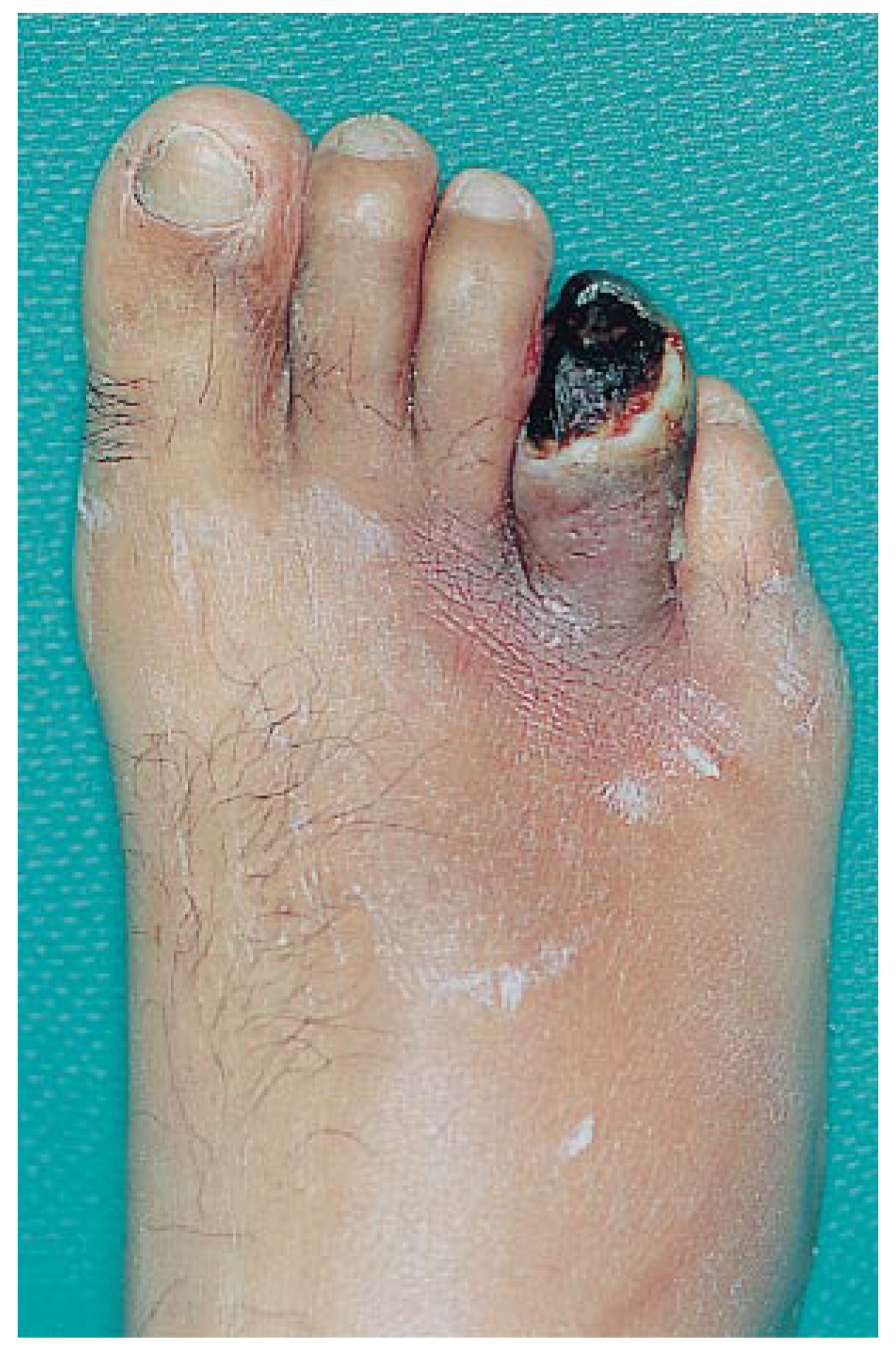
Figure 1. Appearance of thermal injury on initial presentation.
Japma 88 00305 g001
Figure 2. Appearance 48 hours after partial fourthray amputation. Note the extensive advancing ecchymosis and rubor.
Japma 88 00305 g002
Figure 3. Intraoperative view showing extensive necrotizing infection.
Japma 88 00305 g003
Figure 4. Intraoperative view showing hemorrhagic tissue with thrombosis of vessels within the superficial fascia.
Japma 88 00305 g004
Figure 5. Thirty-six hours after tendon debridement.
Japma 88 00305 g005
Figure 6. Final appearance following split-thickness skin graft.
Japma 88 00305 g006