Many soft-tissue anchoring devices have been developed to aid the surgeon in reattaching various softtissue structures to bone. The two earliest procedures of soft-tissue anchoring described involved working with tendons. The first method involved drilling a hole in the bone, passing the tendon through the hole, and suturing it to itself [
1]. The second method involved preparing a subperiosteal trough and suturing the tendon directly to the periosteum [
2]. One major problem with these techniques is that the soft tissue often pulled loose [
1,
2]. These techniques were also limited to tendon transfers in which the tissue being anchored was of significant size and thickness. It was also reported that these techniques did not work particularly well in large areas of cancellous bone, such as the shoulder, knee, and ankle [
2,
3]. The Ogden
®1 Anchor is a new soft-tissue anchoring device that has not previously been described in the podiatric medical literature.
Technique
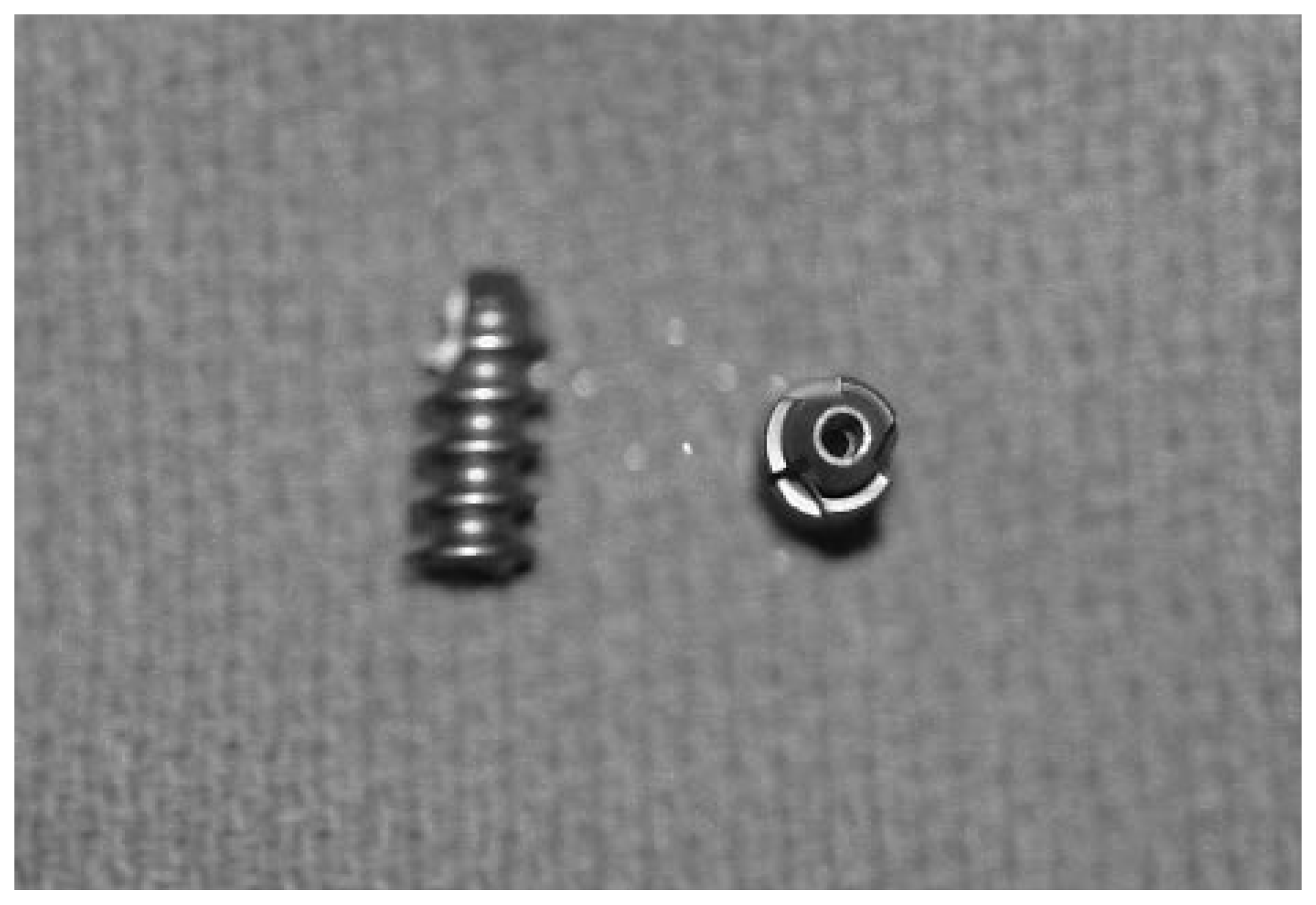
The Ogden Anchor was designed so that suture could attach soft tissue to bone more securely. The anchor is a cannulated, threaded device that allows the surgeon to choose the type and size of suture desired (
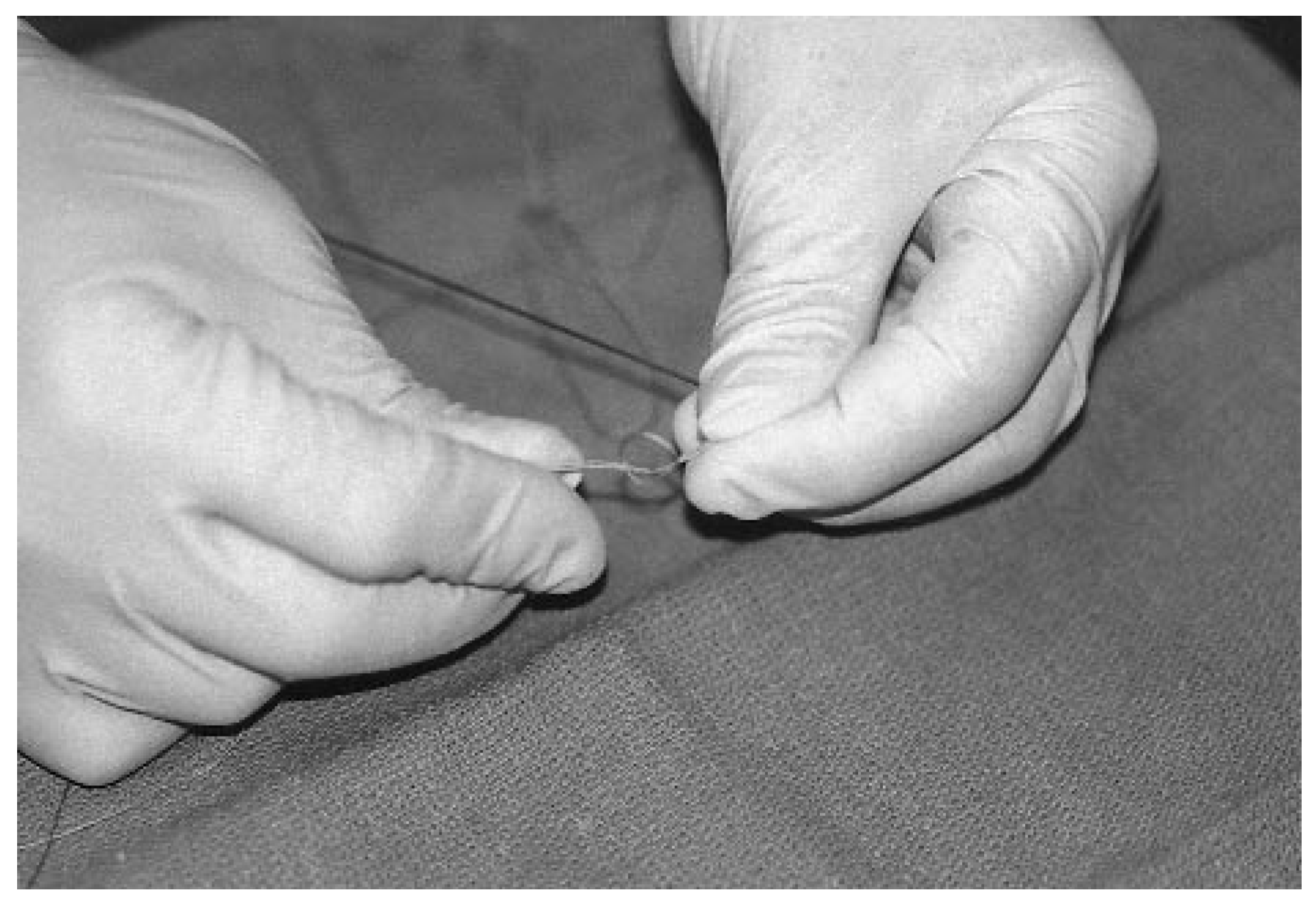
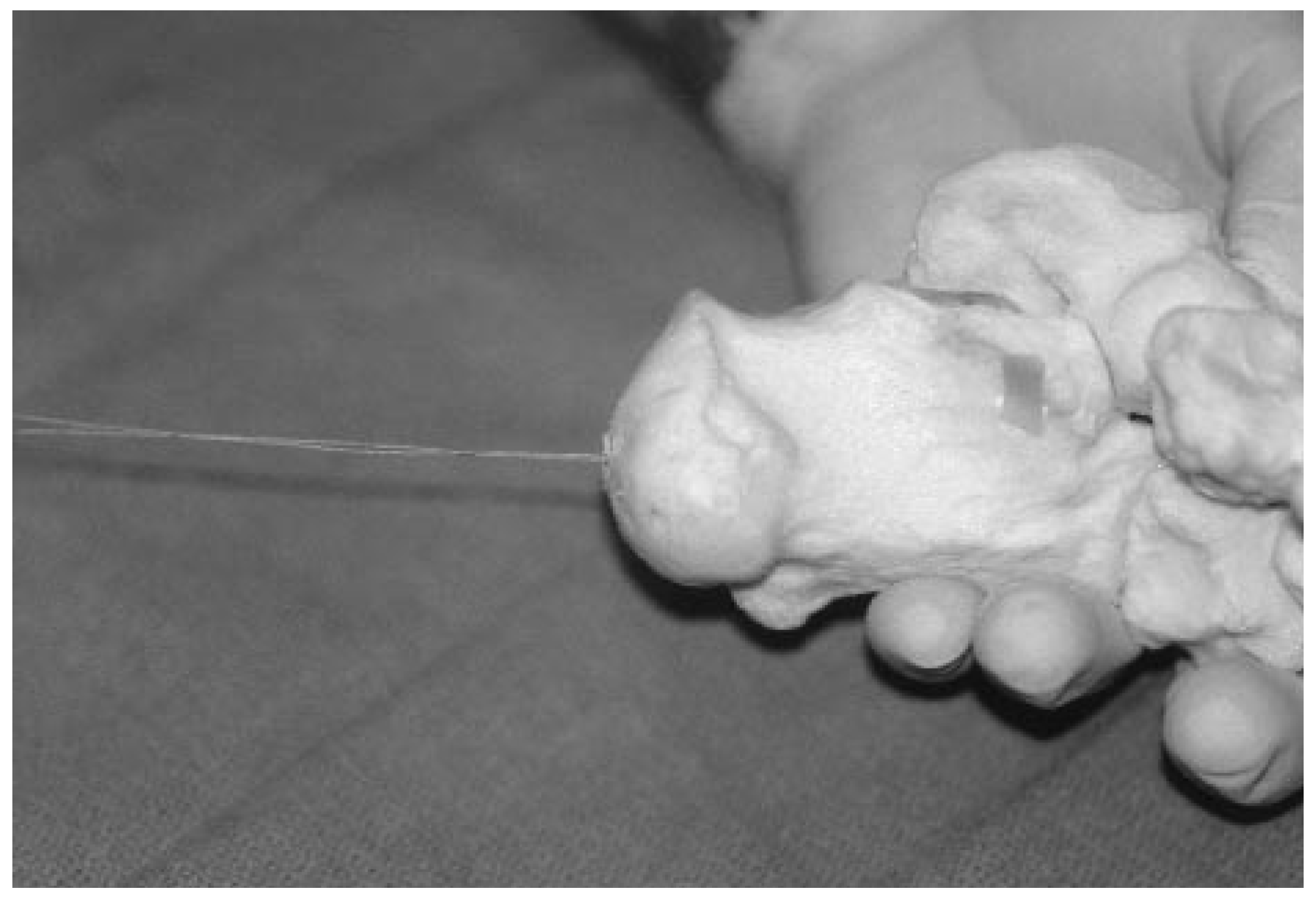
Fig. 1). The anchor is available in five sizes: 2.5 mm, 3.5 mm, 4.5 mm, 5.5 mm, and 7.4 mm. Placement of the anchor involves three processes: loading the suture, preparing the pilot hole, and driving the anchor. Loading the suture involves selecting the desired suture and passing it through the loop of the suture passer (
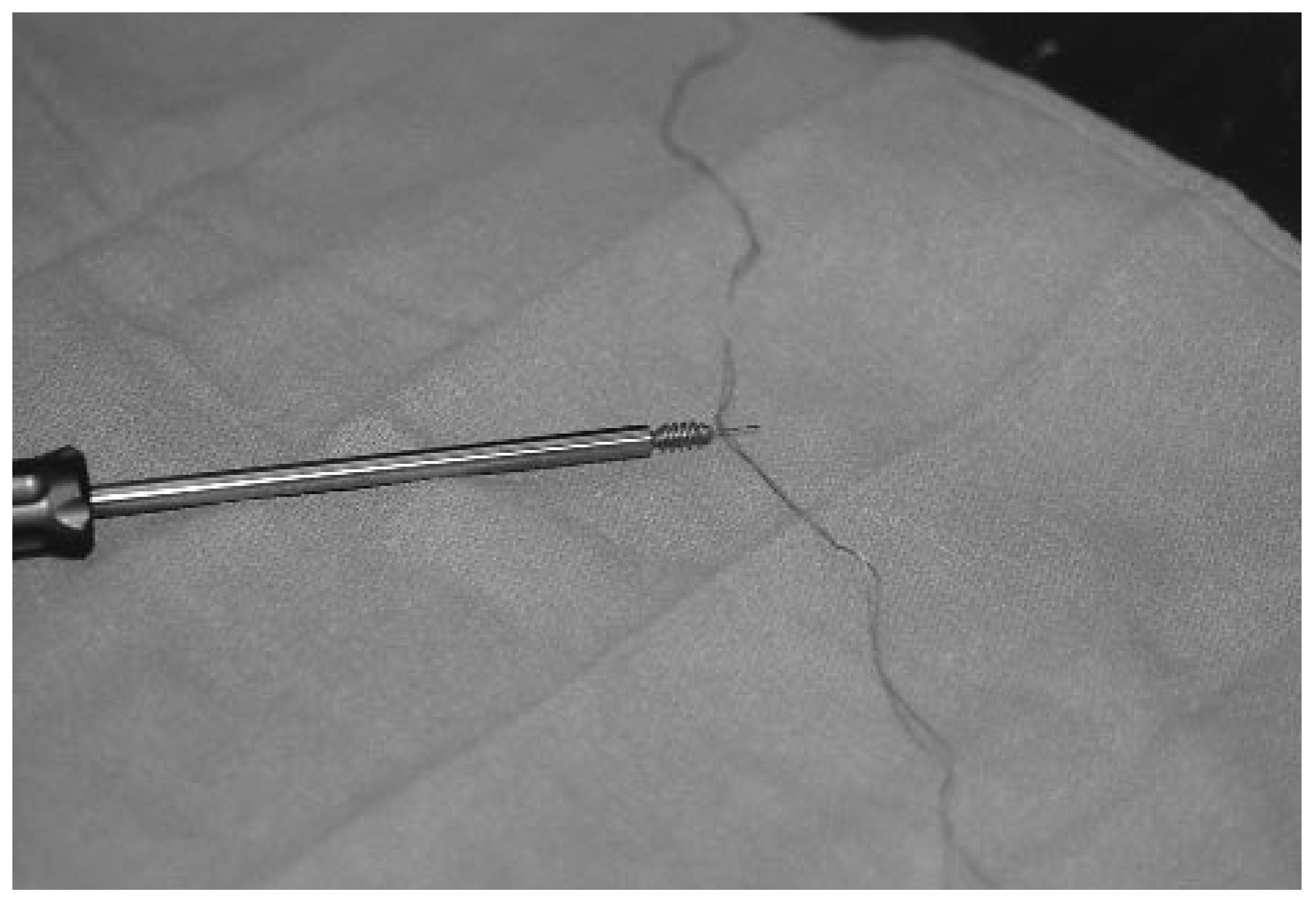
Fig. 2). The two free ends of the suture are then tied in a single overhand knot (
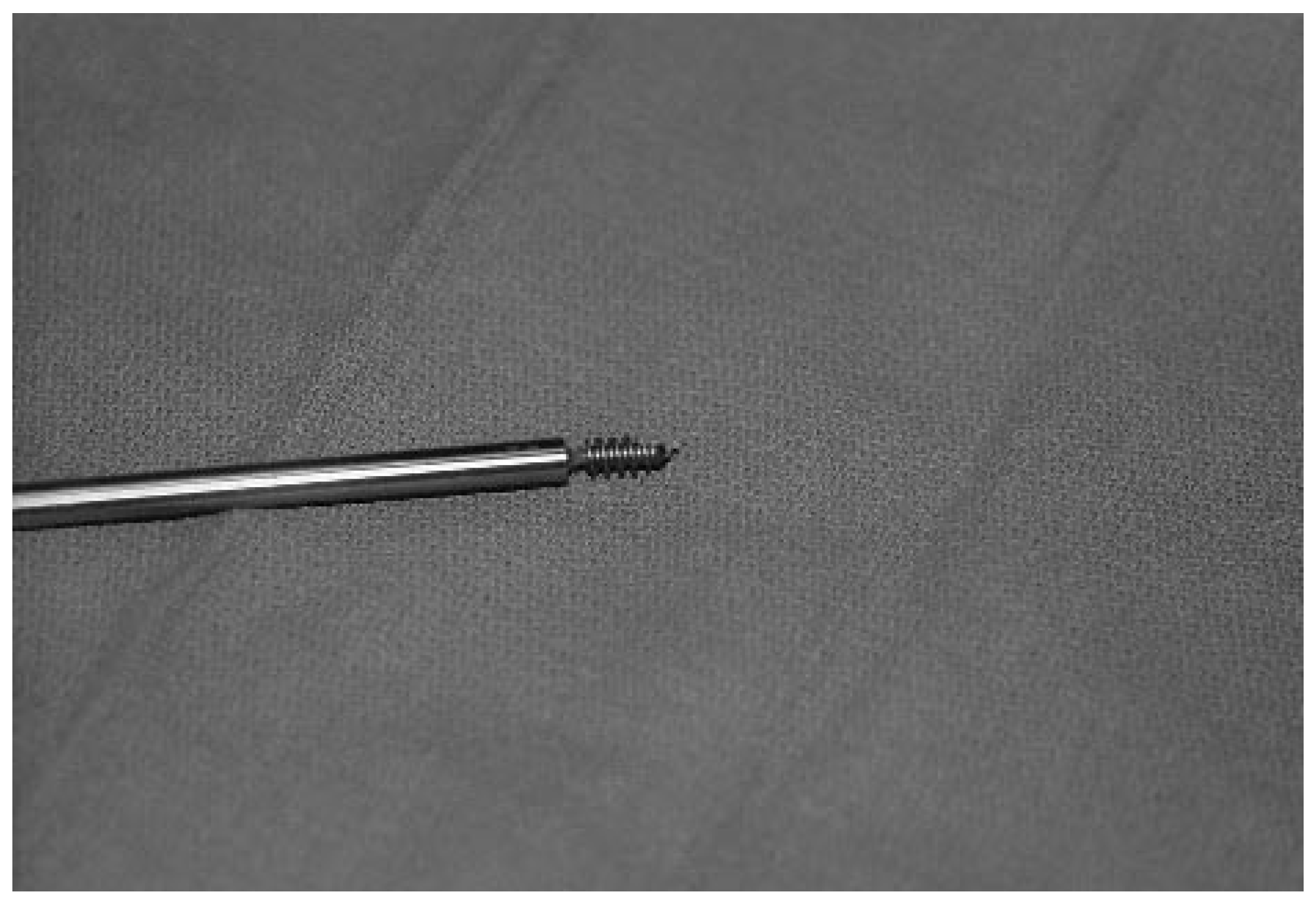
Fig. 3). The anchor is then placed on the specially made, included screwdriver, the suture passer is passed through the cannulated driver, and the knot is seated into the tip of the anchor. Any excess suture may be trimmed, taking care not to compromise the integrity of the knot. The anchor is now loaded and ready for implantation (
Fig. 4).
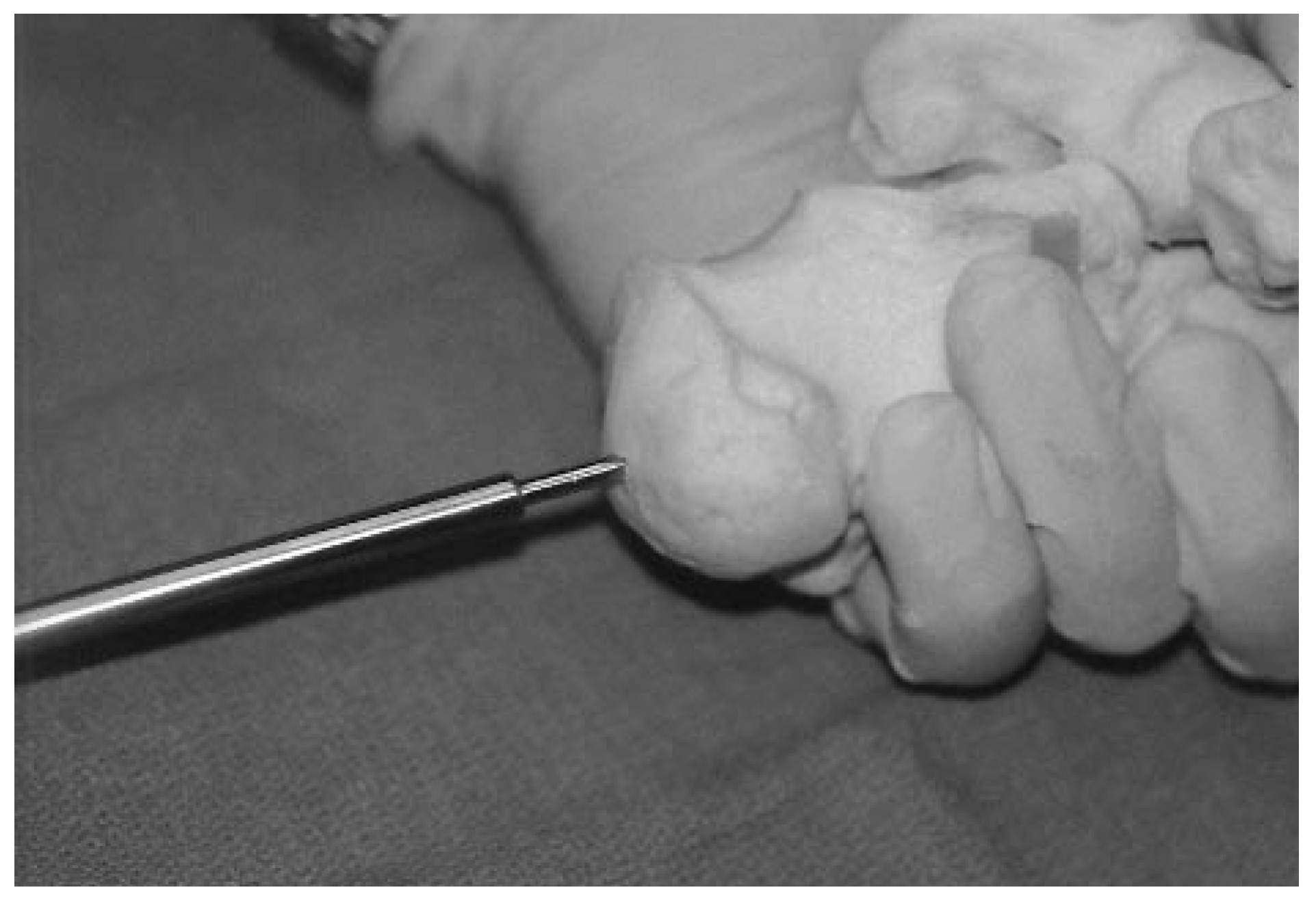
The next step is to prepare the pilot hole for implantation. An awl is used to pierce the outer cortex of the bone and prevent slippage of the drill bit on the osseous surface (
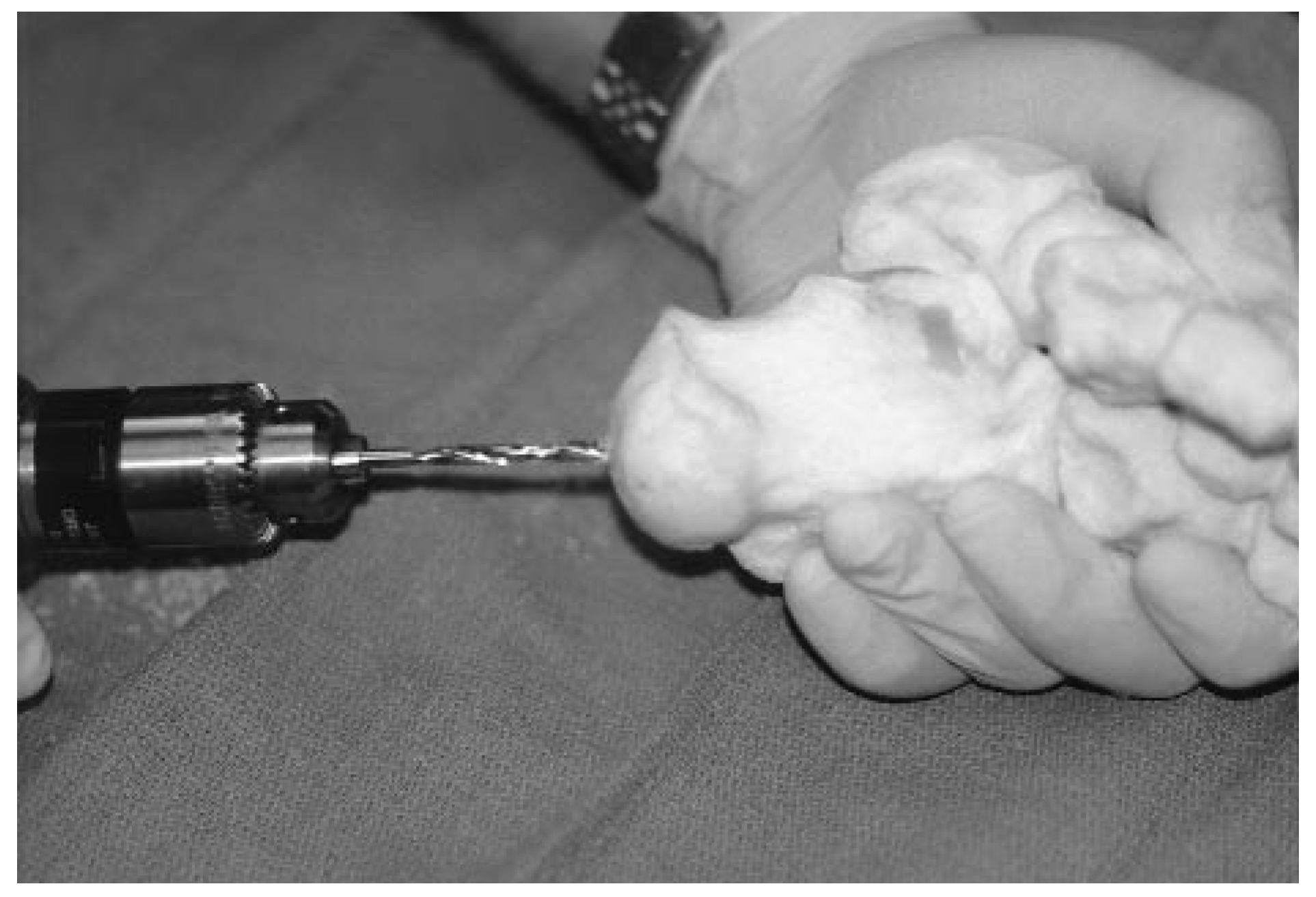
Fig. 5). The appropriate drill bit is then selected, and the bone is drilled perpendicular to its surface (
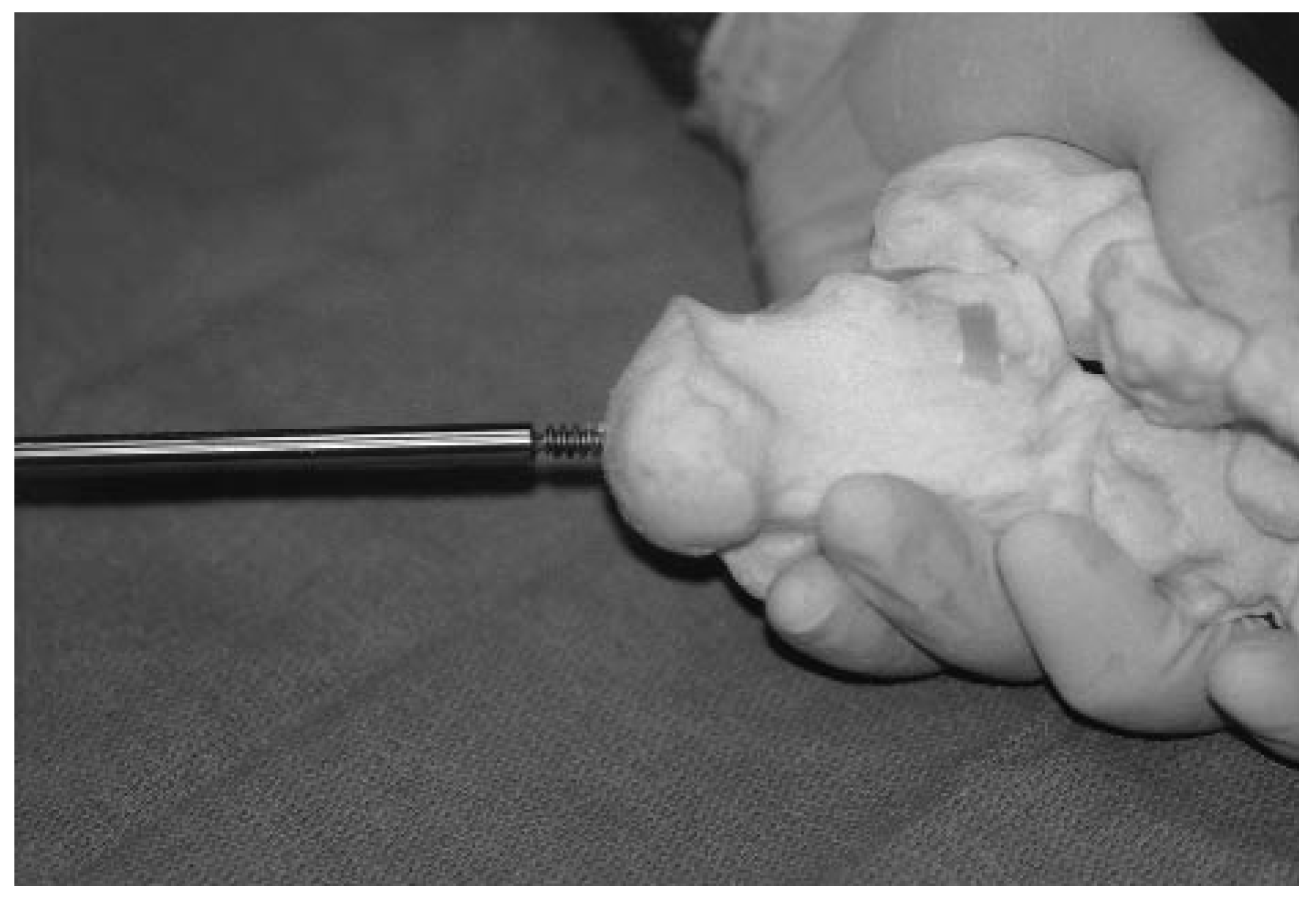
Fig. 6). The drill bit is self-limiting, drilling only deep enough to anchor implantation. The final step is driving the anchor. The anchor and driver assembly is driven approximately 1.5 to 2.0 mm below the surface of the bone, and the driver is then removed (
Fig. 7). The surgeon then uses a free needle and the free suture ends to secure the soft tissue to the osseous surface (
Fig. 8). If multiple anchors are desired, the anchors should be separated by a distance of at least 5 mm.
Discussion
The Ogden Anchor, a relatively new soft-tissue device, has many advantages over other anchors. Its pullout strength is superior to that of other anchors. When placed in the calcaneus, the Ogden Anchor has 189% of the holding power of the Mitek GII
®2 device; when placed in the malleolus, its holding strength is 520% that of the Mitek GII device [
4]. This greater holding force is especially important when decortication of the osseous surface has occurred, such as with an exostectomy.
Shall and Cawley [
5] compared various soft-tissue anchoring devices and found that the most common failure mode for the Mitek device was suture breakage, which accounted for 71% of the failures. During surgery on the smaller osseous structures of the foot and ankle, the Ogden Anchor is advantageous in that if the suture is broken, the anchor can simply be unscrewed from its position, refitted with suture, and placed back into its original insertion point.
The Ogden Anchor is also very versatile, allowing the surgeon to select a device of a type and size most suited for the procedure to be performed. The surgeon can also choose from a variety of suture needle types and select the needle best suited for the task at hand. The Ogden device is also compatible with magnetic resonance imaging owing to its titanium composition.
Case 1
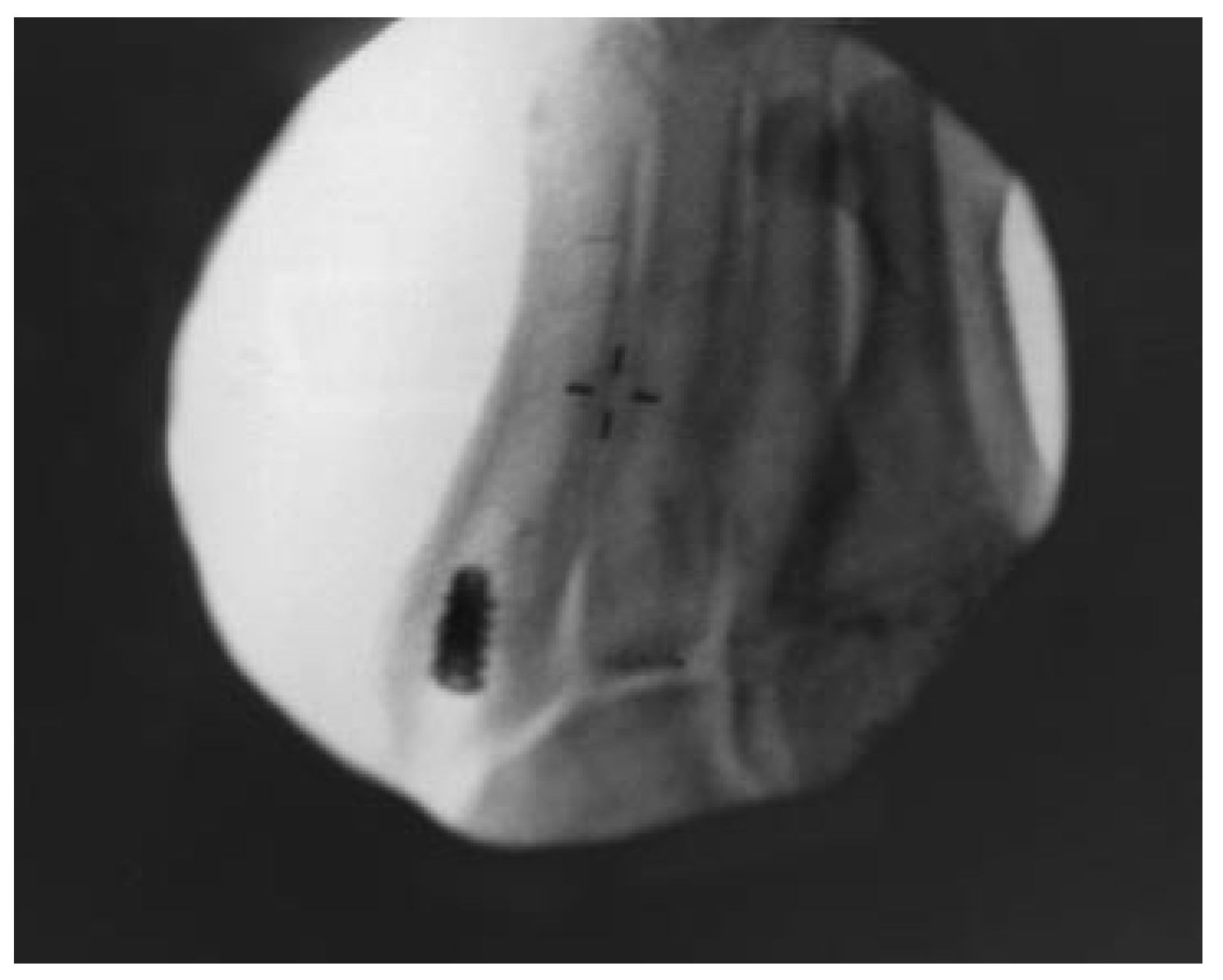
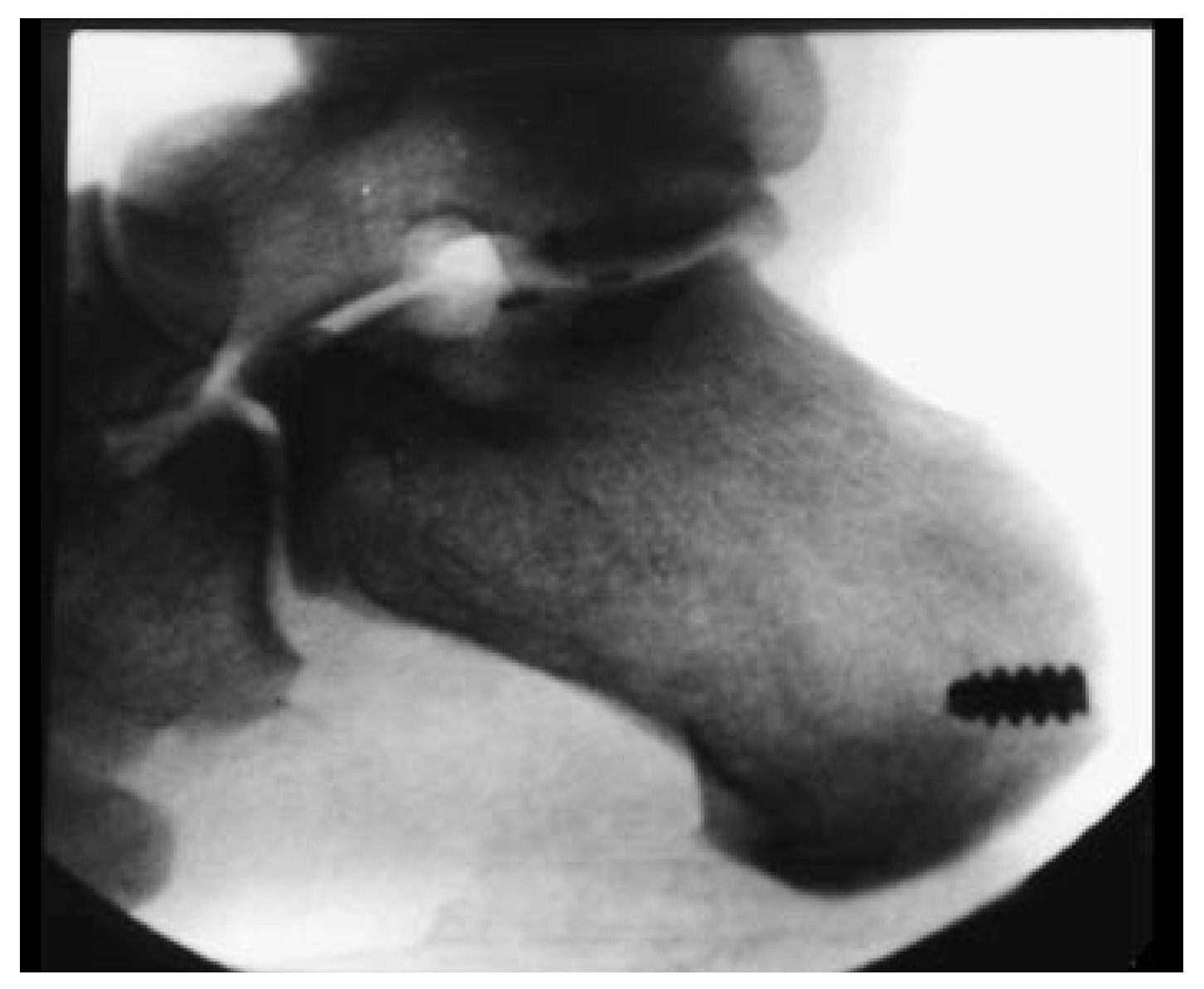
A 40-year-old man presented with a complaint of posterior heel pain of several months’ duration. After a course of conservative therapy failed, the patient opted for surgical correction. The patient underwent resection of the posterior calcaneal exostosis with partial detachment of the Achilles tendon. The Ogden Anchor was used to reattach the Achilles tendon to the calcaneus.
Figure 9, a postoperative radiograph, shows the location and depth of the anchor following resection of the posterior spur.
Case 2
A 27-year-old woman presented after sustaining an inversional injury to her left foot. Clinical and radiographic examination revealed a comminuted fracture of the base of the fifth metatarsal. After serial casting resulted in nonunion of the fragment with continued pain, the patient elected to have the fragment removed. After excision of the fragment, the Ogden Anchor was used to reattach the peroneus brevis tendon to the base of the fifth metatarsal.
Figure 10, a postoperative radiograph, shows the location and depth of the anchor.
Summary
Many soft-tissue anchoring devices are available for use in the foot and ankle. The authors have found the Ogden Anchor to be a useful and dependable device for the reattachment of soft tissue to bone.