


Abstract
The case history of a 19-year-old female with left ankle pain of 18 months’ duration is presented. The reader is encouraged to make his or her own diagnosis after reviewing the history, laboratory values, and imaging. The final diagnosis with a full explanation and differential diagnosis will follow.
A 19-year-old female presented with the chief complaint of pain in the left foot and ankle which had been present for 18 months. She went to her junior prom and was dancing without difficulty. She recalls no injury or pain, but when she came home that night, she noticed that her left ankle was swollen along its medial aspect. She iced the ankle and it felt better the next morning. Two weeks later, she noticed immediate pain when she woke up and placed weight on the left ankle. By the end of the day, the ankle was markedly swollen. She has had chronic ankle pain and swelling ever since. Her left ankle is now stiff for several minutes every morning, but the pain is worse when she is on her feet all day. She sought treatment 5 months after the pain first began. At that time, she was assessed as having flatfoot and was treated with foot orthoses, which did not help.
As an infant, she was placed in a Denis-Browne splint for a year for treatment of metatarsus varus. She was hospitalized for diarrhea and dehydration as a small child. She was hospitalized for anxiety about 2 years ago and also had one episode of hospitalization for pneumonia. She has had chickenpox. She was treated with antipsychotic medication and states that she had stomach spasms at that time. Her last general medical visit was to her pediatrician approximately 4 months ago for treatment of a virus. She is not currently taking any medications. She has had one boyfriend with whom she has been sexually active. Her parents are both alive and well. She has an older brother who is 21 years of age and healthy.
She has no drug allergies and no bleeding problems. She has had no problems with her eyes or vision. Although her ears and hearing seem to function normally, she has a history of frequent ear infections. There is no history of epistaxis, or sores in the nose or mouth, and she has no difficulty swallowing. There is no history of skin rashes or hair loss. She has never had cardiac or chest pain and has no kidney or bladder problems or urinary tract infections. She reports that she currently has no pain and has never had pain in her hip, knees, back, or other joints except for the left foot and ankle. Her weight is stable; in fact, she has been trying to gain recently. She has no fever and has not had a fever in the past year and a half.
Lower Extremity Examination. There is full range of motion, active and passive, without defect or deformity except for the left foot. There is marked swelling along the posterior tibial tendon medially of the left foot. There is also swelling laterally along the coronal ligament and some swelling surrounding the Achilles tendon. The left foot is warm to the touch and somewhat abducted on weightbearing. Range of motion is possible for the left ankle and subtalar joint but is extremely painful. The patient is limping and having difficulty bearing weight. There is a mild scoliosis.
Laboratory Values. Examination of the blood showed a red blood cell count of 3.72 thousand/mm [3], with a hemoglobin of 10.2 g/dL, and a white blood cell count of 5.6 thousand/mm [3], with 57.3% polymorphonuclear leukocytes, 31.6% lymphocytes, 5.9% monocytes, 0.6% basophils, no eosinophils or band cells, and 0.9% reticulocytes. The red blood cell volume distribution width was 14.5. The sedimentation rate was 31 mm in 1 hr and 57 mm in 1 hr 2 months later. The hematocrit is 30.3%. The mean corpuscular volume was 81.5, the mean corpuscular hemoglobin 28.9. The platelet count was 182 thousand/mm [3].
The calcium was 8.7 mg/dL, the phosphorus 3.5 mg/dL, the total protein 7.4 g/dL, the uric acid 3.5 mg/dL, the glucose 81 mg/dL, the blood urea nitrogen 19 mg/dL, the alkaline phosphatase 100 international units/L, the sodium 137 milliequivalents/L, the chloride 103 milliequivalents/L, the albumin 4.4 g/dL, the globulin 3.0 g/dL, the albumin/globulin ratio 1.5, the bilirubin 0.4 mg/dL, the blood urea nitrogen/creatinine ratio 21.1, the cholesterol 106 mg/dL, and the triglycerides 56 mg/dL. The glutamic oxaloacetic transaminase was 19 international units/L, glutamic pyruvic transaminase 23 international units/L, and the lactic dehydrogenase 130 mg/dL. The urine was normal.
The latex fixation test was negative. The antinuclear antibody test was positive at a 1:200 dilution with a fine and discrete speckled pattern. The mean antinative DNA antibody test for DNA binding was 1.4. Anticardiolipin antibodies to IgG, IgM, and IgA were 0, 2, and 2 respectively.
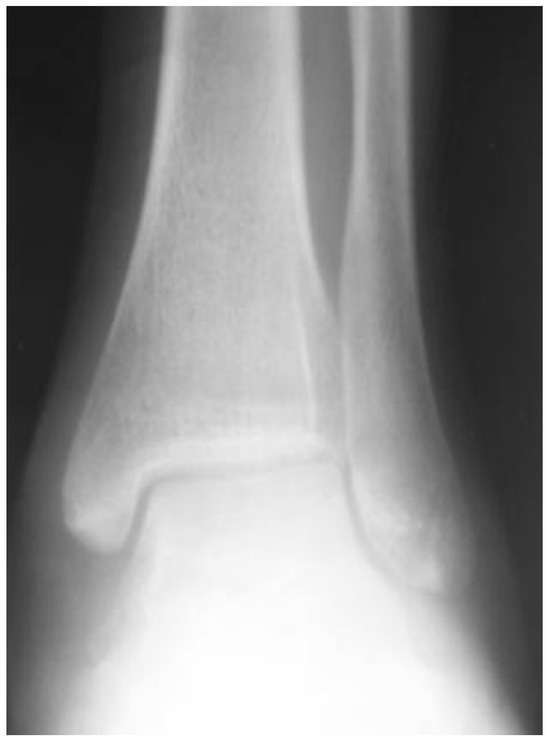
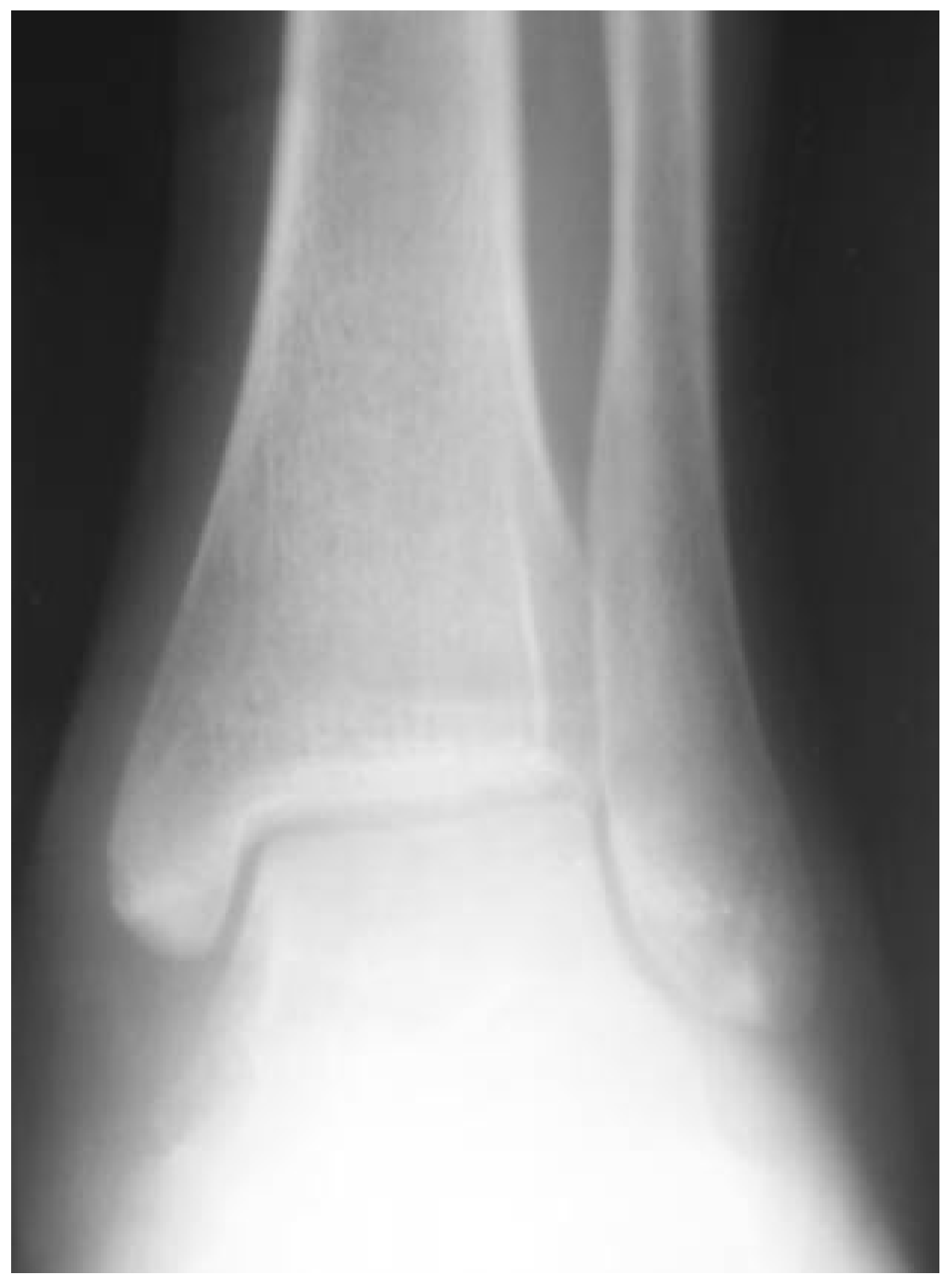
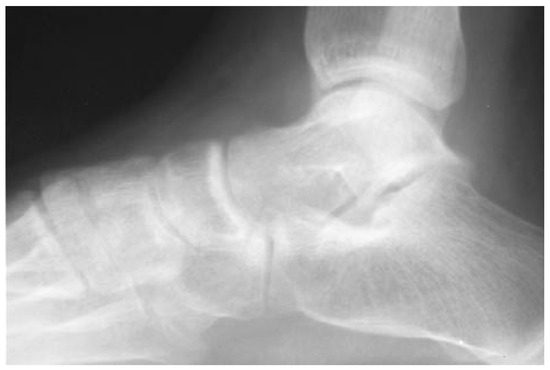
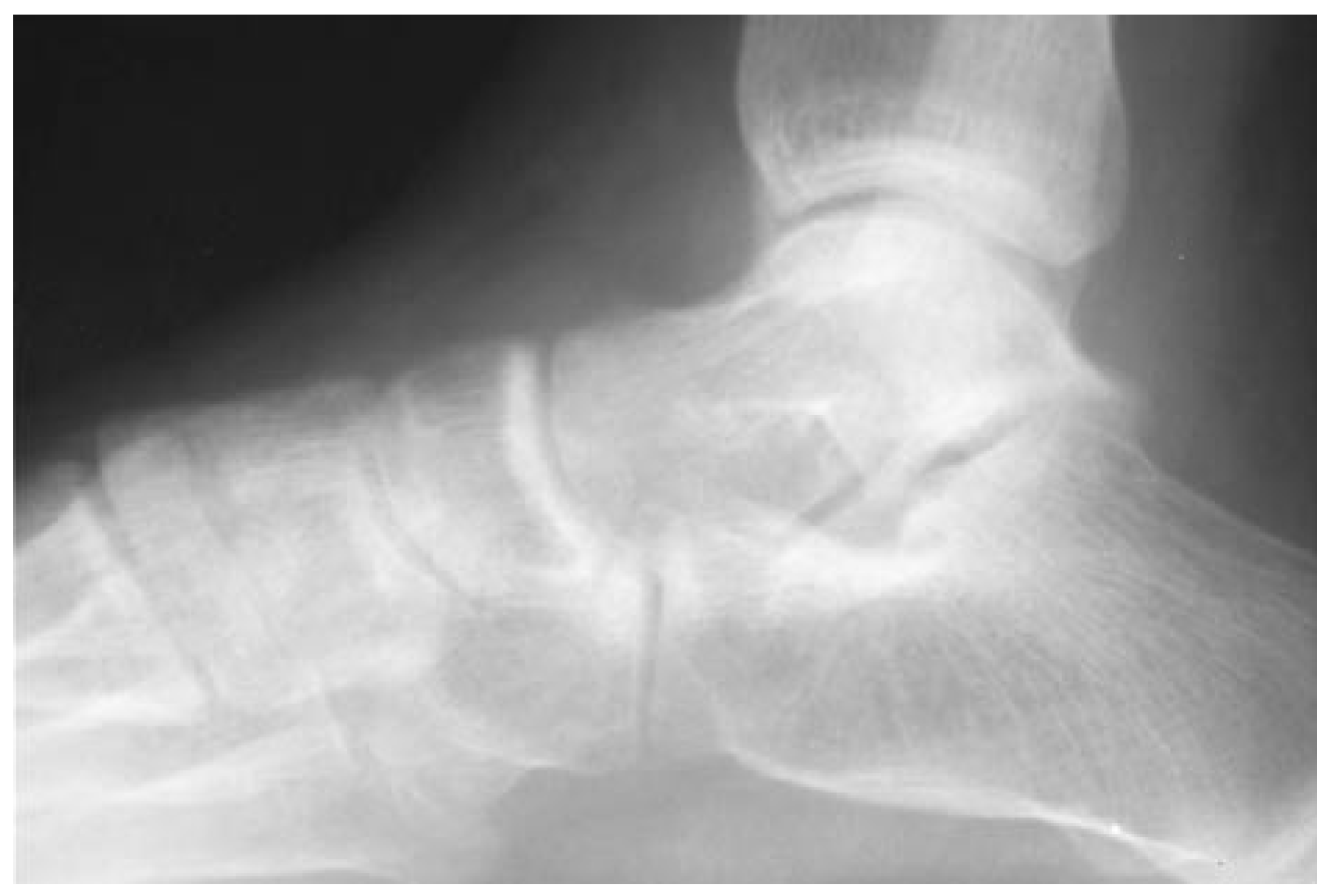
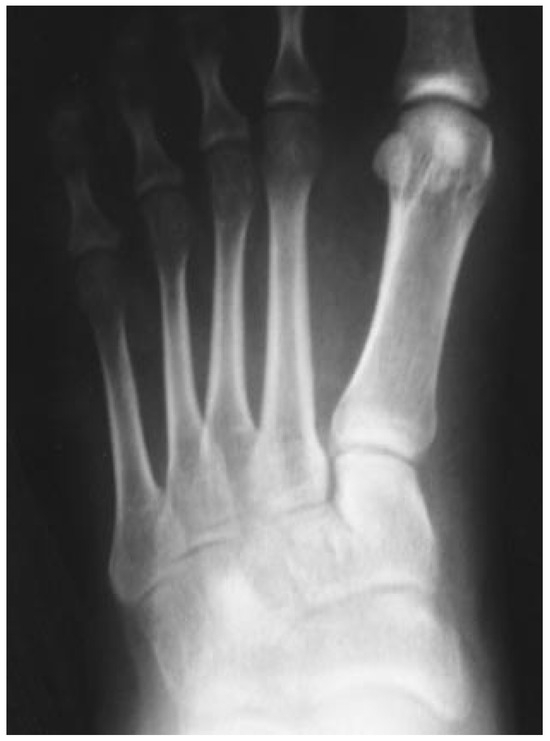
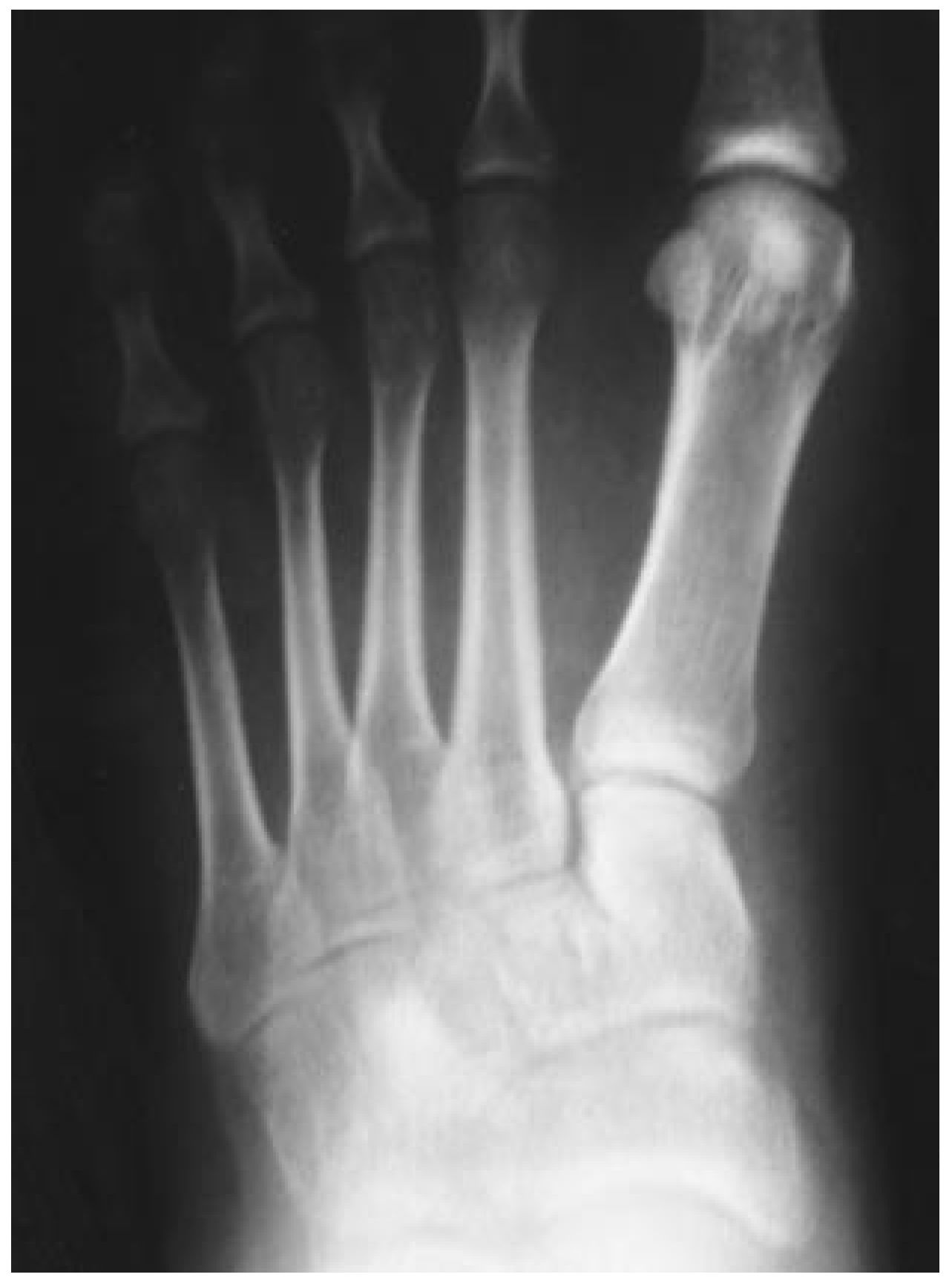
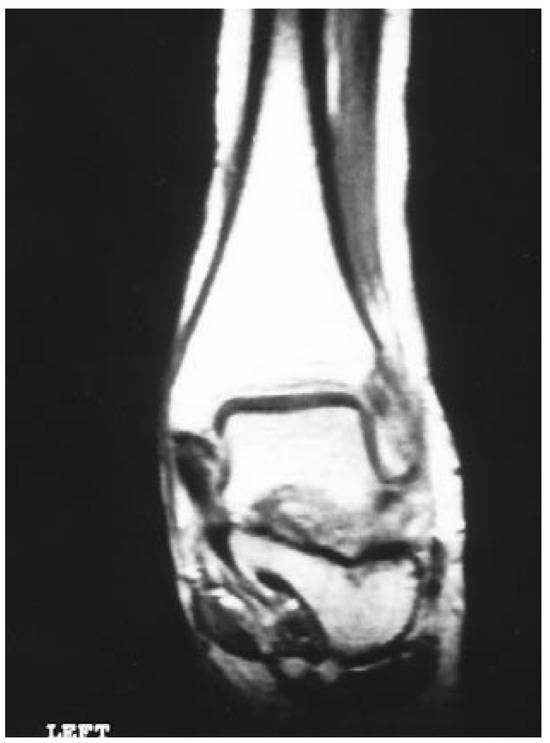
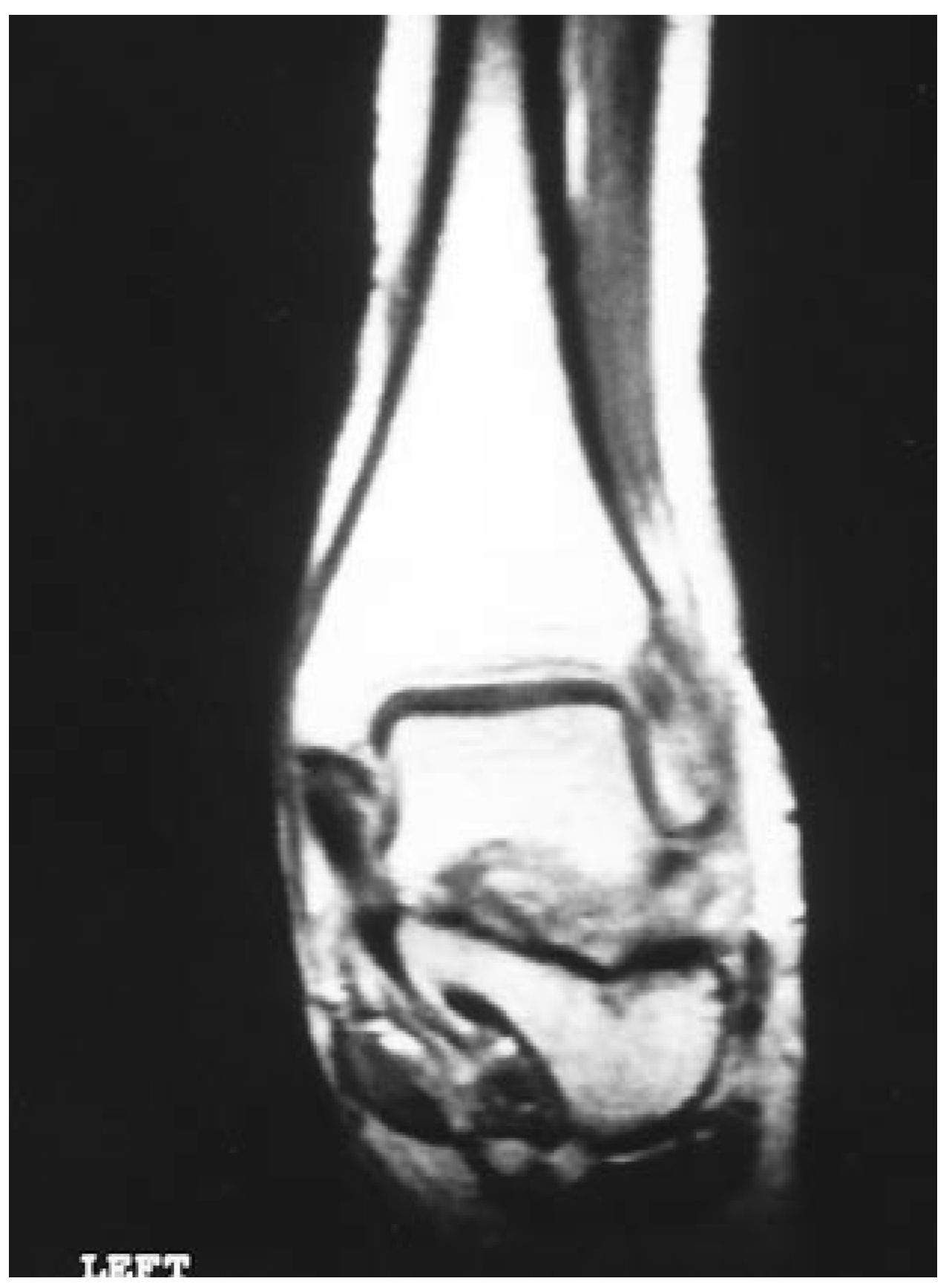
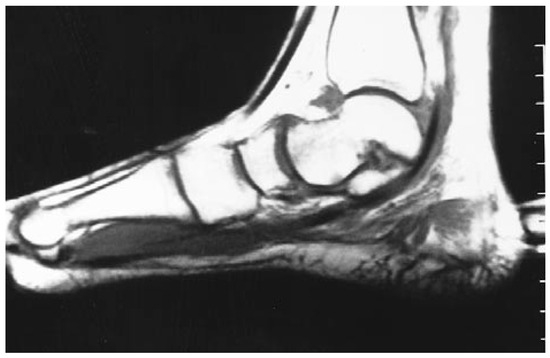
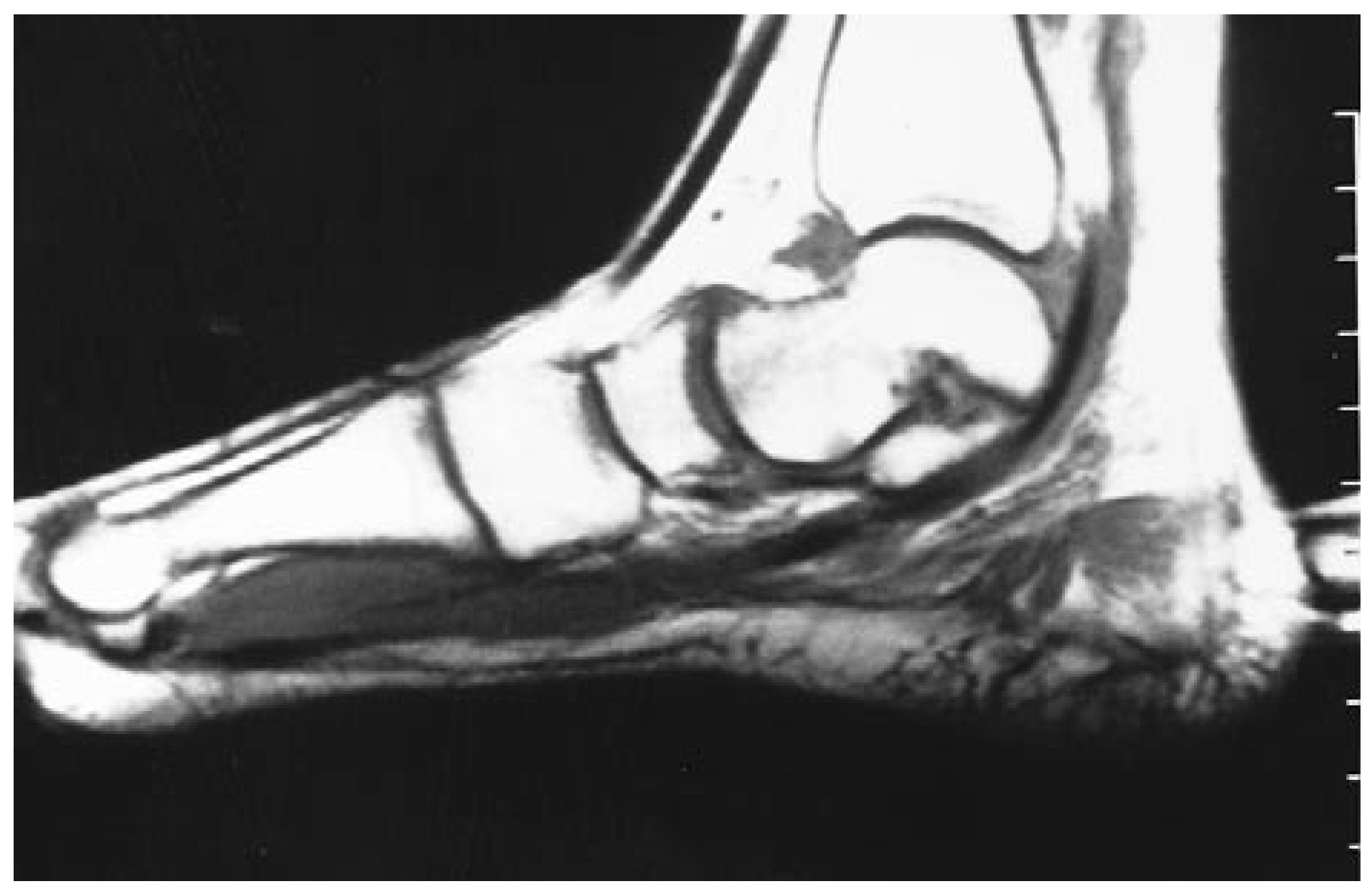
Radiographs are shown of the left foot and ankle in Figure 1, Figure 2 and Figure 3. Magnetic resonance imaging scans of the left foot and ankle are shown in Figure 4 and Figure 5.
Figure 1.
Radiograph of the anterior posterior view of the left ankle.
Figure 2.
Radiograph of left foot, lateral view.
Figure 3.
Radiograph of left foot, dorsoplantar view.
Figure 4.
Magnetic resonance image of the left ankle.
Figure 5.
Magnetic resonance image of the left foot, lateral view.
Differential Diagnosis
The basic diagnostic considerations for the patient described above include neoplasm, infection, inflammatory arthritis, collagen vascular disease, or local mechanical problem such as tendinitis, bursitis, sprains, and strains. Given the chronicity of the problem, acute presentations such as gout and pyogenic septic arthritis or osteomyelitis are unlikely. The absence of a clear-cut history of trauma combined with negative radiographs and magnetic resonance imaging scans argues against a fracture or chronic soft tissue injury. The abducted position of the foot could be caused by a posterior tibial tendon rupture, but a degenerative rupture is unlikely in a young person and is not supported by the history, and a traumatic rupture would have been more violently induced. There is little morning stiffness (only a few minutes’ worth), no pain at rest, only one symptomatic area, and worsened symptoms with weightbearing [1]. However, there is warmth over the joint, swelling, and pain on range of motion, which are collectively more characteristic of synovitis [1].
Both plain radiographs and magnetic resonance imaging scans were negative for neoplasm of both soft tissue and bone (Figure 1, Figure 2, Figure 3, Figure 4 and Figure 5). Similarly, the imaging and the laboratory results do not support the presence of an infectious process. The blood results show a mild anemia that could be accounted for by ordinary menstrual blood loss, gastrointestinal bleeding, or absorption difficulties. Chronic inflammation and disease will also cause the hemoglobin and the hematocrit to decline. The blood urea nitrogen/creatinine ratio was slightly increased (12 to 20 normal; 21.1 in this patient) [2]. This ratio may be increased in gastrointestinal bleeding, increased protein metabolism, or renal disease. The cholesterol was low (normal 130 to 200; patient’s value 106) [2]. Cholesterol may be decreased in hyperthyroidism, liver disease, heart failure, infection, or malignancies, all of which are inconsistent with the clinical presentation.
The patient admits to a sexual relationship with her boyfriend. Although gonococcal arthritis generally has an acute presentation that is diffuse with migratory arthralgias, low-grade fever, and maculopapulo rash [3], it can occur as a chronic low-grade mono- or oligoarthritis in an apparently well individual [4]. In contrast to genital gonorrhea, gonococcal arthritis affects women two to three times as often as men [5], usually between the ages of 15 and 30 years [3]. In a high proportion of cases, urogenital symptoms are absent [3].
Tuberculosis of bones and joints often presents as a gradually worsening arthritis affecting one joint [6]. Systemic and pulmonary symptoms are frequently absent [7]. However, changes on plain radiograph such as osteopenia, cysts in bone adjacent to a joint, and subchondral erosions would be likely after a year and a half [6].
The diagnosis of systemic lupus erythematosus must be strongly considered in a young woman with a positive antinuclear antibody test. Ninety percent of patients with systemic lupus erythematosus are female with the mean peak age of onset from 15 to 25 years [8]. However, the clinical picture is not consistent with systemic lupus erythematosus. She has had no constitutional symptoms (malaise, fever), with the exception of minor weight loss, and no systemic signs such as rash, diffuse adenopathy, alopecia, oral and nasal ulcers, or pleuritic chest pain.
The antiphospholipid antibody test was negative for all three antibodies including IgG, IgM, and IgA in this patient. The serum test for syphilis measures antiphospholipid antibodies and may be seen in 5% to 10% of persons with systemic lupus erythematosus [2].
Although 98% of patients with systemic lupus erythematosus have a positive antinuclear antibody test usually in high titer [2], positive antinuclear antibody test results without systemic lupus erythematosus are common [9], Positive antinuclear antibody tests are seen in as much as 5% of the general population [10]. Only one in five people with musculoskeletal symptoms and a positive antinuclear antibody test will have systemic lupus erythematosus [11]. Less than one third of all pediatric patients with a positive antinuclear antibody test have systemic lupus erythematosus [12]. Of 108 children with musculoskeletal pain tested for antinuclear antibodies, none developed inflammatory or autoimmune disease after a follow-up visit of 5 years [13]. Twenty percent of adult patients with rheumatoid arthritis are positive for antinuclear antibodies [2] and reports vary from 4% to 50% of children with juvenile rheumatoid arthritis [14,15,16] having a positive antinuclear antibody test.
Systemic lupus erythematosus may be indistinguishable from juvenile rheumatoid arthritis for the inexperienced observer [17]. Increased levels of antibodies to active DNA distinguish patients with systemic lupus erythematosus from juvenile rheumatoid arthritis [17]. In clinical practice, a test for antibodies to double-stranded DNA is often useful to establish a diagnosis for systemic lupus erythematosus [10]. The antinative DNA antibody test performed on this patient showed that the mean serum DNA-binding activity was 1.4%. A normal result is up to 2.4% and 10% shows active systemic lupus erythematosus disease. The presence of antibodies to native DNA is highly specific for systemic lupus erythematosus [8] and when antibody to native double-stranded DNA is present in significant titer, it is a useful diagnostic marker for systemic lupus erythematosus, which is rarely present in other diseases [18]. The remaining clinical picture in this patient effectively rules out the diagnosis of systemic lupus erythematosus.
Three months after the patient was initially seen for her left foot and ankle pain, she began having pain in her right knee. Her right knee became swollen and there has been a mild restriction of range of motion. A few weeks later, she developed pain in her left hip. She has also had a limited range of motion in the right elbow. The involvement of three additional joints obviates a local mechanical etiology.
Adult or juvenile rheumatoid arthritis and juvenile seronegative spondyloarthropathy are the final diagnostic considerations. Adult onset rheumatoid arthritis atypically can give a monarticular presentation and symptoms may appear years before the rheumatoid factor becomes positive [19]. Thirty percent of adult patients with rheumatoid arthritis have negative test results for serum rheumatoid factor [20].
Pauciarticular juvenile rheumatoid arthritis generally affects one to four joints in an asymmetric distribution usually including the knee. Systemic symptoms are mild with the exception of iridocyclitis. Juvenile rheumatoid arthritis most commonly occurs in the very young child (age 5) [21] and is more common in females (80% female incidence) [22].
Spondyloarthritis, when occurring in children and teenagers, is a newly defined arthritis, clinically and genetically related to ankylosing spondylitis and Reiter’s syndrome and having a varied clinical course [22]. Atypical spondyloarthritis can be placed between juvenile rheumatoid arthritis and the well defined seronegative spondyloarthropathy, being much closer to the latter [23]. Spondyloarthritis in children and teenagers does not present in the usual classic patterns of ankylosing spondylitis with low back pain, or the Reiter’s syndrome triad of urethritis, conjunctivitis, and arthritis. Undifferentiated spondyloarthopathy is characterized by inflammation of the tendon, fascia, and entheses, and asymmetric peripheral oligoarticular arthritis most often affecting the lower extremities [24,25,26]. Undifferentiated spondyloarthritis in a given individual may represent an early stage of disease, an abortive form, an overlap syndrome, or a new type of disease with unknown etiology [27]. The diagnosis tends to be missed because of its difference in presentation from the classical adult patterns of disease [28] and because it mimicks infection, tendinitis, fasciitis, or chronic strain [29]. Hospital admissions, myelograms, muscle and joint biopsies, surgical explorations, removal of bony spurs, and skeletal traction have all occurred prior to the diagnosis [21].
In the past, 20% of children with spondyloarthritis were incorrectly diagnosed as having juvenile rheumatoid arthritis [21,30]. Patients cannot be distinguished on the basis of the rheumatoid factor that is present in a relatively small percentage (15%) of children with juvenile rheumatoid arthritis and is generally not present in children with spondyloarthritis [21,31]. Similarly, the antinuclear antibody test cannot distinguish between juvenile rheumatoid arthritis and spondyloarthritis. Although a greater number of children with juvenile rheumatoid arthritis are positive for antinuclear antibodies (approximately 25%) [16], approximately 12% of patients with spondyloarthopathy have positive antinuclear antibodies generally of low titers from 1:20 to 1:160 of a speckled homogeneous and peripheral pattern [21].
Final Diagnosis
The final diagnosis for the patient presented here is undifferentiated or common seronegative spondyloarthritis. The relatively late age of onset (age 17), mild nature of this patient’s arthritis, and the small number of joints involved support the diagnosis. The patient’s weight loss and anemia are also consistent with a diagnosis of spondyloarthritis. Her laboratory test results, which show an elevated erythrocyte sedimentation rate, negative rheumatoid factor, and a positve antinuclear antibody test in low titer, are also consistent with this assessment. Spondyloarthritis has been reported to be the most common diagnosis in patients presenting with monarthritis [32,33].
The diagnosis depends on the recognition of the clinical pattern, and positive family history (present in 65% of patients) [22,31]. Although the HLA-B27 antigen is present in 70% of adolescents and children with spondyloarthritis, it is not a criterion for diagnosis of spondyloarthritis [28,34]. The patient presented here was not tested for the HLA-B27 antigen. This patient fits the European Spondyloarthropathy Study Group criteria for spondyloarthropathy, which include asymmetrical synovitis, predominantly of the lower extremity, and a positive family history [35]. The European Spondyloarthropathy Study Group criteria do not include the presence of the HLA-B27 antigen.
Addendum
Approximately 1 year after the initial presentation, joint symptoms remain confined to the right knee and left ankle. The mother now recalls that the child’s father has six brothers, one of whom has ulcerative colitis and psoriasis with knee and ankle problems. A second brother had a colostomy and a third brother has chronic knee and ankle problems. The remaining two brothers are healthy. She also stated that the child’s maternal grandmother has colitis. This patient’s spondyloarthritis might represent an early stage of the peripheral arthritis of inflammatory bowel disease. Seven percent to 11% of children with inflammatory bowel disease have arthritis for many years prior to the onset of intestinal complaints [35,36,37]. The mother admits that the child has always had a sensitive stomach and there is some information to this effect in the history. The peripheral arthritis of inflammatory bowel disease is the only spondyloarthropathy that is not more common in males, since males and females are affected in equal numbers. It is also the only seronegative arthropathy not associated with the HLA-B27 antigen [34,35,36,38,39]. The onset is from early adolescence to early adult life [37,40] with only a few joints affected (ankles and knees most commonly) [37] and the outcome is good [41,42].
References
- AMERICAN COLLEGE OF RHEUMATOLOGY AD HOC COMMITTEE ON CLINICAL GUIDELINES: Guidelines for the initial evaluation of the adult patient with acute musculoskeletal symptoms. Arthritis Rheum 39: 1, 1996.
- BERKOW R, FLETCHER AJ: The Merck Manual, 15th Ed, Merck Sharp & Dohme Research Laboratories, Rahway, NJ, 1987.
- KEAT A: Sexually transmitted arthritis syndromes. Med Clin North Am 74: 1617, 1990.
- LIVNEH A, SEWELL KL, BARLAND P: Chronic gonococcal arthritis. J Rheum 16: 245, 1989.
- BAKER DG, SCHUMACHER HR: Acute monoarthritis. N Engl J Med 329: 1013, 1993.
- WATTS HG, LIFESO RM: Tuberculosis of bones and joints. J Bone Joint Surg 78A: 288, 1996.
- SOBEL E, LEVITZ S: Tuberculosis of the foot: a diagnostic challenge. JAPMA 85: 83, 1995.
- ROTHFIELD NF: “Systemic Lupus Erythematosus: Clinical Aspects and Treatment,” in Arthritis and Allied Conditions, 10th Ed, ed by DJ McCarty, Lea & Febiger, Philadelphia, 1985.
- RICHARDSON B, EPSTEIN WV: Utility of the fluorescent antinuclear antibody test in a single patient. Ann Intern Med 95: 333, 1981.
- PINCUS T: A pragmatic approach to cost-effective use of laboratory tests and imaging procedures in patients with musculoskeletal symptoms. Prim Care 20: 795, 1993.
- LICHTENSTEIN MJ, PINCUS T: How useful are combinations of blood tests in “rheumatic panels” in diagnosis of rheumatic diseases? J Gen Intern Med 3: 435, 1988.
- CHUDWIN DS, AMMANN AJ, COWAN MJ, ET AL: Significance of a positive antinuclear antibody test in a pediatric population. Am J Dis Child 137: 1103, 1983.
- CABRAL DA, PETTY RE, FUNG M, ET AL: Persistent antinuclear antibodies in children without identifiable inflammatory rheumatic or autoimmune disease. Pediatrics 89: 441, 1992.
- KORNREICH HK, DREXLER E, HANSON V: Antinuclear factors in childhood rheumatic diseases. J Pediatr 69: 1039, 1966.
- GOEL KM, SHANKS RA, WHALEY K, ET AL: Autoantibodies in childhood connective tissue diseases and in normal children. Arch Dis Child 50: 419, 1975.
- SCHALLER JG: The seronegative spondyloarthropathies of childhood. Clin Orthop 143: 76, 1979.
- CASSIDY JT, WALKER SE, SODERSTROM SJ, ET AL: Diagnostic significance of antibody to native deoxyribonucleic acid in children with juvenile rheumatoid arthritis and other connective tissue diseases. J Pediatr 93: 416, 1978.
- TAN EM: “Systemic Lupus Erythematosus: Immunologic Aspects,” in Arthritis and Allied Conditions, 10th Ed, ed by DJ McCarty, Lea & Febiger, Philadelphia, 1985.
- COHEN-SOBEL E, LEVITZ SJ, CASELLI M, ET AL: Monarthric ankle pain: a diagnostic challenge. JAPMA 84: 71, 1994.
- WILLIAMS RC: Rheumatoid arthritis: using laboratory tests in diagnosis and follow-up. J Musculoskel Med 14: 14, 1996.
- JACOBS JC, JOHNSTON AD: HLA-B27-associated spondyloarthritis and enthesopathy in childhood: clinical, pathologic and radiographic observations in 58 patients. J Pediatr 100: 521, 1982.
- ROSENBERG AM, PETTY RE: A syndrome of seronegative enthesopathy and arthropathy in children. Arthritis Rheum 25: 1041, 1982.
- HUSSEIN A, ABDUL-KHALIQ H, VON DER HARDT H: Atypical spondyloarthritis in children: proposed diagnostic criteria. Eur J Pediatr 148: 513, 1989.
- KREDICH D, PATRONE NA: Pediatric spondyloarthropathies. Clin Orthop 259: 18, 1990.
- JACOBS JC: Spondyloarthritis and enthesopathy. Arch Intern Med 143: 103, 1983.
- PRAHKASH S, MEHRA NK, BHARGAVA S, ET AL: HLA B27 related “unclassifiable” seronegative spondyloarthropathies. Ann Rheum Dis 42: 640, 1983.
- ZEIDLER H, MAU W, KHAN MA: Undifferentiated spondyloarthropathies. Rheum Dis Clin North Am 18: 187, 1992.
- PETTY RE: HLA-B27 and rheumatic diseases of childhood. J Rheum 26 (suppl): 7, 1990.
- CAPEN D, SCHECK M: Seronegative inflammations of the ankle and foot: diagnostic challenges. Clin Orthop 155: 147, 1982.
- OLIVIERI I, BARBIERI P, GEMIGNANI G, ET AL: Isolated juvenile onset HLA-B27 associated peripheral enthesitis. J Rheum 17: 567, 1990.
- PETTY RE, MALLESON P: Spondyloarthropathies of childhood. Pediatr Clin North Am 33: 1079, 1986.
- BLOCKA KLN, SIBLEY JT: Undiagnosed chronic monarthritis clinical and evolutionary profile. Arthritis Rheum 30: 1357, 1987.
- KAARELA K, TUTINEN S, LUUKKAINEN R: Long-term prognosis of monoarthritis: a follow-up study. Scand J Rheumatol 12: 374, 1983.
- BURGOS-VARGAS R: Spondyloarthropathies and psoriatic arthritis in children. Curr Opin Rheumatol 5: 634, 1993.
- KHAN MA, VAN DER LINDEN SM: A wider spectrum of spondyloarthropathies. Semin Arthritis Rheum 20: 107, 1990.
- FERGUSON R: “Enteropathic Arthritis,” in Arthritis and Allied Conditions, 10th Ed, ed by DJ McCarty, Lea & Febiger, Philadelphia, 1985.
- LINDSLEY CB, SCHALLER JG: Arthritis associated with inflammatory bowel disease in children. J Pediatr 84: 16, 1974.
- MCEWEN C: Arthritis accompanying ulcerative colitis. Clin Orthop 57: 9, 1968.
- MASI AT, MEDSGER TA: A new look at the epidemiology of ankylosing spondylitis and related syndromes. Clin Orthop 143: 15, 1979.
- LEIRISALO-REP M, REPO H: Gut and spondyloarthropathies. Rheum Dis Clin North Am 18: 23, 1992.
- SINGSEN BH: Rheumatic diseases of childhood. Rheum Dis Clin North Am 16: 581, 1990.
- SCHALLER JG: Arthritis and infections of bones and joints in children. Pediatr Clin North Am 24: 775, 1977.
© 2025 American Podiatric Medical Association