


Abstract
Two cases of peroneal nerve palsy resulting in drop foot are reported. One case involves direct injury to the common peroneal nerve by an acupuncture needle. A second case describes sciatic nerve injury caused by an intragluteal injection. Although acupuncture injury at the spinal cord level and the peripheral nerves of the upper extremity has been documented, peroneal nerve palsy resulting from acupuncture therapy has not been previously reported.
The prevalence of peripheral nerve injuries remains high. Peroneal nerve palsy accounts for up to 15% of all peripheral nerve injuries.[1] A common phenomenon of peripheral neuropathy, drop foot, is most often the result of trauma to the common peroneal nerve or to its origin, the sciatic nerve. Any peripheral nerve is potentially subject to needle-induced injuries during simple invasive procedures such as injections, and, with their increasing use in this country, acupuncture needles. Drop foot resulting from misplaced gluteal injection into the sciatic nerve is a common injury. [2,3,4,5,6,7,8,9,10,11,12,13] There are five previous accounts of acupuncture injury at the spinal cord level [14,15,16,17,18]; however, there is only one description of a peripheral nerve injury caused by acupuncture treatment and that involved the upper extremity. [19] Peroneal neuropathy resulting from direct injury to the peroneal nerve by acupuncture therapy has not been previously described. The authors report two cases of iatrogenically induced peroneal nerve palsy, one from a gluteal injection and the second case from acupuncture treatment.
Case 1
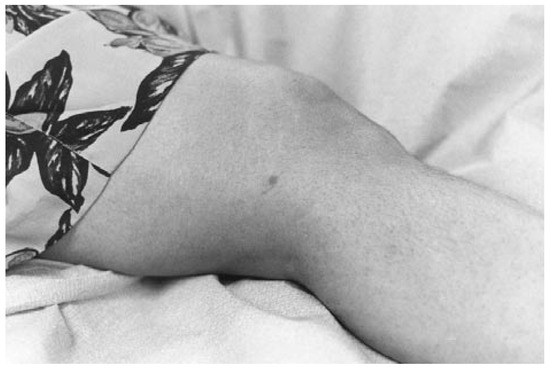
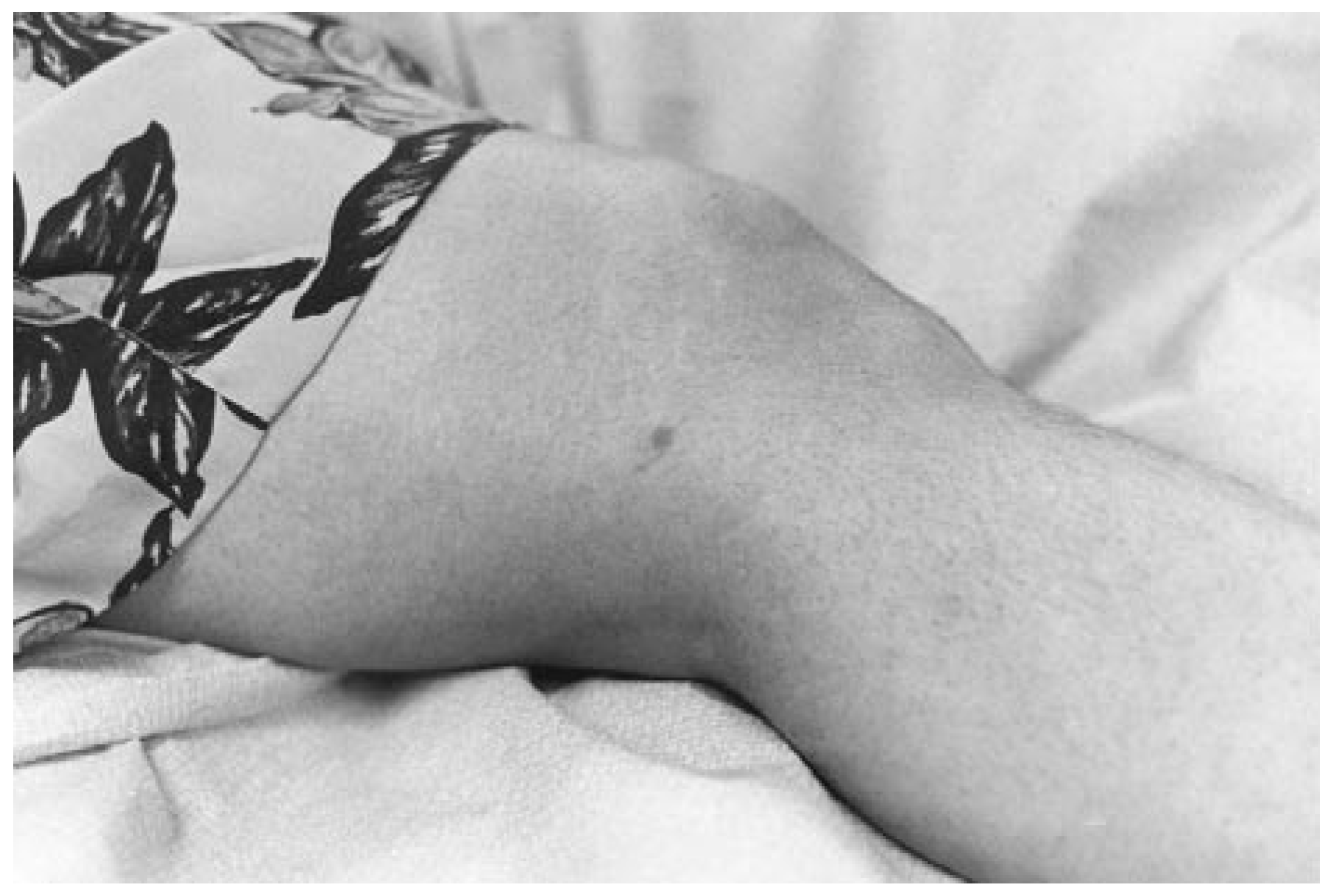
A 41-year-old female presented with a 6-year history of a right foot drop. The patient attributed her condition to acupuncture therapy that she was receiving to relieve mental anxiety. According to the patient, the drop foot began approximately 24 hr after having acupuncture performed with multiple needles, some involving the right lower extremity. The patient states that the acupuncture needle, when first inserted into her leg, was extremely painful and had to be removed and reinserted (Fig. 1). She reports that the needle was left in place for longer than usual (approximately 90 min) and she felt excruciating burning pain approximately 15 min after the needle was removed. The patient’s numbness progressed to weakness and upon awakening the following day, she was unable to move her right foot. She sustained a back injury 21 years ago and was treated in the hospital with traction for 3 weeks. At that time, she was diagnosed with a herniated lumbar disc at L5; however, she states that she currently has no back symptoms. One year ago, she was diagnosed with adenocarcinoma of the endometrium, which was successfully treated with a hysterectomy.
Figure 1.
Brown spot on the lateral aspect of the right knee is the site of acupuncture injury according to the patient.
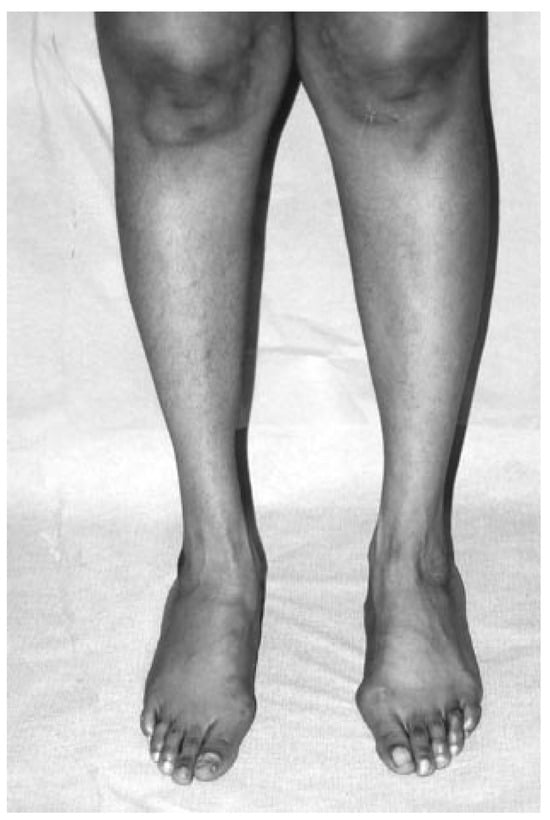
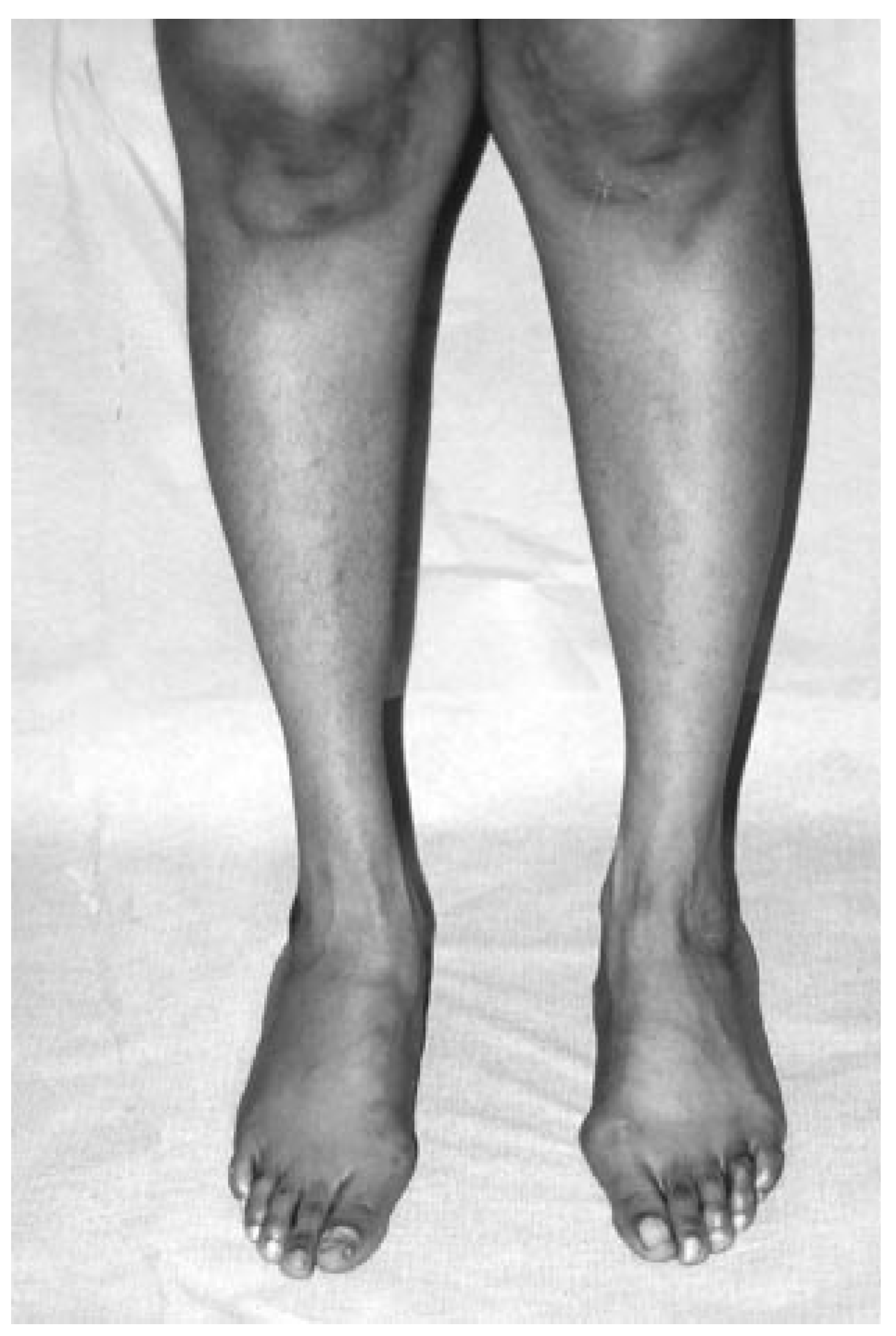
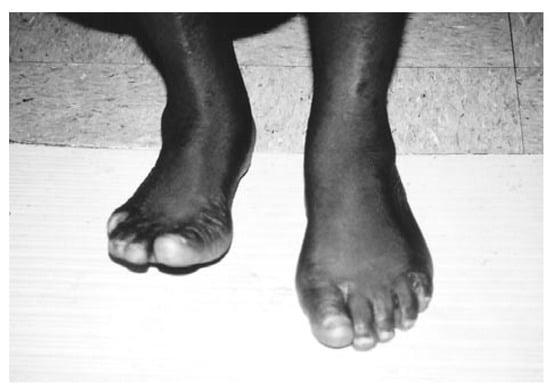
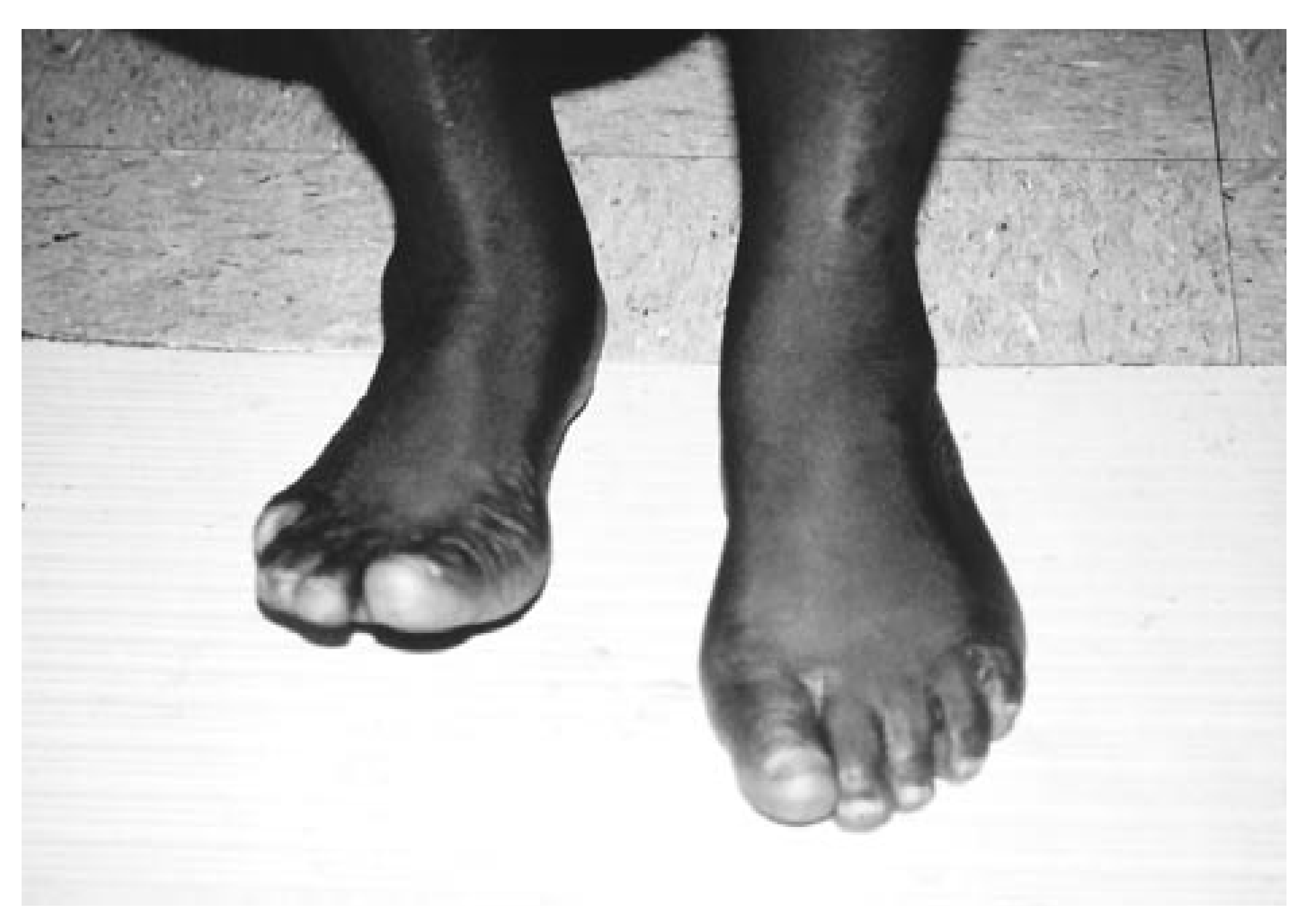
Examination of the involved extremity showed right calf atrophy (Fig. 2) and a 1/2-cm brown mark on the lateral aspect of right knee where the patient states that the acupuncture needle was inserted (Fig. 1). The extensor hallucis longus, extensor digitorum longus, and peroneal muscles were all graded as 2/5; however, the tibialis anterior muscle had improved in strength and was graded as 4/5. The gastrocnemius and posterior tibial muscles were also graded 5/5.
Figure 2.
Frontal view of Case 1 taken 6 years after the acupuncture injury to the right leg. Mild calf atrophy on the right is still present.
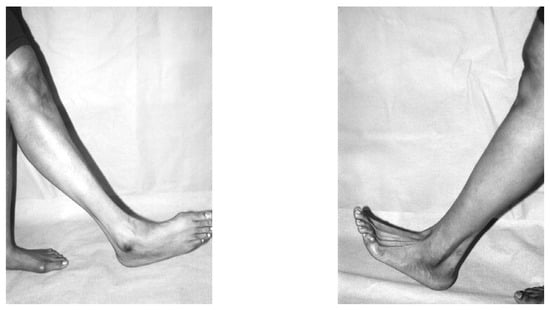
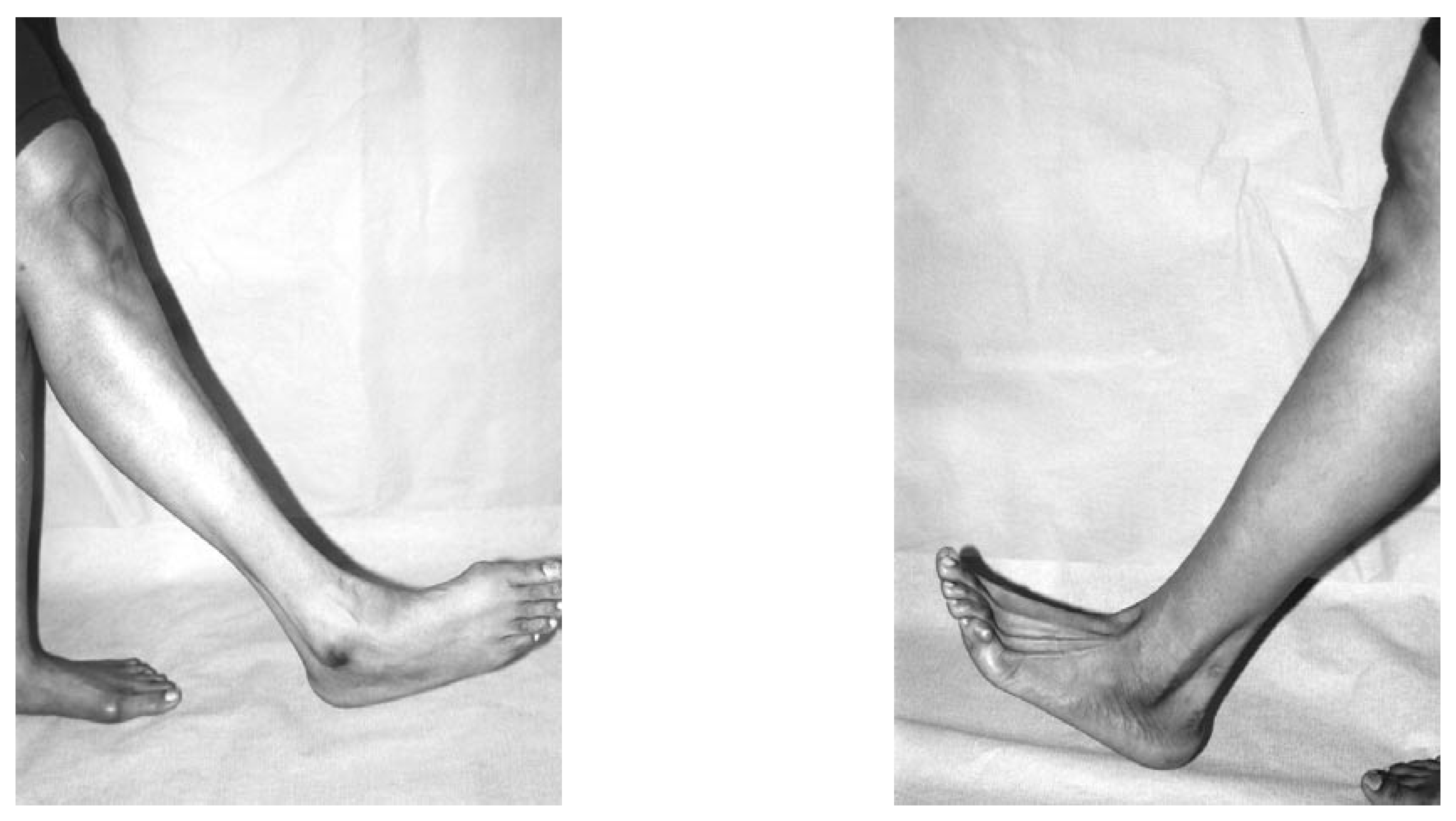
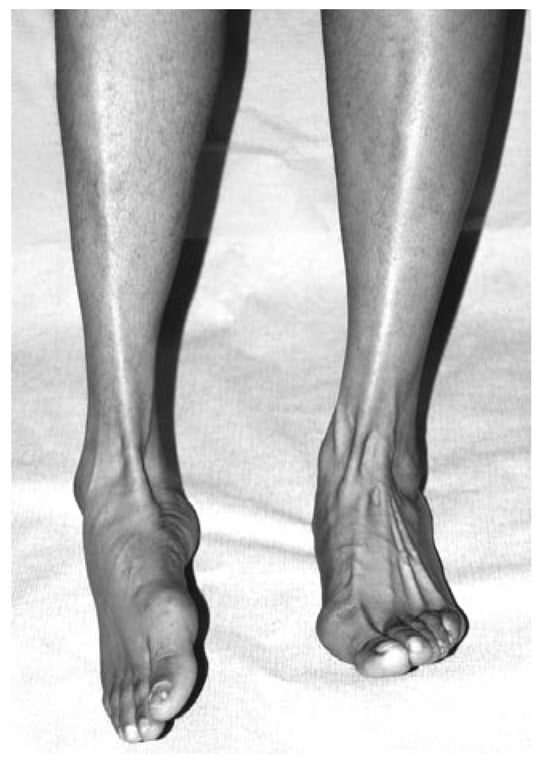
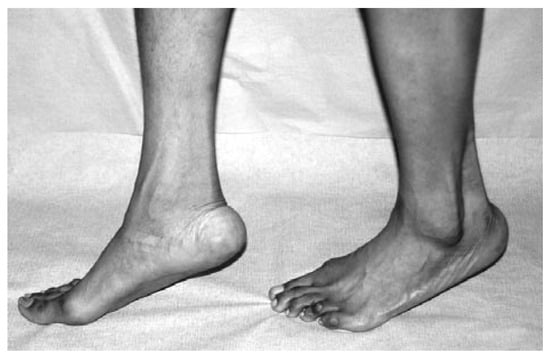
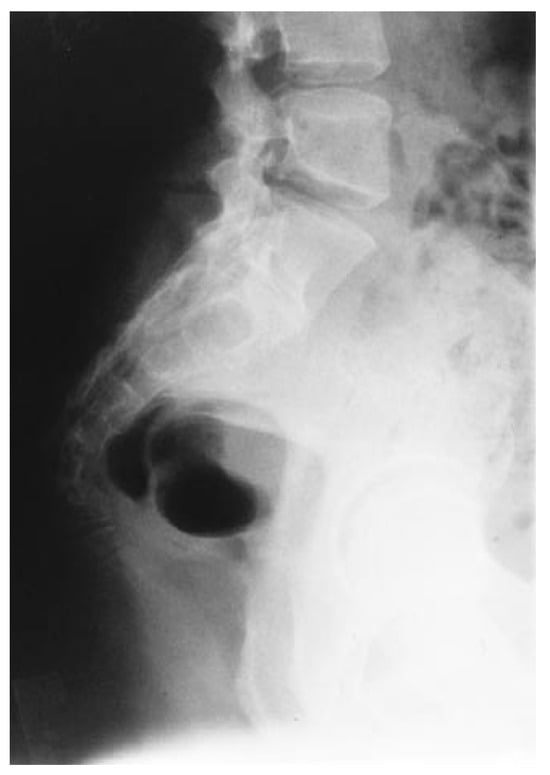
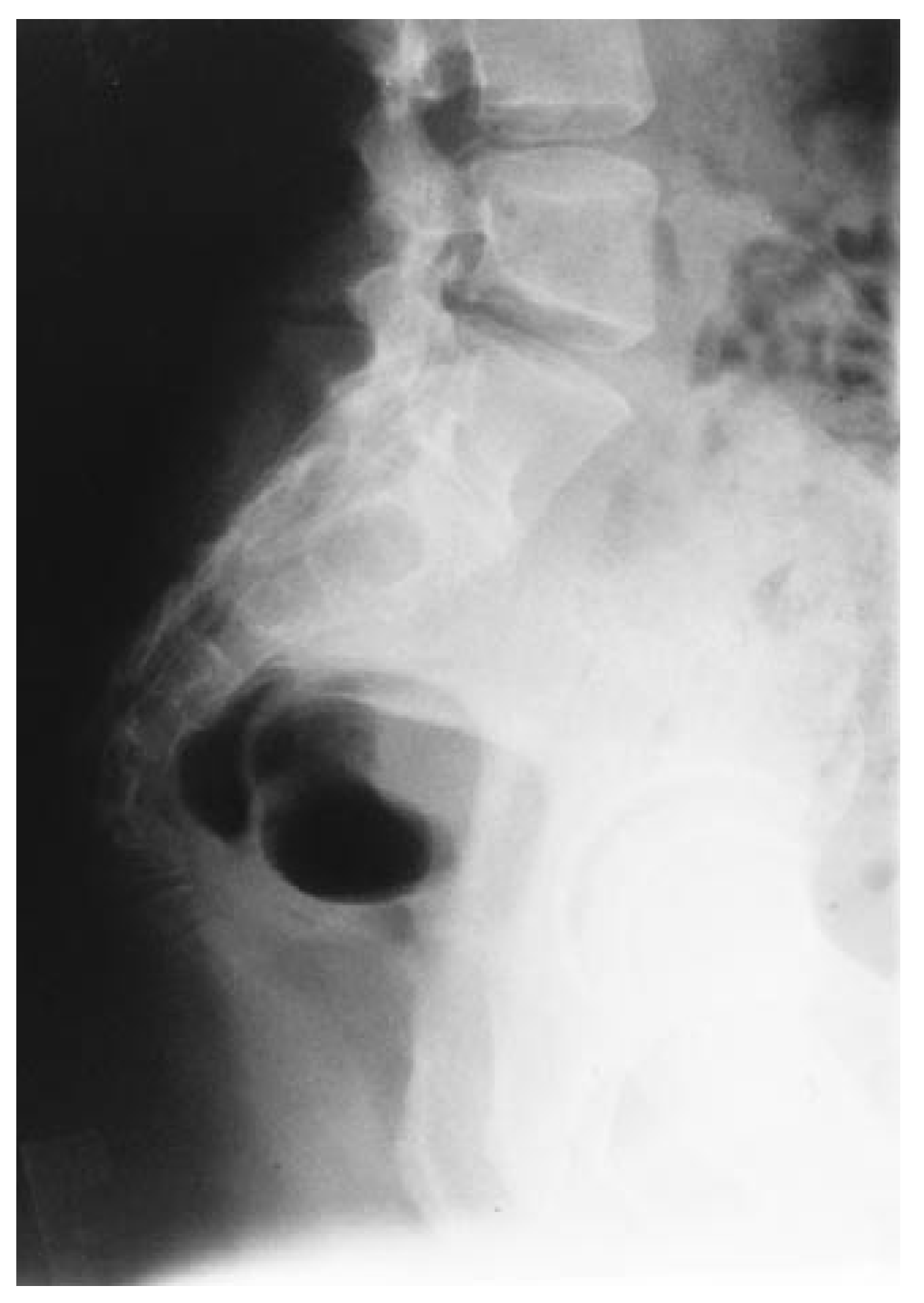
She has difficulty dorsiflexing her foot and inverts her foot when attempting active dorsiflexion (Figs. 3 and 4). The strength of the tibialis anterior and tibialis posterior muscles unopposed by the remaining weak extensors and the peroneal muscles are responsible for this pattern. She is able to plantarflex her foot normally. She had difficulty walking on her heels (Fig. 5), but was able to walk on her toes (Fig. 6). There was partial anesthesia to pin prick, temperature, touch, and vibration along the lateral aspect of the leg and the dorsum of the foot correlating with the distribution of cutaneous innervation of the peroneal nerve. Radiographs of the lumbosacral spine were normal (Fig. 7).
Figure 3.
Figure 3A. The patient’s right foot viewed laterally off weightbearing shows inversion of the foot while attempting dorsiflexion. Notice the absence of active contraction of the extensor digitorum longus and extensor hallucis longus tendons; however, there has been some improvement in muscle power in the tibialis anterior, which is acting as a pure inverter of the foot unopposed by the other extensors and the peroneal muscles. Figure 3B. The patient’s left foot (normal side) off weightbearing, viewed laterally in active dorsiflexion. Notice the prominence of the extensor digitorum longus and extensor hallucis longus tendons indicative of active muscle contraction, which is not present on the right side.
Figure 4.
Figure 4A. The patient’s right foot off weightbearing viewed medially. Once again, the result of the patient’s attempt to dorsiflex the foot results in inversion. With the inverted attitude of the foot, the plantar aspect can be viewed. Figure 4B. The patient’s normal left foot viewed medially. With active dorsiflexion of the foot, all extensor tendons are active resulting in neutral dorsiflexion, and the plantar surface of the foot cannot be visualized.
Figure 5.
The patient attempting to walk on her heels. She is unable to walk on the right heel and inverts the foot when attempting this maneuver. Notice the lack of active contraction of the extensor digitorum longus and extensor hallucis longus tendons, both of which can be seen actively contracting on the contralateral limb. However, the right tibialis anterior tendon can be seen actively contracting, which partially accounts for the active inversion of the right foot.
Figure 6.
The patient can walk on her toes.
Figure 7.
Plain radiographs of lumbosacral spine are normal with no narrowing shown between L5 and S1.
Nerve conduction studies done recently revealed absent peroneal response with normal tibial nerve motor conduction. Electromyography of the right leg showed normal vastus medialis and lateralis. The anterior tibialis muscle showed no abnormal spontaneous activity, but volitional activation evoked polyphasic potentials of prolonged duration. The peroneus longus revealed frequent positive sharp waves and fibrillation potentials with a neurogenic recruitment pattern. The gastrocnemius muscle demonstrated frequent fibrillations with a neurogenic recruitment pattern.
Assessment. The assessment from the nerve conduction studies was a peroneal nerve neuropathy above the level of the fibula head and S1 radiculopathy. Absence of peroneal response is not characteristic of an S1 radiculopathy. The S1 radiculopathy was most probably a secondary problem brought on by the abnormal walking pattern caused by the drop foot (Steven H. Dane, MD, personal communication). The scar from the acupuncture needle is actually located superior to the knee, which would be consistent with a diagnosis of peroneal neuropathy above the fibular head. Given the patient’s history of acupuncture treatment with needles to the lower lateral thigh area, and the sequence of events, direct trauma to the peroneal nerve by the acupuncture needle is the most likely explanation for this patient’s weakness.
The patient had been treated with physical therapy that consisted of transelectrical stimulation and exercises. An ankle-foot orthosis was used at first and was later changed to a gauntlet ankle support that she currently uses. Although the patient has recovered some muscle power, at the time of 6-year follow-up treatment she has residual weakness on the affected side and still walks with a drop foot.
Case 2
A 55-year-old female presented with a 3-month history of left drop foot. An intramuscular injection of 60 mg of Toradol® (Roche Laboratories, Nutley, NJ.) was administered into her left buttock for treatment of knee pain. The next morning, she reported excruciating pain in her left ankle and great toe, although the knee pain resolved. She experienced pain, swelling, and difficulty while walking for the next 2 months. She persisted in having tenderness along the first and second metatarsals. When radiographs were negative for stress fracture, she was diagnosed as having early osteoarthritis and treated with indomethacin.
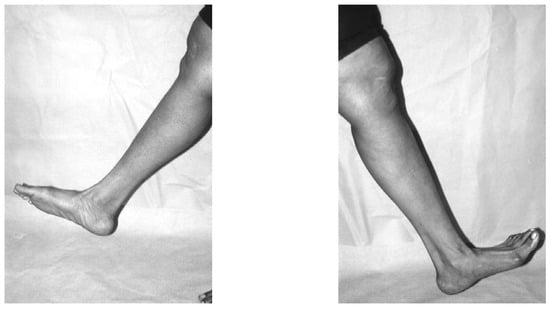
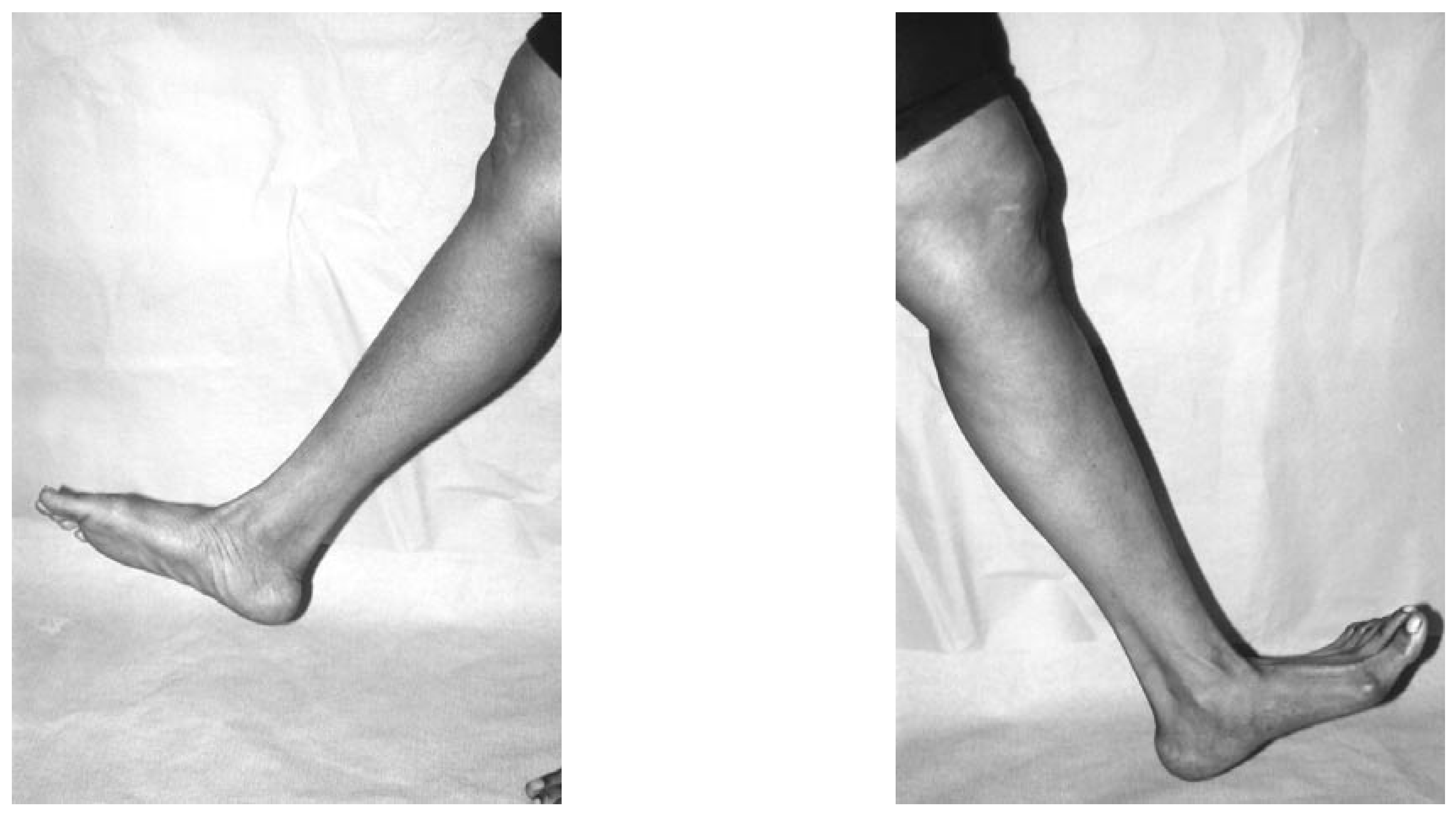
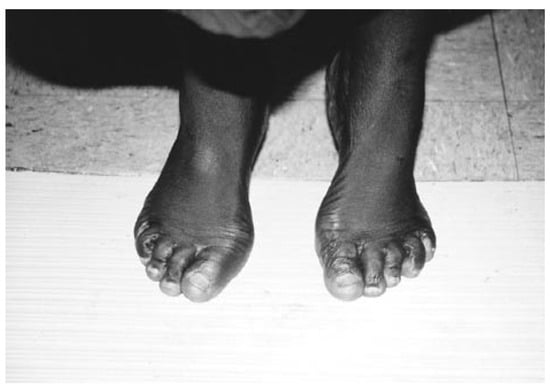
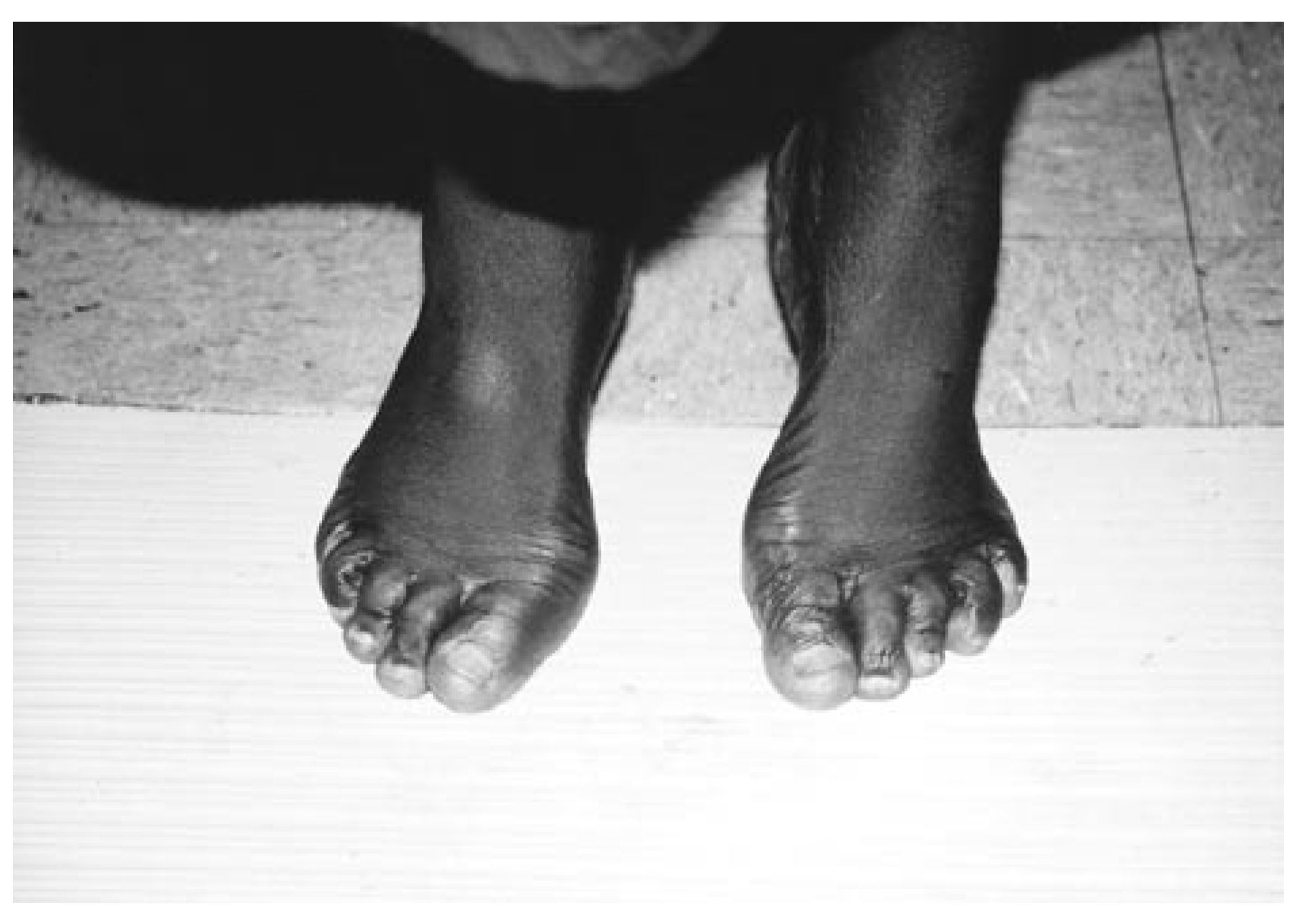
Examination revealed an obvious drop foot on the left side. The ankle was no longer swollen. There was weakness of the anterior muscle group and the peroneal muscle group, but full strength was maintained in the plantarflexors and inverters. She was unable to stand on her left heel (Fig. 8) but was able to stand on her toes (Fig. 9). Sensation was partially reduced to the leg and foot. The patient stated that although she could feel everything, her foot and leg felt dead.
Figure 8.
Patient in Case 2 cannot pick her left foot off the ground when attempting to walk on her heels.
Figure 9.
Patient in Case 2 can walk on her toes normally on both sides.
Motor nerve conduction study conducted 3 months after the initial injury of the left peroneal nerve revealed a conduction velocity of 16.6 m per sec in the fibular head to the extensor digitorum brevis segment, whereas the right peroneal nerve showed a 72.5 m per sec conduction velocity in the corresponding nerve segment (80 m per sec is the highest velocity). Electromyographic studies comparing both left and right peroneal nerves were done in two segments: one from the ankle to the extensor digitorum brevis, and the other from the fibular head to the extensor digitorum brevis. The results showed an increase in latency times, a decrease in amplitude, and a decrease in duration in the left peroneal nerve. Electromyographic results also showed spontaneous activity as fibrillation of tibialis anterior muscle and the short head of biceps femoris of the left extremity, which is a characteristic of denervated muscle. These electrodiagnostic findings reflect a neuropathy of the peroneal nerve distal to the level of the knee in the left lower extremity.
At the time of the 2-year follow-up examination, as a result of exercising and walking, the patient has regained almost full muscle power and is able to actively dorsiflex her foot. She noted that most of the muscle strength returned after 16 months. She still has paresthesia and some numbness on the side of the leg. Residual muscle weakness of the dorsiflexors is present, although her gait is normal.
Discussion
The common peroneal nerve is the most frequently injured peripheral nerve [20], being vulnerable to wounds in the trunk of the sciatic nerve and at the knee because of the shallow nature of the path of the common peroneal nerve at the neck of the fibula. [20] Peroneal nerve injuries may occur as the result of laceration, traction, compression, or perforation. Drop foot from trauma to the peroneal nerve has resulted from such variable etiologies as traction and adduction injuries at the knee, [22,23] ankle sprain, [20,24,25] as a complication of surgery at the hip, [26,27,28] knee, [29] tibial osteotomy in children, [30,31] hematoma, [32] pressure caused by buckling legs during anesthesia, [33] improper cast application, [34] compression caused by prolonged crossing of legs, [35] bungee jumping, [36] losing weight, [37] and spontaneous occurrence. [38]
The common peroneal nerve is a mixed nerve that innervates the dorsiflexors of the ankle and the dorsiflexors and everters of the foot and supplies sensation to the lateral aspect of the leg and the dorsal aspect of the foot. A common peroneal nerve injury results in drop foot with weakness or paralysis of the anterior tibial, extensor digitorum longus, and extensor hallucis longus muscles (innervated by the deep peroneal nerve) and weakness of the peroneal muscles (innervated by the superficial peroneal nerves). In common peroneal mononeuropathy, active inversion by the tibialis posterior and active plantarflexion by the gastrocnemius muscles are preserved because these muscles are innervated by the tibial nerve. In an effort to clear the ground during the swing phase of gait, there is hyperflexion of the knee and hip, resulting in characteristic steppage gait. The inability of the dorsiflexors to eccentrically contract at heel strike produces an uncontrolled foot slap.
Acupuncture. The authors believe that the drop foot deformity in the first patient presented here was caused by a direct acupuncture needle injury into or near the peroneal nerve at the level of the knee. Sciatic mononeuropathy is excluded by the absence of gastrocnemius and posterior tibial muscle weakness. Since the patient had a history of back injury and was previously diagnosed with a herniated disc at L5, it was essential to exclude the diagnosis of L5 radiculopathy as a cause of drop foot. Weakness of the tibialis posterior muscle, which is present in lumbar intervertebral disc disease with herniation and compression of the L5 root, but not present in common peroneal nerve palsy, may be helpful in distinguishing radiculopathy from localized peroneal neuropathy.38 The lack of back symptoms, sciatica, and muscle weakness above the knee further excludes the diagnosis of an L5 radiculopathy. It must be added that this patient was able to perform strenuous exercises in front of the authors that involved her lower back, including flexing and extending her lumbar spine without difficulty. Radiographs of the lumbosacral spine were normal with no degenerative changes and no narrowing. Direct acupuncture injury to the peroneal nerve or its immediate vicinity remains consistent with the patient’s clinical presentation and is the most likely explanation for her condition.
Since its introduction to the Western medical society in the 1970s, acupuncture has been practiced with increasing frequency as a form of therapy. [39,40] The main indication for acupuncture is for the treatment of pain from musculoskeletal conditions such as bursitis, neuritis, tendinitis, and arthritis. [41] However, the inexperienced therapist practicing with improper techniques and nonsterile equipment can cause undesirable results. [42] Reported complications of acupuncture include pneumothorax, [43,44] hemothorax, penetration of needles into vital organs including the liver and kidney, penetration of pregnant uterus, and cardiac arrhythmias during electrical stimulation of acupuncture points in the chest. [43,44] One report describes compartment syndrome produced by hemorrhage into the anterior compartment of the leg caused by an acupuncture treatment in a patient on anticoagulant drug therapy. [45] Moxibustion (burning herbs into the skin) has resulted in third-degree burns in several patients. [42] Improper sterilization of acupuncture needles has resulted in hepatitis B infection,46 bacterial endocarditis, [47] meningitis, osteomyelitis in the foot, [48] and HIV infection. [49] Death has occurred because of fatal septicemia and cardiac tamponade caused by deep penetration of the acupuncture needle into the acupuncture point located below the fifth rib. [50]
Injection Injury. The patient discussed in Case 2 received one intramuscular gluteal injection of 60 mg of Toradol, which resulted in paralysis 12 hr after injection. The onset of paralysis after injection injuries may be immediate or delayed. [8,51] Paralysis occurred 10 to 21 days after penicillin injection injury in seven patients. [5] The degree of paralysis may increase with time because of intense epineural scarring or progression to intraneural fibrosis. [8]
Nerve injury following intragluteal injection in the sciatic nerve results from a combination of chemical irritation and constriction by scar tissue. [6] The nature and quantity of injected material and its anatomical proximity to the affected nerve are all important factors in determining the degree of nerve damage after injection injury. [6,9,51,52] The actual site of nerve injury is the nerve fiber with intraneural injections being the most destructive, [9] although a substance injected in close proximity to the nerve may also cause damage. [8] Injection directly into the nerve produces an intense inflammatory reaction with axonal and myelin degeneration and connective tissue scarring within the nerve [5] and causes complete transverse necrosis of the nerve at the injection site, [53] whereas injection into the epineurium is comparable to muscle lesions. More severe reactions cause fibrosis in the epineurium that lead to compression of nerves by scarring. [53] Any drug is potentially capable of causing injection injury, [8] although chloramphenicol and tetracycline have been shown to be especially toxic. [53]
This patient’s injury involved the anterior muscle group only. She was able to stand on her toes and invert the affected foot. In other words, the peroneal division of the sciatic nerve was selectively damaged with the tibial nerve function being undisturbed. The common peroneal division of the sciatic nerve is more likely to be injured than the tibial nerve, because it is composed of less epineural tissue and has fewer and larger fasciculi that allow more direct access to nerve fibers by the injected agent. [51] Anatomically, the peroneal nerve slightly overlaps the tibial division, and is more superficial and laterally placed, making it more vulnerable to stretch, compression, and injection. [51] Motor fibers are more sensitive than sensory fibers and suffer injury to a greater degree and recover less well than sensory fibers. [51] In general, motor functions are more seriously affected than sensory functions after injection injuries.9
Generally, there is a poor prognosis in peroneal nerve palsy because of the peroneal nerve’s mixed sensory-motor nature and the long distance necessary for axon regeneration, [21] although motor and sensory axons of the sciatic nerve have been found to grow at least 700 and 900 mm respectively. [54] Of 51 cases of injection injury to the sciatic nerve, only two recovered completely, [9] and in 18 pediatric patients, only 30% had complete recovery within a period from 1 hr to 1 year. [7] However, incomplete lesions of the peroneal nerve have a better outcome and recovery can be expected to occur within 2 to 15 months. [11] The patient in Case 2, who suffered the injection injury, regained most of her muscle strength after 16 months.
Conclusion
Drop foot is the result of injury to the common peroneal nerve or to its origin, the sciatic nerve. Two case histories of needle-induced injury to the peroneal nerve that resulted in drop foot have been reported. One patient was injured by an acupuncture treatment and the second patient had an intramuscular gluteal injection. Although neuropathy induced by injection into or near the sciatic nerve has been extensively documented, it continues to occur because of the close proximity of the gluteal injection site to the sciatic nerve. Intragluteal injections must be made into the superior lateral quadrant of the gluteal muscle mass in a direction at right angles to the body surface or should be substituted by lateral thigh injection when possible.
Direct injury to the common peroneal nerve by an acupuncture needle has not been previously reported. The authors recommend that alternative modalities such as acupuncture should be administered only by well trained, licensed individuals. Both cases presented here exemplify the degree of caution that must be maintained when using procedures potentially damaging to nerves.
Acknowledgment
Mr. Les Mills for the photographs.
References
- CLARK DF: External popliteal nerve injuries. Illinois Med J 58: 117, 1930.
- TURNER GG: The site for intramuscular injections. Lancet 2: 819, 1920.
- KOLB LC, GRAY SJ: Peripheral neuritis as a complication of penicillin therapy. JAMA 132: 323, 1946.
- BROADBENT TR, ODOM GL, WOODALL B: Peripheral nerve injuries from administration of penicillin. JAMA 140: 1008, 1949.
- TARLOV IM, PERLMUTTER I, BERMAN AJ: Paralysis caused by penicillin injection: mechanism of complication. warning. J Neuropathol Exp Neurol 10: 158, 1951.
- COMBES MS, CLARK WK, GREGORY CF, ET AL: Sciatic nerve injury in infants: recognition and prevention of impairment resulting from intragluteal injection. JAMA 173: 1330, 1960.
- GILLES FH, FRENCH JH: Postinjection sciatic nerve palsies in infants and children. J Pediatr 58: 195, 1961.
- GILLES FH, MATSON DD: Sciatic nerve injury following misplaced gluteal injection. J Pediatr 76: 247, 1970.
- CLARK K, WILLIAM PE, WILLIS W, ET AL: Injection injury of the sciatic nerve. Clin Neurosurg 17: 111, 1970.
- ROUSSEAU J, REZNIK M, LEJEUNE G, ET AL: Sciatic nerve entrapment by pentazocine-induced muscle fibrosis. Arch Neurol 36: 723, 1979.
- PICKETT JB: Localizing peroneal nerve lesions. Am Fam Physician 31: 189, 1985.
- PRESTON D, LOGIGIAN E: Iatrogenic needle-induced peroneal neuopathy in the foot. Ann Intern Med 109: 921, 1988.
- NAPIONTAK M, RUSZKOWSKI K: Paralytic drop foot and gluteal fibrosis after intramuscular injections. J Bone Joint Surg 75B: 83, 1993.
- KONDO A, KOYAMA T, ISHIKAWA J, ET AL: Injury to the spinal cord produced by acupuncture needle. Surg Neurol 11: 155, 1979.
- SHIRAISHI S, GOTO I, KUROIWA Y, ET AL: Spinal cord injury as a complication of an acupuncture. Neurology 29: 1188, 1979.
- HADDEN WA, SWANSON JG: Spinal infection caused by acupuncture mimicking a prolapsed intervertebral disc. J Bone Joint Surg 64A: 624, 1982.
- KIDA Y, NARITOMI H, SAWADA T, ET AL: Cervical spinal cord injury caused by acupuncture. Arch Neurol 45: 831, 1988.
- ISU T, IWASAKI Y, SASAKI H, ET AL: Spinal cord and root injuries due to glass fragments and acupuncture needle. Surg Neurol 23: 255, 1985.
- SOUTHWORTH SR, HARTWIG RH: Foreign body in the median nerve: a complication of acupuncture. J Hand Surg 15B: 111, 1990.
- SECKLER MM, DISTEFANO V: Peroneal nerve palsy in the athlete: a result of indirect trauma. Orthopedics 19: 345, 1996.
- DEMUYNCK M, ZUKER RM: The peroneal nerve: is repair worthwhile? J Reconstr Microsurg 3: 193, 1987.
- WHITE J: The results of traction injuries to the common peroneal nerve. J Bone Joint Surg 50B: 346, 1968.
- BOWMAN AJ, KILFOYLE RN, BROOM JS: Varus injury of the knee with a common peroneal nerve palsy. J Natl Med Assoc 76: 157, 1984.
- MEALS RA: Peroneal-nerve palsy complicating ankle sprain: report of two cases and review of the literature. J Bone Joint Surg 59A: 966, 1977.
- STOFF MD, GREENE AF: Common peroneal nerve palsy following inversion ankle injury: a report of two cases. Phys Ther 62: 1463, 1982.
- PRITCHETT JW: Lumbar decompression to treat foot drop after hip arthroplasty. Clin Orthop 303: 173, 1994.
- WILBOURN AJ: AAEE case report #12: common peroneal mononeuropathy at the fibular head. Muscle Nerve 9: 825, 1986.
- WEBER ER, DAUBE JR, COVENTRY MB: Peripheral neuropathies associated with total hip arthroplasty. J Bone Joint Surg 58A: 66, 1976.
- IDUSUYI OB, MORREY B: Peroneal nerve palsy after total knee arthroplasty. J Bone Joint Surg 78A: 177, 1996.
- SCHROCK RD: Peroneal nerve palsy following derotation osteotomies for tibial torsion. Clin Orthop 62: 172, 1969.
- HERRING JA: Instructional case complications of a tibial osteotomy. J Pediatr Orthop 3: 625, 1983.
- NOBEL W: Peroneal palsy due to hematoma in the common peroneal nerve sheath after distal torsional fractures and inversion ankle sprains. J Bone Joint Surg 48A: 1484, 1966.
- LIEBLICH SE: Peripheral nerve injury during anesthesia. Anesth Prog 37: 258, 1990.
- WEISS APC, SCHENCK RC, SPONSELLER PD, ET AL: Peroneal nerve palsy after early cast application for femoral fractures in children. J Pediatr Orthop 12: 25, 1992.
- NAGLER S, RANGELL L: Peroneal palsy caused by crossing the leg. JAMA 133: 755, 1947.
- TORRE PR, WILLIAMS GG, BLACKWELL T, ET AL: Bungee jumper's foot drop peroneal nerve palsy caused by bungee cord jumping. Ann Emerg Med 22: 1766, 1993.
- STREIB F: Weight loss and foot drop. Iowa Med 83: 224, 1993.
- BERRY H, RICHARDSON PM: Common peroneal nerve palsy: a clinical and electrophysiological review. J Neurol Neurosurg Psychiatry 39: 1162, 1976.
- BONICA JJ: Therapeutic acupuncture in the People's Republic of China. JAMA 228: 1544, 1974.
- SHU JC: Acupuncture: what we should know. Pa Med 90: 55, 1987.
- SPRING M: The practical medical aspects of acupuncture. Bull N Y Acad Med 51: 914, 1975.
- CARRON H, EPSTEIN BS, GRAND B: Complications of acupuncture. JAMA 228: 1552, 1974.
- GRAY R, MAHARAJH GS, HYLAND R: Pneumothorax resulting from acupuncture. Can Assoc Radiol J 42: 139, 1991.
- WILLMS D: Possible complications of acupuncture letter. West Med J 154: 736, 1991.
- SMITH DL, WALCZYK MH, CAMPBELL S: Acupuncture-needle-induced compartment syndrome. West J Med 144: 478, 1986.
- LI FP: Acupuncture and possible hepatitis B infection. JAMA 243: 1423, 1980.
- JEFFERY B, BRENNAND-ROPER A, CURRY PVL: Acupuncture needles as a cause of bacterial endocarditis. Br Med J 287: 326, 1983.
- JONES RO, CROSS G: Suspected chronic osteomyelitis secondary to acupuncture treatment. JAPMA 70: 149, 1989.
- VITTECOQ D, METTETAL JF, ROUZIOUX C, ET AL: Acute HIV infection after acupuncture treatments. N Engl J Med 320: 250, 1989.
- PIERIK MG: Fatal staphylococcal septicemia following acupunctue: report of two cases. R I Med 65: 251, 1982.
- SUNDERLAND S: Nerve Injuries and Their Repair: A Critical Appraisal, Churchill Livingstone, New York, 1991.
- CLARK WK: Surgery for injection injuries of peripheral nerves. Surg Clin North Am 52: 1325, 1972.
- HANSON DJ: Intramuscular injection injuries and complications. Gen Practice 27: 109, 1963.
- SUNDERLAND S, MCARTHUR PRA, NAM DA: Repair of a transected sciatic nerve. J Bone Joint Surg 75A: 911, 1993.
© 1997 American Podiatric Medical Association