The treatment of the diabetic neuropathic ulcer is both challenging and controversial. There are many anecdotal reports of the superior healing potential of various treatment modalities, but few data have been presented to substantiate these claims. Any investigation that gives the clinician reliable information regarding treatment choices is invaluable. The many devices used to reduce peak plantar foot pressure at the site of neuropathic ulceration are for the most part untested. The authors hope that this article will not only enlighten the reader but also stimulate further clinical investigation in this area.
Introduction
Foot complications associated with diabetes are a frequent and costly health-care problem in the US and Europe. As many as 20% of all diabetes-related hospitalizations have been linked to foot problems [
1]. Paramount among these problems are diabetic foot ulcerations, resultant infection, and subsequent amputation. Ulceration is one of the most common component causes of limb amputation in diabetics [
2]. Tragically, the majority of these amputations could be prevented with appropriate measures. Practical intervention strategies for healing existing foot ulcerations may help prevent limb loss in a large number of these diabetic patients.
Areas on the sole of the foot that are subject to repetitive trauma have been shown to be at risk for ulceration in patients with sensory neuropathy, and areas exposed to pressures greater than 99 N/cm
2 take significantly longer to heal [
3]. Previous studies have reported that 94% of diabetic ulcers occur under areas of increased pressure [
1]. Consequently, ulcer treatments have focused on the reduction of plantar pressures to facilitate wound healing. These treatments work by transferring weightbearing forces away from the ulcer site. Thus casts, prostheses, and other off-loading devices have played a central role in the prevention of amputations in diabetic patients.
A number of off-loading devices are commonly used to facilitate ulcer healing. The most frequently cited is the plaster total contact cast. This was first described in 1939 for the treatment of neuropathic ulcers in leprosy patients and was later popularized by Paul Brand of the Hansen’s Disease Center in Carville, Louisiana [
4].
Other devices commonly used to treat ulcers include rigid-soled postoperative shoes, removable walking casts [
5,
6], half-shoes [
7], and accommodative felt and foam dressings [
8]. While most of these devices are frequently used in the medical community, few scientific data have been presented to support their effectiveness. Although ulcers have been treated by all of the aforementioned modalities, no study to date has compared the pressure-reducing capabilities of these devices. The purpose of this study was to compare the effectiveness of total contact casts, removable cast walkers, half-shoes, postoperative shoes, and accommodative felt and foam dressings in reducing peak plantar foot pressures at the site of ulceration.
Materials and Methods
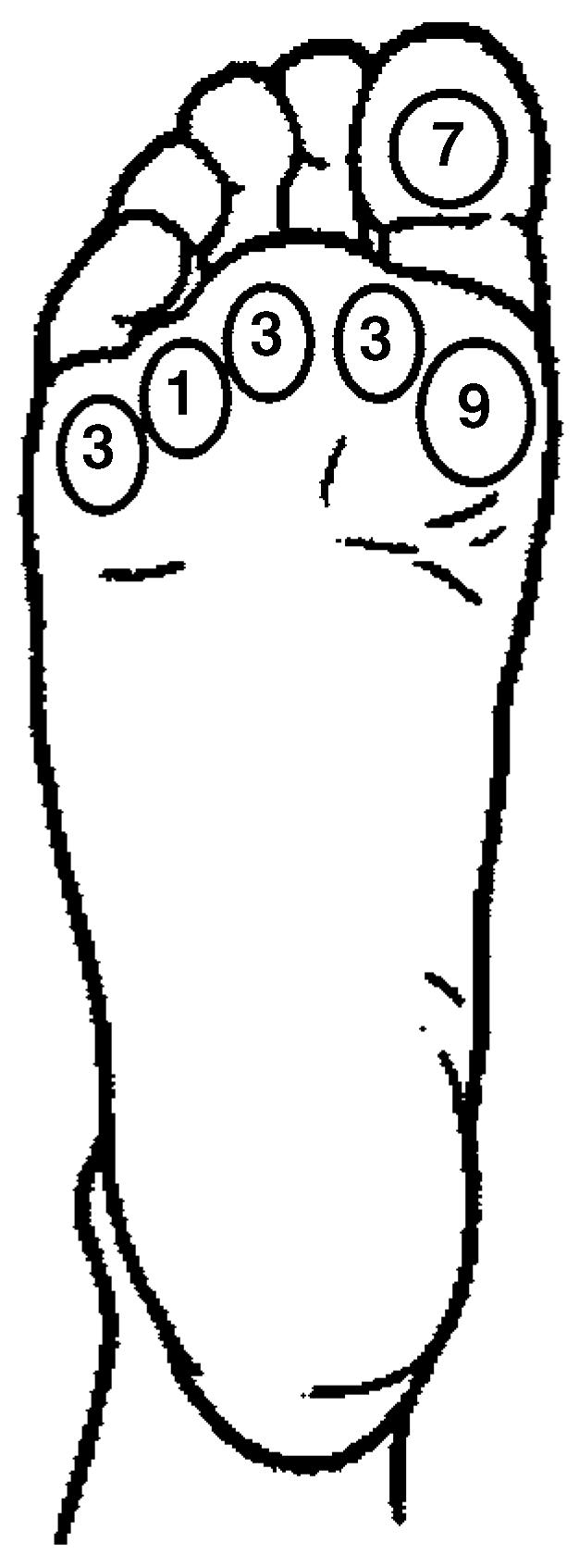
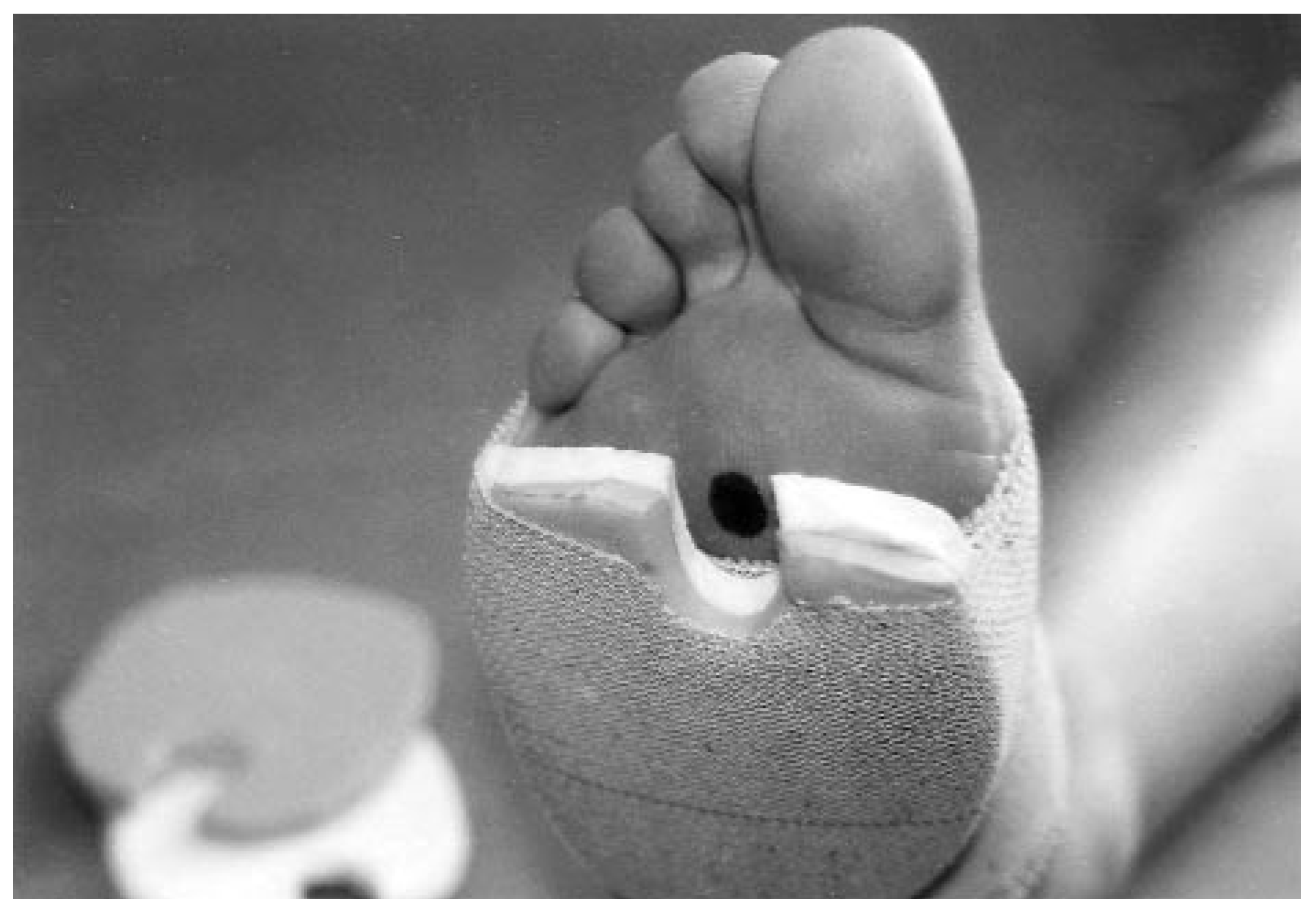
The authors evaluated 26 patients (16 males, 10 females) from the clinics at the University Health Systems, San Antonio, Texas. Each patient had an existing or recently healed diabetic neuropathic ulcer on the sole of the foot. For the purpose of analysis, patients were divided into two groups based on ulcer location: The first group comprised patients with forefoot (metatarsal head area) ulcerations (n = 19), and the second group comprised patients with great-toe ulcerations (n = 7) (
Figure 1). A Biothesiometer
® (Bio-Medical Instrument Co, Newbury, OH.) was used to assess vibratory perception threshold as a measure of neuropathy using previously described criteria and methods [
9,
10]. Once informed consent was obtained, a thorough patient history was documented. Patient characteristics are listed in
Table 1. Pressures on the sole of the foot were evaluated using the Pedar
® (Novel Electronics, Inc, St. Paul, MN.) in-shoe pressuremeasurement system. Data were collected at 50 Hz using 2-mm-thick capacitance insoles with 99 sensors per insole and an approximate spatial sensor resolution of 1 sensor/cm
2, depending on insole size [
11,
12]. The thin pressure-measuring insole has not been shown to interfere with normal gait characteristics and has been shown to have a linear response to applied loads ranging from 0 to 500 N/cm
2 with minimal error [
12].
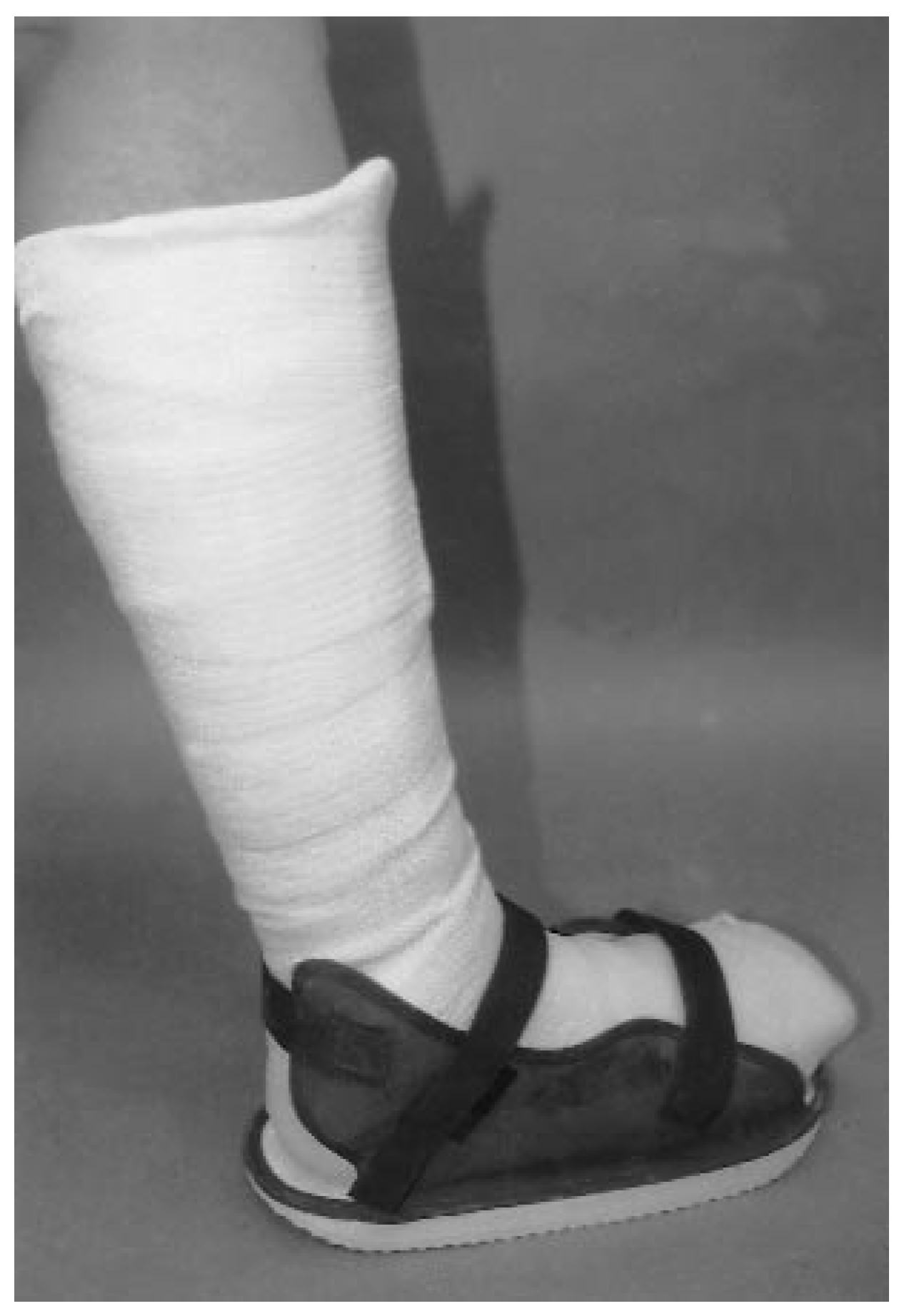
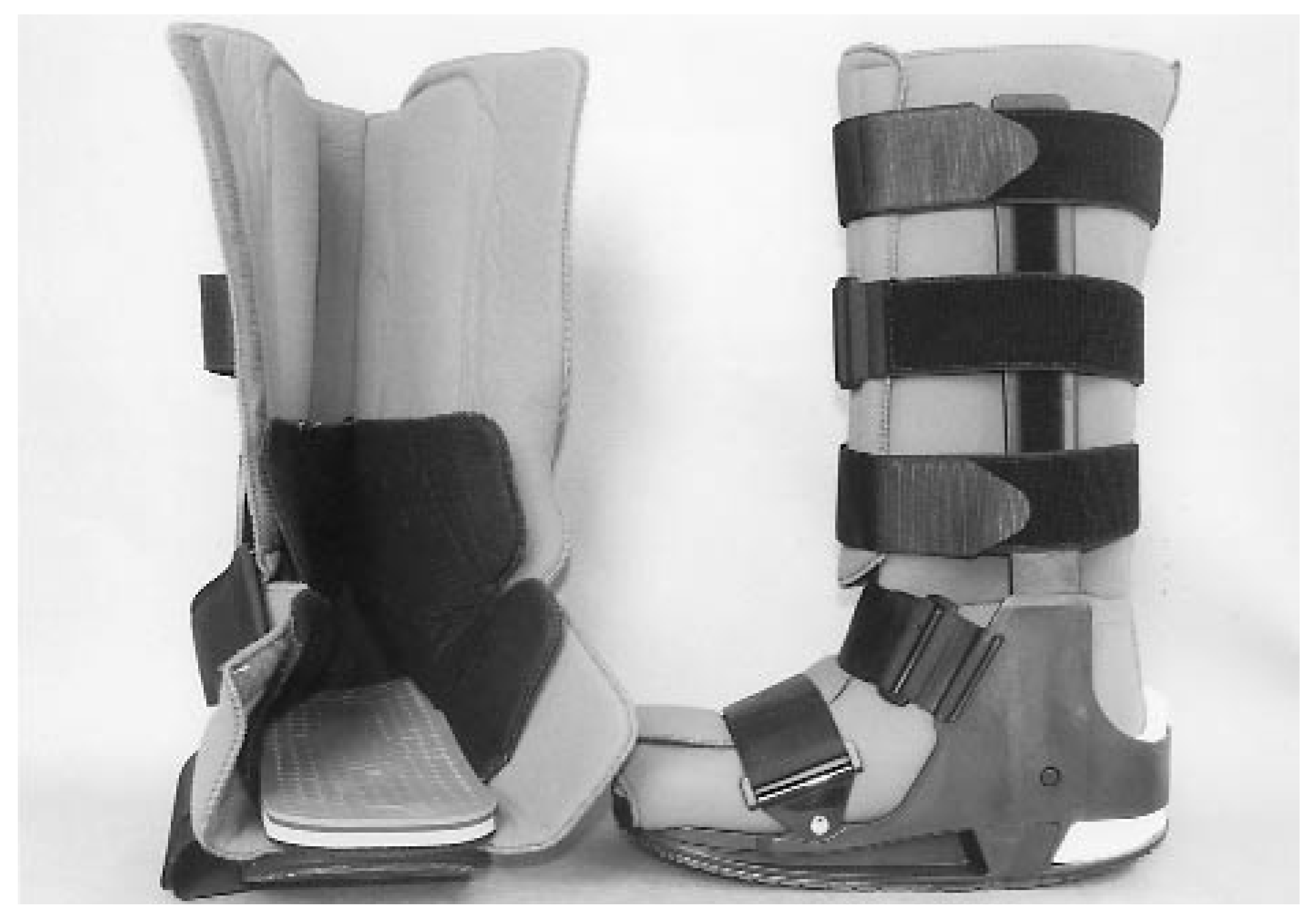
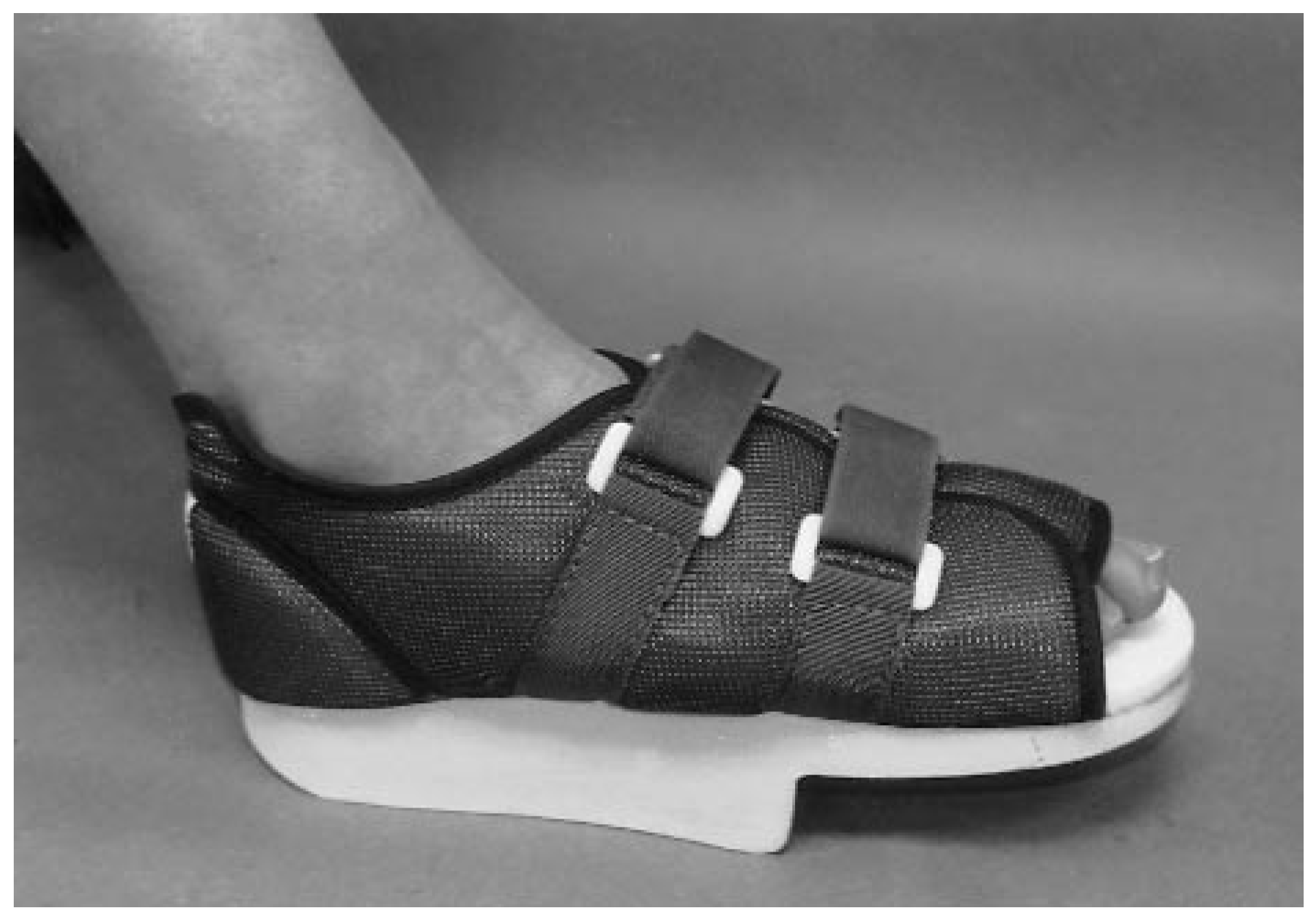
Patients were evaluated using five treatment devices: total contact cast, DH Pressure Relief Walker
® (Royce Medical Co, Camarillo, CA.), Darco OrthoWedge Shoe
® (Darco International, Inc, Huntington, WV.), Darco
® (Darco International, Inc, Huntington, WV.) rigid-soled postoperative shoe, and accommodative felt and foam dressing (
Figure 2,
Figure 3,
Figure 4 and
Figure 5). A rubber-soled canvas oxford was used to establish baseline pressure values. A total contact cast with a rocker-bottom cast boot was applied using the technique described by Coleman et al [
13], with the following exceptions: the plywood sole was not used, and an outer layer of fiberglass cast material was applied over the total contact layer and splints. This was done to allow the patient to walk immediately after application of the cast (
Figure 2).
The accommodative felt and foam dressing was applied in a manner similar to that described in a videotape produced by the Joslin Diabetic Center in Boston. First, elastic cloth tape was applied around the forefoot with the adhesive side away from the skin. Next, a 1/4-inch piece of felt cut to accommodate the lesion was applied to the adhesive surface of the tape. This accommodation was designed to allow weightbearing by the unaffected surface of the fore-foot. An identically shaped piece of 1/4-inch polyethylene foam was applied directly to the top of the felt and the entire area was covered with a second piece of elastic cloth tape (
Figure 5). The patient was then placed in a postoperative shoe for testing.
A rubber-soled canvas oxford shoe was worn on the contralateral limb during testing. The patient’s sockless foot was placed in each device and the Pedar insole was placed in direct contact with the plantar aspect of the foot.
Treatments were evaluated in random order. For each treatment, subjects were allowed to practice walking until they felt comfortable so that their gait pattern would be as consistent as possible across trials. Subjects were instructed to walk at a self-selected pace for each modality after this “break-in” period. This was done in an attempt to simulate the gait pattern that patients would use in clinical and home settings. Four gait trials were performed for each device, with eight midgait steps from each trial used for final analysis.
The authors used SPSS for Windows Version 7.5
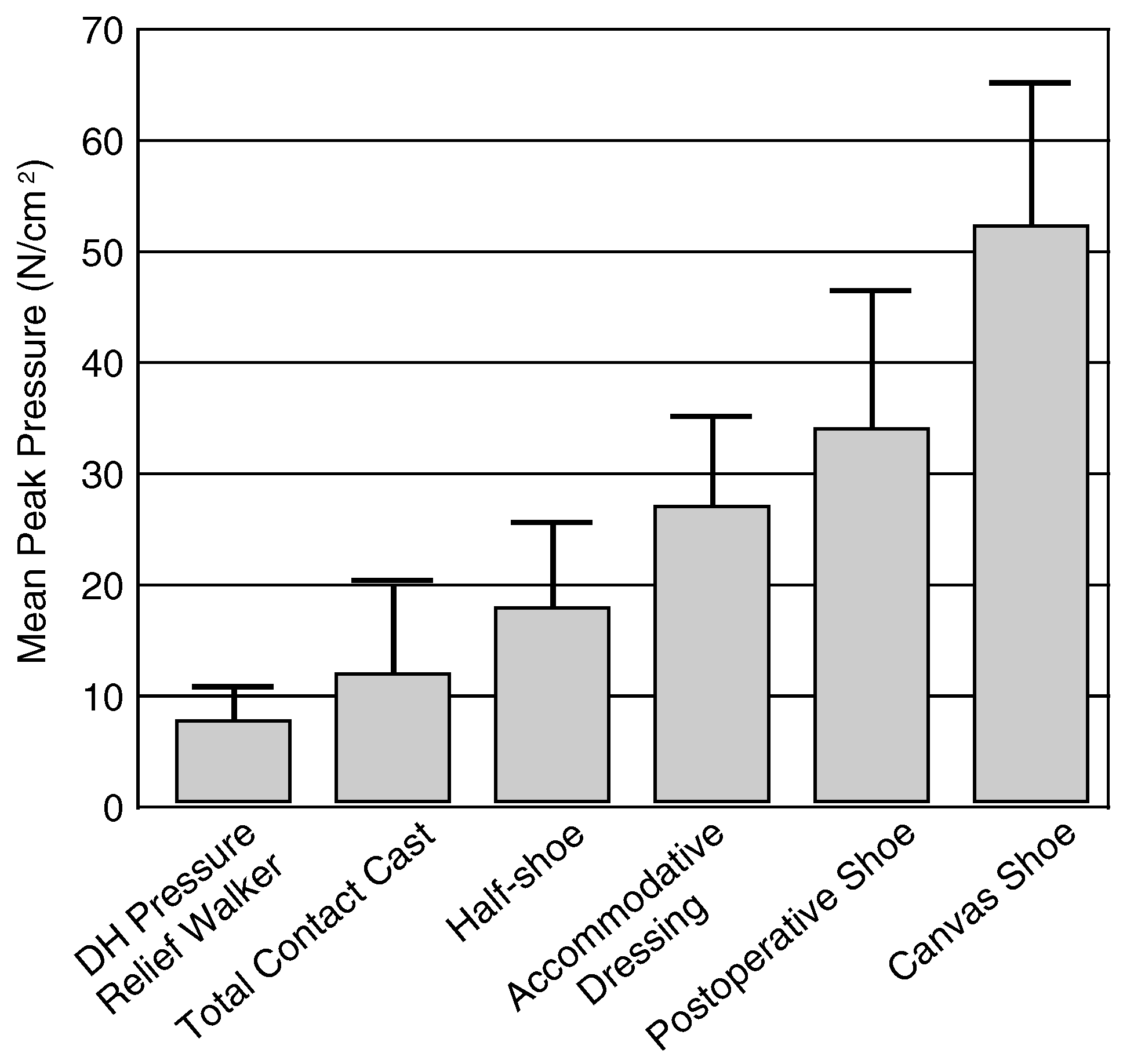
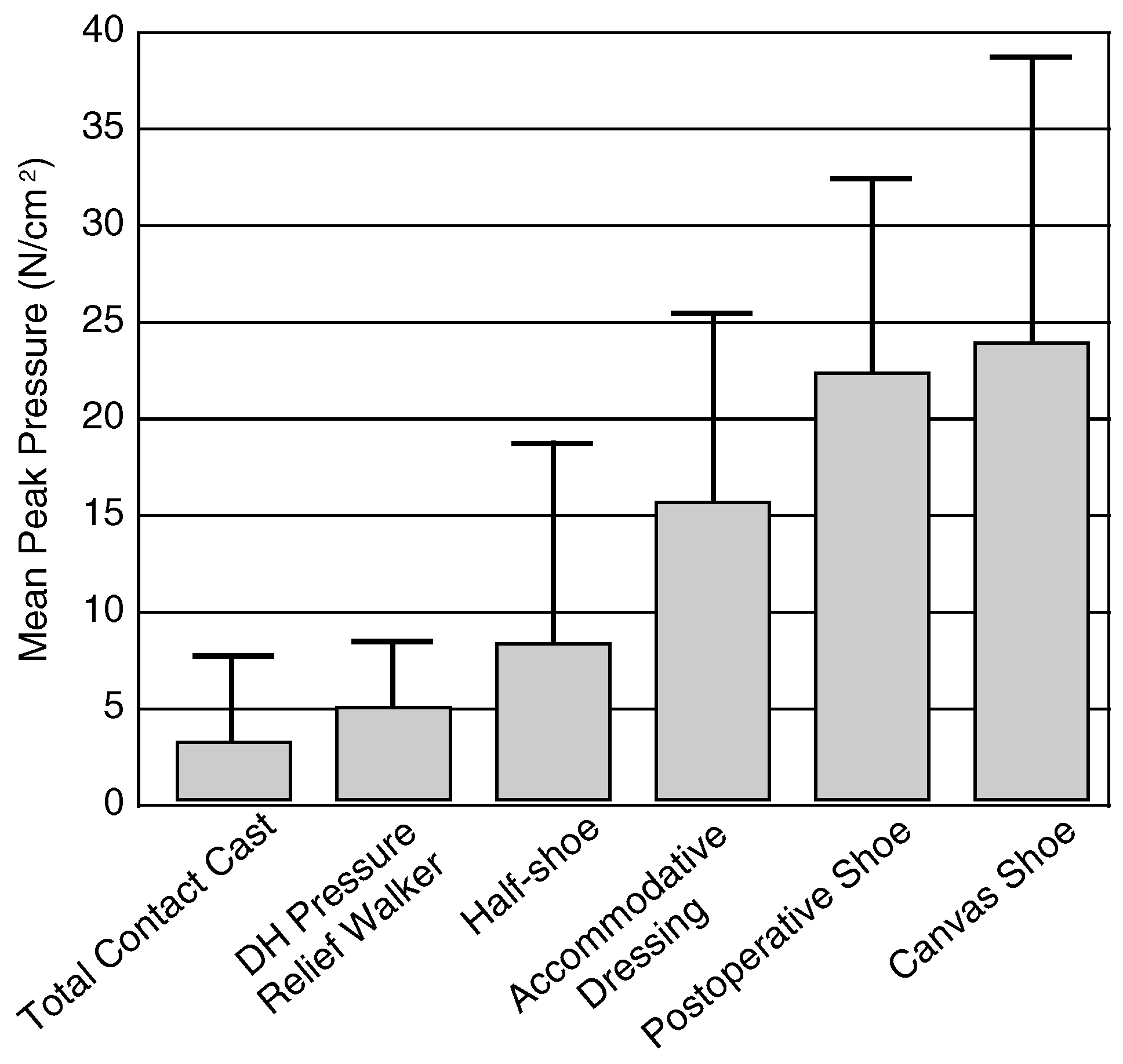
® (SPSS, Inc, Chicago, IL.) to perform statistical analysis of the data. A repeated measures design, in which each patient was tested in each possible treatment, was used to compare the effectiveness of the different modalities. Thirty-two steps were analyzed for each treatment. Only midgait steps were analyzed because of the high variability of initial and ending steps. To analyze the data, the authors used both univariate and multivariate analysis of variance procedures. Tukey’s Studentized Range Test for multiple comparisons with an alpha of 0.05 was used for simultaneous comparison of differences between all treatment means (
Figure 6 and
Figure 7).
Discussion
This study represents the first comparison of the total contact cast, half-shoe, DH Pressure Relief Walker, rigid-soled postoperative shoe, and accommodative felt and foam dressing. The results of the present study show that the total contact cast and the DH Pressure Relief Walker achieved the best reduction of plantar pressures at the site of neuropathic ulcers. These results are in agreement with those of previous studies performed by Lavery et al [
5]. The half-shoe was the third most effective modality, followed by the accommodative dressing and the postoperative shoe.
Plantar pressures are a strong contributing factor in both the development and healing of neuropathic ulcers [
3,
9]. Although there have been no previous clinical studies directly comparing the modalities evaluated in this gait study, descriptive case series suggest that healing time may be much shorter with total contact casts (38 to 42 days) [
3,
14,
15,
16,
17,
18,
19,
20] as compared with half-shoes (70 days), accommodative insoles (108 days), or wheelchair- and crutch-assisted gait (118 days) [
7,
21]. The authors have been unable to identify any previous clinical or laboratory study that describes healing times or pressure reduction with felt and foam dressings or postoperative shoes.
Total contact casts are considered by many experts to be the “gold standard” for ulcer treatment. Total contact casts ensure compliance because they cannot be removed [
3,
14,
15,
16,
17,
18,
19,
20]. Healing times for grade I and II ulcers are consistent across studies (
Table 3). In addition, there have been few reported complications, and a randomized clinical trial that compared total contact casts with usual care with crutches or wheelchairs indicated that patients treated with total contact casts were less likely to develop foot infections during the course of therapy [
16]. Despite their advantages, total contact casts have not been widely used by podiatrists or other physicians. The cast technique requires special training, and the cast must be changed every 7 to 10 days. If not applied appropriately, the cast may result in iatrogenic ulcers. Probably most importantly, most physicians are reluctant to use a device that prevents patients from inspecting their wounds daily for signs of infection or deterioration in a patient population in which neuropathy has rendered the normal sensory feedback process useless.
Removable walking casts seem like a logical alternative to total contact casts. These products were designed for fracture care and have been subsequently used to reduce pressure at ulcer sites. Gait studies suggest that there are significant differences in the ability of various removable walking casts to decrease foot pressures [
5,
6]. In previous studies, the DH Pressure Relief Walker was shown to be as effective as total contact casts in reducing plantar pressures, and significantly more effective than other commercially available removable walking casts, namely Aircast Pneumatic Walker
® (Aircast, Summit, NJ) (60% to 73% reduction), 3D Dura-Stepper
® (DeRoyal Orthopedic, Powell, TN) (63% to 70% reduction), and Cam Walker
® (Zinco, Pasadena, CA) (56% to 58% reduction) [
5]. Ease of application, reusability, and patient satisfaction all make these devices attractive alternatives to total contact casts.
Another treatment option is the half-shoe. With this device, the heel area is increased in an attempt to diminish forces in the forefoot area. Half-shoes constitute an inexpensive, convenient method of treatment for neuropathic wounds. The pressure reduction offered by this device is consistently less than that furnished by the total contact cast and the DH Pressure Relief Walker. However, the pressure reduction offered by the half-shoe is comparable to that afforded by some of the commercially available removable walking casts that the authors evaluated in a previous study. Half-shoes reduced pressure 64% to 66% from baseline. This is at least as good as results using the Aircast Pneumatic Walker, the 3D Dura-Stepper, and the Cam Walker [
5]. Chantelau et al [
7] felt that halfshoes contributed to unsteadiness in ulcer patients in their clinical investigation. Therefore, all of the patients in their study were given crutches for stability. The stability of the patient should be taken into consideration when choosing any of these treatment options.
Accommodative dressings made of felt and polyethylene foam have been advocated as an alternative to total contact casts. While this technique is widely used clinically and discussed at diabetic foot seminars, virtually no studies have been conducted on its effectiveness. This is surprising given the concept’s many supporters. The technique generally involves the use of an aperture pad cut from felt and foam that is placed on the foot in an attempt to reduce pressure [
8,
23]. The authors have been unable to identify any reports that quantify pressure reduction, healing times, or complications using this technique. One of the concerns with the felt and foam dressing is the theorized risk of an “edge effect” similar to that described by Armstrong et al [
24]. The edge of the aperture padding could serve as a focus of increased pressure and shear forces and thereby delay healing or even increase ulcer size. Although the felt and foam dressing resulted in a significant reduction in pressure compared with a rigid postoperative shoe and baseline measurements, the technique used in this study reduced peak foot pressures at the site of ulceration by only 34% to 48%, significantly less than the other modalities tested [
5].