Next Article in Journal
1997 William J. Stickel Bronze Award. Comparison of Strategies for Reducing Pressure at the Site of Neuropathic Ulcers
Previous Article in Journal
1997 William J. Stickel Gold Award. Morphological and Biochemical Properties of Metatarsophalangeal Joint Cartilage
 
 
Journal of the American Podiatric Medical Association is published by MDPI from Volume 116 Issue 1 (2026). Previous articles were published by another publisher in Open Access under a CC-BY (or CC-BY-NC-ND) licence, and they are hosted by MDPI on mdpi.com as a courtesy and upon agreement with American Podiatric Medical Association.
Article

1997 William J. Stickel Silver Award. The Anti-Inflammatory Action of Locally Injected Ketorolac

by
Joel W. Brook
,
Alan Boike
,
Roger L. Zema
,
Michael Weaver
and
Paul Postak
Department of Surgery, Mount Sinai Medical Center, Cleveland, OH 44106, USA
J. Am. Podiatr. Med. Assoc. 1997, 87(10), 460-465; https://doi.org/10.7547/87507315-87-10-460
Published: 1 October 1997

Abstract

Locally injected steroids are used to treat inflammatory conditions, in spite of the complications associated with their use. Ketorolac tromethamine, an injectable nonsteroidal anti-inflammatory drug, has not previously been evaluated for treatment of musculoskeletal inflammatory conditions via local administration. Eighty Achilles tendons of rabbits were traumatized in a controlled fashion. At the time of trauma, a single dose of ketorolac (1, 3, or 5 mg/kg) or normal saline was administered peritendinously. Three days later, the tendons were harvested and examined histologically to evaluate the degree of inflammation present in the tissue. No statistically significant difference was found between the experimental and control groups. The authors conclude that locally injected ketorolac does not prevent the onset of an inflammatory process.

The use of locally injected corticosteroids with or without local anesthetic has long been accepted as an efficacious treatment for peripheral inflammatory conditions such as bursitis, noninfectious arthritis, synovitis, neuritis, and fasciitis. The use of steroids to treat tendinitis and tenosynovitis is, however, more controversial. One of the most common complications of steroid use is degeneration of soft-tissue structures such as tendon and ligaments [1]. The literature is replete with studies and case reports of tendon rupture after steroid injections [2,3,4,5]. Although the mechanism responsible for spontaneous tendon rupture secondary to steroid injections is not known, a number of theories have been proposed [6,7,8]. Other studies, however, have questioned these positions [1,9,10,11,12]. McWhorter et al1 believe that in cases where Achilles tendon rupture has followed local steroid injection, the steroid masks the pathology within the tendon. The patient subsequently returns to a normal activity level prematurely, thereby increasing the physical damage to the tendon and the possibility of rupture.
A variety of other complications have been associated with the use of locally injected steroids. Hydrocortisone can act as an allergen when administered orally, parenterally, or locally [13]. Both delayedtype hypersensitivity reactions and anaphylaxis have been reported secondary to intralesional, intra-articular, periarticular, and systemic administration of corticosteroids [13,14]. Other reported complications include various dermatologic manifestations such as depigmentation [15] and erythroderma [16], development of osteonecrosis and marrow fat cell–induced synovitis [17], subcutaneous fat atrophy, and cartilage damage [18]. In light of the complications associated with steroid use, it seems reasonable to explore possible alternative therapies.
Various injectable nonsteroidal anti-inflammatory agents have been developed, including diclofenac, chlortenoxicam [19], meloxicam [20], ketoprofen [21], ketorolac, and indomethacin. Only ketorolac and indomethacin are approved for use in the US, and the latter is approved only for the treatment of ductus arteriosus in infants [22].
Nonsteroidal anti-inflammatory drugs function by inhibiting the production of arachidonic acid metabolites such as prostaglandins and thromboxanes, which mediate the inflammatory process [23,24]. These metabolites are produced locally at the site of cell injury and do not travel to distant sites [23]. In addition, nonsteroidal anti-inflammatory drugs alter peripheral nociceptors and impart their analgesic effect by reducing the local concentration of these allogenic chemicals, which are activated by peripheral tissue injury [25]. Nonsteroidal anti-inflammatory drugs are weak acids and tend to become concentrated in acidic areas such as injured and inflamed tissue. Chellman et al [25] hypothesized that local administration of ketorolac may enhance its efficacy and decrease the potential for systemic complications.
The opioid-like analgesic effect of ketorolac is well documented [22,24]. The drug does not, however, exhibit the morbid side effects of opioids: respiratory depression, changes in mental status, decreased gastrointestinal motility, and neuroendocrine alterations [24]. Ketorolac demonstrates strong analgesic and moderate anti-inflammatory activity when administered systemically [23,24]. Rooks et al [26], however, showed that ketorolac exhibits anti-inflammatory action equal to or better than that of both indomethacin and naproxen.
Ketorolac differs chemically from other nonsteroidal anti-inflammatory drugs. It has high water solubility, imparted by its tromethamine salt, and strong protein binding; both of these limit distribution to the extracellular compartments. It reversibly inhibits platelet aggregation and may slightly prolong bleeding time, but has no clinically significant effect on prothrombin time, partial thromboplastin time, or platelet count [22,24]. It is metabolized in the liver without any pharmacologic metabolites and is excreted through the kidneys [24].
In some studies, ketorolac has been used locally as either an analgesic or an anti-inflammatory agent. A 0.5% solution of ketorolac has been shown to be more effective than a placebo [27] and as effective as a 0.1% solution of dexamethasone in suppressing postoperative inflammation after cataract surgery [28]. The anti-inflammatory effect of ocular ketorolac showed significant potency without exacerbation of an underlying infection [23]. Reuben and Connelly [29] studied the effect of intra-articular bupivacaine and ketorolac for postoperative analgesia after arthroscopic knee surgery and found a statistically significant increase in analgesia in patients receiving intra-articular ketorolac with bupivacaine compared with patients treated with intravenous ketorolac and intra-articular bupivacaine, intra-articular ketorolac alone, or intraarticular bupivacaine alone. Ben-David et al [30], in their study comparing local versus systemic infiltration of ketorolac during hernia surgery, found a greater analgesic response of ketorolac infiltrated locally. However, comparison of pain scores for local infiltration of ketorolac, ketorolac with bupivacaine, and bupivacaine alone revealed no significant differences. This unexpected finding was attributed to a possible unknown drug interaction. Bosek and Cox [31] found equal degrees of analgesia in mastectomy patients administered ketorolac locally and systemically.
Finally, in a German study [32], 2% ketorolac gel was shown to have greater anti-inflammatory activity than either etofenamate or a placebo in patients being treated for acute ankle sprains. Local infiltration of ketorolac is an off-label use for the drug in all cases other than ocular ones. Concerns about offlabel use of the drug have been addressed previously [33]. The above-mentioned examples show that ketorolac has the potential to exert its action, either analgesic or anti-inflammatory, when infiltrated at the site of tissue injury. Nonsteroidal anti-inflammatory drugs do not have opioid-like receptors, and are believed to act peripherally [22]. Some argue, however, that there is a peripheral-central synergy involved [34,35]. With local administration, high concentrations of these agents can be achieved at the point of origin of the inflammatory process.
The use of ketorolac has been associated with various side effects. These include somnolence, edema, abdominal pain, diarrhea, dizziness, pain at the site of injection, colonic ulceration, and acute renal failure [22,24,36,37]. These have been associated with the administration of multiple doses. Nausea and headache have been reported as adverse effects of administration of a single dose [23]. As a result of strong protein binding, interactions may occur with other strongly bound drugs such as warfarin [37].
An as-yet-unpublished study from the Mount Sinai Medical Center in Cleveland (Shapiro et al, unpublished data, 1996) indicates that local administration of ketorolac has minimal deleterious effects, both histologically and mechanically, when injected in the peritendinous region in rabbits. The goal of the present study was to determine whether a single local injection of ketorolac would suppress the production of an inflammatory response in rabbits subjected to a controlled traumatic event.

Materials and Methods

The animals used in the study were New Zealand white rabbits. Parameters involving the degree of trauma, the amount of time that should elapse after induction of trauma before analyzing tissue, and techniques needed to carry out the study were determined in a pilot study with a preliminary group of six animals. The study group consisted of 80 animals whose masses ranged from 2.0 to 2.9 kg. The animals were housed in steel cages in a climate-controlled room. Food and water were provided ad libitum.
On day 1 the animals were anesthetized with 0.5 to 1.0 mg/kg of an intramuscular anesthetic mixture of acepromazine, ketamine, and xylazine. The fur on the right hind leg was then sheared posterior to the tibia over the Achilles tendon to eliminate impact shielding by the fur and facilitate harvesting of the tendon. A device modeled on the one used by McWhorter et al [1] was used to induce a controlled traumatic event (Figure 1). A 1.14-kg impact cylinder was dropped from a height of 0.28 m. The Achilles tendon was held in place between the strike plate (1.8 cm in diameter) and the targeting piston (1.5 cm in diameter). The tendon was struck approximately 0.5 cm proximal to its insertion on the calcaneus. The energy generated through the tendon was calculated to be 3.13 J. All of the components of the traumatizing device were made of steel.
The rabbits were randomly assigned to one of four groups. Immediately after the traumatic event, each rabbit was injected at a site anterior to and in close proximity to the Achilles tendon. The injection site corresponded to the area of trauma. The control group was injected with normal saline. The three experimental groups were injected with ketorolac (Toradol® (Roche Syntex Laboratories, Nutley, NJ.)) in concentrations of either 1, 3, or 5 mg/kg. A constant volume of 1 ml was used. Dilutions were made within 2 hours of injection using sterile bacteriostatic normal saline. All rabbits were then injected subcutaneously with 1 ml of buprenorphine, 0.05 mg/ml (0.02 mg/kg), to induce analgesia. All injections were made with a 25-gauge needle on a tuberculin syringe. Animals whose skin was perforated as a result of the traumatic event were excluded from the study (n = 11), leaving a total of 69 animals.
On day 4, 72 hours after the trauma, the Achilles tendons were harvested after the animals were killed with intracardiac injections of pentobarbital. The tendons were sectioned in half lengthwise. One tendon half was then bivalved longitudinally. All tendon sections were then fixed in 10% formalin and submitted for routine histologic analysis. Sections 5 μm thick were cut and stained with hematoxylin and eosin. Using light microscopy, the slides were scanned at ×100 to locate the area with the greatest concentration of mononuclear inflammatory cells (lymphocytes and monocytes). All mononuclear cells in one high-power field (×400) were counted twice and averaged. The average number of cells per highpower field for each case was recorded. The pathologist analyzing the specimens was not informed of the group to which each specimen belonged. Statistical analysis was performed using an unpaired Student’s t-test to compare the means of the experimental and control groups.

Results

Eleven of 80 rabbits suffered a perforation of the skin, leaving the following number of rabbits in each group: control group, 19; 1 mg/kg group, 17; 3 mg/kg group, 17; 5 mg/kg group, 16. In all cases involving perforation, the Achilles tendon rolled anteriorly during the trauma. The shear force created as the target piston slid off the posterior aspect of the tendon resulted in the perforation of the skin. There was a great deal of variability in the gross appearance of the tendons at the time of their harvest. This variability was apparent within each of the groups: some tendons appeared normal, while others were enlarged and surrounded by inflamed peritendinous tissue. The tendons also varied in gross anatomic structure. In some specimens the tendon was a single unit, while in others the tendon was composed of two or three easily distinguishable units encased within a single paratenon. This anatomic variation is consistent with that seen in humans.
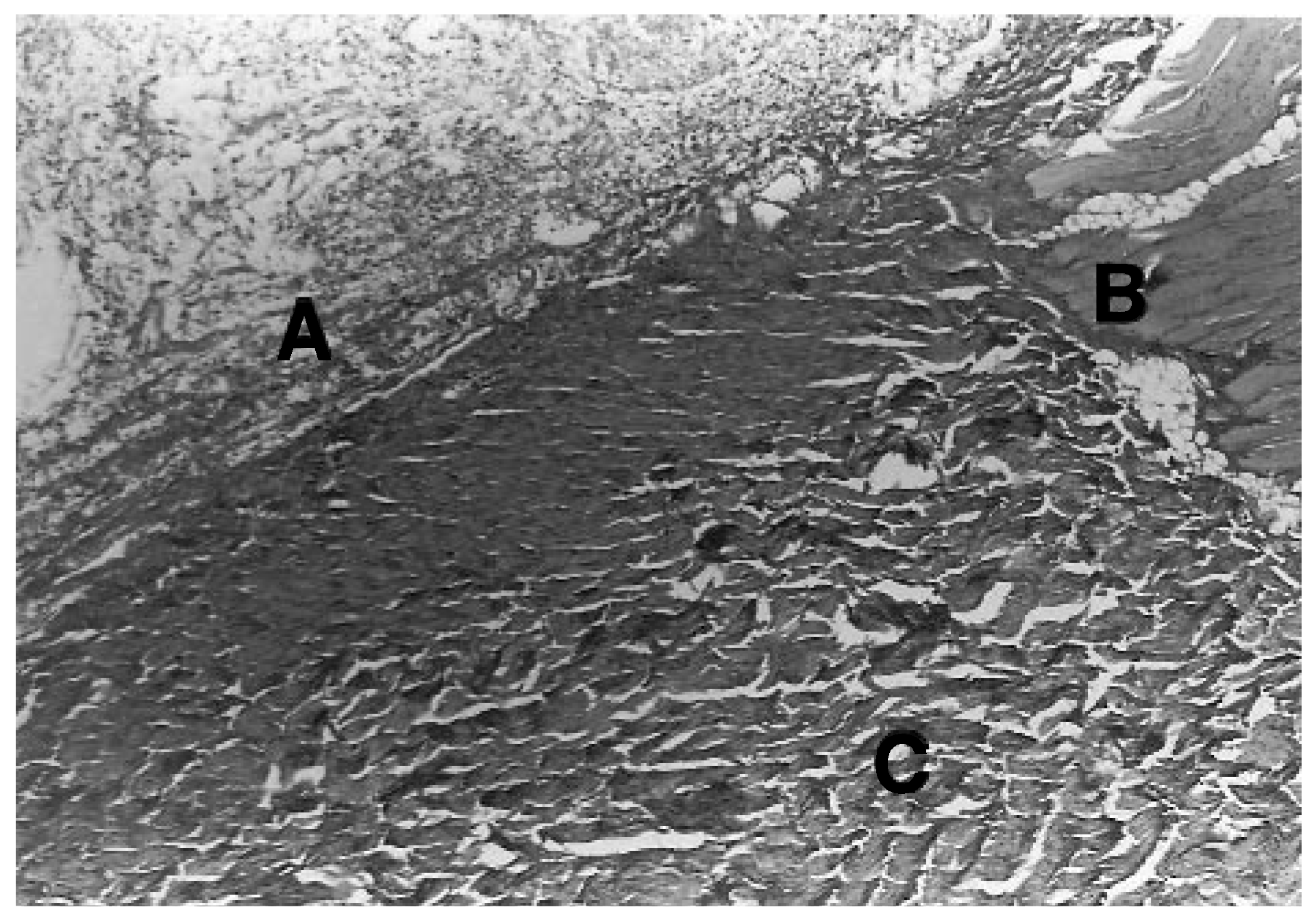
Table 1 shows the number of chronic inflammatory cells for the specimens in each group. The mean numbers of inflammatory cells and corresponding standard deviation for each group were as follows: control group, 62 (65); 1 mg/kg group, 65 (68); 3 mg/kg group, 74 (47); 5 mg/kg group, 46 (26). In comparing the three experimental groups with the control group, the differences in the means were not statistically significant (P > 0.05). The results of the Student’s t-test are summarized in Table 2. The largest concentration of inflammatory cells was located proximally in relation to the myotendinous junction and within the paratenon (Figure 2). This finding is consistent with the relative vascular supply of tendinous and muscular tissue.

Discussion

The lack of statistical significance in the comparison of the experimental groups with the control group indicates that ketorolac did not exhibit a significant anti-inflammatory effect when injected locally. This is true in spite of the difference in means between the control (62) and the 5 mg/kg (46) groups (P = 0.35).
A number of factors may account for this result. As previously stated, ketorolac is a weak acid and would tend to accumulate in acidic areas such as injured and inflamed tissue [24]. Because of the drug’s water solubility and rapid absorption, elevated concentrations may not have been present by the time the tissue assumed the physiologic properties of inflamed tissue. This study shows, therefore, that ketorolac does not prevent the onset of inflammation after a traumatic event. The authors’ findings contradict those of various ocular studies in which measured inflammation was significantly decreased in patients treated with ketorolac drops after cataract surgery [23,27,28]. The study by Diebschlag et al [32] was the only other study to assess the anti-inflammatory action of ketorolac when used locally as a 2% gel. All other studies have investigated the analgesic effects of ketorolac [29,30,31].
There was a high degree of variability in the inflammatory cell counts of the four groups. This may reflect a normal variability in inflammatory response to a controlled traumatic event. The method used to induce the trauma may also have contributed to the variability. The Achilles tendon was held in place manually between the strike plate and the targeting piston. The fact that 11 animals (13.8%) suffered skinpenetrating injuries underscores the variability inherent in the trauma-induction method. Another potential explanation for the variation in the data could be the sample sizes of the groups. A review of the literature revealed that similar studies have all used groups of 10 to 20 subjects [25,27,30,38], with the exception of McWhorter et al [1], whose groups consisted of 45 subjects each.
Diluting the ketorolac to varying degrees did not contribute to its lack of anti-inflammatory activity. It has been shown that ketorolac remains both physically and chemically stable when mixed with a variety of infusion solutions, including normal saline [39].
This was designed as a pilot study to provide preliminary information and possibly suggest other avenues of research. This study does not evaluate the effectiveness of locally injected ketorolac in treating a preexisting inflammatory condition, a scenario that is more clinically applicable than the one evaluated here. The purpose of this study was to evaluate ketorolac’s potential to thwart the onset of a new inflammatory condition. The results are consistent with the pharmacologic data on systemically administered ketorolac, which show that the drug has only a moderate anti-inflammatory action. Ketorolac’s effect on an existing inflammatory condition could be studied by injecting the drug hours to days after the induction of a traumatic event.

Conclusion

The results of this study show that locally injected ketorolac does not prevent the onset of an inflammatory response in rabbits whose Achilles tendons have been traumatized in a controlled fashion.

Acknowledgments

Roche Syntex Laboratories for supplying some of the ketorolac used in the study; Dr. Seth Greenwald for making available the resources of the Department of Orthopaedic Research at the Mount Sinai Medical Center. Study funded by a grant from the Haas Fund, Mount Sinai Medical Center.

References

  1. MCWHORTER, JW; FRANCIS, RS; HECKMANN, RA. Influence of local steroid injection on traumatized tendon properties: a biomechanical and histological study. Am J Sports Med 1991, 19, 435. [Google Scholar] [CrossRef]
  2. BALASUBRAMANIAM, P; PROTHER, KJ. The effect of injection of hydrocortisone into rabbit calcaneal tendons. J Bone Joint Surg Am 1982, 54, 729. [Google Scholar] [CrossRef]
  3. BEHRENS, F; SHEPARD, N; MITCHELL, N. Alterations of rabbit articular cartilage by intra-articular injections of glucocorticoids. J Bone Joint Surg Am 1975, 57, 70. [Google Scholar] [CrossRef] [PubMed]
  4. FORD LT, BEBINDER J: Tendon rupture after local injection. South Med J 1979, 72, 827. [CrossRef] [PubMed]
  5. LEE, SK; LING, MC. The response of human tendon to hydrocortisone injection. Singapore Med J 1975, 16, 259. [Google Scholar]
  6. COWAN, MA; ALEXANDER, S. Simultaneous bilateral rupture of Achilles tendons due to triamcinolone. Br Med J 1961, 1, 1658. [Google Scholar] [CrossRef][Green Version]
  7. SMAIL GB: Bilateral rupture of the Achilles tendons. Br Med J 1961, 1, 1657. [CrossRef]
  8. BEDI, SS; ELLIS, W. Spontaneous rupture of calcaneal tendon in rheumatoid arthritis after local steroid injection. Ann Rheum Dis 1994, 53, 29. [Google Scholar] [CrossRef] [PubMed]
  9. FRANCIS RS: The Effects of 170-ffydroxycorticosterone on the Connective Tissue of the Adult Male Rat. dissertation, University of Utah, 1971.
  10. RANDALL, WM. Hydrocortisone Acetate: The Effect on Maximal Load Capacity of the Tendo Achillis in the Adult Male Rat, thesis, Brigham Young University, 1978 .
  11. NOYES, FR; GROOD, ES; NUSSBAUM, NS; et al. Effects of intra-articular corticosteroids on ligament properties. Clin Orthop 1977, 123, 197. [Google Scholar] [CrossRef]
  12. PHELPS, D; STONSTEGARD, DA. MATTHEWS LS: Corticosteroid injection effects on the biomechanical properties of rabbit patellar tendons. Clin Orthop 1974, 100, 345. [Google Scholar] [CrossRef]
  13. SAFF, DM; TAYLOR, JS; VIDIMOS, AT. Allergic reaction to intralesional triamcinolone acetonide: a case report. Arch Dermatol 1995, 131, 742. [Google Scholar] [CrossRef]
  14. HOPPER, JM; CARTER, SR. Anaphylaxis after intra-articular injection of bupivacaine and methylprednisolone. J Bone Joint Surg Br 1993, 75, 505. [Google Scholar] [CrossRef]
  15. LEMONT H, HETMAN J: Cutaneous foot depigmentation following an intra-articular steroid injection. JAPMA 1991, 81, 606. [CrossRef]
  16. WILKINSON, SM; SMITH, AG. ENGLISH JS: Erythroderma following the intradermal injection of the corticosteroid budesonide. Contact Dermatitis 1992, 27, 121. [Google Scholar] [CrossRef]
  17. MCCARTY, DJ; MCCARTHY, G; CARRERA, G. Intraarticular corticosteroids possibly leading to local osteonecrosis and marrow fat synovitis. J Rheumatol 1991, 18, 1091. [Google Scholar]
  18. FEDALE, PD; WIGGINS, ME. Corticosteroid injection: their use and abuse. J Am Acad Orthop Surg 1994, 2, 133. [Google Scholar] [CrossRef] [PubMed]
  19. BALFOUR, JA; FITTON, A; BARRADELL, LB. Lornoxicam: a review of its pharmacology and therapeutic potential in the management of painful and inflammatory conditions. Drugs 1996, 51, 639. [Google Scholar] [CrossRef] [PubMed]
  20. STEI, P; KRUSS, B; WIEGLEB, J; ET, AL. Local tissue tolerability of meloxicam, a new NSAID: indications for parenteral, dermal and mucosal administration. Br J Rheumatol 1996, 35 (suppl 1), 44. [Google Scholar] [CrossRef]
  21. NIEMI, L; TUOMIN, M; PITKANEM, M. ET AL: Comparison of parenteral diclofenac and ketoprofen for postoperative pain. Acta Anesth Scand 1995, 39, 96. [Google Scholar] [CrossRef]
  22. DIPALMA, JR. Ketorolac: an injectable NSAID. Clin Pharm 1991, 43, 207. [Google Scholar]
  23. BUCKLEY, MTT; BROGDEN, RN. Ketorolac: a review of its pharmacodynamic and pharmacokinetic properties, and therapeutic potential. Drugs 1990, 39, 86. [Google Scholar] [CrossRef]
  24. SAXEN MA: The clinical pharmacology of ketorolac. Compendium 1992, 13, 504.
  25. CHELLMAN, GJ; LOLLINI, LU; DORR, AE; et al. Comparison of ketorolac tromethamine with other injectable nonsteroidal anti-inflammatory drugs for pain on injection and muscle damage in the rat. Hum Exp Toxicol 1994, 13, 111. [Google Scholar] [CrossRef]
  26. ROOKS, WH, II; MALONEY, PJ; SHOTT, LD. ET AL: The analgesic and anti-inflammatory profile of ketorolac and its tromethamine salt. Drugs Exp Clin Res 1989, 11, 479. [Google Scholar]
  27. FLACH, AJ; LAVELLE, CJ; OLANDER, KW; ET, AL. The effect of ketorolac tromethamine solution 0.5% in reducing postoperative inflammation after cataract extraction and intraocular lens implantation. Ophthalmology 1988, 95, 1279. [Google Scholar] [CrossRef]
  28. FLACH, AJ; JAFFE, NS; ACERS, WA. The effect of ketorolac tromethamine in reducing postoperative inflammation: double-mask parallel comparison with dexamethasone. Ann Ophthalmol 1989, 21, 407. [Google Scholar]
  29. REUBEN, SS; CONNELLY, NR. Postoperative analgesia for outpatient arthroscopic knee surgery with intraarticular bupivacaine and ketorolac. Anesth Analg 1990, 80, 1154. [Google Scholar]
  30. BEN-DAVID, B; KATZ, E; GAITINI, Z; et al. Comparison of IM and local infiltration of ketorolac with and without local anesthetic. Br J Anesth 1995, 75, 409. [Google Scholar] [CrossRef] [PubMed]
  31. BOSEK V, COX CE: Comparison of analgesic effect of locally and systemically administered ketorolac in mastectomy patients. Ann Surg Oncol 1996, 3, 62. [CrossRef]
  32. DIEBSCHLAG, W; NOCKER, W; BULLINGHAM, R. A double blind study of the efficacy of topical ketorolac tromethamine gel in the treatment of ankle sprains in relation to placebo and etofenamate. J Clin Pharmacol 1990, 30, 82. [Google Scholar] [CrossRef] [PubMed]
  33. WILKINSON, DJ. Intraarticular ketorolac. Anesth Analg 1996, 82, 426. [Google Scholar]
  34. JURNA I, BRUNE K: Central effect of the non-steroid antiinflammatory agents, indomethacin, ibuprofen, and diclofenac, determined in C fibre-evoked activity in single neurones of the rat thalamus. Pain 1990, 41, 71. [CrossRef] [PubMed]
  35. OKUYAMA, S; AIHARA, H. The mode of action of analgesic drugs in adjuvant arthritic rats as an experimental model of chronic inflammatory pain: possible central analgesic action of acidic nonsteroidal antiinflammatory drugs. Jap J Pharmacol 1984, 35, 95. [Google Scholar] [CrossRef] [PubMed]
  36. BUCHMAN, AL; SCHWARTZ, MR. Colonic ulceration associated with the systemic use of nonsteroidal antiinflammatory medication. J Clin Gastroenterol 1996, 22, 224. [Google Scholar] [CrossRef]
  37. KELLY, M; BASTANI, B. Ketorolac induced acute renal failure and hyperkalemia. Clin Nephrol 1995, 44, 276. [Google Scholar]
  38. FLOY, BJ; ROYOKO, CG; FLEITMAN, JS. Compatibility of ketorolac tromethamine injection with common infusion fluids and administration sites. Am J Hosp Pharm 1990, 47, 1097. [Google Scholar] [PubMed]
  39. SMITH, I; SHIVELY, RA. WHITE PF: Effects of ketorolac and bupivacaine on recovery after outpatient arthroscopy. Anesth Analg 1992, 75, 208. [Google Scholar] [CrossRef] [PubMed]

Additionnal References

  1. ANDERSON, BC; MANTHEY, R; BROUNS, MC. Treatment of de Quervain’s tenosynovitis with corticosteroids. Arthritis Rheum 1991, 34, 793. [Google Scholar] [CrossRef]
  2. HO, ML; CHANG, JK; WANG, GJ. Antiinflammatory drug effects on bone repair and remodeling in rabbits. Clin Orthop 1995, 313, 270. [Google Scholar]
  3. KAPETANOS G: The effects of local corticosteroids on the healing and biomechanical properties of the partially injured tendon. Clin Orthop 1982, 163, 170. [CrossRef]
  4. OXLUND H: The influence of a local injection of cortisol on the mechanical properties of tendons and ligaments and the indirect effect on skin. Acta Orthop Scand 1980, 51, 231. [CrossRef] [PubMed]
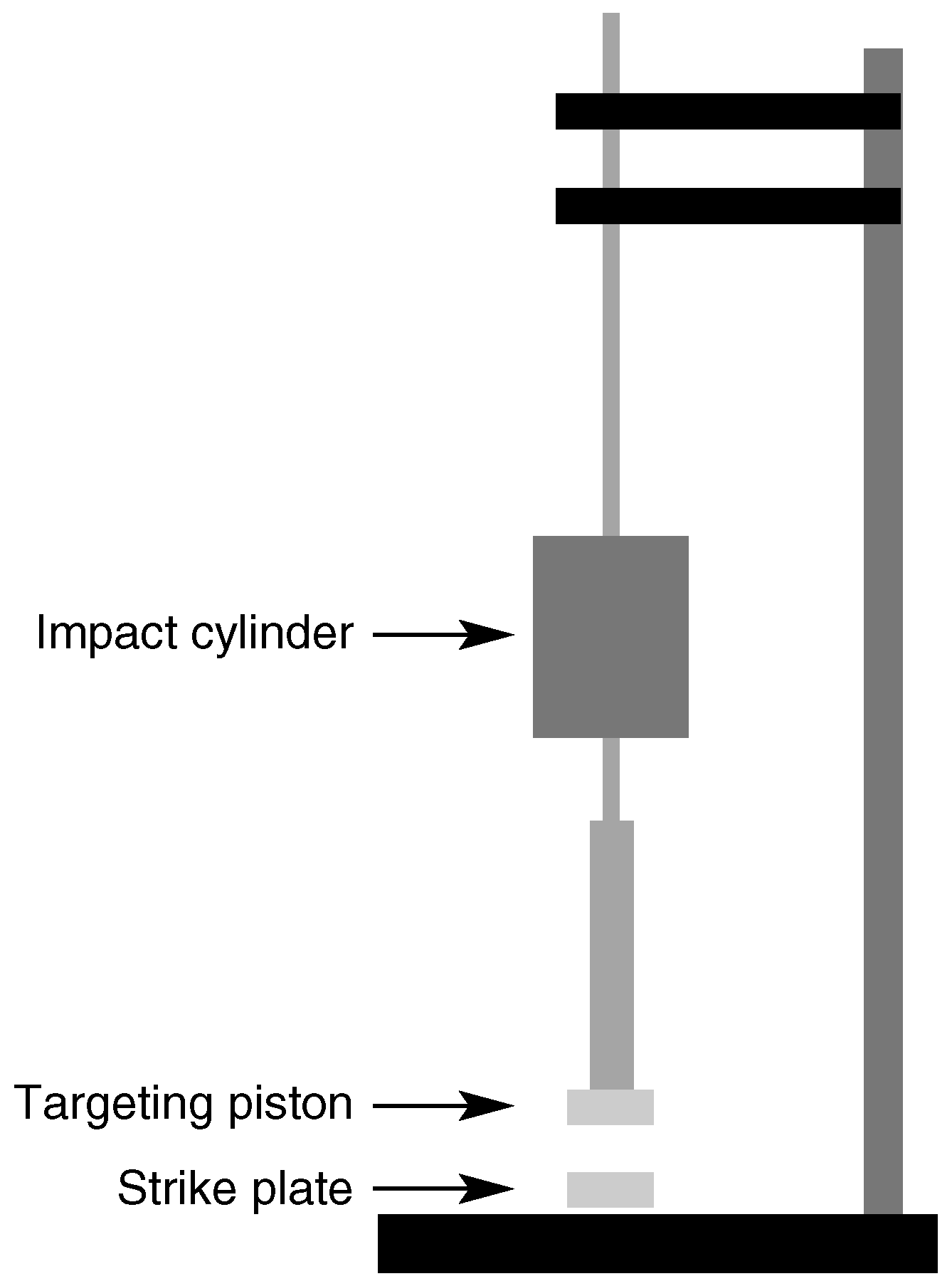
Figure 1. Schematic diagram of the traumatizing device.
Japma 87 00460 g001
Figure 2. Inflammatory response of tissue subjected to controlled trauma: inflammation at myotendinous junction. A, Paratenon with proliferation of mononuclear chronic inflammatory cells; B, muscle belly; C, tendon.
Japma 87 00460 g002
Table 1. Total Number of Chronic Inflammatory Cells per High-Power Field (×400) per Specimen. 
Japma 87 00460 i001
Table 2. Results of Student’s t-test Comparing Experimental and Control Groups. 
Japma 87 00460 i002