Next Article in Journal
1997 William J. Stickel Silver Award. The Anti-Inflammatory Action of Locally Injected Ketorolac
Previous Article in Journal
Comparison of Viscoped® and PORON® for Painful Submetatarsal Hyperkeratotic Lesions
 
 
Journal of the American Podiatric Medical Association is published by MDPI from Volume 116 Issue 1 (2026). Previous articles were published by another publisher in Open Access under a CC-BY (or CC-BY-NC-ND) licence, and they are hosted by MDPI on mdpi.com as a courtesy and upon agreement with American Podiatric Medical Association.
Article

1997 William J. Stickel Gold Award. Morphological and Biochemical Properties of Metatarsophalangeal Joint Cartilage

by
Carol Muehleman
,
Susan Chubinskaya
,
Ada A. Cole
,
Yelina Noskina
,
Charalampos Arsenis
and
Klaus E. Kuettner
Dr. William M. Scholl College of Podiatric Medicine, Chicago, IL 60610, USA
J. Am. Podiatr. Med. Assoc. 1997, 87(10), 447-459; https://doi.org/10.7547/87507315-87-10-447
Published: 1 October 1997

Abstract

Although there is sparse information concerning the properties of footjoint cartilages, knowledge of the morphology and biochemistry of these cartilages is important in the study of changes that occur in the development of osteoarthritis. Normal first and fifth metatarsophalangeal joints were chosen for comparison because of the difference between these two joints in the prevalence of osteoarthritis, particularly with advancing age. The authors’ study shows that there is no agerelated decrease in articular-cartilage thickness; however, there is an age-related decrease in the chondrocyte density in the superficial zone in both joints. There is, however, a difference between the two joints in the level of expression of matrix-degrading enzymes. This difference may indicate differences in specific chondrocyte activity that precedes or accompanies the development of osteoarthritis or other degenerative morphological changes.

Though few studies have been conducted on the properties of the articular cartilage of the joints of the foot, investigations into the characteristics of these joints are of great importance owing to the clinical relevance of such properties, particularly those of the first metatarsophalangeal joint, in degenerative joint disease. It has been shown that the first metatarsophalangeal joint is second only to the knee in prevalence of degenerative morphological changes in the lower extremity [1,2]. The fifth metatarsophalangeal joint, on the other hand, is rarely affected by degenerative morphological changes. The authors have therefore chosen these two joints for a comparison of the articular cartilage from donors with no history or evidence of joint disease in an attempt to identify indicators of cartilage differences that may precede degenerative morphological changes.

Morphology and Biochemistry

Though articular hyaline cartilage has limited shockabsorbing value because of its relative thinness, it provides a smooth, gliding surface at diarthrodial joints [3]. It is a rather homogeneous, avascular, alymphatic, and aneural tissue that depends on its sole cell in residence, the chondrocyte, for the synthesis and maintenance of its extracellular components. At its surface, the cartilage is bathed in synovial fluid, on which it depends for its nutrients and oxygen. During the normal gait cycle, the compression of articular cartilage results in the flow of catabolites from cartilage to the synovial fluid; during decompression, oxygen and nutrients flow from the synovial fluid into the cartilage. Articular hyaline cartilage is a highly hydrated tissue, with up to 80% of its wet weight contributed by water. Though collagen types VI, IX, X, and XI are also present in the tissue [4,5,6], type II accounts for approximately 12% of the cartilage weight, with much of the remainder consisting of proteoglycans and glycosaminoglycans. While it is the collagen fibers that provide cartilage with its tensile strength, it is the negatively charged proteoglycans (in particular, the major proteoglycan, aggrecan) that attract water and, therefore, provide the compressive stiffness and ability to resist deformation. The osmotic swelling created by the intake of water is limited by the collagen network [7].
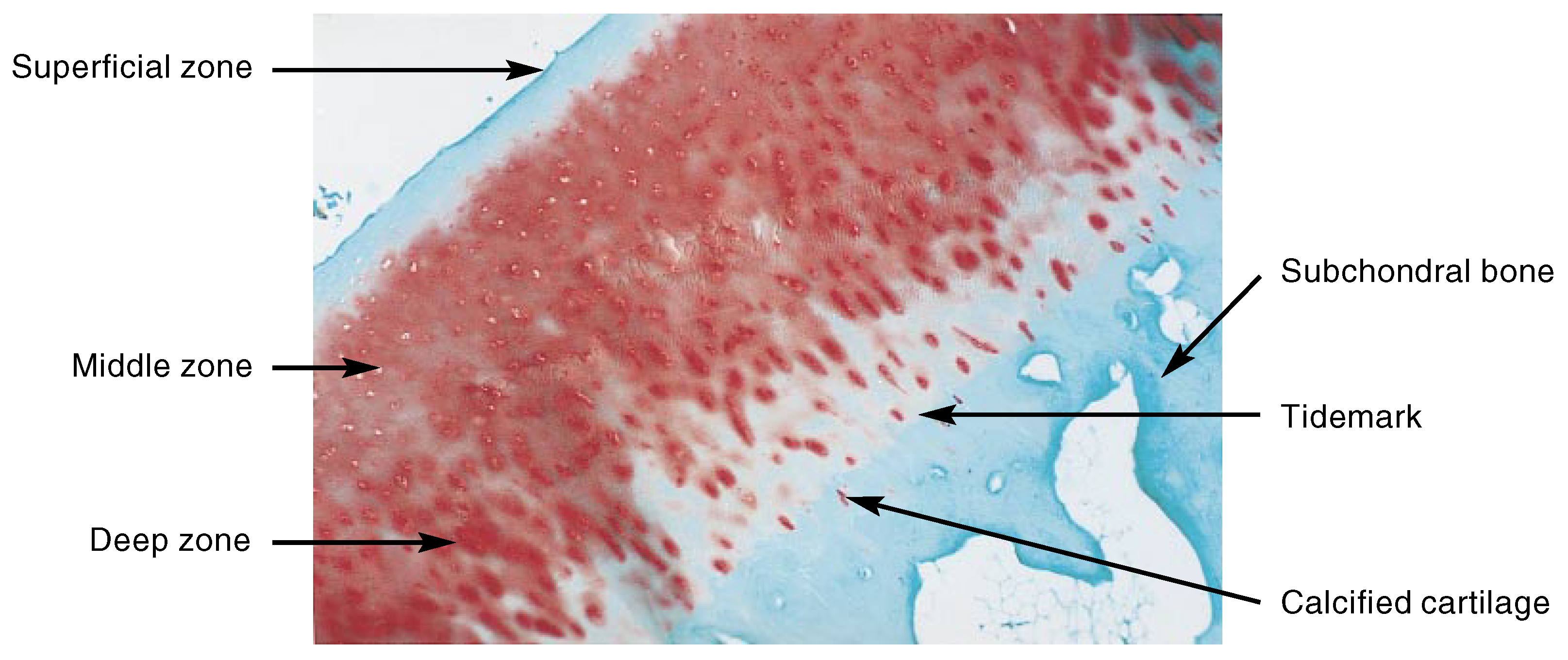
There is some variation in the morphology of articular cartilage among different joints as well as between weightbearing and nonweightbearing regions within the same joint. However, its rather uniform pattern is divided into four zones. The superficial zone is the thinnest zone of the articular cartilage. It has the highest cell density of all zones and contains relatively small, flattened cells whose long axis is parallel to the cartilage surface. The proteoglycan content here is extremely low. The middle zone is characterized by fewer and more rounded cells. The deep zone constitutes the thickest zone of the articular cartilage and is characterized by large, rounded cells that, especially in the deepest regions, can be found in groups of three or four cells [8].
The zone of calcified cartilage has as its upper border a wavy line, called the tidemark, which separates the calcified region from the overlying uncalcified cartilage. Cells are relatively sparse in this zone. Beneath these four zones, a highly interdigitated interface called the cement line represents the border between calcified cartilage and subchondral bone. (For a brief review of articular cartilage in the normal joint, see the article by Muehleman and Arsenis [9].)
Although the topography of articular cartilage conforms, to a certain extent, to that of the subchondral bone, it certainly does not mimic it. It has been suggested that articular cartilage may reduce stress on the underlying bone by increasing the congruence of joints [10]. While, to the authors’ knowledge, the thickness of cartilage in the metatarsophalangeal joints has never been thoroughly documented, this parameter has been studied in other joints. Though articular-cartilage thickness was shown to vary in different areas of human knee and hip joints [11,12,13], no changes in thickness were observed in these joints and others with increasing age [11,14,15,16,17]. It appears, therefore, that increases in prevalence of osteoarthritis and other degenerative morphological changes with age are not a result of cartilage thinning in these joints.
Of further interest is the density of the chondrocytes within adult articular cartilage both within and between joints and how it is affected by the aging process. Because these chondrocytes are the sole controlling, resident cells of the tissue, their density should have a profound effect on the maintenance of the extracellular matrix. A study by Vignon et al [14] showed a nonuniform reduction in cell density in the human femoral head. Reduction in cell density in the superficial zone with advanced age was greater in the region with a propensity to cartilage fibrillation, thus suggesting that age-related fibrillation develops as a consequence of the reduction in superficial cell density.
An additional parameter of consideration in any comparison of cartilage both within and between joints is its chemical content. Though the fibrous component, collagen, is quite stable, the ground substance, whose backbone is the proteoglycans, can be variable in content. Proteoglycans consist of a protein core to which chains of glycosaminoglycans are attached. Because of the resistance to compressive force provided by proteoglycans, their variation during the aging process is significant in predicting cartilage failure. Ficat and Maroudas [18] found the glycosaminoglycan content to be lower in the knee joint than in the hip, suggesting that this, along with the respective pressures during load bearing, may account for the higher frequency of cartilage lesions in the knee as compared with the hip. Because of the association between glycosaminoglycan reduction and early cartilage lesions such as fibrillation [18,19,20], the contribution of the aging factor is an important consideration. Indeed, a decrease in overall proteoglycan content as well as in the integrity of individual components has been shown to occur with age [21,22,23,24,25].

Matrix Metalloproteinases

Because internal catabolic properties are also an important factor in the integrity of articular cartilage, the matrix metalloproteinases are of interest. Matrix metalloproteinases are a group of zinc enzymes that are synthesized by synoviocytes and chondrocytes and are capable of degrading extracellular matrix components such as proteoglycans and collagen. This degradation can occur in normal processes, such as embryogenesis and tissue remodeling, as well as in disease processes, such as arthritis and cancer. To date, at least 18 matrix metalloproteinases have been identified according to their gene sequence. These proteinases are secreted as zymogens, but can be activated by other proteinases or, in vitro, by organomercurials. Though the target of action of each matrix metalloproteinase may vary, activated proteinases cleave one or more extracellular matrix components. Two of the matrix metalloproteinases that have been implicated in the generation of aggrecan degradation products in osteoarthritis and rheumatoid arthritis are MMP-3 (stromelysin) and MMP-8 (neutrophil collagenase) [26,27,28]. Detection of matrix metalloproteinases or their messenger RNA or active protein can be an indication of the biochemical status of the extracellular matrix, the catabolic activity of the chondrocytes, or both. Messenger RNA for matrix metalloproteinases can be visualized through in situ hybridization whereby a labeled oligonucleotide probe is annealed to complimentary base sequences in the cells of interest.
Chubinskaya et al [29] found that message for MMP-8 was detected in cartilage from normal knee joints, but not in cartilage of normal ankle joints. This message was up-regulated in the presence of interleukin-1β or in damaged cartilage. Message for MMP-3 was detected in most knee and ankle joints. This study suggested, therefore, that MMP-8 may be one of the important enzymes in the pathogenesis of osteoarthritis, as clinically detectable osteoarthritis is common in knee joints but rarely reported for ankle joints.
The purpose of the present study was to compare the histologic and biochemical properties of two joints in normal human foot specimens in an attempt to identify early changes that may precede or lead to degenerative morphological changes. The first and fifth metatarsophalangeal joints were selected owing to their differences in prevalence of degenerative morphological changes.

Materials and Methods

Specimen Collection and Preparation

Intact first and fifth metatarsals and proximal phalanges were harvested under sterile conditions from 23 donors, within 18 hours of death, under the auspices of the Regional Organ Bank of Illinois. The 10 males and 13 females ranged in age from 19 to 77 years and were selected to exclude articular and systemic connective-tissue disease, chronic renal or endocrine disease, trauma to the foot, or evidence of previous surgery on the foot and a history of prolonged immobilization. The first and fifth metatarsophalangeal joint surfaces were then exposed under sterile conditions and examined for degenerative morphological changes. Though the selected joints may have displayed fibrillation on the plantar regions of the joint surfaces, only specimens displaying a smooth, glassy surface without signs of fibrillation or other signs of degenerative morphological changes on the regions from which the tissue was excised were considered “normal” and used for the study.
A section of uncalcified articular hyaline cartilage (5 × 6 mm) was excised, under ribonuclease-free conditions, from the central articular region of each of the heads of the first and fifth metatarsals and bases of their corresponding proximal phalanges (Figure 1). Care was taken to make cuts perpendicular to the subchondral bone so that all zones of cartilage were accurately represented. The cartilage samples were then cut in half. The proximal half was fixed in 4% paraformaldehyde and utilized for in situ hybridization, immunohistochemistry, and histology. The distal half was immediately frozen to –80°C until processed for proteoglycan and collagen determination. Cartilage samples from the proximal sections were also used for cartilage extracts. The number of specimens utilized in each assay reflects the availability of the respective donor joints. Owing to the nature and complexity of the sesamoid bones located within the flexor tendon, these bones will be dealt with in a separate study.

Histology

The heads of the metatarsals and bases of the proximal phalanges with their remaining cartilage were then removed from their respective bones with rongeurs, fixed in paraformaldehyde, and decalcified in a 40% citric/60% formic acid. A 3 × 6-mm section of cartilage and decalcified subchondral bone immediately adjacent to the previously excised sections on each surface was removed and dehydrated, infiltrated, and embedded in paraffin. Serial sections 6 μm in thickness were cut perpendicular to the plane of the articular surface and stained with safranin O as an indicator of sulfated glycosaminoglycan/proteoglycan content and counterstained with fast green [30]. Sections displaying any surface lesions, such as fibrillation, were excluded from the study. The thickness of the articular cartilage and the cell density were measured on the stained sections at a magnification of ×400 with a calibrated eyepiece graticule. The distance between the calcified cartilage and the surface of the uncalcified cartilage was measured at three representative sites, and a mean thickness was calculated.
Chondrocyte density was determined at ×400 with a calibrated eyepiece graticule. The number of nuclei present within one square in three representative regions of the superficial layer and in an area representing the mid-to-deep zone (where the exact center of the counting square is the border between the middle and deep zones) was counted in each of three histologic sections and a mean was calculated.

Biochemistry

After determination of their wet weight, explants allotted to biochemical analysis were papain digested and analyzed separately for hydroxyproline content, a measure of collagen, and for proteoglycan content. Total proteoglycan content, measured as sulfated glycosaminoglycan, was determined by reaction with the metachromatic dye 1,9-dimethylmethylene blue according to Chandrasekhar [31]. Chondroitin sulfate was used for standards. Hydroxyproline content was determined by a modified Steggman procedure [32]. Purified rat-tail type I collagen was used as a standard. The relative contents of proteoglycans and collagen are expressed as a ratio.

In situ Hybridization

In situ hybridization was performed with two oligonucleotide probes for human MMP-3 bp 905 928 (5′-GGACAAAGCAGGATCACAGTTGGC-3′) and human MMP-8 bp 1588-1610 (5′-GGTAGAATGGATACAGTGATGGG-3′). The specificities and sequence homologies of these probes have been previously proven [29]. Oligonucleotide probes were 3′-end labeled with 5′-[α-thio-35S]-deoxycytidine triphosphate using terminal deoxynucleotidyl transferase. The radiolabeled probes were hybridized to cartilage sections as previously described [33]. Autoradiographs were used to visualize messenger RNA probe hybridization by exposing sections to photographic emulsion (Kodak NTB2® (Eastman Kodak Co, Rochester, NY)) for 3 to 7 days at 4 °C. Emulsion was developed in D19 solution diluted 1:1 with distilled water at 16 °C. Sections were counterstained with cresyl violet acetate and coverslipped. Competitive inhibition controls were made by mixing radiolabeled probes with unlabeled probes in ratios of 1:1 and 1:2.

Immunohistochemistry

Detection of MMP-8 protein was performed using a primary rabbit anti-human neutrophil collagenase antibody (C44) [34] and a secondary peroxidase-labeled goat anti-rabbit immunoglobulin according to the methods of Glant and Mikecz [35]. Control reactions were performed by incubating sections a) without primary antibody, and b) with MMP-8 antibody preabsorbed with synthetic peptide that was used to generate C44 antibody [36].

Western Blot Analysis

Samples were solubilized at an equal weight/volume in buffer containing guanidine chloride and reduced with 5% dithiothreitol. Immunoblot analyses were performed following sodium dodecylsulfate-polyacrylamide gel electrophoresis (SDS-PAGE) with anti-MMP-8 antibody as previously described [37]. Nonspecific binding was blocked with 5% powdered milk with phosphate buffered saline [38]. An ECL® (Amersham International, Buckinghamshire, England) Western blotting kit was used for detection of the secondary antibody for MMP-8 protein.

SDS-PAGE for Collagen Type Determination

Determination of the presence of collagen types II and X of pepsin digests of the cartilage samples was made with 7% SDS-PAGE. Purified, pepsinized rattail collagen type II and chicken collagen type X were used as standards. Coomassie blue–stained bands for collagen types II and X were identified against their standards at 95 kd and 59 and 50 kd, respectively.

Statistical Analysis

Significant differences in uncalcified cartilage thickness, cell density, and proteoglycan-to-collagen ratios as a function of age were determined by regression analysis. Differences between male and female specimens and between two joint surfaces were determined by the Student’s t-test. Statistical significance was accepted when P < 0.05.

Results

General Cartilage Characteristics

A representative section of articular cartilage with subchondral bone taken from the specified areas depicted in Figure 1A can be seen in Figure 2. Although this section was taken from the head of the first metatarsal, it is representative of cartilage of the remaining three joint surfaces studied. No differences were observed in the general architecture of the cartilage zones, and the chondrocytes displayed similar characteristics as well. In the adult, the superficial zone was characterized by lack of apparent safranin O staining and the flattened chondrocytes were aligned parallel to the cartilage surface. In the middle zone, safranin O staining was strong and uniform throughout the matrix and the cells attained a more rounded appearance than in the superficial zone. The deep zone was characterized by rounded chondrocytes, occasionally found in groups of two or three in the presence of a rather uniform and strong safranin O staining in the matrix.

Cartilage Thickness

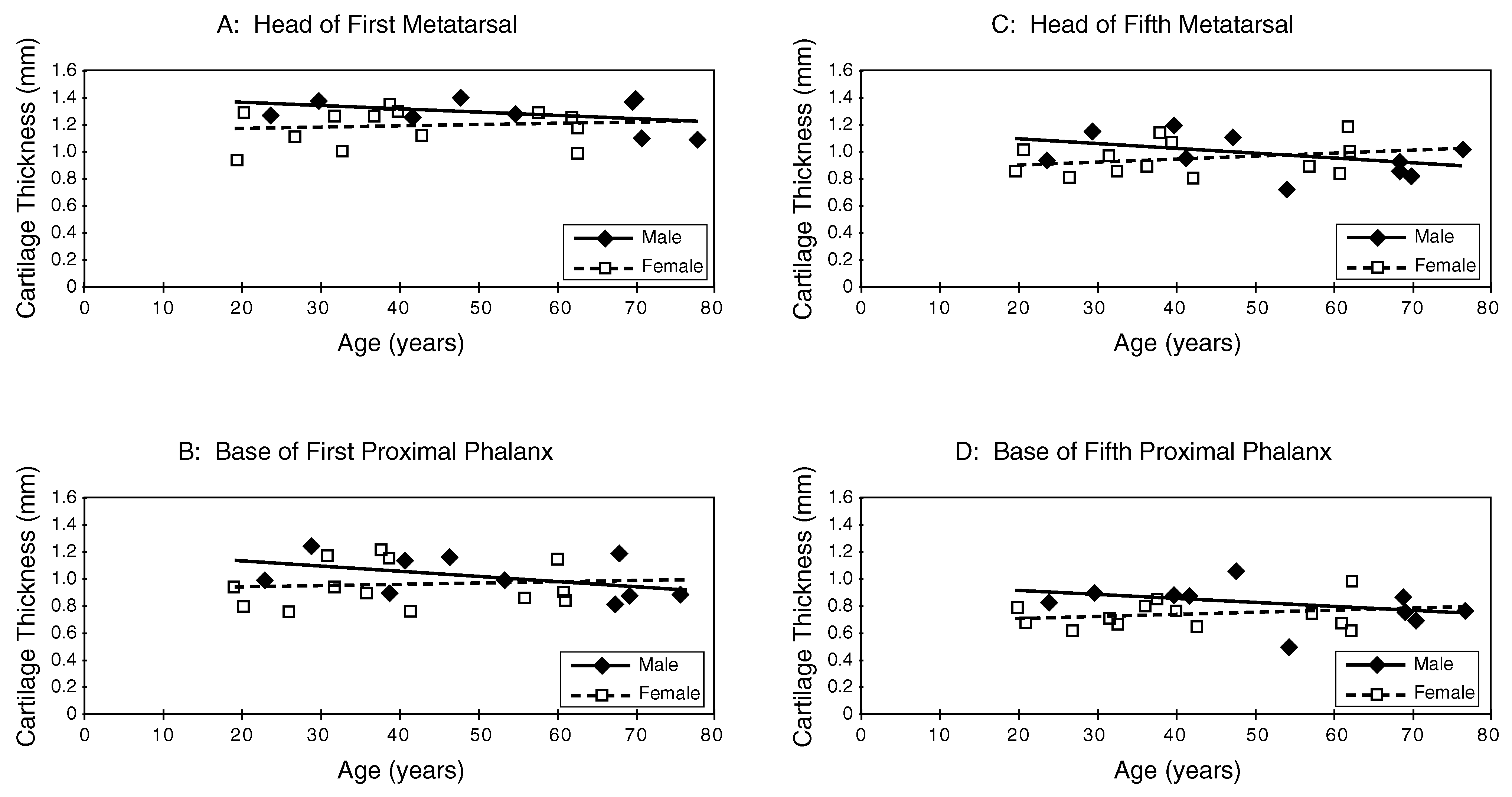
The thickness of uncalcified cartilage was measured on the proximal and distal sides of the first metatarsophalangeal joint and compared to that of the fifth. In both the first and fifth metatarsophalangeal joints, the cartilage was significantly thicker on the head of the metatarsal than on the base of the proximal phalanx (P < 0.05) (Figure 3). There was no significant difference in uncalcified-cartilage thickness between men and women (P = 0.05). In a comparison between the first and fifth metatarsophalangeal joints, the cartilage of the first metatarsophalangeal joint was significantly thicker that the cartilage of the comparable articular surfaces of the fifth (P < 0.05).

Chondrocyte Density

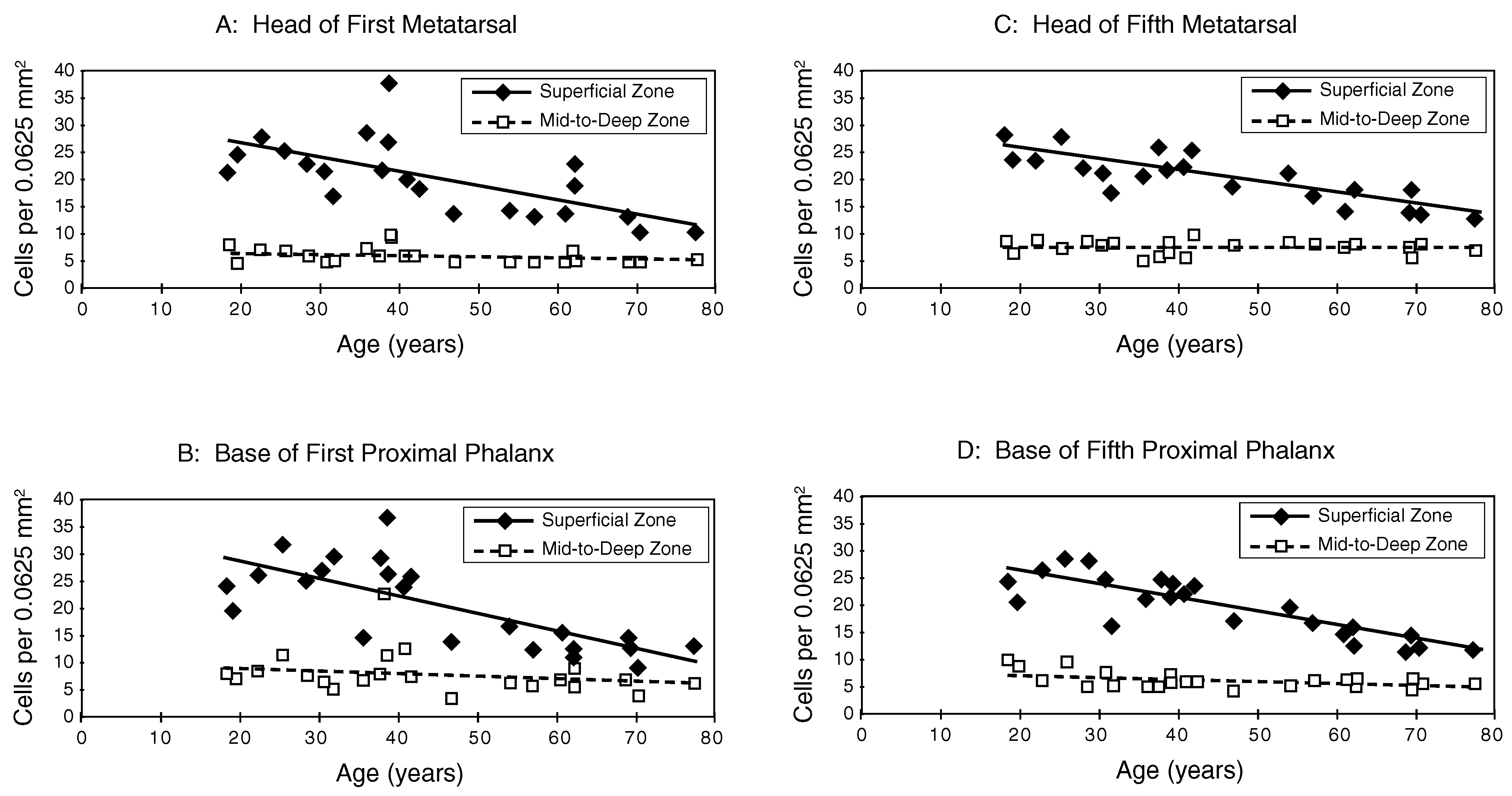
Chondrocyte density was measured on all four articular surfaces, with distinctions documented between the superficial and mid-to-deep zones of the cartilage. Interestingly, with advancing age, cell density significantly decreased in the superficial zone of both joints (P < 0.001), while the same parameter in the mid-to-deep zone was fairly stable and did not express variation with age (P = 0.05) (Figure 4). There was no significant difference in absolute density between any of the four articular surfaces (P = 0.05).

Proteoglycan-to-Collagen Ratios

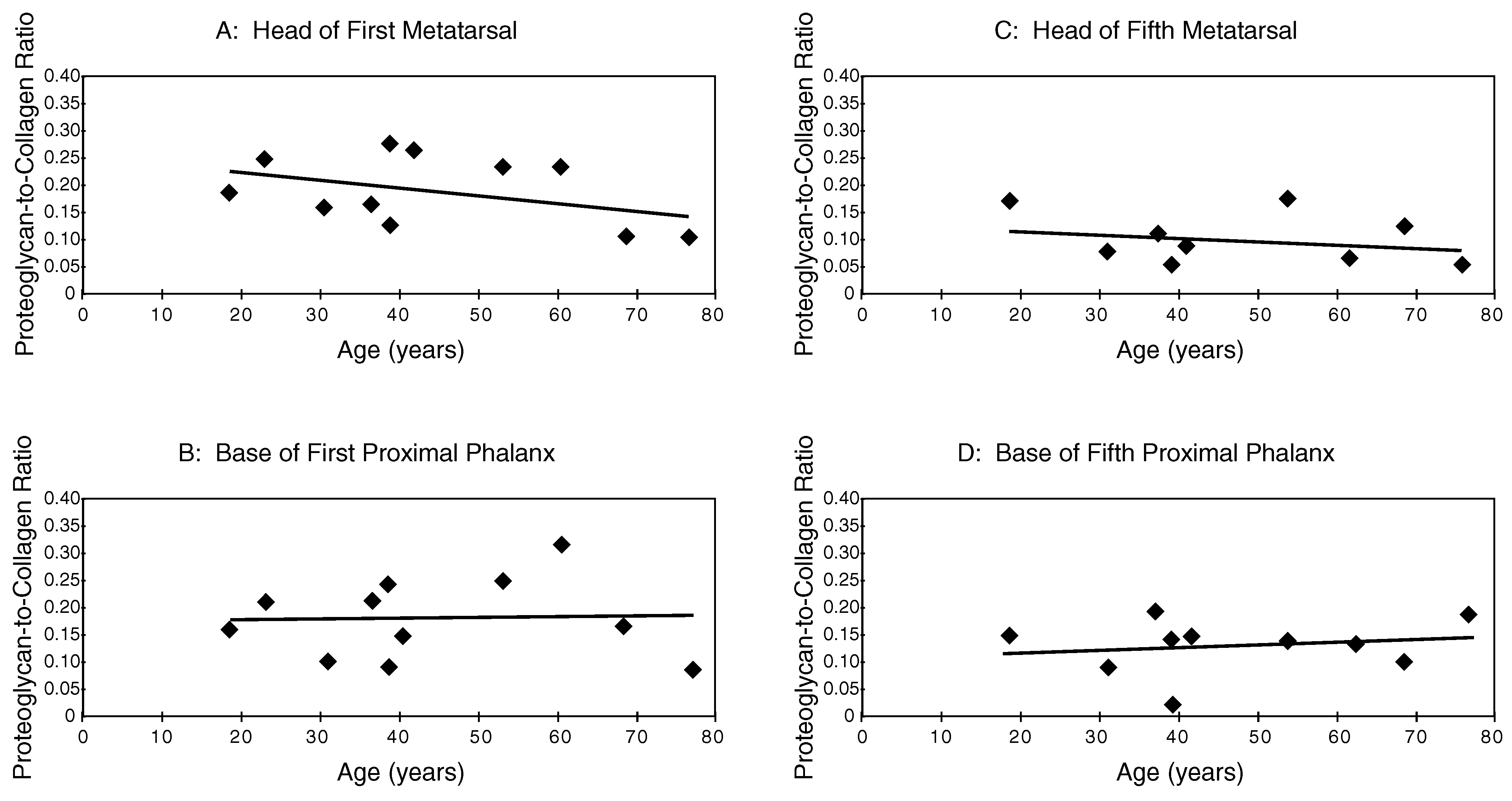
Determination of proteoglycan-to-collagen ratios showed that there was a significant amount of variability between individuals but no age-dependent reduction in ratios (P = 0.05) (Figure 5).

In situ Hybridization

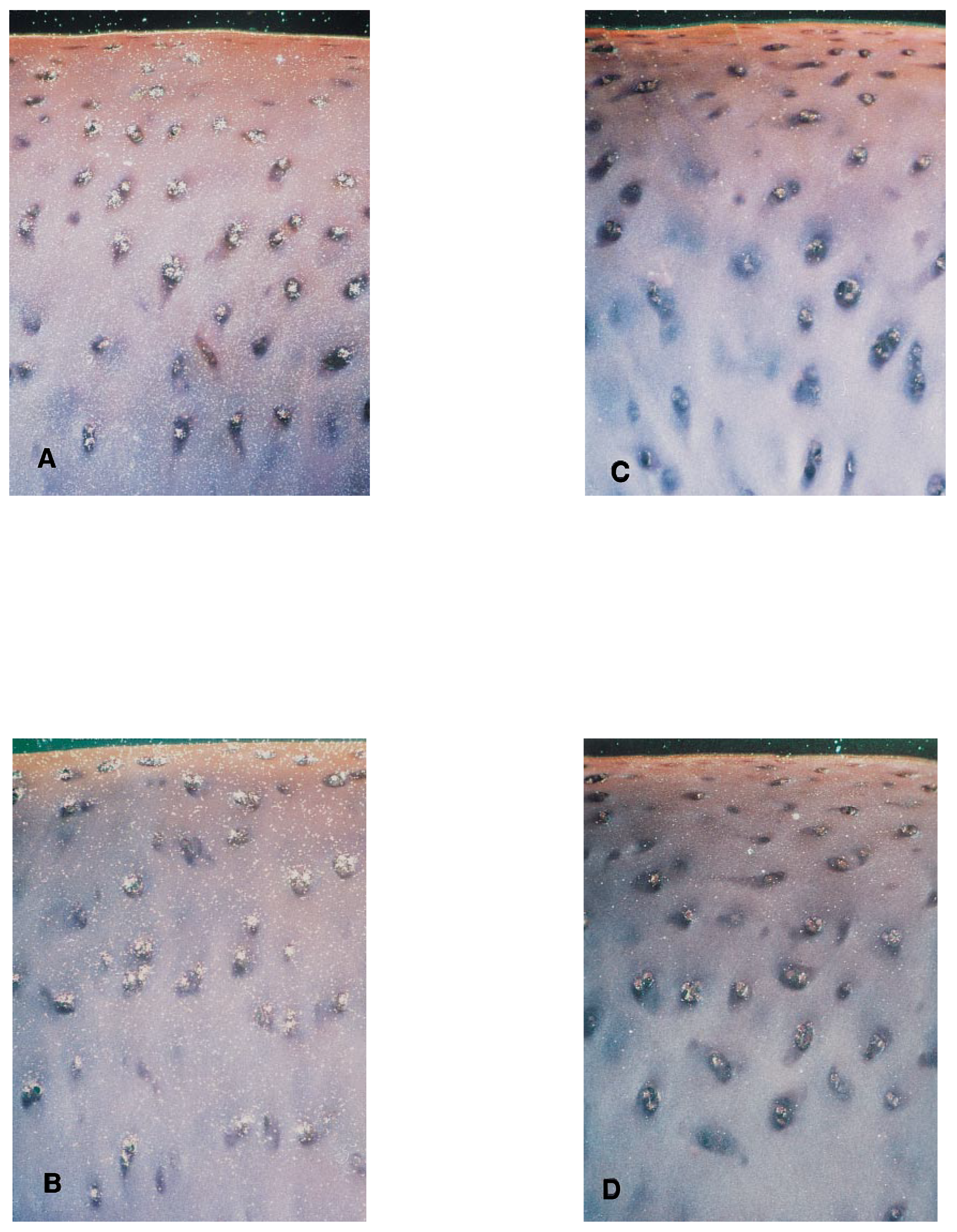
With in situ hybridization the authors were able to detect messenger RNA for both matrix metalloproteinases in the cartilage from first and fifth metatarsophalangeal joints (Figure 6). Expression of MMP-8 was stronger in the first metatarsophalangeal joint than in the fifth. In the fifth metatarsophalangeal joint, MMP-8 expression was very low, sometimes barely detectable or even under the detection limit. The distribution of message throughout the superficial and middle cartilage zones was similar, but in the deep zone, message decreased in intensity with proximity to the calcified cartilage. The appearance of messenger RNA for MMP-3 was comparable to that described for MMP-8. The levels of expression for both proteinases were higher in the first than in the fifth metatarsophalangeal joint and in the upper region of the cartilage than in the deeper region.

Immunohistochemistry

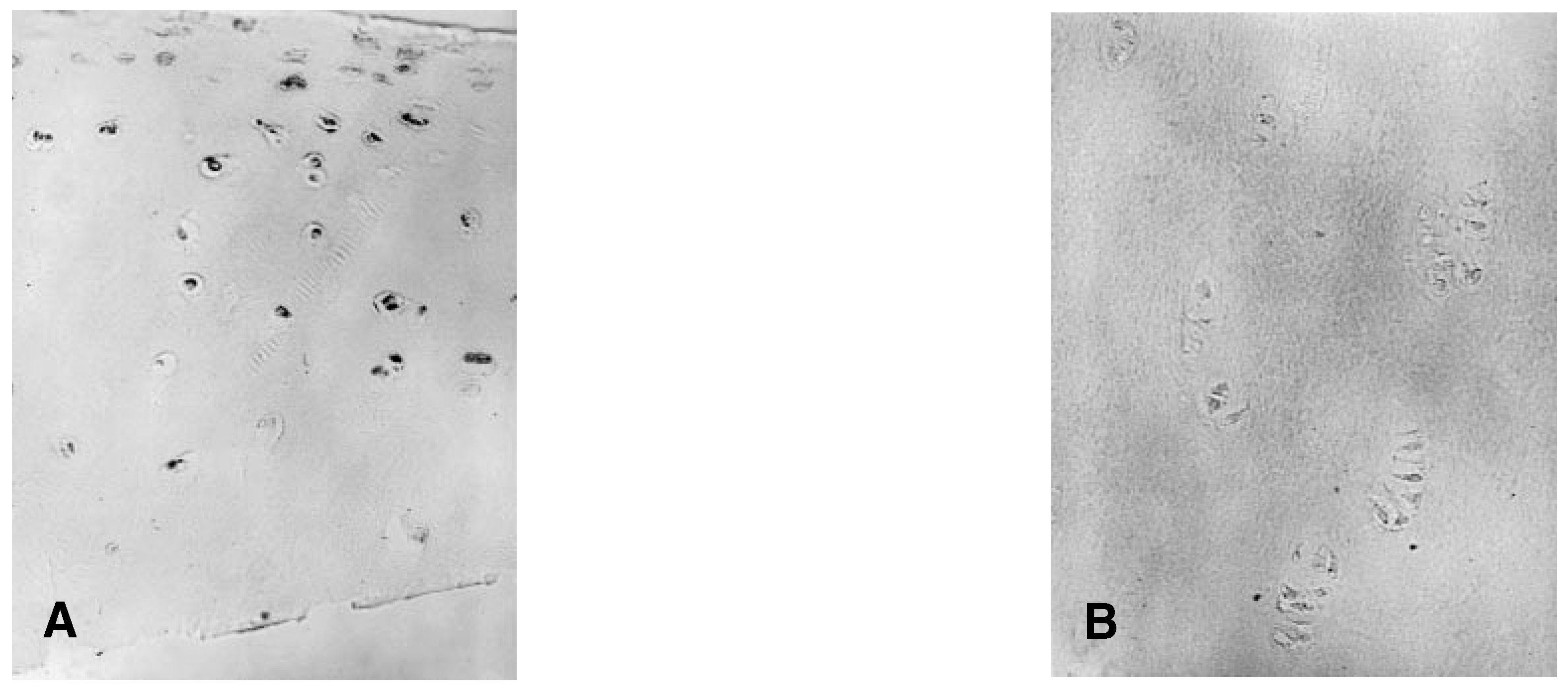
To visualize MMP-8 protein in the cartilage sections, immunostaining with specific human anti-MMP-8 antibody was applied. All cartilages of the first metatarsophalangeal joint showed positive staining for MMP-8 protein. The C44 antibody recognizes both latent and active forms of MMP-8 protein. The strongest expression of MMP-8 protein was found within and directly around chondrocytes of the superficial and middle zones, with much less intensity in the deep zone (Figure 7A). The territorial and interterritorial matrices were faintly positive or negative for MMP-8 protein. None of the cartilages of the fifth metatarsophalangeal joints showed detectable levels of MMP-8 protein staining (Figure 7B). Positive staining in the cartilage sections from the first metatarsophalangeal joint was abolished when C44 antibody was preabsorbed with the synthetic peptide used to develop the antibody (data not shown).

Western Blot Analysis

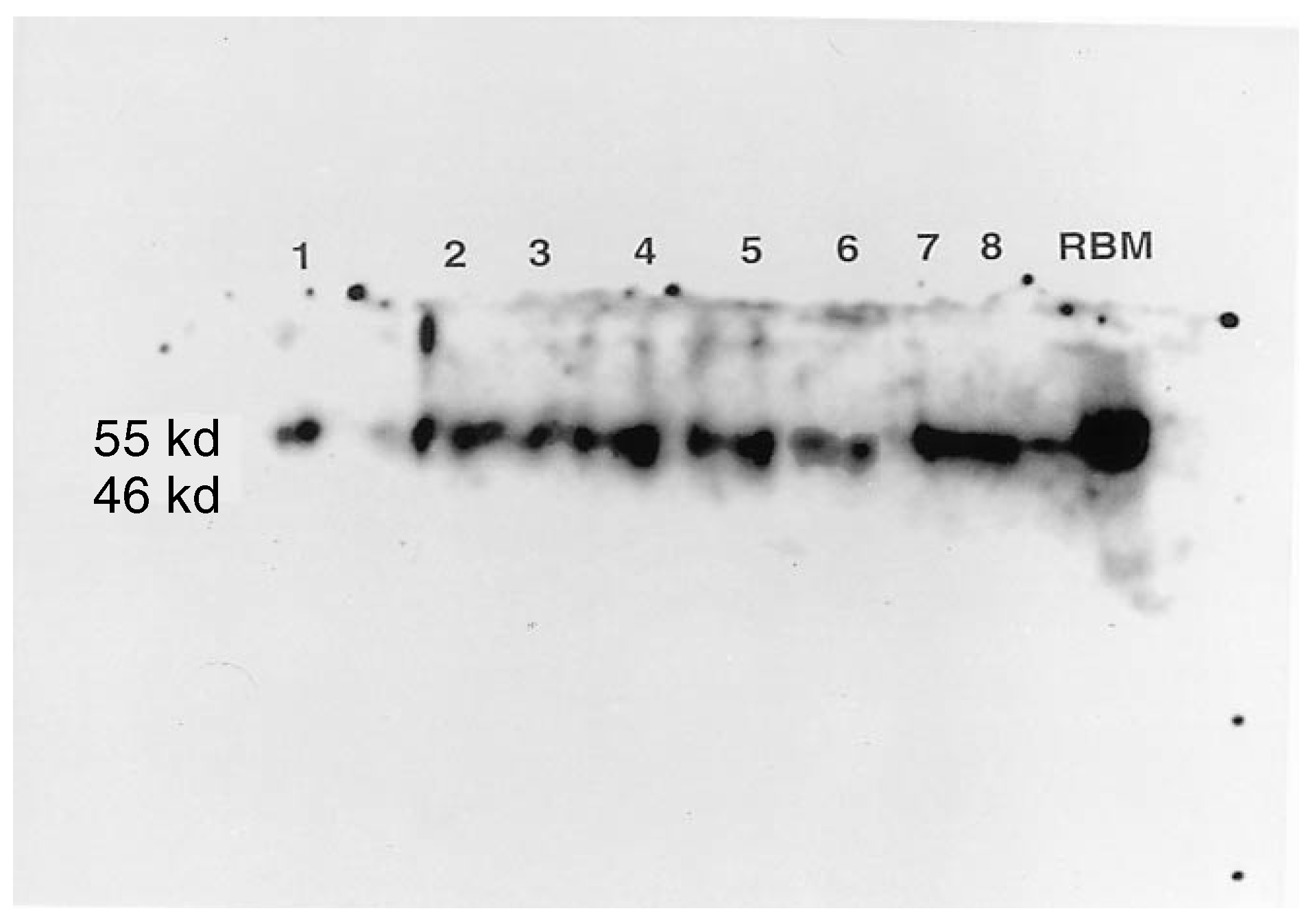
The extracts from cartilage of the first and fifth metatarsophalangeal joints were subjected to SDSPAGE. Under reducing conditions, immunoblots of all cartilage extracts showed prominent immunoreactive bands at ~55 kd (Figure 8), which is similar to human recombinant MMP-8 (obtained from Dr. K. Hasty, University of Tennessee, Memphis).

Determination of Collagen Type

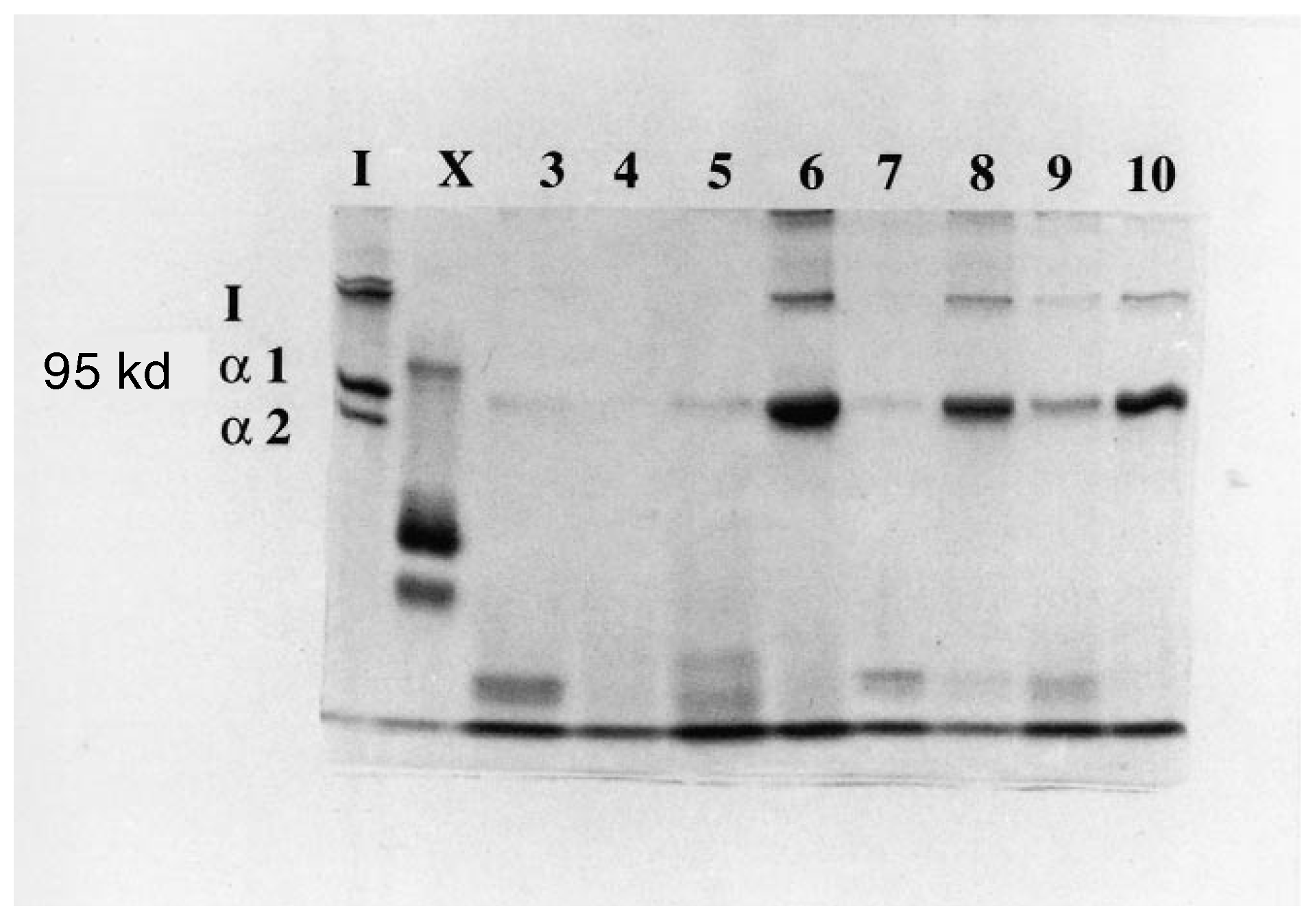
SDS-PAGE for the determination of the presence of collagen types II and X showed reactive bands for type II at ~95 kd in every cartilage specimen (Figure 9). Bands for collagen type X (at 59 kd and 50 kd), however, did not appear in any specimen.

Discussion

The purpose of this study was to characterize the articular hyaline cartilage of two joints of the foot that display different prevalence of degenerative morphological changes [1,2]. The first and fifth metatarsophalangeal joints have different biomechanical properties during the normal gait cycle [39]. As a component of the medial column of the foot, the first metatarsophalangeal joint is more flexible than the fifth metatarsophalangeal joint of the lateral column. This flexibility, along with the higher peak pressure in the first metatarsophalangeal joint as compared with the fifth [40], may lead to malalignment of and greater friction at this joint, ultimately resulting in degenerative morphological changes of varying magnitude. The study of “normal-appearing” cartilage within these joints is important in the determination of any additional innate predisposing factors or cartilaginous changes that may precede visual signs of osteoarthritis or degenerative morphological changes in general.
Primary osteoarthritis may evolve from a variety of factors including biomechanical overloading or underloading of the articular cartilage, failure of adequate repair by chondrocytes, and extracartilaginous factors involving the surrounding tissues [41,42]. Any of these parameters may be manifested in the morphological and biochemical status of the cartilage at any given time prior to or during the development of degenerative morphological changes. Because clinically detectable osteoarthritis increases with age, the effect of age on articular cartilage is an important question.
In the present study, the authors examined cartilage from the regions of the articular surfaces of the first and fifth metatarsophalangeal joints, which are first to show early signs of degenerative morphological changes [1,2]. The authors’ results are in agreement with previous work in the hip [14,17] and in the knee through the fifth decade of life [16] showing that cartilage thickness does not vary with age in the adult. The authors therefore hypothesize that the age-related increase in degenerative morphological changes is not a result of the thinning of articular cartilage.
This, however, is in contradiction to the results of Armstrong and Gardner [43], who found that the area of greatest cartilage thickness on the femoral head increased in thickness between the ages of 20 and 45. An additional finding of their study was that femoralhead cartilage was not evidently related to femoralhead diameter, femur length, or body weight. Thus the lack of a significant difference in cartilage thickness between males and females in this study is not surprising. However, because the results of the present study show that cartilage was thicker on the articular surfaces of the first metatarsophalangeal joint than on the fifth, the size factor remains questionable.
The authors’ results indicate also that the articular cartilage on the heads of the first and fifth metatarsals is thicker than that of their respective proximal phalanges. The authors do not wish to emphasize this point, as this difference may simply be a reflection of the specific regions sampled. However, it is possible to speculate that the thicker cartilage in the central regions of the convex metatarsal heads serves to increase congruence with the convex baseof the proximal phalanges.
The data of the present study indicate that the chondrocyte density of the mid-to-deep zone does not change with advancing age. However, the superficial zone of all four articular surfaces displayed decreasing cell density with advancing age. This is in agreement with the results of others for the femoral head [14] and the femoral condyle [44] but in disagreement with those of Meachim and Collins [44] for the humoral head and those of Lothe et al [11] for the femoral head. Though Lothe et al [11] claimed that any reduction in cell density in the superficial zone was due to fibrillation, the authors were extremely careful to exclude any specimens displaying microscopic or gross fibrillation on the excised regions of the articular surfaces. Furthermore, the authors had the advantage of harvesting fresh, viable autopsy specimens from disease-free joints. Age-related cell-density reduction may therefore vary from joint to joint and possibly even within a single joint.
The significance of the reduction in cell density in the superficial zone is unknown. However, because the cartilage samples were taken from regions of the articular surface known to display fibrillation with age [1,2], this reduction in chondrocytes may certainly be a contributing factor in the degradative process. This cell-density reduction within the superficial zone is significant, as this cartilage layer is the first to show signs of degradation in osteoarthritis [29,45]. Further studies must be undertaken on the effect of advancing age on cell density in regions of the articular surfaces that are normally not prone to fibrillation or to more severe degenerative morphological changes.
The authors’ proteoglycan-to-collagen ratio data indicate that even in the normal adult population there is variability. This variability may reflect individual differences or perhaps metabolic changes in the donor tissue at a given point in time. Because collagen remains quite stable with age in the adult, any changes in proteoglycan-to-collagen ratios are generally a reflection of proteoglycan content within the matrix. The proteoglycan content in the superficial zone is quite low compared with that in the middle and deep zones. For this reason, it is understandable that age was not a factor in proteoglycan-to-collagen ratio variability even though the cell density in the superficial zone decreases with age. Maroudas et al [46] found that in femoral-head and femoral-condyle cartilage there was a statistically insignificant increase in total glycosaminoglycan content with age. In a later study by Grushko et al [47] it was shown that total glycosaminoglycan content increased with age in the femoral head, unlike what occurred in cartilage of osteoarthritic joints.
Although loss of proteoglycan/glycosaminoglycan content has been identified as a marker of joint disease [48], it is clear that naturally occurring changes with age may be independent of those cartilage changes occurring in osteoarthritis. As Roberts et al [49] have shown, though osteoarthritic femoral heads had a significantly lower proteoglycan content compared with normal autopsy specimens, specimens showing early degenerative signs did not have a lower proteoglycan content.
The authors’ results showed that collagen type II was present in all specimens, but type X, which is a marker of hypertrophic cartilage, was not detectable by SDS-PAGE. This is an expected result, as type X is not found in significant quantities in normal cartilage. Type II collagen was readily detectable in all specimens, indicating no major changes in this stable fiber type in any of the joint surfaces.
The authors’ in situ hybridization studies showed that expression of messenger RNA for MMP-3 and -8 was stronger in the first than in the fifth metatarsophalangeal joint. These results are in line with previous findings [29] in which the expression of both proteinases was much higher in the cartilage from normal knee joints than in the cartilage from the corresponding normal ankle joints. These similarities are especially important, as the incidence of osteoarthritis in the knee joint is much higher than in the ankle joint and nearly comparable to that in the first metatarsophalangeal joint.
Data confirm the relevance of studying the joints of the foot in terms of mechanisms of cartilage degeneration. Although the authors did not observe such differences on the protein level between the first and fifth metatarsophalangeal joints, they do not see the contradiction in their in situ results with the antibody data. First, Western blot analysis showed that extracts from all cartilages contained only a single band at 55 kd, which indicated the inactive or latent form of MMP-8. Second, on both immunohistochemistry and Western blot, the authors did only visual comparisons without deeper evaluation of data, such as densitometry or counting of the positively stained cells and matrix. Furthermore, the authors think that the in situ hybridization technique based on the messenger RNA level is more sensitive and allows detection of earlier changes than techniques based on the evaluation of protein expression.
Because of the role of matrix metalloproteinases in osteoarthritis-associated matrix degradation, it may be hypothesized that the higher levels of expression for these enzymes in the first metatarsophalangeal joint may contribute to early osteoarthritic changes, as was shown in previous work for knee and ankle cartilage [29]. Furthermore, this difference in the level of expression between the first and fifth metatarsophalangeal joints may represent metabolic differences indicative of their respective biomechanics.

Conclusions

The authors conclude that the thickness of the uncalcified articular cartilage in the first and fifth metatarsophalangeal joints is independent of gender and is not reduced with age. The authors did, however, observe a reduction in cell density in the superficial zone with advancing age, which may represent one of the mechanisms leading to early signs of degenerative morphological changes, such as fibrillation. The first metatarsophalangeal joint displayed stronger expression of matrix metalloproteinases than the fifth metatarsophalangeal joint. The authors thus hypothesize that, in toto, the findings may indicate an altered metabolism associated with respective biomechanical challenges, possibly leading to the different prevalence of degenerative morphological changes documented for the first and fifth metatarsophalangeal joints.

Acknowledgments

Bruce Manion, PhD, for his contributions to the manuscript; Dr. Allan Valdellon of the Regional Organ Bank of Illinois and his staff; Changhong Wu for technical assistance. Work supported in part by NIH Grant #2-P50-AR-39239, the American Podiatric Medical Association, the Retirement Research Foundation, the Blowitz-Ridgeway Foundation, and the Dr. W.C. Swanson Family Foundation.

References

  1. MUEHLEMAN, C; BAREITHER, D; HUCH, K; et al. Comparison of incidence of osteoarthritis in the foot and other joints of the lower extremity. Proc Orthop Res Soc 1996, 21, 747. [Google Scholar]
  2. MUEHLEMAN, C; BAREITHER, D; HUCH, K. Prevalence of degenerative morphological changes in the joints of the lower extremity. J Osteo Cartil 1997, 5, 23. [Google Scholar] [CrossRef]
  3. RADIN, EL; PAUL, IL. Does cartilage compliance reduce skeletal properties of articular cartilage, synovial fluid, periarticular soft tissues and bone? Arthritis Rheum 1970, 13, 139. [Google Scholar] [CrossRef]
  4. EYRE, DR; APONE, S; WU, JJ; et al. Collagen type IX: evidence for covalent linkages to type II collagen in cartilage. FEBS Lett 1987, 220, 337. [Google Scholar] [CrossRef] [PubMed]
  5. VAN DER REST M, MAYNE R: Type IX collagen proteoglycan from cartilage is covalently cross linked to type II collagen. J Biol Chem 1988, 263, 1615. [CrossRef]
  6. MENDLER, M; EICH-BENDER, SG; VAUGHAN, L; et al. Cartilage contains mixed fibrils of collagen types II, IX and XI. J Cell Biol 1989, 108, 191. [Google Scholar]
  7. MOW, VC; SETTON, LA; RATCLIFFE, A; et al. “Structure-Function Relationships for Articular Cartilage and Effects of Joint Instability and Trauma on Cartilage Function,” in Cartilage Changes in Osteoarthritis, ed by KD Brandt, Indiana University School of Medicine, Indianapolis, 1990.
  8. HUNZIKER, E. “Articular Cartilage Structure in Humans and Experimental Animals,” in Articular Cartilage and Osteoarthritis; Kuettner, KE, Ed.; Raven Press: New York, 1992. [Google Scholar]
  9. MUEHLEMAN, C; ARSENIS, CH. Articular cartilage: part I. the normal joint. JAPMA 1995, 85, 277. [Google Scholar] [CrossRef]
  10. BERNARD, PF; CHRISTEL, PS; MEUNIER, A; et al. Role of articular incongruence and cartilage thickness in hip joint stresses distribution: a biphasic and two-dimensional photoelastic study. Acta Orthop Belg 1982, 48, 335. [Google Scholar] [PubMed]
  11. LOTHE, K; SPYCHER, MA; RÜTTNER, JR. Human articular cartilage in relation to age: a morphometric study. Exp Cell Biol 1979, 47, 22. [Google Scholar] [CrossRef] [PubMed]
  12. KURRAT, HJ; OBERLANDER, W. The thickness of the cartilage in the hip joint. J Anat 1978, 126, 145. [Google Scholar] [PubMed]
  13. KLADNEY, B; BAIL, H; SWOBODA, B. ET AL: Cartilage thickness measurement in magnetic resonance imaging. J Osteo Cartil 1996, 4, 181. [Google Scholar] [CrossRef] [PubMed][Green Version]
  14. VIGNON, E; ARLOT, M; PATRICOT, LM. ET AL: The cell density of human femoral head cartilage. Clin Orthop 1976, 121, 303. [Google Scholar] [CrossRef]
  15. MEACHIM G: Effect of age on the thickness of adult articular cartilage at the shoulder joint. Ann Rheum Dis 1971, 30, 43. [CrossRef]
  16. SIMON, WH. Scale effects in animal joints: thickness and elasticity in the deformability of articular cartilage. Arthritis Rheum 1971, 14, 493. [Google Scholar] [CrossRef] [PubMed]
  17. VENN MF: Variation of chemical composition with age in human femoral head cartilage. Ann Rheum Dis 1978, 37, 168. [CrossRef]
  18. FICAT C, MAROUDAS A: Cartilage of the patella: topographical variation of glycosaminoglycan content in normal and fibrillated tissue. Ann Rheum Dis 1975, 34, 515. [CrossRef] [PubMed]
  19. VENN, M; MAROUDAS, A. Chemical composition and swelling of normal and osteoarthritic femoral head cartilage: I. chemical composition. Ann Rheum Dis 1977, 36, 121. [Google Scholar] [CrossRef]
  20. MALEMUD, CJ. Changes in proteoglycans in osteoarthritis. J Rheumatol 1991, 27, 60. [Google Scholar]
  21. BJELLE, AD; ANTONOPOULOS, CA. HJERTQUIST S-O: Fractionation of glycosaminoglycans of human articular cartilage on ecteola cellulose in aging and in osteoarthrosis. Calcif Tissue Res 1972, 8, 237. [Google Scholar] [CrossRef]
  22. LEMPERG, R; LARSON, S-E. HJERTQUIST S-O: The glycosaminoglycans of bovine articular cartilage: I. concentration and distribution in different layers in relation to age. Calcif Tissue Res 1974, 15, 237. [Google Scholar] [CrossRef]
  23. ROUGHLY, PJ; WHITE, RJ. Age-related changes in the structure of the proteoglycan subunits from human articular cartilage. J Biol Chem 1980, 255, 217. [Google Scholar] [CrossRef]
  24. MORT, JS; POOLE, AR; ROUGHLY, PJ. Age-related changes in the structure of proteoglycan link proteins present in normal human articular cartilage. Biochem J 1983, 214, 269. [Google Scholar] [CrossRef]
  25. PLAAS, AH; SANDY, JD. Age-related decrease in the linkstability of proteoglycan aggregates formed by articular chondrocytes. Biochem J 1984, 220, 337. [Google Scholar] [CrossRef] [PubMed]
  26. WOESSNER, JF. Matrix metalloproteinases and their inhibitors in connective tissue remodeling. FASEB J 1991, 5, 2145. [Google Scholar] [CrossRef]
  27. FOSANG, AJ; NEAME, PJ; HARDINGHAM, TE; et al. Cleavage of cartilage proteoglycan between G1 and G2 domains by stromelysin. J Biol Chem 1991, 266, 15579. [Google Scholar] [CrossRef] [PubMed]
  28. FOSANG, AJ; LAST, K; KNAUPER, V; et al. Fibroblast and neutrophil collagenase cleave at two sites in the cartilage aggrecan interglobular domain. Biochem J 1993, 295, 273. [Google Scholar] [CrossRef] [PubMed]
  29. CHUBINSKAYA, S; HUCH, K; MIKECZ, K; ET, AL. Chondrocyte matrix metalloproteinase-8: up-regulation of neutrophil collagenase by interleukin-1 in human cartilage from knee and ankle joints. Lab Invest 1996, 74, 232. [Google Scholar] [PubMed]
  30. ROSENBERG L: The chemical basis for the histological use of safranin O in the study of articular cartilage. J Bone Joint Surg Am 1971, 53, 69. [CrossRef]
  31. CHANDRASEKHAR S: Microdetermination of proteoglycans and glycosaminoglycans in the presence of guanidine hydrochloride. Anal Biochem 1987, 161, 103. [CrossRef]
  32. SCHWARTZ, DE; CHOI, Y; SANDELL, LJ; et al. Quantitative analysis of collagen, protein and DNA in fixed, paraffin-embedded and sectioned tissue. Histochem J 1985, 17, 655. [Google Scholar] [CrossRef]
  33. SANDELL, LJ; MORRIS, N; ROBBINS, JR; ET, AL. Alternatively spliced type II procollagen mRNAs define distinct populations of cells during vertebral development: differential expression of the amino-propeptide. J Cell Biol 1991, 114, 1307. [Google Scholar] [CrossRef]
  34. HIROSE, T; PATTERSON, C; POURMOTABBED, T. ET AL: Structure-function relationship of human neutrophil collagenase: identification of regions responsible for substrate specificity and general proteinase activity. Proc Natl Acad Sci U S A 1990, 90, 2569. [Google Scholar] [CrossRef]
  35. GLANT, T; MIKECZ, K. Antigenic profile of human, bovine and canine articular chondrocytes. Cell Tissue Res 1986, 224, 359. [Google Scholar]
  36. HASTY, KA; REIFE, RA; KANG, AH; ET, AL. The role of stromelysin in the cartilage destruction that accompanies inflammatory arthritis. Arthritis Rheum 1990, 33, 388. [Google Scholar] [CrossRef] [PubMed]
  37. COLE, AA; CHUBINSKAYA, S; SCHUMACHER, B. ET AL: Chondrocyte matrix metalloproteinase-8: human articular chondrocytes express neutrophil collagenase. J Biol Chem 1996, 271, 11023. [Google Scholar] [CrossRef] [PubMed]
  38. TOWBIN, H; STAEHELIN, T; GORDON, J. Transfer of proteins from gels to diazobenzyloxymethyl paper and detection with antisera: a method for studying antibody specificity and antigen structure. Proc Natl Acad Sci USA 1979, 76, 3116. [Google Scholar]
  39. ROOT, ML; ORIEN, WP. WEED JH: Normal and Abnormal Function of the Foot: Clinical Biomechanics; Clinical Biomechanics Corp: Los Angeles, 1977; Vol 2. [Google Scholar]
  40. BENNETT, PJ; DUPLOCK, LR. Pressure distribution beneath the human foot. JAPMA 1993, 83, 674. [Google Scholar] [CrossRef]
  41. BULLOUGH, PG. “The Pathology of Osteoarthritis,” in Osteoarthritis: Diagnosis and Medical/Surgical Management, 2nd Ed; Moskowitz, RW, Howell, DS, Goldberg, VM, Eds.; WB Saunders: Philadelphia, 1992. [Google Scholar]
  42. HOWELL, DS. “Etiopathogenesis of Osteoarthritis,” in Arthritis and Allied Conditions: A Textbook of Rheumatology, 11th Ed; McCarty, DJ, Lea, Febiger, Eds.; Philadelphia, 1989. [Google Scholar]
  43. ARMSTRONG, CG; GARDNER, DL. Thickness and distribution of human femoral head articular cartilage: changes with age. Ann Rheum Dis 1977, 36, 407. [Google Scholar] [CrossRef]
  44. MEACHIM, G; COLLINS, DH. Cell count of normal osteoarthritic articular cartilage in relation to the uptake of sulfate (35SO4) in vitro. Ann Rheum Dis 1962, 21, 45. [Google Scholar] [CrossRef]
  45. AYDELOTTE, MB; SCHUMACHER, BL; KUETTNER, KE. “Heterogeneity of Articular Chondrocytes,” in Articular Cartilage and Osteoarthritis; Kuettner, KE, Ed.; Raven Press: New York, 1992. [Google Scholar]
  46. MAROUDAS, A; EVANS, H; ALMEIDA, L. Cartilage of the hip joint: topographical variation of glycosaminoglycan content in normal and fibrillated tissue. Ann Rheum Dis 1973, 32, 1. [Google Scholar] [CrossRef]
  47. GRUSHKO, G; SCHNEIDERMAN, R. MAROUDAS A: Some biochemical and biophysical parameters for the study of the pathogenesis of osteoarthritis: a comparison between the process of aging and degeneration in human hip cartilage. Connect Tissue Res 1989, 19, 149. [Google Scholar] [CrossRef] [PubMed]
  48. SCHER, DM; STOLERMAN, ES. DI CESARE PE: Biologic markers of arthritis. Am J Orthop 1996, 25, 263. [Google Scholar] [PubMed]
  49. ROBERTS, S; WEIGHTMAN, B; URBAN, J; et al. Mechanical and biochemical properties of human articular cartilage in osteoarthritic femoral head and in autopsy specimens. J Bone Joint Surg Br 1986, 68, 278. [Google Scholar] [CrossRef] [PubMed]
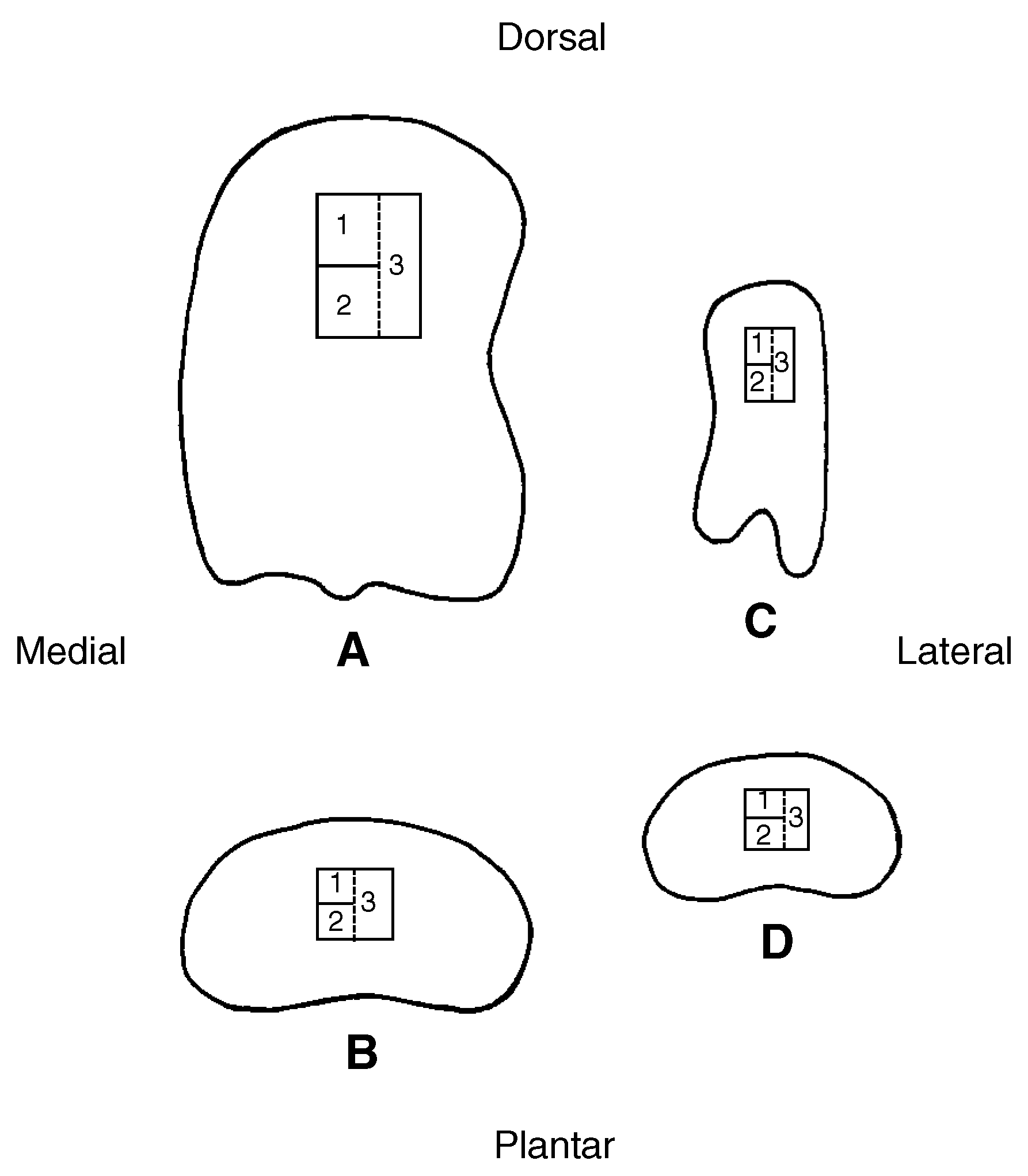
Figure 1. Diagrammatic representations of the articular surfaces of the heads of the first (A) and fifth (C) metatarsals and bases of the first (B) and fifth (D) proximal phalanges. (1 = areas used for in situ hybridization, immunohistochemistry, and Western blot analysis; 2 = areas used for biochemistry; 3 = areas used for histology of cartilage with subchondral bone.)
Japma 87 00447 g001
Figure 2. Light photomicrograph of articular cartilage and subchondral bone of the head of the first metatarsal showing cell arrangement and zones stained with safranin O and fast green (×40).
Japma 87 00447 g002
Figure 3. Cartilage thickness versus age on the proximal (A and C) and distal (B and D) articular surfaces of the first (A and B) and fifth (C and D) metatarsophalangeal joints. Cartilage thickness does not significantly change with age in the adult, and there was no significant difference between males (solid line) and females (broken line) (P = 0.05).
Japma 87 00447 g003
Figure 4. Cell density versus age on the proximal (A and C) and distal (B and D) articular surfaces of the first (A and B) and fifth (C and D) metatarsophalangeal joints. Cell density in the superficial zone (solid line) significantly decreased with age on the head of the first metatarsal (F = 18.82, P < 0.001), on the base of the first proximal phalanx (F = 24.41, P < 0.001), on the head of the fifth metatarsal (F = 62.66, P < 0.001), and on the base of the fifth proximal phalanx (F = 58.22, P < 0.001). Cell density in the mid-to-deep zone (broken line) did not significantly change with age on either articular surface (P = 0.05).
Japma 87 00447 g004
Figure 5. Proteoglycan-to-collagen ratio versus age for the proximal (A and C) and distal (B and D) articular surfaces of the first (A and B) and fifth (C and D) metatarsophalangeal joints. There was no significant change in proteoglycan-to-collagen ratios with advancing age (P = 0.05).
Japma 87 00447 g005
Figure 6. In situ hybridization (darkfield micrographs) of cartilage sections hybridized to MMP-3 (A and C) and MMP-8 (B and D) probes in the head of the first metatarsal (A and B) and head of the fifth metatarsal (C and D). High densities of silver grains appeared white with darkfield microscopy, representing positive message. Message for both proteinases is strong in the cartilage of the first metatarsal and low or barely detectable in the fifth metatarsal cartilage.
Japma 87 00447 g006
Figure 7. Light photomicrographs of cartilage sections stained with C44, the anti-human neutrophil collagenase (MMP-8) antibody (×40). Stain is present within the chondrocytes of all cartilage zones in the head of the first metatarsal (A) but not in the head of the fifth metatarsal (B).
Japma 87 00447 g007
Figure 8. Western blotting of cartilage extracts from all specimens performed using anti-MMP-8 polyclonal antibody, C44. Lanes 2, 3, 5, 7, and 8 are extracts from the first metatarsophalangeal joint and lanes 4 and 6 are from the fifth metatarsophalangeal joint. Lane 9 is the rainbow marker. The most prominent band of MMP-8 migrated at approximately 55 kd.
Japma 87 00447 g008
Figure 9. SDS-PAGE. Lanes 1 and 2 are standards for types II and X, respectively. Each cartilage specimen showed bands for collagen type II at ~95 kd. There was no evidence of collagen type X in any specimen. Lanes 4 through 10 are extracts from first metatarsophalangeal joints, and lane 3 is from a fifth metatarsophalangeal joint.
Japma 87 00447 g009