Next Article in Journal
Comparison of Single and Multiple Toe Amputations in Diabetic Patients with Long-Term Follow-Up and Evaluation of Reamputation Risk
Previous Article in Journal
Clinical Research on Treating Sanders Type II and III Calcaneal Fractures With Percutaneous Poking Reduction and Internal Fixation Using a Custom-Made Adjustable Triangular Calcaneal Distractor
 
 
Journal of the American Podiatric Medical Association is published by MDPI from Volume 116 Issue 1 (2026). Previous articles were published by another publisher in Open Access under a CC-BY (or CC-BY-NC-ND) licence, and they are hosted by MDPI on mdpi.com as a courtesy and upon agreement with American Podiatric Medical Association.
Article

Body Mass and Foot Dominance Disparities in the Foot Plantar Pressure Parameters of Older Women

1
School of Sports, China University of Mining and Technology, Xuzhou, Jiangsu, China
2
Institute of Population Research, Peking University, No. 5 Yiheyuan Rd, Haidian District, Beijing, 100871, China
3
School of Social Welfare, Stony Brook University, Stony Brook, NY
4
Department of Physical Education, Peking University, Beijing, China
*
Authors to whom correspondence should be addressed.
J. Am. Podiatr. Med. Assoc. 2025, 115(6), 23210; https://doi.org/10.7547/23-210
Published: 1 November 2025

Abstract

Background: We examined the effects of foot dominance and body mass on foot plantar pressures in regular-weight, overweight, and obese older women. Methods: Ninety-six women were divided into the regular-weight group (mean ± SD age, 68.30 ± 4.19 years), overweight group (mean ± SD age, 69.88 ± 3.76 years), and obesity group (mean ± SD age, 68.47 ± 3.67 years) based on their body mass index. The Footscan plantar pressure measurement system was used to assess the dynamic plantar pressures, and parameters were collected from risk analysis, foot axis analysis, single-foot timing analysis, and pressure analysis. Results: Significant within-subject differences were found for local risks of the lateral forefoot and midfoot, minimum and maximum subtalar joint angles, flexibility of the subtalar joint, foot flat phase, as well as the average pressures on toes, metatarsals, midfoot, and lateral heel, with the peak pressures on toes 2 to 5, second metatarsal, fifth metatarsal, midfoot, and lateral heel. The phases of initial contact and foot flat, the average pressures on toes 2 to 5, metatarsals, midfoot, and heels, with the peak pressures on the first to fourth metatarsals, midfoot, and heels, exhibited significant between-subject differences. There was an interaction effect of foot dominance and body mass index on the flexibility of the subtalar joint. Conclusions: The nondominant foot works better for stability, especially when touching on and off the ground. The dominant foot works better for propulsion but is more susceptible to pain, injury, and falls. For obese older women, the forefoot and midfoot are primarily responsible for maintaining stability, but the lateral midfoot and hindfoot are more prone to pain and discomfort.

Globally, the aging of the population is one of the most important medical and sociodemographic problems. According to the “Decade of Healthy Aging: Baseline Report” released by the World Health Organization [1], the worldwide population 60 years and older surpassed more than 1 billion people in 2020, representing 13.5% of the world’s population of 7.8 billion. The Decade of Healthy Ageing 2021-2030 [2] was initiated in an effort to improve the health and well-being of an increasing number of older adults. China, the developing country with the largest population of older people in the world [3] and where more than 50% of older people are overweight or obese [4], is sharing the complex challenges faced by other nations and has thus also unveiled some crucial strategies, such as Healthy China 2030 and Responding Proactively to Population Aging. Extending the healthy lifespan of older adults is one of the primary objectives of the implementation of these measures. However, accidents pose a threat to the health and longevity of older adults. Falling is the leading cause of accidents among older adults in China [5], and the greatest number of fatal falls occur among older adults [6]. Moreover, older adults who are overweight or obese are more likely to experience falls due to their substantial body weight, significant lower-extremity load, poor stability, and limited flexibility [7]. Therefore, overweight, obesity, and falls, listed as major concerns in public health contemporarily, are negatively affecting the enjoyment of better health and well-being.
The key to healthy aging is optimizing functional capabilities to ensure the well-being of older adults [2]. Regarding mobility and intrinsic capacity, older women demonstrated less functional capacity than their male peers [8,9]. Mobility is one of the important functional abilities highly associated with mortality risk in older adults [10]. Mobility impairment is often measured by walking. Some studies indicate that older women are less able to walk long distances or up stairs than older men [11]. The walking speed of women decreased with age substantially more rapidly than that of men [9]. The intrinsic capacity refers to all of the physical and mental capacities that contribute to functional ability and includes sophisticated duties and leisure activities [2]. The Brazilian Longitudinal Study of Aging revealed that older women tend to have lower intrinsic capacities [12,13]. The disparity between life and healthy life expectancy at birth and at age 60 years grew faster for women than that for men, indicating that older women survive longer with disease than older men, which was noted in the World Health Organization global estimates between 2000 and 2019 [14]. Overweight and obesity are more dangerous for older women than for older men [15]. Consequently, the health issues of older women merit extra consideration for healthy aging.
Examining the distribution patterns of plantar pressures in older adults during walking is important when assessing the physiologic function of the foot, its clinical diagnosis, and rehabilitation [16,17]. The distribution of plantar pressure between the foot and the support surface provides quantitative information, which aids in diagnosing foot problems at an earlystage period. This information may be used in injury prevention, risk assessment, and general well-being [18]. Walking is a fundamental functional ability in daily life. During the gait cycle, the ground reaction force is experienced by both feet directly and independently. The feet support the body's musculoskeletal system while providing shock absorption, generating propulsive force, and maintaining stability. Changes in plantar pressures as a result of aging are associated with pain and functional changes [19,20].
Previous studies have found that increased plantar pressure is associated with a higher risk of foot aches, injury, and falls among older adults [19,20,21]. It has been shown that older adults with greater body mass have higher plantar pressures than those of regular weight [22]. Limb dominance could influence the symmetrical behavior of the lower extremities, which has a direct effect on the stabilizing influence of each extremity during activities [23]. Among older adults, female sex and obesity emerge as prominent risk factors strongly associated with foot pain. Furthermore, older women are significantly more likely to report foot pain compared with older men [24]. Foot dominance has also been found to be a solid predictor of right-left asymmetry during ambulation [25,26], and it has been emphasized in studies concerning fall risk [27,28] and posture control in dynamic balance [29,30]. Despite the fact that plantar pressure is regarded as an effective variable for understanding foot problems and fall injuries among older adults, there have been few studies on the effect of the dominant side on plantar pressure among older adults, with most research focusing on young adults [31,32,33].
Given the apparent gaps in the aforementioned literature, the goal of this study was to examine the effects of foot dominance and body mass on plantar pressures in older women with a regular-weight, overweight, or obese body mass index (BMI; calculated as the weight in kilograms divided by the square of the height in meters) and their place in functional ability assessment, fall prevention, clinical diagnosis, and biomechanics studies [34,35]. Analyzing the distribution characteristics of plantar pressures among older women with variant body weight and foot dominance could provide significant data and help provide insight into healthy aging while retaining functional abilities.

Methods

Participants

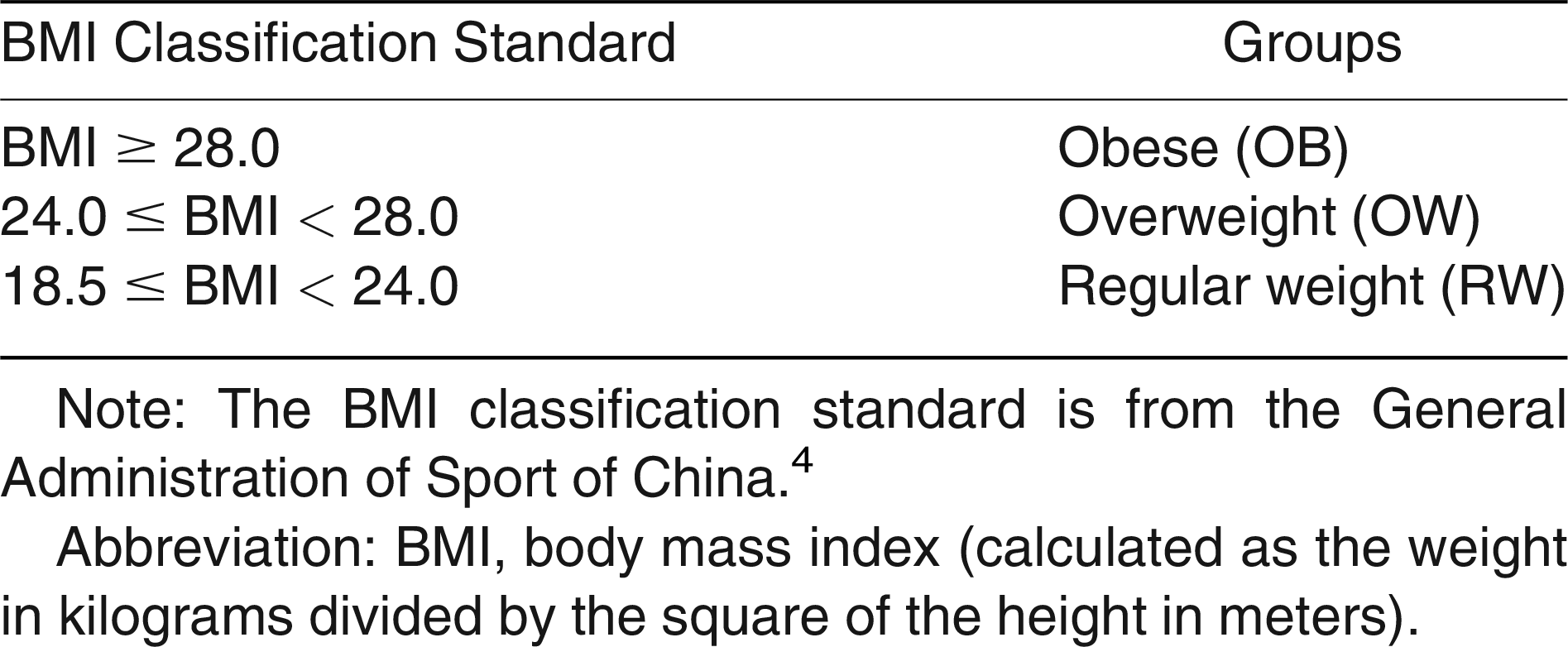
To minimize the potential impact of each variable (such as sex, age, and the ability to walk independently) on the relationship between body mass and plantar pressure parameters, this study recruited older adults from three communities in the Haidian District of Beijing, China, who met the following five criteria: 1) female sex; 2) aged 60 to 74 years; 3) BMI greater than 18.5; 4) a score of 6 or higher on the Lawton Instrumental Activities of Daily Living (IADL) Scale [36], indicating clear consciousness and independent walking without the use of aids; and 5) no lower-extremity joint surgery, no significant bone and joint diseases, and no heart diseases within the past 2 years, which is the average time for individuals to return to sport after surgery or recovery [37,38]. The three communities selected had well-constructed household registration systems and two volunteer community employees to assist with recruiting in this study.
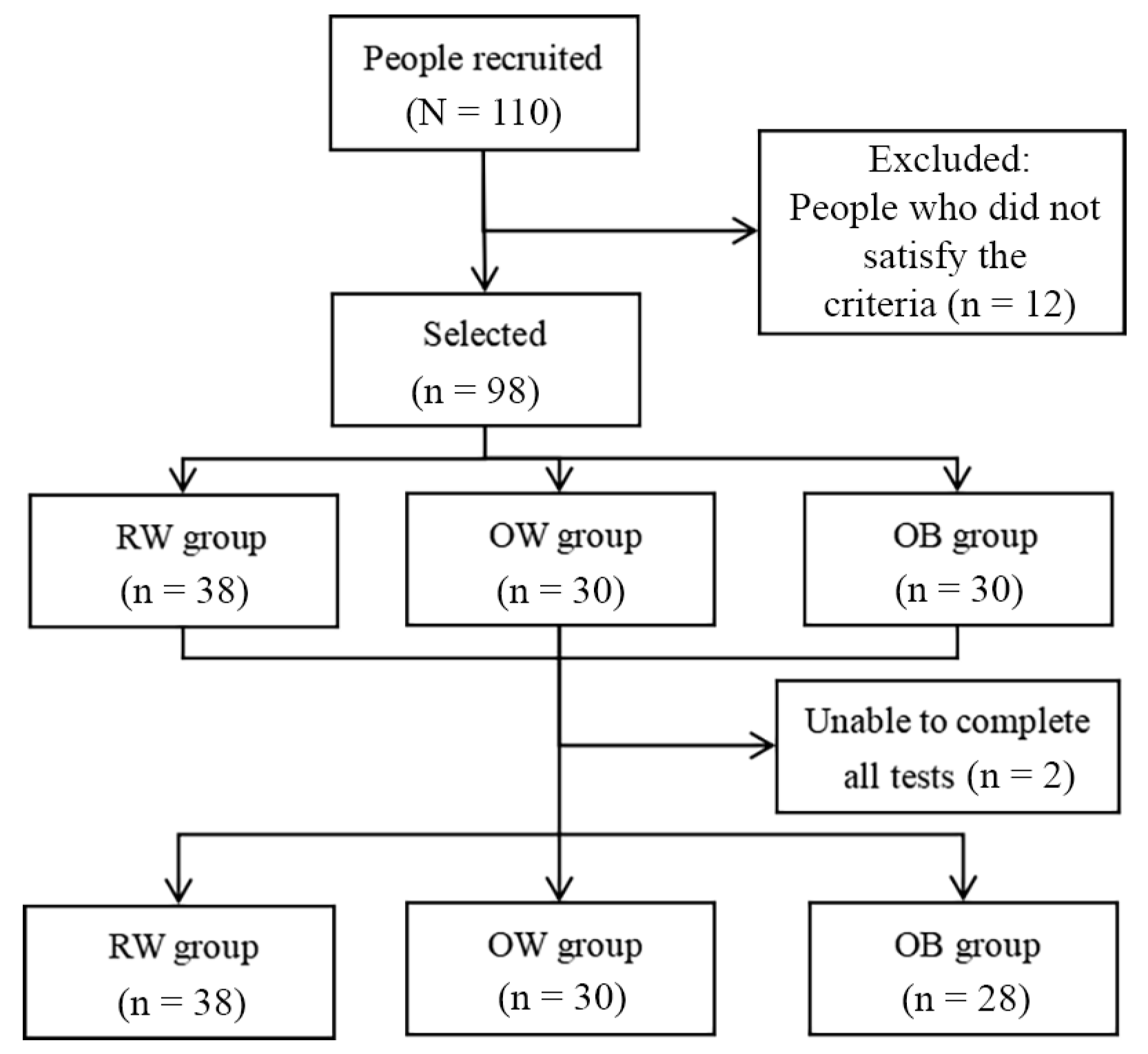
Based on the suggested sampling proportion of 20% [39], including the attrition rate of 5%, the sample size was 103, which resulted in the recruitment of 110 women from the pool of 514 female residents aged 60 to 74 years. Twelve participants who did not meet the selection criteria were removed, resulting in 98 women being included in the testing sample. All of the participants were required to sign an informed consent form and complete a battery of tests. Based on the BMI classification standard from the General Administration of Sport of China [4], the older adults were divided into three groups (Table 1). Two people in the obese (OB) group were not included in the analytical sample because they did not complete all of the tests. Finally, 28, 30, and 38 people composed the OB, overweight (OW), and regular-weight (RW) groups, respectively (Fig. 1).
Table 1. Study Groups Based on the BMI Classification Standard
Japma 115 23210 t1
Figure 1. Flowchart explaining assignment of the participants to the three study groups.
Japma 115 23210 f1

Test Time and Place

This study was conducted at the Innovation Laboratory of the Integration of Sport and Medicine in Peking University (Beijing, China) from September 25 to October 12, 2022. To maintain the best performance of the test instruments, especially the accuracy of the data collection by the Footscan pressure measurement system (Version 9; RSscan Co, Paal, Belgium), the temperature and humidity in the laboratory should meet the machine requirements (operating temperature range, 15°C–30°C; humidity range, 20%–80%). Throughout the whole test stage, the average temperature was 21.2°C and the average humidity was 38.5%.

Instrument and Measures

Measures of Basic Characteristics of Participants.

The basic characteristics were the age, shoe size, height, body composition, and IADLs of all of the participants.
Body Composition.
Body composition was tested by InBody 270 (Korea InBody Co Ltd; Seoul, Republic of Korea). Standardized, self-serving, national body composition parameters can be detected by means of bioresistance. In this study, weight, BMI, muscle mass of the lower extremities, and body fat were the requested parameters.
Instrumental Activities of Daily Living.
These were tested by the Lawton IADL Scale [36]. It is widely used in the assessment of a person's ability to perform independent living skills, including using a telephone, shopping, preparing food, housekeeping, doing laundry, using transportation, handling medications, and handling finances [36,40,41]. The assessment score ranges from 0 (low functioning) to 8 (high functioning), with a higher score indicating a better ability to live independently.
First Foot when Walking.
There were two methods used to determine the dominant limb. In the first method, muscle mass of the individual limbs was analyzed by InBody 270. The side with more muscle mass is considered the dominant side, and the other side is considered the nondominant side. In the second method, the side on which the participant took the initial step while walking naturally was considered the dominant foot, and the opposite side was considered the nondominant foot. The limb with increased muscle mass was considered the dominant limb unless the values of muscle mass on both sides were identical; the second method was the alternate.

Measure of Foot Plantar Pressure.

The plantar pressure of each foot was tested by the Footscan pressure measurement system. This system performed state-of-the-art dynamic plantar pressure recording and analysis with a 1.5-m entry-level plate (length × width × height: 1.61 × 0.47 × 0.02 m; weight: 24 kg; number of sensors: 12,288, arranged in a 192 × 64 matrix; sensor dimensions: 0.00762 × 0.00508 m; active sensor area: 1.46 × 0.33 m; pressure range: 10,000–1,270,000 Pa; data acquisition frequency: 200 Hz; resolution: 10 bits) and the Footscan software for general, clinical, scientific, and industrial use.
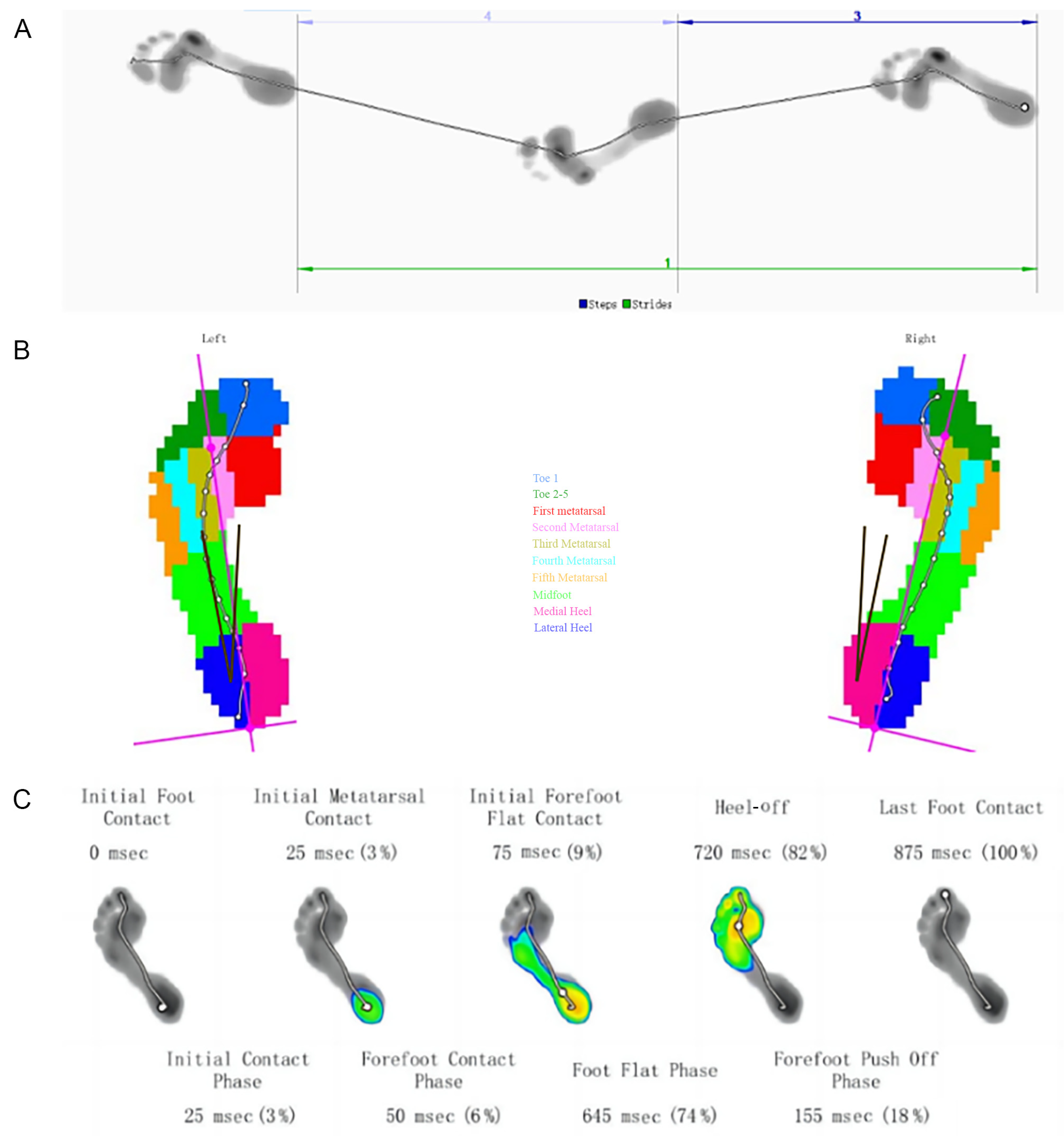
The 1.5-m entry-level plate measures plantar pressures of both feet using an X-Y matrix of resistive pressure-sensitive sensors that are scanned sequentially. The Footscan software registers pressure data when the participant walks over the plate and then processes the data to provide the normalized foot plantar pressure analysis of the complete gait cycle because the sensors in the plate could capture the pressure and force under the participant's feet over the full duration of a step from initial contact until the end of foot roll-off (Fig. 2A). The Footscan software recognizes left and right feet automatically when recording the dynamic measurement. Its reliability and repeatability have been well validated previously [42,43].
Figure 2. A, One complete gait cycle. B, Foot axis angle and anatomical zones. The long pink line shows the foot axis connecting the middle of the medial heel and lateral heel with the middle of the second and third metatarsals; the brown lines show the minimum and maximum subtalar joint angle. C, The phases of single-foot timing.
Japma 115 23210 f2
Test Requirements.
The 1.5-m entry-level plate should be plated on the floor and connected to the computer. All of the participants should remove their shoes and socks. Due to shod conditions that could lead to attenuation on plantar pressure parameters, barefoot assessments were performed to obtain more accurate results from plantar pressure measurements [44,45]. After two practices to acclimate to the plate, the participant was instructed to walk across the plate six times in the natural gait pattern, and the average of the six trials was recorded.
Observed Parameters.
During feet detection, the location of ten anatomical zones could be determined, including the heel, middle foot, five metatarsal bones, and five toes. As shown in Figure 2B, all of the partitions are as follows: toe 1 (T1), toes 2 to 5 (T2-5), first metatarsal (M1), second metatarsal (M2), third metatarsal (M3), fourth metatarsal (M4), fifth metatarsal (M5), midfoot (MF), medial heel (MH), and lateral heel (LH). All of the analyses use these zones to compute parameters, including the risk analysis, foot axis analysis, single-foot timing analysis, and pressure analysis of both feet.
Risk Analysis.
The risk analysis gives local risks of both feet, which are predictive percentage values calculated based on the Footscan risk analysis algorithm by using the D3D design wizards with a dynamic measurement method given per foot zone [46]. The foot zone risks of the medial forefoot, lateral forefoot, medial midfoot, and hindfoot were calculated.
Foot Axis Analysis.
The foot axis analysis gives the roll-offs of both feet based on the 2D analysis. The foot axis exorotation, minimum subtalar joint angle, maximum subtalar joint angle, and flexibility of the subtalar joint were calculated. In Figure 2B, the long pink line shows the foot axis connecting the middle of MH and LH with the middle of M2 and M3; the brown lines show the minimum and maximum subtalar joint angle values.
Single-Foot Timing Analysis.
The single-foot timing analysis records the different phases during a foot roll-off for both feet. The phases are displayed as a percentage of seconds. The following phases are shown: initial contact phase (ICP), forefoot contact phase (FCP), foot flat phase (FFP), and forefoot push-off phase (FPOP). Every phase was calculated on the basis of the following five events (five distinct instances): initial foot contact (IFC), initial metatarsal contact (IMC), initial forefoot contact (IFFC), heel-off (HO), and last foot contact (LFC). Thus, the relations of five events and four phases are ICP = IMC – IFC, FCP = IFFC − IMC, FFP = HO − IFFC, and FPOP = LFC − HO (Fig. 2C).
Plantar Pressure Analysis.
The plantar pressure analysis displays the pressure applied to ten userdefined rectangular areas of both feet. Average pressure and peak pressure were calculated in ten plantar pressure zones of both feet.

Statistical Analysis

In this study, Microsoft Office, Version 2020 (Microsoft Corp, Redmond, Washington) was used for data input and cleaning. A statistical software program (IBM SPSS Statistics for Windows, Version 26.0; IBM Corp, Armonk, New York) was used for data analysis. The statistical analysis includes three sections, as follows.
Initially, the normal distribution test was performed. The Kolmogorov-Smirnov test was used as the judgment method to test the normal distribution of the data. If the data were not normally distributed, logarithmic transformation was performed. The formula is as follows:
Z χ i = log 1 0 ( χ i ) ( i = 1 , 2 , , p ) or
Z χ i = log 1 0 ( χ i + 1 ) ( i = 1 , 2 , , p ) ,
where Zχi is the transformed value and χi is the original value. If χi ≠ 0, formula (1) was selected; if χi = 0, formula (2) was selected.
Second, the descriptive statistical analysis was applied. If the data were normally distributed, the data were described as mean ± SD; if not, the data were described as median and interquartile range.
Finally, the mixed-design factorial analysis of variance was conducted in the data analysis. In this study, the independent variables were a within-subject factor (foot dominance) and a between-subject factor (BMI), and the dependent variables were plantar pressure parameters. The Mauchly test of sphericity was performed. If the significance of the approximate χ2 value was P > .05, the spherical hypothesis was satisfied. If not, the Greenhouse-Geisser or Huynh-Feldt methods can be used for correction. In the case of multiple comparisons, the Scheffe test or the Games-Howell test, which are commonly used and nearly free, were used for post hoc comparison due to the inconsistency of sample sizes in each group. The confidence interval was 95%, P < .05 was considered a significant difference, and P < .01 was considered a very significant difference.

Results

Descriptive Statistics

A total of 96 older women completed all of the tests, with 38 in the RW group, 30 in the OW group, and 28 in the OB group. Table 2 shows the basic descriptive information and the comparison results among the three groups. Except for weight, BMI, body fat, and muscle mass, which were the parameters related to the basis of grouping, the other parameters of the three groups had no significant differences (P > .05) (Table 2).
Table 2. Basic Characteristics of Participants (N = 96)
Japma 115 23210 t2

Foot Plantar Pressure

Local Risk.

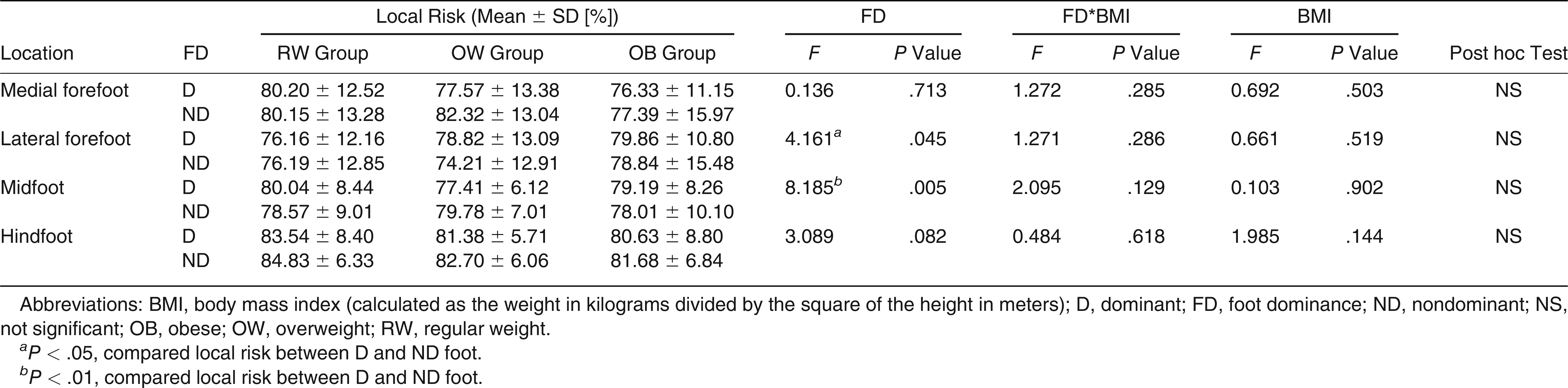
Table 3 shows the comparison results of local risk percentage among the RW, OW, and OB groups. It was shown by the tests of within-subject effects that the local risks of the lateral forefoot and midfoot had significant within-subject differences, which means that the local risks of the lateral forefoot and midfoot on the dominant side are significantly higher than those on the nondominant side (P < .05). There was no interaction effect of foot dominance and BMI on the local risks of the medial forefoot, lateral forefoot, midfoot, and hindfoot (P > .05). It was shown by the tests of between-subject effects that the local risks of the medial forefoot, lateral forefoot, midfoot, and hindfoot had no significant between-subject differences (P > .05).
Table 3. Comparison of Local Risk Percentage Among the Three Study Groups (N = 96)
Japma 115 23210 t3

Foot Axis Parameters.

Table 4 shows the comparison results of the foot axis among the RW, OW, and OB groups. It was shown by the tests of within-subject effects that the foot axis exorotation, flexibility of the subtalar joint, and minimum and maximum subtalar joint angles had significant within-subject differences, which means that all of the variables on the dominant side are significantly higher than those on the nondominant side (P < .01). There was an interaction effect of foot dominance and BMI on the flexibility of the subtalar joint (P < .05). From the results of the tests of between-subject effects, all of the variables had no significant between-subject differences (P > .05).
Table 4. Comparison of the Foot Axis Among the Three Study Groups (N = 96)
Japma 115 23210 t4

Single-Foot Timing

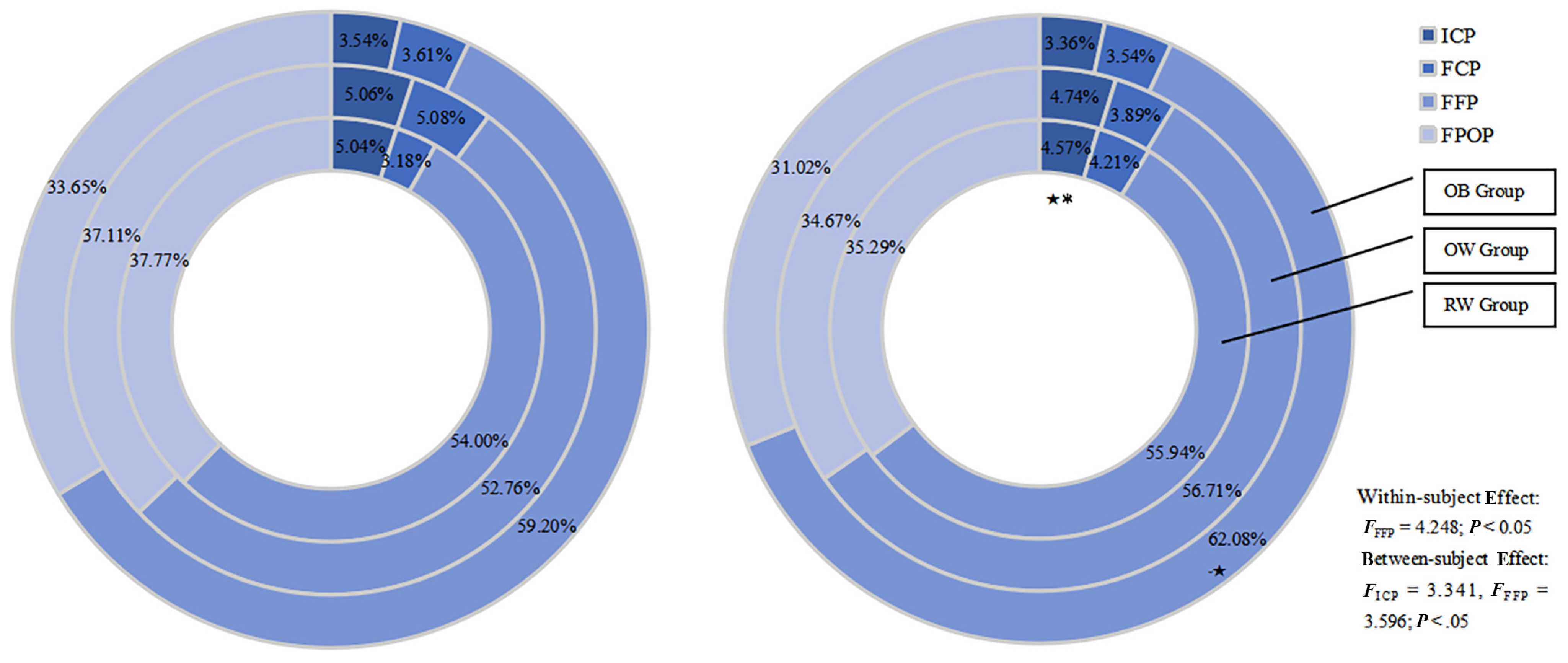
Figure 3 shows the comparison results of single-foot timing percentage among the RW, OW, and OB groups. It was shown by the tests of within-subject effects that the FFP phase had significant within-subject differences, which means that the FFP phase on the nondominant side was significantly longer than that on the dominant side (P < .05). There was no interaction effect of foot dominance and BMI in any of the phases (P < .05).
Figure 3. Comparison of single-foot timing among the three study groups (N = 96). Single-foot timing in the obese (OB) group was significantly shorter than that in the regular-weight (RW) group. *Single-foot timing in the OB group was significantly shorter than that in the overweight (OW) group. –★Single-foot timing in the OB group was significantly longer than that in the RW group. FCP, forefoot contact phase; FFP, foot flat phase; FPOP, forefoot push-off phase; ICP, initial contact phase.
Japma 115 23210 f3
From the results of the tests of between-subject effects, the phases of ICP and FFP had significant between-subject differences (P < .05). After the post hoc test, it was found that the ICP phase was longer in the RW and OW groups than in the OB group (P < .05); the FFP phase was longer in the OB group than in the RW group (P < .05).

Average Pressure and Peak Pressure Parameters.

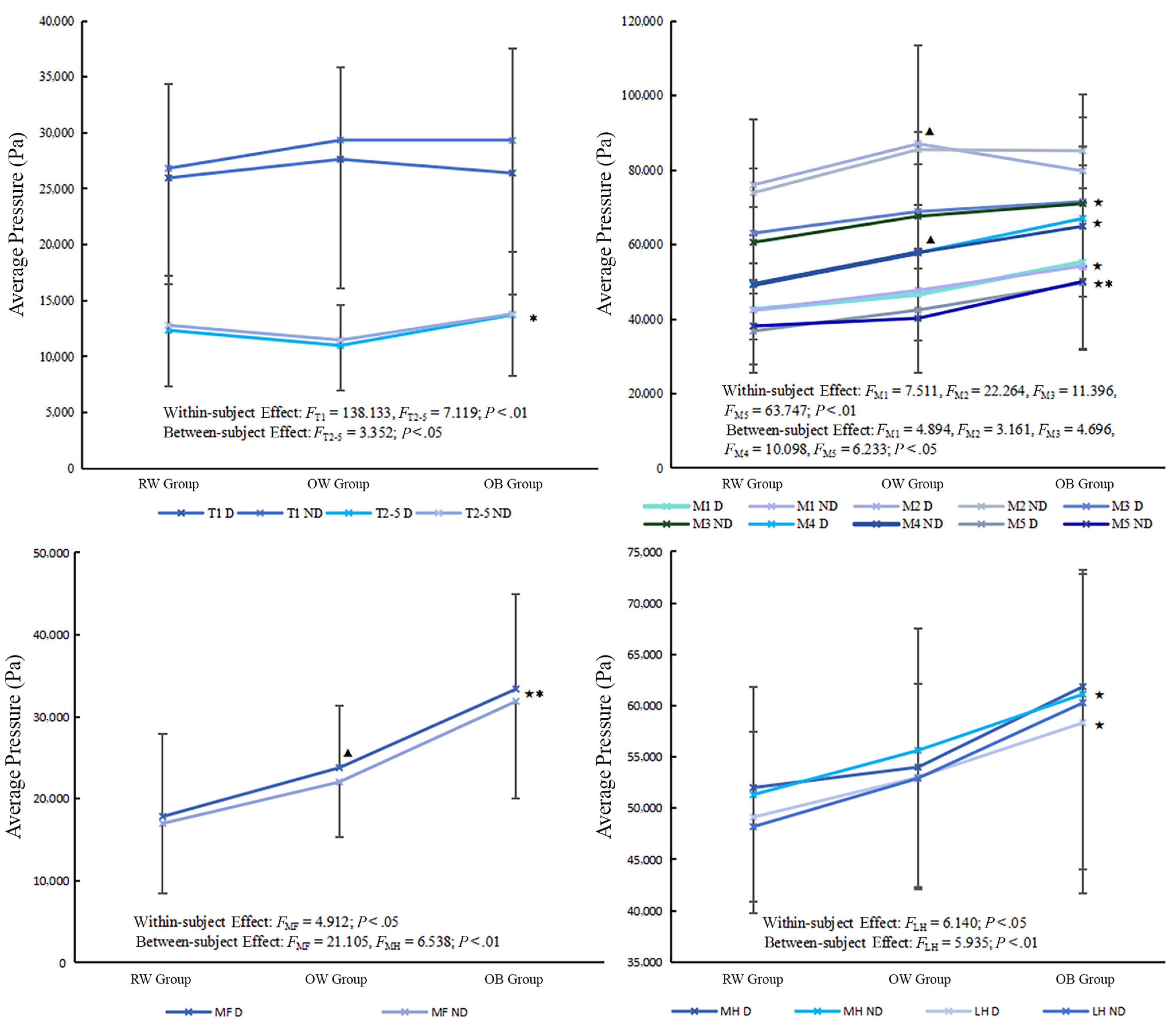
Figure 4 shows the comparison results of average pressure among the RW, OW, and OB groups. It was shown by the tests of within-subject effects that the average pressures on T1, T2-5, M1, M2, M3, M5, MF, and LH had significant within-subject differences (P < .01). There was no interaction effect of foot dominance and BMI on the average pressure (P > .05). From the results of the tests of between-subject effects, the average pressures on T2-5, M1, M2, M3, M4, M5, MF, MH, and LH had significant between-subject differences (P < .01). After the post hoc test, it was found that the average pressures on M4, M5, and MF in the RW and OW groups were all lower than those in the OB group (P < .01); the average pressures on M1, M3, MH, and LH in the RW group were all lower than those in the OB group (P < .05); the average pressure of T2-5 was lower in the OW group than in the OB group (P < .05); the average pressure of M2 was lower in the RW group than in the OW group (P < .05).
Figure 4. Comparison of average pressures among the three study groups (N = 96). Average pressure in the obese (OB) group was significantly higher than that in the regular-weight (RW) group. *Average pressure in the OB group was significantly higher than that in the overweight (OW) group. Average pressure in the OW group was significantly higher than that in the RW group. D, dominant; ND, nondominant; LH, lateral heel; M1, first metatarsal; M2, second metatarsal; M3, third metatarsal; M4, fourth metatarsal; M5, fifth metatarsal; MF, midfoot; MH, medial heel; ND, nondominant; T1, toe 1; T2-5, toes 2 to 5. Error bars represent SD.
Japma 115 23210 f4
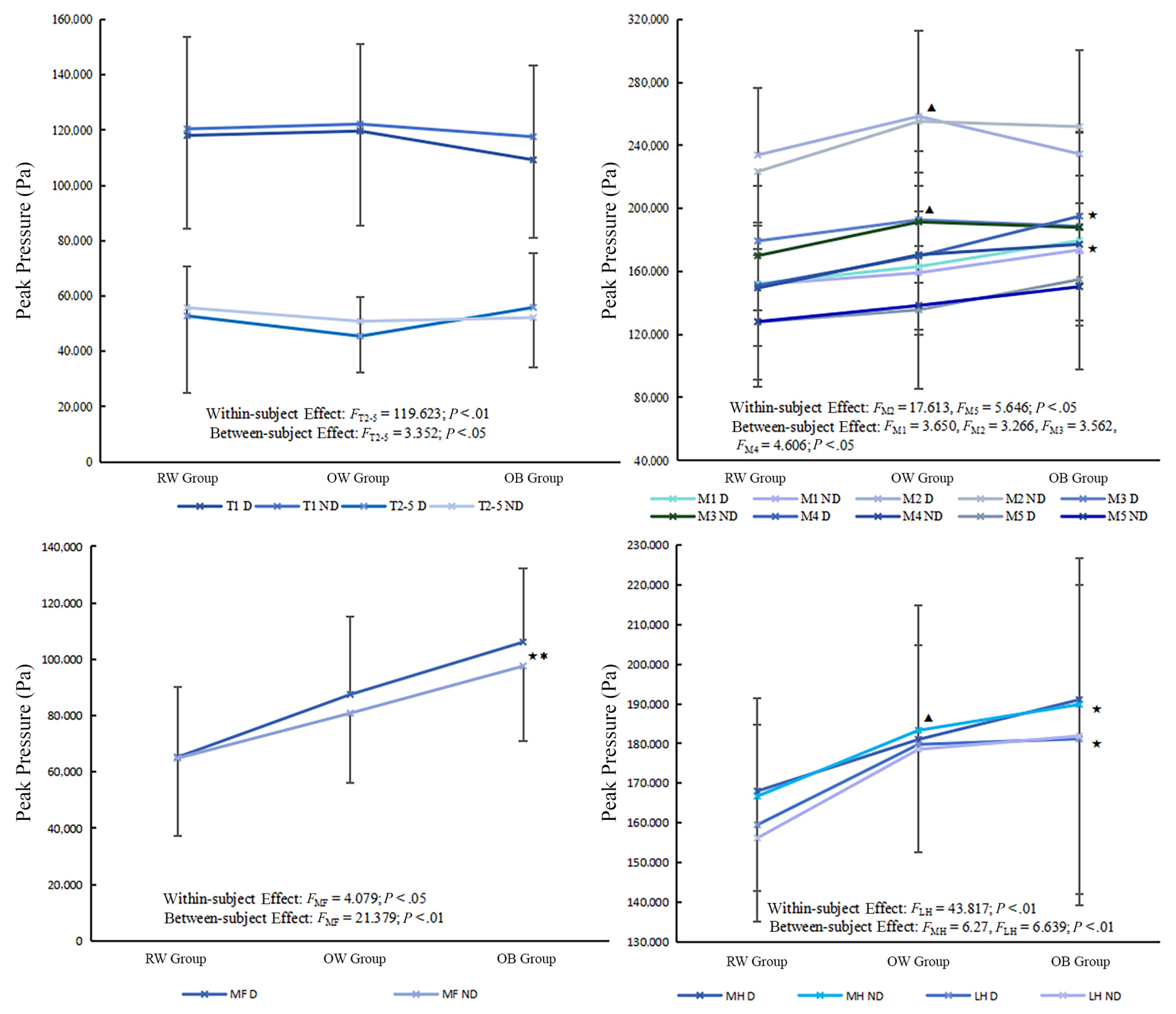
Figure 5 shows the comparison results of peak pressure among the RW, OW, and OB groups. It was shown by the tests of within-subject effects that the peak pressures on T2-5, M2, M5, MF, and LH had significant within-subject differences (P < .01). There was no interaction effect of foot dominance and BMI on the peak pressure (P < .05). From the results of the tests of between-subject effects, the peak pressures on M1, M2, M3, M4, MF, MH, and LH had significant between-subject differences (P < .01). After the post hoc test, it was found that the peak pressures of MF and LH in the RW group and OW group were all lower than those in the OB group (P < .01); the peak pressures on M1, M4, and MH in the RW group were all lower than those in the OB group (P < .05); the peak pressures on M2 and M3 in the RW group were both lower than those in the OW group (P < .05).
Figure 5. Comparison of peak pressures among the three study groups (N = 96). Peak pressure was significantly higher in the obese (OB) group than in the regular-weight (RW) group. *Peak pressure was significantly higher in the OB group than in the overweight (OW) group. Peak pressure was significantly higher in the OW group than in the RW group. D, dominant; FD, foot dominance; LH, lateral heel; M1, first metatarsal; M2, second metatarsal; M3, third metatarsal; M4, fourth metatarsal; M5, fifth metatarsal; MF, midfoot, MH, medial heel; ND, nondominant; T1, toe 1; T2-5, toes 2 to 5. Error bars represent SD.
Japma 115 23210 f5

Discussion

In this study, the following findings were noted: 1) The local risks of the lateral forefoot and midfoot, the minimum and maximum subtalar joint angles, the flexibility of the subtalar joint, the phase of FFP, along with the average pressures on T1, T2-5, M1-3, M5, MF, and LH, and the peak pressures on T2-5, M2, M5, MF, and LH had significant within-subject differences. 2) There were significant between-subject differences in ICP and FFP; average pressures on T2-5, M1-5, MF, MH, and LH; and peak pressures on M1-4, MF, MH, and LH. 3) There was an interaction effect between foot dominance and BMI on the flexibility of the subtalar joint.
Local risk, which is a straightforward interpretation of risk that could provide possible percentages for each foot zone, is calculated with the Footscan risk analysis algorithm to evaluate the pain and injury risks for the dominant and nondominant lower limbs and feet. A prospective cohort study initially revealed that the risk assessment by Footscan software can predict injury in a military population [46], and another study of military new-entry trainees also found that individuals who had higher local risk percentages experienced more injuries [47]. Although foot injury and pain in civilians are not as severe as in militaries, daily life can still be hindered. A previous review noted that foot injury and pain are associated with falls, which are very common among older adults [48]. The evaluation of local risk may provide risk prediction of pain and injury, insight into a strategy for injury prevention, as well as mitigation of risk through orthotic intervention in the at-risk population [49]. It has been noted that the higher degrees of asymmetry among female runners render them more susceptible to higher injury risk [50], and Bredeweg et al [51] also emphasized that asymmetry was a causative factor for injuries. Although the participants in this study were community-dwelling older women and not athletes, as in the previously mentioned studies [50,51], asymmetry was also seen and noted in the significantly higher local risk of the lateral forefoot and midfoot of the dominant side compared with the nondominant side. This finding suggests that for older women, the risk of injury or pain is higher on the lateral forefoot and midfoot on the dominant side than on the nondominant side. Similarly, in a study by Niu et al [23], a greater injury risk was found on the dominant side during drop landing, the moment the foot hits the ground, compared with the nondominant side, although the ankle joint was taken as the objective, not the foot. Thus, risk assessment of pain and injury on the dominant side should be taken seriously, especially on the lateral forefoot and midfoot.
The foot axis exorotation is the positive degree of rotation of the foot away from the foot axis line in relation to the gait direction. A prospective study by Menz et al [52] clarified that the larger foot rotation of older people is associated with the reduction of balance and functional abilities. It has been validated that older adults with greater foot rotation have a higher risk of falling [53]. The foot axis exorotation was found to be increased in the dominant foot of older women. This result is consistent with the findings of Gao et al [33] despite their participants being young adults. Therefore, we can conclude that the older adult whose dominant foot has greater foot rotation is more likely to fall, which may be related to increased external rotation of the foot and limb [25,54]. The subtalar joint angle provides an indication of the amount of frontal plane rearfoot motion in relation to the ground, that is, the vertical axis of the foot, during ICP [55]. The maximum value refers to the maximal pronation position of the rearfoot in relationship to the ground during ICP, and the minimum value refers to the maximal supination position. In this study, the higher minimum and maximum subtalar joint angles on the dominant side were both significantly observed. An increase in the maximum subtalar joint angle indicates that a more pronated rearfoot results in more difficulties in supporting the arch, thereby increasing the likelihood of injury. An increased minimum subtalar joint angle indicates that the rearfoot is locked and the connective tissues cannot fully use elasticities to absorb shock, resulting in the direct impulsion of these instantaneous loads on the lower extremity and pedal joints, resulting in an increased likelihood of joint injury [22]. Therefore, older women are more likely to experience joint injury and pain in their dominant foot. The flexibility of the subtalar joint is demonstrated through the difference between the minimum and maximum subtalar joint angle. This study reveals an interactive effect of foot dominance and BMI, but no within-subject effects of BMI, confirming the previous finding [22]. These findings demonstrate that although body weight is regarded as a key parameter correlated to the supination of the rearfoot [56], the influence of body weight on the flexibility of the subtalar joint is not independent, and the differences in the flexibility of the subtalar joint among older adults are simultaneously influenced by foot dominance.
In review of single-foot timing, the percentage of each phase during total foot contact in the process of walking forward is accurately calculated. In this study, the nondominant side had a significantly longer FFP, which is the longest duration in the total-contact time. It indicates that the stabilizing effect of the nondominant side during walking is greater than that of the dominant side. Likewise, note that multiple studies of older adults have reported similar findings. Sadeghi et al [57] found that the nondominant lower extremity worked better in posture stabilizing, and Young et al [58] clarified that the nondominant leg was less active than the dominant leg, resulting in greater balance asymmetry. The effects of BMI on ICP and FFP were also noted in this study. Obese older women had a shorter duration between IFC and IMC than regular-weight and overweight older women, but they had a longer duration between IFFC and HO. A study of postmenopausal women (average age >57 years) [59] had results consistent with the present findings. That is, in obese older women, the duration of the heel contacting ground is shorter but the duration of the forefoot and midfoot is longer, so the stability is mainly maintained by the forefoot and midfoot.
Regarding plantar pressure, this study shows that there were significant effects of foot dominance on plantar pressure, verifying the existence of the asymmetry in plantar pressure [33]. More specifically, through the research results, we mainly found that the average pressures on M2, LH, and T1 on the nondominant side were higher than those on the dominant side; in contrast, the peak pressures on M2, M5, MF, and LH, as well as the average pressures on M1, M3, M5, and MF on the dominant side were higher than those on the nondominant side. In previous studies of young adults, the values of plantar pressure on M3 and LH [32], and the variability of peak force beneath the lateral forefoot [60], were also asymmetrical. These results indicate that the nondominant side plays a greater stabilizing role when touching on and off the ground, and the dominant side plays a role in propulsion. The study by Seeley et al [31] is in line with this study. This was completed by comparing bilateral ground reaction force impulses of each limb in young adults. In addition to the effect of foot dominance, this study also reports the effect of body mass on plantar pressure, which was in line with previous studies [61,62,63]. Importantly, obese older women were noted to have the highest peak pressures in the midfoot and lateral heel, which are associated with foot pain or injury [20]. This study reveals that each limb has a different role in older women during walking. This study also suggests that the lateral midfoot and hindfoot of obese older women have an increased risk of pain or injury, which may result in decreased functional ability.
Above all, the significance of this study is that we not only further revealed the effect of body mass on plantar pressures but also discovered the existence of asymmetry on plantar pressures and the instability during walking in the elderly women by analyzing the effect of foot dominance on plantar pressures. These findings may indicate that the development of symmetry and stability of the lower limbs in older women, especially in overweight and obese women, should be given more attention, which could assist in the prevention of foot injury and falls, the treatment of painful symptoms, and the improvements in orthotic interventions.
This study has the following limitations. First, because the causes of the dominant influence on asymmetry and instability are too complex, including but not limited to diversity in muscle recruitment [64], difference of joint kinetics [57], limb-length inequality [65], and gait pathology [57], it was impossible to demonstrate the mechanism of the dominant influence. Second, because this study focuses on older women, the results may not be applicable to older men. Thus, in the future, we will consider recruiting more older men to participate in the study and adding additional tests, such as measurements of muscle strength, joint angle range, and pain assessment, to investigate the effects on different sexes and illustrate the reasons for the existence of dominant influence.

Conclusions

This study yields three major findings. The first finding notes that the nondominant foot has a lower foot axis exorotation, a smaller range of subtalar joint angle, a larger FFP, and higher average pressures on toes and lateral heel, undertaking better stability, especially when touching on and off the ground during walking. In contrast, the dominant foot, which experiences greater average pressures on the metatarsal and midfoot, plays a better role in propulsion but is more prone to pains, injuries, and even falls during walking. In the second finding, obese older women have the shortest ICP, the highest FFP, and the highest peak pressures, especially on the midfoot and lateral heel, indicating that the forefoot and midfoot are primarily responsible for maintaining stability, whereas the lateral of the midfoot and hindfoot are more likely to experience pain and discomfort. The third finding notes that the flexibility of the subtalar joint is simultaneously influenced by foot dominance and body mass.

Acknowledgment

All of the participants, experimental testers, and community workers.

Financial Disclosure

This research was supported by the Major Program of National Fund of Philosophy and Social Science of China (23ZDA101), the Strategic Research and Consulting Project of the Chinese Academy of Engineering (2022-XBZD-30), the National Key Research and Development Program of China (2018YFC2000603), the Beijing Municipal Social Science Foundation (22YTB007), and the National Social Science Fund of China (22CRK005).

Conflict of Interest

None reported.

Data Availability

The data presented in this study are available on request from the corresponding authors. Because of privacy concerns, not all data are available.

References

  1. World Health Organization, Getting Ready for the Decade of Healthy Ageing 2021-2030. In Decade of Healthy Ageing: Baseline Report - Summary; World Health Organization: Geneva; 2021; p. 4.
  2. World Health Organization, Executive Summary,” in Decade of Healthy Ageing; Baseline Report; p. xiii. World Health Organization; Geneva; 2020.
  3. Chen, X; Giles, J; Yao, Y; et al. The path to healthy ageing in China: a Peking University–Lancet Commission. Lancet 2022, 400, 1967. [Google Scholar]
  4. China Institute of Sport Science. The 5th national physical fitness monitor bulletin [in Chinese]. Available at: https://www.ciss.cn/tzgg/info/2021/32030.html (accessed on 31 December 2021).
  5. Xu, ZQ. Interpretation of the compilation process and results of the Empirical Incidence Table of Accidental Injury in China Insurance Industry (2021) [in Chinese]. Insurance Theory Pract 2022, 5, 17. [Google Scholar]
  6. World Health Organization. Falls. Available at: https://www.who.int/news-room/fact-sheets/detail/falls (accessed on 26 May 2021).
  7. Liu, M; Zhou, ZY; Ma, XW; et al. Effect of circuit training on muscle strength of lower limbs and balance ability in overweight and obese elderly women [in Chinese]. J Wuhan Inst Phys Educ 2021, 55, 95. [Google Scholar]
  8. World Health Organization, Care Dependence and Loss of Healthy Life. In China Country Assessment Report on Ageing and Health; p. 9. WHO Press; Geneva; 2016.
  9. Auyeung, TW; Lee, SW; Leung, J; et al. Age-associated decline of muscle mass, grip strength and gait speed: a 4-year longitudinal study of 3018 community-dwelling older Chinese. Geriatr Gerontol Int 2014, 14, 76. [Google Scholar]
  10. Studenski, S; Perera, S; Patel, K. Gait speed and survival in older adults. JAMA 2011, 305, 50. [Google Scholar]
  11. Hicks, GE; Shardell, M; Alley, DE; et al. Absolute strength and loss of strength as predictors of mobility decline in older adults: the InCHIANTI study. J Gerontol A Biol Sci Med Sci 2012, 67, 66. [Google Scholar]
  12. Lima-Costa, MF; de Andrade, FB; de Souza, PRB; et al. The Brazilian Longitudinal Study of Aging (ELSI-Brazil): objectives and design. Am J Epidemiol 2018, 187, 1345. [Google Scholar]
  13. Aliberti, MJR; Bertola, L; Szlejf, C; et al. Validating intrinsic capacity to measure healthy aging in an upper middle-income country: findings from the ELSI-Brazil. Lancet Reg Health Am 2022, 12, 100284. [Google Scholar]
  14. World Health Organization, Healthy Life Expectancy and Burden of Disease. In World Health Statistics 2022: Monitoring Health for the SDGs, Sustainable Development Goals; p. 21. World Health Organization; Geneva; 2022.
  15. National Center for Chronic and Noncommunicable Disease Control and Prevention: “Abstract. In Report on the Status of Elderly Health: Chronic Disease Risk Factor Surveillance in China; p. 34. Peoples Medical Publishing House; Beijing; 2012.
  16. Muchna, A; Najafi, B; Wendel, CS; et al. Foot problems in older adults: associations with incident falls, frailty syndrome, and sensor-derived gait, balance, and physical activity measures. JAPMA 2018, 108, 126. [Google Scholar]
  17. Hallemans, A; de Clercq, D; van Dongen, S; et al. Changes in foot-function parameters during the first 5 months after the onset of independent walking: a longitudinal follow-up study. Gait Posture 2006, 3, 142. [Google Scholar]
  18. Razak, AH; Zayegh, A; Begg, RK; et al. Foot plantar pressure measurement system: a review. Sensors (Basel) 2012, 12, 9884. [Google Scholar]
  19. Burnfield, JM; Few, CD; Mohamed, OS; et al. The influence of walking speed and footwear on plantar pressures in older adults. Clin Biomech 2004, 19, 78. [Google Scholar]
  20. Mickle, KJ; Munro, BJ; Lord, SR; et al. Foot pain, plantar pressures, and falls in older people: a prospective study. J Am Geriatr Soc 2010, 58, 1936. [Google Scholar]
  21. Bosch, K; Nagel, A; Weigend, L; et al. From “first” to “last” steps in life: pressure patterns of three generations. Clin Biomech 2009, 24, 676. [Google Scholar]
  22. Liu, M; Kang, N; Wang, D; et al. Analysis of lower extremity motor capacity and foot plantar pressure in overweight and obese elderly women. Int J Env Res Pub He 2023, 20, 3112. [Google Scholar]
  23. Niu, WX; Wang, Y; He, Y; et al. Kinematics, kinetics, and electromyogram of ankle during drop landing: a comparison between dominant and non-dominant limb. Hum Mov Sci 2011, 30, 614. [Google Scholar]
  24. Menz, HB. Chronic foot pain in older people. Maturitas 2016, 91, 110. [Google Scholar]
  25. Neamtu, MC; Neamtu, OM; Marin, MI; et al. Morphofunctional muscle changes influence on foot stability in multiple sclerosis during gait prediction: the rehabilitation potential. J Back Musculoskelet 2018, 31, 469. [Google Scholar]
  26. Polk, JD; Stumpf, RM; Rosengren, KS. Limb dominance, foot orientation and functional asymmetry during walking gait. Gait Posture 2017, 52, 140. [Google Scholar]
  27. McGrath, R; Blackwell, TL; Ensrud, KE; et al. The associations of handgrip strength and leg extension power asymmetry on incident recurrent falls and fractures in older men. J Gerontol A Biol Sci Med Sci 2021, 76, e221. [Google Scholar]
  28. Matsuno, S; Yoshimura, A; Yoshiike, T; et al. Toe grip force of the dominant foot is associated with fall risk in community-dwelling older adults: a cross-sectional study. J Foot Ankle Res 2022, 15, 42. [Google Scholar]
  29. Yoshida, T; Ikemiyagi, F; Ikemiyagi, Y; et al. The dominant foot affects the postural control mechanism: examination by body tracking test. Acta Otolaryngol 2014, 134, 1146. [Google Scholar]
  30. Yoshida, T; Tanaka, T; Tamura, Y; et al. Dominant foot could affect the postural control in vestibular neuritis perceived by dynamic body balance. Gait Posture 2018, 59, 157. [Google Scholar]
  31. Seeley, MK; Umberger, BR; Shapiro, R. A test of the functional asymmetry hypothesis in walking. Gait Posture 2008, 28, 24. [Google Scholar]
  32. Wafai, L; Zayegh, A; Woulfe, J; et al. Identification of foot pathologies based on plantar pressure asymmetry. Sensors 2015, 15, 20392. [Google Scholar]
  33. Gao, Z; Mei, Q; Xiang, L; et al. Effects of limb dominance on the symmetrical distribution of plantar loading during walking and running. P I Mech Eng P-J Spo 2020, 236, 17. [Google Scholar]
  34. Willems, T; Witvrouw, E; Delbaere, K; et al. Relationship between gait biomechanics and inversion sprains: a prospective study of risk factors. Gait Posture 2005, 21, 379. [Google Scholar]
  35. De Cock, A; Willems, T; Witvrouw, E; et al. A functional foot type classification with cluster analysis based on plantar pressure distribution during jogging. Gait Posture 2006, 23, 339. [Google Scholar]
  36. Lawton, MP; Brody, EM. Assessment of older people: self-maintaining and instrumental activities of daily living. Gerontologist 1969, 9, 179. [Google Scholar]
  37. Ardern, CL; Taylor, NF; Feller, JA; et al. Sports participation 2 years after anterior cruciate ligament reconstruction in athletes who had not returned to sport at 1 year: a prospective follow-up of physical function and psychological factors in 122 athletes. Am J Sports Med 2015, 23, 848. [Google Scholar]
  38. Lindskog, J; Piussi, R; Simonson, R; et al. Lower rates of return to sport in patients with generalised joint hypermobility two years after ACL reconstruction: a prospective cohort study. BMC Sports Sci Med Rehabil 2023, 15, 100. [Google Scholar]
  39. Xia, C; Sun, M; Li, X; et al. Health-related quality of life and related factors among primary caregivers of children with disabilities in Shanghai, China: a cross-sectional study. Int J Environ Res Pub Health 2020, 24, 9299. [Google Scholar]
  40. Graf, CL. Lawton Instrumental Activities of Daily Living (IADL) Scale. Am J Nurs 2008, 8, 52. [Google Scholar]
  41. Siriwardhana, DD; Walters, K; Rait, G; et al. Cross-cultural adaptation and psychometric evaluation of the Sinhala version of Lawton Instrumental Activities of Daily Living Scale. PLoS One 2018, 13, e0199820. [Google Scholar]
  42. Xu, C; Wen, XX; Huang, L-Y; et al. Normal foot loading parameters and repeatability of the Footscan® platform system. J Foot Ankle Res 2017, 10, 30. [Google Scholar]
  43. Xu, C; Wen, XX; Huang, L-Y; et al. Reliability of the Footscan® platform system in healthy subjects: a comparison of without top-layer and with top-layer protocols. BioMed Res Int 2017, 2017, 2708712. [Google Scholar]
  44. Chan, O; O’Dowd, D; Padhiar, N; et al. High volume image guided injections in chronic Achilles tendinopathy. Disabil Rehabil 2008, 30, 1697. [Google Scholar]
  45. Yan, AF; Sinclair, PJ; Hiller, C; et al. Impact attenuation during weight bearing activities in barefoot vs. shod conditions: A systematic review. Gait Posture 2012, 38, 175. [Google Scholar]
  46. Franklyn-Miller, A; Bilzon, J; Wilson, C; et al. Can RSscan Footscan D3D software predict injury in a military population following plantar pressure assessment? a prospective cohort study. Foot 2014, 24, 6. [Google Scholar]
  47. Wilssens, J. Can the RSscan Footscan® system predict and reduce injuries? Footwear Sci 2009, 1, 87. [Google Scholar]
  48. Kirstyn, J; Ariela, RO; Schwartz, AW. Foot examination for older adults. Am J Med 2021, 134, 30. [Google Scholar]
  49. Reynolds, K; Williams, J; Miller, C; et al. Injuries and risk factors in an 18-day Marine winter mountain training exercise. Mil Med 2000, 165, 905. [Google Scholar][Green Version]
  50. Zifchock, RA; Davis, I; Hamill, J. Kinetic asymmetry in female runners with and without retrospective tibial stress fractures. J Biomech 2006, 39, 2792. [Google Scholar]
  51. Bredeweg, SW; Buist, I; Kluitenberg, B. Differences in kinetic asymmetry between injured and noninjured novice runners: a prospective cohort study. Gait Posture 2013, 38, 847. [Google Scholar]
  52. Menz, HB; Morris, ME; Lord, SR. Foot and ankle risk factors for falls in older people: a prospective study. J Gerontol A Biol Sci Med Sci 2006, 61, 866. [Google Scholar]
  53. Kasović, M; Štefan, L; Zvonar, M. Foot rotation and the risk of falls in older women: a cross-sectional study. PLoS One 2020, 15, e0239065. [Google Scholar]
  54. Yan, SH; Zhang, K; Tan, GQ; et al. Effects of obesity on dynamic plantar pressure distribution in Chinese prepubescent children during walking. Gait Posture 2013, 37, 37. [Google Scholar]
  55. Krähenbühl, N; Horn-Lang, T; Hintermann, B; et al. The subtalar joint: a complex mechanism. EFORT Open Rev 2017, 2, 309. [Google Scholar]
  56. Payne, C; Munteanu, S; Miller, K. Position of the subtalar joint axis and resistance of the rearfoot to supination. JAPMA 2003, 93, 131. [Google Scholar]
  57. Sadeghi, H; Allard, P; Prince, F; et al. Symmetry and limb dominance in able-bodied gait: a review. Gait Posture 2000, 12, 34. [Google Scholar]
  58. Young, PM; Whitall, J; Bair, WN; et al. Leg preference associated with protective stepping responses in older adults. Clin Biomech 2013, 28, 927. [Google Scholar]
  59. Silva, D; Gabriel, R; Moreira, M; et al. Differences in foot contact times between obese and non-obese postmenopausal women when crossing obstacles. Somatosens Mot Res 2018, 35, 170. [Google Scholar]
  60. Wang, Y; Watanabe, K. Limb dominance related to the variability and symmetry of the vertical ground reaction force and center of pressure. J Appl Biomech 2012, 28, 473. [Google Scholar]
  61. Mickle, KJ; Steele, JR. Obese older adults suffer foot pain and foot-related functional limitation. Gait Posture 2015, 42, 442. [Google Scholar]
  62. McNab, B; Sadler, S; Lanting, S; et al. The relationship between foot and ankle joint flexibility measures and barefoot plantar pressures in healthy older adults: a cross-sectional study. BMC Musculoskelet Dis 2022, 23, 1. [Google Scholar]
  63. Neri, SGR; Gadelha, AB; Correia, ALM; et al. Obesity is associated with altered plantar pressure distribution in older women. J Appl Biomech 2017, 33, 323. [Google Scholar]
  64. John, CT; Seth, A; Schwartz, MH; et al. Contributions of muscles to mediolateral ground reaction force over a range of walking speeds. J Biomech 2012, 45, 2438. [Google Scholar]
  65. Kaufman, KR; Miller, LS; Sutherland, DH. Gait asymmetry in patients with limb-length inequality. J Pediatr Orthop 1996, 16, 144. [Google Scholar]