There are approximately 1.6 million people in the United States living with a major lower-extremity amputation (eg, proximal to the ankle).[
1] This number is expected to increase in the coming years. Although some are attributable to traumatic events, most are nontraumatic and are the result of systemic disease. Most amputations seen in podiatric medicine and surgery are secondary to diabetes mellitus and limb ischemia. These amputations, whether minor (eg, distal to the ankle) or major, alter patient’s lives dramatically. Furthermore, amputations are very costly to the US healthcare system. A minor amputation can cost up to
$13,850 per episode, and a major amputation can cost up to
$73,813 per episode.[
2] Limb salvage procedures in podiatric medicine and surgery play a vital role in prevention of such amputations.
As seen in the last few years, coronavirus disease of 2019 (COVID-19) can cause severe respiratory and cardiovascular problems. Xie et al[
3] reported hemodynamic instability in COVID-19 intensive care unit (ICU) patients, likely secondary to multiple factors such as sepsis, deep sedation during mechanical ventilation, or fluid restriction to prevent pulmonary edema. Up to 40% of COVID-19 ICU patients will require vasopressor use because of hemodynamic instability. Vasopressors are medications intended to induce vasoconstriction and increase mean arterial pressure, which may be necessary for life-threatening hypotension. Vasopressors stimulate
α1-adrenergic,
β1-adrenergic,
β2-adrenergic, and dopamine receptors. Stimulating these receptors induces vasoconstriction and increases heart rate and contractility, leading to an increase in blood pressure.[
4] According to the Surviving Sepsis Guidelines, the initial vasopressors of choice include dopamine or norepinephrine. Vasopressin is often used to serve as a supplement to norepinephrine. Dopamine, epinephrine, and norepinephrine have all been previously reported to cause digital gangrene, with the first case reported in 1973. Specifically, vasoconstriction occurs at doses higher than 10 to 20 µg/kg/min. This is especially true for patients with disseminated intravascular coagulation (DIC), hypovolemia, and/or ischemic hepatitis. With DIC, there is thrombotic occlusion of the microvasculature, which increases the likelihood of limb ischemia.[
5] Disseminated intravascular coagulation is a major complication of septic shock that occurs in approximately 35% of patients.[
6] Because these conditions increase the development of peripheral gangrene, performing a complete and thorough history and physical examination is critical to help prevent occurrence. Furthermore, it is important to have early conversations with the patient and the family regarding potential outcomes such as amputation.[
5]
Indications for vasopressor use include a mean arterial pressure of less than 60 mmHg, or end-organ dysfunction because of hypoperfusion.[
4] Although vasopressors may be necessary to control hemodynamic instability, they also may induce acute ischemic events by occluding distal vasculature. To stratify a patient’s risk of developing vasopressor-induced gangrene, Kwon et al[
7] used the Sequential Organ Failure Assessment. The Sequential Organ Failure Assessment score includes respiratory, renal, hepatic, cardiovascular, hematologic, and neurologic systems. It has been shown that patients with poor scores in the cardiovascular, hematologic, and neurologic systems have a higher risk of developing vasopressor-induced gangrene. Patients with a higher weight-compensated mean dose of norepinephrine, dopamine, and epinephrine were also found to have an increased incidence of vasopressor-induced gangrene. Being aware of these risks may help to mitigate this complication.
Early recognition of signs and symptoms with prompt treatment of distal limb ischemia plays an important role in prevention. Monitoring for temperature change, discoloration, and pain may indicate developing gangrene after vasopressor use. A thorough vascular assessment, in addition to appropriate diagnostic studies, can help to determine what treatment may be necessary. Once onset is noted, the focus is on slowing or reversing the ischemia. This can be accomplished with sympathetic blockers and intravenous vasodilators. There have been reports of benefits with intravenous infusion of
α-adrenergic antagonists such as chlorpromazine hydrochloride. Local infiltration of the ischemic areas with
α-blockers and phosphodiesterase inhibitors such as phentolamine hydrochloride have also been shown to be effective. Phentolamine is a pure
α-blocker and is recommended over chlorpromazine. The recommended dose of phentolamine is a solution of 5 to 10 mg diluted in 15 cc of saline solution, and is administered into the area of ischemia.[
5] However, it is important to monitor patients for hypotension following administration. Lastly, nitroglycerine ointment and epoprostenol both have been reported as beneficial.[
5]
There is a lack of guidelines for the treatment of vasopressor-induced peripheral gangrene. Prior literature consists largely of case studies[
5,
9–
11] showing examples of limb preservation. Limb preservation is a viable option when ischemic areas remain free of infection and the gangrenous changes have fully demarcated. This is a case report highlighting a successful attempt at limb salvage in a patient that developed vasopressor-induced peripheral gangrene.
Case Report
A 37-year-old man presented to the University of Michigan podiatry clinic with gangrenous changes to bilateral hands and feet. His medical history included arthritis, chronic low back pain, and hypertension. He had a tonsillectomy as a child without complication. He had allergies to meperidine and gabapentin. His family history was notable for diabetes mellitus in his mother and father and cancer in his mother. He was a nonsmoker and did endorse previous alcohol and drug use, though not recently.
In November of 2021, he was found unresponsive on the floor of his home by family members. He was brought to the emergency department at an outside hospital, where he was diagnosed with COVID-19 and subsequently admitted to the ICU for further care. Over the course of his hospital stay, he developed two episodes of acute hypoxemic respiratory failure. His hospital course was also complicated by hemolytic anemia, bacterial pneumonia, acute kidney injury/rhabdomyolysis, and gangrenous changes to both hands and feet. During the hospitalization, the patient became septic and hypotensive secondary to bacterial pneumonia. He was treated with broad-spectrum antibiotics for the bacterial pneumonia and administered norepinephrine and vasopressin to improve the hypotension. Norepinephrine acts by stimulating the
β1- and
α-adrenergic receptors.
β-Adrenergic receptors increase heart rate and contractility, and
α-adrenergic receptors induce vasoconstriction.[
4] Vasopressin is a synthetic analog that increases cyclic adenosine monophosphate to decrease urine volume and osmolality.[
8]
The patient was stabilized hemodynamically but was noted to have ischemic changes to bilateral fingers and forefeet in the following days after vasopressor use. The podiatry and vascular surgery services were then both consulted. An arterial duplex scan was obtained that showed multiphasic waveforms to all lower-extremity arteries and no significant stenosis. All digits to bilateral feet were shown to have no blood flow. A venous duplex scan was also obtained that revealed an acute thrombus of the right small saphenous vein with no compression and all other veins patent. Because of these findings, neither team recommended immediate intervention, as the gangrene appeared secondary to small-vessel occlusion, and no acute signs of infection were noted. Wound care recommendations were made, consisting of povidone-iodine to the affected areas to help keep his toes clean and dry, and allowing for full demarcation to differentiate viable from nonviable tissue. He was discharged to a long-term care facility in December of 2021.
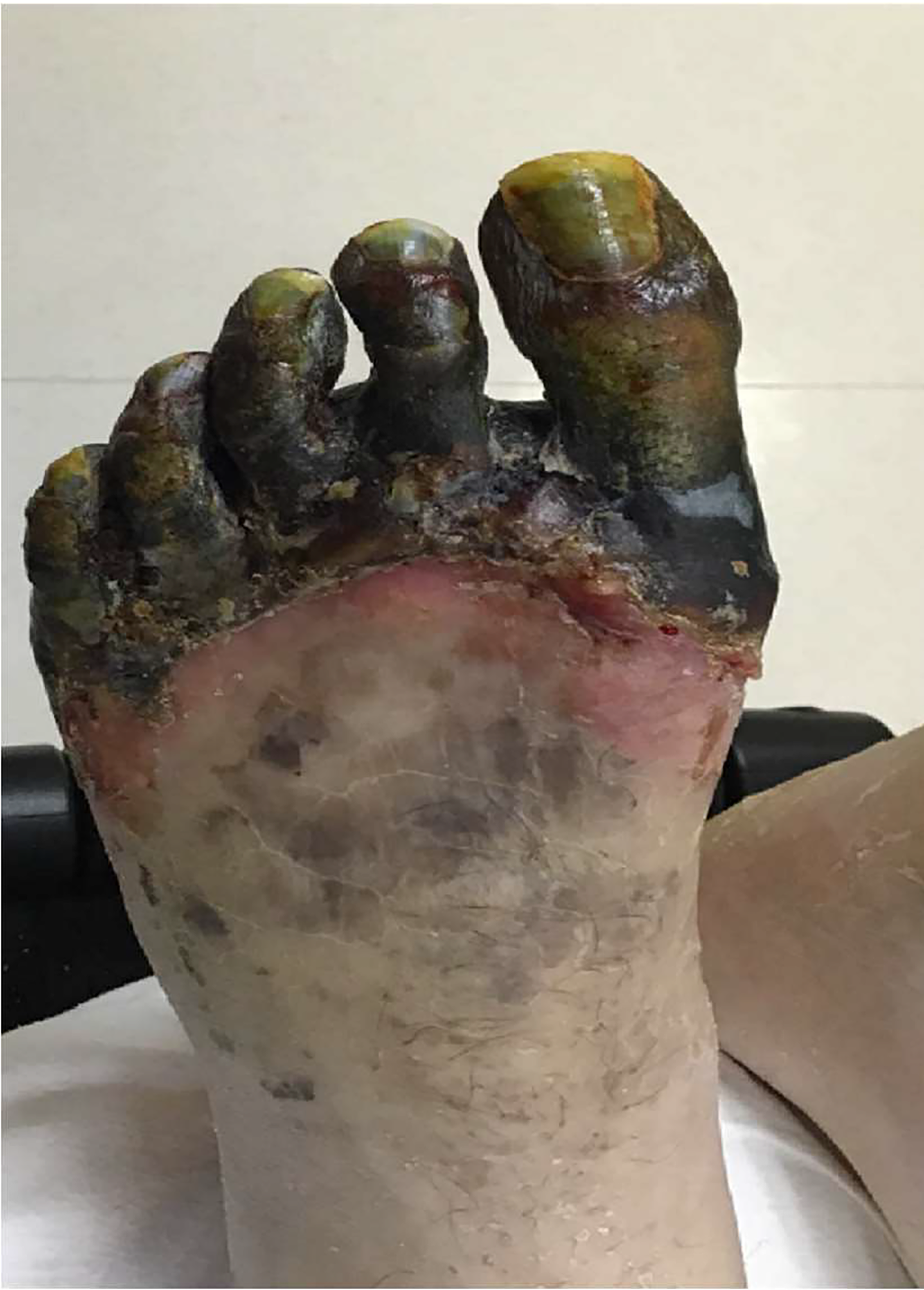
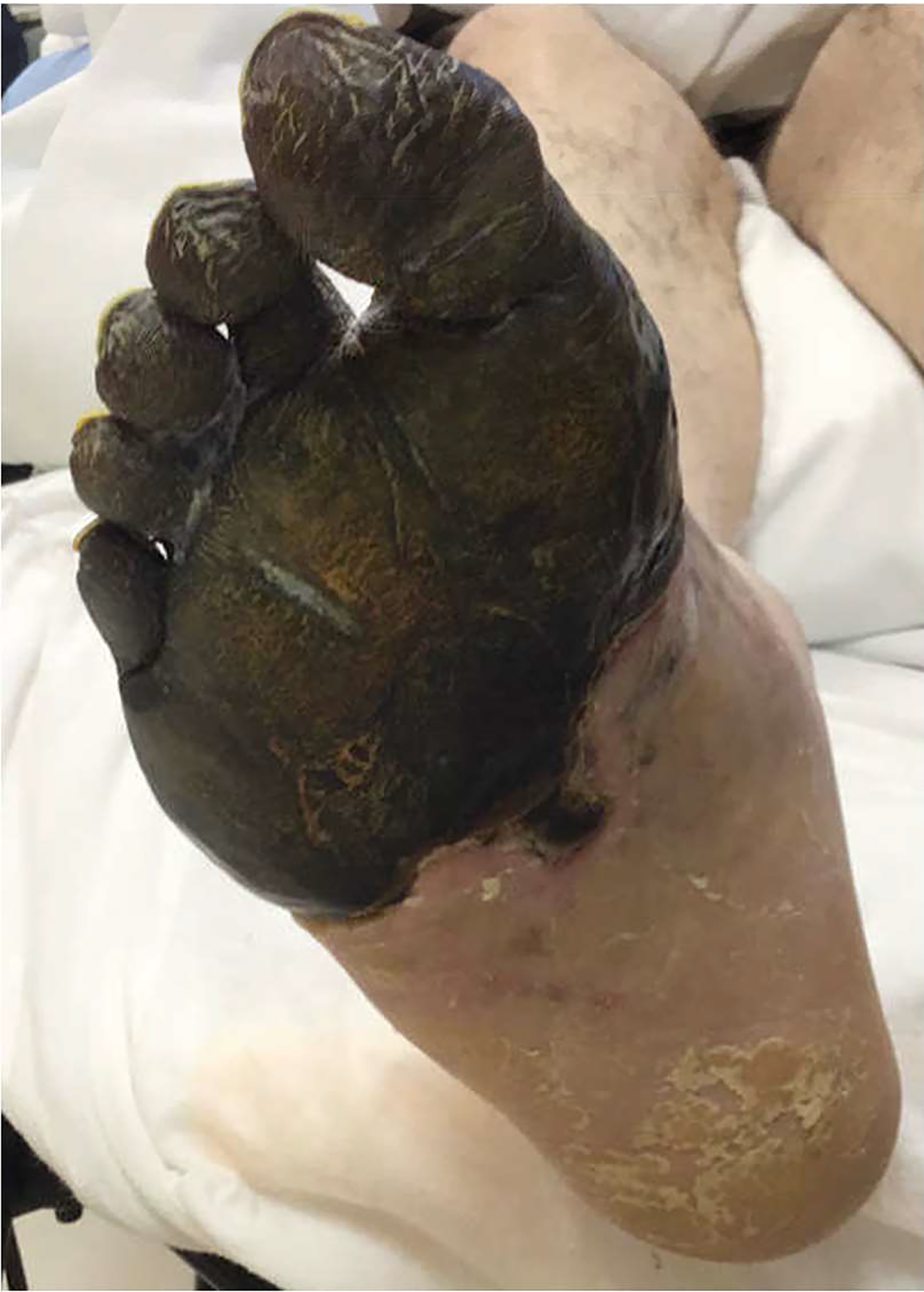
In May of 2022, he was referred to the University of Michigan outpatient podiatry clinic for continued foot care and plastic surgery clinic for hand care. During the podiatry clinic visits, he was found to have palpable dorsalis pedis and posterior tibialis pulses bilaterally. Capillary refill was noted to be intact proximal to the area of forefoot demarcation. His gross sensation was intact at the line of demarcation and no gross osseous deformities were noted. His left foot had gangrenous changes at the level of the metatarsal heads and extended distally to his toes, as shown in
Figures 1 and
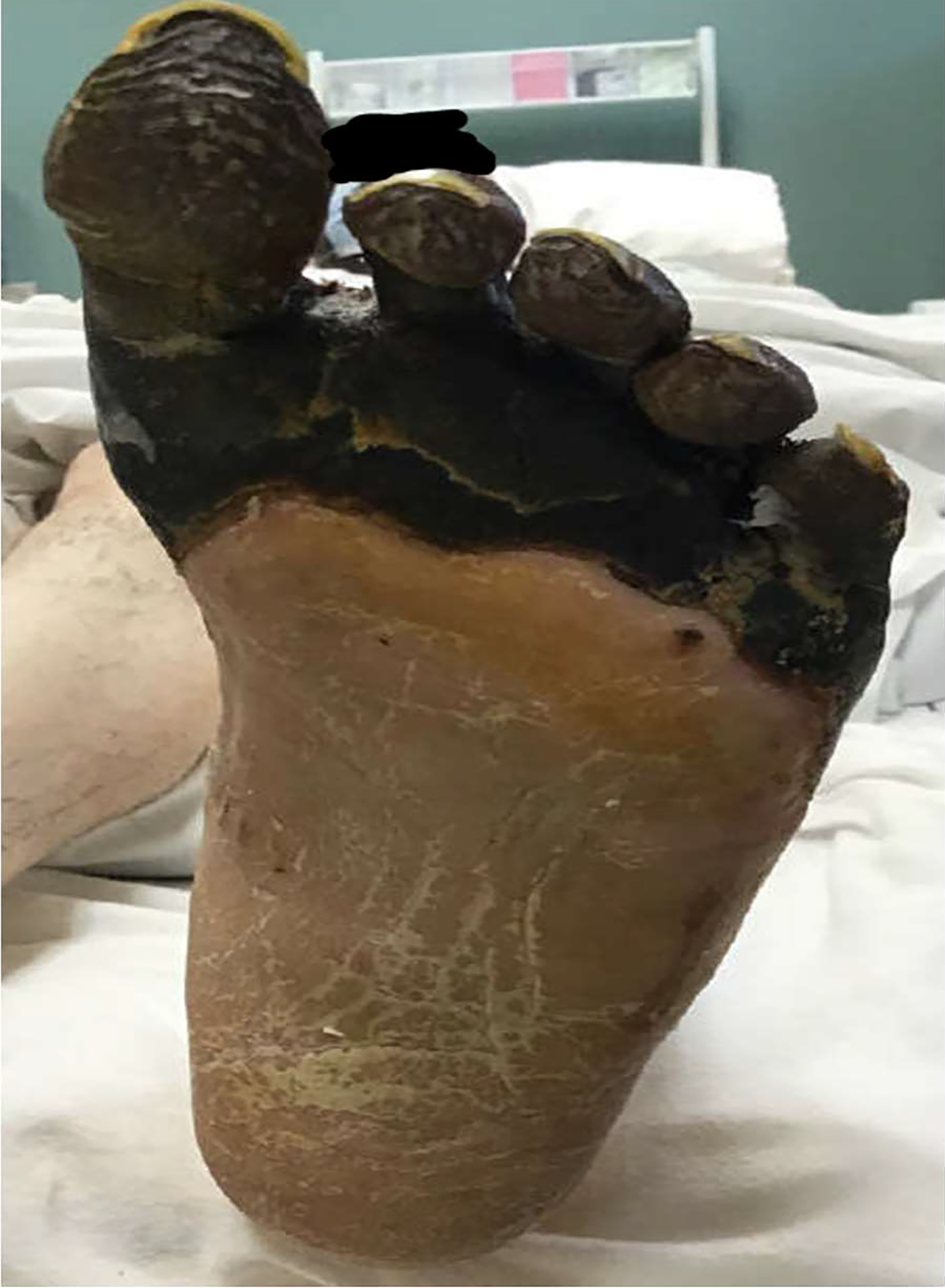
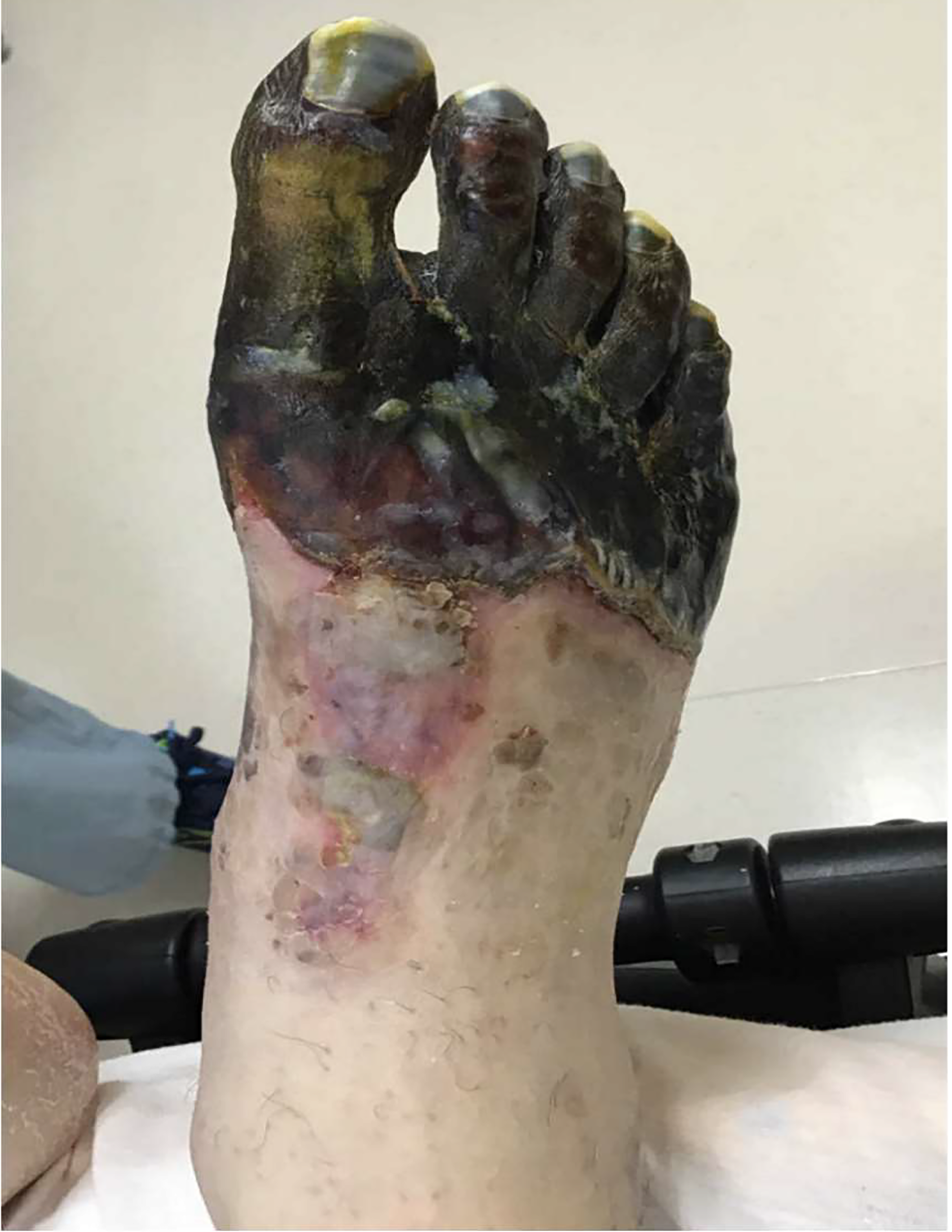
2. His right foot demonstrated gangrenous changes from the midshaft of his metatarsals and extended distally to his toes, as shown in
Figures 3 and
4. The gangrenous changes to both feet were well-adhered at the line of demarcation. No drainage, malodor, or fluctuance was noted.
Figure 1.
Left foot (dorsal view) at the time of presentation.
Figure 1.
Left foot (dorsal view) at the time of presentation.
Figure 2.
Left foot (plantar view) at the time of presentation.
Figure 2.
Left foot (plantar view) at the time of presentation.
Figure 3.
Right foot (dorsal view) at the time of presentation.
Figure 3.
Right foot (dorsal view) at the time of presentation.
Figure 4.
Right foot (plantar view) at the time of presentation.
Figure 4.
Right foot (plantar view) at the time of presentation.
He was followed closely in the clinic setting over the next few weeks to allow for full demarcation of each foot. After approximately 8 weeks of outpatient treatment, the patient elected to have multiple bilateral finger amputations with plastic surgery and a left transmetatarsal amputation with podiatry, as full demarcation of his fingers and left foot was noted. In July of 2022, the patient was admitted to the University of Michigan hospital by the plastic surgery team, with podiatry consulted during the admission. The podiatry and plastic surgery teams operated simultaneously on the patient. Plastic surgery performed amputations of the following structures: left thumb at the metacarpophalangeal joint, left index ray, left middle finger at the metacarpophalangeal joint, left ring finger and right middle finger at the proximal interphalangeal joint, right ring finger at the proximal interphalangeal joint, and right fifth finger at the distal interphalangeal joint. Podiatry performed the left transmetatarsal amputation, which was closed primarily.
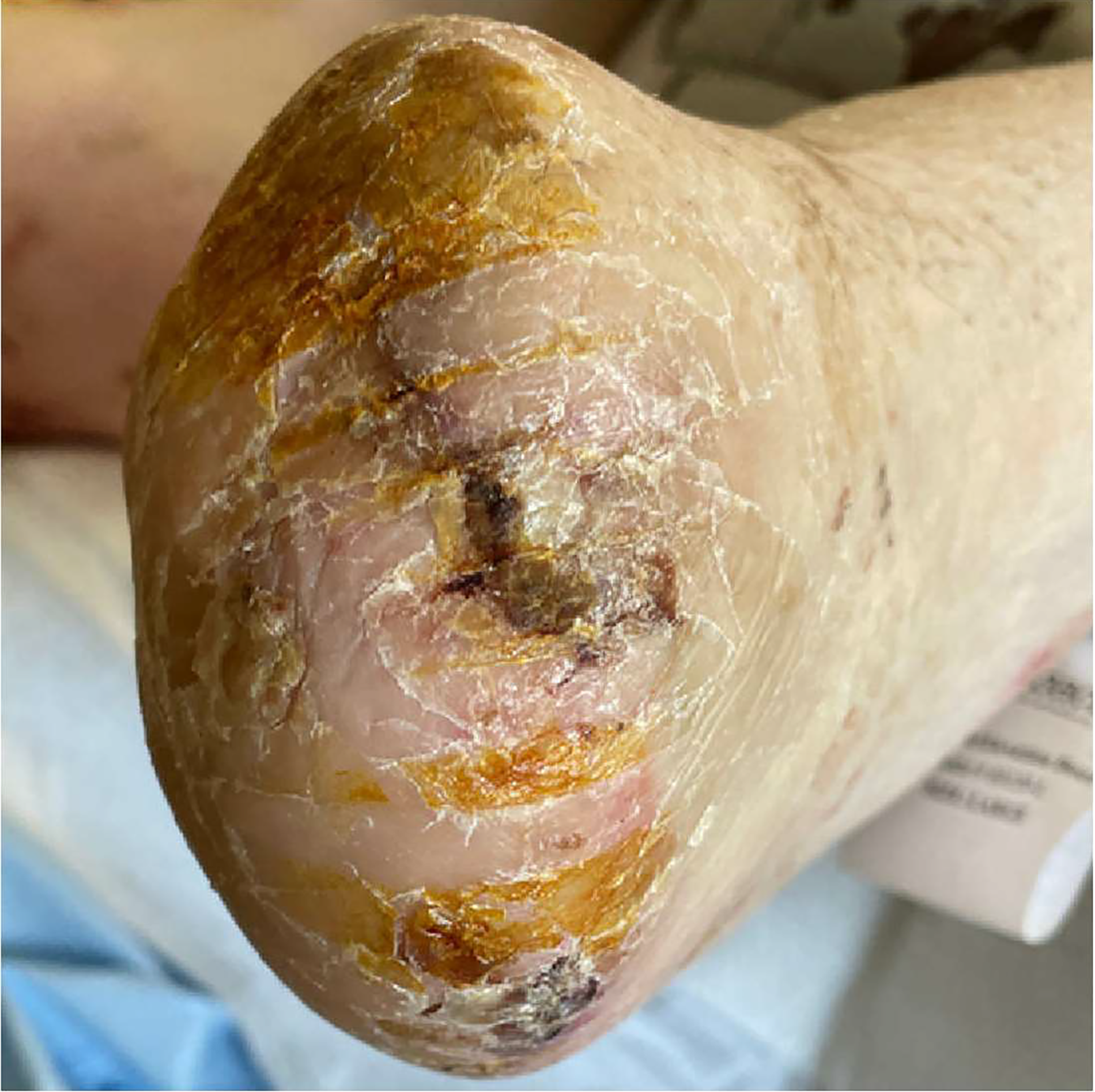
He was followed in the outpatient clinic for postoperative visits over the next 2 to 3 months. He continued to heal successfully except for a small area of dehiscence to the lateral aspect of the incision that was noted on suture removal. However, with continued wound care, this healed without complication as shown in
Figure 5. During his outpatient encounters, his right foot was also monitored continuously. The site demonstrated full demarcation and was deemed ready for surgical intervention. However, the right foot exhibited extensive soft-tissue loss, decreasing the potential for successful closure. This concern was discussed with the plastic surgery team. It was determined that a guillotine amputation with an anterolateral thigh flap to the right foot would allow for the best possible outcome for the patient. He was admitted for these procedures in August of 2022.
Figure 5.
Left foot transmetatarsal amputation.
Figure 5.
Left foot transmetatarsal amputation.
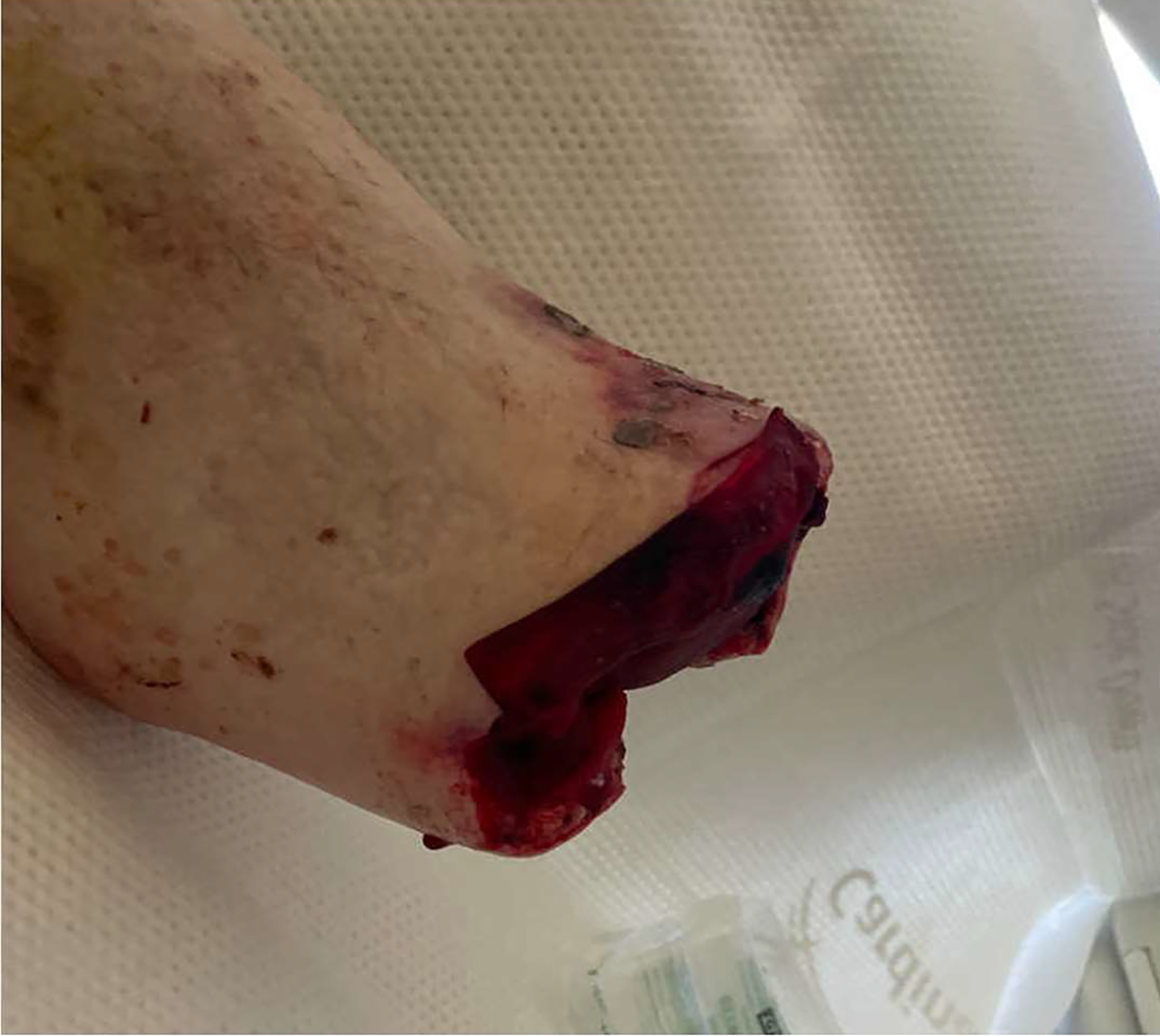
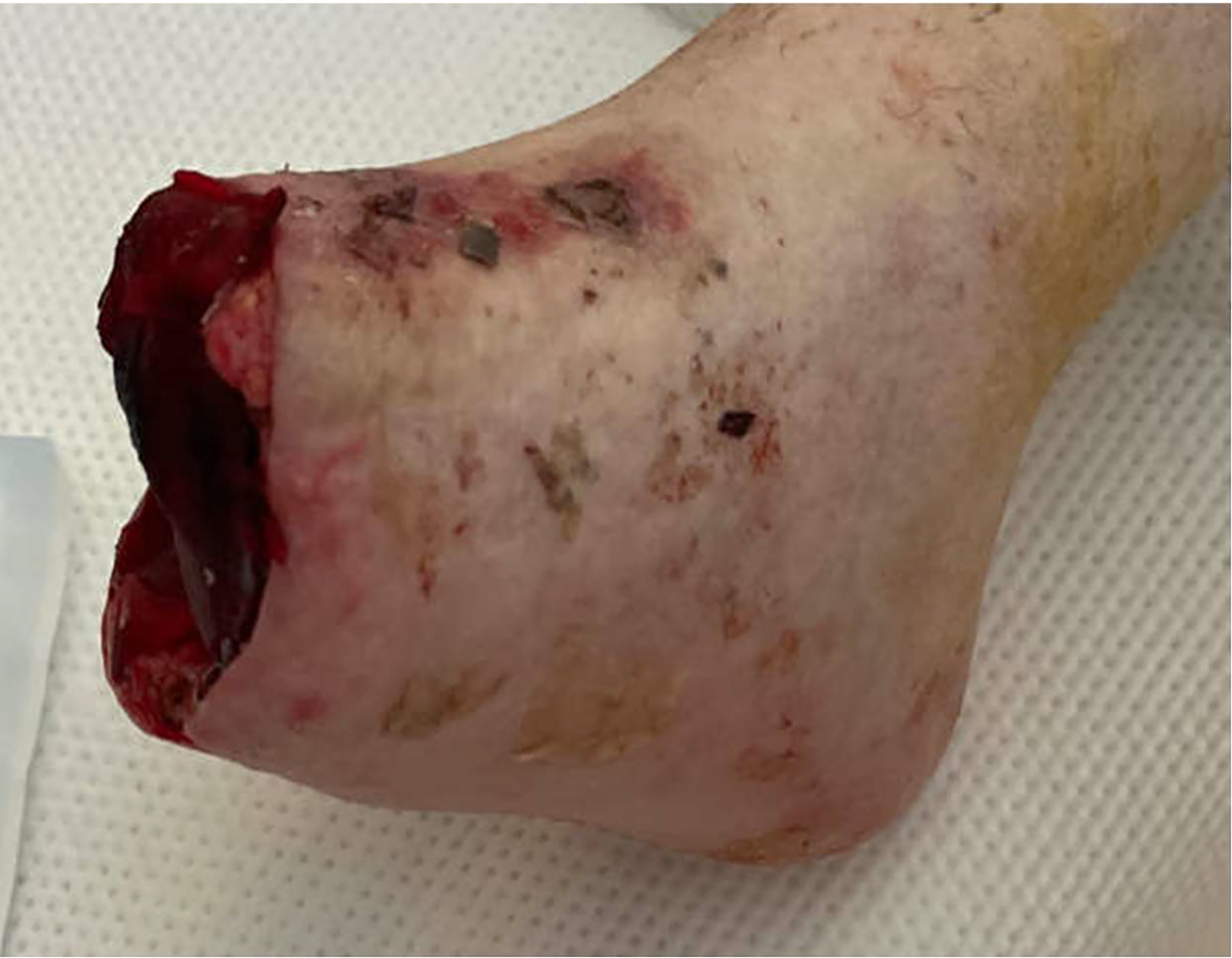
The patient underwent a right forefoot guillotine amputation as shown in
Figures 6 and
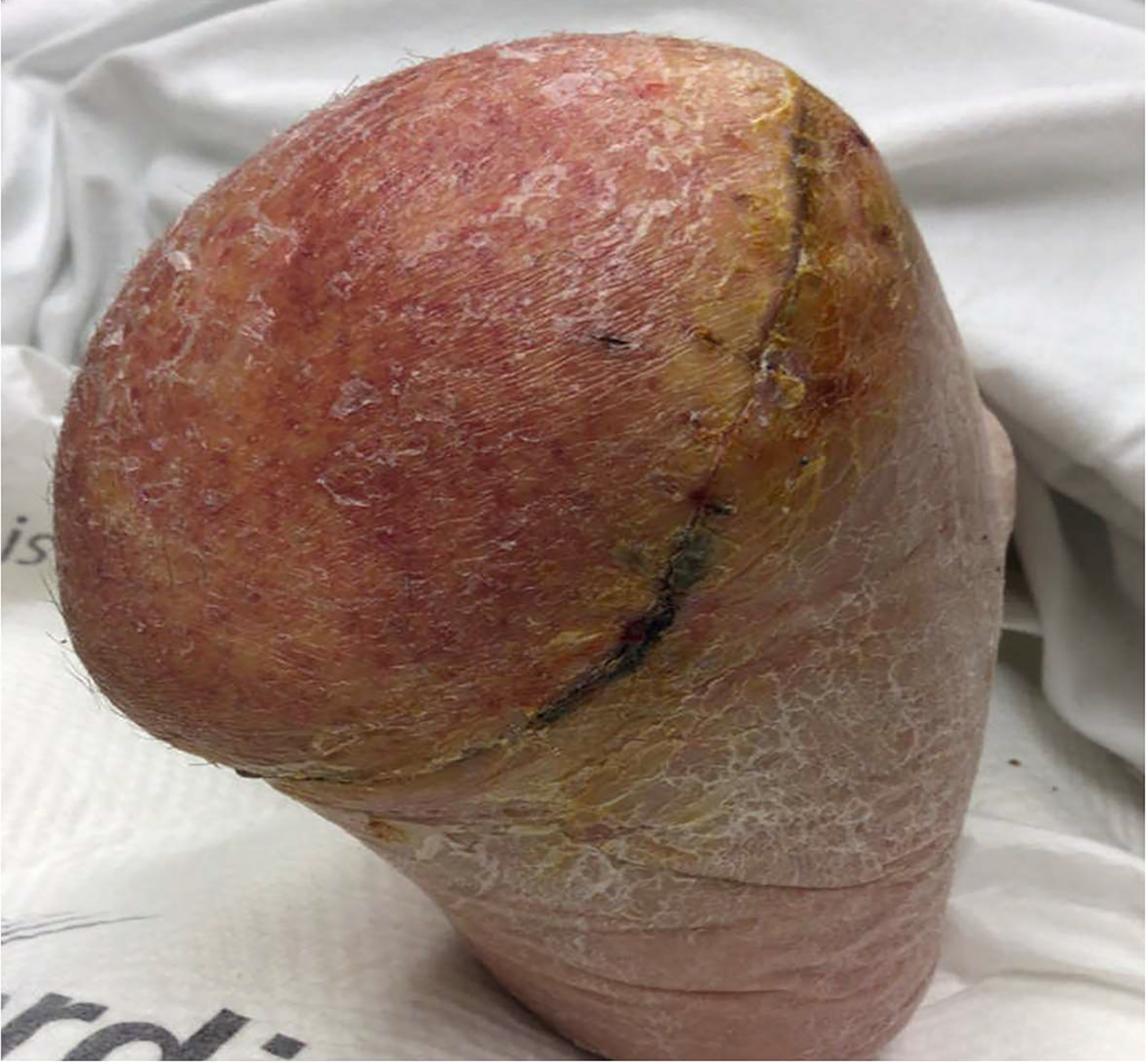
7, with an effort made to preserve as much soft tissue as possible. As expected, there was not adequate soft tissue for closure. A referral was placed to the inpatient plastic surgery team to perform the anterolateral thigh flap to complete the closure. He received prophylactic cefazolin during the guillotine amputation, and this was continued to ensure that the surgical site remained free of infection until his flap closure with plastic surgery. He underwent a computed tomographic angiogram of bilateral lower extremities by plastic surgery in preparation for the closure. Three vessel runoff was noted to each foot, with no stenosis to any major vessels. As there was no further evidence of infected or nonviable tissue, plastic surgery proceeded with performing the anterolateral thigh flap for closure to apply to the right transmetatarsal amputation site 1 week later, as shown in
Figure 8. The remainder of his hospitalization was uneventful, and he was later discharged to a long-term care facility.
Figure 6.
Right foot (lateral view) after open transmetatarsal amputation.
Figure 6.
Right foot (lateral view) after open transmetatarsal amputation.
Figure 7.
Right foot (medial view) after open transmetatarsal amputation.
Figure 7.
Right foot (medial view) after open transmetatarsal amputation.
Figure 8.
Right foot after anterolateral thigh flap for closure.
Figure 8.
Right foot after anterolateral thigh flap for closure.
The patient was followed in the outpatient clinic setting for all postoperative visits. He healed uneventfully and his sutures were removed. There was a small area of dehiscence noted at the lateral aspect of the wound that went on to heal with continued wound care.
Discussion
As demonstrated by this case study, it is important to evaluate and address the cause of gangrene in patients requiring vasopressor therapy. Collaborating with vascular surgery colleagues plays an important role in management of these patients, as revascularization procedures may help to ensure complete demarcation and the most distal amputation possible. In addition, it is critical to ensure the sites of demarcation remain clean, dry, and free of infection. Iodine, a topical antiseptic, can be applied to the gangrenous areas to minimize chances of worsening infection or progression. This helps to prevent dry gangrene transitioning to wet gangrene, which would then require immediate amputation to preserve the patient’s life.
Early amputation versus prolonged demarcation is an important consideration in these cases. As the process of demarcation progresses, the goal is to have as much healthy and epithelialized tissue at the line of demarcation as possible. With more soft-tissue preservation, a minor amputation may be performed to preserve limb length. There have been several case studies published that illustrate this.[
5,
9–
11] However, the optimal timeline for allowing for full tissue demarcation is unclear. The decision is based largely on clinical examination, as patients are seen regularly to ensure that the affected gangrenous areas remain stable. This process should not be prolonged more than necessary, as the necrotic tissue can be a source of infection or sepsis.[
11] Unfortunately, this patient did not present to our institution for care until 6 months after the ischemic changes began. Ideally, surgical intervention would have been performed sooner. Once the patient did transfer care, plans for multidisciplinary definitive surgical management were then started to ensure an optimal outcome for the patient. These case reports serve as excellent examples of how prolonged monitoring and full demarcation allows for increased soft-tissue preservation.
Conclusions
Although gangrene is an uncommon complication of vasopressor therapy, it must be monitored closely to help maximize patient outcomes. Allowing for full and prolonged demarcation can help patients avoid major amputations by waiting for full expression of viable skin, thus achieving limb salvage, and maintaining overall health and quality of life. As each case of lower- extremity gangrene presents differently, full demarcation will allow the patient to be presented with all the available options before a premature major amputation is performed. The optimal timeline for demarcation is unclear, and further studies should aim to develop guidelines and expectations for patients and providers faced with this situation.