Diabetes in the setting of the numerous postdiabetic complications, such as vascular disease and neuropathy, has a known effect on bone strength, which disproportionately places persons with diabetes at increased risk for fractures throughout the body, especially the weightbearing lower extremity. [
1–
5] Although not clearly understood, longstanding diabetes mellitus is thought to affect osseous remodeling and the reparative process due to the presence of increased inflammation, hyperglycemia-induced premature osteoblastic apoptosis, accumulation of reactive oxygen species, and inhibited formation of bone matrix in the presence of advanced glycation end products. [
6] Due to these underlying mechanisms, fracture healing in persons with diabetes is delayed significantly, placing patients at a 3.4-fold higher risk for osseous complications such as nonunion, delayed union, recurrence of fractures, or progression into a neuroarthropathic breakdown. [
6]
Charcot’s neuroarthropathy (CN) is a well-described, devastating sequela of diabetes mellitus with a reported prevalence of approximately 1% to 13% of diabetic patients with longstanding neuropathy. [
7,
8] Unmitigated CN results in a positive feedback loop of inflammation and osseous collapse, placing patients at a disproportionately higher risk for adverse outcomes such as ulceration, infection, and proximal amputation. [
9] The etiology of CN is not well understood, but it is believed that previous trauma, major or minor, in the setting of an insensate limb propagates the unregulated release of proinflammatory cytokines, resulting in diffuse bone resorption and disruption of normal foot architecture and alignment. [
10] Due to the unregulated increase in osteoclastic activity, pedal fractures have been documented in as high as 40% of patients with known CN, exacerbating osseous collapse and the inflammatory cascade. [
6,
11–
24]
The gold standard for assessing fracture risk, regardless of location, is the use of bone densitometry or dual-energy X-ray absorptiometry (DEXA) to assess bone mineral density (BMD). The resulting BMD, a reflection of grams of calcium per square centimeter in the scanned region of bone, is then used to produce two measurements, a Z-score and a T-score, using a normative reference database. [
25] The Z-score indicates the standard deviation (SD) of an age-, sex-, and ethnicity-matched reference population, and the T-score indicates the SD of a sex- and ethnicity-matched 30-year-old “healthy” population. According to the World Health Organization, osteoporosis is defined as a T-score that is equal to or less than –2.5 SD. Furthermore, osteopenia is defined as a T-score between –1 SD and –2.5 SD, with any value greater than –1 being considered normal. [
25] In determining BMD, the most common locations assessed are the lumbar spine (L2-L4), femoral neck, distal one-third of the radius, and hip. [
26]
Because BMD has been used to effectively identify patients who are at risk for fragility fractures, the use of DEXA to evaluate BMD in patients with CN has become of recent interest in the literature. A study by Jirkovska et al [
27] evaluated lumbar and femoral neck BMD as well as calcaneal stiffness in 16 patients with CN, demonstrating that patients with CN had both lower BMD at the level of the femoral neck and lower stiffness of the calcaneus compared with 26 nondiabetic control patients. In 2004, Herbst et al [
28] reviewed the BMD and Charcot destruction patterns in 55 patients. Ultimately, they found that patients with lower BMD were more likely to fracture rather than dislocate, most noticeably to the forefoot and ankle regions.
Although the use of comparative BMD, central and peripheral, in patients with CN is controversial, the purpose of this study was to evaluate whether the presence of osteoporosis, osteopenia, or relative reduction of BMD defined as comparative Z-scores and T-scores is associated with the location of CN breakdown. Osteoporosis is a condition most appreciable in structures with larger trabecular content, which are typically larger, load-bearing osseous structures. [
29] Because the lower extremity contains several bones and joints that are of differing sizes, we hypothesize that differences in Z-scores and T-scores will reveal an anatomical predilection for CN at larger joints where bones with higher trabecular quality articulate, such as the rearfoot region.
Methods
This was a single-center, retrospective, case-control study of a convenience sample of patients who were referred to a tertiary care center (Cleveland Clinic Orthopedic and Rheumatologic Institute, Cleveland, Ohio) for evaluation of possible bisphosphonate therapy candidacy. After we secured approval from the Cleveland Clinic institutional review board, patients who received a diagnosis of CN between January 1, 2005, and February 29, 2020, were retrospectively identified using
International Classification of Diseases (ICD), Ninth Revision code 713.5* and
ICD-10 code M14.67*. Relevant demographic data, such as age, sex, diabetes duration, dates of DEXA scan and Charcot diagnosis, serum 25-hydroxyvitamin D level, hemoglobin A
1c level, and relevant pharmacologic drug use, were included. Information pertaining to age, hemoglobin A
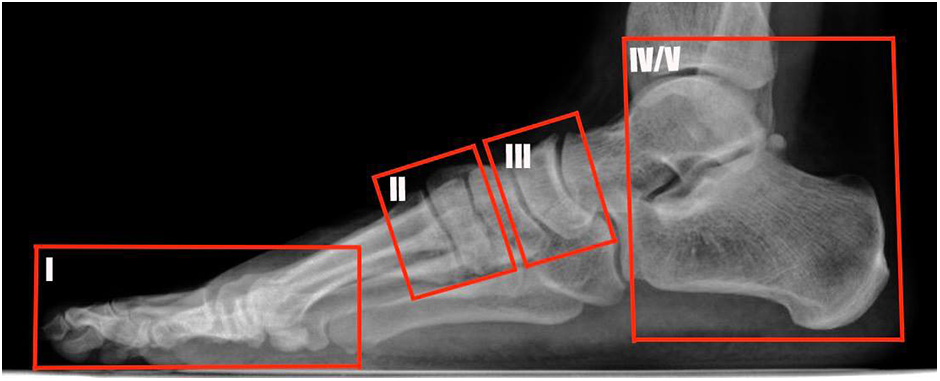
1c level, and vitamin D level were obtained at the time of the Charcot diagnosis and at the time of the DEXA scan. Because laboratory reference ranges changed during the course of 15 years, vitamin D values are expressed as percentages in which the reported value at targeted time points were divided by the lower threshold of the laboratory’s reference ranges. Furthermore, time between documented CN diagnosis and DEXA scan was recorded. If the patient’s CN diagnosis preceded their DEXA scan, the time recorded in months was given as a negative value, and vice versa. Patients were included in this study if they had a DEXA scan during the targeted timeframe and had a plain film radiograph of the afflicted feet within ±1 year of the DEXA scan. All of the BMD measurements of the femoral neck, total hip, lumbar spine (L2-L4), and distal one-third of the forearm were obtained at a single facility (Cleveland Clinic, Cleveland, Ohio) using the Lunar Prodigy DF+12300 (GE Healthcare, Madison, Wisconsin). Using the obtained BMD, Z-scores and T-scores were calculated using the manufacturer normative population database, the largest available database among manufacturers. Foot radiographs were used to characterize the anatomical pattern of CN breakdown using a modification of the Sanders-Frykberg (SF) anatomical classification system (
Fig. 1), and information pertaining to laterality and bilateralism was also documented. [
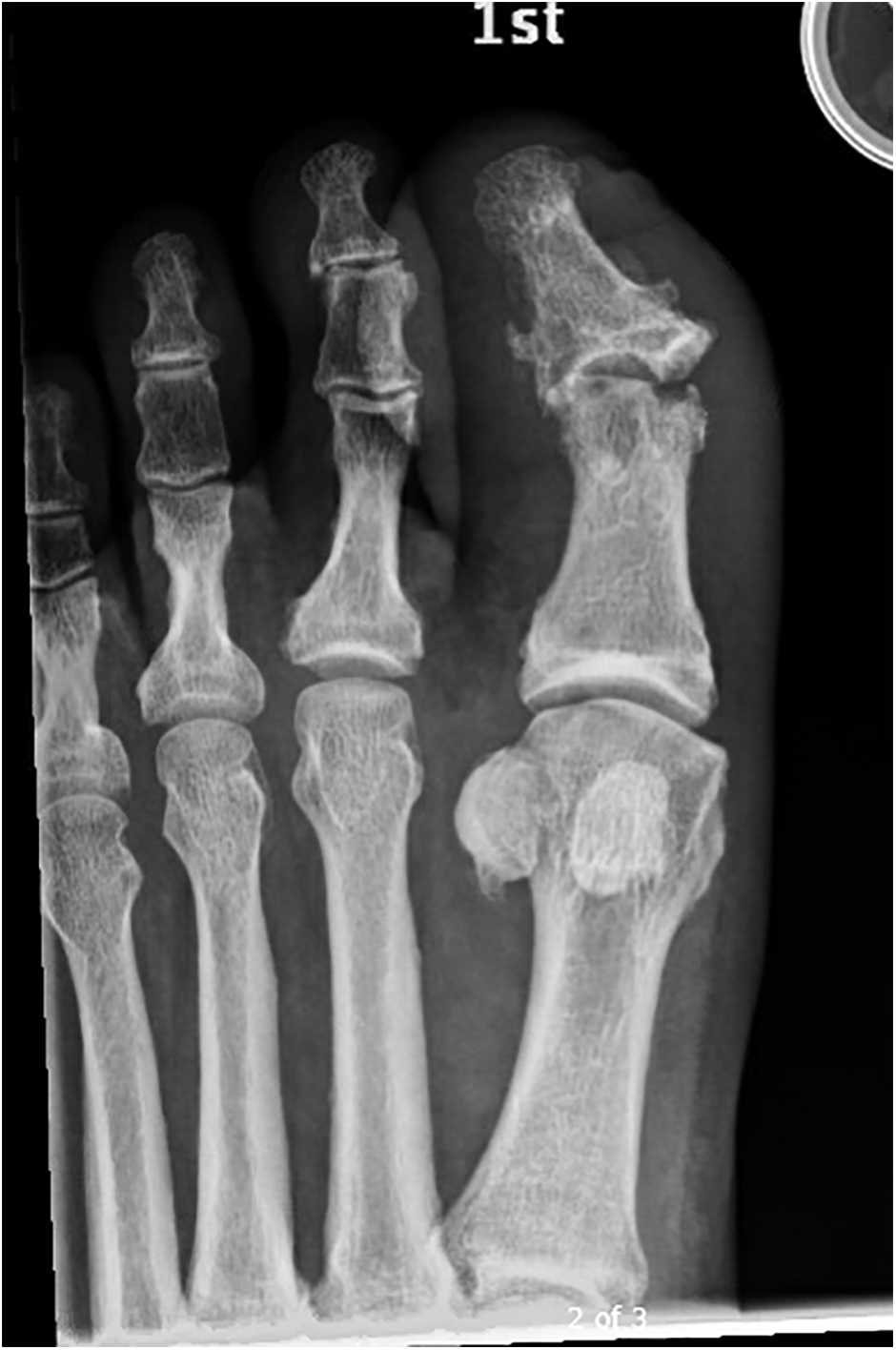
30] Per the SF system, isolated anatomical breakdown of the forefoot region distal to the tarsometatarsal joint was considered SF I (
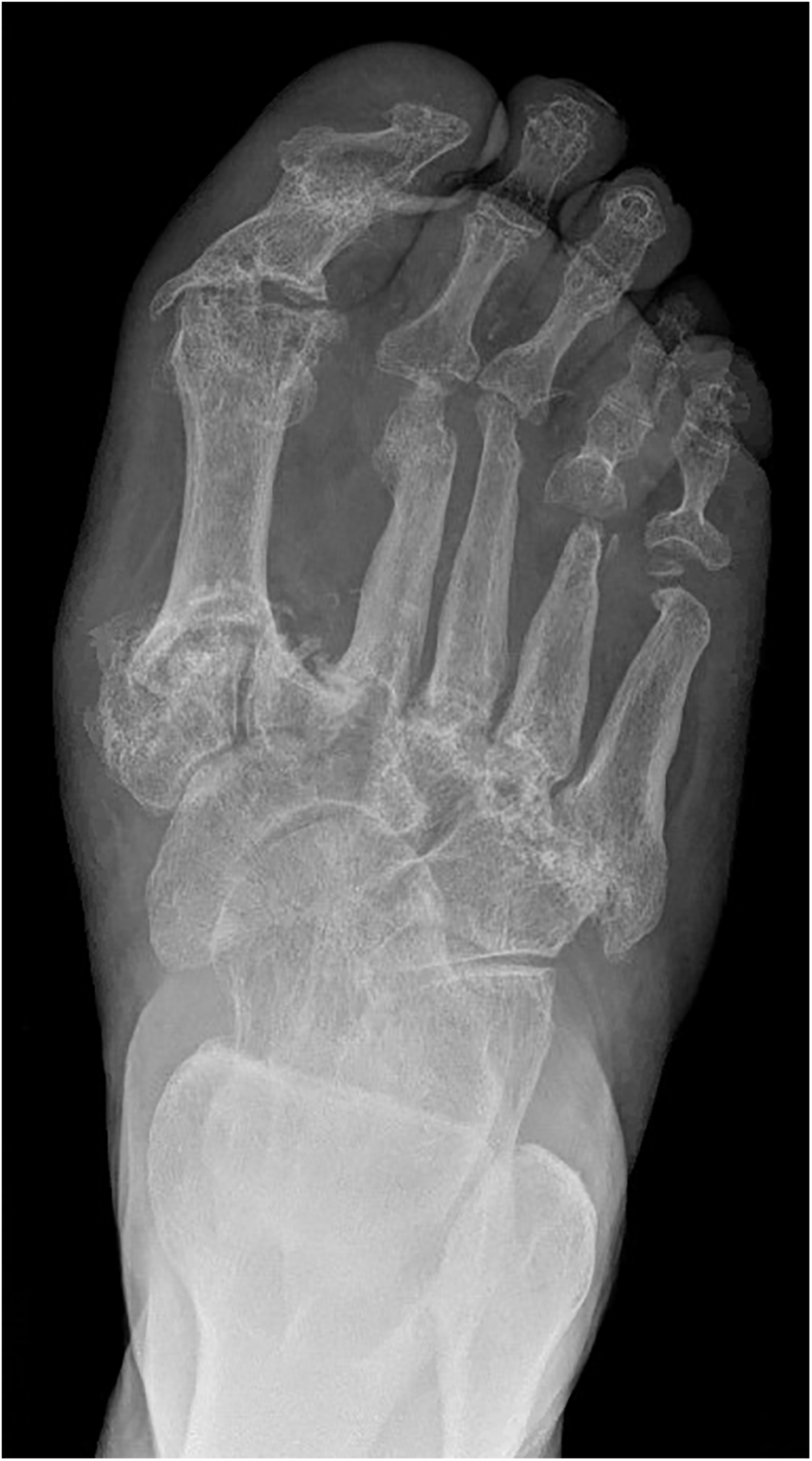
Fig. 2), isolated involvement of the tarsometatarsal joint was considered SF II (
Fig. 3), isolated perinavicular breakdown was considered SF III (
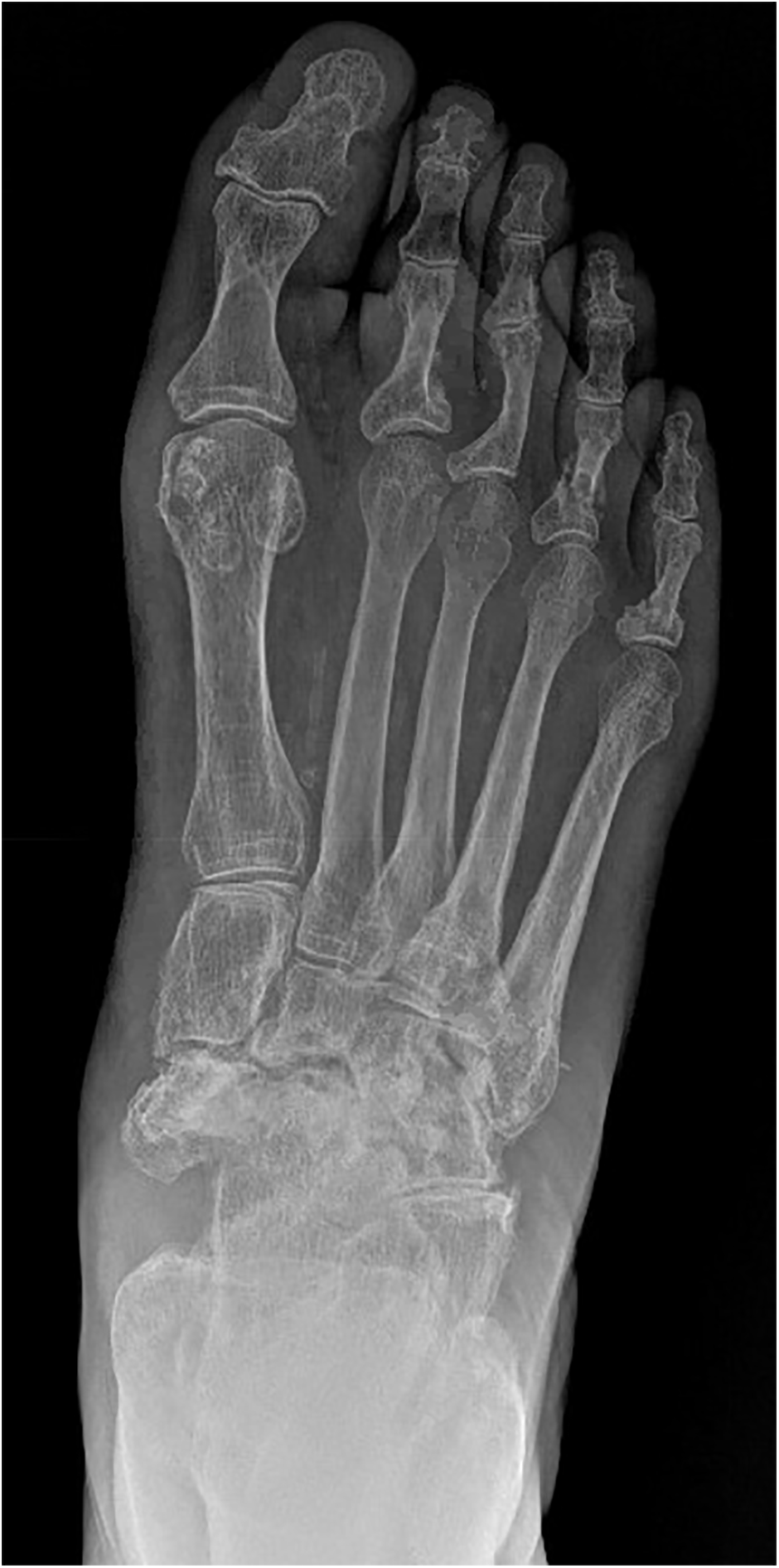
Fig. 4), and any rearfoot involvement was combined to create an SF IV/V group (
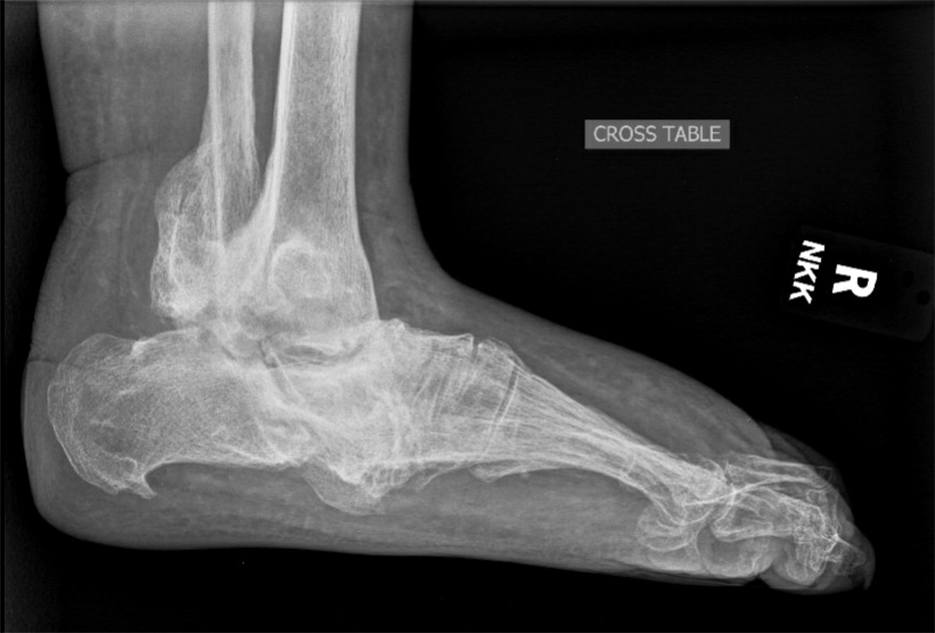
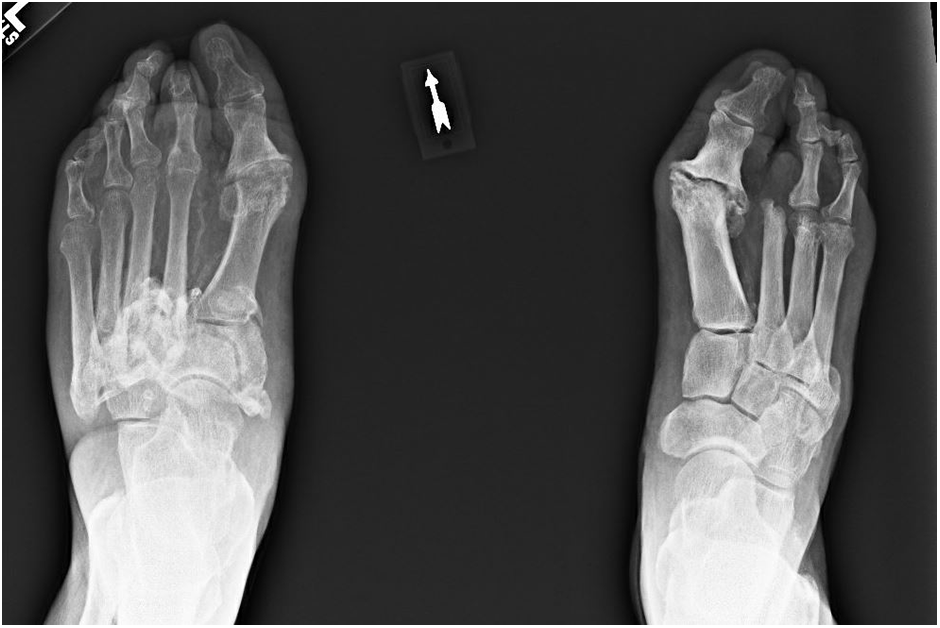
Fig. 5). Owing to lack of patients with SF V, it was decided to combine SF IV and V for the purpose of eventual analysis. Patients were excluded from the analysis if they were receiving antiresorptive therapy, had a documented metabolic or genetic condition that would result in pathologic disruption of bone homeostasis, had documented high-dose corticosteroid use, or had multiple unilateral anatomical SF breakdown. For patients with bilateral Charcot involvement, those with asymmetrical SF classifications were included twice; those with SF classification in the same anatomical region of breakdown on either leg were excluded to prevent duplication of data (
Fig. 6).
Figure 1.
Sanders-Frykberg anatomical classification schematic. (Adapted from Ergen et al. [
30])
Figure 1.
Sanders-Frykberg anatomical classification schematic. (Adapted from Ergen et al. [
30])
Figure 2.
Sanders-Frykberg I: isolated anatomical breakdown of the forefoot region distal to the tarsometatarsal joint.
Figure 2.
Sanders-Frykberg I: isolated anatomical breakdown of the forefoot region distal to the tarsometatarsal joint.
Figure 3.
Sanders-Frykberg II: isolated involvement of the tarsometatarsal joint.
Figure 3.
Sanders-Frykberg II: isolated involvement of the tarsometatarsal joint.
Figure 4.
Sanders-Frykberg III: isolated perinavicular breakdown.
Figure 4.
Sanders-Frykberg III: isolated perinavicular breakdown.
Figure 5.
Sanders-Frykberg IV/V: any rearfoot involvement.
Figure 5.
Sanders-Frykberg IV/V: any rearfoot involvement.
Figure 6.
Bilateral involvement meeting the inclusion criteria (nonsymmetrical single-joint involvement).
Figure 6.
Bilateral involvement meeting the inclusion criteria (nonsymmetrical single-joint involvement).
Data analysis was performed using IBM SPSS Statistics for Windows, Version 25.0 (IBM Corp, Armonk, New York). Descriptive variables were determined for each variable. A one-way analysis of variance was used to assess demographic and pharmacologic data across the four different SF groups (I, II, III, IV/V). The BMDs, Z-scores, and T-scores for the femoral neck, forearm, spine, and hip were tested for normality using a Shapiro-Wilk test. The data were not normally distributed and were subsequently analyzed using the Wilcoxon rank sum test to determine differences among the four SF groups (I, II, III, IV/V) across BMDs, Z-scores, and T-scores for each site. Significance was set a priori at P ≤ .05.
Results
Initial medical record review identified 71 patients with appropriate ICD-9 and ICD-10 codes who were referred for evaluation of BMD. Subsequent medical record review determined that 48 patients underwent a DEXA scan for BMD analysis. Four patients were excluded because they did not have radiographs sufficient to confirm and classify the SF level of CN, and another 2 were excluded because they had multi-SF level destruction. An additional 3 patients were excluded because they had bilateral and symmetrical anatomical regions of CN breakdown. Four patients with bilateral but asymmetrical CN breakdown were identified and included. After all of the inclusion and exclusion criteria were applied, 39 patients (43 feet) were analyzed.
Four feet were considered SF I (9.3%), 17 were SF II (39.5%), ten were SF III (23.3%), and 12 were SF IV/V (27.9%). Twenty-four instances of CN breakdown were in the left foot (55.8%), and four of the 39 patients (10.3%) demonstrated bilateral involvement. Of the 39 patients, 19 were male (48.7%) and 20 were female (51.3%). Because the Z-scores and T-scores were formulated using age-, ethnicity-, and sex-matched normative controls, the decision was made to not stratify males and females due to them being inherently controlled. Eleven of the 39 diabetic patients (28.2%) were documented as having type 2 diabetes mellitus.
For all of the groups, the mean ± SD patient age at the time of DEXA scan was 53.44 ± 8.09 years, and the mean ± SD age at the time of CN diagnosis was 52.77 ± 8.19 years. For the SF I group, the mean ± SD DEXA age was 56 ± 7 years and CN diagnosis age was 57 ± 6 years. For the SF II group, the mean ± SD DEXA age was 52 ± 8 years and CN diagnosis age was 51 ± 7 years. For the SF III group, the mean ± SD DEXA age was 53 ± 9 years and CN diagnosis age was 52 ± 10 years. For the SF IV/V group, the mean ± SD DEXA age was 55 ± 9 years and CN diagnosis age was 54 ± 8 years. There were no statistically significant data with respect to the listed variables, and their distributions are presented in
Table 1. With respect to laboratory data or, more specifically, serum 25-hydroxyvitamin D and hemoglobin A
1c, there was no significant difference among the four groups at CN diagnosis and time of DEXA scan (
Table 2).
Table 1.
Demographic and Pharmacologic Data
Table 1.
Demographic and Pharmacologic Data
With respect to the BMD, Z-score, and T-score data, 40 feet had both BMDs and Z-scores, but only 35 feet had T-scores. Their results are summarized in
Table 3. In all, seven of 35 patients (20.0%) met the criteria for osteoporosis (T-score ≤ –2.5) and 24 of 35 (68.6%) met the criteria for osteopenia (–1 ≥ T-score > –2.5) from one of the sites tested. Based on the Wilcoxon rank sum test for k-related samples, there was a significant difference (
P = .05) for the hip Z-score in the SF IV/V group compared with the other groups (mean ± SD: SF I: –0.55 ± 0.43; SF II: –1.23 ± 1.14; SF III: –0.689 ± 1.05, SF IV/V: –1.62 ± 0.47) such that it was lower. There was no significance for femoral neck BMD (
P = .52), forearm BMD (
P = .14), spine BMD (
P = .79), total hip BMD (
P = .20), femoral neck T-score (
P = .53) or Z-score (
P = .32), forearm T-score (
P = .53) or Z-score (
P = .46), spine T-score (
P = .79) or Z-score (
P = .38), or hip T-score (
P = .23) among the SF types.
Table 3.
Bone Mineral Density Data
Table 3.
Bone Mineral Density Data
Discussion
To our knowledge, this is the first intragroup study to examine the possible relationship between antecedent diabetic skeletal fragility as defined by the World Health Organization criteria, and anatomical location of the Charcot breakdown. In the present cohort, seven of 35 patients (20.0%) met the criteria for osteoporosis (T-score ≤ –2.5), markedly higher than the 10.3% previously reported by Wright et al. [
31] Furthermore, 22 of 35 (62.6%) were osteopenic relative to the 43.6% that was observed by Carlson et al. [
32] In addition, based on the Wilcoxon rank sum test for k-related samples, a reduction of BMD at the level of the hip resulting in a low hip Z-score demonstrated a significant predilection (
P = .05) for rearfoot (SF IV/V group) CN. Although only one bone density measure demonstrated significance, note that the SF IV/V group consistently demonstrated the worst bone health at the assessed sites compared with the other three groups in ten of 12 targeted variables, as shown in
Table 3, raising questions of whether diabetic patients with overall poor skeletal health are at increased risk for rearfoot CN. Notably, 12 of the 43 included feet (27.9%) were SF level IV/V, which is most concerning given that rearfoot CN has the greatest risk of major limb loss relative to other anatomical locations. [
33,
34]
The use of BMD measurements in the context of fragility ankle fractures in the elderly has been heavily explored. In 2020, So et al [
35] performed a meta-analysis of 23,391 patients with ankle fractures compared with 1,264 patients without ankle fractures and concluded that changes in BMD at the level of the femoral neck were strongly associated with osteoporotic ankle fractures. Interestingly, another article by Stein et al [
36] found that the upper extremities, or change in radial BMD, was the strongest predictor of low-energy ankle fractures.
A possible weakness of this study was the use of centrally measured BMD to predict pathology that is largely distal. However, numerous authors have reported BMD changes in peripheral sites as an effect of extended periods of immobilization, which is the current first line of treatment for acute CN. Hastings et al, [
37] in 2005, reported a case where the peripheral BMD of a patient with CN was evaluated at intervals of 2, 3, 4, 5, 7, 8, 10, 15, and 27 weeks during the course of immobilization in a total-contact cast. As expected, it was found that the patient’s immobilized CN foot demonstrated accelerated decreases in BMD and the contralateral limb experienced an increase in BMD, likely a cumulative effect of off-loading the CN extremity. [
37] These findings are reinforced by Sinacore et al, [
38] who observed a reduction in calcaneal BMD in 55 patients undergoing immobilization therapy. Similarly, Greenhagen and colleagues [
39] in 2012 found discordance between calcaneal and lumbar BMD in patients with CN, believed to be secondary to immobilization therapy.
Although knowledge of peripheral changes in BMD and its role in CN pathogenesis is valuable, its clinical application, especially with respect to antiresorptive therapy, is limited. Currently, the protocol for treating osteoporosis is a combination of nonpharmacologic and pharmacologic modalities with yearly BMD screening at one of the four sites previously mentioned. [
25,
26] The use of pharmacologic therapy in CN has developed a significant amount of interest in the literature; however, it is not clear whether use of medications such as bisphosphonates can help prevent CN from developing altogether. [
40] In addition, a great deal of literature has linked the presence of diabetes mellitus and vitamin D deficiency, further complicating an already compromised metabolic state; however, there was only one incidence of deficiency noted in the rearfoot group at the time of DEXA scan. This further reinforces the value of medical and rheumatologic referrals for the early identification and medical management of osteoporosis and associated deficiencies in patients with diabetes mellitus to prevent the evolution of sequelae in this frequently comorbid population.
Although there is currently no clear consensus on the role of antecedent diabetic skeletal fragility in CN development, we believe that the present findings suggest a possible relationship between osteoporosis/osteopenia and the location of CN development. Osteoporosis is a systemic condition that is most appreciable at the level of the spine, femoral neck, and hip region, making these the preferred locations for diagnosing and tracking the condition. The strength in our approach to this study to better understand a potential relationship is use of the manufacturer’s large, well-established, normative database for scoring and use of locations not typically prone to immobilization type changes. Charcot’s neuroarthropathy is a devastating and irreversible complication of long-standing neuropathy. This study further describes this comorbid population and emphasizes the need for multidisciplinary vigilance and osteoporosis monitoring in the at-risk neuropathic diabetic population.