Ingrown toenail is an important health problem seen at all ages, but it affects mainly young adults and disrupts quality of life [
1]. Although factors such as trimming toenails incorrectly, wearing unsuitable shoes, increased curvature of the nail plate, sweating excessively, medications, diabetes, onychomycosis, genetic predisposition, presence of arthritis, and increased hallux and interphalangeal angles may take part in the pathogenesis of ingrown toenail, the main etiology of disease has not been identified yet. Furthermore, management of ingrown toenail may be difficult for physicians because no consensus has been reached on issues such as optimal medications, surgical procedures, and lifestyle modifications [
2,
3].
Materials and Methods
This retrospective cohort study was conducted on patients admitted to the Department of Dermatology and Veneorology, Ufuk University Hospital (Ankara, Turkey), between January 1, 2014, and December 31, 2019. Consecutive patients who gave written permission to participante in the study were included. The study protocol was approved by the Turkish Ministry of Health, Ankara City Hospital Ethical Committee.
First, clinical charactersitcs and demographic features of the patients were evaluated, then the study population was divided into two groups based on age: group 1 (patients ≤20 years old) and group 2 (patients >20 years old). Age, age at onset, duration of disease, sex, body mass index (BMI), rate of medications for chronic diseases, vitamin D levels, right hand dominance, presence of hyperhidrosis, family history of ingrown toenails, ingrown toenail side, type of ingrown toenail, shoe preferance, lifestyle, rate of incorrect nail cutting, rate of sudden weight gain, history of the nails, madication for ingrown toenail, rate of joint diseases, features of the periungal area, degree of nail plate curve, foot type, and stages were compared between the groups. Severity of ingrown toenail was classified into three stages based on the classification system developed by Heifetz [
6].
Statistical analyses were performed with a statistical software package (IBM SPSS Statistics for Windows, Version 22.0; IBM Corp, Armonk, New York). Medians and interquartile ranges were used for the nonnormally distributed descriptive parameters. The Mann-Whitney U test was performed to compare the median values between the groups. Categorical variables are presented with numbers and percentages. The χ2 test was used to compare categorical variables. A two-tailed P < .05 was regarded as statistically significant.
Results
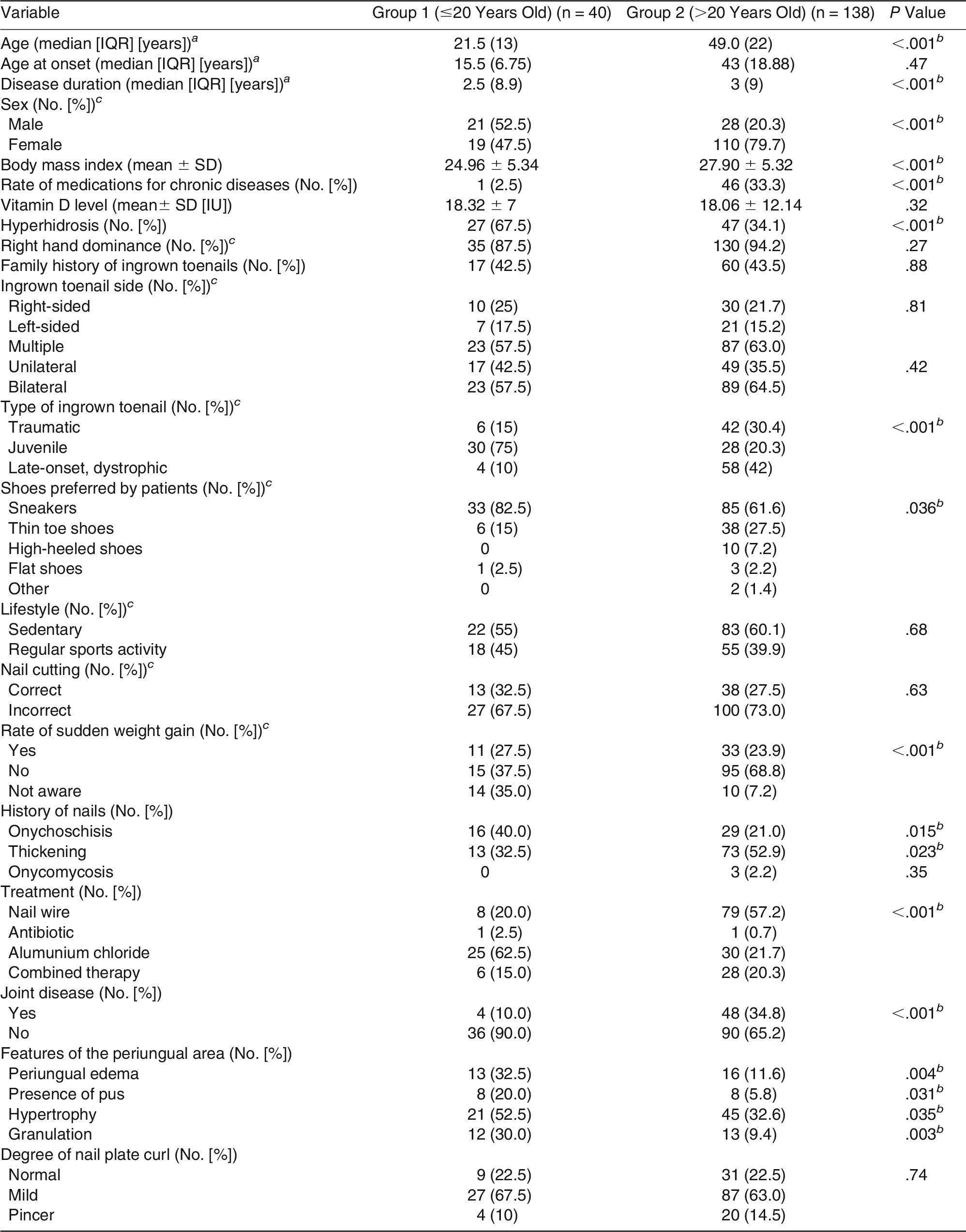
The demographic features and clinical characterstics of all 178 patients included in the study are presented in
Table 1. There were 40 patients in group 1 and 138 in group 2. Duration of disease, BMI, rate of medications for chronic disease, and rate of joint diseases were significantly higher in group 2. On the other hand, rates of hyperhidrosis and sudden weight gain were significantly higher in group 1 (
P < .05).
Table 1.
Comparison of Demographic Features and Clinical Characteristic Between the Study Groups
Table 1.
Comparison of Demographic Features and Clinical Characteristic Between the Study Groups
Type of ingrown toenail was significantly different between groups (
P < .05). Whereas the juvenile type was the most common type in group 1, the traumatic and dystrophic types were more frequent in group 2. Shoe preference was also significantly different betweens groups (
P < .05). Sneaker were the most common shoe type for both groups. However, pointed toe and high-heeled shoes were more common in group 2. A significant difference was observed for history of nails (
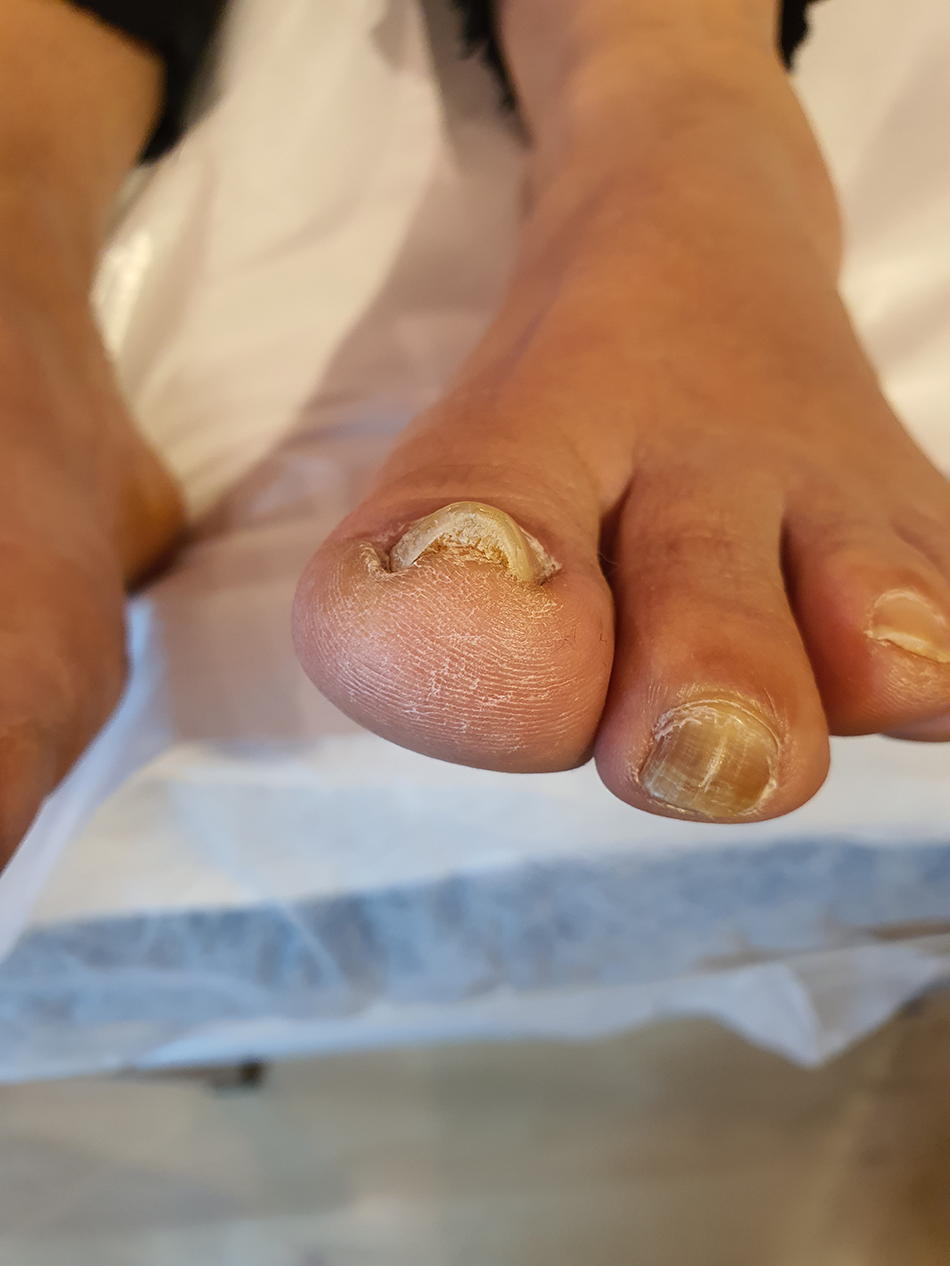
P < .05). Onycoshisis (
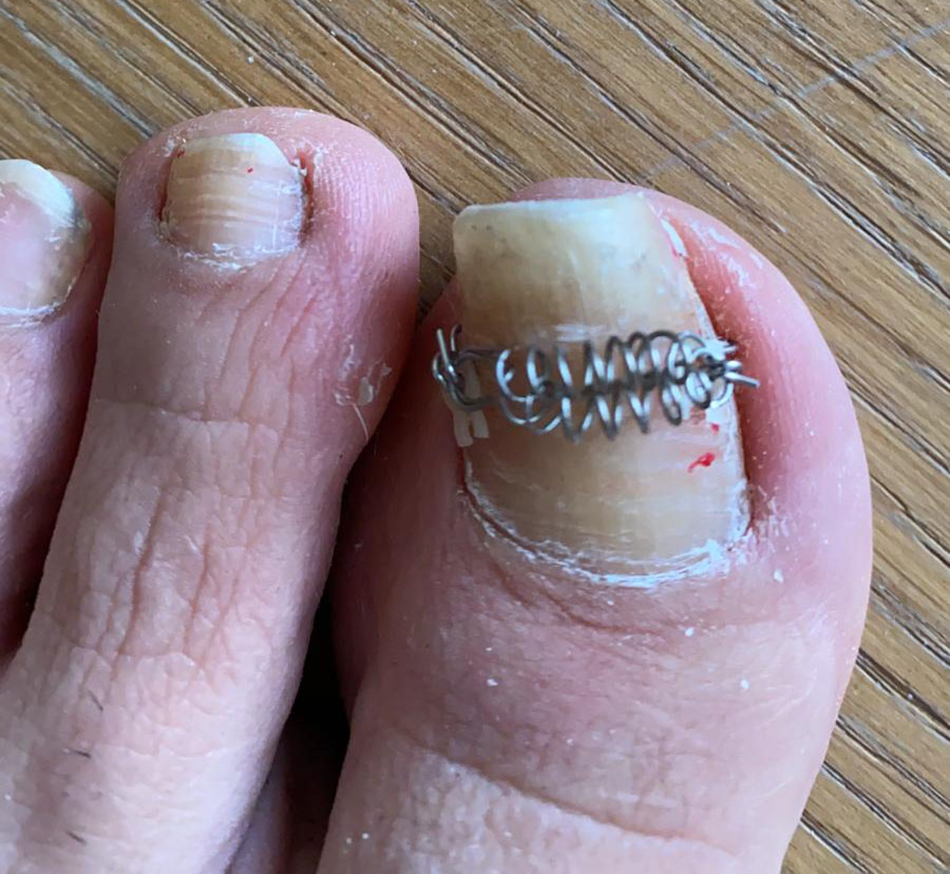
Fig. 1) was more common in group 1, and nail thickening was more common in group 2. Treatments were also significantly different between the groups, with nail wire (
Fig. 2) and aluminum chloride being the most common treatment modalities in groups 2 and 1, respectively (
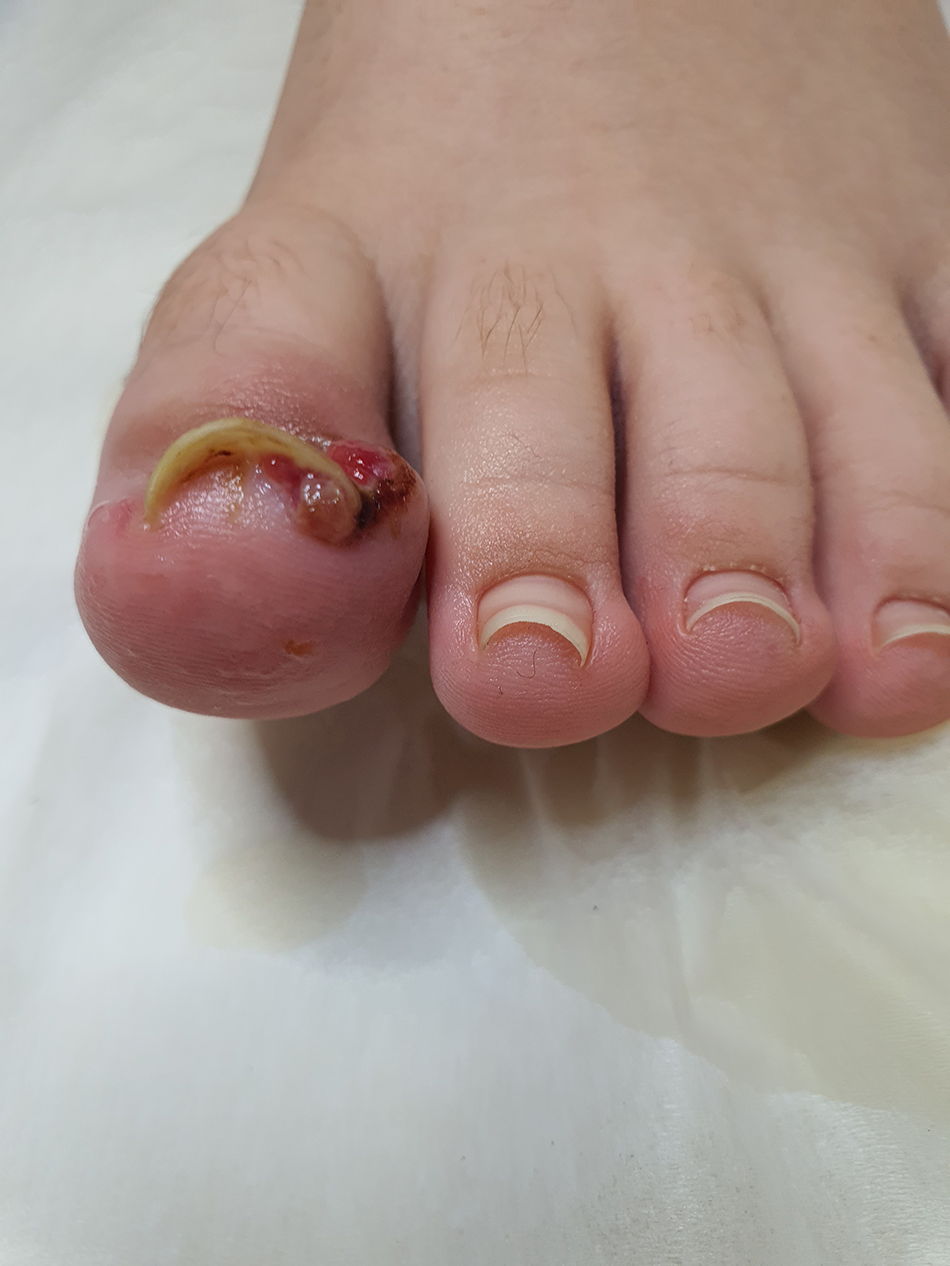
P < .05). Periungual edema, presence of pus, hypertrophy, and granulation were more common in group 1 (
P < .05) (
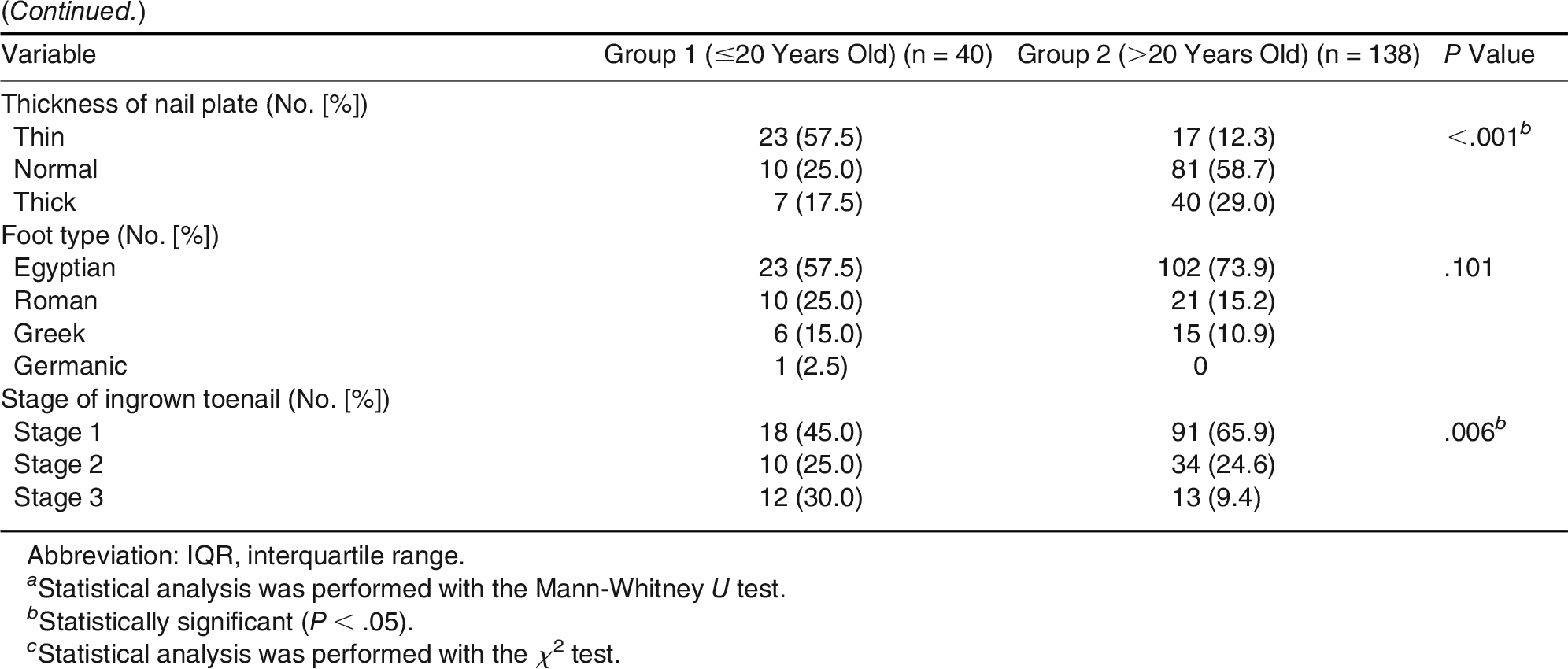
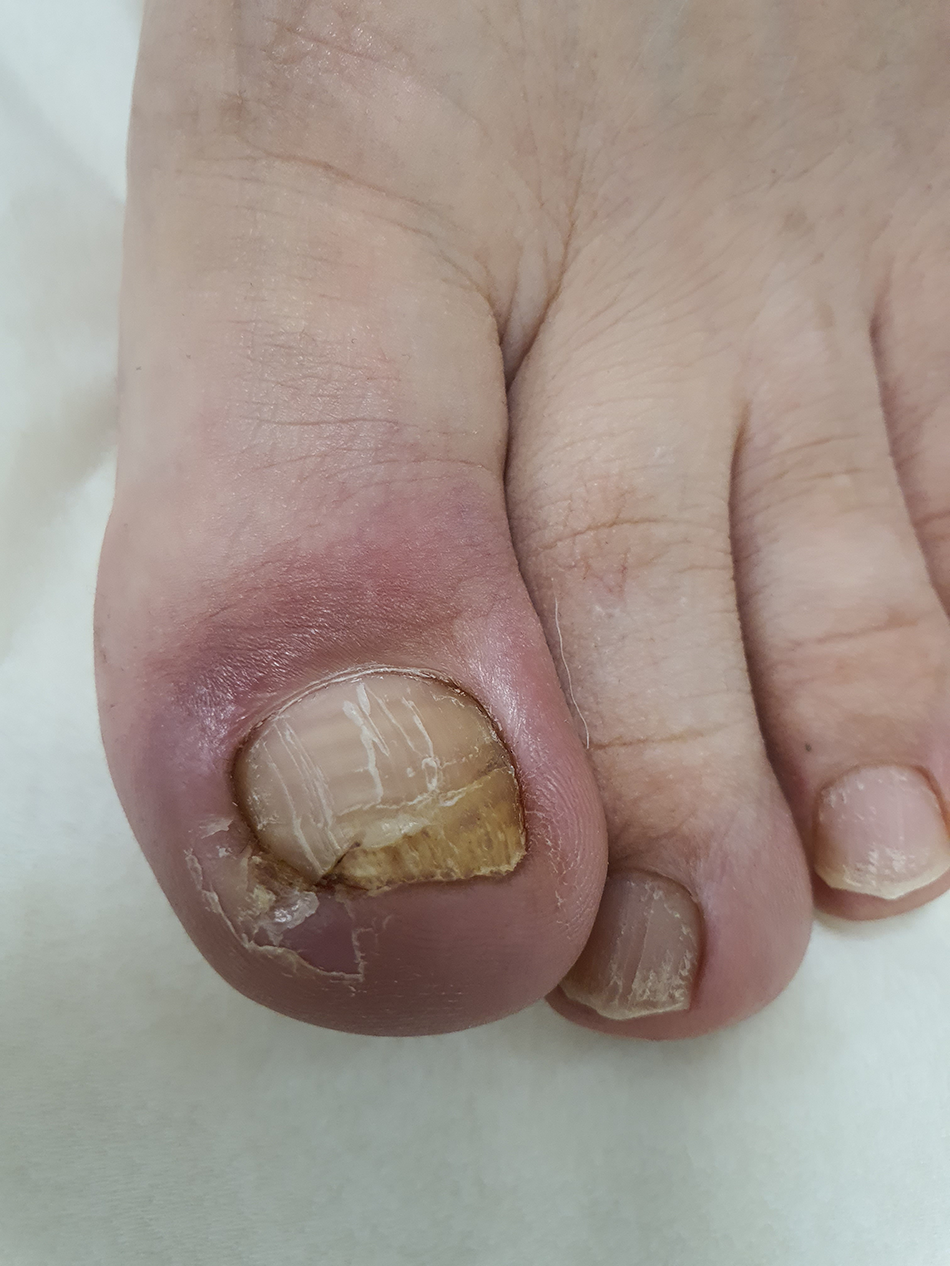
Fig. 3). The thickness of the nail plate was significantly different between the groups. A thin nail plate was more common in group 1, and normal and thick nail plates were more common in group 2 (
P < .05) (
Fig. 4). Finally, the severity of ingrown toenail was significantly different between groups (
P = .006): stage 1 was the most common stage in both groups, and the rate of stage 3 was higher in group 1.
Figure 1.
Ingrown toenail with onycoshisis.
Figure 1.
Ingrown toenail with onycoshisis.
Figure 2.
Application of nail wire for the treatment of ingrown toenail.
Figure 2.
Application of nail wire for the treatment of ingrown toenail.
Figure 3.
Ingrown toenail with periungual edema and granulation tissue.
Figure 3.
Ingrown toenail with periungual edema and granulation tissue.
Figure 4.
Ingrown toenail with nail thickening.
Figure 4.
Ingrown toenail with nail thickening.
Discussion
The results of the present study indicate that there were significant differences between the study groups for sex, BMI, medication for chronic diseases, rate of hyperhydrosis, type of ingrown toenail, shoe preference, rate of sudden weight gain, onychoschisis, nail thickening, administered therapies, rate of joint disease, features of the periungual area, degree of nail plate curl, thickness of the nail plate, and severity staging. These findings reflect the effect of age on the clinical characteristics of ingrown toenail. Because the individualized clinical approach is one of the main principles of modern medicine, knowing the clinical differences between particular populations may help physicians establish more appropriate management protocols. Although ingrown toenail is one of the disturbing and challenging complaints in dermatology practice, our knowledge is still limited related to this specific topic. For this reason, the experiences of reference centers are valuable. In our opinion, the findings of the present study may contribute to the cummulative clinical knowledge and may enlighten physicians to arrange future studies.
Ingrown toenail may be observed in any age group. However, it mostly complicates the early adult group [
2,
3,
7]. Most of the patients in the present study were older than 20 years, consistent with the literature. Patients in the mentioned group also had significantly longer duration of disease. Although the sex ratio was similar in the younger age group, a significant female dominance was observed in the older age group. Previous literature also reported a higher incidence in females [
2,
8,
9]. Thus, women are at higher risk for ingrown toenail. Providing appropriate information related to nail care in this population may reduce the incidences of complications and further interventions, resulting in decreased medical costs.
Being overweight is another risk factor for ingrown toenail [
2,
4]. Higher BMI values were observed for both of the groups in the present study, and significantly higher BMI values were found in the older age group. For this reason, fighthing against obesity and recomending lifestyle modifications for keeping ideal body weight may be useful to prevent ingrown toenail. Sudden weight gain may also result in ingrown toenail. Nearly one-quarter of the patients in the present study had a history of sudden weight gain. However, in the younger age group approximately one-third of the patients were unaware of this condition. Thus, preventing excessive weight gain may be an alternative approach in the management of ingrown toenail.
Certain medications were reported to be associated with ingrown toe nail [
10–12]. Nearly one-third of the patients in the present study were using medications consistent with the literature. Physicians should inform patients taking medications for chronic diseases about the possibility of ingrown toenail, and, if possible, they should reduce the number and duration of medications.
Hyperhydrosis may result in maceration, and this condition may increase the occurrence of infections [
7,
13,
14]. A higher rate of hyperhydrosis was observed in the younger age group in the present study, consistent with the literature. Management of hyperhydrosis with targeted therapies and lifestyle modifications may reduce the incidence of ingrown toenail, especially in younger patients.
Trauma is one of the main pathologies behind ingrown toenail [
2,
3,
15]. Traumatic and late-onset dystrophic types were more common in the older age group, and juvenile type was more common in the younger age group in the present study, consistent with the literature. Thus, avoiding nail trauma and taking necessary precautions in sports activities may be useful in the management of patients with ingrown toenail.
Shoe preference was reported to be associated with ingrown toenail [
2–4,
7]. In the present study, sneakers were the most common shoe type for both groups. In addition, other types of shoes, such as thin toe and high-heeled shoes, were more common in the older age group. Avoiding shoe-related trauma to the nails by choosing the most appropriate alternative for individuals may help physicians in the management of ingrown toenail.
History of onychoschisis was more common in the younger age group, and thickening was more common in older patients in the present study. Both of the mentioned factors may contribute to the development of ingrown toenail, and physicians should be attentive in the follow-up of patients with previous nail problems [
2,
4,
7].
There are various treatment methods for the management of ingrown toenail, such as nail wire, antibiotic therapy, and alumunium chloride [
2,
4,
7]. Current literature reported different success rates for these therapies depending on study design and population characteristics [
2,
4,
7]. According to the present study, nail wire and alumunium chloride were the most common treatments for the older and younger age groups, respectively. In our opinion, an individualized approach should be performed to achieve more favorable outcomes. Thus, response to previous therapies, age group, and lifestyle of patients are all important factors for choosing the most suitable therapy.
Joint diseases may result in improper pressure over the feet, leading to ingrown toenail [
2,
4,
7]. Nearly one-third of patients in the older age group had joint diseases, whereas this rate was much lower in the younger age group. These findings were most probably associated with higher rates of rheumatologic diseases and sports injuries in older populations. Therefore, appropriate treatment of rheumatologic diseases and providing supportive care for joint injuries may decrease nail problems.
Characteristics of the periungual area are important in the development of ingrown toenail [
2,
4,
7]. Periungual edema and hypertrophy were the most common clinical findings in both age groups in the present study. Thus, it may be concluded that different clinical features of the periungual area may be observed, depending on patient age.
The thickness of the nail plate is also associated with ingrown toenail [
2,
3]. Whereas a thin nail plate was more common in the younger age group, a thick nail plate was more common in the older age group. Thus, different mangement protocols should be implemented for different age groups.
Staging was also significantly different between the groups in the present study. Although stage 1 was the most common stage for both of the groups, stage 3 was more common in the younger age group. Thus, a different clinical approach for the optimal management of ingrown toenail should be preferred.
The main strengths of the present study were its unique design and high number of study parameters. However, the retrospective design and single-center experience were the main limitations.
In conclusion, the clinical characteristics of ingrown toenail vary between younger and older populations. Thus, an individualized approach should be preferred in the management of ingrown toenail for different age groups.