Next Article in Journal
Foot Mobilization and Exercise Program Combined with Toe Separator Improves Outcomes in Women with Moderate Hallux Valgus at 1-Year Follow-up. A Randomized Clinical Trial
Previous Article in Journal
Reevaluating Magnetic Resonance Imaging in Radiographically Suspected Osteomyelitis of the Toe
 
 
Journal of the American Podiatric Medical Association is published by MDPI from Volume 116 Issue 1 (2026). Previous articles were published by another publisher in Open Access under a CC-BY (or CC-BY-NC-ND) licence, and they are hosted by MDPI on mdpi.com as a courtesy and upon agreement with American Podiatric Medical Association.
Article

Podiatric Adverse Events and Foot Care in Cancer Patients and Survivors. Awareness, Education, and Literature Review

by
Mario E. Lacouture
1,
David J. Kopsky
2,
Raphael Lilker
3,
Fiona Damstra
4,
Mecheline H.M. van der Linden
5,
Azael Freites-Martinez
1 and
Mischa P.M. Nagel
6,7,*
1
Memorial Sloan Kettering Cancer Center, New York, NY, USA
2
Institute for Neuropathic Pain, Amsterdam, The Netherlands
3
Coney Island Hospital, Brooklyn, NY, USA
4
Reade Rehabilitation Centre, Amsterdam, The Netherlands
5
VUMC University Medical Center, Amsterdam, The Netherlands
6
Medische Voet and Supplement, Amsterdam, The Netherlands
7
Foundation for Foot Oncology, Amstelveenseweg 970 C, 1081 JR Amsterdam, The Netherlands
*
Author to whom correspondence should be addressed.
J. Am. Podiatr. Med. Assoc. 2018, 108(6), 508-516; https://doi.org/10.7547/17-010
Published: 1 November 2018

Abstract

Cancer is one of the leading causes of mortality and morbidity worldwide. Recent improved therapies have resulted in more patients surviving cancer and living longer. Despite these advances, the majority of patients will develop adverse events from anticancer therapies. Foot alterations, including nail toxicities, hand-foot syndrome, edema, xerosis, hyperkeratosis, and neuropathy, are frequent among cancer patients. These untoward conditions may negatively impact quality of life, and in some cases may result in the interruption or discontinuation of cancer treatments. Appropriate prevention, diagnosis, and management of podiatric adverse events are essential to maintain foot function and health-related quality of life, both of which are critical for the care of cancer patients and survivors. This article shows results related to complaint and impact on quality of life of the Oncology Foot Care program and reviews publications specific to podiatric adverse events related to cancer treatments.

Currently, cancer is one of the leading causes of morbidity and death in many high-income countries. Worldwide, an estimated 18.1 million people were diagnosed with cancer in 2018, many of whom died from this disease [1]. Despite these daunting statistics, improvements in cancer therapies have resulted in a greater number of people surviving cancer, with an estimated 43.8 million cancer survivors in 2018. Anticancer therapies may result in adverse events (AEs) that may negatively impact the normal functioning of the feet and lower extremities. Symptomatic podiatric adverse events (pAEs) are common in patients treated for cancer and have considerable negative impact on their well-being and quality of life (QoL). Several questionnaires are available to assess this impact, such as the 14-item hand-foot syndrome–specific QoL questionnaire [2]. These events may have a negative effect on the patient's ability to use footwear, bear weight, ambulate, or perform instrumental or self-care activities of daily life and also may cause treatment discontinuation or modification [3-6]. Because of the potential serious impact and rapid development of complications, podiatric and other medical staff must learn about the prevention and management of the multiple pAEs observed in oncology patients.
This article shows the impact of pAEs on QoL in the Oncology Foot Care program [7], a program developed to raise awareness among podiatrists training in the Netherlands. Furthermore, this article reviews publications specific to pAEs related to cancer treatments and include peripheral neuropathy, hand-foot syndrome, hand-foot-skin reaction, nail toxicity, xerosis, edema, and lymphedema.

Awareness and Education

To date, no podiatric screening and treatment strategies have been developed to prevent or mitigate pAEs in cancer patients. Additionally, podiatrists and podologists may not be aware of complications that their treatments can cause during anticancer therapies. The understanding of pAEs related to anticancer therapies by the patient, podiatrist, and oncology team is essential to optimally communicate, manage, and treat these patients.
In 2012, the Netherlands Medical Foot Academy developed an educational program for podiatrists and podologists (ie, Oncology Foot Care program) [7]. The main goals of the program are to encourage awareness and screening of potential complications caused by anticancer therapy, to keep the feet of cancer patients in optimal condition during and after therapy, and to encourage communication with the oncology team. A special information booklet is given to cancer patients to make them aware and seek professional help if any pAE arises. Podiatrists could provide valuable information about the condition of the feet to cancer patients, which ensures consistent anticancer therapy for a better QoL.
The Oncology Foot Care program [7] includes psychological topics such as QoL (ie, psychological, social, and emotional characteristics) and risk factors of distress in cancer patients (ie, age, life events). Furthermore, patients report the impact of pAEs on QoL (ie, general activity, mood, walking ability, and life enjoyment) using an 11-point numeric rating scale before and after treatment, where 0 = “no complaint, positive outcome” and 10 = “worst imaginable, negative outcome.”
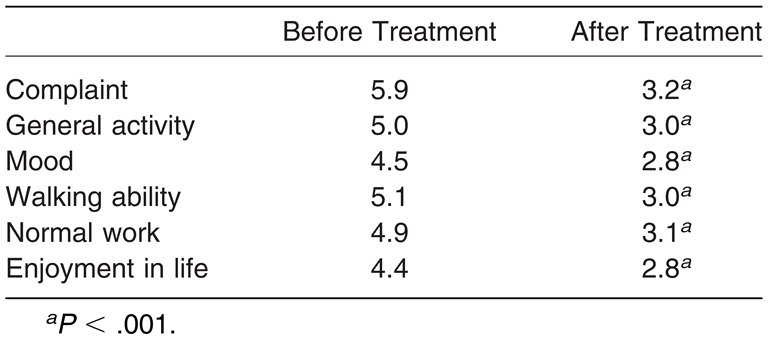
From April to July 2016, the Oncology Foot Care program [7] included a total of 291 patients. The mean age of the patients was 65.3 ± 11.7 years, and the majority of patients (66.3%) were women. The oncology team referred 10.7% of patients, and 18.9% were referred by other health care professionals. The most common cancer was breast cancer (40.2%), followed by colon cancer (10.3%). Before the diagnosis of cancer, 61.5% did not report foot problems. In 67.7% of patients, pAEs were attributed to anticancer therapies. The mean number of visits was 5.9 ± 3.9. Table 1 shows the impact on complaints and QoL of patients that received foot therapy. A total of 106 patients scored their complaint before foot therapy greater than or equal to 8; after podiatric intervention, their level of complaint improved to 4.8 ± 3.0 (P < .001). Similar results were scored regarding QoL.
Table 1. Numeric Rating Scale Results Before and After Foot Therapy Regarding Complaints and Impact on Quality of Life
Japma 108 00508 i001

Most Common Podiatric Adverse Events and Foot Care in Cancer Patients and Survivors

Peripheral Neuropathy

Peripheral neuropathy (PN) is among the most frequent AEs associated with anticancer therapies. Peripheral neuropathy usually begins after several months of anticancer treatment, and could be a persistent complication. The clinical findings include numbness; diminished or absent temperature sensitivity; and alteration of two-point discrimination, touch, vibration, proprioception, and muscle strength, which can lead to imbalance [8]. Chemotherapy-induced peripheral neuropathy (CIPN) is predominantly a sensory neuropathy, known to be a primary dose-limiting toxicity, with a “stocking-glove” distribution, which could extend up to the knees, depending on the amount, frequency, and length of chemotherapy cycles [9]. Chemotherapy-induced peripheral neuropathy develops particularly with the use of platinum, taxanes, alkaloids, thalidomide, lenalidomide, and bortezomib therapies, used to treat solid tumors and hematologic malignancies [10]. Sensory nerves are mainly affected rather than motoneurons, probably because of the lack of protection by the blood-brain barrier and less myelination [8].
Patients with CIPN may also experience walking difficulties, foot discomfort, and increased propensity to falls [11]. One factor for this is the acute onset of CIPN without adaptation time. Severe neuropathy is also associated with depression [12] and is often a reason for a patient's discontinuation of anticancer therapy, with a negative impact on QoL [13]. The risk of developing neuropathy may be higher in patients who have other risk factors, such as diabetes mellitus and obesity [9].
There is no consensus for assessing CIPN and pain, and it is frequently misdiagnosed and undertreated [14]. However, there is a unified terminology criteria for grading any anticancer therapy AE, (Common Terminology Criteria for Adverse Events (CTCAE) Version 5.0) (Table 2). Additionally, multiple specific validated scales (eg, European Organization for Research and Treatment of Cancer Quality of Life Questionnaire-CIPN 20-item scale [15], Functional Assessment of Cancer Therapy/Gynecologic Oncology Group-Neurotoxicity questionnaire [16], and Neurotoxicity Questionnaire8) could be used to measure the impact and severity of neurotoxicity in patients with CIPN. Unfortunately, most of these assessments combine negative and positive symptoms into one question. Because neuropathic pain medication affects only the positive symptoms, the pain-reducing effect cannot be assessed adequately; therefore, we recommend using the Neuropathic Pain Symptom Inventory [17].
Table 2. General Grading of Common Terminology Criteria for Adverse Events v4.03
Japma 108 00508 i002
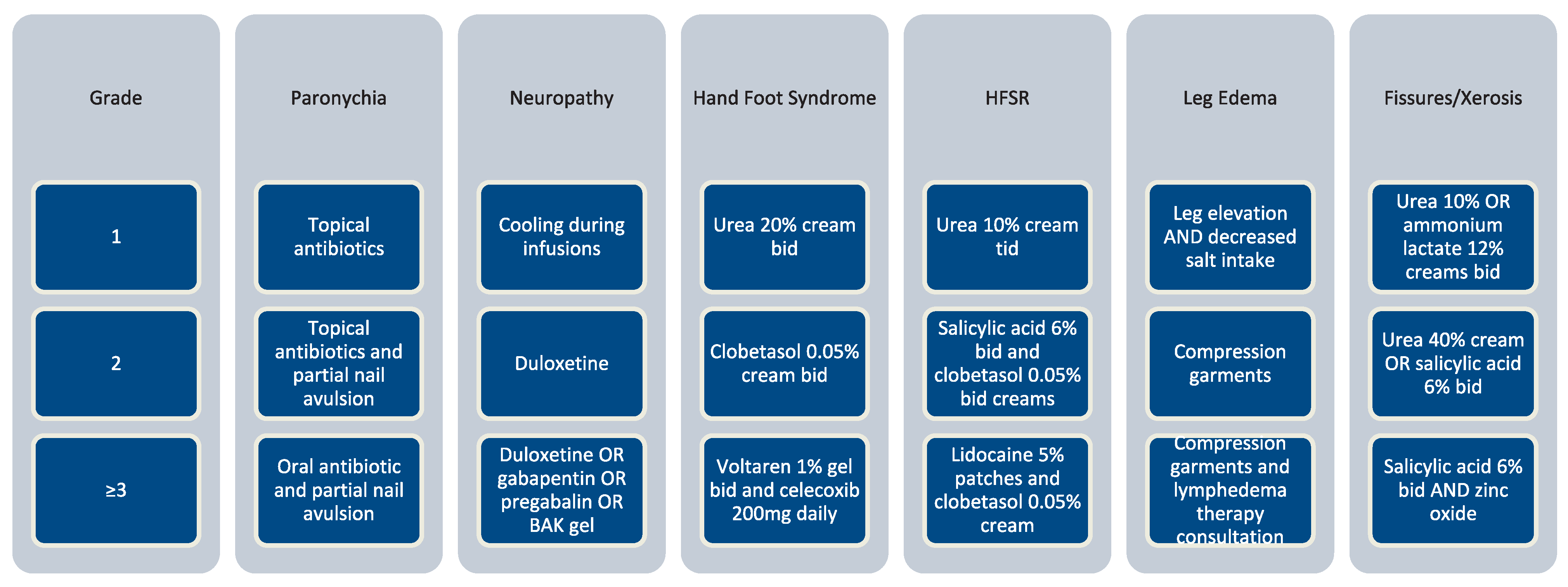
Foot care and a preventive approach for PN is shown in Figure 1. In a previous randomized clinical trial, duloxetine [18] and venlafaxine [19] showed superiority over placebo for controlling pain associated with CIPN. Another relatively positive result was seen in a randomized clinical trial with a combination of baclofen 0.75%, amitriptyline 3%, and ketamine 1.5% gel [9,20].
Figure 1. Prevention and management strategies for podiatric adverse events. HFSR, hand-foot-skin reaction; bid, two times per day; BAK, baclofen 0.75%, amitriptyline 3%, and ketamine 1.5%.
Japma 108 00508 g001
Chemotherapy-induced peripheral neuropathy affects proprioceptive feedback negatively, thus disrupting normal locomotion and increasing variability in one's gait [21]. One study showed significantly better balance after 36 weeks of exercise, improved time to regain balance, and improved QoL compared with the control group [22]. Other poorly studied interventions such as sensorimotor training, whole-body vibration, or tai chi may also improve balance [23]. No literature was found regarding the effect of shoes on balance in CIPN. Loss of sensitivity is one of the aspects that leads to inadequate footwear (too large or too small) in the majority of elderly patients, contributing to an increased risk of foot injury caused by shearing forces and skin irritation [24]. Patients with PN preferred lightweight shoes, such as sandals, with a molded foot bed and a tight fit [25].

Hand-Foot Syndrome

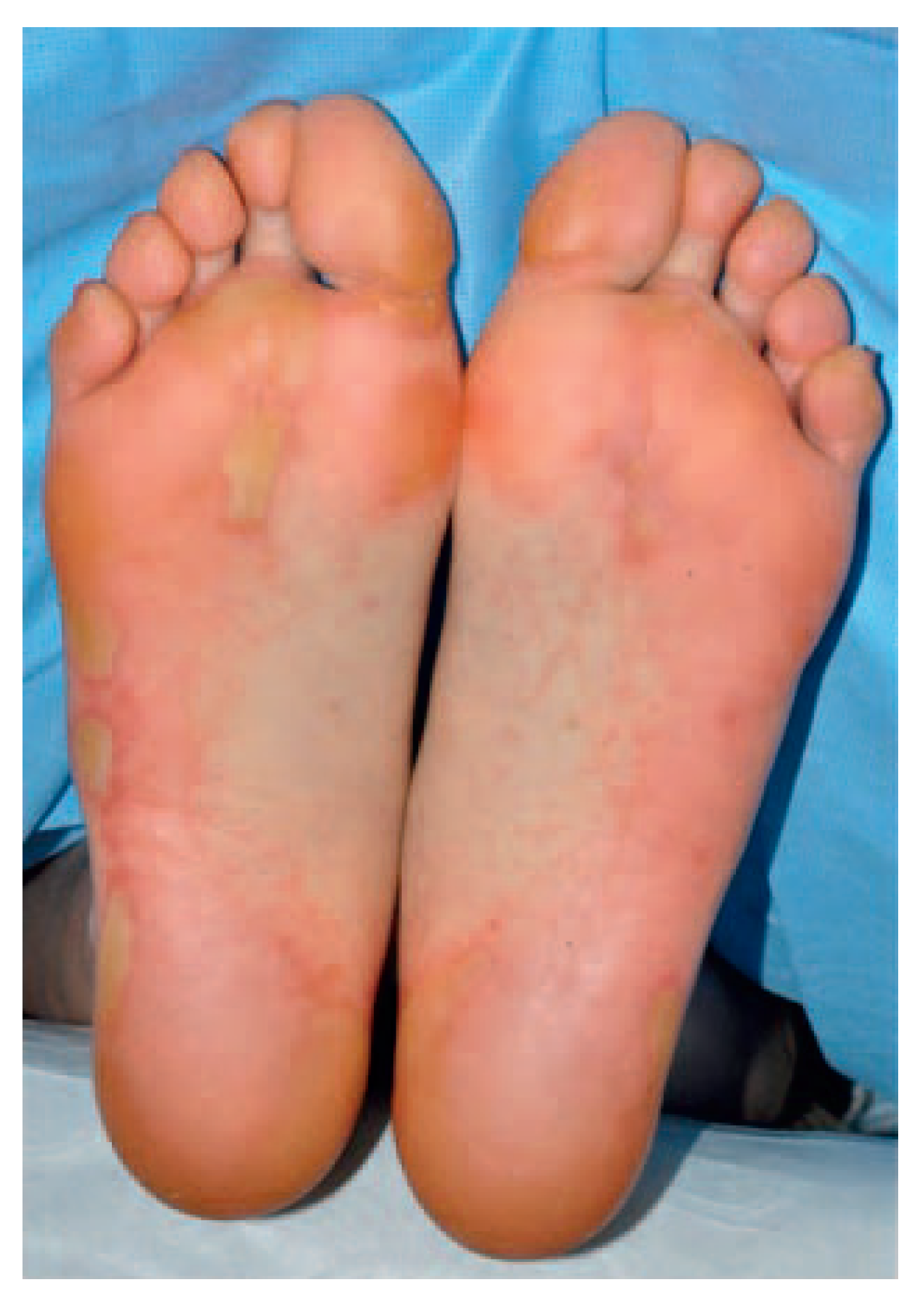
Hand-foot syndrome (HFS) is a common complication of cytotoxic agents (Table 3). Extravasation with accumulation of the drug in the stratum corneum has been hypothesized as a potential mechanism of toxicity.[26] The clinical findings include as first symptoms swelling, numbness, and a feeling of tightness/stiffness or pain in the palms and soles. This is followed 2 to 4 days later by bright erythema and edema, which is symmetrical and well-defined. Onycholysis could be associated with severe reactions. Without appropriate interventions, the lesions can blister, desquamate, form crusts, ulcerate, or even progress to epidermal necrosis (Fig. 2). Healing occurs without scarring unless there has been skin ulceration or necrosis.[26] With each subsequent cycle of chemotherapy, the reaction will appear more quickly, be more severe, and take longer to heal. Common culprits include 5-flourouracil, its prodrug capecitabine, doxorubicin, liposomal doxorubicin, docetaxel, and cytarabine. The incidence of HFS varies depending on the offending agent, ranging from 15% to 45%.[27]
Table 3. Anticancer Therapies and Associated Podiatric Adverse Events
Japma 108 00508 i003
Figure 2. Hand-foot syndrome from cytotoxic chemotherapy (eg, doxorubicin, fluorouracil, and capecitabine).
Japma 108 00508 g002

Hand-Foot-Skin Reaction

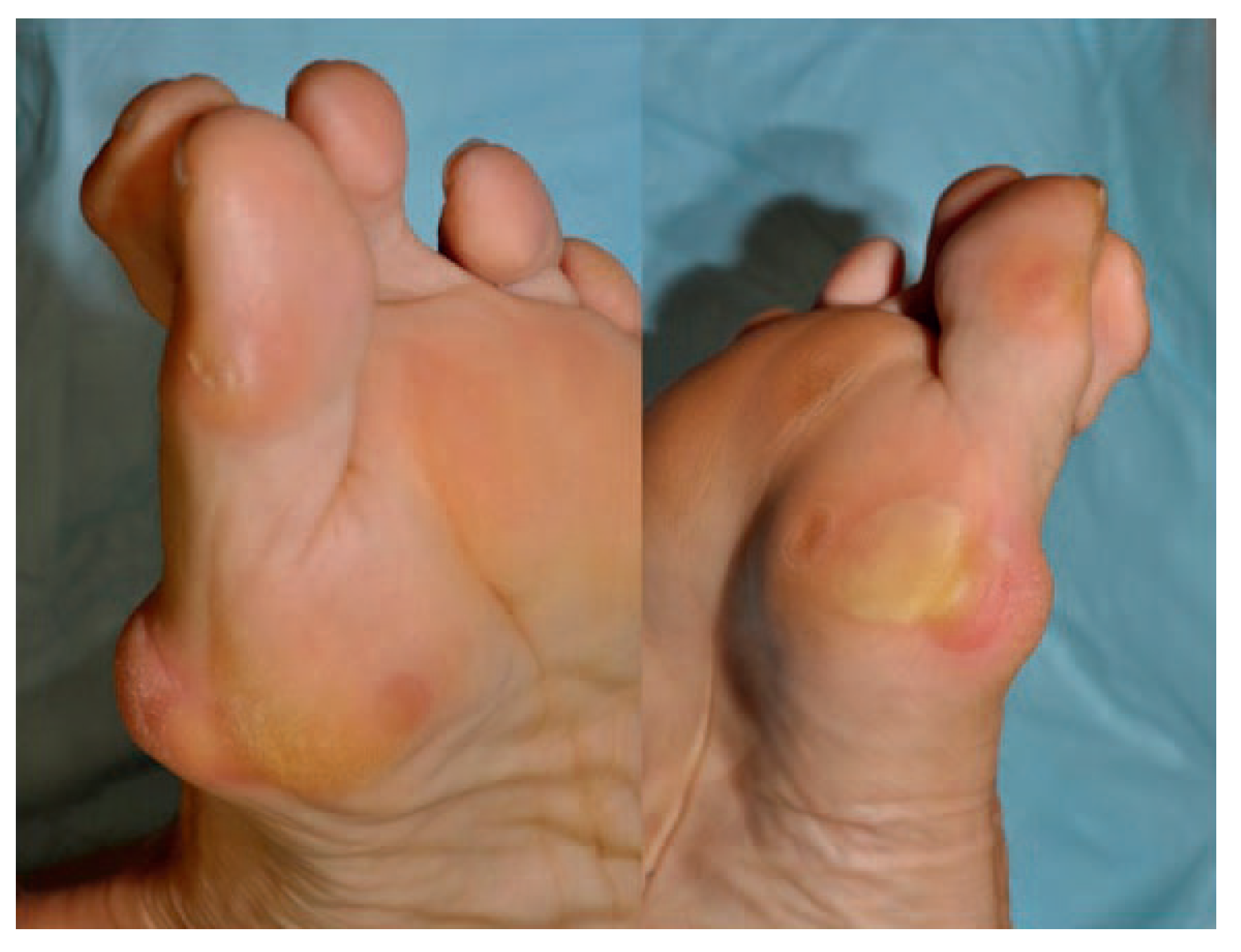
The multikinase inhibitors, such as sorafenib, sunitinib, axitinib, pazopanib, and regorafenib, may cause hand-foot-skin reaction (HFSR) in 20% to 60% of treated patients. [4,6,28-33] It will occur in areas of friction or pressure in the palms and soles, within the first few weeks, as painful blisters, followed by hyperkeratotic areas, similar to calluses (Fig. 3). This leads to increased pressure points and painful areas on the feet that may limit mobility and weightbearing. Hyperkeratotic HFSR is a painful complication most frequently seen over sites of pressure or friction during the early weeks of multikinase inhibitor therapy.[5] Higher risk is found in Asians, women, and highly active people.
Figure 3. Hand-foot-skin reaction from targeted therapy (ie, multikinase inhibitors such as sorafenib, regorafenib, and sunitinib).
Japma 108 00508 g003

Podiatric Management of HFS and HFSR

Hand-foot syndrome and HFSR could pose a therapeutic challenge, especially when patients are active and when standing for a long time is needed for the patient's daily life. There are few reports in the podiatric literature that discuss preventive therapies for these conditions. Routine podiatric care is highly recommended. Many of the symptoms experienced in the early and late stages of HFS and HFSR are commonly managed by podiatrists (eg, dystrophic toenails/onycholysis, corns and calluses, skin fissures, blisters, neuropathy, and ulcerations). All of the above can be severely painful and debilitating but can be treated conservatively, with minimal discomfort.
Patient education regarding this condition before starting anticancer therapy is important. A preventive approach is based on the use of moisturizer before starting chemotherapy. Avoiding mechanical trauma (ie, caused by footwear) such as that resulting from friction, heat, pressure, irritants, and adhesives may help to limit the reaction.[34] Additionally, cooling of hands and feet during chemotherapy administration have had variable success in preventing the reaction in patients receiving chemotherapies that may cause HFS (eg, paclitaxel, docetaxel, and doxorubicin).[26] Early podiatric evaluation may prevent the progression of HFS and HFSR. Use of good footwear and maintenance of good hygiene play an important role in reducing or minimizing infections that may impact QoL and may limit the use of anticancer therapy.[29] A prophylaxis with urea 10% cream in association with supportive care in patients treated with sorafenib reduced HFSR rates, extended the time to first occurrence of HFSR, and improved patient QoL compared with best supportive care.[35] Application of topical nonocclusive polymers in patients with HFSR decreased the specific symptom sum score (eg, scaling, roughness, redness, cracks) and improved QoL compared to baseline.[36]

Nail Toxicity and Infections

Approximately 35% of patients undergoing anticancer therapies may suffer any nail AE.[37,38] Patients receiving epidermal growth factor receptor inhibitors and taxanes are at high risk for developing nail changes, which typically appear after 2 months of treatment.[39] Paronychia, onycholysis, granulation tissue formation, and subungual abscesses with potential secondary infection are often painful and may impact QoL.[38]
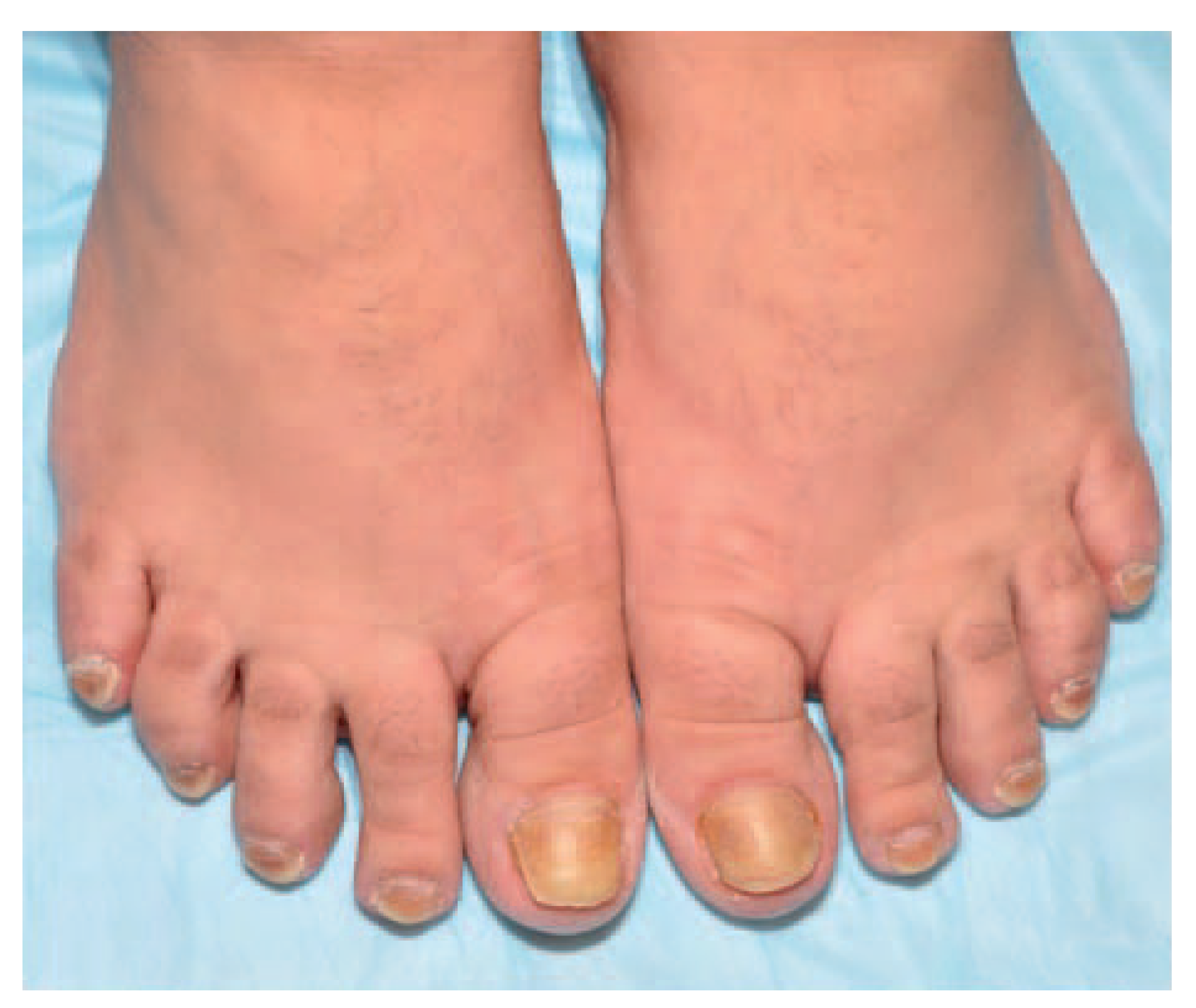
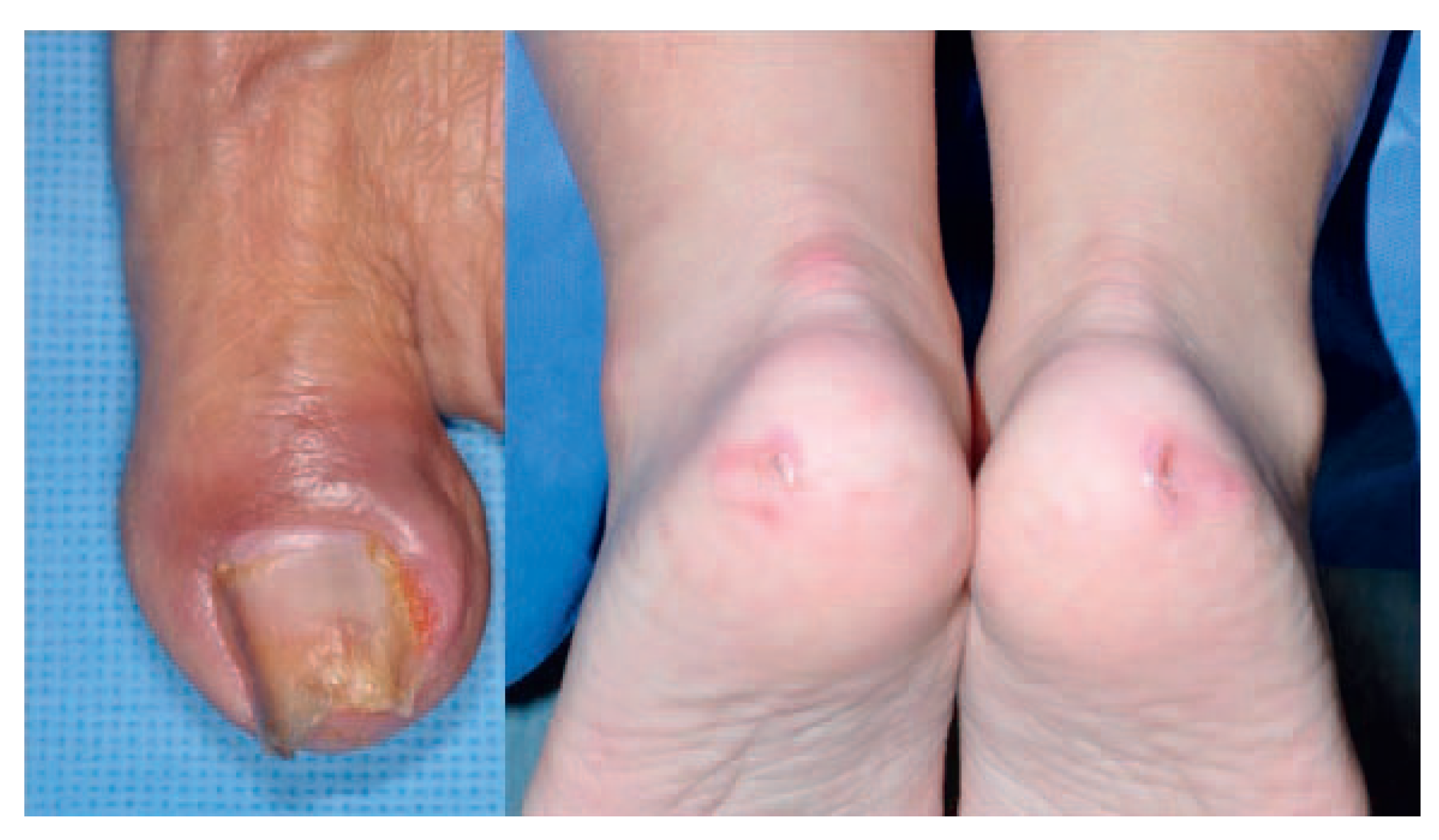
Cosmetic nail changes are usually asymptomatic and do not require medical intervention. These nail changes are noted when anticancer therapies affect the nail matrix but usually are reversible after discontinuation of the anticancer treatment.[7] However, nail toxicity that affects the nail fold and nail bed may become symptomatic (Fig. 4). If untreated, it will progress to paronychia or nail detachment and possible secondary infection, requiring dose modification or even invasive intervention.[37,38] Prophylactic actions include modifications in shoe wear (proper supportive and contoured shoe). Additionally, cold therapy using frozen socks significantly reduced the incidence of docetaxel-induced foot nail toxicity.[40]
Figure 4. Onycholysis, brittle nails, and paronychia from taxane chemotherapy (ie, paclitaxel and docetaxel).
Japma 108 00508 g004
The most common causative infective organism of acute paronychia is Staphylococcus aureus. The combination of amoxicillin with clavulanic acid is suggested as first-line treatment for acute bacterial paronychia, together with appropriate surgical drainage if the condition is severe.[41] In cases of chronic paronychia, the most common organism seen is Candida albicans.[42] Topical antifungals such as ciclopirox 8%, amorolfine, and efinaconazole may be used. A case study showed that topical 1% povidone-iodine/dimethylsulfoxide has been very effective in alleviating the signs and symptoms of severe paronychia associated with chemotherapy.[43]
A study of 127 patients with paronychia showed that corticosteroid ointment and phenol chemical matricectomy significantly improved paronychia severity.[44] For recalcitrant cases of chronic paronychia, an alternative therapy with intralesional triamcinolone can be used in the affected nailfold with positive results.[45] If conservative therapy fails, a surgical approach may be necessary. One of the most widely used is a wedge resection of the affected nail fold. Regarding permanent nail procedures, it is important to keep in mind that most of the nail changes in cancer patient will usually resolve after the end of their treatment.

Xerosis

Because anticancer therapies affect all rapidly proliferating cells, epidermal keratinocytes will have a lower rate of turnover, resulting in decreased proliferation and altered differentiation, which increase transepidermal water loss and dryness.[38] It may present as painful fissures in the lateral aspects of the soles and heels (Fig. 5).[46,47] Treatment includes frequent hydration with ointments or creams containing keratolytics (salicylic acid 6%, urea 10%–40%), if possible under occlusion (socks or plastic dressings).[46] For faster healing, liquid bandages (5-hydroqxiquinoline) may be use on fissures.
Figure 5. Paronychia and heel fissures with targeted therapies (ie, erlotinib, cetuximab, panitumumab, and afatinib).
Japma 108 00508 g005

Edema and Lymphedema

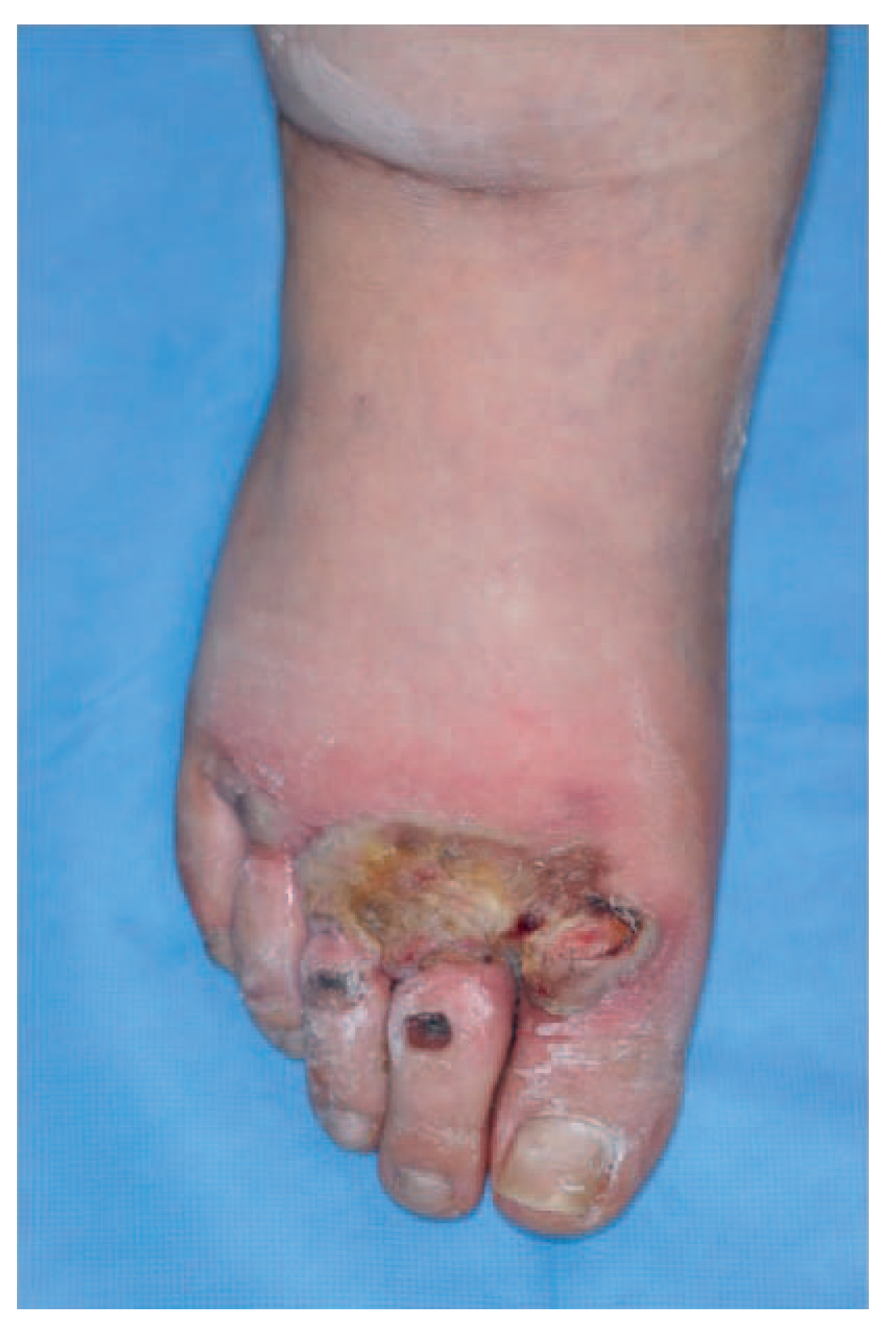
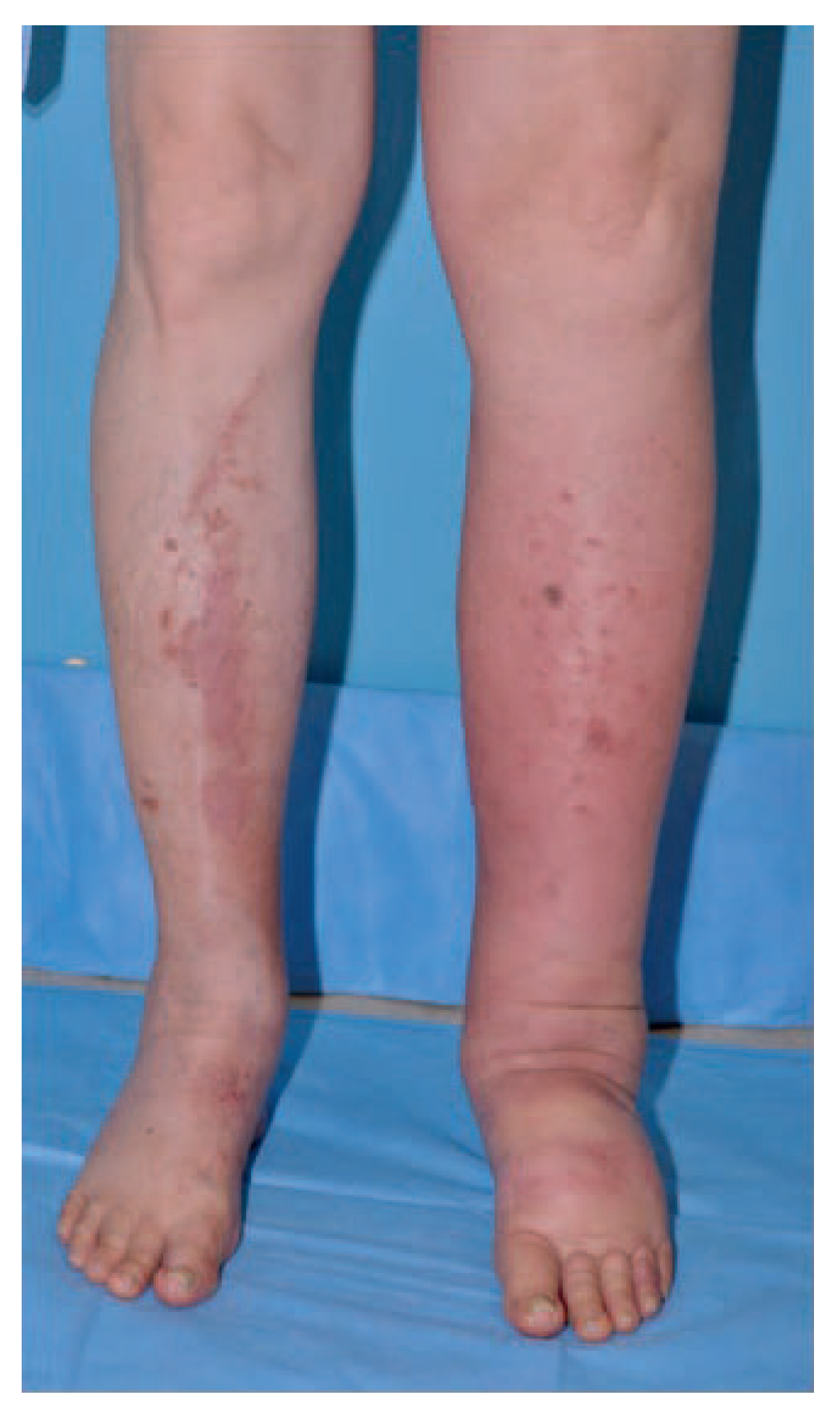
Increased extracellular fluid accumulation in the lower extremities can result from radiation therapy; surgical interventions; or use of chemotherapies in the pelvis, groin, or leg.[48] The result appears to be the same, namely, increased diameter of the leg and foot, with concomitant increased weight, skin changes, infections, and possible ulcerations (Figs. 6 and 7). Treatment and prevention of leg and foot edema is critical for preventing infections and loss of mobility. This is usually achieved through compression garments or manual lymphatic drainage performed by a lymphedema therapist.[48]
Figure 6. Foot edema from systemic therapies and skin and soft-tissue infection on dorsal foot (ie, chemotherapy and targeted therapy).
Japma 108 00508 g006
Figure 7. Leg edema caused by chemotherapy.
Japma 108 00508 g007

Conclusions

Despite the fact that most of the pAEs observed in patients receiving anticancer therapies are not life-threatening, their manifestation may result in dose interruptions or discontinuation and decreased QoL. To date, there has been no podiatric focus on cancer patients and survivors. Moreover, there is a need for clinical trials to develop guidelines for foot care and screening to prevent or reduce complications caused by cancer treatments, similar to the current standardized screening guidelines for patients with conditions such as diabetes and arthritis. A proper education is imperative for providing cancer patients and survivors with the most effective actions against pAEs and to positively impact their QoL. In addition, accurate communication with the oncology team is needed to properly adjust the cancer treatment and to provide optimal foot treatment at the right moment. The ultimate goal of managing these patients is avoiding treatment modifications or interruptions to attain a maximum benefit from the anticancer agents and the most optimal QoL.

Financial Disclosure

Dr. Lacouture was supported in part by the National Institutes of Health/National Cancer Institute Cancer Center Support Grant P20 CA008748 and the RJR Oncodermatology Fund at Memorial Sloan Kettering Cancer Center. Providers of funding and sponsors were not involved in the design and conduct of the study; collection, management, analysis, and interpretation of the data; preparation, review, or approval of the manuscript; or the decision to submit the manuscript for publication.

Conflict of Interest

Dr. Lacouture has a consultant/speaking role with Legacy Healthcare Services, Adgero Bio Pharmaceuticals, De Medische Voet, Foundation of Oncology Footcare, Amryt Pharmaceuticals, Celldex Therapeutics, Debiopharm, Galderma Research and Development, Johnson and Johnson, Novocure Inc, Lindi, Merck Sharp and Dohme Corporation, Helsinn Healthcare SA, Janssen Research & Development LLC, Menlo Therapeutics, Novartis Pharmaceuticals Corporation, F. Hoffmann-La Roche AG, Abbvie Inc, Boehringer Ingelheim Pharma Gmbh & Co. KG, Allergan Inc, Amgen Inc, E.R. Squibb & Sons LLC, EMD Serono Inc, Astrazeneca Pharmceuticals LP, Genentech Inc, Leo Pharma Inc, Seattle Genetics, Bayer, Manner SAS, Lutris, Pierre Fabre, Paxman Coolers, Adjucare, Dignitana, Biotechspert, Teva Mexico, Parexel, OnQuality Pharmaceuticals Ltd, Novartis, and Our Brain Bank. Dr. Lacoutre also receives research funding from Berg, Bristol-Myers Squibb, Lutris, Paxman, Novocure, US Biotest, and Veloce. Mischa Nagel is CEO of Supplement and De Medische Voet in Amsterdam, the Netherlands.

References

  1. https://www.who.int/cancer/PRGlobocanFinal.pdf.
  2. Sibaud V, Dalenc F, Chevreau C, et al HFS-14, a specific quality of life scale developed for patients suffering from hand-foot syndrome. Oncologist16: 1469, 2011.
  3. Miller KK, Gorcey L, McLellan BN: Chemotherapy-induced hand-foot syndrome and nail changes: a review of clinical presentation, etiology, pathogenesis, and management. J Am Acad Dermatol71: 787, 2014.
  4. McLellan B, Ciardiello F, Lacouture ME, et al Regorafenib-associated hand-foot skin reaction: practical advice on diagnosis, prevention, and management. Ann Oncol26: 2017, 2015.
  5. Macdonald JB, Macdonald B, Golitz LE, et al Cutaneous adverse effects of targeted therapies: part I: inhibitors of the cellular membrane. J Am Acad Dermatol72: 203, 2015.
  6. Gomez P, Lacouture ME: Clinical presentation and management of hand-foot skin reaction associated with sorafenib in combination with cytotoxic chemotherapy: experience in breast cancer. Oncologist16: 1508, 2011.
  7. Nagel MPM, Kopsky DJ, Lacouture ME, et al Foot care in oncology: the cancer patient from ankle to toe. The ASCO Post. Available at: http://www.ascopost.com/issues/december-10-2015/foot-care-in-oncology-the-cancer-patient-from-ankle-to-toe/. Accessed.
  8. Hausheer FH, Schilsky RL, Bain S, et al Diagnosis, management, and evaluation of chemotherapy-induced peripheral neuropathy. Semin Oncol33: 15, 2006.
  9. Schneider BP, Hershman DL, Loprinzi C: Symptoms: chemotherapy-induced peripheral neuropathy. Adv Exp Med Biol862: 77, 2015.
  10. Smith EM, Bridges CM, Kanzawa G, et al Cancer treatment-related neuropathic pain syndromes—epidemiology and treatment: an update. Curr Pain Headache Rep18: 459, 2014.
  11. Cavaletti G, Alberti P, Marmiroli P: Chemotherapy-induced peripheral neurotoxicity in cancer survivors: an underdiagnosed clinical entity?Am Soc Clin Oncol Educ Booke553, 2015.
  12. Tofthagen C, Donovan KA, Morgan MA, et al Oxaliplatin-induced peripheral neuropathy's effects on health-related quality of life of colorectal cancer survivors. Support Care Cancer21: 3307, 2013.
  13. Park HJ: Chemotherapy induced peripheral neuropathic pain. Korean J Anesthesiol67: 4, 2014.
  14. Zedan AH, Vilholm OJ: Chemotherapy-induced polyneuropathy: major agents and assessment by questionnaires. Basic Clin Pharmacol Toxicol115: 193, 2014.
  15. Lavoie Smith EM, BartonDL, Qin R, et al Assessing patient-reported peripheral neuropathy: the reliability and validity of the European Organization for Research and Treatment of Cancer QLQ-CIPN20 Questionnaire. Qual Life Res22: 2787, 2013.
  16. Calhoun EA, Welshman EE, Chang CH, et al Psychometric evaluation of the Functional Assessment of Cancer Therapy/Gynecologic Oncology Group-Neurotoxicity (Fact/GOG-Ntx) questionnaire for patients receiving systemic chemotherapy. Int J Gynecol Cancer13: 741, 2003.
  17. Bouhassira D, Attal N, Fermanian J, et al Development and validation of the Neuropathic Pain Symptom Inventory. Pain108: 248, 2004.
  18. Smith EM, Pang H, Cirrincione C, et al Effect of duloxetine on pain, function, and quality of life among patients with chemotherapy-induced painful peripheral neuropathy: a randomized clinical trial. JAMA309: 1359, 2013.
  19. Durand JP, Deplanque G, Montheil V, et al Efficacy of venlafaxine for the prevention and relief of oxaliplatin-induced acute neurotoxicity: results of EFFOX, a randomized, double-blind, placebo-controlled phase III trial. Ann Oncol23: 200, 2012.
  20. Barton DL, Wos EJ, Qin R, et al A double-blind, placebo-controlled trial of a topical treatment for chemotherapy-induced peripheral neuropathy: NCCTG trial N06CA. Support Care Cancer19: 833, 2011.
  21. Marshall TF. Effects of chemotherapy-induced-peripheral-neuropathy on spatiotemporal gait parameters and fall risk in cancer patients after the completion of chemotherapy drug treatment (dissertation). Seton Hall University Dissertations and Theses, Seton Hall, NJ, 2016.
  22. Streckmann F, Kneis S, Leifert JA, et al Exercise program improves therapy-related side-effects and quality of life in lymphoma patients undergoing therapy. Ann Oncol25: 493, 2014.
  23. Streckmann F, Zopf EM, Lehmann HC, et al Exercise intervention studies in patients with peripheral neuropathy: a systematic review. Sports Med44: 1289, 2014.
  24. Lopez Lopez D, Losa Iglesias ME, Becerro de Bengoa Vallejo R, et al Optimal choice of footwear in the elderly population. Geriatr Nurs36: 458, 2015.
  25. Paton JS, Roberts A, Bruce GK, et al Does footwear affect balance?: the views and experiences of people with diabetes and neuropathy who have fallen. JAPMA103: 508, 2013.
  26. von Moos R, Thuerlimann BJ, Aapro M, et al Pegylated liposomal doxorubicin-associated hand-foot syndrome: recommendations of an international panel of experts. Eur J Cancer44: 781, 2008.
  27. Heidary N, Naik H, Burgin S: Chemotherapeutic agents and the skin: an update. J Am Acad Dermatol58: 545, 2008.
  28. Anderson R, Jatoi A, Robert C, et al Search for evidence-based approaches for the prevention and palliation of hand-foot skin reaction (HFSR) caused by the multikinase inhibitors (MKIs). Oncologist14: 291, 2009.
  29. Fischer A, Wu S, Ho AL, et al The risk of hand-foot skin reaction to axitinib, a novel VEGF inhibitor: a systematic review of literature and meta-analysis. Invest New Drugs31: 787, 2013.
  30. Dranitsaris G, Vincent MD, Yu J, et al Development and validation of a prediction index for hand-foot skin reaction in cancer patients receiving sorafenib. Ann Oncol23: 2103, 2012.
  31. Balagula Y, Wu S, Su X, et al The risk of hand foot skin reaction to pazopanib, a novel multikinase inhibitor: a systematic review of literature and meta-analysis. Invest New Drugs30: 1773, 2012.
  32. Lacouture ME, Wu S, Robert C, et al Evolving strategies for the management of hand-foot skin reaction associated with the multitargeted kinase inhibitors sorafenib and sunitinib. Oncologist13: 1001, 2008.
  33. Lacouture ME, Reilly LM, Gerami P, et al Hand foot skin reaction in cancer patients treated with the multikinase inhibitors sorafenib and sunitinib. Ann Oncol19: 1955, 2008.
  34. Lorusso D, Di Stefano A, Carone V, et al Pegylated liposomal doxorubicin-related palmar-plantar erythrodysesthesia (‘hand-foot' syndrome). Ann Oncol18: 1159, 2007.
  35. Ren Z, Zhu K, Kang H, et al Randomized controlled trial of the prophylactic effect of urea-based cream on sorafenib-associated hand-foot skin reactions in patients with advanced hepatocellular carcinoma. J Clin Oncol33: 894, 2015.
  36. Ionescu MA, Fabbrocini G, Cristaudo A, et al Topical nonocclusive polymers in hand-foot skin reaction. J Am Acad Dermatol72: AB65, 2013.
  37. Capriotti K, Capriotti JA, Lessin S, et al The risk of nail changes with taxane chemotherapy: a systematic review of the literature and meta-analysis. Br J Dermatol173: 842, 2015.
  38. Robert C, Sibaud V, Mateus C, et al Nail toxicities induced by systemic anticancer treatments. Lancet Oncol16: 71133, 2015.
  39. Garden BC, Wu S, Lacouture ME: The risk of nail changes with epidermal growth factor receptor inhibitors: a systematic review of the literature and meta-analysis. J Am Acad Dermatol67: 400, 2012.
  40. Scotte F, Banu E, Medioni J, et al Matched case-control phase 2 study to evaluate the use of a frozen sock to prevent docetaxel-induced onycholysis and cutaneous toxicity of the foot. Cancer112: 1625, 2008.
  41. Lomax A, Thornton J, Singh D: Toenail paronychia. Foot Ankle Surg22: 219, 2016.
  42. Frain-Bell W: Chronic paronychia. Short review of 590 cases. Trans St John's Hosp Dermatol Soc38: 29, 1957.
  43. Capriotti K, Capriotti JA: Chemotherapy-associated paronychia treated with a dilute povidone-iodine/dimethylsulfoxide preparation. Clin Cosmet Investig Dermatol8: 489, 2015.
  44. Goto H, Yoshikawa S, Mori K, et al Effective treatments for paronychia caused by oncology pharmacotherapy. J Dermatol43: 670, 2016.
  45. Fliegelman MT, Lafayette GO: How we treat paronychia. Postgrad Med48: 267, 1970.
  46. Lacouture ME, Anadkat MJ, Bensadoun RJ, et al Clinical practice guidelines for the prevention and treatment of EGFR inhibitor-associated dermatologic toxicities. Support Care Cancer19: 1079, 2011.
  47. Lacouture ME, Maitland ML, Segaert S, et al A proposed EGFR inhibitor dermatologic adverse event-specific grading scale from the MASCC skin toxicity study group. Support Care Cancer18: 509, 2010.
  48. D'Angelo SP, Kris MG, Pietanza MC, et al A case series of dose-limiting peripheral edema observed in patients treated with pemetrexed. J Thorac Oncol6: 624, 2011.