Posterior tibial tendon dysfunction (PTTD) is a disabling pathologic flatfoot disorder that can substantially inhibit a person’s ability to mobilize independently and maintain activities of daily living. However, there has been little work in the area of assessment and diagnosis, and even less regarding the prevalence and epidemiologic features of this condition.[
1]
Kohls-Gatzoulis et al[
2] estimated that 3.3% of women older than 40 years are affected by this condition and identified that a large proportion of the positively identified patients with PTTD were not receiving any specialist care.[
2] Previous studies also suggest that patients receive a diagnosis only once their mobility and independence have been substantially affected.[
1,
2] We postulate that in the absence of a validated assessment and diagnostic protocol, these factors are enhanced. In addition, lack of awareness of the condition among health-care professionals and lack of interdisciplinary and multidisciplinary approaches to the assessment and diagnosis of the condition contribute to the reported poor diagnostic profile of patients with PTTD.[
2]
Although the understanding of PTTD has im-proved in recent years with a variety of publications raising awareness of the condition,[
3,
4,
5,
6,
7,
8,
9,
10,
11] several gaps in knowledge remain. These gaps relate to diagnostic and assessment procedures. This has led to uncertainty among health-care teams regarding the best approach to adopt when identifying this condition. The working practices of health-care professionals may also be affecting the approaches to assessment and diagnosis. For example, podiatric physicians often work in isolation in community clinics, and this lack of interdisciplinary interaction could lead to individual approaches to PTTD management.
In the recent past there have been a variety of publications detailing the benefits of conservative management of PTTD. Although this evidence assumes an early presentation of the condition, the results are unequivocal in terms of the therapeutic benefits of conservative intervention.[
3,
8,
10] However, given that there is also evidence that suggests that patients are not receiving timely diagnoses and that generally the diagnosis of this condition by members of health-care teams is poor in the United Kingdom, this would suggest that this optimal window for therapeutic interventions may be lost.[
1,
2,
6]
Currently, there is little or no published information about why PTTD is poorly diagnosed. Similarly, there is little evidence that has explored the suspected differences in the interdisciplinary and multidisciplinary approaches to assessment and diagnosis. More importantly, data regarding consensus toward approaches to managing this condition are scarce.[
12]
Therefore, the aim of this study was to explore the views and opinions of health-care professionals who encounter PTTD in their clinical practice to explore levels of agreement in the areas of assessment and diagnosis.
Methods
A two-phase sequential mixed methods design combining questionnaire survey analysis and focus group interview was used.[
13] This design, and the subsequent richness that results from this type of analysis, is well suited to studies seeking to combine inductive and deductive methods.[
13,
14,
15,
16]
Ethical approval was obtained from the National Health Service research ethics committee before the study commenced. Informed consent was incorporated into the design of the online questionnaire, and all of the participants were required to consent before moving on to the questions. Focus group participants were required to give consent for recording of the focus group discussions, transcription of the recording, and subsequent dissemination of the findings. The method was executed in two phases.
Phase 1
Because there is no validated questionnaire available to meet the aims of this study, a Web-based survey questionnaire suitable for exploring the research question was developed. The questionnaire was designed using published literature to help inform the topic areas. Next, in concordance with questionnaire design guidelines,[
17] the main researcher (B.D.) and an experienced academic researcher with expertise in this area reviewed the content derived from the literature. Finally, the questionnaire was piloted on a small sample of colleagues (n = 5) with experience with qualitative questionnaire-based research studies. Cognitive debriefing was used to apply a consistent method to evaluate the content of the questionnaire.[
18] The draft questionnaire was modified to reflect these comments, leading to the final design, which consisted of 29 questions. The questions were intended to target responses in five main areas pertinent to the assessment and diagnosis of PTTD: key clinical signs and symptoms, epidemiologic characteristics, opinions on imaging, key assessment protocols, and opinions on management.
Permission to circulate the questionnaire was sought from professional groups, and extendedscope musculoskeletal (MSK) physiotherapists, MSK specialist podiatric physicians, and podiatric foot and ankle surgeons were contacted directly via their respective online professional groups. Approximately 500 questionnaires were distributed. A precise figure cannot be provided owing to the chain referral sampling that may have taken place within these specialist clinical groups.
Phase 2
The focus group was assembled to better understand the questionnaire responses. The aim of this study relates to understanding why PTTD is poorly diagnosed. This is potentially a sensitive area to explore, and using focus groups to further ‘‘unpack’’ questionnaire responses is one way of accessing undiscovered conversations and the ‘‘hard to reach.’’[
19](p15-28)
Once the questionnaire data had been collated, the lead researcher (B.D.) completed an initial analysis of key word and percentage responses. Agreement and disagreement surrounding a variety of key areas were found within and between professional groups. This provided a framework for the focus group to identify the main areas where there was an obvious lack of agreement.
Table 1 shows the initial areas for discussion that were derived from the questionnaire responses.
The focus group comprised four health-care professionals with specialist MSK expertise who were likely to frequently encounter this condition.
The professional background of the participants was as follows: one foot and ankle surgeon based in a secondary care setting (9 years’ experience), two MSK specialist podiatric physicians who hold leadership posts in the field of foot and ankle MSK pathology in primary and secondary care settings (10 years’ experience each), and one MSK physiotherapist who has worked in hospital and primary care settings (15 years’ experience).
A second physiotherapist was recruited to participate but was unable to attend on the designated day. Because all of the professional groups recruited to participate in the questionnaire survey were represented, it was decided to continue with the focus group given the difficulty in getting groups of professionals together and the time that had been taken out of busy clinical schedules.
The focus group was facilitated by an independent expert experienced in running workshops and group participation activities. The lead researcher (B.D.) was present to listen to the discussions and take field notes. The meeting lasted for 2 hours, and the resulting discussions were recorded. The recording was then transcribed verbatim for further thematic analysis.
Data Analysis
Questionnaire Survey. The questionnaire survey results were analyzed using a statistical software program (IBM SPSS Statistics for Windows, version 21.0; IBM Corp, Armonk, New York). The within-group results were analyzed using the Kendall coefficient of concordance, and the between-group agreement was analyzed using the Cohen kappa statistic. See
Table 2 for further information.
Results were considered to demonstrate substantial agreement, with a kappa statistic of 0.61 to 1, and for the Kendall W, a result of 0.7 to 1 was considered a strong level of agreement.
Focus Group. The transcribed focus group data underwent thematic analysis following a method similar to that outlined in the literature.[
20] This model of analysis was used because it offers a flexible approach to qualitative data analysis and is a widely used method for analyzing data collected from a variety of media, including interviews and focus groups. It allows organization of the data, which, in turn, describes the data set in rich detail using the generated themes that are revealed. Embedded in critical realist epistemologic positioning, thematic analysis aims to enable the researcher to uncover the reality, experiences, and meanings of the key issue under investigation.
The data were coded in accordance with the method proposed by Braun and Clarke.[
19] This part of the analysis was conducted by the lead author (B.D.). The initial coding was verified by an independent researcher experienced in qualitative research who was able to review the codes and initial themes. Following this, a process of refinement of the initial codes and subcodes took place, resulting in the derivation of three final themes: resource implications, scope of practice, and clinical awareness of the condition.
Results
Questionnaire Survey Results
Of the 500 potential participants contacted, approximately 158 returned completed questionnaires, representing an approximate return rate of 31%. Owing to the small number of respondents from the group of foot and ankle surgeons, these were not included in the statistical analysis; however, number of responders is included in the qualitative results.
Focus Group Results
Resource Implications. Throughout the focus group discussions there was a repetitive commentary that highlighted difficulties and restrictions that challenged the desire to provide ‘‘best practice.’’ This was especially apparent when the discussions surrounding diagnosis of the condition were debated.
‘‘... I think as a gold standard of treatment that’s probably it, where you have a podiatrist and a surgeon sitting next to each other and you say yes I think that’s tib post, and you ultrasound it and you’re good at it. I don’t have that facility in my clinic.’’ (podiatric physician)
... ’’We’ve only just recently had MRI [magnetic resonance imaging], so we’ve relied hugely on ultrasound [pause]. We now have MRI ability and we probably would use it for those where [pause] perhaps where the ultrasonographer has suggested MRI if they consider a tear is present.’’ (podiatric physician)
For primary or community-based care, access to MRI was limited for many services. Some extendedscope practitioners now have a direct access referral service; however, this is not mainstream practice for many departments. Although all of the participants were clinicians encountering this condition on a regular basis, there were mixed experiences when it came to imaging for the diagnosis of PTTD.
Scope of Practice. There was a recurrent theme throughout the discussions that suggested that the variable experience and the scope of practice of clinical staff are, in part, responsible for the reported paucity in the timely diagnosis of the condition.
‘‘... a lot of the early stages, is probably seen within the [general practitioner] practice, so by the time we get them they tend to be quite a long way down the road and I think that’s possibly where some of the problems lie.’’ (podiatric physician)
‘‘... I think it depends where they are seen [pause], I think possibly in private practice is where sometimes these patients are poorly managed [pause], perhaps because they (sic) don’t have the knowledge that they think they have and don’t recognise that they need to move a bit faster and that they may need to refer on.’’ (physiotherapist)
In addition, it was apparent that perhaps the differences in the approaches were not just down to a lack of understanding about the condition but may also reflect the fact that different health-care practitioners will practice in such a way that complements and supports the scope of practice for their particular discipline. This was the case for clinical reasoning and clinical decision making and when planning the care of the patient.
‘‘... I suspect it’s just different health professions looking at things from different perspectives. So I should imagine surgeons are looking at the MRI scan every time and I suspect maybe on the podiatric side you’re looking more at biomechanical function of the tendon, so it may just be the different way people are looking at it, and where their backgrounds ...’’ (foot and ankle surgeon)
Therefore, although clinicians may work alongside each other in practice, shared decision making is not necessarily advocated or easily integrated into daily practice.
Clinical Awareness of the Condition. There were strong opinions from all members of the group relating to the lack of awareness of the condition, which was suggested to contribute to the poor reported diagnosis and management of the condition.
‘‘... I think there’s a widespread ignorance about this condition [pause] so a lot of people won’t know much about it. There needs to be a dissemination of information that this is a true pathological condition that needs to be recognised, it needs to be diagnosed early, and I think that’s probably a really important thing from this ...’’ (foot and ankle surgeon)
...’’Where awareness is lacking I think is in general practice, whether it be doctors, physiotherapy, or podiatry. The awareness is probably not out there. Look at a map of medicine; it’s not even in there. At best it’s there as a differential diagnosis for plantar fasciitis. [pause] I’m not concerned when the condition is seen in specialist clinics. It’s what happens to patients outside of there. You need to get in there early to prevent progression .... ’’ (podiatric physician)
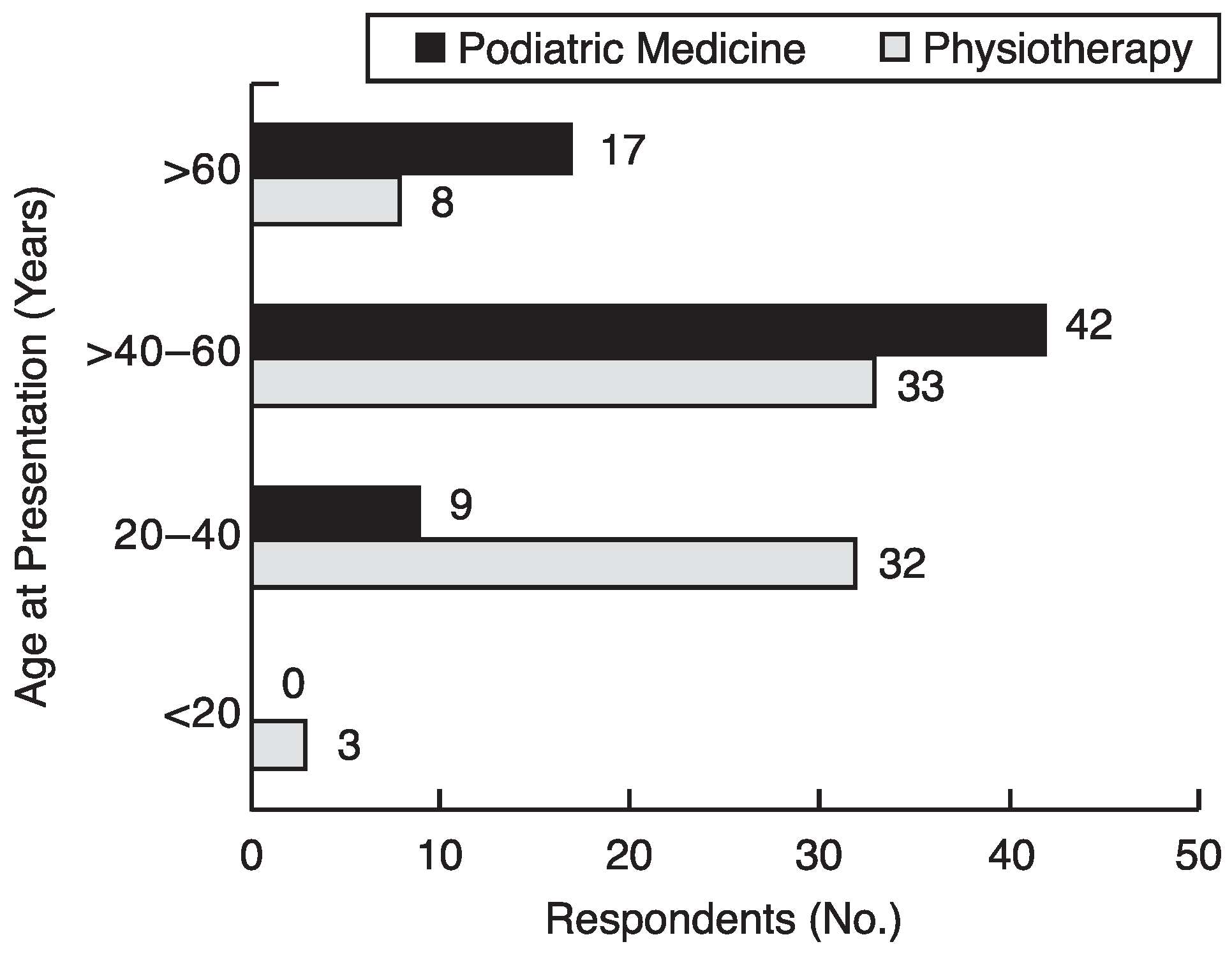
Lack of awareness of PTTD was further corroborated by the differences in opinion as to the most predominant age for presentation of the condition. Physiotherapists reported between ages 20 and 40 years, and podiatric physicians reported 40 to 60 years.
In a group of health-care professionals who regularly encounter this condition, and despite being expert clinicians, shared decision making is poor in the same and between different health-care groups. This is verification of the initial concerns of this study.
Discussion
The results of this study suggest that there are combinations of different reasons contributing to the reported evidence that suggests that PTTD is poorly diagnosed among health-care practitioners.[
1,
6,
21] The three main areas for discussion from the online survey questionnaire and the focus group results have been identified as follows: 1) The need for timely signposting to specialist practitioners to improve the diagnostic profile of this condition. 2) The overarching need to raise awareness among nonspecialist groups of the existence of the condition, especially because nonspecialist clinicians may be the ‘‘gatekeepers’’ of onward referral to advanced services. 3) The need for clarity within advanced services as to the diagnostic tests that may be required to confirm a diagnosis.
Despite its commonality, there remains inconsistency surrounding the timely diagnosis and subsequent management of PTTD.[
6,
12,
22,
23,
24,
25,
26,
27,
28,
29] The small amount of prevalence data available suggests that this condition is underrecognized and not well managed in the medical community.[
2]
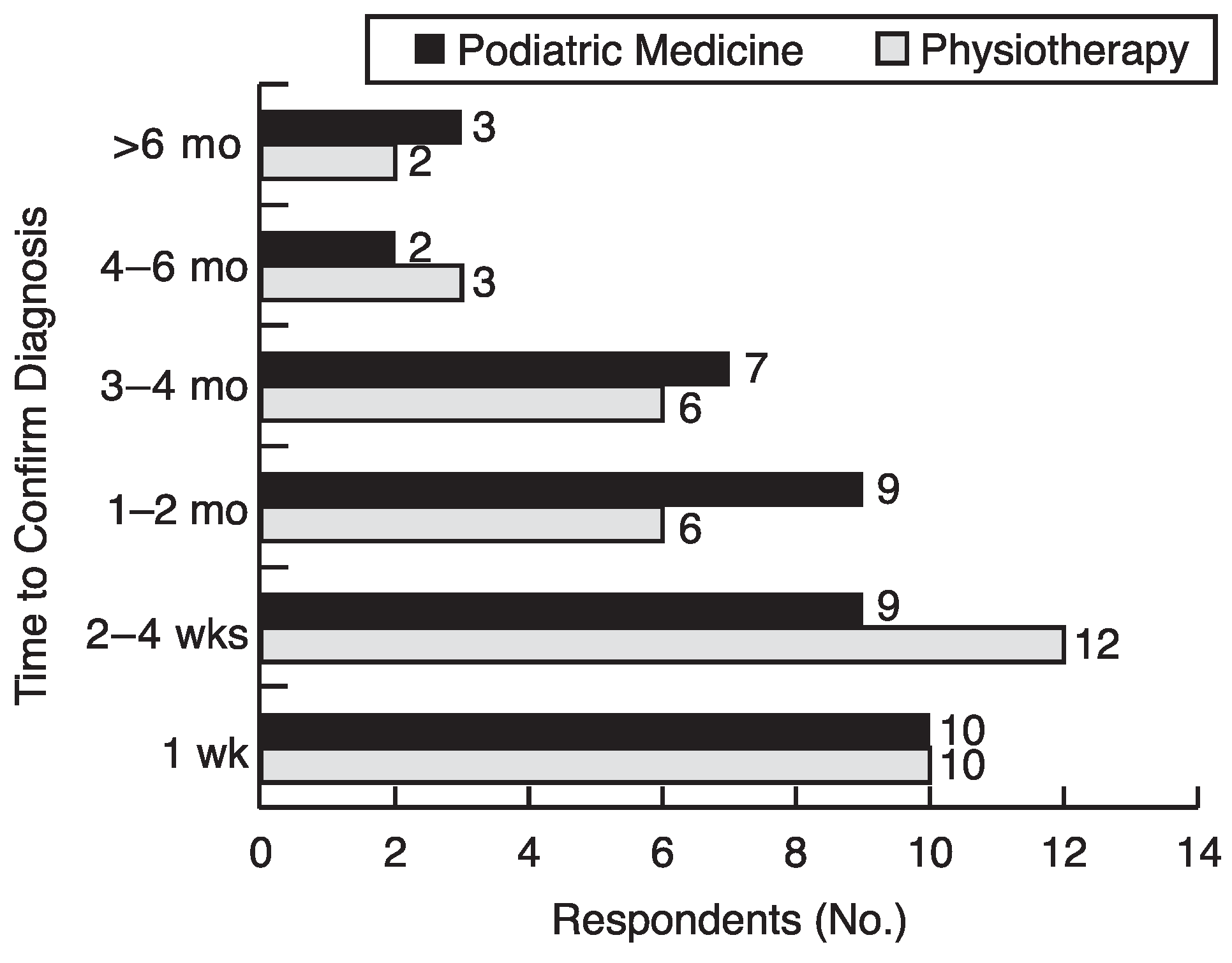
The questionnaire survey results demonstrate that there is no agreement within professional groups regarding the time taken to confirm a diagnosis (
Figure 1), and this was confirmed by the strong kappa result in the opinion of different professional groups as to the time taken to confirm a diagnosis of PTTD (κ = 0.874 [
P < .001], podiatric medicine
W = 0.041 [
P = .197], physiotherapy
W = 0.060 [
P = .04]).
Focus group participants were in agreement that PTTD is often missed or diagnosed late. There was strong opinion that part of the problem in diagnosing the condition is that patients are not seen early enough by clinicians who have the expertise to provide a diagnosis. Overall, the questionnaire survey data suggest that more than 90% of respondents agree that diagnosis of PTTD could be improved. Disappointingly, one study reports that of 582 women who were surveyed, with 3% later confirmed to have PTTD, none of them had been previously diagnosed, and this was despite the longstanding presentation of symptoms.[
2]
Despite evidence suggesting that interdisciplinary or multidisciplinary practice provides the best outcomes for patient care,[
30,
31] it was obvious from the questionnaire and focus group respondents that there remains a ‘‘blinkered’’ or narrow-minded approach to patient care in many areas of practice. Although general practitioners may refer to different professional groups on the basis that the best referral would be made to the best professional, evidence does not necessarily support this. In a study[
32] exploring general practitioner referrals to physiotherapy, the results tended to suggest that the decision-making process was variable and not always in the patient’s best interest. In some cases, the referrals made were known as ‘‘dumping referrals,’’ where uncertainty existed as to the benefit of the referral. On interviewing patients, the study revealed that patients at times had unrealistic expectations of what physiotherapy would be able to provide. The study concluded that closer collaboration between the two professions would result in the better management of problematic patients and prevent wasted resources through avoiding inappropriate referral.
Further analysis of the survey questionnaire data demonstrates widespread disagreement related to the predominant age group affected by this condition (κ = —0.054 [
P < .419], podiatry
W = 0.297 [
P <.01], physiotherapy
W = 0.217 [
P < .01]) (
Figure 2).
This may reflect the different patient groups that form the case load of different professional groups, and this may influence clinicians’ perception of the onset of the condition. However, it also highlights the uncertainty surrounding correct identification of the condition. If this is the trend for a specialist group of MSK professionals, the understanding for nonspecialist groups could be more prevalent.
The results presented herein suggest that there is a need to raise awareness of the condition among nonspecialist clinicians. Focus group participants provided a strong sense that little was known about the condition outside of extended-scope MSK practitioners. One participant (a podiatric physician) pointed out that the condition is not mentioned in available diagnostic and assessment tools, such as the Map of Medicine, an electronic clinical tool accessed by many nonspecialist practitioners for advice regarding clinical pathways and evidence-based practice. The questionnaire respondents agreed that the condition could be managed successfully with conservative management. Agreement was also reached confirming that the diagnosis of the condition could be improved (physiotherapy W = 0.522 [P ≤ .001], podiatric medicine W = 0.586 [P ≤ .001], κ = 0.62 [P ≤ .01]).
Given that good-quality intervention studies are reporting the benefits of conservative management and that, when diagnosed at an early stage, the results seem unequivocal,[
3,
8,
10] it seems crucial that raising the awareness of the condition is one of the most important take-home messages.
The published literature, in addition to experiential clinical evidence, suggests a picture of progression of the abnormality over time if active management is not commenced.[
25,
33,
34,
35,
36,
37,
38,
39,
40,
41,
42]
The questionnaire survey data suggest where and when clinics happen, and the model that is adopted to maximize access to resources identified variability in different professional groups and in the same professional group. Some services offer a ‘‘one-stopshop’’ approach to assessment, diagnosis, and treatment, and, therefore, care is provided in a streamlined manner. This would hold true when observing the way newly commissioned MSK services in the National Health Service in the United Kingdom are offering multidisciplinary team clinics for chronic conditions, with a variety of health-care professionals available at one location.
In some community clinics, this is sadly not the case, and individual clinicians are limited by the assessment equipment and diagnostic procedures, such as imaging, that are available to them. Published reports suggest that patient benefits are plenteous from multidisciplinary team rehabilitation programs.[
43,
44] This was echoed in a multiplicity of interactions in the focus group discussions.
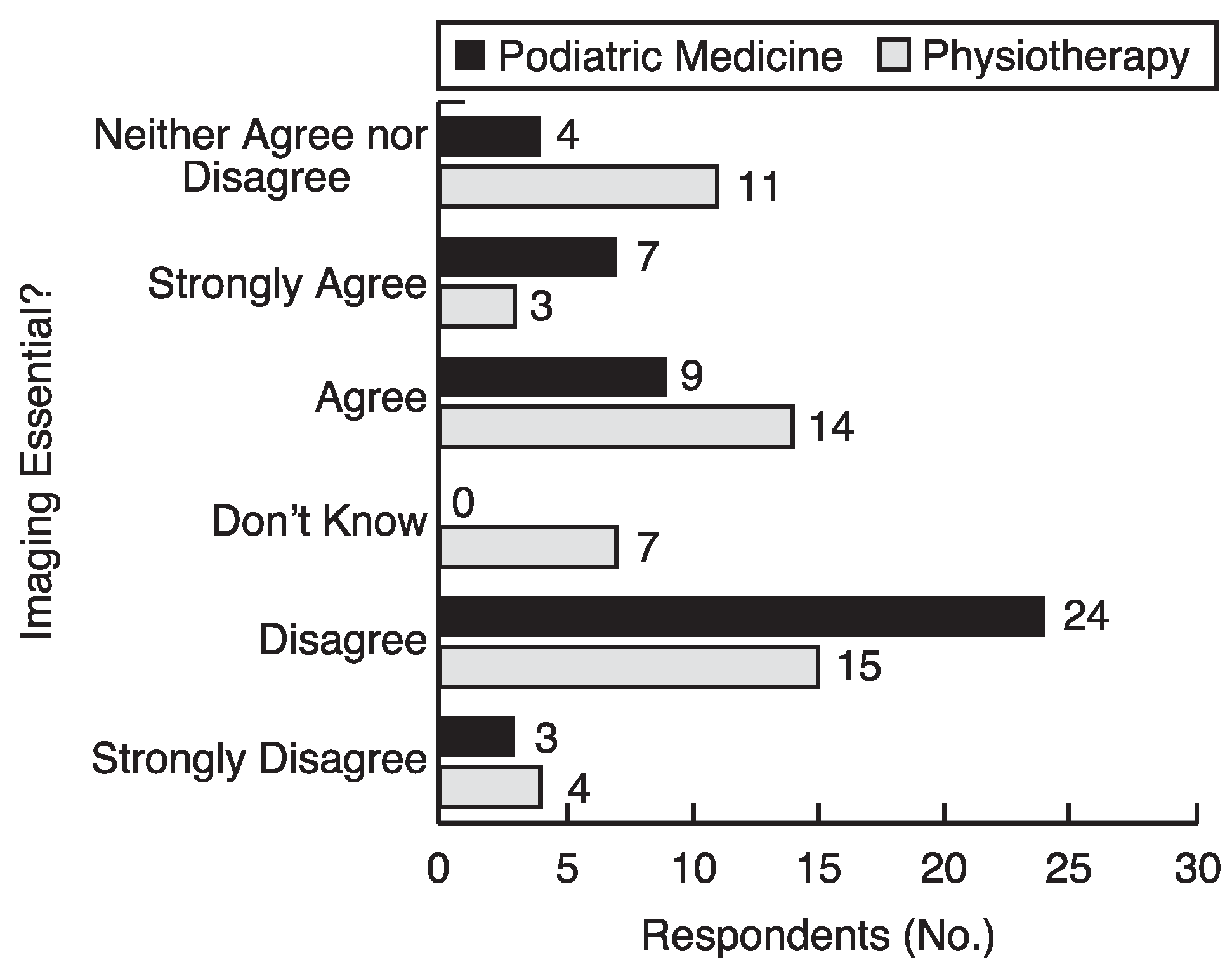
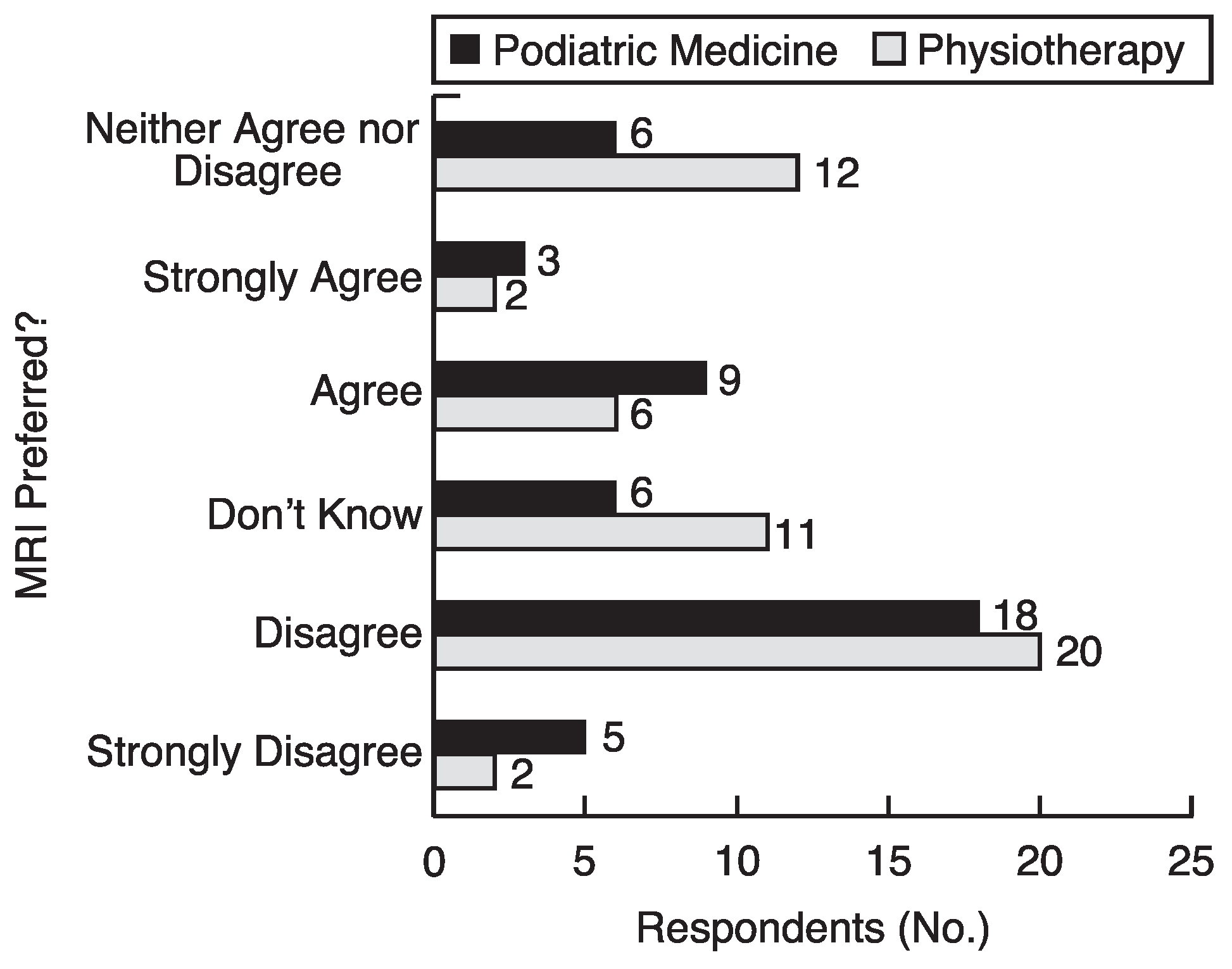
Even if the streamlining of referral and the raising of awareness of nonspecialist practitioners is achieved, there remains confusion at advanced levels of practice as to what diagnostic tests are appropriate. Questionnaire survey respondents, when questioned about their opinions as to whether imaging was essential in the diagnosis of the condition, gave a mixed response. In addition, when asked which type of imaging they believed was most appropriate to confirm clinical findings and diagnostic certainty, responses were inconsistent.
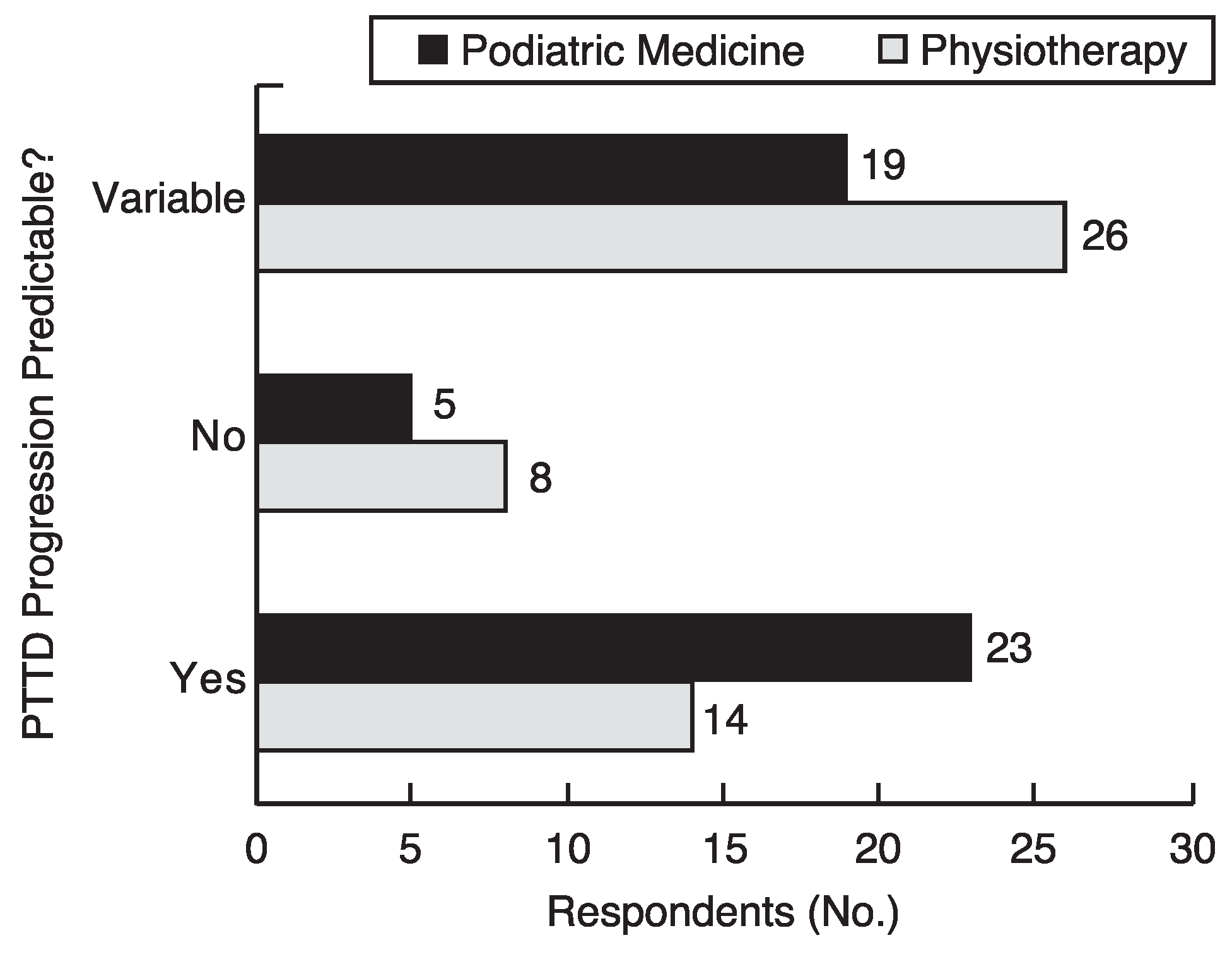
Results for the imaging questionnaire responses versus the focus group discussions (
Figure 3,
Figure 4 and
Figure 5) provided a surprisingly dichotomous picture. The survey questionnaire results indicated that any type of imaging was not thought to be essential to the diagnosis of PTTD (κ = 0.593 [
P < .001], Kendall podiatric medicine
W = 0.091 [
P ≤ .01], and physiotherapy
W = 0.056 [
P = .008]). However, focus group discussions suggest that clinical decision making can be enhanced by the use of imaging, particularly soft-tissue imaging. After discussions on the use of MRI, focus group participants felt that rather than the lack of access to MRI being a limitation it has, in fact, led to enhanced service provision. Many extended-scope clinicians are using diagnostic ultrasound as a portable, cheaper option compared with MRI. This has enriched their expertise at diagnostic certainty, providing instant clinical information to help confirm a diagnosis and aiding clinical decision making and onward surgical referrals. This was highlighted by one discussion in which it was suggested that instant access to diagnostic ultrasound, in addition to enhanced working with orthopedic surgeons and podiatric physicians or physiotherapists in a multidisciplinary team environment, should be the gold standard that service providers should strive to achieve.
From the questionnaire survey data it seems that radiography is unhelpful in diagnosing the condition with within- and between-group analyses (κ = 0.757 [P ≤ .001], podiatric medicine W = 0.319 [P ≤.001], physiotherapy W = 0.34 [P ≤ .001]).
The focus group data offer insights surrounding the use of radiography. Despite this imaging modality not being useful in the immediate diagnosis of this condition, from a surgical perspective, it was deemed to be useful in terms of surgical planning and in assessing the progression of the condition. This suggests that a ‘‘one-size-fits-all’’ approach is not helpful. Certainly from a diagnostic or conservative therapeutic perspective, radiography may be less useful. However, in terms of collaborative clinical decision making and the longterm interests of the patient, this type of imaging is not redundant.
During the focus group discussions, the foot and ankle surgeon suggested that careful assessment with the help of radiography is useful to determine whether the patient is suitable for surgery. This is especially important where a patient’s foot demonstrates a progressed presentation of the condition. If a patient has been managing well but has bone and joint degenerative changes as a result of the progressing pathologic flatfoot deformity, it may be deemed that long-term conservative management is a better option, offering a better long-term outcome for the patient. This suggests that working much closer with different professional groups could also help improve overall management.
Summary
If the clinical practice gap is to be bridged between the evidenced successful conservative management and the reported poor diagnostic capability, new guidance and educational training surrounding PTTD should be produced with the nonspecialist in mind, as well as upskilling the existing extendedscope clinicians.
Although this study has highlighted several different areas that could be used to further advance the understanding of the clinical care of patients with this condition, it is not without limitations, and these must be considered when interpreting the results.
First, the representative groups that were approached to complete the questionnaire do not include general practitioners. The evidence that is available suggests diagnostic paucity among general practitioners. The present study targeted registered MSK practitioners because it was felt that this would reflect a homogenous group likely to encounter this condition on a frequent and regular basis. For this reason, general practitioners were not recruited to the study, as published data suggest that this group may represent a more diverse heterogeneous group[
1,
2,
22,
45] and, therefore, could have changed the focus of this study.[
46,
47]
It could be argued, therefore, that these data do not represent the population that may come in contact with this condition. There are a variety of other nonspecialist groups that have not been represented too. For example, nurses and occupational therapists, both who could be ‘‘the first person in’’ when assessing this condition, particularly in the older population, where community multidisciplinary teams are common. In addition, non–National Health Service private practitioners were not represented as a group, although many National Health Service practitioners also work in the private sector.
A further limitation may be the lack of representation of the patients themselves. Certainly, anecdotal conversations with patients who have the condition suggest that this group has plenty to say. This is an area that we want to pursue for future research.
This study explored an area that has, to date, not been discussed in the published literature. During the past decade, there have been increasing amounts of research published concerning the assessment and treatment of PTTD. There is a paucity of research investigating epidemiologic aspects of the condition. The prevalence of PTTD is such that further research into the assessment and diagnosis of this condition is warranted.
Conclusions
This study sought to investigate the opinions and beliefs of health-care providers through questionnaire and focus group discussion concerning the assessment and diagnosis of PTTD. The results demonstrated that there is a lack of agreement within and between groups of health-care clinicians who commonly encounter this condition, highlighting what may have been suspected previously but that has never been investigated or reported.
Appropriate and best care may depend on the scope of practice and experience of the clinical teams. This suggests that there needs to be guidance provided to nonspecialist health-care groups, who may be the first people to come into contact with this condition. Further collaborative working may also enhance the long-term prospects for patients with this debilitating and underrecognized condition.