Next Article in Journal
Simultaneous Bilateral Stress Fractures in a Homemaker. A Case Report and Literature Review
Previous Article in Journal
Transplantation with Allograft for Rupture of the Flexor Hallucis Longus Tendon with Subsequent Longitudinal Tear of the Flexor Digitorum Longus Tendon at the Master Knot of Henry. A Case Report
 
 
Journal of the American Podiatric Medical Association is published by MDPI from Volume 116 Issue 1 (2026). Previous articles were published by another publisher in Open Access under a CC-BY (or CC-BY-NC-ND) licence, and they are hosted by MDPI on mdpi.com as a courtesy and upon agreement with American Podiatric Medical Association.
Article

Primary High-Grade Squamous Cell Carcinoma of the Foot. A Case Report

1
Sarasota Orthopedic Associates Foot and Ankle Fellowship, Sarasota, FL 34239
2
US Navy, Yuma, AZ
J. Am. Podiatr. Med. Assoc. 2014, 104(5), 514-517; https://doi.org/10.7547/0003-0538-104.5.514

Published: 1 September 2014

Abstract

Squamous cell carcinoma is the second most common type of skin cancer and may present in the distal extremities including the foot. We present a case in which a primary squamous cell carcinoma of the foot, which presented as a granulomatous ulcerating lesion, was diagnosed and successfully treated with a radical resection. Our case shows an atypical presentation of a very common malignancy and, it is therefore essential for health-care providers to consider malignancy in all suspicious lesions of the foot.

Skin cancer is the most common cancer in the world, and squamous cell carcinoma (SCC) is the second most common type of skin cancer. It is estimated that there are more than 3.5 million new cases of nonmelanoma skin cancer each year with 700,000 new cases of cutaneous SCC, which will contribute to the estimated 3,010 deaths that will occur from nonmelanoma skin cancer annually. [1,2] An estimated 5% to 14% of all primary SCC occur in the lower extremities with an even lower percentage presenting in the foot. [3] We present a rare case of a high grade primary SCC of the forefoot (studied with magnetic resonance imaging [MRI] and histopathologic correlation) in which the patient was successfully treated with radical resection of the mass.

Case Report

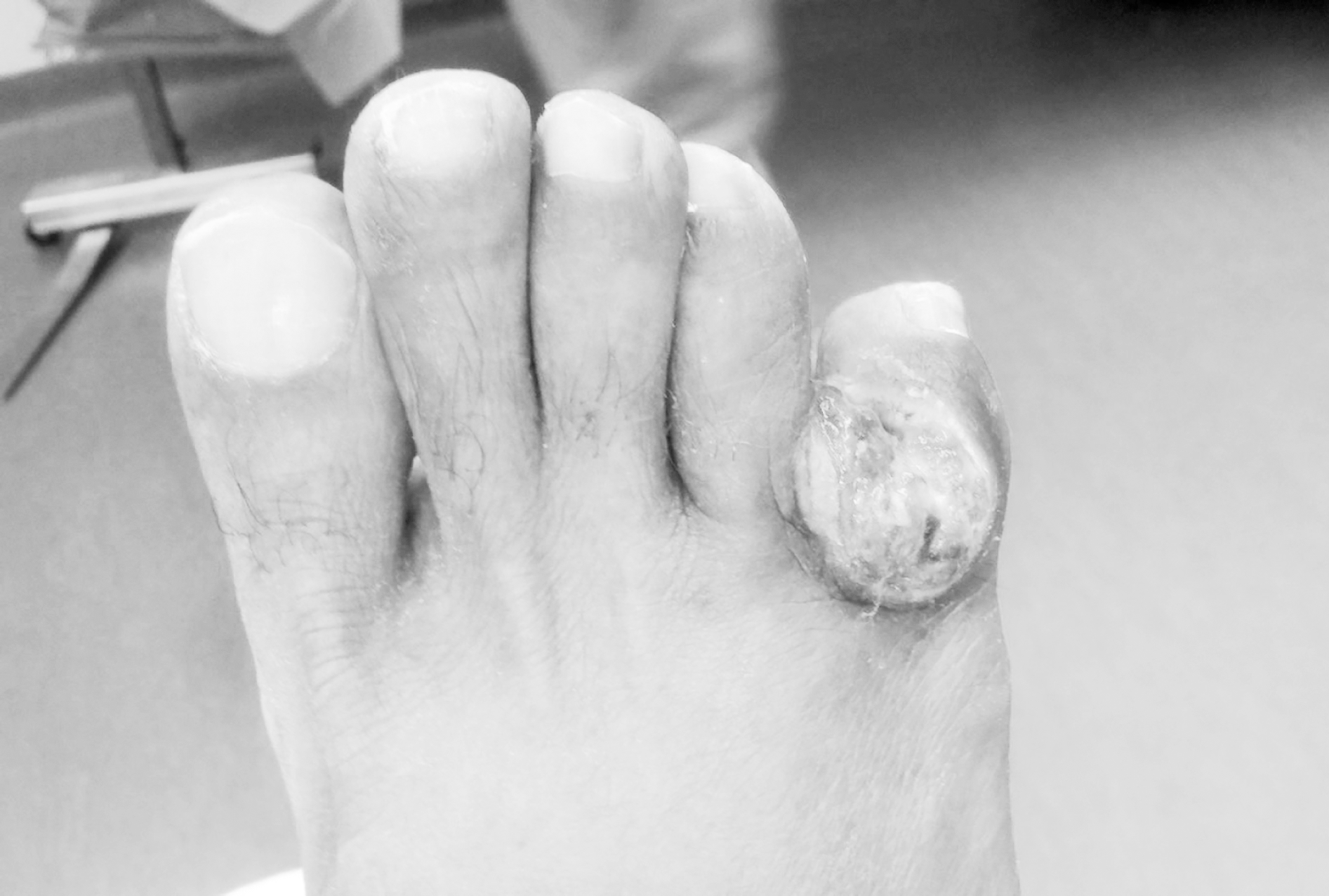
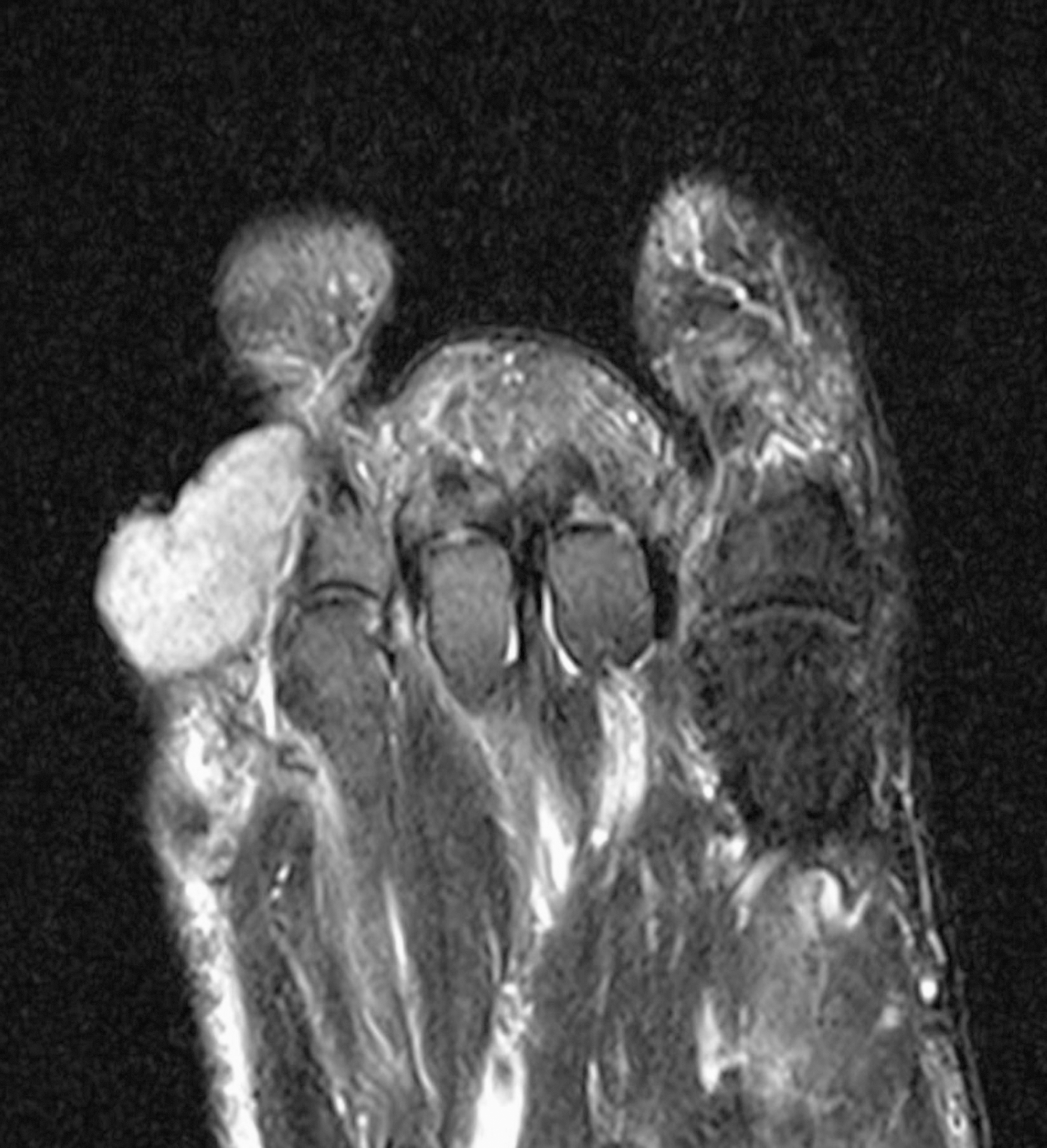
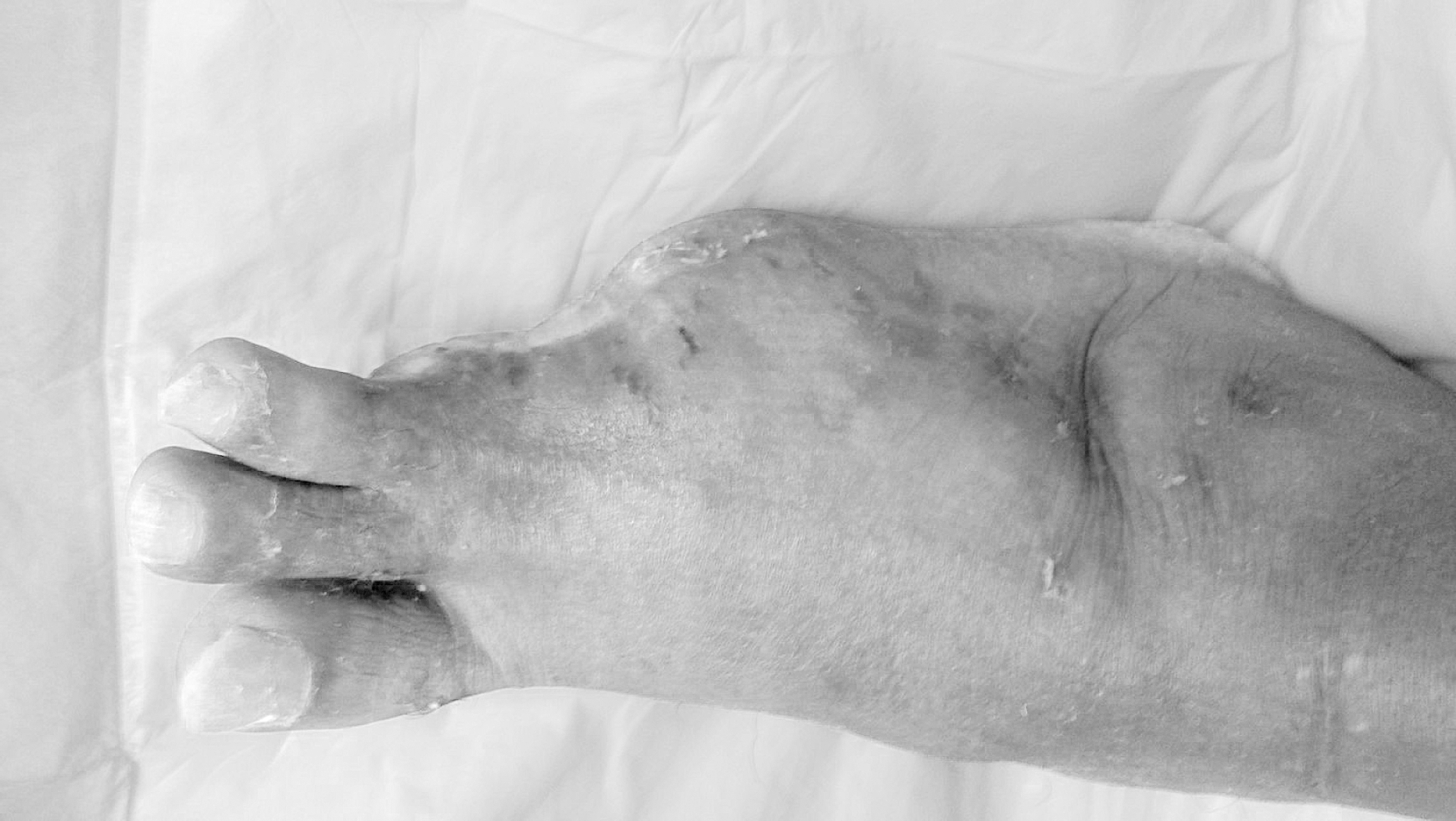
A 62-year-old man presented to the emergency room with an enlarging painful lesion located in the web space between the fourth and fifth toes on his right foot (Fig. 1). The patient related the lesion had developed 1 to 2 months prior to presentation. The patient had applied various creams including anti-fungals. The lesion enlarged and he presented for examination. In the emergency room he reported pain but denied any constitutional symptoms. He further denied any weight loss, shortness of breath, cough, bony pain, headache, or focal weakness. Past medical history was negative for any previous malignancy or radiation therapy, and there was no family history of cancer. He was not currently on any medications. The patient was employed as an overnight stocker at Walmart and smoked a pack of cigarettes daily before quitting in 1998. He denied any exposure to any carcinogenic material. Upon examination, he was found to have a soft-tissue mass in the web space between the fourth and fifth digits, with a granulomatous type appearance with some friability and a small amount of bleeding. The fifth digit had deviated laterally. Radiographs demonstrated no evidence of fracture or bony destruction. Magnetic resonance imaging showed a soft-tissue mass measuring 3.4 × 2.8 × 2.8 cm between the fourth and fifth digits with splaying of the digits (Fig. 2). The mass had diffuse homogenous enhancement and was adjacent to the medial aspect of the fifth flexor tendon while abutting the fifth interphalangeal joint. The MRI did not find any focal osseous erosion or remodeling.
Figure 1. Preoperative photo showing expansile open lesion of the 4,5 intertriginous space.
Japma 104 00514 g001
Figure 2. Magnetic resonance image showing expansile lesion of the lateral forefoot.
Japma 104 00514 g002

Surgical Treatment

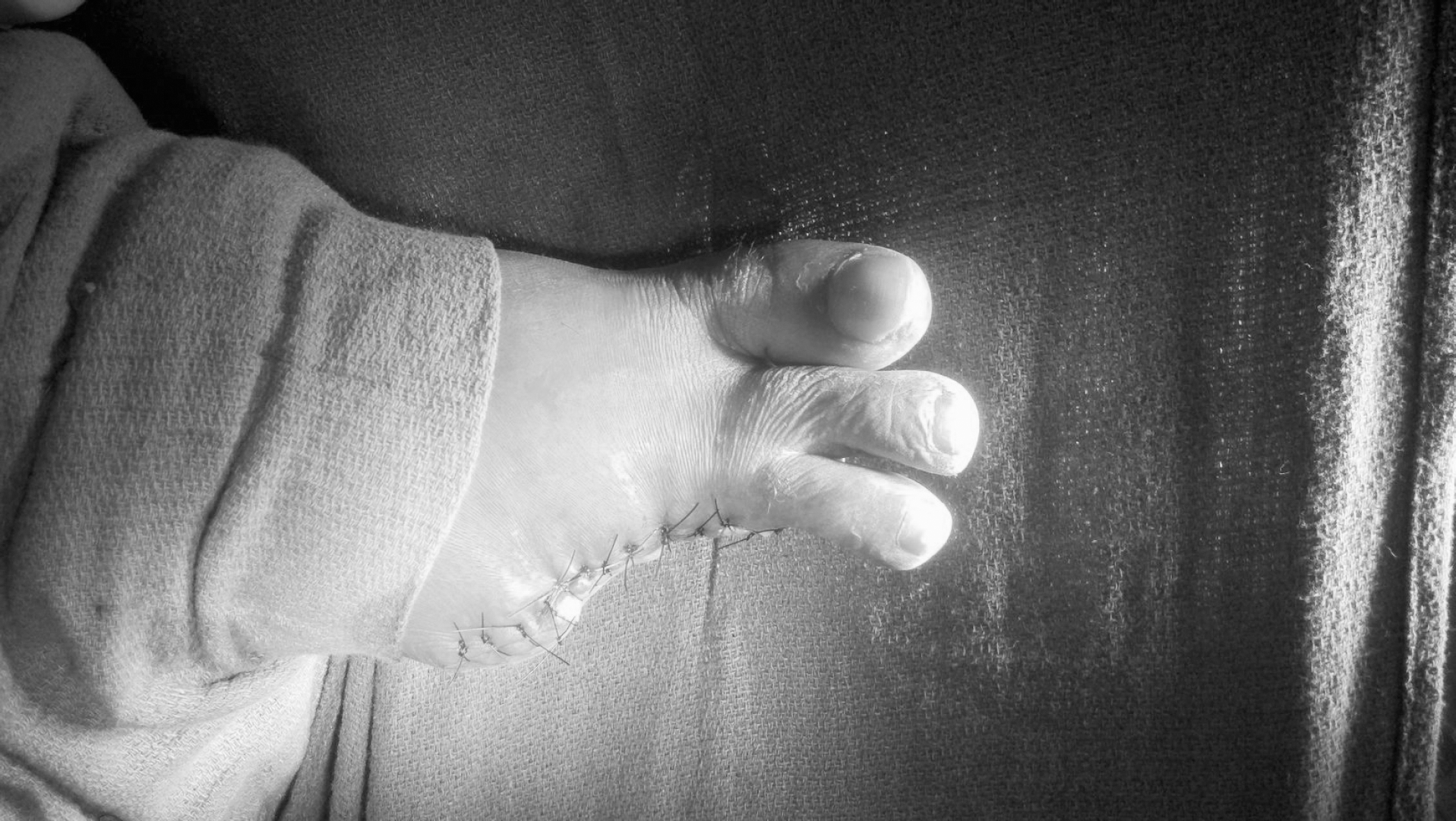
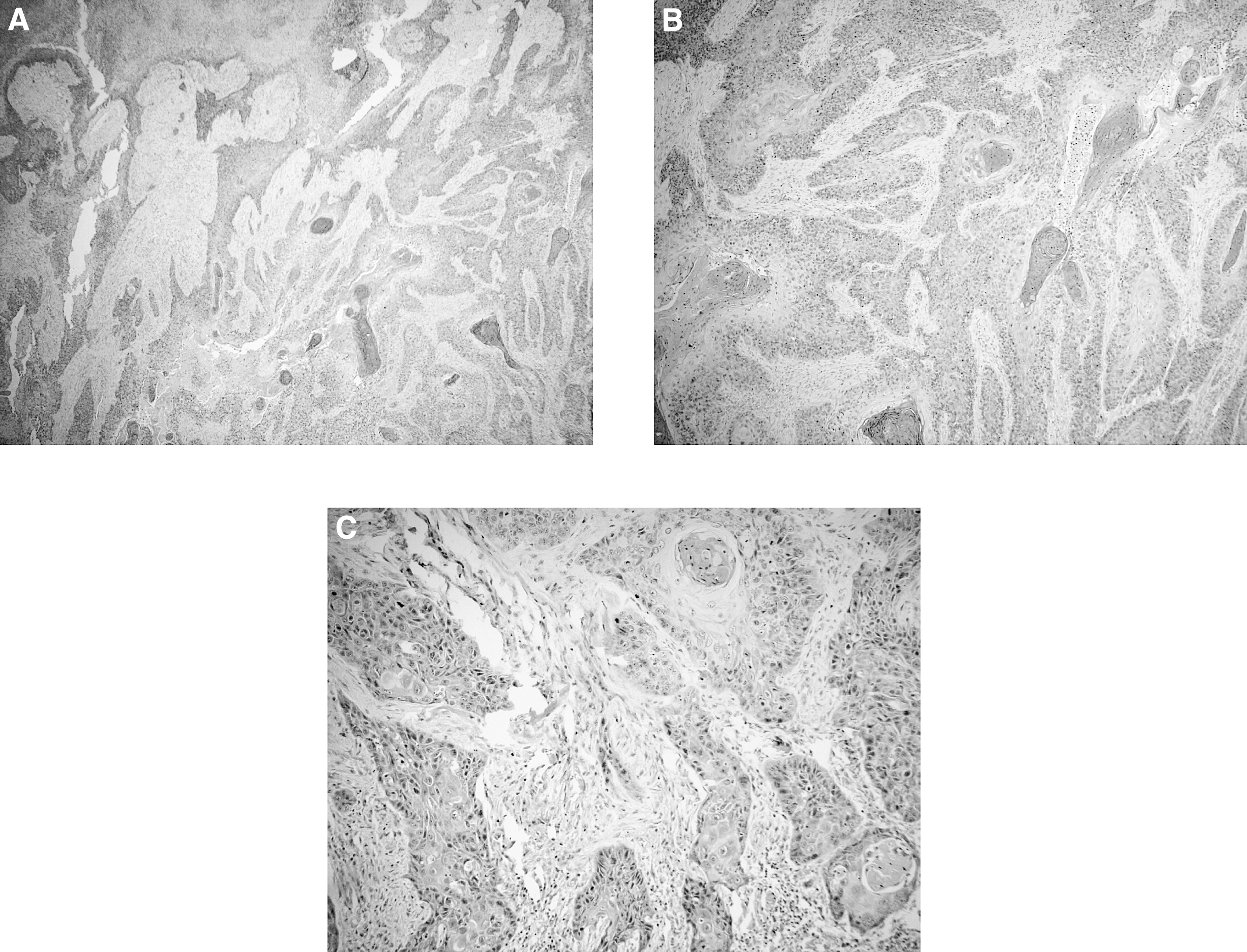
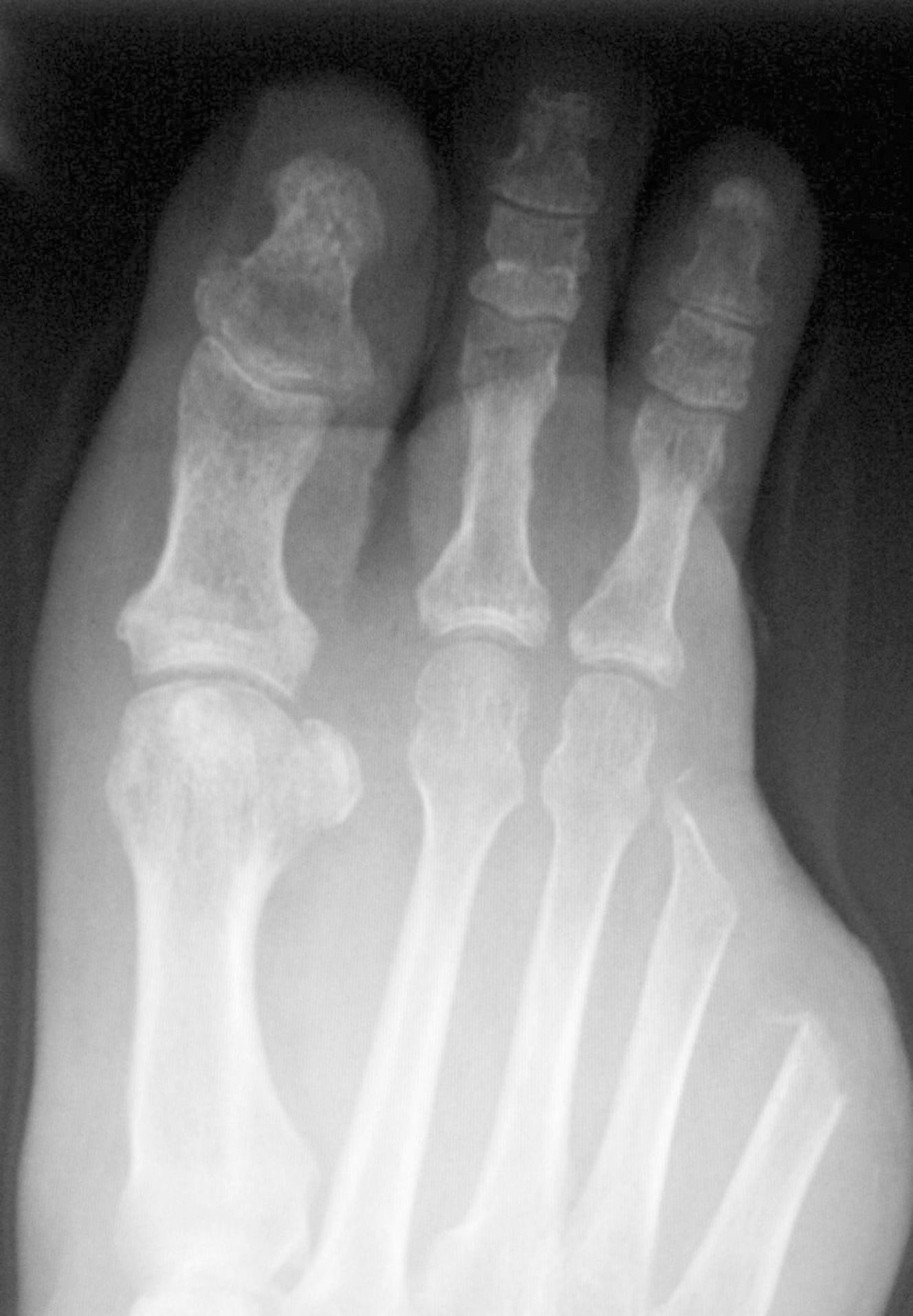
The patient was brought to the operating room and underwent resection of the mass. The medial margin of the flexor tendon was involved and a gross total resection was carried out. Pathology was consistent with a well-differentiated squamous cell carcinoma (Fig. 3). This was an atypical squamous lesion. He was subsequently brought back to the operating room and underwent a radical resection of the distal lateral right foot, including the fourth and fifth toes, metatarsal heads, and surrounding tissue with primary closure (Figs. 46). The specimen measured 6.7 × 4.5 × 3.5 cm and the tumor grossly measured 3 cm in greatest dimension. The surgical margins were negative with the closest margin being 0.9 cm. Pathology was consistent with a well-differentiated SCC. This patient has done well with 24-month follow up and has not required any further treatment.
Figure 3. Histology Slides. A, Invasive squamous cell carcinoma showing histologic squamous differentiation (keratin pearls, intercellular bridges, and individual cell keratinization) and surrounding desmoplastic stroma (H&E, x20). B, Invasive squamous cell carcinoma with surrounding desmoplastic stroma, showing prominent keratin pearls and an invasive growth pattern with surrounding desmoplastic stroma (H&E, x100). C, Invasive squamous cell carcinoma with keratin pearls, showing an invasive growth pattern with surrounding desmoplastic stroma (H&E, x400).
Japma 104 00514 g003
Figure 4. Immediate postoperative photo of the resection.
Japma 104 00514 g004
Figure 5. Postoperative photo showing radical resection and healing of the postoperative site.
Japma 104 00514 g005
Figure 6. Postoperative radiograph demonstrating osseous resection.
Japma 104 00514 g006

Discussion

Squamous cell carcinoma accounts for 20% of all nonmelanoma skin cancers and demonstrates varying degrees of differentiation and keratinization. [4] This leads to a wide array of clinical presentations in the foot, from a primary lesion to presentations in plantar warts, ulcers, scars, and chronically diseased or damaged skin, which may cause diagnosis to be delayed, leading to local spread and metastasis. [5] Most SCC are curable and easily removed with minimal to no sequelae, while some high-risk lesions cause local tissue invasion and destruction, recurrence, infiltration in the lymphatic system, and ultimately, metastasis. The growth rate of primary SCC is unpredictable, and MRI has been reported as an important tool in the aiding of diagnosis and surgical planning. [4] Definitive treatment of SCC of the foot is excision of a malignancy with a wide surgical margin while maintaining the function and sensation of the foot, which was achieved in this case.
We have described an unusual case of a primary, high-grade SCC of the foot, which had the gross appearance of a benign granulomatous ulceration. Of all soft-tissue tumors manifesting in the foot, only 14% present in the distal forefoot, and most malignancies were more predominantly found in the ankle, heel, or dorsum of the foot. [6] In addition, SCC is much more commonly seen on the sun-exposed areas of the body, which often leads to a more rapid diagnosis, and therefore, earlier treatment. As this case illustrates, SCC can present as an ulcerated lesion, and in an area that is prone to ulcerating lesions, like the foot, SCC can go unrecognized if the provider is not actively ruling out the diagnosis.
The vast majority of ulcerating lesions of the foot are benign; however, if proper diagnostic measures are not taken, such as biopsy and imaging studies, then a malignancy can be overlooked. Although the incidence of SCC in the distal extremities, specifically the foot, is not uncommon, it remains a diagnosis in which the provider must maintain a high index of suspicion in order to avoid harmful and potentially fatal outcomes. It is imperative that providers, including primary care and podiatric physicians, obtain a thorough medical history to check for potential known risk factors and actively pursue malignancy as a potential diagnosis for any grossly suspicious lesions.

Financial Disclosure

None reported.

Conflict of Interest

None reported.

References

  1. RogersHW, WeinstockMA, HarrisAR, et al: Incidence estimate of nonmelanoma skin cancer in the United States, 2006. Arch Dermatol146: 283, 2010.
  2. American Cancer Society. Cancer Facts & Figures2012. Available at: http://www.cancer.org/Research/CancerFactsFigures/CancerFactsFigures/cancer-facts-figures-2012. Accessed April 24, 2012.
  3. MiriglianoE, LaTourR, AbramczukJ:Squamous cell carcinoma of the foot mimicking osteomyelitis: a case report. J Foot Ankle Surg50: 480, 2011.
  4. TheodorouS, ThodorouD, BonaS, et al: Primary squamous cell carcinoma: an incidental toe mass. AJR184: S110, 2005.
  5. AlamM, RatnerD:Cutaneous squamous cell carcinoma. N Engl J Med344: 976, 2001.
  6. KirbyEJ, ShereffMJ, LewisMM:Soft-tissue tumors and tumor-like lesions of the foot. An analysis of eighty-three cases. J Bone Joint Surg Am71: 621, 1989.