According to the Centers for Disease Control and Prevention, lower-extremity injuries were responsible for 13.5% of the 37.8 million injury-related visits to the emergency department in 2010. Of those, 1.5 million visits involved injuries to the lower leg and ankle.[
1] The most common diagnosis for lateral ankle pain is an ankle sprain involving the anterior talofibular, calcaneofibular, or posterior talofibular ligaments.[
2,
3] Other common diagnoses include fracture of the fifth metatarsal base, ankle fracture, sinus tarsi syndrome, and tarsal coalition. Peroneal tendinopathy is frequently overlooked as a cause of lateral ankle pain.[
4,
5] The peroneal tendons are the main everters of the foot and ankle. They are composed of the peroneus brevis, peroneus longus, peroneus tertius, and, in some instances, peroneus quartus tendons. The peroneus brevis muscle originates on the lateral side of the fibula and inserts on the base of the fifth metatarsal, thus plantarflexing and everting the ankle and foot. The peroneus longus muscle originates from the lateral condyle of the tibia and the lateral side of the fibula, inserting on the inferior aspect of the base of the first metatarsal and medial cuneiform. The peroneus longus tendon acts to stabilize the medial column by plantarflexing the first ray while plantarflexing and everting the ankle and foot. The peroneus tertius muscle originates at the anterior aspect of the fibula, the intermuscular septum, and the interosseous membrane and inserts at the dorsal aspect of the base of the fifth metatarsal. Its function is to dorsiflex and evert the ankle and foot. The peroneus quartus tendon is an accessory muscle originating on the distal lateral fibula, or sometimes the peroneus brevis tendon, and inserting in various locations, such as the calcaneus, fifth metatarsal, cuboid, and peroneus brevis and longus tendons. Its function is largely unknown, but it likely plays a minor role in stabilization of the calcaneus.[
6,
7] A common site of tendinopathy of the peroneus brevis tendon occurs as it courses posterior and plantar to the fibular ridge. A common site of tendinopathy of the peroneus longus tendon occurs as it courses around and under the cuboid notch.[
8] Peroneus brevis tendon tears can be caused by repetitive mechanical trauma as the tendon courses around the posterior edge of the fibula[
9,
10] or by acute inversion injuries. Karlsson and Wiger[
5] state that tears or laxity in the superior peroneal retinaculum can cause the peroneus brevis tendon to sublux in the fibular groove and tear. Lagoutaris et al,[
11] describe a case of gouty infiltration as a cause of longitudinal tears of peroneal tendons. Freccero and Berkowitz[
12] report that patients with tears of the peroneus brevis tendon had low-lying muscle bellies compared with patients who did not have peroneal tendon tears. Wang et al[
7] describe a lowlying muscle belly as an extension of the peroneus brevis muscle tissue distal to the fibular groove. During foot sagittal plane motion, the muscle belly may go distal to the fibular groove and should not be mistaken for pathology.[
13] Geller et al[
14] state that the increased muscle mass of the low-lying muscle belly can cause overcrowding, leading to tears of the peroneus brevis tendon.
Plain film radiographs seldom show peroneal tendinopathy. Soft-tissue swelling is often noted at the lateral malleolus, although not specific for peroneal tendinopathy. Radiographs may show a chip fracture of the fibular ridge, as described by Eckert and Davis.[
15] Magnetic resonance imaging (MRI) is the study of choice for soft-tissue pathology. T2 images will show an intratendinous increase in signal intensity with longitudinal tendon tears, which relates to the increased fluid content produced with inflammation. A characteristic Cshaped tendon may be noted.[
16] Alternatively, a ring of increased signal intensity on T2 images may be found around a tendon, signifying tenosynovitis.
Peroneus brevis tendon tears missed on MRI are referenced infrequently in the literature. O’Neill et al[
17] reviewed 135 surgeries for chronic ankle instability that had preoperative MRI. Only ten of 18 cases of peroneal tendon tears were identified by the radiologist.[
17] Park et al,[
18] in contrast, reviewed MRI reliability of peroneal tendinopathy and found that of 14 peroneus brevis tendon tears diagnosed on MRI, only 11 were actually observed in surgery. Herein, we describe a 15-year-old female with lateral ankle pain. On MRI evaluation, tenosynovitis of the peroneal tendons was found, which could be treated conservatively. Clinical evaluation led us to believe that there was a more significant underlying pathology. We decided on operative treatment, which revealed a significant longitudinal peroneal tendon tear. The purpose of this article was to highlight a possible limitation of MRI in evaluating longitudinal tears in tendons and the importance of clinical examination for peroneal tendinopathy.
Case Presentation
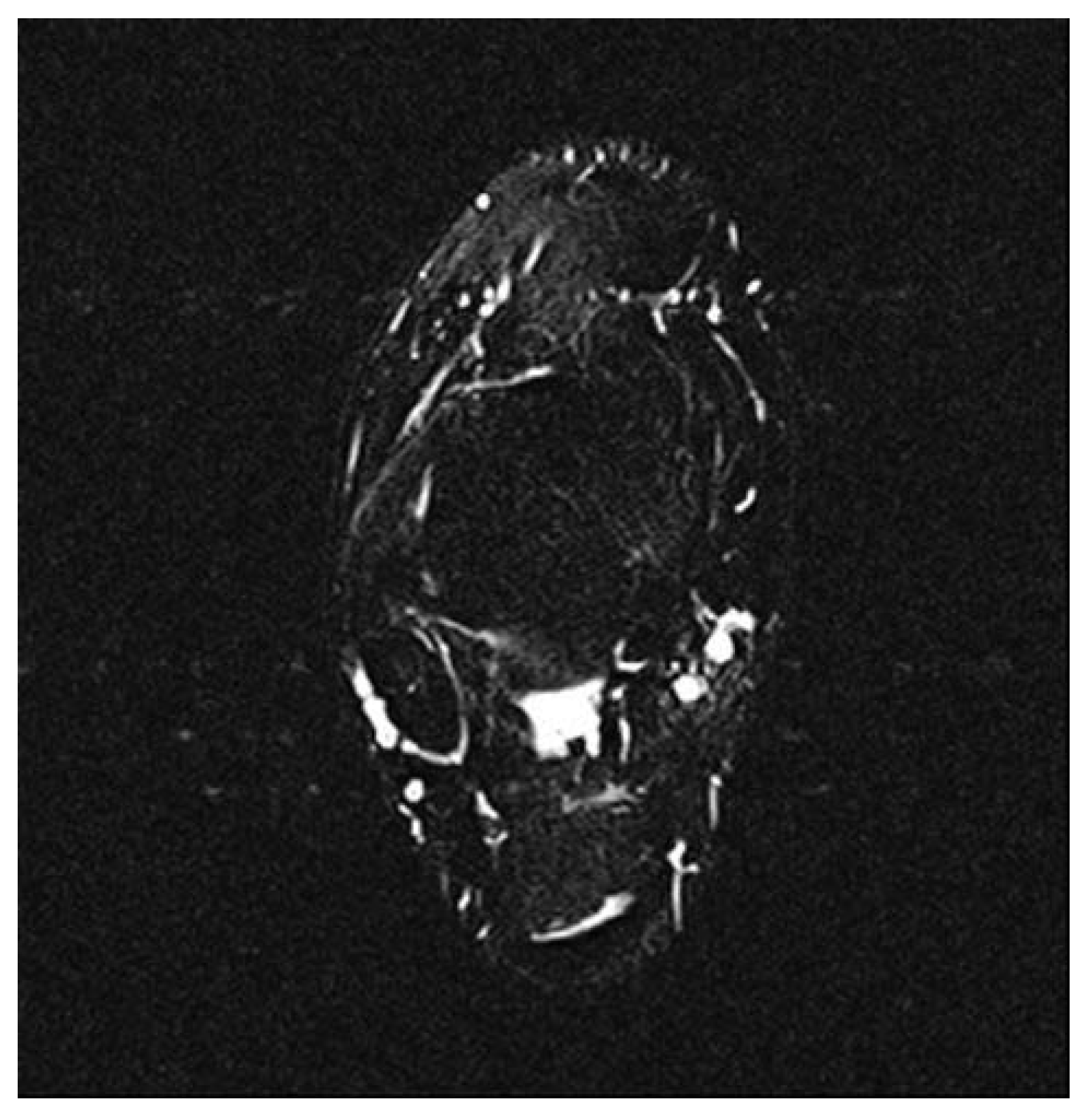
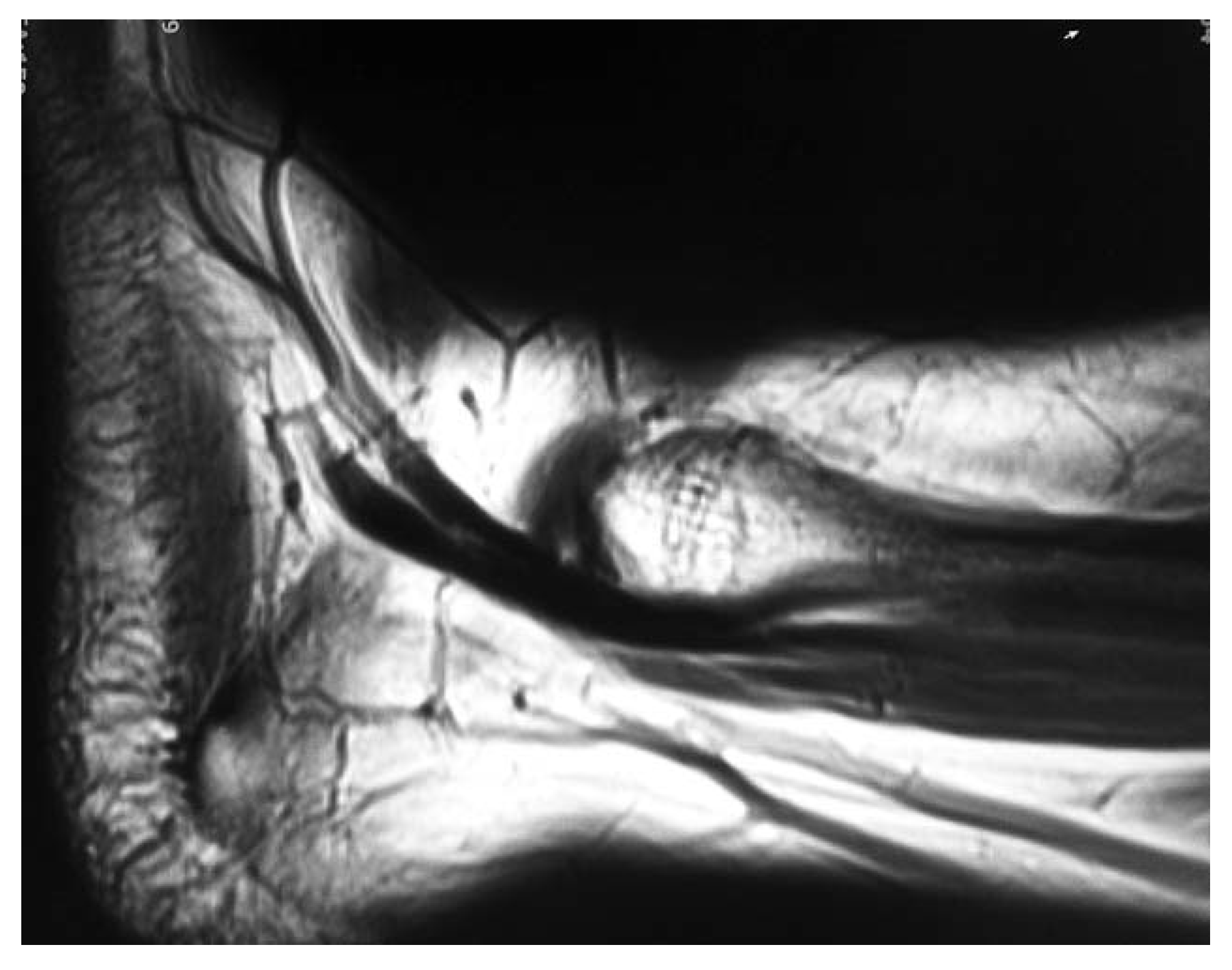
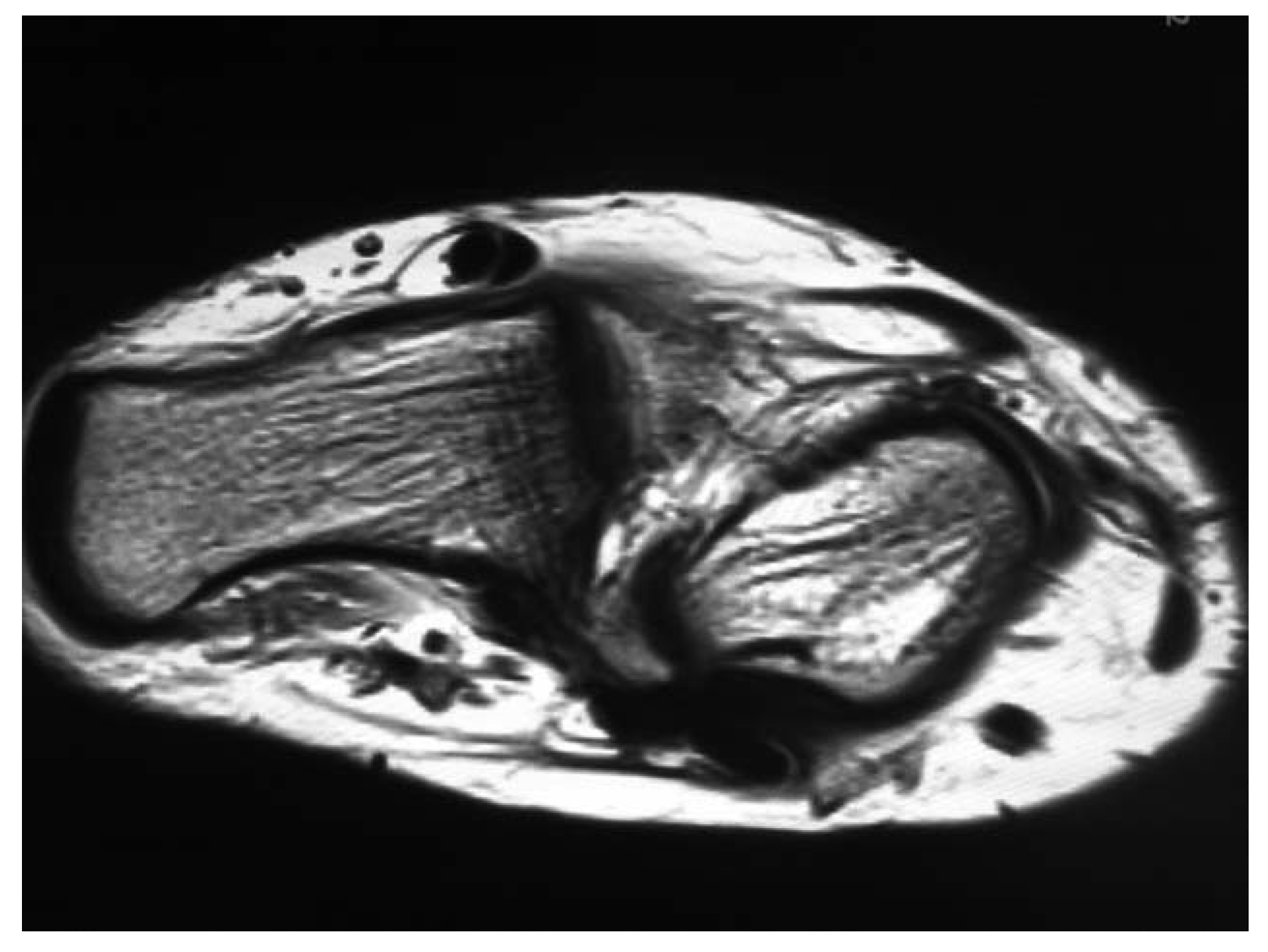
A 15-year-old female presented to the emergency department after twisting her right ankle earlier in the day. Radiographs were negative for fracture or dislocation. She was tender around her lateral malleolus and was unable to bear weight; an ankle sprain was initially diagnosed. The patient was placed in a Jones compression bandage with a posterior splint, given crutches, and told to be nonweightbearing on the affected side until further work-up. The patient returned to the podiatric medical clinic 1 week later, still unable to bear weight on the affected limb, and she complained of substantial pain to her lateral ankle and foot. Reevaluation of the patient’s right foot and ankle revealed tenderness on palpation of the peroneal tendons, with pain on eversion against resistance and pain at the anterior talofibular, calcaneofibular, posterior talofibular, and distal tibiofibular ligaments. The patient was subsequently sent for an MRI, which indicated minimal tenosynovitis of the peroneal tendons and tears of the posterior talofibular and distal tibiofibular ligaments (Figs. 1–3). At the same time, it revealed no intratendinous pathology to the peroneal tendons. The patient was instructed not to bear weight and was treated with short-leg cast immobilization, crutches, nonsteroidal anti-inflammatory drugs, rest, ice, and elevation. After 6 weeks of nonweightbearing to the affected extremity, the patient still had considerable discomfort and was unable to walk due to pain. It was decided that surgical exploration would be beneficial for a possible peroneal tendon tear.
Figure 1.
Tenosynovitis of the peroneal tendons seen on T2-weighted magnetic resonance imaging.
Figure 1.
Tenosynovitis of the peroneal tendons seen on T2-weighted magnetic resonance imaging.
Figure 2.
T1-weighted sagittal magnetic resonance image showing low-lying muscle belly of the peroneus brevis tendon with no longitudinal tears of the peroneal tendons.
Figure 2.
T1-weighted sagittal magnetic resonance image showing low-lying muscle belly of the peroneus brevis tendon with no longitudinal tears of the peroneal tendons.
Figure 3.
T1-weighted axial magnetic resonance image showing no longitudinal tears in the peroneal tendons.
Figure 3.
T1-weighted axial magnetic resonance image showing no longitudinal tears in the peroneal tendons.
Surgical Technique
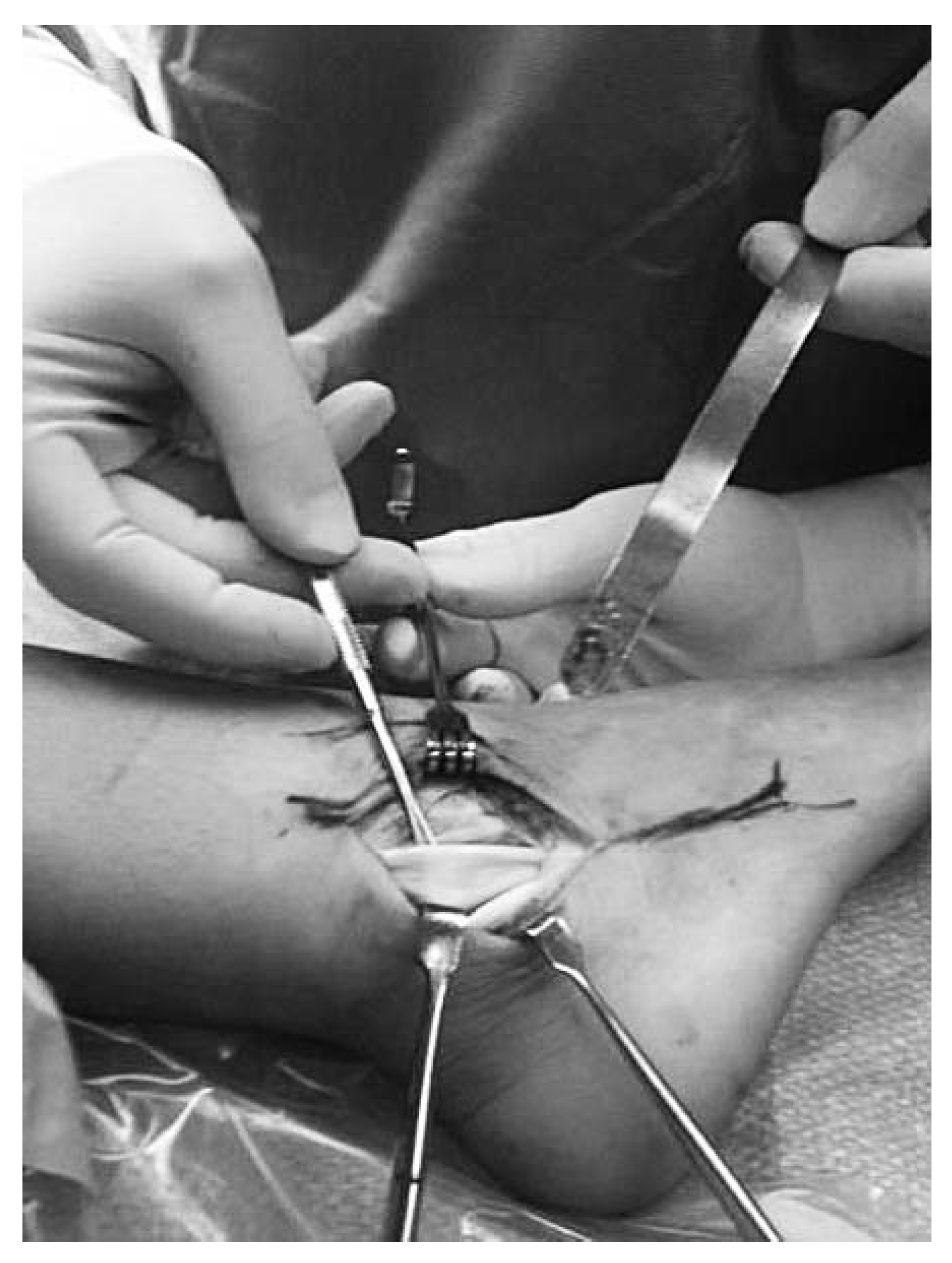
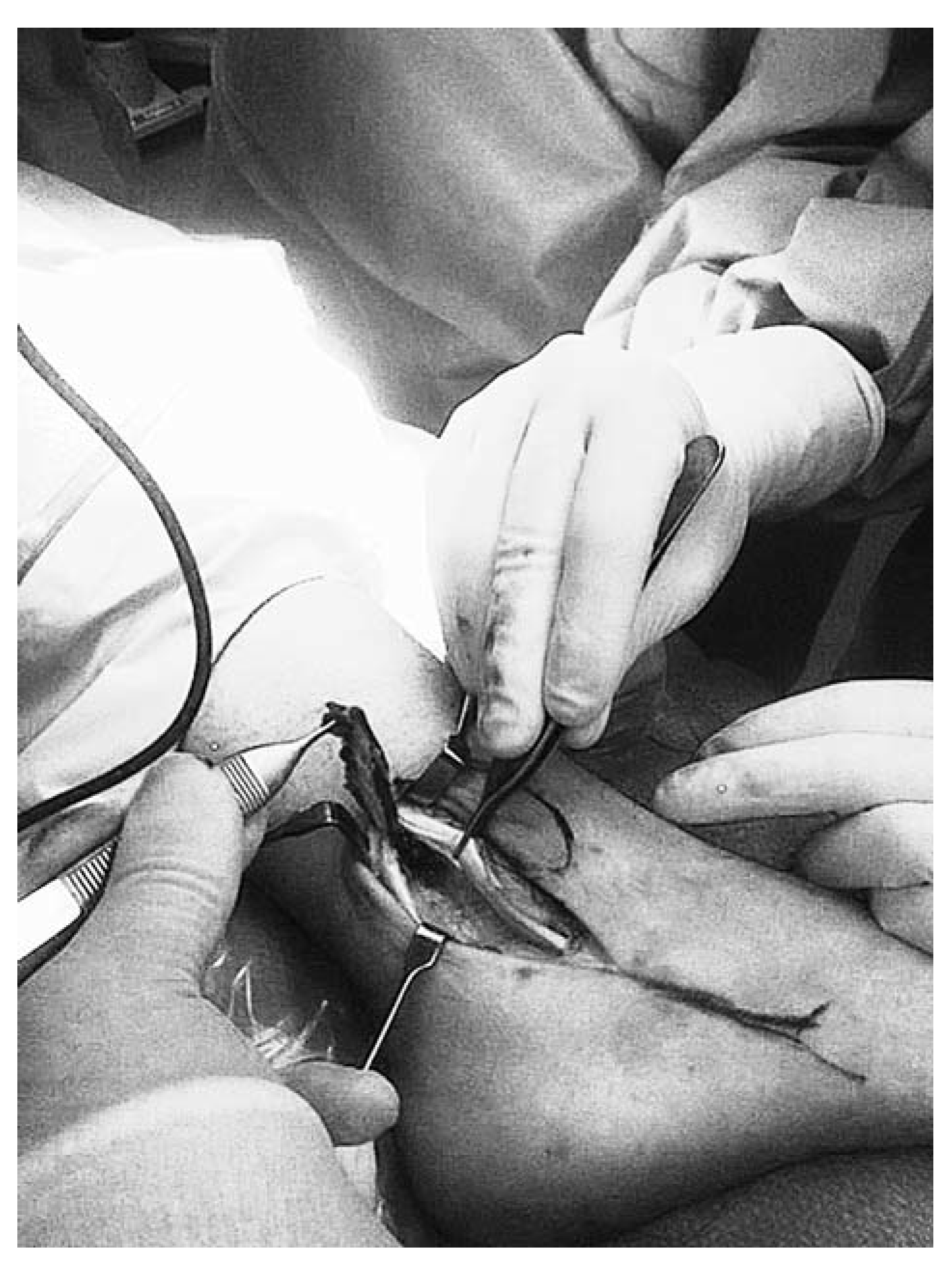
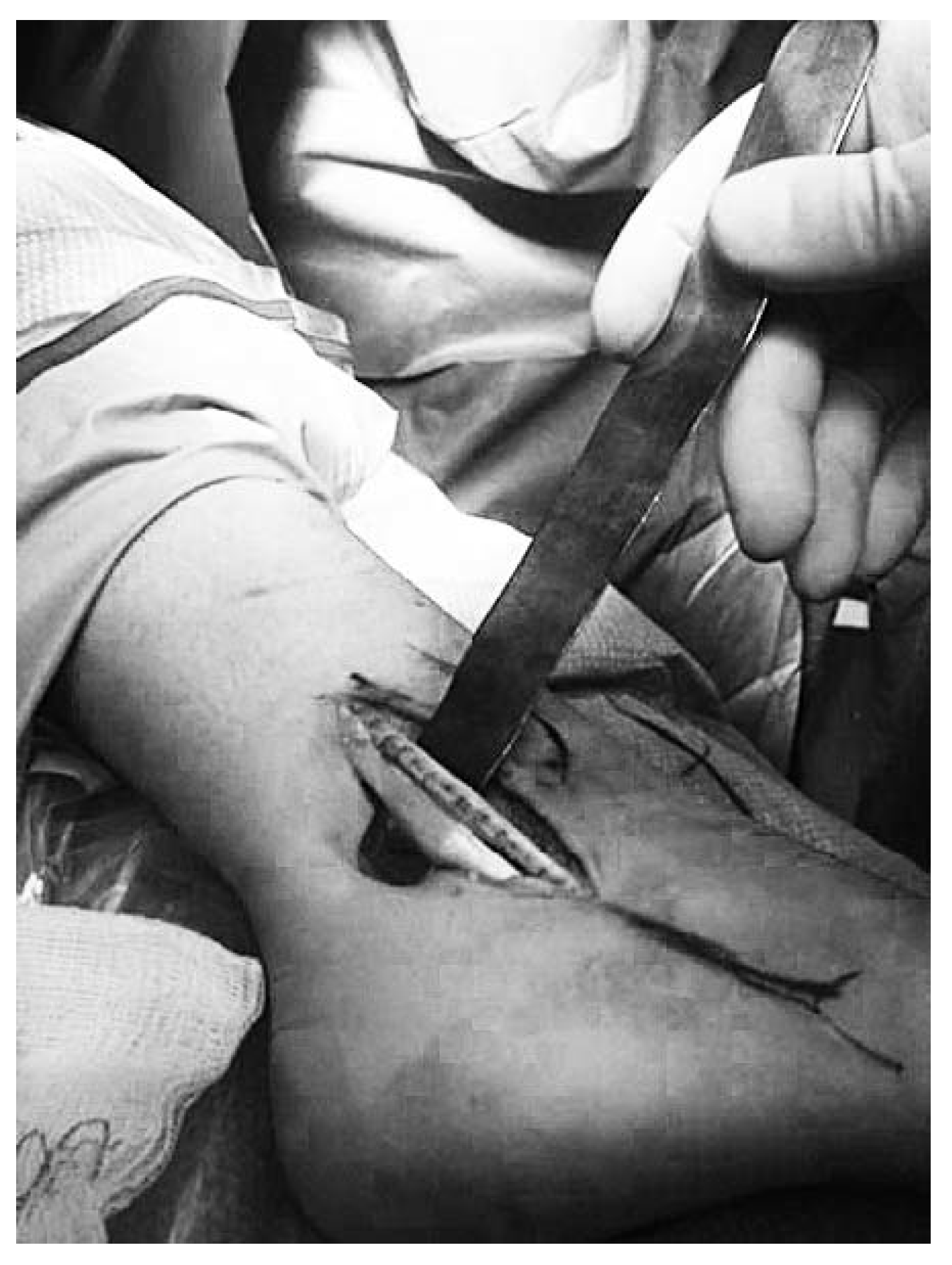
Two months after the initial injury and subsequent follow-up visits, the patient presented for surgical management of a suspected peroneal tendon tear. Using a #15 blade, an L-shaped incision was made starting approximately 4 cm above the lateral malleolus, approximately 1 cm posterior to the fibula, extending distally, coursing under the lateral malleolus toward the fifth metatarsal base. The incision was deepened with care to protect all of the vital structures, including the sural nerve. The peroneal retinaculum was transected with iris scissors, revealing a thickened synovium of the peroneal tendon sheath. The peroneal sheath was then carefully opened using Steven tenotomy scissors. The peroneus longus tendon was noted to be circular and healthy. On inspection of the peroneus brevis tendon, a longitudinal tear was noticed that measured 6.5 cm long with a low-lying muscle belly (Figs. 4 and 5). Using electrical cauterization, the low-lying portion of the muscle belly was carefully transected off the tendon and excised. The peroneus brevis tendon was then tubularized using 3-0 polypropylene sutures (Prolene; Ethicon Inc, Somerville, New Jersey) with buried knots (Fig. 6). The surgical site was then flushed with normal saline. The peroneal tendon sheath, the peroneal retinaculum, and then the subcutaneous tissues were reapproximated using 3-0 polyglactin-910 sutures (Vicryl; Ethicon Inc). The subcuticular layer was closed using 4-0 polyglactin-910 sutures. The skin was closed using 4-0 nylon sutures in a horizontal mattress manner. A postoperative injection of 0.5% bupivacaine hydrochloride (Marcaine; Hospira Inc, Lake Forest, Illinois) was then given. The patient was placed in a bivalve below-the-knee fiberglass cast and given crutches. She was instructed to be nonweightbearing to her right foot.
Figure 4.
Fanning out of the peroneus brevis tendon.
Figure 4.
Fanning out of the peroneus brevis tendon.
Figure 5.
Low-lying muscle belly of the peroneus brevis tendon resected using electrocautery.
Figure 5.
Low-lying muscle belly of the peroneus brevis tendon resected using electrocautery.
Figure 6.
Tubularization of the peroneus brevis tendon with 3-0 polypropylene sutures.
Figure 6.
Tubularization of the peroneus brevis tendon with 3-0 polypropylene sutures.
Results
The patient was seen 10 days after the procedure and was able to actively stress her peroneal tendons with minimal pain and no signs of infection. The patient was placed in a below-the-knee cast and continued nonweightbearing with crutches. After 3 weeks, the sutures were removed and a CAM walker was dispensed, with the patient transferring to partial weightbearing as tolerated. The patient was sent for physical therapy for passive range-of-motion and strengthening exercises. After 7 weeks, the patient was pain free, with muscle strength of 5/ 5 and full range of motion. At this point, the patient was transferred to an ankle brace and physical therapy was increased to include active range-of-motion exercises. After 5 months, the patient was able to return to full pre-injury function of all daily recreational activities, including running and jumping.
Discussion
This is a case report of a 15-year-old female who presented with lateral ankle pain initially diagnosed as an ankle sprain then later revealed through surgical intervention to be a 6.5-cm longitudinal tear of the peroneus brevis tendon with a low-lying muscle belly. Magnetic resonance imaging is currently the gold standard imaging test for soft-tissue pathology, with high sensitivity and specificity.[
19,
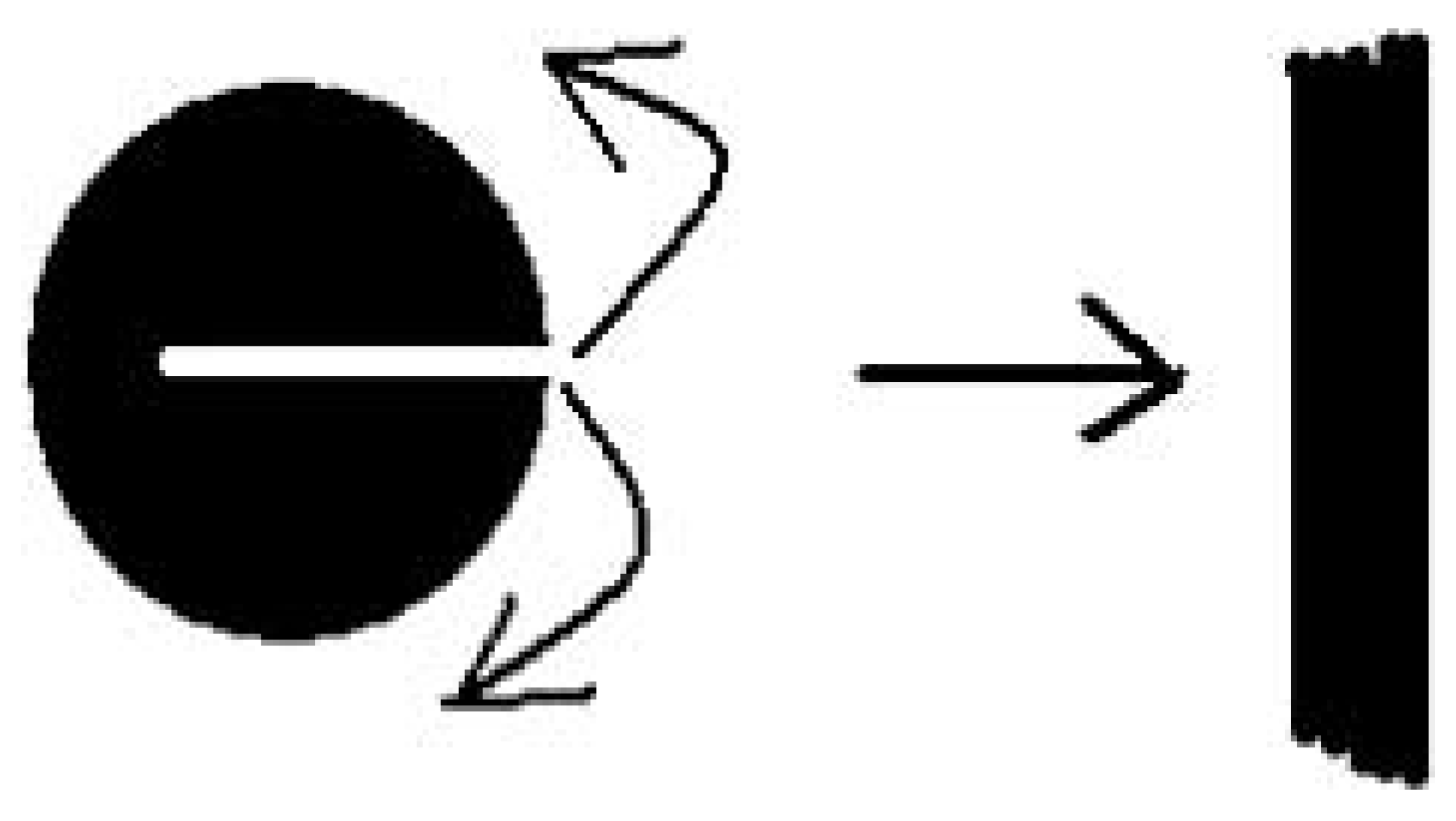
20] A T2-weighted image on MRI is generally the best to visualize longitudinal tears in a tendon, with increased signal intensity along the tear. In this case report, we reveal a possible limitation of MRI in viewing longitudinal tears in tendons. On the preoperative MRI, a peroneal tendon tear was not found. It was also not seen on reevaluation of the preoperative MRI after the surgery by two of us (D.P. and G.K.) and a senior musculoskeletal radiologist. A possible explanation is that when the tendon is partially split, it opens and fans out, with the fluid going around the tendon as opposed to staying inside the tendon (Fig. 7).
Figure 7.
As a longitudinal split occurs, the tendon opens.
Figure 7.
As a longitudinal split occurs, the tendon opens.
Based on our clinical judgment of the patient’s pain on palpation of the peroneal tendons, her inability to walk properly without pain, and her pain on range of motion, it was decided that surgical exploration was warranted for more significant peroneal tendon pathology.
Conclusions
When suspecting peroneal tendinopathy, MRI, although extremely sensitive and specific for revealing soft-tissue pathology, may not always reveal longitudinal tendon tears. When a low-lying peroneus brevis muscle belly is found, the index of suspicion should increase. In patients in whom a high suspicion for peroneal tendon longitudinal tears is present, surgical exploration and management may be warranted.