The history of the team approach to management of the diabetic foot chronicles the rise of a new health profession—podiatric medicine and surgery—and emergence of the specialties of vascular surgery and wound healing. The partnership among the diabetologist, vascular surgeon, and podiatric physician can be seen as a natural marriage that complements the skills and knowledge of each partner and results in more successful limb salvage and functional outcomes. Technology transfer from leprosy to diabetes has helped us understand the role of neuropathy in the pathogenesis of diabetic foot ulcers. The pathogenesis of gangrene in the diabetic foot is complex and is affected by the interaction of arterial insufficiency, neuropathy, ulceration, and infection. History has demonstrated that comprehensive multidisciplinary foot-care programs improve quality of care and can reduce amputation rates by 36% to 86%.[
1-
12] Development of distal revascularization techniques to restore pulsatile blood flow to the foot has been a major advancement in limb salvage.
Understanding of the pathogenesis and management of the diabetic foot has evolved from the contributions of a diverse group of individuals and teams worldwide. The goal of this historical perspective is to highlight some of the pioneers, milestones, teams, and system changes that have had a major impact on risk assessment and preservation of the diabetic foot during the past 100 years.
Early 20th Century: New York City, Toronto, and Boston
Maurice J. Lewi, MD (1857–1957)—New York, New York
Our chronicle of the team approach to lower-limb amputation prevention begins with Maurice J. Lewi, MD (1857–1957), founder of The New York College of Podiatric Medicine, formerly The School of Chiropody of New York, the oldest college of podiatric medicine, located in New York City. As early as 1911, Dr. Lewi recognized the medical establishment’s indifference toward the “minor foot ills” of mankind. He was outspoken about the need for specialized foot care and about the role of chiropodists in providing this care. His insistence on ethical and scientific standards formed the basis on which modern podiatric medicine was established.[
13] Dr. Lewi dedicated his 1914 publication,
The Textbook of Chiropody, to “the men and women who were pioneers in the cause of Chiropody and who, in the face of many and unusual obstacles, labored to the benefit of mankind in a branch of medical learning that had been neglected through all the centuries.”[
14](p. v) In the chapter entitled “Some Suggestive Foot Conditions,” Joseph P. Solomon discusses various foot conditions that are manifestations of systemic diseases, in particular diabetes:
…so it happens oft times that the observing chiropodist is the first to recognize signs and symptoms on his patient’s feet and limbs which are indicative of diabetes…the greatest care should be taken not to make any incision which might cause the flow of blood as such patients are exceedingly susceptible to all kinds of infection, local and otherwise. This is particularly true of those who are advanced in years and with whom the development of diabetic gangrene is certain if they have lesions on the foot which are not carefully treated…[
14](p1086)
Dr. Lewi’s vitality, energy, and personal charm opened the doors for the new profession of chiropody. Little did Dr. Lewi know how epidemic diabetes would become and how this disease would help define the practice of podiatric medicine and surgery.
Discovery of Insulin—Toronto, Ontario, Canada
The discovery of insulin at the University of Toronto in 1921–1922 by Frederick G. Banting, Charles H. Best, James B. Collip, and J. J. R. Macleod was one of the landmark medical discoveries of the 20th century. Isolation of the internal secretion of the pancreas and the subsequent therapeutic introduction of insulin in the 1920s were miraculous developments in the treatment of diabetes that allowed individuals affected by this disease to live an almost normal life. Before 1923, the diagnosis of diabetes in a child was a death sentence. Although insulin commuted this sentence, it sadly became apparent that insulin was not a cure for diabetes. As people began to live longer, they experienced complications that had not previously been seen.[
15,
16]
New England Deaconess Hospital—Boston, Massachusetts
Elliott P. Joslin, MD (1869–1962) (
Fig. 1), the famous American diabetologist, observed that the era of coma as the central problem of diabetes had given way to the era of complications. Dr. Joslin noted that after the introduction of insulin, mortality from diabetic coma had fallen significantly from 60% to 5%, yet deaths from diabetic gangrene of the foot and leg had risen significantly.[
17] Through the efforts of Dr. Joslin and members of the Massachusetts Chiropody Association, the first hospital foot clinic was established at the New England Deaconess Hospital in 1928.[
13] Dr. Joslin wrote: “Our Boston chiropodists are useful allies. They have contributed much to our reduction in gangrene.”[
17](p18)
In 1933, at the George F. Baker Clinic of the New England Deaconess Hospital, 16% of the deaths were from gangrene and infection of the extremities. Dr. Joslin alleged that the reason for this complication was that physicians were not aggressive enough in their treatment of diabetes. He quoted the leading American diabetologist Frederick M. Allen (1879–1964) by saying that “the surest way to produce gangrene is to keep patients alive but only half treat them.”[
17](p17) Dr. Joslin noted that gangrene increased with the age of the individual, with the duration of diabetes, and in the uncontrolled patient. In 1934, in a paper entitled “The Menace of Diabetic Gangrene,” Dr. Joslin wrote, “gangrene deserves more intensive study and the investigation of the cause and type of arteriosclerosis which is responsible for it should help to defer old age for us all.”[
17](p16) He believed that diabetic gangrene is not heaven-sent but rather earth born and as such is preventable in most cases. His remedy was a team approach to diabetes care that included foot care, medical nutrition therapy, exercise, prompt treatment of foot infections, and, when necessary, specialized surgical care. Dr. Joslin remarked that “all the members of a ball team cannot pitch the ball and no ball team wins which tries to have each member of the nine in the pitcher’s box. It is only common sense to provide in a large general hospital for specialization in diabetic surgery.”[
17](p19)
Leland McKittrick, MD (1893–1978) (
Fig. 2), was recruited by Dr. Joslin to provide for the surgical management of lower-extremity lesions in patients with diabetes at the New England Deaconess Hospital. In 1949, Dr. McKittrick wrote:
Chemotherapeutic agents and the antibiotics have made it possible to control invasive infection and the mortality rate has fallen as anticipated…With the danger of ascending infection and septicemia eliminated, it might now be practical to consider each foot on the basis of its arterial supply. In selected cases, amputation might now be performed at a more distal level with safety and a reasonable chance of success….[
18](p826)
Dr. McKittrick’s contributions to surgery were wide ranging. He recognized that amputation of a toe, in particular the great toe, with its metatarsal head altered weightbearing and increased susceptibility of the foot (toes and metatarsals) to further injury. As a result, he preferred the “relative security” of the transmetatarsal amputation. In 1951, Dr. McKittrick was joined by the general surgeon Frank C. Wheelock Jr, MD (1919–2006).[
19] Dr. Wheelock became interested in the emerging field of vascular surgery and was the first American surgeon to use an end-to-side femoral popliteal bypass graft. Drs. McKittrick, Wheelock, Carl Hoar, and John Rowbotham helped New England Deaconess Hospital gain an unrivaled reputation for managing the surgical complications of diabetes, including minor amputations and distal bypasses.[
20-
22] Vascular surgeons David R. Campbell, Gary W. Gibbons, and Frank P. Pomposelli joined this group in the 1980s. In 1981, Dr. Wheelock’s surgical group started an annual diabetic foot conference that included podiatric physicians as faculty members. This conference attracted nationwide interest and played an important role in advancing the concept of a multidisciplinary team approach to improving diabetic foot care. Podiatric physicians participated as members of the team. This relationship has evolved into a long-standing successful partnership between vascular surgeons and podiatric physicians and has served as a model for the creation of other teams across the United States.
In 1957, the ambiguous term
chiropodist was changed to
podiatrist because of public confusion with the chiropractic profession. “The term chiropodist was fatally encumbered with unfortunate connotations and associations.”[
13](p115) The new name,
podiatrist, was actually the least ambiguous and most descriptive term; “pod” denotes the foot, and the Greek root “iatr” pertains to a physician or healer. The National Association of Chiropodists became the American Podiatry Association, which in 1984 became the American Podiatric Medical Association.
Evolution of Distal Revascularization and Limb Salvage
In 1984, Frank W. LoGerfo, MD, and Jay D. Coffman, MD, dispelled the widespread misconception of arteriolar “small-vessel” occlusive disease in the diabetic foot in a landmark article published in the
New England Journal of Medicine.[
23] As noted by Gary Gibbons and colleagues, “development of modern distal revascularization techniques was dependent on the rejection of the concept of an occlusive microvascular lesion in the diabetic patient with ischemic foot ulceration and recognition of the pattern of tibial vessel occlusion with pedal reconstitution typical of this patient group.”[
24](p578) Between 1984 and 1990, the Division of Vascular Surgery at New England Deaconess Hospital made changes in their team management of ischemic diabetic foot ulceration, with a dedicated vascular unit, routine diagnostic arteriography for ischemia, a multidisciplinary team approach with all disciplines, and an expanded role of extreme distal revascularization (pedal bypass) to restore foot perfusion.[
24] The development of distal revascularization techniques, in particular the dorsalis pedis bypass graft to restore pulsatile flow to the forefoot, is most noteworthy. Increased emphasis on foot preservation was noted in the 1990 group, “as seen in the increase in local podiatric procedures and wound debridements with subsequent skin grafting.”[
24] In 1992, Dr. LoGerfo and colleagues noted:
Our increasing success with extreme distal arterial reconstruction has greatly reduced the need for toe or transmetatarsal amputation. Although these procedures still play a significant role in our practice…restoration of foot perfusion greatly enhances our ability to perform direct foot-sparing surgery. In association with our podiatry colleagues, these procedures include metatarsal head resections and osteotomies to preserve as much foot tissue and function as possible.[
25](p620)
Podiatry attendings at New England Deaconess Hospital at this time included Drs. Robert Frykberg, Geoffrey Habershaw, James S. Chrzan, John Giurini, and Barry Rosenblum.[
26,
27]
During the 1990s, 1,032 bypasses to the dorsalis pedis artery were performed in 865 patients in the Division of Vascular Surgery at Beth Israel Deaconess Medical Center. Ninety-two percent of the patients had diabetes, and all of the procedures were performed for limb salvage. Limb salvage was defined as preservation of enough of the foot to allow ambulation of the patient without the need for a limb prosthesis. The most common indication for surgery was a nonhealing ischemic foot ulcer. Primary patency, secondary patency, limb salvage, and patient survival rates were 56.8%, 62.7%, 78.2%, and 48.6%, respectively, at 5 years and 37.7%, 41.7%, 57.7%, and 23.8% at 10 years.[
28] Dr. Pomposelli presented the analysis of outcomes from this retrospective study at the Fifty-sixth Annual Meeting of the Society for Vascular Surgery in June 2002. His conclusion was that pedal arterial reconstruction was a safe, simple, durable, and highly effective procedure in a large patient cohort with advanced limb ischemia of which more than 90% had diabetes. Dr. George Andros attended the presentation and commented: “I am absolutely drunk with delight…I think it is probably the most important diabetic vascular paper in the 30-plus years that I have been coming here. It is just an amazing series.”[
28](p314)
Neuropathic Foot Ulcers and Lessons Learned From Leprosy
In 1965, Paul Wilson Brand, MD, FRCS (1914–2003) (
Fig. 3), a world-renowned orthopedic surgeon, arrived at the US Public Health Service Hospital, National Hansen’s Disease Center, in Carville, Louisiana, the only leprosy hospital in the continental United States. He served as chief of the Rehabilitation Branch. Dr. Brand, a modern-day Father Damian, was the first surgeon in the world to use reconstructive surgery to correct the deformities of leprosy in the hands and feet.
His interest in ulceration began in India in the 1940s with leprosy. He was told by leprologists that it would be a waste of time to attempt surgical reconstruction because patients with leprosy had “nonhealing flesh.”[
29] Fingers were known to rot away and fall off. Ulcers on the feet did not heal, even if they were kept clean and medicated. Regarding nonhealing flesh, Dr. Brand found that if his surgical patients were kept in a plaster cast after surgery, their wounds healed almost as fast and securely as wounds on his patients without leprosy. It quickly became apparent to Dr. Brand that the failure of wounds to heal was due to the way that the injured limbs were treated once leprosy had robbed them of the protection of pain sensation. He so eloquently described this as loss of “the gift of pain.”
Dr. Brand defined the pathomechanics of soft tissue in the insensitive foot and identified the contributory role of three levels of mechanical stress that could result in ulceration of the foot.[
30] One level required a high-force disruption of the sole of the foot, common in his Indian patients with leprosy, who walked barefoot and were subject to highly localized pressure from thorns and sharp stones. The second level of causation he believed to be the continuous application of a much lower force, just enough to keep an area of skin deprived of its blood supply. As little as 2.0 psi acting continuously over several hours would be enough to cause gangrene of a patch of skin. This could easily be caused by a tight bandage or ill-fitting shoe, and it was frequently seen over areas of small radius of curvature, eg, over the first and fifth metatarsal heads.
Dr. Brand’s experiments with a living model, the footpads of rats, demonstrated the role of repetitive moderate stress (20 psi) on the footpads. Histologic analysis of the skin after 2 days of 10,000 repetitions a day revealed edema, hyperplasia of the epidermis, and generalized inflammation of the footpad, with incursion of inflammatory cells. After 7 days of the same treatment, the rat footpad ulcerated. There was gross hyperplasia of the epidermis around it. Dr. Brand concluded that the actual destruction of the skin was not due directly to the external force but must be due to the chemical action of enzymes released by inflammatory cells at the stimulus of repeated moderate stress. He observed that the inflammatory state developed before skin breakdown occurred and was accompanied by a notable rise in the local skin temperature of the affected part. Local temperature differentials (“hot spots”) were, therefore, an index of danger.
Dr. Brand translated his experience in the rat model to management of the insensitive hands and feet seen in Hansen disease and diabetes. Much of what Dr. Brand learned in India and in the US Public Health Service proved to be transferrable to diabetes, and, in time, more diabetic patients than patients with leprosy were treated in the foot clinic at Carville:
I realized that here in America in the 1960’s the management of foot ulceration in diabetics was hindered by some of the same misconceptions that I had faced about leprosy in the 1940’s. Ulcers in diabetics were still called ‘diabetic ulcers’ rather than neuropathic ulcers. They were looked upon by surgeons as being a reason for amputation, because they were thought to be unlikely to heal and go on to gangrene of the foot. Much of this was because in diabetes, unlike leprosy, there was often a real vascular problem, and this did sometimes cause gangrene, even without neuropathy.[
29]
The opportunity for technology transfer from leprosy to diabetes occurred when J. K. Davidson, MD, PhD (1922–2008), Director of the Diabetes Unit at Grady Hospital in Atlanta, Georgia, visited with Dr. Brand. Dr. Davidson brought his whole staff down to Carville, and for several days there was an exchange of information. There was consensus that neuropathy was the chief villain for the foot in both diseases. Dr. Brand learned that Dr. Davidson had recruited a podiatric physician, Edwin Hobgood, DPM (1938–2009), to work in his diabetes clinic. Their team achieved a 50% reduction in the amputation rate at Grady Hospital.[
1]
In the early 1980s, Dr. Brand was joined by William Coleman, DPM, James Birke, PT, PhD, and Charles Patout, MD. Their work refined the treatment of neuropathic ulcers through an interdisciplinary model involving orthopedics, podiatric medicine, physical therapy, physical medicine and rehabilitation, and an on-site shoe shop, which customized shoes and insoles and shoe modifications such as the “rocker sole.”[
31-
36] Although their mission from the US Public Health Service was for leprosy, the number of patients with diabetes steadily grew and quickly overwhelmed their resources. They realized that a program to screen and assess foot risk was necessary to prioritize the management needs of these patients. Furthermore, Dr. Brand and his team developed the philosophical precept that patients needed to be managed through the entire process of care, which included rehabilitation after effective treatment, and that this rehabilitation lasted a lifetime because these patients would always be at risk for repeated ulceration.
In 1986, physical therapists James Birke and David Sims published a paper on plantar sensory threshold in the ulcerated foot and helped introduce the 10-gram monofilament screening test as a method for assessing risk of ulceration.[
37] This led to establishment of the Public Health Service’s Lower Extremity Amputation Prevention (LEAP) program. The LEAP program was directed at nursing assessment to identify patients at risk but lacked a sufficient mechanism for follow-up in the private sector.[
33] The responsibility to train nursing staff fell on Robert Rolfson, who traveled extensively promoting use of the 10-gram monofilament and training nurses to perform foot screening and risk assessment of patients. One obstacle to the success of this program was that once patients were screened and assessed for risk, there was no system in place in the private sector for treatment. An attempt to provide preventive foot care was initiated in nearby Baton Rouge and was quickly overwhelmed with patients seeking care. Because diabetes was not the primary mission of the Carville Public Health Service Hospital, it could not support this effort.
Professional Education, Research, and the Team Approach
American Diabetes Association
The American Diabetes Association has played a pivotal role in promoting a multidisciplinary team approach to the management of diabetes and its complications. It is the leading voluntary health organization in the United States dedicated to finding a cure for diabetes, raising awareness of the complications of diabetes, funding diabetes research, and developing clinical practice recommendations and performance measures to ensure quality diabetes care. The American Diabetes Association’s first technical review on preventive foot care and its position statements on preventive foot care, wound care, and peripheral arterial disease have influenced clinical practice and diabetic foot care across the United States and around the globe.[
39-
41] The American Diabetes Association’s annual scientific sessions have provided a forum for the exchange of information pertaining to the diabetic foot. In the 1980s and 1990s, a small and diverse group of podiatric physicians (Lawrence Harkless, Leon Brill, John Giurini, Lee J. Sanders, Ron Sage, Robert Frykberg, Stephen Albert, William Coleman, Richard Stess, and Peter Graf), endocrinologists (Marvin Levin, Andrew J. M. Boulton, Solomon Rosenblatt, Victor Roberts, Carl Grunfeld, Roger Pecoraro, Aris Veves, Jan Ulbrecht, Peter Sheehan, and Leonard Pogach), orthopedists (John Bowker and Richard Chambers), an epidemiologist (Gayle Reiber), a biomechanist (Peter Cavanagh), pedorthist (Dennis Janisse), a rehabilitation specialist (Phala Helm), a family physician (Jennifer Mayfield), and nurses gathered at this meeting to attend the Council on Foot Care scientific program for the exchange of ideas and to discuss their research.
Lawrence B. Harkless, DPM, was elected the first chair of the Council on Foot Care (1987–1989) and was then appointed to the American Diabetes Association National Board of Directors. Lee J. Sanders, DPM, followed as chair of the Council on Foot Care (1993–1995), as a member of the American Diabetes Association National Board of Directors (1996–2002), and as a member of the American Diabetes Association Executive Committee (1998–2001). He became the American Diabetes Association’s president, Health Care and Education (2000–2001), an important milestone for the podiatric medicine profession.
Marvin E. Levin, MD (1924–present)—Clinician and Educator
The collaboration between diabetologist Marvin E. Levin, MD (
Fig. 4), and endocrine surgeon Lawrence W. O’Neal, MD (1923–present), at Washington University, St. Louis, proved to be a very fruitful partnership. In the late 1960s, over lunch, Drs. Levin and O’Neal conceived the idea for a complete and concise textbook on the care and treatment of the diabetic foot. Major medical textbooks at this time had only abbreviated coverage of the subject, consisting primarily of hygienic care of the foot. In 1973, the first edition of
The Diabetic Foot was published, with 10 chapters and 12 contributing authors, all faculty at the Washington University School of Medicine.[
42] The book contained a chapter on podiatry and the podiatrist’s role in diabetes care written by Oscar Lippard, DPM. This book became the “bible” for an emerging generation of diabetic foot specialists. After nearly four decades, the seventh edition of
The Diabetic Foot, published in 2008, contains 33 chapters with 58 contributing authors and remains the most authoritative reference book on this subject.[
43] A dynamic lecturer, author, and educator, Dr. Levin has truly been a disciple for the team approach to management of the diabetic foot and has been a role model for many of the thought leaders in the diabetic foot community today. He received the American Diabetes Association’s Outstanding Physician in Diabetes Award in 1979. Dr. Levin’s pioneering efforts led to establishment of the American Diabetes Association’s professional section Council on Foot Care in 1987.
Lawrence B. Harkless, DPM—Clinician, Educator, and Politician
For more than 30 years, Dr. Harkless directed the podiatric medical residency program at the University of Texas Health Science Center at San Antonio. He was a professor in the Department of Orthopedics and the Louis T. Bogy Professor of Podiatric Medicine and Surgery. During 3 decades, he trained more than 165 residents and 1,000 students, establishing his status as one of podiatric medicine’s best educators. In 1984, he established The Diabetic Foot Update: A Multidisciplinary Approach, an annual continuing medical education program with a nationally known faculty (
Fig. 5). In 2001, Dr. Harkless was honored by the American Diabetes Association as Diabetes Educator of the Year. In the same year, he was appointed by Texas Governor Rick Perry to a 3-year term as chairman of the Texas Diabetes Council, Texas Department of Health. His success can be measured by the many successful podiatric physicians he has trained, the limbs he has salvaged, and the improved quality of life he has provided to his patients. Among his many notable alumni are David G. Armstrong, Lawrence Lavery, and John Steinberg. In 2007, Dr. Harkless accepted a new challenge as the founding dean of the College of Podiatric Medicine at the Western University of Health Sciences in Pomona, California.
Postgraduate Training and the Team Approach
Growth of postgraduate training programs and research were critical to the advancement of podiatric medicine during the 1980s, the 1990s, and the first decade of the 21st century. A significant advancement in the evolution of residency training programs occurred in 2003 with the Council on Podiatric Medical Education’s adoption of two new residency categories. Podiatric medicine and surgery 24- and 36-month programs are now the standard. Fellowships in limb salvage, wound care, and diabetic foot research have added additional opportunities for postgraduate specialty training. Comprehensive standardized training has helped clarify any ambiguity in the medical community regarding the scope and quality of podiatric medical education. Podiatric physicians and allopathic physicians train side by side in hospitals across the United States, promoting the interdisciplinary management of the patient as a whole and the podiatric physician’s role on the health-care team.
Podiatric Medicine and Research
In the past two decades, great strides in research have been made through the efforts of several podiatric physician scientists who have made significant contributions to our understanding of the pathogenesis, management, wound healing, and epidemiology of the diabetic foot. David Armstrong, DPM, MD, PhD, Lawrence Lavery, DPM, MPH, Adam Landsman, DPM, PhD, Vickie Driver, DPM, and James S. Wrobel, DPM, are among the most respected and prolific researchers in this field. Studies by Drs. Armstrong and Lavery include risk and wound classification systems of the diabetic foot, risk assessment, foot pressure measurements in off-loading, activity monitoring, prevention in a disease management model, the impact and costs of lower-extremity amputations, risk factors for foot infections, and home monitoring of foot skin temperature to prevent ulceration.[
44-
51] Dr. Armstrong’s “toe and flow” message resonates with the importance of collaboration between podiatric physicians and vascular surgeons to achieve successful and lasting limb salvage.
Government Health Care, Teams, and System Changes
As orthopedic teams were developing across the United States in the 1980s and 1990s, so were multidisciplinary diabetic-foot–care teams coordinated by podiatric physicians and diabetes specialists at Veterans Affairs hospitals. A national network of podiatric physicians with a passion for limb preservation worked diligently to meet the needs of an aging population of veterans with chronic diseases, in particular diabetes. These pioneering podiatrists labored hard, often under difficult and discriminatory conditions, to establish their role as members of the team. Through collaboration with other medical and surgical specialists, they demonstrated the value of preventive foot care, the utility of therapeutic footwear and orthoses, and the success of local podiatric surgical procedures and limb-sparing operations.[
52-
59] Some of the early teams were headed by Richard Stess, Peter Graf, and Carl Grunfeld (San Francisco [California] Veterans Affairs Medical Center); Ronald A. Sage, Rodney M. Stuck, and Michael P. Pinzur (Hines Veterans Affairs Medical Center Chicago); Lee J. Sanders and Terry D. Weaver (Lebanon Veterans Affairs Medical Center Pennsylvania); Samuel Mason and C. Gene Wheeler (Phoenix [Arizona] Veterans Affairs Medical Center); Brent Nixon and David Armstrong (Tucson [Arizona] Veterans Affairs Medical Center); Stephen Albert (Denver [Colorado] Veterans Affairs Medical Center); and James Wrobel and William Chagares (Veterans Affairs Medical Center North Chicago). During this period, seminal contributions to our understanding of the causal pathways of diabetic limb amputation and ulceration were made by Roger Pecoraro and Gayle Reiber at the Seattle Veterans Affairs Medical Center.[
60,
61] Other members of the multidisciplinary diabetes team at the Seattle Veterans Affairs Medical Center included Linda Haas, Jessie Ahroni, Marguerite J. McNeely, Edward Boyko, Douglas Smith, and infectious disease specialist Benjamin Lipsky. At the Center for Health Services Research in Primary Care, Durham (North Carolina) Veterans Affairs Medical Center, David Edelman and colleagues demonstrated that a validated risk stratification foot examination for diabetic patients was reproducible and largely accurate when performed by primary-care providers.[
54]
Building on the success of the Public Health Service Hospital in Carville, the Department of Veterans Affairs developed the Special Teams for Amputation, Mobility, and Prosthetics/Orthotics (STAMP) program in 1985. This program established eight centers of excellence striving to improve the quality and availability of services to veterans who had already undergone amputation. The program focused on rehabilitation but not on prevention. The Veterans’ Medical Programs Amendments of 1992 (PL102–405) emphasized the importance of highest-quality amputee care and identified veterans with amputation as a special disability group. The Advisory Committee on Prosthetics and Special Disabilities Programs was chartered to oversee compliance. In 1993, under the direction of Fred Downs (National Director of the Prosthetics and Orthotics Service) and the leadership of Leonard Pogach, MD (National Director of Diabetes), the Veterans Health Administration launched the Preservation-Amputation Care and Treatment (PACT) program through Veterans Health Administration Directive 1993–060. This national initiative was designed to meet the changing needs of veterans with fewer traumatic amputations but with chronic disease, often with neuropathic and ischemic complications, that placed them at risk for ulceration and amputation. This directive established a model of care to prevent or delay amputations through proactive early identification of at-risk populations, primarily veterans with diabetes. The major goal of the PACT program was to prevent amputation or repeated amputation. The PACT program objectives included 1) identifying patients at risk for amputation, specifically veterans with diabetes, end-stage renal disease, or peripheral vascular disease; 2) performing annual foot screening examinations; 3) assigning each patient a risk score based on findings from foot screening; 4) providing timely and appropriate referral for professional foot care; and 5) tracking patients from the date of entry through the system of care.
There have been three additional reissues of the PACT program directive, each building on the experiences of the preceding directive. The first directive established the program in 1993, and the second, in 1996, tied performance measures to primary-care providers to focus attention on the need to complete foot screening on at-risk patients and establish metrics to track compliance. The third directive, in 2001, established a system to identify patients and track them through the system of care to provide some way to monitor whether patients were getting what they needed. The latest directive was issued in 2006 and established unique systemwide data cubes to allow individual station coordinators access to data about risk factor measures, ulcers, and amputations and to provide information to assess their systems of care.[
62] These data cubes are unique in health care because they provide system-wide information designed to allow Veterans Affairs medical centers to monitor clinical measures to assist them in improving their PACT programs. The three cubes are 1) the PACT cube, which includes information about risk categories and the medical diagnosis of conditions that place patients at increased risk, such as neuropathy, neurogenic arthropathy (the Charcot foot), and other foot deformities; 2) the ulcer cube, which collects information on ulcer type and cause; and 3) the amputation cube, which looks at major, minor, above-the-knee, and below-the-knee amputation ratios. All three cubes also provide mortality data. Recent studies[
63,
64] have documented high mortality rates associated with diabetic ulcers and amputation, highlighting the need to promote self–foot care behaviors. The directive also recognizes the need to allow returning Operation Enduring Freedom and Operation Iraqi Freedom veterans who have suffered a traumatic amputation to access the system of care. The objective is to preserve the remaining limb and to provide for their mental health needs in adjusting to their loss. In addition, the directive placed the director of the Podiatry Service as chairman of the PACT Oversight Committee charged with overseeing the program’s continued development.
In response to a system-wide need for monofilaments, the director of the Podiatry Service, Jeffrey Robbins, DPM, partnered with Robert Rolfson to develop a monofilament giveaway program for the Veterans Health Administration. To date, this ongoing program has provided more than one million monofilaments since 1999. This program was awarded the Hammer Award for reinventing government and the Scissors Award for cutting red tape in 1999. Another innovation was the development of a clinical reminder template to facilitate early screening risk assessment and timely referral for all patients deemed to be at risk for amputation. This includes patients with diabetes, end-stage renal disease, and peripheral vascular disease. This clinical reminder is automatically added to the patient’s electronic medical record in the Veterans Health Administration’s Computerized Patient Record System, reducing the chance of at-risk patients being missed by the system.
United Kingdom and European Initiatives
Robert Daniel (R. D.) Lawrence, MD, FRCP (1892–1968), was a contemporary of Drs. Banting and Joslin. His connection to diabetes mellitus was very personal as he himself was diagnosed as having diabetes at the age of 28, receiving his first injection of insulin in May 1923. The priceless discovery of insulin gave him a new lease on life, which he devoted to understanding and treating diabetes. Dr. Lawrence was the physician in charge of the Diabetic Clinic at King’s College Hospital from 1931 to 1957. He recognized the importance of diabetes education and founded the British Diabetic Association and the International Diabetes Federation.[
65-
67] He considered the diabetic foot to be due to an infected suppurative arthritis of the metatarsophalangeal joint, and he believed that the foot could be salvaged with limited surgical treatment, eg, partial ray resection, avoiding amputation. In 1941, Dr. Lawrence approached K. C. McKeown, MD, a surgeon in the Emergency Medical Service at King’s College Hospital, and requested that he perform a wedge resection of the affected metatarsophalangeal joint and related toe in a diabetic patient. The first operation was successful, and this procedure was subsequently used by Dr. McKeown from 1941 to 1944.[
68] Wilfrid Oakley, R. C. F. Catterall, and M. Mencer Martin published a comprehensive report on diabetic peripheral arterial disease, neuropathy, infection, and gangrene in 1956. They drew attention to the importance of neuropathy alone and in association with ischemia as a factor in the production of localized ulceration and gangrene.[
69]
Team Approach in Europe: 1980–2010
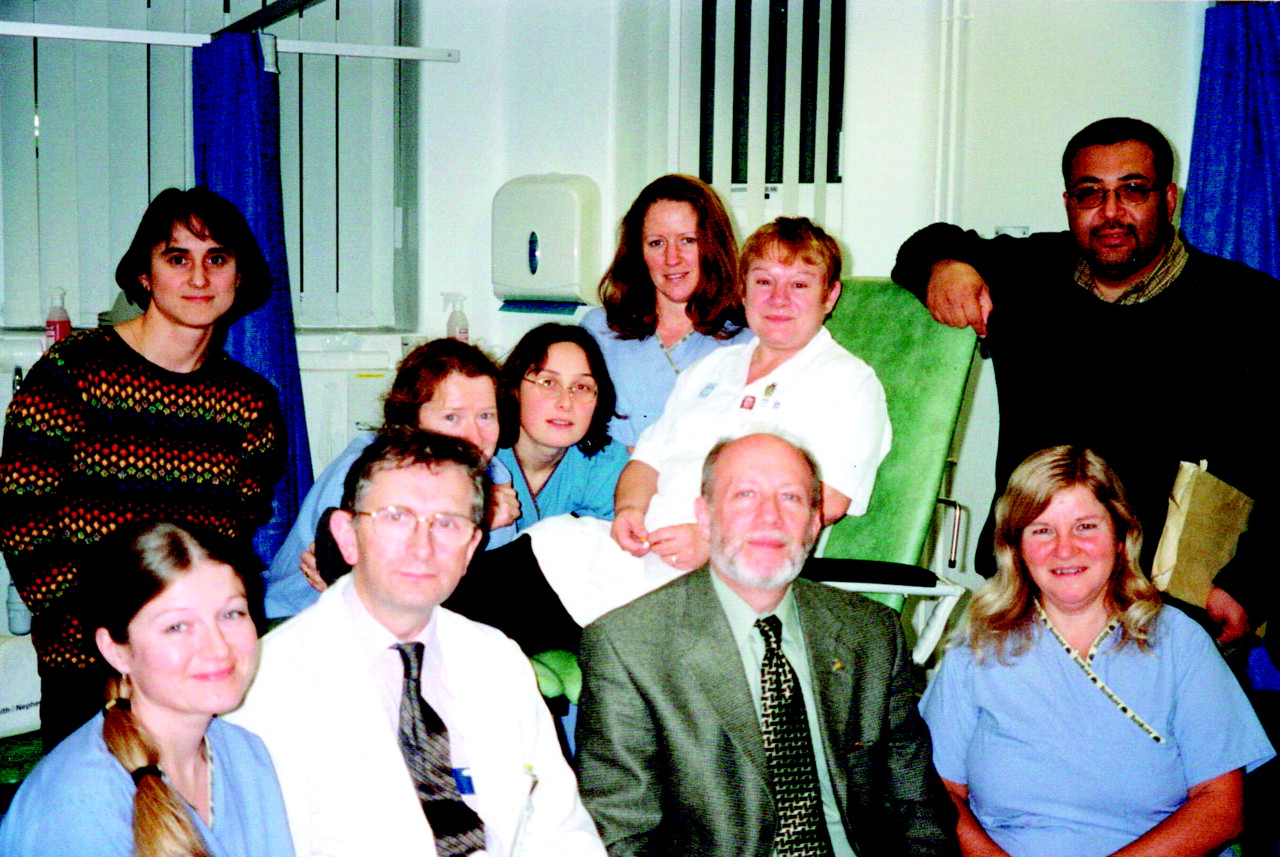
In 1979, Michael Edmonds, MD, began a research fellowship with Peter Watkins at King’s College Hospital investigating blood flow in the neuropathic foot. He was impressed by the overwhelming burden of “the diabetic foot” in vulnerable patients with multiple comorbidities with ischemic and neuropathic feet. Dr. Edmonds recognized the need for coordinated intensive care of these patients with input from several disciplines, including diabetology, podiatric medicine, orthotists, nursing, medicine, and orthopedic and vascular surgery. In May 1981, at the invitation of podiatric physician Mary Blundell, Dr. Edmonds established a diabetic foot clinic in the Podiatry Department at King’s College Hospital. The objective of this clinic was to manage the distinctive lesions of the neuropathic and ischemic diabetic foot. This initiative led to intensive management of the patient with diabetic foot by a multidisciplinary team and resulted in an immediate reduction in major amputations by 50%. Specific emphasis was placed on podiatric medical debridement, off-loading, infection control, and diabetes care. Podiatric physician Alethea V. M. Foster joined the clinic in 1985. Aware that the diabetic foot could deteriorate with alarming rapidity, she emphasized an open-access service, with the diabetic foot clinic acting as a first aid center, seeing emergencies on the same day or within 24 hours. An early report of this multidisciplinary service was presented at the Dublin (Ireland) meeting of the British Diabetic Association in September 1982 and at the European Association for the Study of Diabetes meeting in London in 1984.[
2]
Following the successful outcome of reducing amputations in the King’s College Hospital clinic, multidisciplinary diabetic-foot–care teams developed throughout Europe. It was accepted that the foot ulcer was a sign of severe systemic disease. These patients required holistic care as well as focal treatment of their lower limbs. The presentation of a diabetic patient with a foot ulcer was a pivotal event in the life history of that patient. It was clear that patients with diabetic foot disease required specialized care by a multidisciplinary team working not only in a dedicated diabetic foot clinic but also caring for the patient when admitted to the hospital. For this reason, in Europe the diabetologist has often taken a major role in direction of the multidisciplinary team, although not exclusively as vascular surgeons and orthopedic surgeons have also been prominent. Important day-to-day care has often been led by podiatric physicians and sometimes by nurses. Many teams began with minimal staff but have evolved into full multidisciplinary teams active in research and education.
Role of Patient Education
Jean-Philippe Assal, MD, was chief of the Diabetes Treating and Teaching Unit at the University Hospital in Geneva, Switzerland, a World Health Organization collaborating center for research in diabetes education. Dr. Assal played an important role in instigating awareness of patient education and a global integrated approach to diabetes care. He taught that diabetes education was a fundamental aspect of the management of foot ulcers in patients with diabetes. Dr. Assal reported that amputations of the foot were notably diminished by more than 50% in 4 years with patient education. He achieved this by organizing courses for diabetic patients on the care of their feet and early detection and treatment of lesions on the lower limbs. Each diabetic patient attended a 2-hour course, and two outpatient consultations were conducted for those at high risk with infections, plantar ulcers, and arterial insufficiency. At the time of consultation, education on preventive measures was continued.
To determine the effect of these courses and early consultations, the level of amputation of 34 diabetic patients operated on at the orthopedic clinic during the previous 18 months was studied. Of 23 patients who underwent below-the-knee amputation, 22 had never been informed of preventive measures or early treatment. Of 11 patients with distal (big toe or transmetatarsal) amputation, all had benefited from the minimal intervention as a result of the system of information and early consultation and treatment. The average hospital stay was 111 days for below-the-knee amputations and 26 days for distal amputations.[
70,
71]
The 1980s
Throughout the 1980s, multidisciplinary clinics were established in the United Kingdom and Europe. The diabetic foot clinic at the City Hospital Nottingham (Nottingham, England) was set up in 1982 by William Jeffcoate, and in 1987, multidisciplinary clinics were instituted at the Blackburn Royal Infirmary (Blackburn, England) by Geraint Jones and at the Manchester Royal Infirmary (Manchester, England) by Andrew J. M. Boulton.[
72] In Lund, Sweden, Jan Apelqvist became the director of a multidisciplinary foot-care center with coordinated inpatient and outpatient facilities in 1983. The team consisted of a diabetologist, orthopedic surgeons who specialized in foot surgery, a vascular surgeon, a podiatric physician, a physiotherapist, a casting technician, an orthotist, and diabetes nurse educators. The diabetic foot clinic acted as a referral unit for severe diabetes-related complications: ulcers, infection, ischemia, osteoarthropathy, and neuropathy.[
5]
In 1984, a diabetic foot clinic at the University of Dusseldorf, Dusseldorf, Germany, was established by Max Spraul and Ernst Chantelau with a minimal model, starting with two doctors and a nurse and later developing into a full multidisciplinary team. Similarly, diabetologist Kristien Van Acker launched the first diabetic foot clinic in Belgium at the University of Antwerp in 1989. She started this clinic with two nurses; however, after 14 years, a large multidisciplinary team was in place. Ezio Faglia, working in the Diabetology Centre, Niguarda Hospital, Niguarda, Italy, demonstrated a reduction in the major amputation rate at a multidisciplinary center dedicated to diabetic foot care during the 1980s.[
73,
74]
At the end of the decade, the St. Vincent Declaration encouraged the development of multidisciplinary clinics in Europe. Representatives of government health departments and patient organizations from all of the European countries met with diabetes experts under the aegis of World Health Organization Regional Offices for Europe and the International Diabetes Federation, European region, in St. Vincent, Italy, on October 10 to 12, 1989. They unanimously agreed on the recommendations to improve diabetes care and urged their implementation in all of the countries throughout Europe. This included a recommendation to reduce by half the rate of limb amputations for diabetic gangrene within 5 years, a target derived from the 50% reduction in amputations achieved by the King’s College Hospital Foot Clinic.
The 1990s
The neuroischemic foot was becoming an increasing problem in the 1990s. When the diabetic foot clinic at King’s College Hospital was set up in 1981, it prevented nearly all major amputations of neuropathic feet. At that time, it was difficult to achieve similar results with the ischemic foot because advanced occlusive arterial disease below the knee could not be reversed. However, with the development of modern techniques for peripheral angioplasty and distal bypass, the foot clinic achieved a further 50% reduction in major amputations of the ischemic foot.[
75]
With the increasing use of kidney transplantation, patients with diabetes in renal failure and with foot problems increasingly presented to diabetic foot clinics. Alethea V. M. Foster, working in a specialized foot clinic at King’s College Hospital, demonstrated a reduction in gangrene and amputations in diabetic renal transplantation patients (
Fig. 6).[
76] Diabetic ischemic foot patients with end-stage renal disease are typically the most difficult to treat because of the presence of diffuse disease, greater involvement of the distal and pedal vessels, and extensive tissue necrosis. Remarkably, it was demonstrated that distal bypass could be performed safely and effectively with acceptable rates of limb salvage in patients who had undergone renal transplantation and in dialysis-dependent patients.[
77,
78]
Initiatives to Support the Team Approach
There were two important European initiatives at the end of the 1990s to support and encourage the team approach to diabetic foot care and amputation prevention. The Diabetic Foot Study Group of the European Association for the Study of Diabetes was set up in 1998 through the motivation of Andrew J. M. Boulton. This study group, under the leadership of its successive chairmen (Andrew J. M. Boulton, Michael Edmonds, Stephan Morbach, and Edward Jude) has organized annual meetings on clinical and research aspects of the diabetic foot.
By the mid-1990s, it was accepted that a team approach with a well-structured organization in appropriate facilities could reduce the risk of development and progression of diabetic foot ulcer disorders. However, many different strategies were applied in diabetes foot care. Sir Karel Bakker, MD, chairman of the successful International Symposia on the Diabetic Foot in Noordwijkerhout, the Netherlands, in 1991 and 1995, noted that although guidelines on the prevention, diagnosis, and management of diabetic foot problems had been formulated in several countries, the contents of these guidelines were sometimes inconsistent. There was a need for an international set of definitions and guidelines on prevention and management, and this led to formation of the International Working Group on the Diabetic Foot, a unique multidisciplinary team of experts on the diabetic foot that included general practitioners; diabetologists; podiatric physicians; diabetic nurses; and general, vascular, and orthopedic surgeons. Through a process of consensus, this group produced a document entitled the “International Consensus on the Diabetic Foot.” This consensus, accompanied by practical guidelines, was launched during the Third International Symposium on the Diabetic Foot in Noordwijkerhout in 1999 and was to motivate the team approach through the next decade.
Research and the Team Approach in Europe: 21st Century
The first decade of the 21st century was notable for large cohort studies that investigated factors related to diabetic foot outcomes and for multidisciplinary clinics treating the ever-increasing number of neuroischemic patients often in some degree of renal failure. Increasing interest in the Charcot foot led to early intervention with casting and surgical reconstruction for late-presenting deformed feet. The decade also saw further advances in international consensus, national frameworks of diabetic foot care, and organization of diabetic foot clinics on a national scale.
Multidisciplinary Teams, Revascularization, and Limb Salvage
Revascularization became a crucial part of the diabetic foot service in this decade. Peripheral angioplasty of the distal arteries down to the foot arteries was found to be safe and effective for limb salvage in a high percentage of diabetic patients.[
85] In an integrated care pathway at King’s College Hospital, distal bypass performed by Hisham Rashid became a vital part of the diabetic foot service. Technical advances in revascularization, including distal angioplasty, have been strengthened by intensive multidisciplinary care for the management of comorbidities and multiple diabetes complications.[
86] In such an integrated-care pathway, angioplasty and bypass were regarded not as competing treatments but as complementary. It was important that each intervention be applied in a timely and appropriate manner. Coordination was accomplished within the organizational framework of a weekly joint vascular clinic attended by vascular surgeons and diabetologists and a vascular radiology meeting also attended by the interventional radiologist and vascular laboratory scientist. Angiograms were reviewed, and joint decisions were made as to the suitability of angioplasty (often performed as a day case procedure) or, alternatively, arterial bypass after careful review of the patient’s comorbidities. After either procedure, patients were followed up closely in the diabetic foot clinic to assess the clinical outcome and the need for further intervention.[
87] Similar patterns of care have now been established in many centers in Europe.
System Changes, Research, and Reduction in Amputation Rates
After initially reporting an unchanged incidence of amputation in Leverkusen, Germany, between 1990 and 1998,[
88] a multidisciplinary service including an interdisciplinary ward for inpatient treatment as well as preoperative and postoperative care was opened in 2001. This ward served as a central unit. Patients would return to this unit after surgery for integrated treatment of their wounds, infection, and metabolic problems. As a rule, surgery was performed only after common indication rounds with the diabetologists and surgeons. After surgery, socalled problem rounds followed regularly. Standardized, phase-adapted wound care was performed after rigorous debridement. When indicated, revascularization was an integral part of treatment. Antiseptics, antibiotics, moist semi-occlusive dressings, maggots, and vacuum-assisted wound closure therapy are all components of this treatment scheme. When patients were discharged, they continued to be treated by the now established outpatient network. Overall, this standardized approach has eventually contributed to a reduction in amputations.[
9]
Reductions in the number of amputations have also been reported by Gerry Rayman in Ipswich, England,[
4] Ronan Canavan in Middlesborough, England,[
89] Clifford Shearman in Southampton, England,[
90] and Roberto Anichini in Italy.[
91] In Helsinski, Finland, the emphasis on active vascular intervention has resulted in a decrease in the incidence of major amputation in nondiabetic and diabetic patients,[
92] and in Scotland, Matthew Young at the Edinburgh Diabetic Foot Clinic reported a decrease in mortality in patients with diabetic foot after aggressive treatment of vascular risk factors.[
93]
Research has been a prominent feature of many diabetic foot clinics, with work presented at national and international meetings and at meetings related to the diabetic foot, eg, the Diabetic Foot Study Group and the biennial Malvern Diabetic Foot Conference. In 2002, William Jeffcoate and Fran Game set up a Foot Ulcer Trials Unit in Nottingham, England. They recently reported the outcomes of two studies coordinated from that center. The first study looked at the role of education for ulcer prevention,[
94] and the second study was a three-way investigation of the effect of dressings on diabetic foot ulcer healing.[
95]
Conclusions
Patients with diabetic foot are among the most complex and vulnerable of all diabetic patients with high morbidity and mortality. Specialized diabetic foot clinics of the 21st century should be equipped to coordinate revascularization procedures, to aggressively treat infections, and to manage medical comorbidities within a multidisciplinary forum. History has taught us that optimal management of diabetic foot complications is best provided in a hospital-based diabetic foot clinic. The clinic must be available to manage emergencies and must be equipped to perform urgent investigations and wound debridement and to initiate immediate parenteral antibiotic drug therapy. It must also be able to obtain rapid vascular and orthopedic opinions and to arrange for emergency admissions to the hospital.
Because of the broad scope of this review, we express our regrets in advance for any omission or abbreviation of an event or individual’s role in the history of the team approach to amputation prevention in people with diabetes. Many healthcare professionals have contributed to the evolution of our understanding, care, and management of the diabetic foot. We have attempted to highlight some of the pioneers, milestones, teams, and system changes that have had a major impact on risk assessment, management, and preservation of the diabetic foot during the past 100 years. The inadvertent exclusion or abbreviation of an individual or team’s role in this history should in no way be interpreted as minimizing the importance of that person or group’s contribution.