Antibiotics are among the most commonly prescribed medications during ambulatory care visits, [
1] and more than a billion dollars has been spent by pharmaceutical companies to promote antibiotics. [
2] Although adverse effects from antibiotic drug use are generally considered to be infrequent and mild, many emergency department visits have occurred from the use of antibiotics. The mechanisms of adverse events include allergic reactions, unintentional overdose, and unintentional exposures. [
3] It has been reported among emergency department visits that sulfonamides are associated with a higher rate of moderate to severe allergic reactions, neurologic or psychiatric disturbances, and hospitalizations compared with other antibiotic classes. [
3]
Adverse drug reactions require prompt identification and management by the physician to avoid potential harm to the patient. Some adverse reactions cause only minor irritation and usually resolve with removal of the offending agent. Stevens-Johnson syndrome represents one of the most severe forms of drug reaction. Adverse drug reactions, such as Stevens-Johnson syndrome and toxic epidermal necrolysis, may even carry the risk of death and, therefore, require early, prompt, and aggressive treatment. Stevens-Johnson syndrome and toxic epidermal necrolysis are rare, but some drugs, such as sulfonamides, penicillins, fluouroquinolones, allopurinol, carbamazepine, phenytoin, and nonsteroidal anti-inflammatory drugs, are believed to be the cause in 50% and 80% of Stevens-Johnson syndrome and toxic epidermal necrolysis cases, respectively. [
4] Although the exact pathogenesis is still not fully understood, their clinical presentations are similar. The main difference lies in body surface involvement: less than 10% of the body surface involved is considered Stevens-Johnson syndrome, greater than 30% is considered toxic epidermal necrolysis, and 10% to 30% is considered a Stevens-Johnson syndrome–toxic epidermal necrolysis overlap. [
4]
An observational study showed that mortality rates decreased from 26% to 5% when causative drugs with short half-lives were withdrawn once blisters or erosions appeared with Stevens-Johnson syndrome and toxic epidermal necrolysis. There was no difference for drugs with long half-lives. Overall, the earlier the causative drug was withdrawn, the better the prognosis. [
5] Before skin lesions appear, usually within 1 to 3 weeks of starting the offending agent, patients develop a prodrome of malaise, fever, headache, myalgias, and arthralgias. High body temperatures are usually associated with the incidence of toxic epidermal necrolysis, along with a skin burning sensation. Erythematous or pruritic macules and plaques first appear on the face, neck, and upper trunk. These will rapidly evolve into blisters and target lesions and will slough off in 1 to 3 days. [
4]
The skin lesions of Stevens-Johnson syndrome and toxic epidermal necrolysis have been described as erythematous macules with purpuric centers. They are usually symmetrically distributed. They most often begin on the face and trunk, with progression to the extremities. [
6] The scalp, palms, and soles are often spared. This is followed by vesicular and bullae formation and, finally, sloughing of the skin. Mucosal involvement is almost always present, affecting the genitalia and the gastrointestinal and respiratory tracts. Conjunctival lesions are often present, which can lead to sequelae such as photophobia, corneal scarring, and visual impairment. Pulmonary complications can also occur with progression to toxic epidermal necrolysis. Dyspnea, hypoxia, bronchial hypersecretion, tracheobronchitis, pulmonary edema, bacterial pneumonitis, and bronchiolitis obliterans can occur. Patients may require respiratory support. [
6,
7] The major cause of death in Stevens-Johnson syndrome and toxic epidermal necrolysis is sepsis. [
6] The skin sloughing seen in the disease disrupts the body’s protective barrier against bacteria, and systemic infection can result. The large loss of epidermis in Stevens-Johnson syndrome is similar to that seen in burned patients. Transfer to a burn unit, when possible, has been demonstrated to improve outcome. [
7] In this article, we report a rare case of a Stevens-Johnson syndrome and toxic epidermal necrolysis incidence after treatment for a peripherally inserted central catheter line infection with the use of trimethoprim-sulfamethoxazole.
Case Report
A 61-year-old man with a medical history significant for type 2 diabetes mellitus, coronary artery disease, and hypertension presented initially for management of a noninfected superficial ulceration in the medial aspect of the left second digit. The ulcer was being treated with periodic betadine dressing changes. Five months after the initial clinical presentation, the ulcer demonstrated signs of infection. Pedal radiographs taken at that visit demonstrated cortical erosion of the second metatarsal head and proximal phalanx consistent with osteomyelitis. At that time, a ray amputation was recommended to the patient; however, he adamantly refused and chose to undergo prolonged antibiotic drug therapy. Six weeks of continuous intravenous infusion with piperacillin-tazobactam was recommended by the infectious disease consultants. Two weeks after the initiation of therapy, the patient developed an infection in his peripherally inserted central catheter line that required hospitalization. A methicillin-resistant Staphylococcus aureus infection was suspected, and the patient was then given intravenous vancomycin while in the hospital. The peripherally inserted central catheter line was replaced, and the patient was discharged 2 days later with oral trimethoprim-sulfamethoxazole, which was administered for prophylactic coverage due to the suspicion of community-acquired methicillin-resistant S aureus. The definitive culture from the peripherally inserted central catheter line revealed no growth.
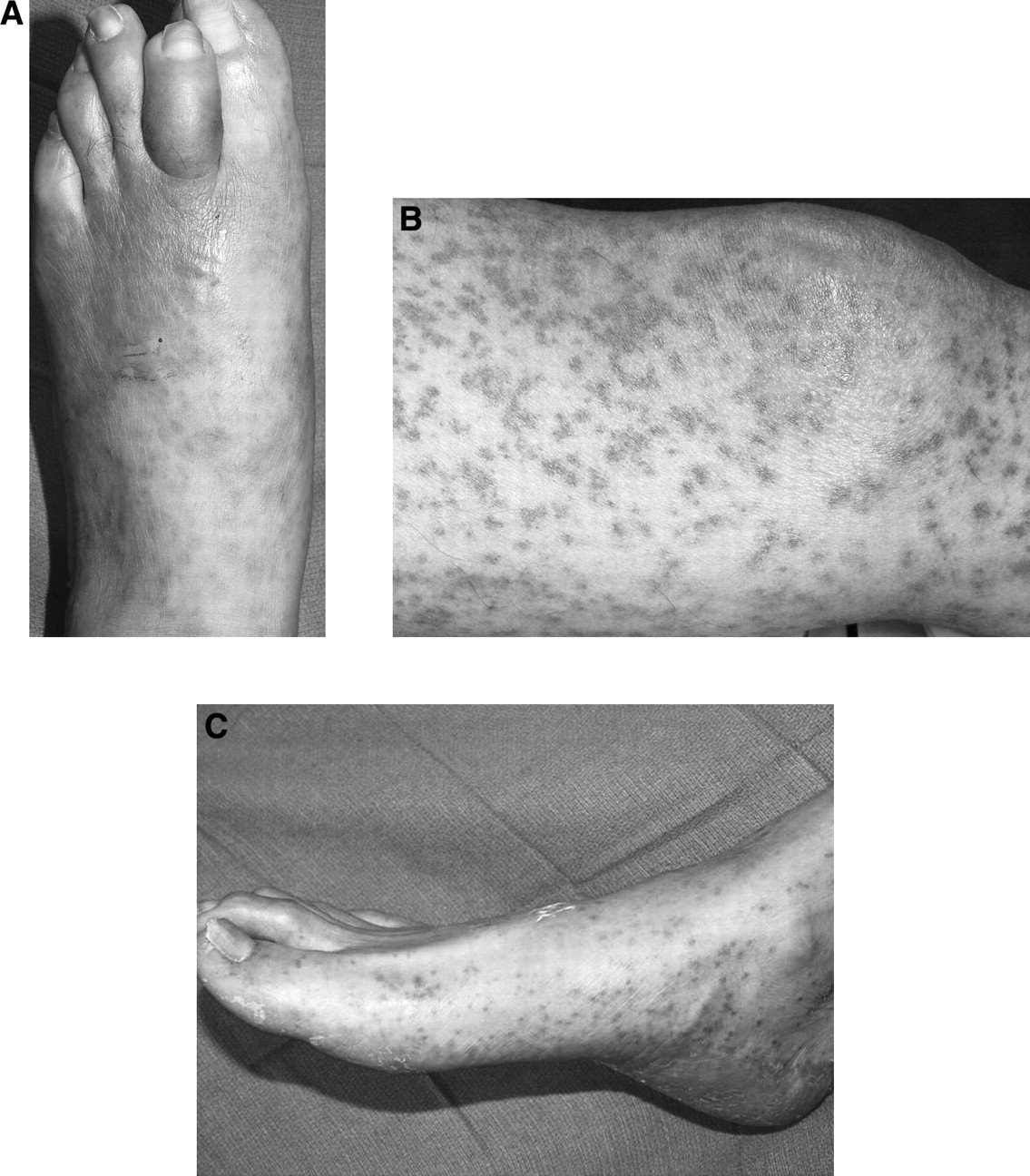
Two weeks after discharge, the patient returned to the emergency department with a pruritic, maculopapular rash over his entire body. He stated that the rash began approximately 1 week earlier on his trunk and then progressed to his extremities (
Fig. 1 A–D).
Self-treatment at home consisted of 1% hydrocortisone cream, without alleviation of symptoms. The patient was admitted to the hospital, and the dermatology service was consulted. The rash was determined to be an adverse drug reaction from current oral trimethoprim-sulfamethoxazole therapy, and administration of the medication was immediately discontinued. The patient was then given diphenhydramine and cimetidine. The dermatology team advised against the use of systemic corticosteroids unless blistering, elevation of the eosinophil count, or mucosal involvement occurred during the patient’s hospitalization.
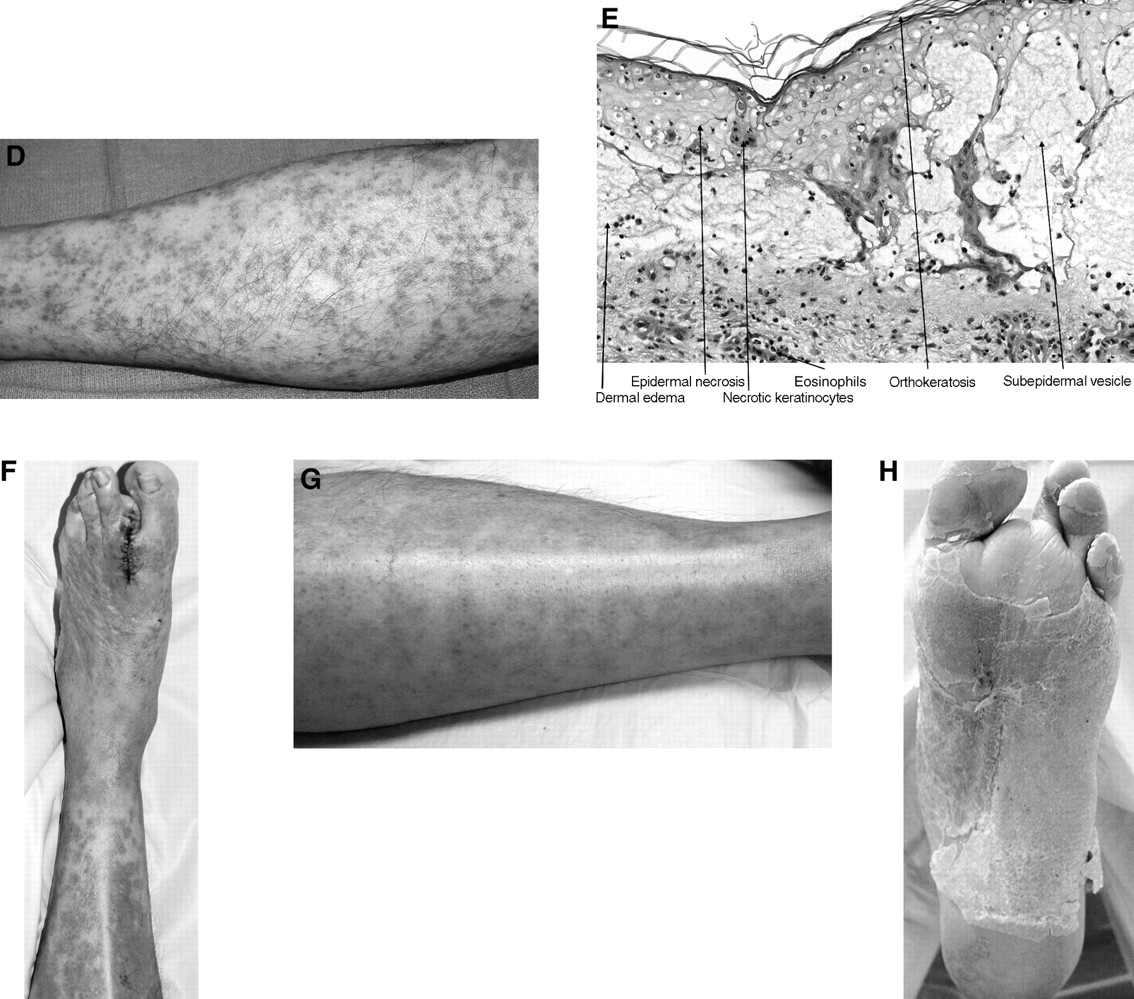
On admission to the hospital, the patient was given intravenous piperacillin-tazobactam. Two days later, he was febrile and hypotensive and developed mucosal lesions. A diagnosis of Stevens-Johnson syndrome was made, and the patient was transferred to the intensive care unit for fluid resuscitation and systemic corticosteroid therapy. A shave biopsy revealed subepidermal vesicular dermatitis with numerous eosinophils, necrotic keratinocytes, and epidermal necrosis (
Fig. 1E). These findings were consistent with the diagnosis of Stevens-Johnson syndrome or toxic epidermal necrolysis. The patient was eventually switched from piperacillin-tazobactam to vancomycin-aztreonam on arrival in the intensive care unit after developing Stevens-Johnson syndrome; he continued taking vancomycin-aztreonam while in the hospital for 2 weeks. The treating physicians were concerned that the foot osteomyelitis would further complicate treatment should symptoms progress to toxic epidermal necrolysis. The use of corticosteroids in the management of toxic epidermal necrolysis remains controversial because immunosuppression with systemic corticosteroids in the presence of infection increases the already high risk of septic complications. [
8]
The patient was then taken to the operating room for a left partial second ray amputation. Intraoperative culture of the second metatarsal revealed
S aureus with resistance to trimethoprim-sulfamethoxazole. The patient continued taking vancomycin-aztreonam for 9 days after surgical intervention, and then antibiotics were discontinued. The amputation site healed uneventfully, without the recurrence of osteomyelitis, and all skin lesions slowly healed in 4 weeks (
Fig. 1F and G). The patient underwent residual epidermal scaling and skin loss about the soles of his feet. Large pieces of superficial epidermal tissue sloughed off without blistering or ulceration for 3 weeks (
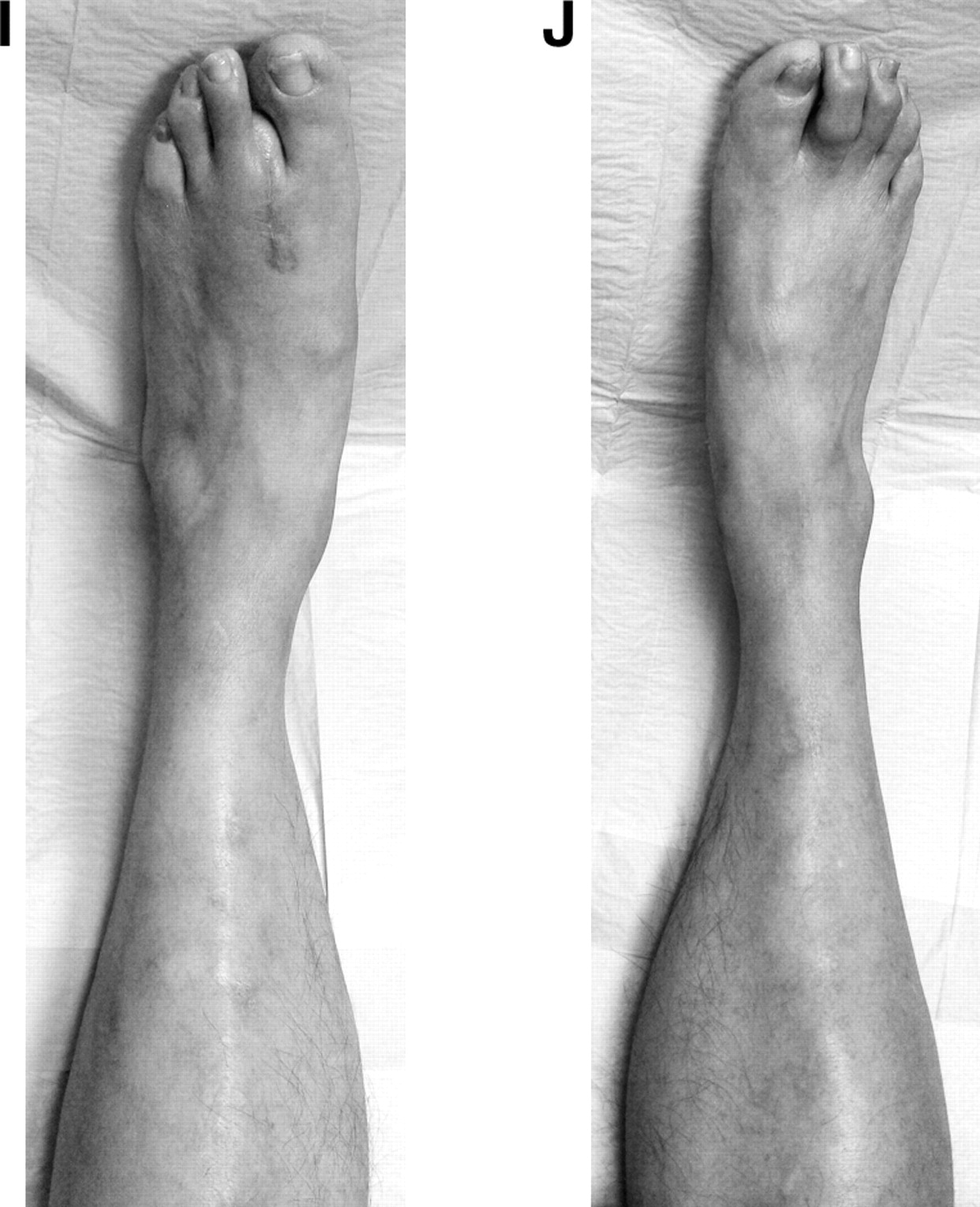
Fig. 1H). At 6-month follow-up, the patient had recovered completely of all skin lesions (
Fig. 1I and J).
Discussion
Excessive and injudicious use of antibiotics use can lead to serious drug-related adverse events. Although rare, it is imperative for physicians who prescribe medications to be mindful of their signs, symptoms, and appropriate management immediately. Delay can result in harm and possibly death to the patient. Many drugs that are commonly prescribed in podiatric medical practice are among the most common triggers for Stevens-Johnson syndrome, including antigout medications (such as allopurinol), antibiotics (sulfonamides, penicillins, and cephalosporins), analgesics, and nonsteroidal anti-inflammatory drugs (peroxicam). [
9-
11] Infections and, rarely vaccinations, systemic disease, and variety of food products, can also result in Stevens-Johnson syndrome. In the present patient, the likely causative agent was the oral trimethoprim-sulfamethoxazole administered. This drug was immediately discontinued. Early discontinuation of the offending drug is critically important and has been shown to improve outcome. [
5] In this case report, there was concern that the patient’s condition had progressed to toxic epidermal necrolysis and that the second ray infection and osteomyelitis could seed a systemic infection that would complicate the patient’s course and long-term antibiotic drug therapy. Urgent resection was recommended and performed.
Conclusions
The ultimate goal of managing patients with Stevens-Johnson syndrome and toxic epidermal necrolysis is early recognition of the signs and symptoms and prevention of progression of the disease. A delay in diagnosis can result in increased morbidity and even mortality rates, and health-care providers need to be aware of this rare adverse effect from a commonly prescribed antibiotic used in the treatment of diabetic foot infections.