Article

Institutions as a Fundamental Cause for Long-Run Sustainability

1
Intelligent Systems and Sensor Networks (SIRC), Hassania School of Public Works, Km 7 Route D’El Jadida, Casablanca BP 8108, Morocco
2
Department of Mathematics and Computer Science, Royal Military College of Canada, Kingston, ON K7K 7B4, Canada
*
Author to whom correspondence should be addressed.
J. Risk Financ. Manag. 2025, 18(3), 114; https://doi.org/10.3390/jrfm18030114
Submission received: 29 December 2024 / Revised: 11 February 2025 / Accepted: 17 February 2025 / Published: 22 February 2025

Abstract

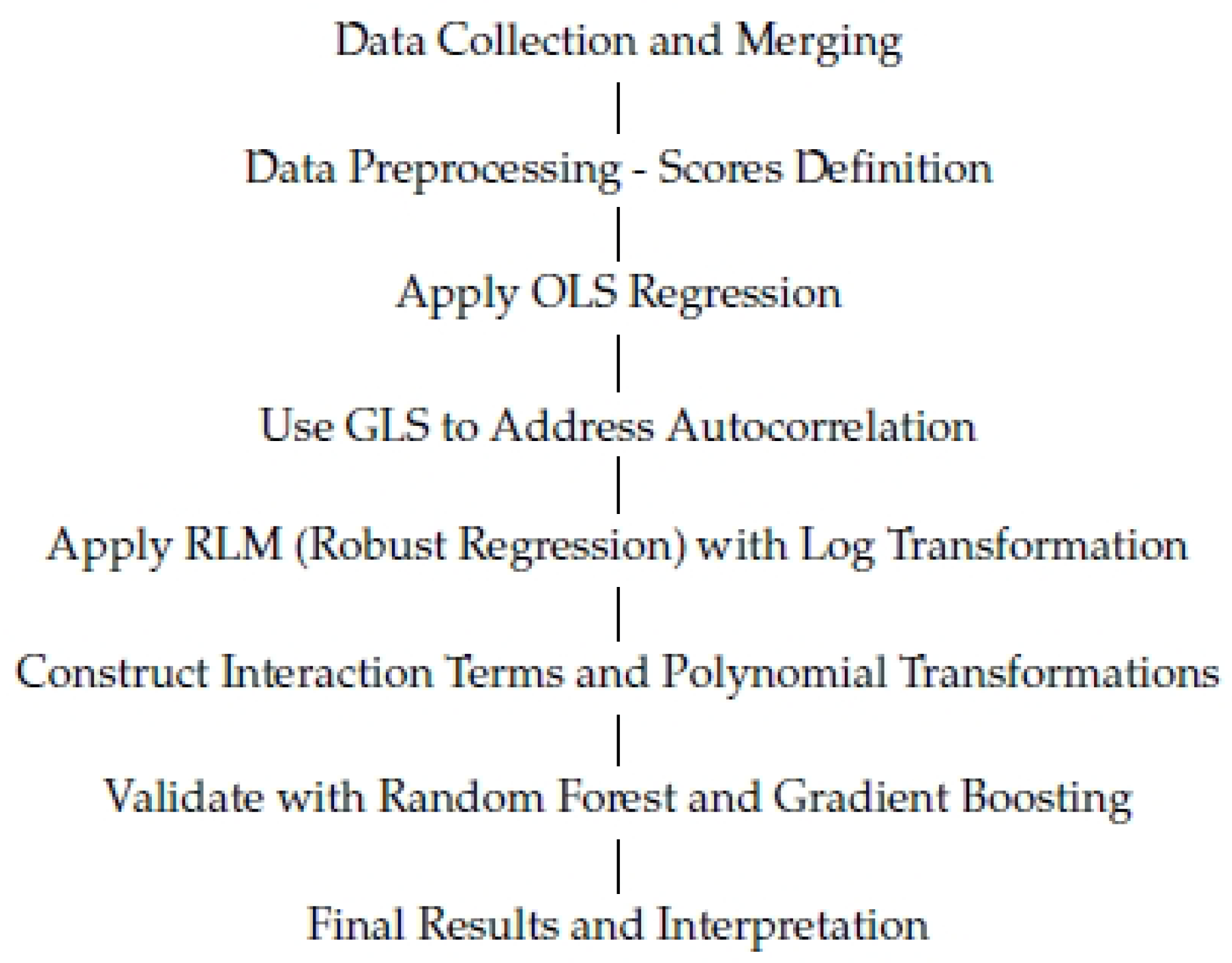
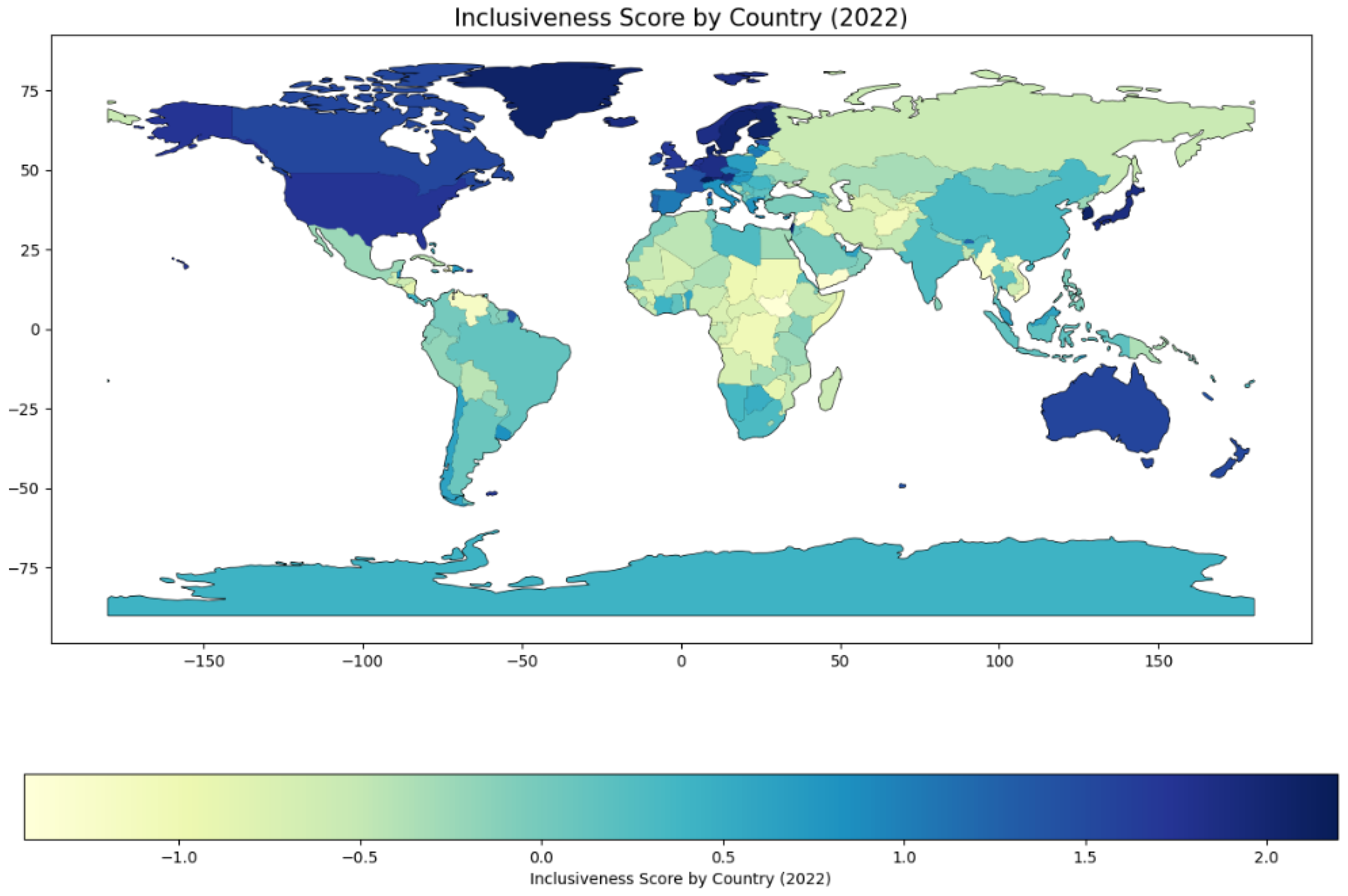
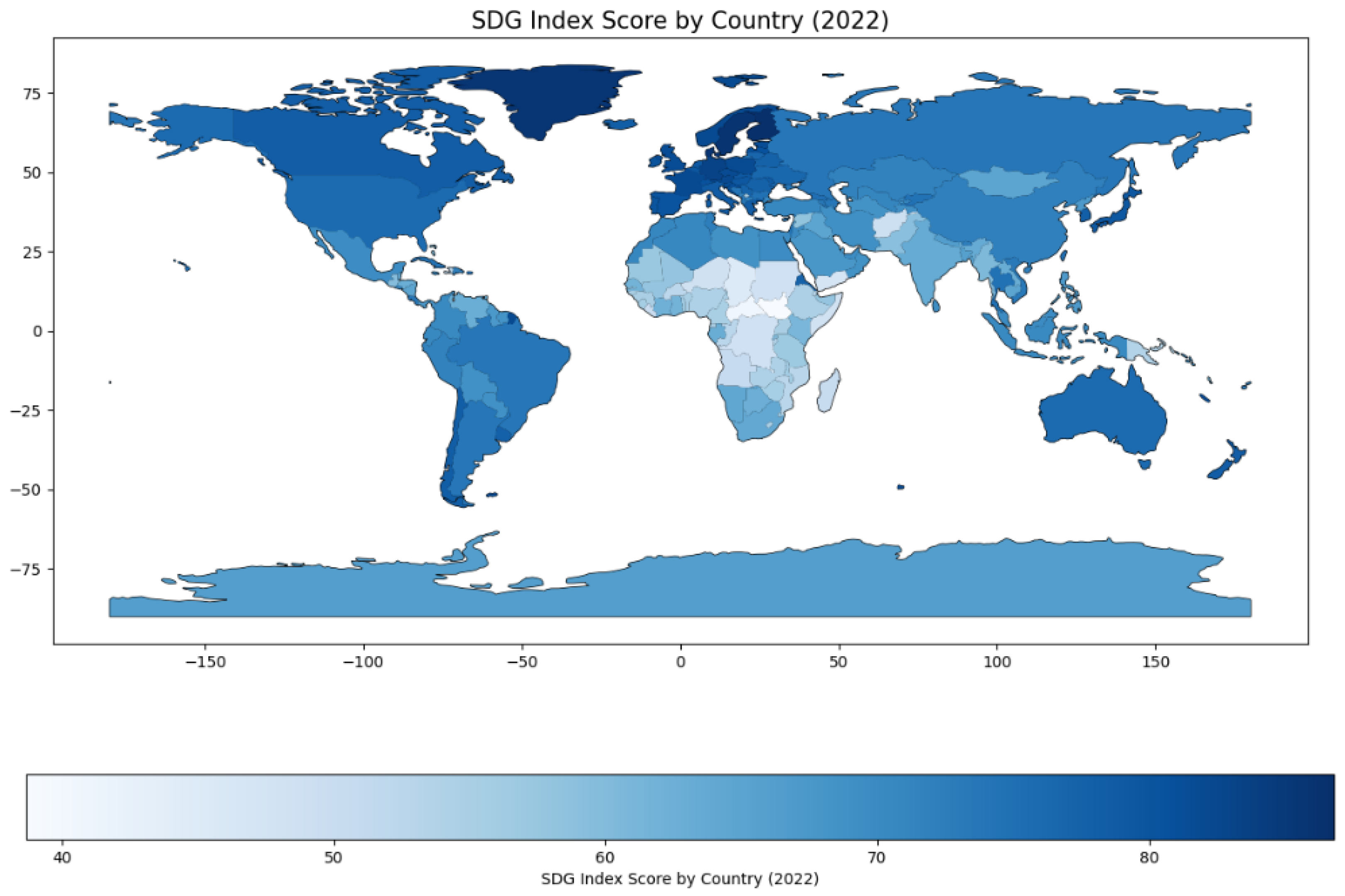
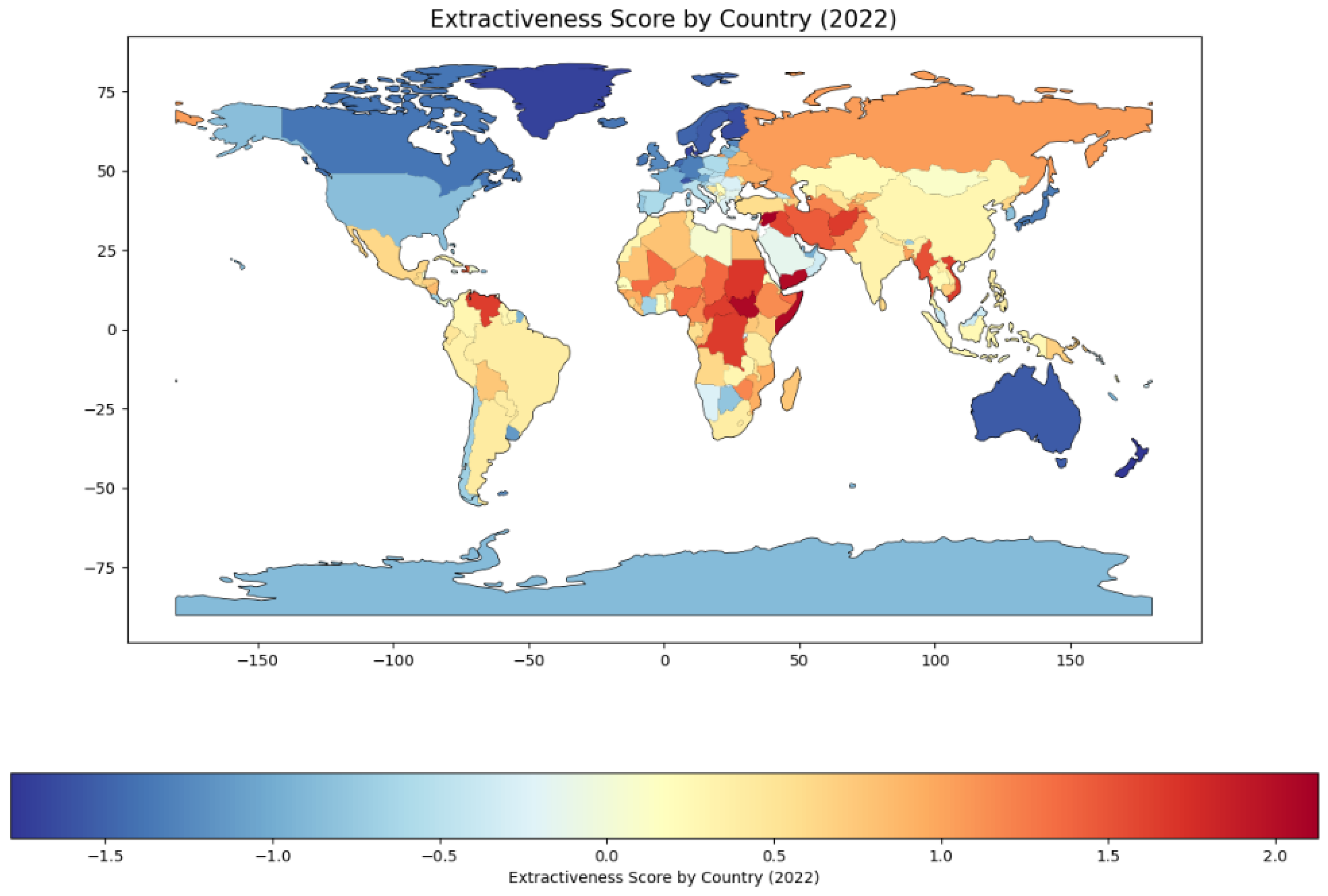
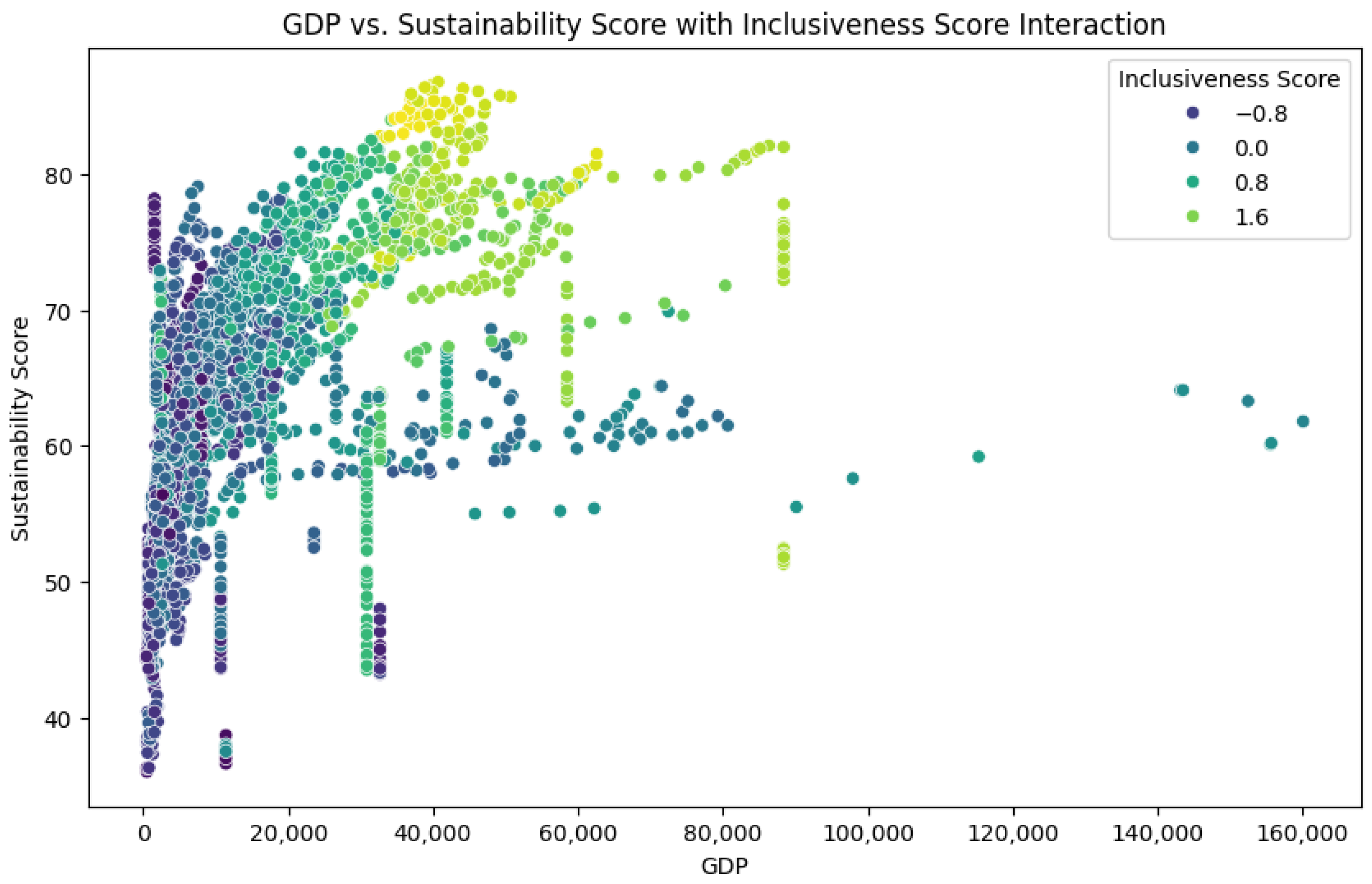
The development of sustainable societies relies upon the institutional structures that govern the relationship between economic systems and environmental leadership. In this study, we engage with the juxtaposition between inclusive and extractive institutions as potential molders of the trajectory of sustainability. Featuring governance indicators and economic metrics, we explore the impact of institutional inclusiveness and extractiveness on sustainability outcomes. Inclusiveness, which enables the prosperity of collective well-being through democratic governance, legal integrity, and innovation, is posited as an affirmative force for sustainability. In contrast, extractive institutions, which concentrate power and resources, hinder the realization of sustainable development by perpetuating inequality and exploitation. This paper suggests a statistic pipeline, comprised of econometric regression, machine learning models, and clustering analysis, to assess the impact of governance and economic performance on sustainability indices. We posit that inclusiveness serves as a potent driver for sustainability, particularly when coupled with economic resources, whereas extractiveness leads to the attenuation of sustainable progress. Through this work, we aim to gauge how institutions can either hinder or propel the material conditions necessary for the achievement of sustainability.
Keywords: institutions; sustainability; governance; artificial intelligence institutions; sustainability; governance; artificial intelligence