Systematic Review

Mapping the Impact of Business Model Innovation on Firm Productivity: A Bibliometric Analysis and Global Perspective


Department of Administrative and Financial Sciences, Al-Balqa Applied University, Karak 02722, Jordan
J. Risk Financial Manag. 2025, 18(12), 723; https://doi.org/10.3390/jrfm18120723
Submission received: 29 July 2025 / Revised: 16 August 2025 / Accepted: 29 August 2025 / Published: 17 December 2025
(This article belongs to the Special Issue Firms’ Behavior, Productivity and Economics of Innovation II)

Abstract

The study explores the impact of business model innovation on firm productivity with the help of a systematic bibliometric analysis. The purpose is to distill key themes, critical research needs, and possible future directions. A systematic search was performed with the Web of Science database (2011 to 2024) using PRISMA 2020 guidelines. Of these studies, after applying defined inclusion and exclusion criteria, the study retained 273 studies; of those, 217 explicitly considered productivity at the firm level. This results in the following three central research themes: digitalization, business model innovation, and sustainability, which reflect how firms adjust to technological and environmental as well as strategic demands. The paper discusses three examples: theoretical fragmentation and regional biases within research on health worker migration and less integration of institutional and contextual factors. One of the gaps here is that there is a paucity of empirical evidence from emerging economies where firms face their own unique set of barriers to innovation and productivity. This work adds a level of clarity to what has been studied and what is unexplored, both enhancing academic knowledge and setting clear directions for managers and policymakers. It is time for more geographic ranges and collaboration across fields, such as with health care or business models that are likely to unfold over time.

1. Introduction

Business model innovation (BMI) is becoming a comparatively more important strategic dimension for companies across sectors to improve productivity, address market frictions, and maintain their competitive edges in the digital age (Foss & Saebi, 2017; Casadesus-Masanell & Zhu, 2013). Corporate development has been influenced by historical and technological transformations—from traditional models of manufacturing to digitally empowered service-based ones that are sustainable, flexible, and contribute to value creation in a sustained manner (Zare & Persaud, 2024; Schneider & Spieth, 2013). Considering these changes, many businesses still encounter stubborn problems, such as resource scarcity, red tape, and increased competition, which prevent them from fully capitalizing on innovation for increased effectiveness (Khattak et al., 2024; Clauss et al., 2019a).
While companies are transforming at speed through new technologies and customer-centric strategies, the capacity to reconfigure business models, which is the ability of firms to do so, is developing unevenly by sector and by geography. Recent research also suggests that companies transforming their business model as part of a digital transition—including the integration of generative AI and advanced data analytics—perform better than those focusing on traditional innovation practices like R&D alone (Chen et al., 2021; Ciampi et al., 2021). In addition, open innovation and external knowledge sourcing are key drivers of BMI, especially in high-tech and fast-moving processes where agility and absorptive capacity are the key factors of survival (Ferreira et al., 2024; Denicolai et al., 2014). However, many companies face structural inertia and internal resistance that reduce their sensitivity to environmental changes; Thus, dynamic skills and organizational culture depend on the success of BMI (Magni et al., 2024; Moradi et al., 2021).
It is in this context that the business model concept has matured into an all-embracing reference framework that embodies how companies develop, deliver, and capture value in volatile environments (AlMulhim, 2021; Carayannis et al., 2015). Good business models are linked to increased operational efficiency, higher customer value, and sustainable growth (Latifi et al., 2021; Brax et al., 2021). However, a significant portion of the emergent literature appears to lean towards concentrating on either large firms or startups at the expense of the heterogeneity of contexts and pathways of innovation in firms characterized by resource constraints or institutional voids (Amankwah-Amoah et al., 2019; Guo et al., 2022). Therefore, the intricate association between business model innovation and firm productivity remains inadequately addressed in empirical research, particularly on an international and comparative level.
This study aims to address these gaps by conducting a systematic bibliometric analysis to: (1) identify dominant trends in the BMI–productivity literature, (2) examine how organizations create, refine, and reinvent business models to foster innovation and growth across industries, and (3) highlight areas where future inquiry is needed. By adopting a forward-looking lens, the study emphasizes the necessity of bridging theoretical fragmentation and regional imbalances while also demonstrating the practical importance of BMI for policymakers, managers, and stakeholders.
The remainder of this paper is structured as follows: Section 2 reviews the theoretical background and key concepts. Section 3 explains the research methodology. Section 4 presents the bibliometric analysis and key findings. Section 5 discusses theoretical and practical implications, and Section 6 concludes by identifying limitations and avenues for future research.

2. Review of Related Literature

This ability to see beyond the firm as a black box and into the “how” and “why” of value creation has elevated the business model from a descriptive tool to an analytic vantage on competitive advantage and productivity outcomes. Original work by Bellman et al. In general, despite being introduced in 1957 for decision-making simulations, there was little conversation about GIS at the academic level until the late 1990s (Zare & Persaud, 2024). The new economy: the digital, e-commerce, and artificial intelligence (AI) era with the coming of digital, e-commerce, and more recently AI-driven innovation eras, business models have gained fresh prominence as strategic, adaptive frameworks for value creation (Foss & Saebi, 2017; Qudah et al., 2023).
Structured tools, such as the Business Model Canvas, were developed to provide a structured view of core components (Khattak et al., 2024) and for testing assumptions in a systematic way. This analytical shift has never been more evident than in today’s business world, where firms use information and communication technologies to increase productivity by: Coordinating their resources (e.g., financial capital, human labor), Positioning themselves in the market (e.g., product development, advertising), Enhancing internal operations (Kraus et al., 2018).
Multiple theoretical frames can be effectively used to explore the impact of the capacity of business models (BMI) on organizational productivity. The theory based on resources (RBT) assumes that a competitive advantage comes from significant internal sources and skills that has an entity (Casadesus-Masanell & Zhu, 2013). This perspective is particularly important for companies that have intangible assets (e.g. dependent on innovations, networks and knowledge) as an essential part of the generation of values (Ciampi et al., 2021). DCF increases this view by emphasizing the ability to learn, innovate and recover resources to deal with fast technological and regulatory transformations (Sjödin et al., 2023). This requires a considerable degree of strategic flexibility and adaptive productivity to maintain competitiveness (Miroshnychenko et al., 2021).
Economics of transaction costs (TCE) is a business approach to effectively minimize transactions and operating inefficiency (Kastalli & Van Looy, 2013). This perspective is relevant in low resources, because despite a certain degree of decision-making and caution of resources, methodological simplicity often prevails, often relies on small information. Institutional theory emphasizes the influence of legislative, cultural and socio-economic contexts in the formation of business models (Amankwah-Amoah et al., 2019). In the environments marked by institutional gaps, businesses often develop imbalance hybrid or shadow models due to lack of regulatory frames and insufficient infrastructure systems (Narayan et al., 2021).
This view therefore emphasizes that BMI is influenced by several factors. Thirdly, business productivity is influenced by the interaction of internal capabilities with the market response, cost reduction and institutional restrictions. This suggests that singular theory is insufficient and that research must be integrative and empirical, emphasizing the dynamics of disruption, digitization and controlled AI changes. Permission of more comprehensive longitudinal analyzing business models, as the rules and technologies develop (Latifi et al., 2021; Chen et al., 2021).
Appendix A defines the main theoretical framework used in this research and emphasizes their relevant strengths and shortcomings in clarifying the impact of the business model’s innovation on the productivity of the company.

3. Materials and Methods

This study is a comprehensive bibliometric examination of the developing academic area of business models (BMI) and its impact on the productivity of the company. The aim of the study is to illuminate the fragmented nature of the current scholarship by defining important publication formulas, impressive academic contributions and permanent research trajectories. Bibliometric analysis, established as a reliable and allegedly based methodology, offers a systematic framework for defining the intellectual trajectory at the time by exploring publication formulas, citation structures and trends of the topic (Donthu et al., 2021); One hundred of this methodology is particularly effective in integrating contributions from various disciplines—for example, BMI—where they are dispersed through strategic management, innovation and organizational theory (Abdo et al., 2025).

3.1. Research Design and Rationale for Bibliometric Analysis

The study decides to use a bibliometric research method for two primary reasons: first, it assumes that this approach is in line with the aim and reproducible analysis of BMI literature and fixed productivity over time; Secondly, it serves as a quantifiable evaluation of scientific output in quality and quantity. The bibliometric representation distinguishes traditional reviews and recruitment relying on intuitive paper translation, methodologies such as reference analysis, mapping of keywords and bibliographic binding used for scientific analysis of extensive data sets (e.g., Zupic & Čater, 2015).
Fast accumulation of business models research and increasing interest in how the business model configuration affects the company’s results, in particular productivity and efficiency, bibliometric analysis allows to systematically organize a large and diverse set of literature. This method allows time, disciplinary and regional comparisons, including several aspects between BMI and organizational performance (Momani et al., 2023; Abu Orabi et al., 2024; Alqudah et al., 2023).

3.2. Data Sources and Database Selection

To maintain scientific strictness and increase in openness, research has adhered to the instructions of Prisma 2020 (Page et al., 2021), which is a prominent paradigm for systematic literature around the world. Each aspect of the selection process, including (1) of the identification and evaluation of research for incorporation and (2) final elections for integrating or exclusion, significantly affected the primary criteria of competence. Prisma illustrates the development diagram (Figure 1) and includes a comprehensive list of designs to increase the replicability of this transmission in additional materials.
The study has obtained data from the Web of Science (WOS) database, which guarantees the reliability of the highest level and the widest diversity of scientific subjects and the types of pubs for full bibliometric analysis. While Scopus covers more magazines, the Web of Science was the only database used to ensure that the data be uniquely limited to internationally recognized high-quality academic outputs-from consistency and reliability in citation and co-author analysis. This may affect the addition of a certain re-abundant understanding (ALShanti et al., 2024; Abdo et al., 2025), but it has been done to be standard and replicable in all other databases, including non-indexed sources.
The structured boolean search strategy was used to identify publications, which covered the conditions associated with BMI productivity and solid productivity. The search was made in names, abstractions and keywords to ensure accuracy and thematic meaning.
Search Query: ((“business model innovation” OR “business model changes” OR “business model transformation” OR “business model renewal” OR “business model redesign” OR “business model evolution” OR “innovation in business models” OR “strategic business model change” OR “dynamic business models” OR “digital business model innovation” OR “radical business model change” OR “incremental business model innovation”) AND (“firm productivity” OR “organizational performance” OR “company performance” OR “productivity growth” OR “firm efficiency” OR “operational efficiency” OR “organizational effectiveness” OR “firm performance” OR “business performance” OR “total factor productivity” OR “labor productivity” OR “resource efficiency” OR “enterprise performance” OR “managerial efficiency”))
After a multistep screening, duplicate records were removed, and non-English language articles were excluded to facilitate comparability. Remaining articles were screened for relevance based on title and abstract. Studies focusing on non-relevant domains, including start-ups, public sector organizations, or single-case empirical studies, were excluded. Full-text reviews were then performed to confirm eligibility. In total, 273 articles were included for analysis, with 217 demonstrating a clear relationship between BMI and firm productivity.
This structured approach ensures the credibility of the dataset and its alignment with the study objectives, while justifying the database selection and the exclusion of other sources.

3.3. Data Analysis Methods

The data file containing 217 reviewed articles used in this multimetrodic bibliometric analysis is sufficiently extensive to define primary trends and structures in BMI research and company productivity, but sufficiently compact to facilitate systematic overview of individual documents and thorough quality evaluation. This analytical approach consisted of three iteration phases to obtain a comprehensive understanding of the computer code study area.
The first consisted of descriptive analysis (publication counts, citation impact, leading authors, institutions, and journals). This step involved situating the development of the field within a broader framework and emphasizing specific scholarly contributions (Aljawarneh et al., 2025; Donthu et al., 2021).
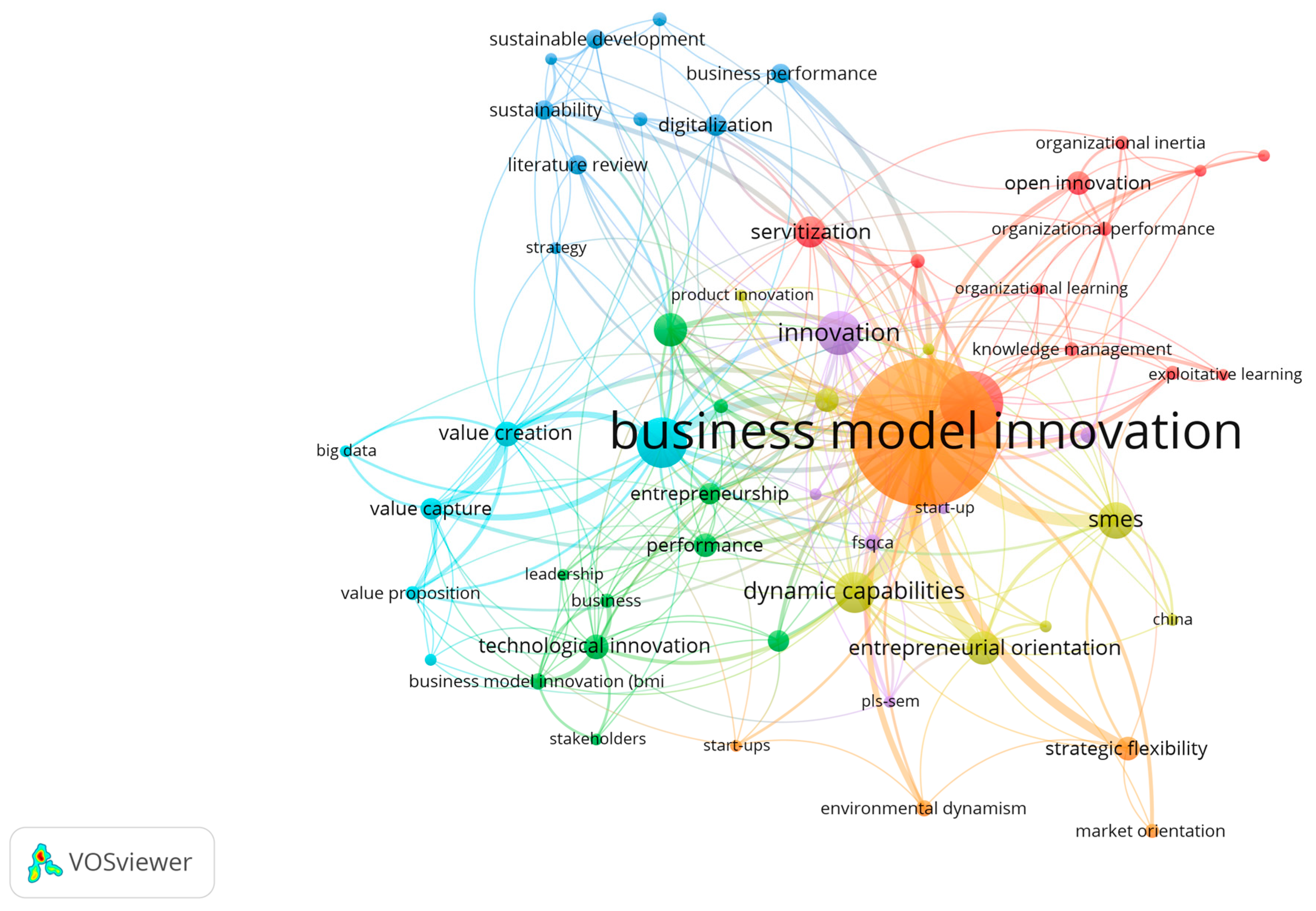
The second phase the study performed was keyword co-occurrence analysis utilizing VOSviewer. In preparation for data visualization, the dataset was first preprocessed in RStudio (Version 4.3.2) by conducting manual screening and coding based on inclusion/exclusion criteria and standardizing keywords to establish concordance. Although VOSviewer (Version 1.6.20) was the most appropriate tool for creating co-word maps and ascertaining thematic clusters, it can encode the data correctly with trend identification; however RStudio, mainly focusing on identifying trends comparatively exceeding its peers while facilitating the processing large amounts of text using various packages, made it parsimonious in regards to the resulting intersection data; BibExcel ensured structured visual organization into bibliometric/quasi-bibliometric tables but less so compared to VosViewer potential: mapping relationships among key words could potentially lead to successful identification of emerging research priorities (Zupic & Čater, 2015; Abdo et al., 2025). Titles, abstracts, and author keywords were used to extract key terms from the search strategy described in Section 3.2. The most dominant clusters were digital business ecosystems, sustainable business models, and innovation-driven operational excellence (Samara et al., 2025), indicating also a focus on strategic renewal, operational efficiency, and firm productivity.
The last step was to analyze the network quotation, which included mapping of intellectual ties between authors, organizations and nations. This included, for example, identifying intellectual nodes (the most prolific authors), influential research communities (the most important journals) and cooperation formulas for clarifying structural and developmental dynamics in BMI and BMI literature (Aria & Cuccurullo, 2017; Qudah et al., 2024).
The study followed an integrated approach for systematic review, meaning that data charting and quantitative mapping are accompanied by extensive qualitative discussions to illustrate both established knowledge andemerging research gaps in a robust, reproducible, and systematic manner.
In conclusion, the study offers an extensive bibliometric review that combines descriptive, thematic, and network analysis methods to investigate the relationship between business model innovation and firm productivity. The results not only enlighten the intellectual foundations of the field but also help to point the way ahead—providing practicable implications for scholars, business strategists, and policymakers wishing to use business model innovation to drive firm performance and sustainability.

4. Results

This bibliometric review can be seen as providing important views on the evolution of research in BMI, as well as on BMI research’ relation to firm productivity. Interest in BMI by academics has grown continually over the last two decades, due to the disruptive impact of digital technologies and the intensifying pressures to be sustainable and strategically agile. Nevertheless, despite this expansion in literature, studies specifically dealing with the association of BMI with firm labor productivity are scarce. This section contains an in-depth review of publication history, top types of contributions, pillars, and spatial trends that are shaping current knowledge.

4.1. Expansion of Business Model Research in Firm Productivity

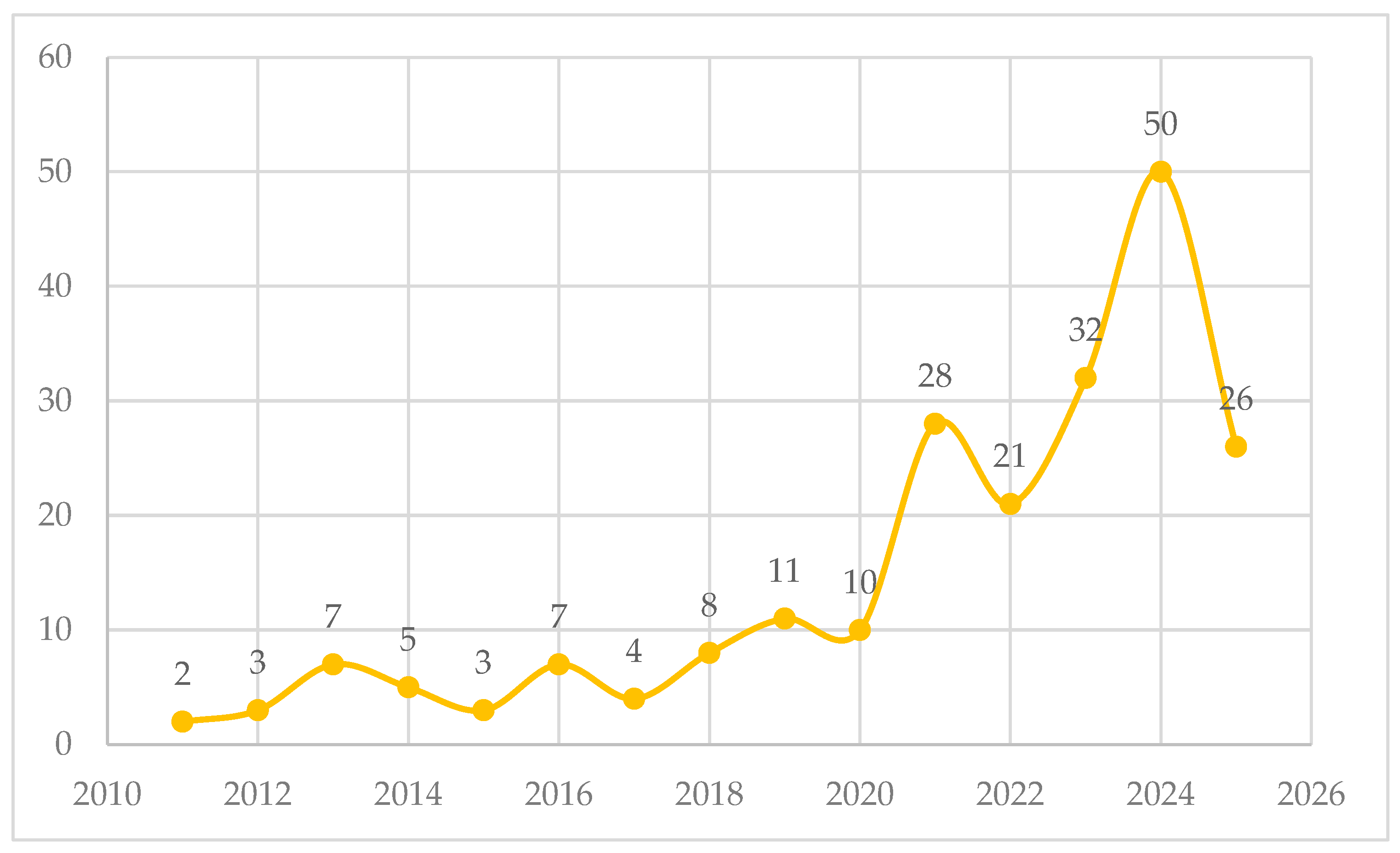
The bibliometric analysis of business model innovation (BMI) literature also illustrates the significant rise in publications from 2011 onwards and a rise in scholarly focus on the relationship between BMI and productivity at the firm level (see Figure 2). Studies before these years tended to be more theoretical, built on classical economic thought, things like firm-level competition or operational efficiency, with limited empirical exploration of the dynamics between innovation and other variables. But research from the early 2010s onwards started to show the effects of digital transformation, platform economies, and strategies in production engagements such as those initiated by Casadesus-Masanell and Zhu (2013), establishing theoretical underpinnings that informed a more explicit interest in exploring connections between digital innovation, organizational design, and productivity experiences with important contributions from Schneider and Spieth (2013).
The bibliometric dataset contained a total of 217 documents published in 97 journals. On average, these articles were each cited 42.82 times for a combined total of substantial engagement from the research community. Keep in mind that the dataset is not well distributed across years; 2023–2024 make up >25% of publications, and the 2025 data are incomplete. The heterogeneity in outcome reporting across RCTs regarding years predates COVID-19, which restricts the strength of trends and highlights the need for generalizing overtime phases cautiously. Further, while the volume of publications focused on BMI in general has increased markedly over this time, research specifically exploring productivity-related features of BMI has not similarly proliferated; an enduring hiatus remains regarding applied (and outcome-oriented) investigation.
Key components of the original studies that have been cited are those by Kraus et al. (2018) and colleagues, which continue to establish the theoretical underpinnings of a field that short circuits the time gap between BMI, firm-level effects, and its base in (pop-)economic theorizing. But these early works remain theoretical, providing little practical advice for organizations interested in using BMI-based strategies to improve productivity. In addition, despite the large number of papers in this field of study, empirical variation could be made greater: few studies involve small and medium-sized enterprises (SMEs) or organizations operating outside traditional sectors—an overwhelming amount of research takes place on large firms based in high-resourced advanced economies. Variability of the longitudinal results also shows that these are strongly cohort dependent, and with this skew, this limits the external validity/age generalizability of findings as well as reducing the sensitivity of existing models to other resource-constrained or emerging-market settings (Miroshnychenko et al., 2021; Pang et al., 2019).
This is further justified by the analysis of keywords, which emphasizes the large range of many publications. A total of 709 keywords and 572 keywords plus were obtained from the data set. Primary topics include digital innovation, strategic flexibility, value and dynamic capabilities (Latifi et al., 2021; Zare & Persaud, 2024; Ciampi et al., 2021) These persistent topics indicate a permanent focus on the restoration of the strategy, the operational performance and the competitive advantage of innovation, while little provides empirical evidence linking these constructs with a tangible increase in productivity. Research reveals a smaller focus on the intercontextual scattering (e.g. regulatory, technological and institutional limits) and its potential moderating effect on the combination of BMI-performance.
The field shows significant methodological diversity. Only a limited number of 217 studies used longitudinal, comparative or quasi-expeling methods that would allow definitive conclusions on causal links between BMI treatment and productivity results. Most data are derived from cross -sectional surveys or case studies that provide descriptive knowledge but are limited in their generalization. The practical consequences of this methodological restriction are becoming increasingly significant when the studies examine how BMI’s effects can develop over time and across contexts for organizations that only regulate one or two elements or combine different BMI approaches into unique implementation.
Such unevenness in publication growth also mirrors shifting field priorities over time. Annual output peaks that are visible in 2013 and again in 2017, followed by a flatter pattern of publication after these years. Although this could be a sign of wider importance given to various themes, it also reflects that attention is more diffused, especially in empirical productivity studies. The bibliometric data suggests that early, highly cited research continues to have a disproportionate influence on the trajectory of conceptual development and thereby either sustains or challenges the dominance of given analytical models, while the empirical base remains comparatively thin.
Moreover, the literature highlights a continued overconcentration on large-scale technology firms and under-representation of micro-, small-, and medium-sized enterprises (MSMEs), family businesses, and organizations in traditional or resource-poor sectors. This focus may represent data availability and academic research being attuned to high-impact firms. Yet this focus is myopic in emerging-market settings, where institutional voids, regulatory complexity, and resource constraints influence both feasibility and outputs of BMI strategies (Sjödin et al., 2023; Zare & Persaud, 2024; Ferreira et al., 2024). As a result, the literature may be guilty of cherry-picking examples, resulting in the risk of overgeneralizing strategies that either do not apply to many contexts or simply will not work at all.
A detailed examination of productivity results shows that our model conclusions are influenced by possible interactions between BMI and productivity -related results. Models of digital innovation, open innovations and strategic reconfigurations achieve different levels of productivity depending on organizational characteristics, including knowledge intensity, absorption capacity, cultural readiness and technological infrastructure (Kraus et al., 2018; Khattak et al., 2024; Yi et al., 2024). In contexts outside IT, there is a limited research that complicates the ability of managers to understand the practical consequences of this theory and how to modify its practices from theoretical and empirical aspects related to overall operating performance. Lack of empirical examination in these aspects would cause practical proposals to be too vague and possibly incorrectly coped with organizational reality.
At the same time, bibliometric research suggests that a thorough evaluation of productivity is necessary. Most research uses proxy such as financial performance, innovative production or strategic flexibility; However, there are few measurements that directly capture the operational or efficiency of improvement from business models (BMI). The gap limits literature in offering assistance to managers, politicians or investors who are trying to increase productivity through business models.
This research generally confirms that BMI is an increasingly significant determinant in organizational success; However, productivity literature is undeveloped and inconsistent and shows methodological restrictions. This emphasizes the need for a theoretical, context-conscious and empirically justified research of causal links between insufficiently represented types of companies and at the same time charge institutional, technical and sector variables. The solution to these shortcomings will be reinforced by the theoretical robustness and practical importance of BMI research, which guarantees that the findings of increasing productivity are based on healthy empirical evidence and in many organizational contexts.
The following part of the study analyzes thematic clusters, coexistence of keywords and emerging research trends and offers additional insight into the development of BMI scholarship and identifies historical and overlooked gaps that require future research.

4.2. Underdeveloped Research on Business Models and Firm Productivity

More to the point, however, is the bibliometric evidence that while a large amount of work has been devoted to business models (BM), very specific studies—almost none across sectors and organizational contexts—are in fact given stringent attention to the direct link between business model innovation (BMI) and firm productivity. Across 383 papers classified as business models, a mere 273 used formal theoretical frameworks, and a paltry 217 explicitly analyzed productivity implications. This dominance of research in the general BMI field with a lesser number of empirical studies linking BMI to hard tangible performance metrics suggests a similar pattern to our numerical distribution (Foss & Saebi, 2017; Zare & Persaud, 2024; Khattak et al., 2024).
The data also reveals a clear bias for technology-led digital start-ups across all sectors, with the generalizability of our findings to other industries limited. Nevertheless, companies in the more traditional or scarcity sector are still underrepresented, despite a range of structural, strategic, and operational characteristics that differentiate them. Differences in firm size, regulatory exposure, and market position introduce heterogeneity into how BMI is conceptualized and measured, making it difficult to derive generalizable models that describe high performance effectively (Casadesus-Masanell & Zhu, 2013; Ferreira et al., 2024; Yi et al., 2024; Qiu et al., 2024). Accordingly, together they lead to investor-centric models and scalable models emphasized in much of the extant literature, designed often to be implemented within high-growth digital environments, and fewer to examine smaller or less formalized organizations empirically (see Carayannis et al., 2015; Anwar, 2018; AlWadi et al., 2024).
However, the worldwide disruptions after 2020, coupled with those due to COVID-19, have foreshortened an optimal path for BMI research. All sectors of organizations had to quickly digitize processes, reconfigure supply chains, and integrate resilience into the operational models, refueling interests as to how BMI affects firm-level productivity under volatile environmental conditions (Tortora et al., 2021; Miroshnychenko et al., 2021; Magni et al., 2024; Gozali et al., 2024). This is evident through a growing number of publications related to adaptive BMI strategies, often in the context of responses to technology-based innovation, regulatory instability, and market turbulence. From the bibliometric data, that in studies carried out in this period, a greater number of works consider dynamic capabilities, organizational agility, and digital transformation as mechanisms by which BMI can impact productivity outcomes.
However, despite its growth, literature remains methodologically and temporally restricted. Despite the amount of attention this emerging phenomenon has garnered within business and management literature, many studies remain focused on start-ups/entrepreneurial ventures (Ferreras-Méndez et al., 2021; Snihur et al., 2018; López-Nicolás et al., 2024)—which, even in providing insights, may not have the longitudinal data necessary to ascertain how mature firms adapt their business models as responses to market pressures, growth internalities, or regulatory changes over time (Veiga et al., 2024). Given that when performing this analysis, the remaining organizational lifecycle stages are a black box, it reduces its veracity and is used for managerial decision-making or policy formulations.
In addition, the use of differing terms for the same phenomenon is a problem for comparative analysis because it means conceptual inconsistency. Keywords and descriptors vary and include both “business model”, “BMI”, and “business model innovation”, as well as firm performance, organizational performance, and efficiency. In that regard, the current study adopted a standardization specification in which related terms were amalgamated into two overarching constructs, namely business model innovation and firm productivity. It made possible the harmonization of thematic analysis and ensured coherent interpretation of keyword co-occurrence patterns towards all data.
Keyword co-occurrence mapping identified emerging research clusters that connect BMI with productivity outcomes. These comprise the clusters of digital transformation, strategic flexibility, value creation, and dynamic capabilities that echo a geographic concentration of research on how innovation-led organizational redesign fosters efficacy and performance outcomes (Latifi et al., 2021; Zare & Persaud, 2024; Ciampi et al., 2021; Bock et al., 2012). Yet the analysis also raises some key ceteris paribus issues that are under-discussed in policy circles, such as variation within and across industries, regulatory distortions, or sector-specific productivity interrelations that are still not well-studied. Bibliometric patterns show that while research on direct effects of BMI on objective productivity measures is still scarce, theory-driven, or conceptual work explores the same association more thoroughly.
In addition, citation and publication trends imply that the most important research was in some periods (most clearly in 2013, 2017, and 2020–2023), leading to foundational frameworks continuing to color the discourse dictionaries, while recent empirical studies have yet to be diffused extensively across various industries and geographies. This time focus also highlights a risk of trend extrapolation, as most later publications (2023–2024), together with insufficient 2025 data, may mislead interpretations on long-term trends in BMI research.
The bibliometric evidence suggests considerable gaps in coverage and methodological quality. Although a nascent literature has recently emerged on BMI in relation to firm productivity, most of these studies focus on high-growth digital firms that are resource rich, and the study see little attention placed on mature organizations, small and midsize enterprises, or those working within resource-constrained or emerging-market contexts. Second, methodological limitations such as cross-sectional designs and diverse productivity metrics further complicate interpretation and generalization of results.
This was achieved by standardizing terminology, and technology supporting the mapping of keyword co-occurrence offers a structured visual representation of the conceptual landscape in this area, which clarifies how BMI research intersects with firm productivity measures. This finding suggests themes that have converged in scholarly inquiry (e.g., digitalization, strategic flexibility) as well as areas for potential future research (sectoral heterogeneity, longitudinal effects, contextual moderators). These themes laid the groundwork for subsequent sections to delve into new developments, intellectual clusters, and potential paths forward for future research to better explain how BMI impacts productivity outcomes over multiple real-world organizational contexts.
The final network is visualized with nodes representing keywords sized according to their frequency terms and placed close to one another to mark conceptual connectedness (see Figure 3). In particular, “business model innovation” is the largest node and thus has a pivotal position in linking innovation processes with performance effects. The themes observed in the co-occurrence map are.
(a)
Orange Cluster: Business model innovation being the main driver.
At the center of this cluster is “business model innovation” as the central theme, proximate to “innovation”, “organizational learning”, “knowledge management”, “dynamic capabilities”, and “entrepreneurial orientation.” By including concepts such as “market orientation” and “environmental dynamism”, there is also a recognition of increased attention towards the contingencies that affect the consequences of BMI. There is a growing body of evidence that the role of dynamic capabilities in aligning innovation strategies with productivity targets is substantial (De Silva et al., 2021; Miroshnychenko et al., 2021).
(b)
Blue Cluster: Digitalization for Sustainable Development
Digitalization and sustainability are intertwined strategic priorities. The key words “sustainable development”, “business performance”, and “digitalization” prevail in this cluster. The results show that companies that intend to implement digital means in combination with a sustainability ambition are more prone to achieve enablers of breakthrough (Chen et al., 2021; Sjödin et al., 2023). The inclusion of services within digital business models, a practice known as digital sterilization, has been proven to increase long-term competitive advantage (Kastalli & Van Looy, 2013).
(c)
Cyan Cluster: Creation of Value and Innovation of Technology
Centered on “value-driven” growth, it circles around “value creation”, “value proposition”, and “technological innovation” as its core themes and reinforcing nodes such as “start-ups” and “big data.” Here the focus is on how companies can utilize digital and technical capabilities to capture value and create performance. Remarkably, big data analytics has been increasingly conceptualized as a mediator between entrepreneurial orientation and BMI performance (Ciampi et al., 2021).
(d)
Green Cluster: Capability Dynamic and Performance
The terms “dynamic capabilities” and “entrepreneurship” reign in this cluster, underlining the prominence of internal adaptive processes. They are thought to be of the utmost importance in converting innovation inputs into productivity improvements. Furthermore, absorptive capacity, strategic agility, and organizational learning are identified as repeated elements in increasing the effectiveness of the business model (Latifi et al., 2021; Kohtamäki et al., 2020).
(e)
Yellow Cluster: Strategic Flexibility and Market Orientation
Agility to environmental changes Overall, this cluster is about agility in response to environmental change. Including words such as “strategic flexibility”, “entrepreneurial orientation”, and “market orientation”, it captures how external alignment and resituationality are beneficial to firm performance. Studies in this vein demonstrate that agile business model designs are positively associated with business performance under uncertainty (Clauss et al., 2019a; Zhao et al., 2021).
(f)
Red Cluster: Organizational Learning and Inertia Organizational learning and inertia are considered as the variables in the red cluster.
This is where the focus turns inwards to find the balance between cutting edge and stagnation. Terms such as “organizational inertia”, “open innovation”, and “knowledge management” emphasize the internal obstacles to the implementation of BMI. Such research indicates that organizations that fail to flag inertia may be resisting changes that lead to productivity benefits despite any effort to innovate (Hinterhuber & Liozu, 2017; Moradi et al., 2021; Huang et al., 2013).
(g)
The Purple Cluster: Circumstantial and Local Sizes
More modestly, this cluster brings crucial regional and methodological insights. If nothing else, keywords such as “China”, “start-up”, and “FSQCA” (fuzzy-set qualitative comparative analysis) reflect an increasing demand for context-sensitive research designs. These lines of inquiry will yield additional knowledge on the way the institutional and regional environment conditions the relationship between BMI and productivity (Kraus et al., 2018; Ricciardi et al., 2016).

4.3. Key Research Themes in Business Models and Firm Productivity

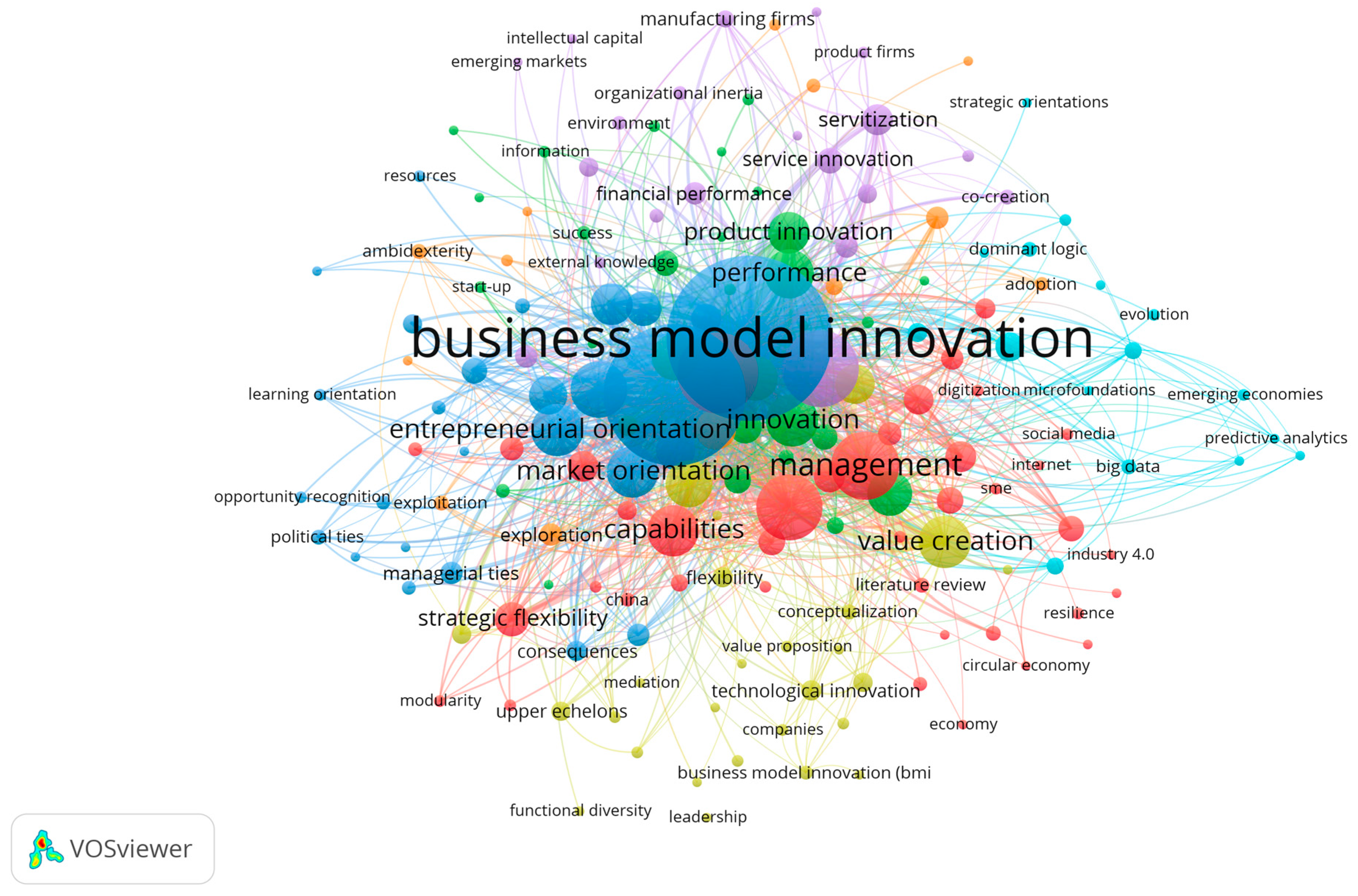
The bibliometric review of the literature on business model research and firm productivity reveals three major themes driving scientific debate during the last two decades: digitalization, sustainability, and business model innovation. These topics are indicative of the increasingly complex and diverse challenges and opportunities facing firms as they seek to navigate advances in technology, changes in regulation, and competitive market conditions. The keyword co-occurrence results show that these themes are highly interconnected and suggest that a combination of well-integrated technology, a focus on sustainability imperatives, and a search for adaptive business models is increasingly defining business model patterns of today. This is shown in Figure 4 next.

4.3.1. Digitalization and Technology-Driven Business Models

In the bibliometric dataset, one of the topics that emerged most frequently was Digitalization. Key word analysis reveals such terms as “digital platform”, “cloud computing”, and “e-commerce strategies” and an AI driven business models were used frequently to reduce the average dissimilarity in year 2020 (Thaichon et al., 2020; Gozali et al., 2024; AlWadi et al., 2024). As the number of digital business models has increased after 2010, accompanied by wider use of internet and mobile commerce adoption (Qiu et al., 2024), the study sees that a larger number of publications from 2010 to recent years address digital business models.
The financial services sector dominated the terms related to fintech as they recurred often and were striking with strong focus on new business models and rise of alternative financial ecosystems. These keywords were more general and included “digital payment systems”, “financial platforms” and “regulatory frameworks. A similar theme appeared in publications affecting this domain and were touted to erode the legacy operational constraints such as market entry barriers and geographic boundaries leveraging digital technologies (Guo et al., 2022; Veiga et al., 2024).
The study also found that firms further penetrated global markets by deploying scalable platform ecosystems, e-commerce applications and subscription-based services. Indeed, co-occurrence mapping revealed these themes to frequently converge with innovation-related key words including “AI implementation”, “ICT adoption” and “digital transformation strategy.”
While there is a growing number of publications related to digitization, the dataset also repeatedly refers to factors that impede this progress. Findings of our second theme explicitly discussed barriers to transitioning digital business models with keywords “cybersecurity risk”, “digital expertise shortage”, and the case that investigated “capital investment requirements” appeared in multiple studies, indicating that as a point of investigation barriers toward digitization adoption by firms are felt (see Asemokha et al., 2019; Ferreira et al., 2024).
Until then, the results from bibliometric analysis have indicated that digitalization is a key research cluster in business models and firm productivity, and trends in thematic focus, sectoral application and challenges reported.

4.3.2. Sustainability-Oriented Business Models

In terms of bibliometric results, our analysis reveals an increased presence of sustainability-related terms in business model research. Some of the core keywords under this group include ‘circular economy,’ green entrepreneurship, impact-driven strategies, corporate social responsibility (CSR), sustainable supply chains, and new forms of impact related to various other outputs such as circular cities, renewable energy, etc. (Veiga et al., 2024; AlWadi et al., 2024; Foss & Saebi, 2017). The co-occurrence analysis reveals that these keywords often co-exist with “firm productivity”, “financial performance”, and “operational efficiency.” Some studies use additional terms, including “resource-constrained environments” and “financial constraints”, more than once, indicating the context of the organization to be included in sustainability-oriented business model research (Ferreira et al., 2024). A noticeable trend can be seen in the temporal distribution of publications, which reflects a rising number of sustainable BMI-related research, particularly post-2018, coinciding with the rise in global ESG attention and regulatory push (as shown in Figure 4).

4.3.3. Business Model Innovation and Adaptation

Among the topics that are given special attention in this era is business model innovation (BMI). It summarizes the prior studies (e.g., Schneider & Spieth, 2014) that indicate seven keywords that are widely used across the dataset of business model innovation: “business model innovation”, “model reconfiguration”, “radical transformation”, “operational efficiency”, “subscription-based models”, “revenue diversification”, and “co-creation within digital ecosystems”. The word “co-occurrence” happens with “dynamic capabilities”, “strategic agility”, “entrepreneurial orientation”, “organizational learning”, and “value creation.” Fewer longitudinal studies based on the data available in this biobank dataset, particularly for continuous BMI over time, is why most of these studies were concentrated in digital startups and technology-oriented sectors (Ricciardi et al., 2016). Publications relating to BMI show that basic works around efficiency, innovation alignment, and strategic flexibility have a high co-citation rate.
While identifying these emerging themes offers a helpful overview of dominant concepts in the literature on business models and firm productivity, a more nuanced understanding of the field’s intellectual landscape requires deeper analysis. Specifically, citation network analysis is essential to uncover the most influential contributions that actively shape academic discourse and theoretical development in this domain.

4.4. Citation Analysis and Influential Works

This paper’s citation analysis reveals the substantial scholarly productivity within the field of business models and their connection to firm productivity, offering insights into the major structures of knowledge flow. As illustrated in Figure 5 a relatively small number of highly influential publications have laid the intellectual foundation for this domain—particularly in areas such as business model innovation, entrepreneurial strategy, and digital transformation (Foss & Saebi, 2017; Zare & Persaud, 2024; Khattak et al., 2024; Ferreira et al., 2024). While research output on business models has steadily increased over the past decade, studies specifically examining their impact on firm productivity remain dispersed across diverse disciplines, including strategic management, innovation studies, and organizational theory (Raman et al., 2024; Magni et al., 2024; Yi et al., 2024). In contrast to the broader literature on business models, which benefits from richer interdisciplinary engagement—research focusing on the link between business models and productivity, exhibits only moderate cross-disciplinary integration (Bamel et al., 2024; Hailu & Chebo, 2024; Qiu et al., 2024). This fragmentation underscores the need for a more unified, cross-disciplinary dialogue. Advancing such integration could foster a more comprehensive understanding of how innovation at the business model level serves as a strategic mechanism to enhance firm productivity (AlWadi et al., 2024; Guckenbiehl et al., 2024).

4.4.1. Influential Papers and Popular Citation Networks

The bibliometric analysis also finds that a few influential pieces of work have had significant influences on research of business model innovation connected with firm productivity. For instance, seminal contributions such as Teece’s development of the business model concept (Teece, 2010), Amit and Zott’s examination of value creation from business models (Amit & Zott, 2001), and Chesbrough and Rosenbloom’s research on open innovation (Chesbrough & Rosenbloom, 2002) have continued to be heavily cited (Zare & Persaud, 2024). However, it is crucial to realize that most of these seminal articles are still rooted in the context of large, technology-driven companies. It is, thus, not clear how to directly apply these frameworks to a wider range of types of firms (Foss & Saebi, 2017). In line with this, the citation network depicted in Figure 5 indicates that work that explicitly connects business model innovation and firm productivity receives fewer citations compared to the more general business model literature. This trend may be because part of the productivity-oriented scientific works concentrates on some specific branch, region, or economic situation, and therefore their generalizing in respective papers may be somewhat constrained (Clauss et al., 2019b; Khattak et al., 2024; Ferreira et al., 2024; Raman et al., 2024).

4.4.2. The Individual Authors and Collaborative Network of Business Model Innovation Research

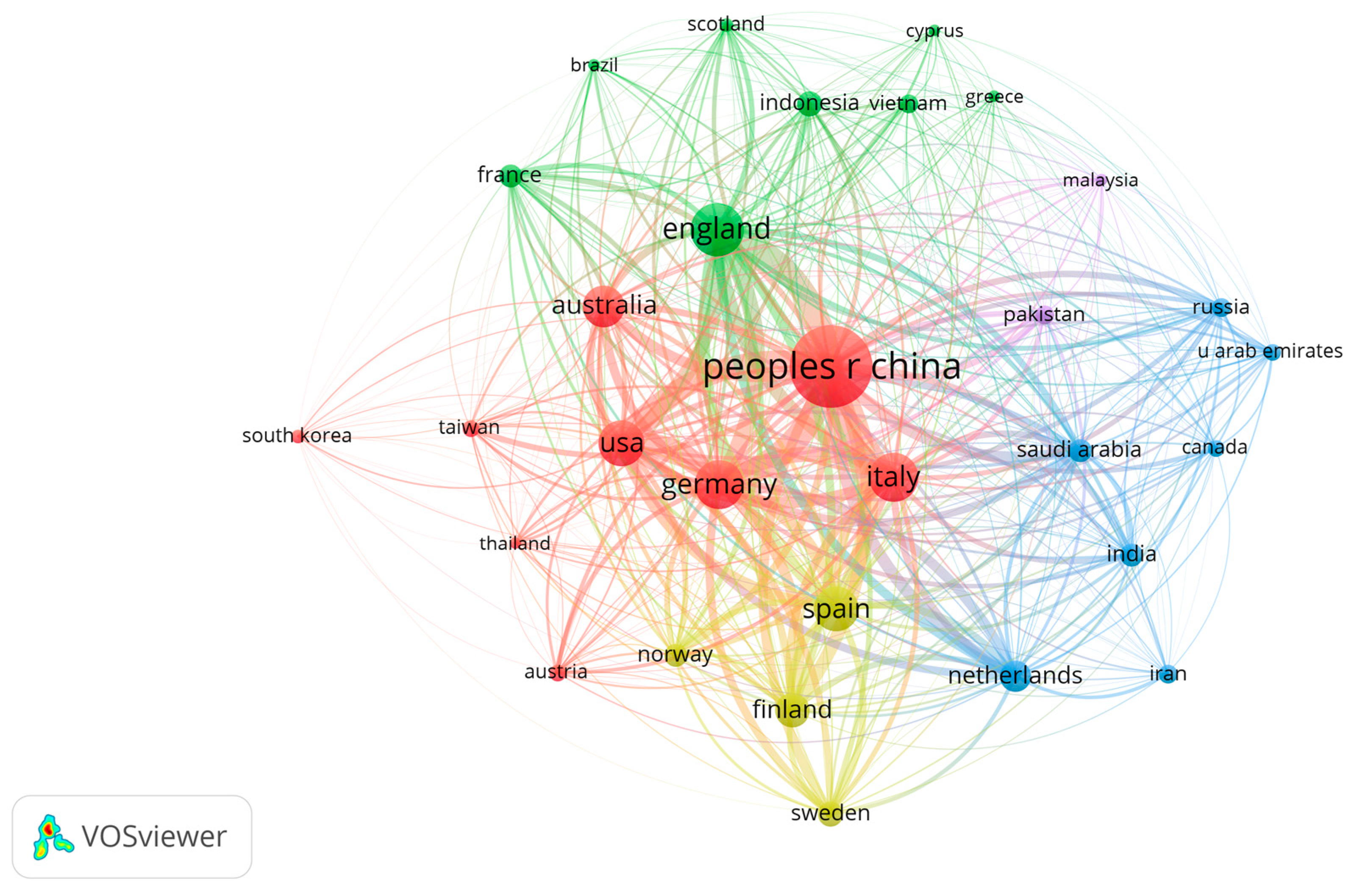
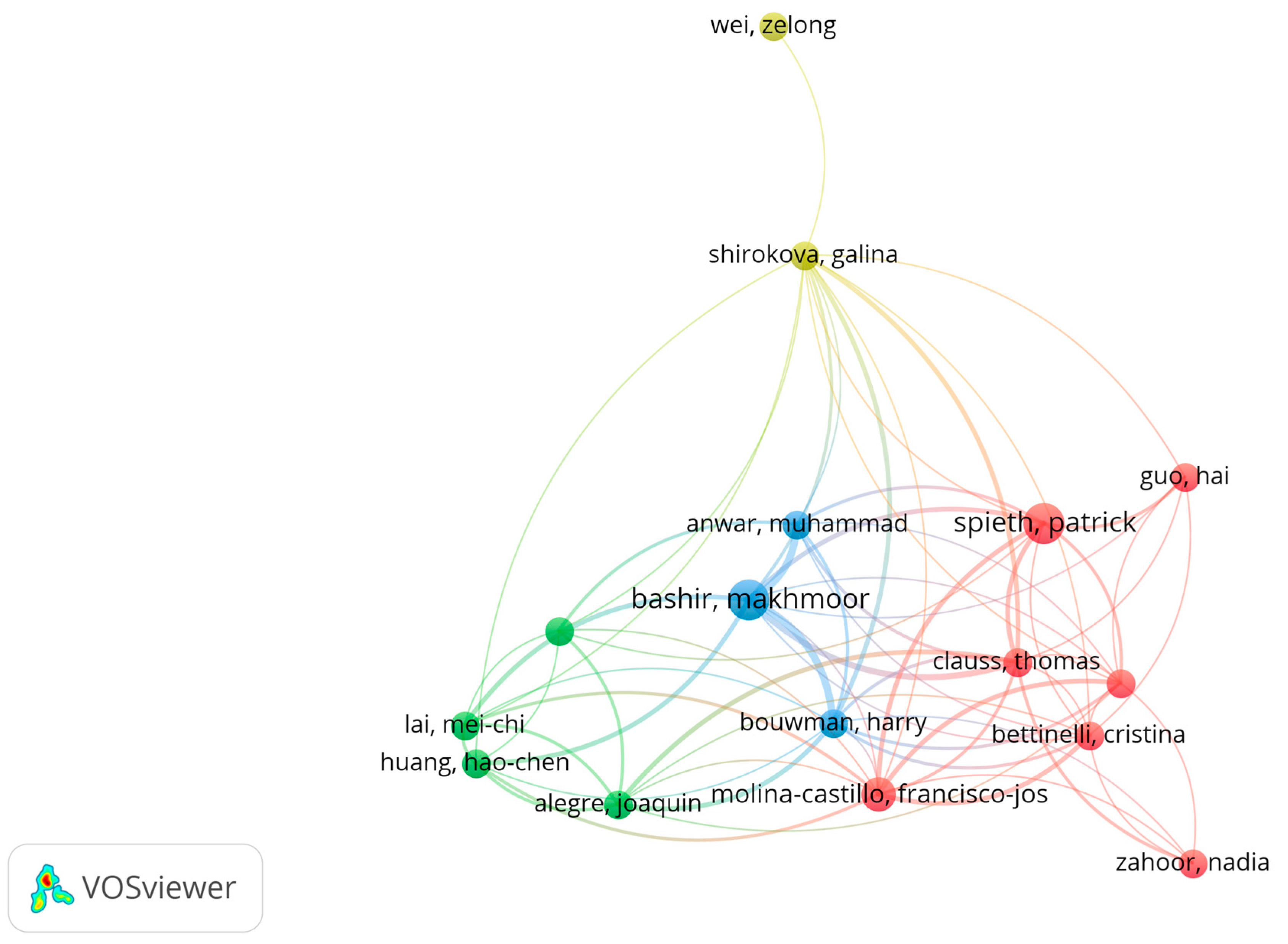
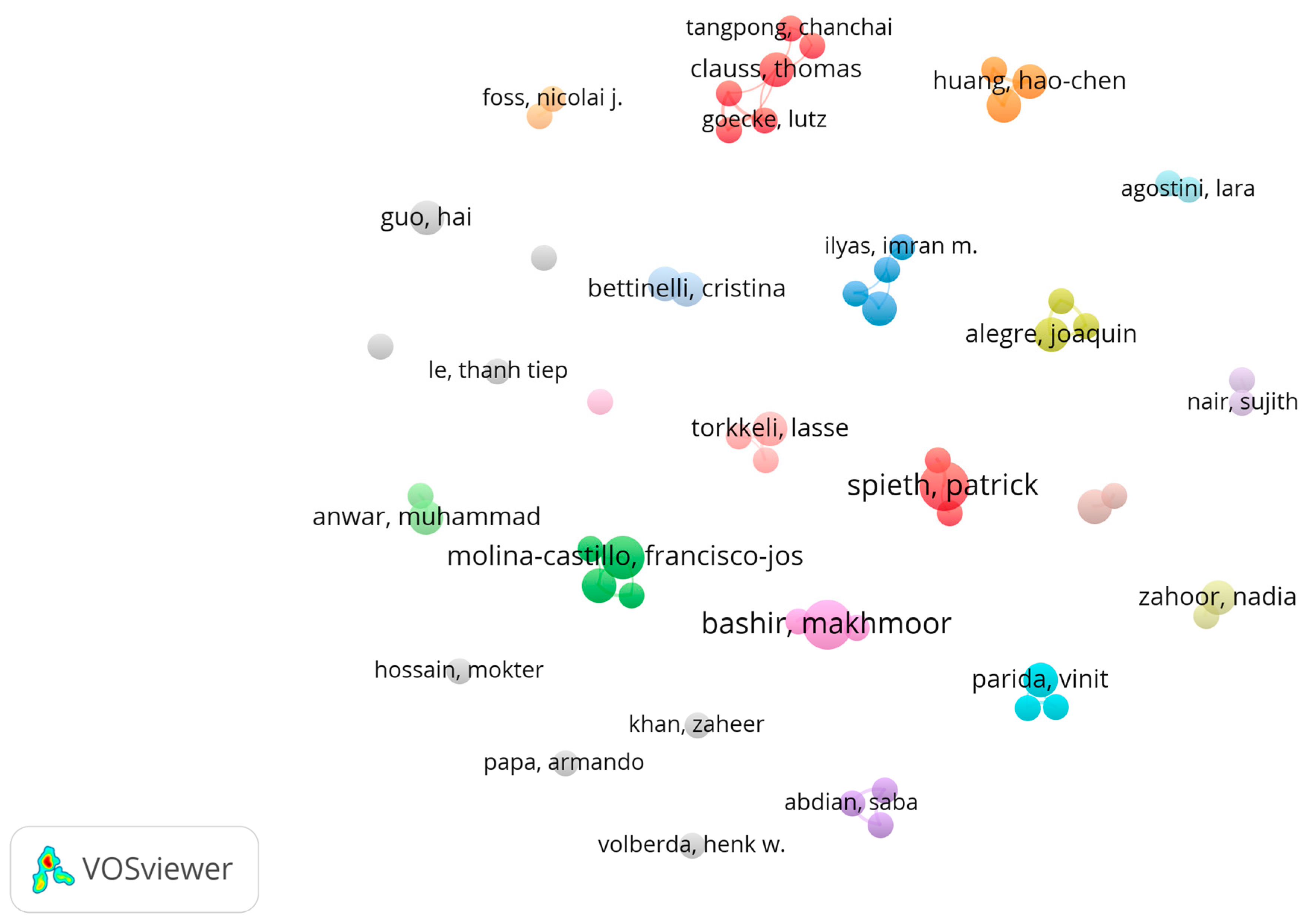
Looking at the authorship landscape, Figure 6 represents the business model innovation studies related to firm productivity and its co-authorship network with low international and cross-disciplinary collaboration. Scientific work is still primarily concentrated in the group of countries and national or regional academic schools, and the mutual interdisciplinary and transnational scientific international communication, particularly between the developed and developing countries, is still restricted (Zare & Persaud, 2024; Magni et al., 2024; Khattak et al., 2024). Next, the study note that this field counts with a limited number of top productive authors who are quite often cited by their peers, such as Clauss, Spieth, Huang, and Bettinelli, among others (Clauss et al., 2019a; Cucculelli & Bettinelli, 2015; Huang et al., 2013). Although these academics have made substantial contributions toward developing theoretical underpinnings, the lead of a small handful of authors in the literature suggests that a diversity of viewpoints may be underrepresented—notably from emerging markets and industry sectors that have received less attention. Accordingly, promoting diverse participation in who authors business model innovation research and encouraging greater interdisciplinary collaboration would speed up the emergence of more integrative and fine-grained understandings of how business model innovation influences firm productivity.

4.4.3. Emerging Trends in Research and Gaps in Knowledge

Going forward, the study expects to see that the focus of scholars on the impact of business model innovation on firm productivity is becoming more focused and productive, but some gaps remain. It is worth noticing also an underrepresentation of highly cited productivity-specific studies, which may indicate a focus of reference of the research work on large companies and on technology-based start-ups and less on industry sectors and types of firms (Khattak et al., 2024; Ferreira et al., 2024). Furthermore, the interdisciplinary cooperation is fragmented, indicating a sounder integration of knowledge from innovation management and strategic flexibility, but also digital transformation, as well as sustainability research into this subject area (Bock et al., 2012; Zare & Persaud, 2024; Rupasinghe et al., 2024). To fill these gaps, business model innovation literature would progress by further developing the theoretical underpinnings of business model innovations (region-based views, sector-based frameworks, and comparison-based studies). Better cross-disciplinary and cross-regional collaboration could serve to overcome current knowledge gaps and reinforce the practical significance of research results.
Although this network of citations succeeds in determining the key papers in the field, it fails to show where research on community detection is being conducted. Hence, a spatial analysis is needed to examine regional disparities and the domination of high-income countries in research—the subject of the next section.

4.5. Geographical Spread of Research Contributions

A focus on business model innovation Traditional Sectors and Industries of Business Model Theories and Emerging Research Landscape connected to firm productivity denotes a significant disparity in the research focusing on the high- and low-income countries. It is obvious from the bibliometric analysis that the publications concentrating on the link between the BMI and firm productivity are contributed by North America and Europe, especially the USA, the UK, Germany, and the Netherlands, and take the highest place in terms of both publication volume and citation impact (Figure 7). This geographical bias is notable given that most of the current theoretical and empirical understanding about business model innovation and its productivity effects is driven by advanced institutional and economic systems. To that end, such concentration may restrict the generalization and applicability of the findings to firms that are situated in more heterogeneous global contexts (Foss & Saebi, 2017; Khattak et al., 2024; Ferreira et al., 2024; Magni et al., 2024; Zare & Persaud, 2024).

4.5.1. Research Concentration in High-Income Economies

Why North America and Europe are also leading in research and there are a few related factors that can help to explain why there is a dominance of North American and European research. The first is that such regions possess strong research funding infrastructure and universities that are highly rooted in knowledge of innovation and entrepreneurship (Zare & Persaud, 2024; Khattak et al., 2024). Second, the existence of reliable regulation and well-developed financing markets, as well as a venture capital environment, permits systematic research into the dynamics of a business model and their effects on the performance of the organization (Schneider & Spieth, 2013; Bamel et al., 2024). Third, a better developed system of digital infrastructure, plugged into the world market, also allows empirical verifications about the role of the firms in digital transformation and scalable business models, in technology-based sectors (Ciampi et al., 2021; Zheng et al., 2024). Together, these forces motivate research efforts around growth modes led by investments, platform-based business models, and corporate partnerships. However, the focus can be somewhat onerous, particularly for firms in emerging markets that have specific problems, such as limited access to finance, underdeveloped infrastructure, and informal market complexity (Kraus et al., 2018; Ferreira et al., 2024; Magni et al., 2024).

4.5.2. Small Amount of Research on Firm Productivity in Developing Countries

Contrarily, although companies in geographic areas such as Africa, South Asia, and Latin America are important contributors to local economic development and employment, bibliometric analysis demonstrates an extreme scarcity of works in business model innovation and firm productivity in these contexts. In developing markets, firm productivity is contingent on novel business model modifications created to negotiate institutional and resource voids. For instance, fintech innovations like mobile payments in Nigeria have drastically improved firm productivity through financial inclusion in the absence of a traditional banking structure (Amankwah-Amoah et al., 2019). Likewise, textile enterprises of India have used digital platforms to integrate into global value chains, showing the potential for digitalization to remove spatial limitations (Pang et al., 2019). Latin American businesses such as Rappi (Colombia) show how linking the gig-economy logic with financial services enhances firm productivity through easing liquidity constraints and enhancing market power. More recently, the study is seeing companies integrating their digital ecosystems to reach a higher goal—boosting overall productivity, especially for operating in a cash-based universe, such as Indonesia—indicating companies like Indonesia’s GoTo Group, which would enable them to marry the logistics and payment digital ecosystems (Huang et al., 2013). However, despite these creative methods, several enduring structural constraints, such as limited credit availability, evolving regulatory frameworks, and unstable market conditions, persist and impede a sustainable increase in productivity (Zare & Persaud, 2024; Ferreira et al., 2024; Magni et al., 2024).
There are many reasons for this remarkable research gap. In developing countries, research funding is much less, fewer research institutions are in place, and publication rates in high-impact journals are lower (Zare & Persaud, 2024; Khattak et al., 2024). Furthermore, companies based in the same regions often operate in informal or semi-formal economic environments, in which business models are more informal and less susceptible to traditional analytical frameworks, making it challenging to explore empirically (Miroshnychenko et al., 2021). Furthermore, the current focus on short- to medium-term survival and quick fixes, rather than strategic business model innovation, serves to complicate efforts of lecture research (Clauss et al., 2019a). However, the emerging untapped research on implications of frugal innovation, microfinance-led business models, or community entrepreneurship provides encouraging prospects of finding other routes to improving productivity that are independent of such established norms of thinking.

4.5.3. More Regional and Context-Based Studies Needed

The bibliometric results highlight an important gap in literature and the need for more detailed, context-dependent research into the impact of business model innovation on firm productivity in diverse economic and institutional environments. However, since they mainly originate from relatively stable Western economies, BMI models typically assume, either implicitly or explicitly, that institutional support is reliable, that digital infrastructure is widespread, and that financial systems are efficient—three conditions often not residing in developing markets (Snihur et al., 2018). To redress this imbalance, future research should focus upon:
Broadening the BMI analysis to encompass Africa, South Asia, and Latin America, such that all forms of innovation and productivity spillovers are covered.
Performing cross-country comparative studies to demonstrate how firm productivity effects of business model adaptations are different in different institutional settings.
Using longitudinal research designs to track the development of business models and their productivity impacts due to shocks, such as economic downturns, regulatory changes, and technological intermediation (Latifi et al., 2021).
Without such collaborative efforts, the academic discussion might remain too closely framed and, therefore, risk its practical applicability for the mosaic and challenging economic environments that prevail among most firms across the globe. In this way, furthering academic cooperation on the subject between high- and low-income economies, increasing research funding directed to emerging markets, and promoting detailed case studies of local innovations would be strategic initiatives to enable the development of less exclusive and more flexible theoretical approaches to discussing the productivity effects of business model innovation (Zare & Persaud, 2024; Clauss et al., 2019a; Kohtamäki et al., 2020; Ferreira et al., 2024; Raman et al., 2024).
To conclude, this global bibliometric analysis on business model innovation and firm productivity not only provides insights into promising research frontiers but also reveals important research chasms as well as directs future efforts for a more holistic understanding of how firms across the world innovate their business models to improve productivity in different contexts.

4.6. Key Findings and Identified Research Gaps

Bibliometric analysis reveals three key trends: digitization, sustainability and innovation of a business model (BMI) in the company’s productivity studies over the past two decades. Research production is concentrated on northern countries with high income, mostly in North America and Western Europe, as the metrics of publications and citations show. The number of publications and the impact of the quotation is geographically chamfered towards regions, where a large part of the influential work on BMI and solid productivity was.
The analysis also shows that BMI in studies is a key conceptual area, also closely accompanied by other keywords, including “dynamic abilities”, “organized learning” and “innovative strategies”. Citation networks reveal high visibility of seminal work—this is partly an intellectual “spine” of IC research. Findings from co-author networks are further confirmed by this trend because studies are observed by a small number of highly productive scientists such as Clauss, Spieth, Huang and Betti-Neelli, staying at the core of the research landscape. This lack of inter-regional and interdisciplinary cooperation describes the unfulfilled potential for BMI studies.
Further keyword co-occurrence mappings highlight the emergence of subthemes within BMI research. The orange column is concentrated on the role of BMI as a fusion and enabler of firm competences and alignment strategy, the blue column underscores digitalization with sustainability, the cyan column focuses on creation value with technical innovation, the green column highlights dynamic capabilities with business performance, and the yellow column indicates strategic flexibility and market orientation. The themes within the red and purple clusters relate to organizational learning, inertia, and context effects—which in turn may include specific regional or methodological concerning factors. Together, these clusters suggest that the focus of research has diversified but is still concentrated on certain themes and areas.
The geographical analysis reveals that the literature on BMI and firm productivity is mostly prevalent in high-income economies, where North America and Europe drive research production and citation influence. In contrast, bibliometric evidence indicates little productivity in areas of development, including Africa, South Asia, and Latin America. A small number of citations and authorship come from these regions, which may indicate limited learning from those operating in resource-constrained, informal, or transitional institutional settings.
Of course, one of our main findings is that there are few longitudinal studies on BMI and productivity. Most of the studies are cross-sectional; only a few track changes in business models over time and model how firm productivity responds to shocks, regulatory changes, or technology adoption. Likewise, key themes like digitalization and sustainability are recurring topics, but their empirical connection to measures of firm-level productivity is less widespread across many sectors and countries.
Lastly, using bibliometric evidence, the study shows that most of the studies are more conceptually oriented, single-case based, or involving technology-focused firms as captured by keyword patterns and citation networks. The analysis reveals a gap in well-cited productivity-oriented empirical studies with multiday scope and especially industrial, multicounty, context-based focus.
Overall, the bibliometric results indicate that research on BMI and firm productivity is geographically concentrated in northern high-income countries, with significant thematic clusters (which of course reflect the expert knowledge of the primary investigator), primarily composed of a select network of productive authors, and based on little in terms of longitudinal or cross-sectoral evidence. There has also been limited representation of research from developing countries and under-researched industries and a scarcity of studies that examine the effects of contextual factors like regulatory regimes, institutional environments, regional disparities, etc. The present results point the way to future research, especially about the importance of a wider geographic spread, longitudinal surveys, and combining sectoral and methodological diversity.

5. Discussion

This paper provides a bibliometric analysis of business model innovation (BMI) and firm productivity and extracts some key findings on the development of this research field in the last twenty years. To summarize, BMI is the star of the literature constellation, and behind this phenomenon are digitalization, sustainability, and innovation as key productivity triggers. The analysis reveals a high degree of concentration of research contributions in rich northern countries, particularly North America and Western Europe, both by publication volume and by citation impact. The geographic concentration of businesses in these areas implies that they may benefit from institutional support, technology infrastructure, and knowledge networks that promote the adoption of new business models, helping to increase innovation and productivity. In contrast, many firms in low- and middle-income countries face institutional voids, informal governance practices, and resource-based constraints that restrict their innovation potential as well as the applicability of high-income market contexts (Yi et al., 2024; Qiu et al., 2024).
Research shows that companies that have excellent technological competences, knowledge networks and absorption capacity can effectively cultivate innovative business models that increase operational efficiency and performance (Kastalli & Van Looy, 2013; Ciampi et al., 2021; Khattak et al., 2024; Zare & Persaud, 2024). Capacity (DCF), a cohesive perspective emphasizing that organizations with greater potential for strategic reorganization show increased resistance and long -term productivity (Sjödin et al., 2023; Miroshnychenko et al., 2021; Guckenbiehl et al., 2024). These findings emphasize the importance of the internal perspective of the abilities and circumstances of the external market, which represents a major factor in clarifying the link between the innovation of the business model and the results of productivity.
The bibliometric evidence also suggests that digitalization is a key issue, especially in resource-rich environment contexts. To develop scalable and efficient business models, firms in high-income countries use AI, cloud computing, fintech platforms, and digital ecosystems (Zheng et al., 2024; AlWadi et al., 2024). Also, enterprises may reconfigure internal competences and instruments—conducted by digital tools—streamline pre-existing operations, and lower costs to generate measurable productivity gains (Ferreira et al., 2024; Magni et al., 2024). Yet, the literature on digitalization in low- and middle-income countries is scant: a significant knowledge gap. These regions tend to have digital illiteracy, poor infrastructure, and high technology costs—major limiting factors for the adoption of tech-enabled models by firms. It indicates that without context-specific digital strategies, digitalization may not pave its way to effective productivity enhancement in the case of emerging economies (Li & Sukpasjaroen, 2024; Utaminingsih et al., 2024).
A significant number of papers focus on sustainability, a topic that has assumed importance in regulatory frameworks and stakeholder expectations. Sustainable business models such as the circular economy, green entrepreneurship, and use of renewable energy have potential benefits for firm performance, including resource efficiency or cost savings, brand/image dependency, and customer loyalty, which are supported by dopaminergic human emotions indirectly. Nevertheless, the literature suggests that many enterprises operating in environments of underdevelopment struggle to introduce sustainability-oriented innovations because of limited funds and weak institutional backing (Carayannis et al., 2015). This gap in evidence emphasizes the importance of comparison across socioeconomic contexts to reconcile sustainability with productivity imperatives, especially in emerging markets were low-cost, community-based innovations may be pivotal (Akpan et al., 2024; Veiga et al., 2024; Arandia Arzabe et al., 2024).
The bibliometric review also strengthens the case for longitudinal research as business models evolve over time. Most research is focused on start-ups, early-stage innovation, and technology-intensive sectors, with comparatively little consideration of incremental model evolution in established firms that respond to regulatory or market disruptions (Clauss et al., 2019b; Zhao et al., 2021). Moreover, the emphasis of numerous studies on short-term results, e.g., revenue diversification or subscription-based models, rather than longer productivity consequences, remains unexplored. This opens an avenue for researchers to use panel data analyses or longitudinal case studies to follow the effects of BMI on firm productivity over extended periods.
Theoretical contributions (1) Existing literature suggests that the framework of approach and dynamic abilities based on resources that interact with the market dynamics to affect productivity through the development of internal resources and strategic flexibility, remain the predominant explanation of productivity. The institutional theory that expands in this point of view provides additional knowledge in connection with developing markets and explains informal standards such as social beliefs and cultural factors, affect the innovation of the business model (BMI) and subsequently the results of productivity (Casadesus-Masanell & Zhu, 2013; Raman et al., 2024). The only framework does not sufficiently capture the complex and versatile character of BMI across various industries, nations or institutional contexts.
Pragmatic consequences: The results provide practical recommendations for managers and politicians. Implementation of flexible and adaptable models of society using digital and organizational skills to maintain consistent volatility production. Local innovation methods, context -specific digital adoption and hybrid business models are essential, especially for developing countries, to solve institutions and resources based on institutions. These initiatives may further invest in digital infrastructure, increasing access to financing and introducing legislative framework that allow innovators to explore new business models. These adjustments are expected to speed up the discovery of empirical data on the effects of BMI productivity, especially in areas that are currently inadequately represented in the literature.
Bibliometric Findings and Future Research Agenda This brief review indicated several potential areas for future research based on the bibliometric findings:
  • Reaching underserved regions: The research needs to be diversified to Africa, South Asia, and Latin America, where there are different BMI pathways given potential differences in country context and the unfolding productivity gains.
  • Concentrate on SMEs: Small- and medium-sized enterprises in emerging markets frequently utilize low-cost or bricolage business models; studying these will indicate new efficient pathways.
  • Artificial intelligence and technology-enabled business models: Examine how AI, digital ecosystems, and fintech platforms affect enterprise-level productivity in low-middle-income countries.
  • Longitudinal and comparative designs: longitudinal studies capture the evolution of business models over time in sectors and countries to reveal long-term effects on productivity.
  • Sustainability integration: analyze how companies harmonize sustainability with operating efficiency, especially in the context limited to resources.
  • Methodological pluralism: Take advantage of the techniques of ethnographic, participating and mixed methodologies to capture the adventure reality of enterprises operating in sources and institutionally emphasized circumstances.
  • Between disciplinary cooperation: Support for greater cooperation between strategic management, innovation studies, sustainability research and information systems can provide broader knowledge.
This bibliometric analysis reveals a favorable view for the width and impact of the research of the business model innovation, while emphasizing the persistent gaps in knowledge. Research is mostly focused on nations with high incomes, which is significantly biased towards startups, technological sectors or certain BMI subtechnologies, often neglecting long -term or localized impacts of BMI. Research requires more comprehensive and longitudinal investigation that is responsible for the development of markets, smaller businesses, technologically based changes in business and other recent advances. The expansion of theoretical and empirical perspectives can provide new, more significant and relevant global consequences regarding the impact of the business model innovation on the productivity of the company.

6. Conclusions

This research is an exhaustive bibliometric overview of the research model Innova (BMI), especially its effects on the productivity of the company. To this end, the study clumps on the main thematic areas in an existing scholarship on three dominant research topics (digitization, sustainability and strategic innovation), which represent how companies acquire the upper hand in the sophisticated technological and competitive environment along with the relevant thematic underships that are part of the original studies. Digitization seems to be a key activator for companies to recover internal processes and accept AI -based solutions and platforms for solving market disturbance more efficiently. At the same time, sustainability has moved to the forefront when companies focus on the concepts of circular economies, environmental innovations and responsible business in their strategies to provide operating benefits together with a longer -term value. Dynamic capacities offer a source of strategic innovations that the company must use to remain an adaptive face in the face of a quick technological and institutional change.
This study found that a large amount of BMI research from several countries with high income (especially from North America and Western Europe), while other parts of the world were less represented by publications in the ISI Web of Science. Their combined focus is on part a function of stronger institutional backing, more advanced digital infrastructures, and developed research ecosystems that allow the firms to introduce new business models and deploy technology in a better integrated way. By contrast, the more relevant BMI for productivity in resource-scarce and institutionally fractured setting emerging and developing economies—remains underrepresented. This highlights the necessity for context-sensitive research frameworks that capture firm-specific challenges and adaptive responses in different economic and institutional contexts.
Scientifically, the contribution of this study is to empirically identify and visualize the intellectual structure of BMI research and classify various influential papers, citation networks, and co-authorship patterns. Our review shows that seminal material, for example Tortora et al. (2021) on business models, on the value creation framework, or Guckenbiehl et al. (2024), on open innovation, dominates the citation rankings, but so few relate to productivity-oriented contributions over a wide range of sectors or regions. Second, the bibliometric trends show that digitalization in sustainability and innovation is converging but is also a fragmented area with many gaps along the following dimensions: lack of longitudinal studies and research across sectors and emerging economies. Our findings contribute to the theoretical implications by strengthening the support for theories such as Resource-Based View (RBV), Dynamic Capability Framework (DCF), and, more recently, integrative perspectives that consider firm response under institutional/environmental contingencies.
On a practical level, these findings provide important insights for managers, policymakers, and entrepreneurs. Firms can capitalize on their capacity for technological adoption, sustainability-oriented strategies, and dynamic capabilities to boost productivity and increase resilience—but these interventions must be attuned to the institutional and infrastructural circumstances that prevail in the location where they do business. High-income economies should increasingly focus on AI, digital sterilization, and platform co-creation to gain competitive advantages. Emerging markets, on the other hand, command strategies that also meet resource limitations and digital skill gaps whilst working around regulatory challenges and promoting entrepreneurial experimentation with localized innovations. Policy interventions can be seen as the guiding lights to make this process less tedious by encouraging infrastructure growth, backing financial inclusion, and advocating cross-border collaboration to address any knowledge/capability gap.
Finally, the study spells out a future research agenda. More research on how BMI changes and impacts firm productivity over time within firms and across settings is needed. Cross-country comparative research would be helpful to shed light on how institutional and cultural differences might influence BMI outcomes. In addition, future research must examine SME-specific innovations, AI- and technology-based business models, and hybrid models that combine formal and informal systems. Mixed-method approaches that integrate bibliometric mapping with in-depth case studies are essential to understand the mechanisms through which BMI leads to productivity improvements, especially in emerging and resource-limited settings.
In this overall picture, the study shows that BMI as a driver to enhance productivity is a multi-dimensional concept characterized in digital, sustainability, and strategic dimensions, but its influence is highly contingent upon contextual factors. In detailing the nature of the intellectual corpus, its global distribution, and practical implications for BMI research, this paper contributes both to theoretical insights and managerial interventions as well as to highlighting important gaps that would enhance a more diversified and action-oriented field.

Funding

This research received no external funding. The APC was funded by the author.

Institutional Review Board Statement

The study was conducted in accordance approved by the Institutional Review Board of Al-Balqa Applied University.

Informed Consent Statement

Informed consent was obtained from all subjects involved in the study.

Data Availability Statement

The data that support the findings of this study are available on request from the corresponding author. The data is not publicly available due to confidentiality and privacy restrictions related to respondents’ identities and company affiliations.

Acknowledgments

The author acknowledges the support of Al-Balqa Applied University for providing administrative access and distribution support during data collection. During the preparation of this manuscript, the author used ChatGPT (OpenAI GPT-4, 2025 version) for language refinement and formatting purposes. The author has reviewed and edited the output and takes full responsibility for the content of this publication.

Conflicts of Interest

The author declares no conflict of interest. The funders had no role in the design of the study; in the collection, analyses, or interpretation of data; in the writing of the manuscript; or in the decision to publish the results.

Appendix A. Comparison of Theoretical Perspectives on Business Model Innovation and Firm Productivity

TheoryKey ConceptRelevance to Firm ProductivityLimitations
Resource-Based Theory (RBT)Competitive advantage derives from unique internal resources and competencies.Highlights the strategic use of intangible assets such as innovation, networks, and knowledge to drive productivity and differentiation.May overemphasize internal resources; limited guidance for firms constrained by tangible assets or capital.
Dynamic Capabilities Framework (DCF)Firms must continuously adapt and reconfigure resources to maintain competitiveness.Supports development of agile business models that can respond rapidly to technological shifts, regulatory changes, and market disruptions.Requires high managerial and organizational capabilities that may not be uniformly present.
Transaction Cost Economics (TCE)Business models reduce transaction and operational costs.Encourages lean structures, process efficiency, and cost minimization, which are critical for productivity in resource-constrained environments.Focuses on efficiency; may underestimate innovation and adaptability as drivers of performance.
Institutional TheoryExternal regulatory, cultural, and socio-economic factors shape business model design.Explains how firms adjust business models to navigate institutional voids and maintain productivity under system-level constraints.Can underestimate firm agency and internal innovation capacity; less guidance on leveraging resources proactively.

References

  1. Abdo, K., Qudah, H. A., AlQudah, M. Z., Almustafa, E., & Alshaer, B. Y. (2025). Hotspots and trends of financial technology (FinTech) research: A bibliometric analysis. Economics-Innovative and Economics Research Journal, 13(2), 111–138. [Google Scholar] [CrossRef]
  2. Abu Orabi, T., Almasarweh, M. S., Qteishat, M. K., Qudah, H. A., & AlQudah, M. Z. (2024). Mapping leadership and organizational commitment trends: A bibliometric review. Administrative Sciences, 14(8), 171. [Google Scholar] [CrossRef]
  3. Akpan, I. J., Effiom, L., & Akpanobong, A. C. (2024). Towards developing a knowledge base for small business survival techniques during COVID-19 and sustainable growth strategies for the post-pandemic era. Journal of Small Business & Entrepreneurship, 36(6), 921–943. [Google Scholar]
  4. Aljawarneh, N., Alqmool, T., Huson, Y. A., Jarbou, S., & Alqudah, M. (2025). Bibliometric analysis of accounting and corporate sustainability research: Trends and insights. ABAC Journal, 45(2), 22–41. [Google Scholar] [CrossRef]
  5. AlMulhim, A. F. (2021). Smart supply chain and firm performance: The role of digital technologies. Business Process Management Journal, 27(5), 1353–1372. [Google Scholar] [CrossRef]
  6. Alqudah, M., Ferruz, L., Martín, E., Qudah, H., & Hamdan, F. (2023). The sustainability of investing in cryptocurrencies: A bibliometric analysis of research trends. International Journal of Financial Studies, 11(3), 93. [Google Scholar] [CrossRef]
  7. ALShanti, A. M., Al-Azab, H. A. H., Humeedat, M. M., & AlQudah, M. Z. (2024). Exploring the evolution of creative accounting and external auditors: Bibliometric analysis. Cogent Business & Management, 11(1), 2300500. [Google Scholar] [CrossRef]
  8. AlWadi, B. M., Aravamudhan, V., Mohanasundaram, K., Al-Ramahi, N., & Alghizzawi, M. (2024). Analyzing the role of business model innovation (BMI) on performance of digital startups. In Harnessing AI, machine learning, and IoT for intelligent business: Volume 2 (pp. 353–369). Springer Nature. [Google Scholar]
  9. Amankwah-Amoah, J., Chen, X., Wang, X., Khan, Z., & Chen, J. (2019). Overcoming institutional voids as a pathway to becoming ambidextrous: The case of China’s Sichuan Telecom. Long Range Planning, 52(4), 101871. [Google Scholar] [CrossRef]
  10. Amit, R., & Zott, C. (2001). Value creation in e-business. Strategic Management Journal, 22(6–7), 493–520. [Google Scholar] [CrossRef]
  11. Anwar, M. (2018). Business model innovation and SMEs performance—Does competitive advantage mediate? International Journal of Innovation Management, 22(07), 1850057. [Google Scholar] [CrossRef]
  12. Arandia Arzabe, F., Bengtsson, L., & Olivares Ugarte, J. E. (2024). Business model innovation factors of small and medium-sized enterprises in Bolivia. Journal of Risk and Financial Management, 17(8), 334. [Google Scholar] [CrossRef]
  13. Aria, M., & Cuccurullo, C. (2017). bibliometrix: An R-tool for comprehensive science mapping analysis. Journal of Informetrics, 11(4), 959–975. [Google Scholar] [CrossRef]
  14. Asemokha, A., Musona, J., Torkkeli, L., & Saarenketo, S. (2019). Business model innovation and entrepreneurial orientation relationships in SMEs: Implications for international performance. Journal of International Entrepreneurship, 17(3), 425–453. [Google Scholar] [CrossRef]
  15. Bamel, N., Kumar, S., Bamel, U., Lim, W. M., & Sureka, R. (2024). The state of the art of innovation management: Insights from a retrospective review of the European Journal of Innovation Management. European Journal of Innovation Management, 27(3), 825–850. [Google Scholar] [CrossRef]
  16. Bock, A. J., Opsahl, T., George, G., & Gann, D. M. (2012). The effects of culture and structure on strategic flexibility during business model innovation. Journal of Management Studies, 49(2), 279–305. [Google Scholar] [CrossRef]
  17. Brax, S. A., Calabrese, A., Levialdi Ghiron, N., Tiburzi, L., & Grönroos, C. (2021). Explaining the servitization paradox: A configurational theory and a performance measurement framework. International Journal of Operations & Production Management, 41(5), 517–546. [Google Scholar] [CrossRef]
  18. Carayannis, E. G., Sindakis, S., & Walter, C. (2015). Business model innovation as lever of organizational sustainability. The Journal of Technology Transfer, 40(1), 85–104. [Google Scholar] [CrossRef]
  19. Casadesus-Masanell, R., & Zhu, F. (2013). Business model innovation and competitive imitation: The case of sponsor-based business models. Strategic Management Journal, 34(4), 464–482. [Google Scholar] [CrossRef]
  20. Chen, Y., Visnjic, I., Parida, V., & Zhang, Z. (2021). On the road to digital servitization–The (dis)continuous interplay between business model and digital technology. International Journal of Operations & Production Management, 41(5), 694–722. [Google Scholar]
  21. Chesbrough, H., & Rosenbloom, R. S. (2002). The role of the business model in capturing value from innovation: Evidence from Xerox Corporation’s technology spin-off companies. Industrial and Corporate Change, 11(3), 529–555. [Google Scholar] [CrossRef]
  22. Ciampi, F., Demi, S., Magrini, A., Marzi, G., & Papa, A. (2021). Exploring the impact of big data analytics capabilities on business model innovation: The mediating role of entrepreneurial orientation. Journal of Business Research, 123, 1–13. [Google Scholar] [CrossRef]
  23. Clauss, T., Abebe, M., Tangpong, C., & Hock, M. (2019a). Strategic agility, business model innovation, and firm performance: An empirical investigation. IEEE Transactions on Engineering Management, 68(3), 767–784. [Google Scholar] [CrossRef]
  24. Clauss, T., Kesting, T., & Naskrent, J. (2019b). A rolling stone gathers no moss: The effect of customers’ perceived business model innovativeness on customer value co-creation behavior and customer satisfaction in the service sector. R&D Management, 49(2), 180–203. [Google Scholar]
  25. Cucculelli, M., & Bettinelli, C. (2015). Business models, intangibles, and firm performance: Evidence on corporate entrepreneurship from Italian manufacturing SMEs. Small Business Economics, 45(2), 329–350. [Google Scholar] [CrossRef]
  26. Denicolai, S., Ramirez, M., & Tidd, J. (2014). Creating and capturing value from external knowledge: The moderating role of knowledge intensity. R&D Management, 44(3), 248–264. [Google Scholar] [CrossRef]
  27. De Silva, M., Al-Tabbaa, O., & Khan, Z. (2021). Bank model innovation by international social purpose organizations: The role of dynamic capabilities. Journal of Business Research, 125, 733–749. [Google Scholar] [CrossRef]
  28. Donthu, N., Kumar, S., Mukherjee, D., Pandey, N., & Lim, W. M. (2021). How to conduct a bibliometric analysis: An overview and guidelines. Journal of Business Research, 133, 285–296. [Google Scholar] [CrossRef]
  29. Ferreira, J. J., Candeias Fernandes, A. J., & Gerschewski, S. (2024). Innovative business models of SMEs: State-of-the-art and future research agenda. Journal of Small Business and Enterprise Development, 31(3), 445–472. [Google Scholar] [CrossRef]
  30. Ferreras-Méndez, J. L., Olmos-Peñuela, J., Salas-Vallina, A., & Alegre, J. (2021). Entrepreneurial orientation and new product development performance in SMEs: The mediating role of business model innovation. Technovation, 108, 102325. [Google Scholar] [CrossRef]
  31. Foss, N. J., & Saebi, T. (2017). Fifteen years of research on business model innovation: How far have we come, and where should we go? Journal of Management, 43(1), 200–227. [Google Scholar] [CrossRef]
  32. Gozali, L., Zagloel, T. Y. M., Simatupang, T. M., Sutopo, W., Gunawan, A., Liang, Y. C., Yahya, B. N., Garza-Reyes, J. A., Irawan, A. P., & Suseno, Y. (2024). The important role of system dynamics investigation on business model, industry, and performance management. International Journal of Productivity and Performance Management, 73(4), 945–980. [Google Scholar] [CrossRef]
  33. Guckenbiehl, P., de Zubielqui, G. C., & Lindsay, N. (2024). Navigating external knowledge sources: Impacts on business model innovation and competitive advantage in start-ups. Knowledge Management Research & Practice, 22(6), 588–599. [Google Scholar] [CrossRef]
  34. Guo, H., Guo, A., & Ma, H. (2022). Inside the black box: How business model innovation contributes to digital start-up performance. Journal of Innovation & Knowledge, 7(2), 100188. [Google Scholar] [CrossRef]
  35. Hailu, T., & Chebo, A. K. (2024). Mapping business process outsourcing and innovation towards a future research. Business Process Management Journal, 30(1), 158–182. [Google Scholar] [CrossRef]
  36. Hinterhuber, A., & Liozu, S. M. (2017). Is innovation in pricing your next source of competitive advantage? In Innovation in pricing (pp. 11–27). Routledge. [Google Scholar]
  37. Huang, H. C., Lai, M. C., Lin, L. H., & Chen, C. T. (2013). Overcoming organizational inertia to strengthen business model innovation: An open innovation perspective. Journal of Organizational Change Management, 26(6), 977–1002. [Google Scholar] [CrossRef]
  38. Kastalli, I. V., & Van Looy, B. (2013). Servitization: Disentangling the impact of service business model innovation on manufacturing firm performance. Journal of Operations Management, 31(4), 169–180. [Google Scholar] [CrossRef]
  39. Khattak, M. S., Wu, Q., Ahmad, M., & Anwar, M. (2024). Probing the impact of intellectual capital on SME efficiency: The role of business model innovation. Journal of Intellectual Capital, 25(2/3), 613–639. [Google Scholar] [CrossRef]
  40. Kohtamäki, M., Heimonen, J., Sjödin, D., & Heikkilä, V. (2020). Strategic agility in innovation: Unpacking the interaction between entrepreneurial orientation and absorptive capacity by using practice theory. Journal of Business Research, 118, 12–25. [Google Scholar] [CrossRef]
  41. Kraus, S., Ribeiro-Soriano, D., & Schüssler, M. (2018). Fuzzy-set qualitative comparative analysis (fsQCA) in entrepreneurship and innovation research–the rise of a method. International Entrepreneurship and Management Journal, 14(1), 15–33. [Google Scholar] [CrossRef]
  42. Latifi, M. A., Nikou, S., & Bouwman, H. (2021). Business model innovation and firm performance: Exploring causal mechanisms in SMEs. Technovation, 107, 102274. [Google Scholar] [CrossRef]
  43. Li, F., & Sukpasjaroen, K. (2024). The impact of the digital capability of college students’ new enterprises on business model innovation driven by the digital economy: The mediating effect of digital opportunity discovery. Journal of Risk and Financial Management, 17(4), 152. [Google Scholar] [CrossRef]
  44. López-Nicolás, C., Merono-Cerdán, Á. L., Heikkilä, M., & Bouwman, H. (2024). Untangling business model innovation in family firms: Socioemotional wealth and corporate social responsibility perspectives. Scandinavian Journal of Management, 40(4), 101369. [Google Scholar] [CrossRef]
  45. Magni, D., Palladino, R., Papa, A., & Cailleba, P. (2024). Exploring the journey of responsible business model innovation in Asian companies: A review and future research agenda. Asia Pacific Journal of Management, 41(3), 1031–1060. [Google Scholar] [CrossRef]
  46. Miroshnychenko, I., Strobl, A., Matzler, K., & De Massis, A. (2021). Absorptive capacity, strategic flexibility, and business model innovation: Empirical evidence from Italian SMEs. Journal of Business Research, 130, 670–682. [Google Scholar] [CrossRef]
  47. Momani, M. A. K. A., Alharahasheh, K. A., & Alqudah, M. (2023). Digital learning in sciences education: A literature review. Cogent Education, 10(2), 2277007. [Google Scholar] [CrossRef]
  48. Moradi, E., Jafari, S. M., Doorbash, Z. M., & Mirzaei, A. (2021). Impact of organizational inertia on business model innovation, open innovation, and corporate performance. Asia Pacific Management Review, 26(4), 171–179. [Google Scholar] [CrossRef]
  49. Narayan, S., Sidhu, J. S., & Volberda, H. W. (2021). From attention to action: The influence of cognitive and ideological diversity in top management teams on business model innovation. Journal of Management Studies, 58(8), 2082–2110. [Google Scholar] [CrossRef]
  50. Page, M. J., McKenzie, J. E., Bossuyt, P. M., Boutron, I., Hoffmann, T. C., Mulrow, C. D., Shamseer, L., Tetzlaff, J. M., & Moher, D. (2021). Updating guidance for reporting systematic reviews: Development of the PRISMA 2020 statement. Journal of Clinical Epidemiology, 134, 103–112. [Google Scholar] [CrossRef]
  51. Pang, C., Wang, Q., Li, Y., & Duan, G. (2019). Integrative capability, business model innovation and performance: Contingent effect of business strategy. European Journal of Innovation Management, 22(3), 541–561. [Google Scholar] [CrossRef]
  52. Qiu, L., Olaru, D., & Purchase, S. (2024). Fostering strategic synergy: Empirical insights on aligning innovation activities with competitive strategies. Technological Forecasting and Social Change, 208, 123704. [Google Scholar] [CrossRef]
  53. Qudah, H., Malahim, S., Airout, R., Alomari, M., Hamour, A. A., & Alqudah, M. (2023). Islamic finance in the era of financial technology: A bibliometric review of future trends. International Journal of Financial Studies, 11(2), 76. [Google Scholar] [CrossRef]
  54. Qudah, H., Malahim, S., Airout, R., AlQudah, M. Z., Al-Zoubi, W. K., Huson, Y. A., & Zyadat, A. (2024). Unlocking the ESG value of sustainable investments in cryptocurrency: A bibliometric review of research trends. Technology Analysis & Strategic Management, 1–15. [Google Scholar]
  55. Raman, R., Pattnaik, D., Achuthan, K., Hughes, L., Al-Busaidi, A. S., Dwivedi, Y. K., Ramesh, M. V., & Nedungadi, P. (2024). Mapping research in the Journal of Innovation & Knowledge to sustainable development goals. Journal of Innovation & Knowledge, 9(3), 100538. [Google Scholar] [CrossRef]
  56. Ricciardi, F., Zardini, A., & Rossignoli, C. (2016). Organizational dynamism and adaptive business model innovation: The triple paradox configuration. Journal of Business Research, 69(11), 5487–5493. [Google Scholar] [CrossRef]
  57. Rupasinghe, L. R., Pushpakumari, M. D., & Perera, G. D. N. (2024). Mapping the knowledge of green innovation: A systematic literature review. Journal of Humanities and Applied Social Sciences, 6(4), 357–376. [Google Scholar] [CrossRef]
  58. Samara, H. H., Qudah, H. A., Mohsin, H. J., Abualhijad, S., Bani Hani, L. Y., Al Rahamneh, S., & AlQudah, M. Z. (2025). Artificial intelligence and machine learning in corporate governance: A bibliometric analysis. Human Systems Management, 44(2), 349–375. [Google Scholar] [CrossRef]
  59. Schneider, S., & Spieth, P. (2013). Business model innovation: Towards an integrated future research agenda. International Journal of Innovation Management, 17(01), 1340001. [Google Scholar] [CrossRef]
  60. Schneider, S., & Spieth, P. (2014). Business model innovation and strategic flexibility: Insights from an experimental research design. International Journal of Innovation Management, 18(6), 1440009. [Google Scholar] [CrossRef]
  61. Sjödin, D., Parida, V., & Kohtamäki, M. (2023). Artificial intelligence enabling circular business model innovation in digital servitization: Conceptualizing dynamic capabilities, AI capacities, business models and effects. Technological Forecasting and Social Change, 197, 122903. [Google Scholar] [CrossRef]
  62. Snihur, Y., Thomas, L. D., & Burgelman, R. A. (2018). An ecosystem-level process model of business model disruption: The disruptor’s gambit. Journal of Management Studies, 55(7), 1278–1316. [Google Scholar] [CrossRef]
  63. Teece, D. J. (2010). Business models, business strategy and innovation. Long Range Planning, 43(2–3), 172–194. [Google Scholar] [CrossRef]
  64. Thaichon, P., Liyanaarachchi, G., Quach, S., Weaven, S., & Bu, Y. (2020). Online relationship marketing: Evolution and theoretical insights into online relationship marketing. Marketing Intelligence & Planning, 38(6), 676–698. [Google Scholar]
  65. Tortora, D., Chierici, R., Briamonte, M. F., & Tiscini, R. (2021). ‘I digitize so I exist.’ Searching for critical capabilities affecting firms’ digital innovation. Journal of Business Research, 129, 193–204. [Google Scholar] [CrossRef]
  66. Utaminingsih, A., Widowati, S. Y., & Witjaksono, E. H. (2024). Sustainable business model innovation: External and internal factors on SMEs. International Journal of Innovation Science, 16(1), 95–113. [Google Scholar] [CrossRef]
  67. Veiga, P. M., Marnoto, S., Guerra-Mota, M., & Rexhepi, G. (2024). Building new business models in MSMEs: Digital capabilities, global value chains integration and the moderating role of entrepreneurial failure. Journal of Small Business and Enterprise Development, 31(3), 492–514. [Google Scholar] [CrossRef]
  68. Yi, Y., He, X., Ndofor, H. A., & Niu, F. (2024). Shared business understanding and innovation: The role of firm dominant logic in business model innovation. Technovation, 138, 103103. [Google Scholar] [CrossRef]
  69. Zare, J., & Persaud, A. (2024). Digital transformation and business model innovation: A bibliometric analysis of existing research and future perspectives. Management Review Quarterly, 1–34. [Google Scholar] [CrossRef]
  70. Zhao, W., Yang, T., Hughes, K. D., & Li, Y. (2021). Entrepreneurial alertness and business model innovation: The role of entrepreneurial learning and risk perception. International Entrepreneurship and Management Journal, 17(2), 839–864. [Google Scholar] [CrossRef]
  71. Zheng, L. J., Zhang, J. Z., Lee, L. Y. S., Jasimuddin, S. M., & Kamal, M. M. (2024). Digital technology integration in business model innovation for carbon neutrality: An evolutionary process model for SMEs. Journal of Environmental Management, 359, 120978. [Google Scholar] [CrossRef]
  72. Zupic, I., & Čater, T. (2015). Bibliometric methods in management and organization. Organizational Research Methods, 18(3), 429–472. [Google Scholar] [CrossRef]
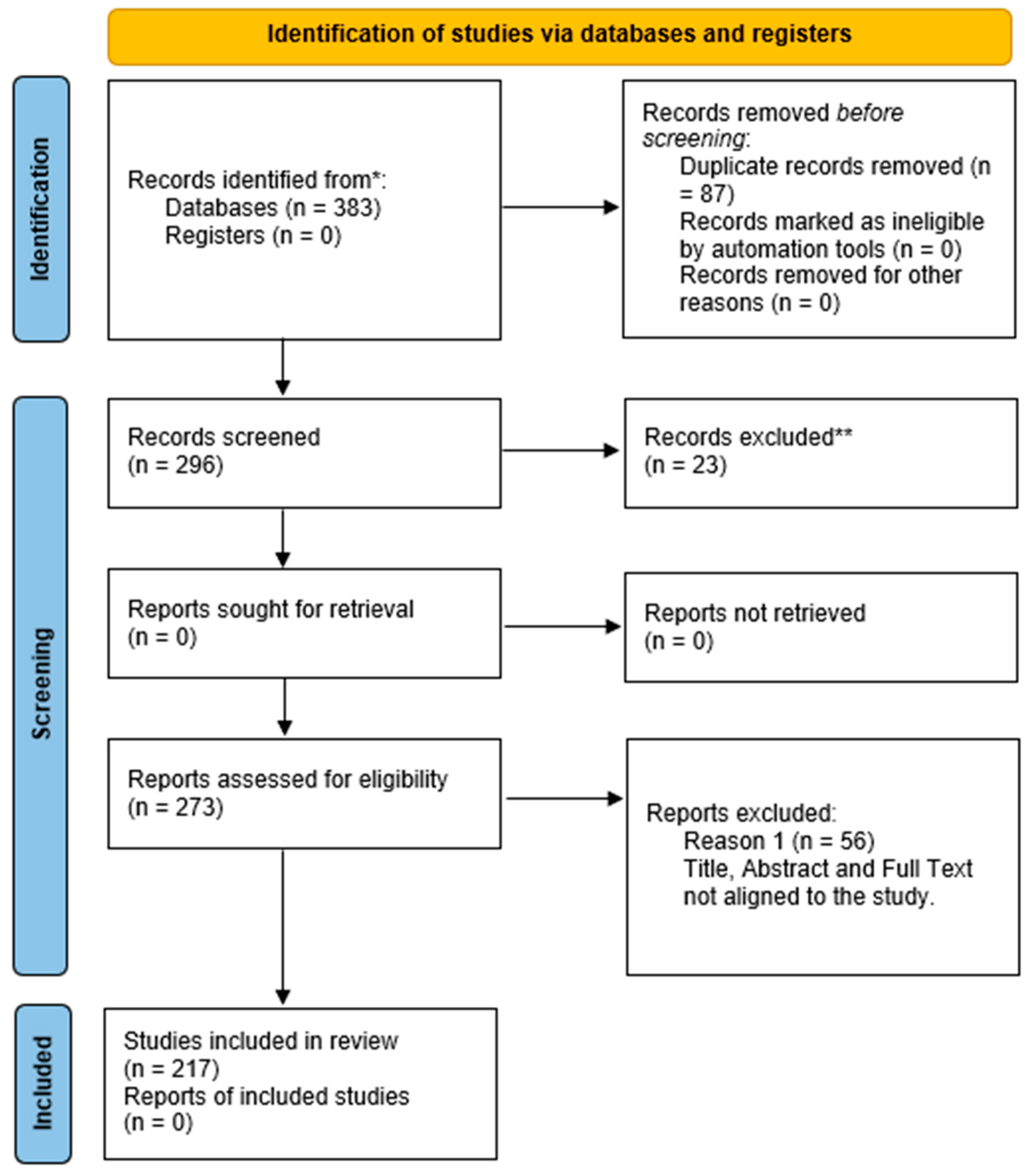
Figure 1. PRISMA Flow Diagram.
Jrfm 18 00723 g001
Figure 2. Trends in business model research related to firm productivity (2011–2025) based on bibliometric analysis of Web of Science-indexed publications.
Jrfm 18 00723 g002
Figure 3. Comparison of business model studies focused on firm productivity versus broader business model research, highlighting research gaps.
Jrfm 18 00723 g003
Figure 4. Co-occurrence network of business model research related to firm productivity.
Jrfm 18 00723 g004
Figure 5. Citation network of significant business model studies linked to firm productivity.
Jrfm 18 00723 g005
Figure 6. Co-authorship network in business model research related to firm productivity.
Jrfm 18 00723 g006
Figure 7. Citation network of significant business model studies linked to firm productivity.
Jrfm 18 00723 g007
Disclaimer/Publisher’s Note: The statements, opinions and data contained in all publications are solely those of the individual author(s) and contributor(s) and not of MDPI and/or the editor(s). MDPI and/or the editor(s) disclaim responsibility for any injury to people or property resulting from any ideas, methods, instructions or products referred to in the content.