Article

Sugarcane Bagasse and Orange Peels as Low-Cost Biosorbents for the Removal of Lead Ions from Contaminated Water Samples

by
Ntsieni Romani Molaudzi
and
Abayneh Ataro Ambushe
*
Department of Chemical Sciences, University of Johannesburg, P.O. Box 524, Johannesburg 2006, South Africa
*
Author to whom correspondence should be addressed.
Water 2022, 14(21), 3395; https://doi.org/10.3390/w14213395
Submission received: 10 September 2022 / Revised: 19 October 2022 / Accepted: 21 October 2022 / Published: 26 October 2022

Abstract

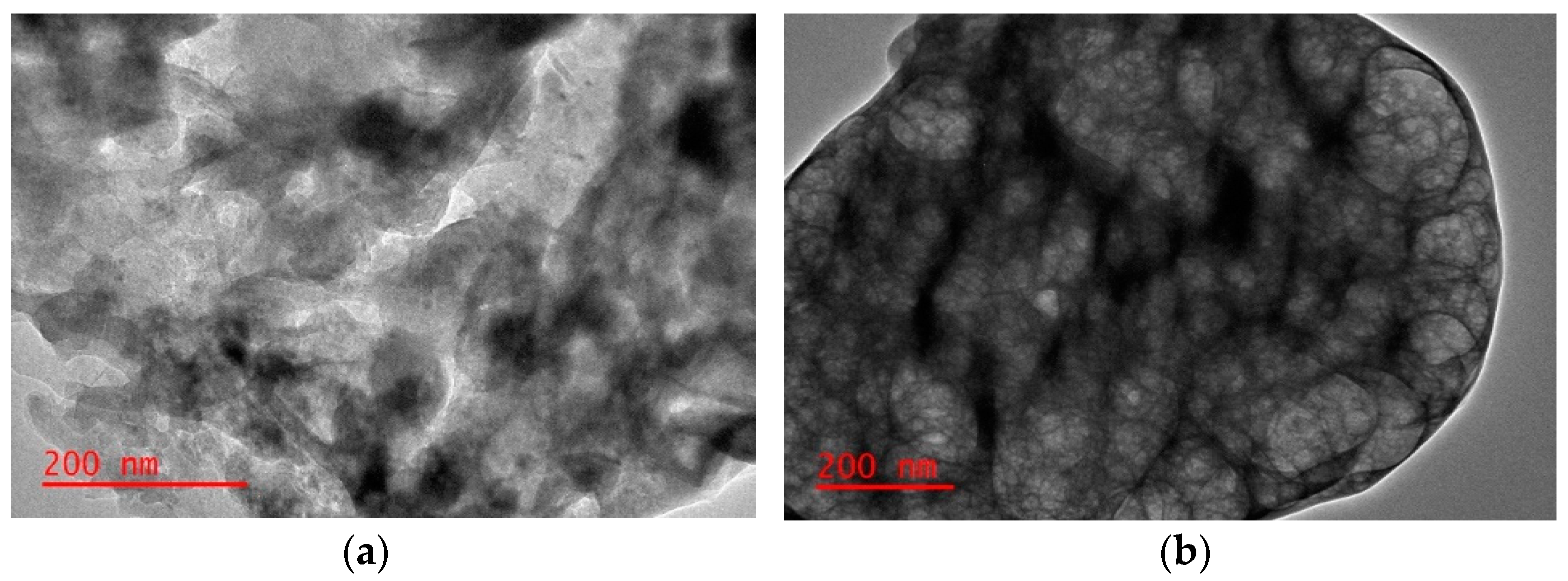
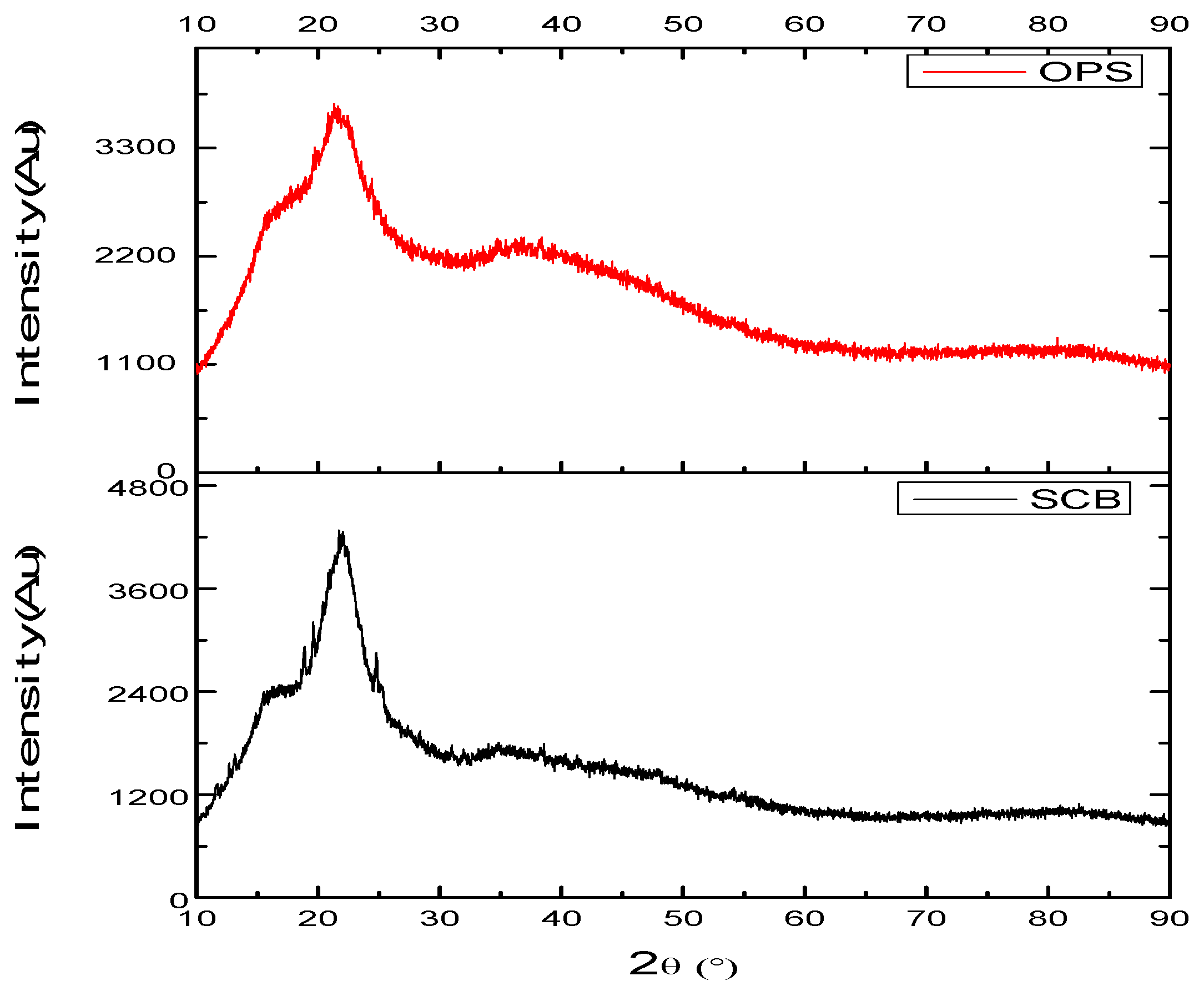
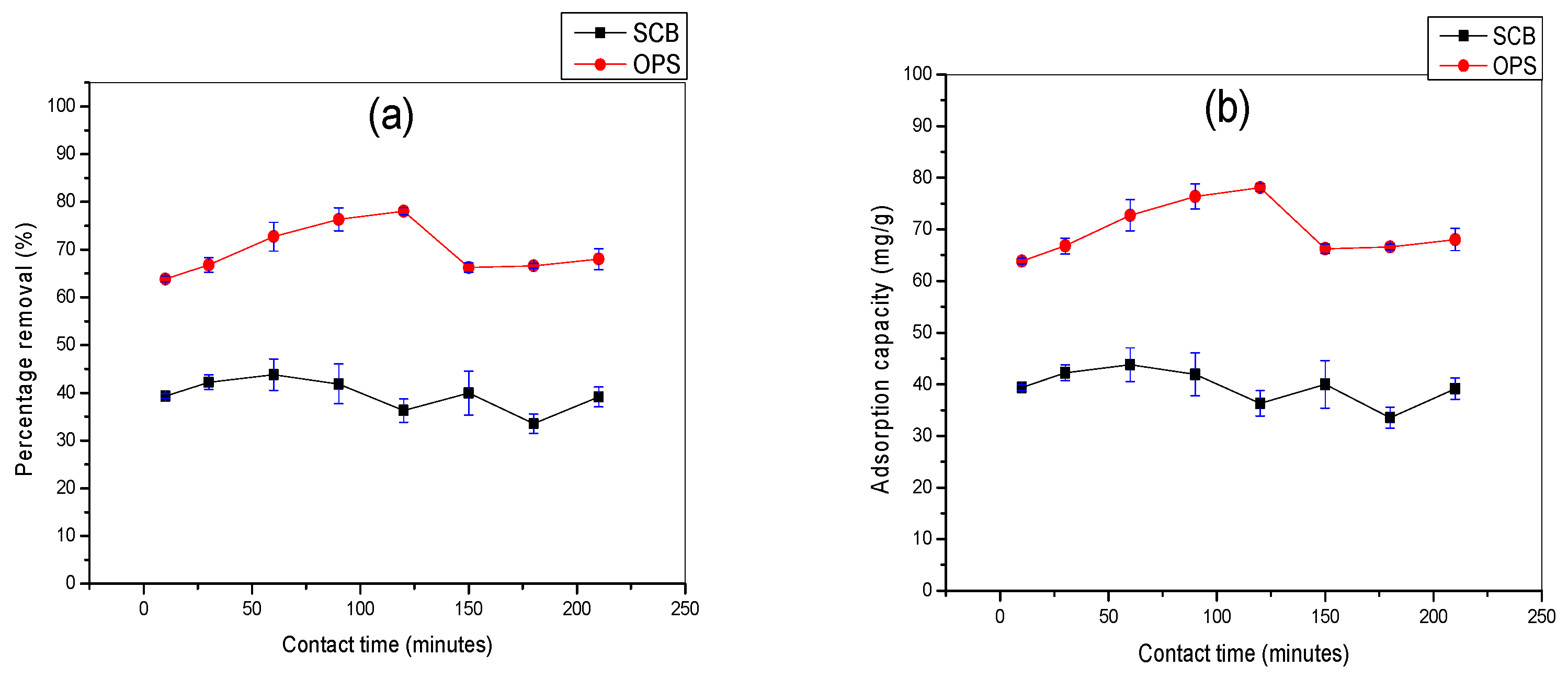
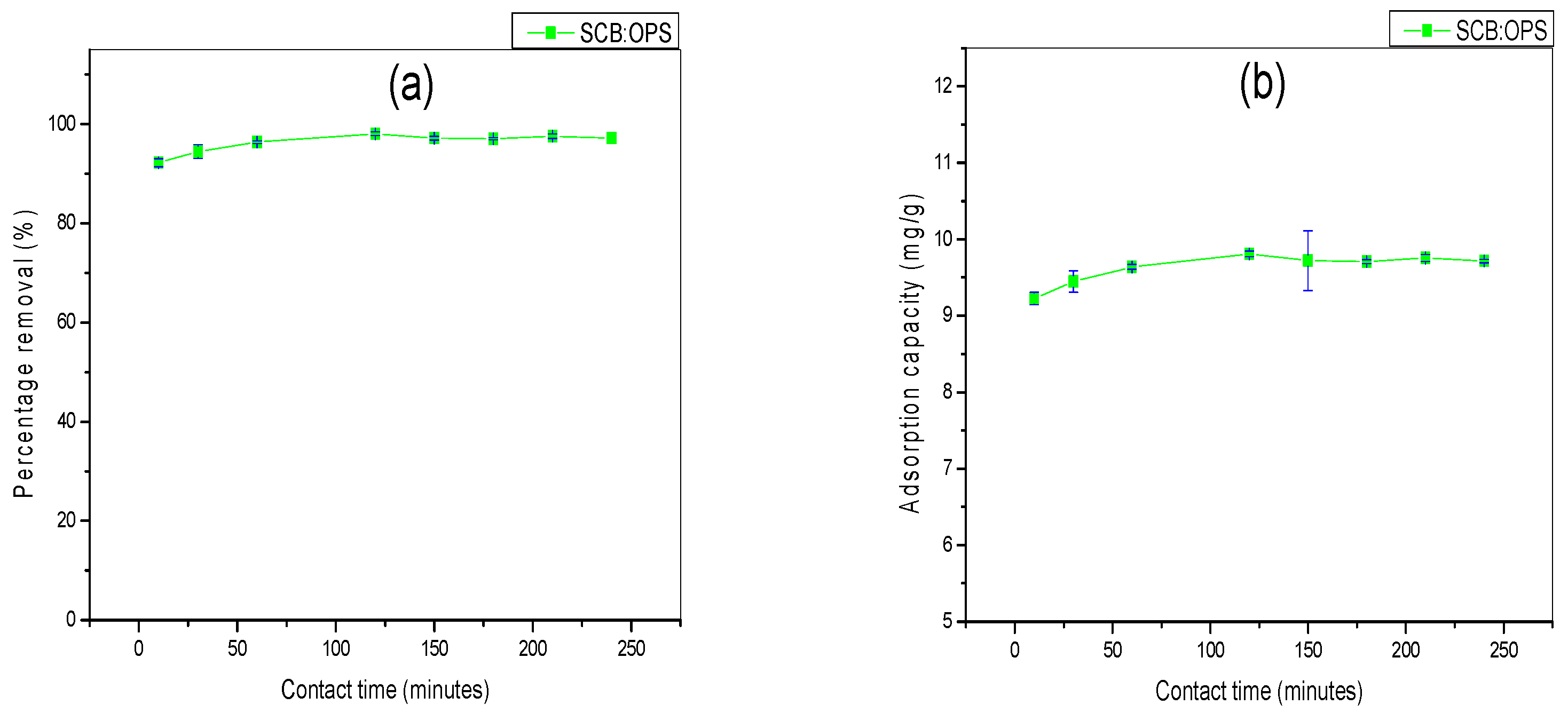
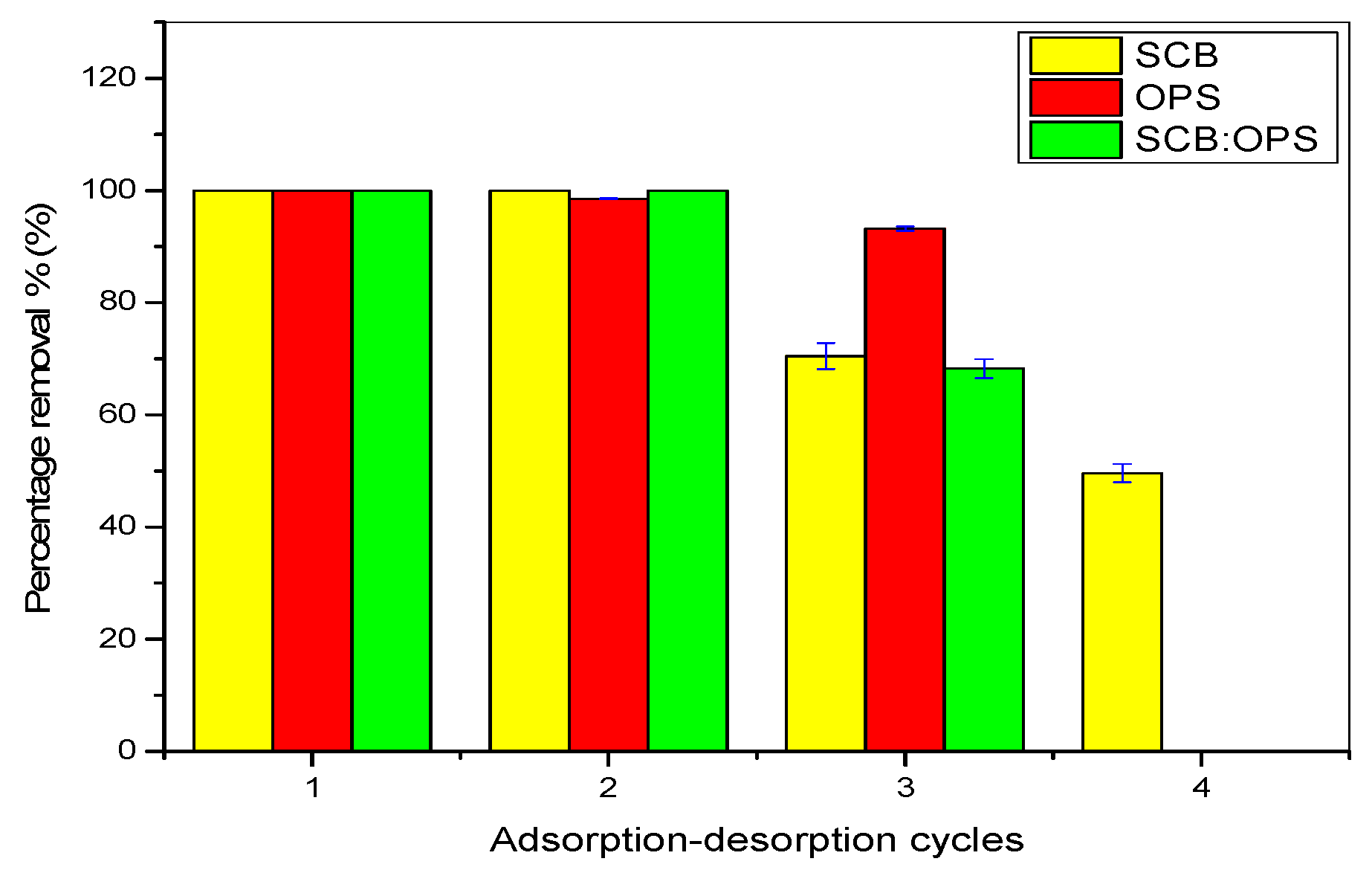
The pollution of water by lead (Pb(II)) constitutes a substantial threat to the environment and subsequently to animals and humans. In this study, the efficacy of sugarcane bagasse (SCB) and orange peels (OPS) have been investigated as potential low-cost biosorbents, individually and in a homogeneous combination for the removal of Pb(II) from simulated and real water samples. Biosorbents were characterised using Fourier transform infrared (FTIR) spectroscopy, thermogravimetric analysis (TGA), scanning electron microscopy (SEM) coupled to energy-dispersive X-ray spectroscopy (EDS), transmission electron microscopy (TEM), powder X-ray diffraction (pXRD), a zeta potential analyser, and the Brunauer–Emmett–Teller (BET) method. Batch adsorption studies were explored under several experimental conditions to optimise the removal efficiency of Pb(II) ions from artificially contaminated aqueous solutions. The pH study revealed optimum removal efficiencies of Pb(II) at pH 7, for SCB and OPS. The optimum contact time for SCB and OPS individually and a homogenous mixture was 60, 120, and 120 min, respectively. The study also revealed that the optimum biosorbent dosage was 0.2, 0.17, and 0.2 g for SCB, OPS, and the homogenous combination of SCB and OPS (1:1). Optimum experimental conditions could achieve up to 100% removal efficiencies for 10 and 20 mg/L of Pb(II) using SCB and OPS, respectively. The potential of the homogenised combination of biosorbents demonstrated 100% removal efficiencies for 10 mg/L of Pb(II). The removal of 10 mg/L of Pb(II) in real water samples remained at 100% for biosorbents individually and the homogenised combination. The reusability performance of SCB, OPS, and the homogenised combination of SCB and OPS presented Pb(II) removal efficiencies above 70% for three adsorption–desorption cycles.
Keywords: sugarcane bagasse; orange peels; biosorbent; lead; removal efficiency; adsorption–desorption sugarcane bagasse; orange peels; biosorbent; lead; removal efficiency; adsorption–desorption