


Abstract
Background/Objectives: Although tissue inhibitors of metalloproteinases (TIMPs) are key regulators in breast cancer, their differential expression, clinical relevance, and molecular roles remain unclear. This study aimed to compare the expression patterns of the four TIMPs in breast cancer and evaluate their molecular interactions and associated pathways through an integrated bioinformatic analysis. Methods: The expression of TIMPs and their correlations with MMPs were analyzed using the TCGA PanCancer, cBioPortal, and GEO datasets. Associations between TIMP expression and overall survival were assessed in the TCGA Breast Invasive Carcinoma PanCancer cohort. Pathway enrichment analysis was performed using GO, KEGG, and DAVID. The relationships between immune cell infiltration, stromal cells, and TIMP expression were assessed using the EPIC algorithm. Statistical analyses were performed using R. Results: TIMP1 was the only inhibitor overexpressed in breast tumors and showed significant associations with the Luminal B, HER2, TNBC, and normal-like subtypes, along with a modest increase across stages. TIMP2, TIMP3, and TIMP4 were downregulated in tumors. High expression of TIMP1 and TIMP4 correlated with better overall survival. TIMP1-associated genes were enriched in NF-kappa and PI3K–Akt signaling and actin cytoskeleton components. TIMP2 was linked to Hedgehog and MAPK pathways and actin-related elements. TIMP3 correlated with Hedgehog and PI3K–Akt signaling, DNA damage response, and membrane components. TIMP4 was associated with VEGF, MAPK, PI3K–Akt, DNA damage pathways, and actin organization. TIMP2 showed strong positive correlations with MMP2 and MMP14, while TIMP4 showed negative correlations with MMP1 and MMP9. Interestingly, we found a strong positive correlation between TIMP2 and TIMP3 with ADAM12, as well as between TIMP2 and TIMP3 with ADAM10, and negative correlations with ADAM15. The differential expression of TIMPs favors greater infiltration of immune cells related to tumor progression and poor prognosis in breast cancer patients. Conclusions: TIMPs display contrasting expression profiles and distinct pathway associations in breast cancer. TIMP1 emerges as the only consistently overexpressed inhibitor, while TIMP4 appears as a promising prognostic marker with unique MMP correlations that may influence tumor behaviors.
1. Introduction
Worldwide, breast cancer remains the most common malignancy and the second leading cause of cancer-related deaths in women [1]. Breast cancer is a heterogeneous disease with different histopathological and biological features [2]. According to immunohistochemical markers, including the presence or absence of estrogen receptors (ERs), progesterone receptors (PRs), and human epidermal growth factor receptor 2 (HER2), breast cancer can be classified into molecular subtypes. These subtypes are Luminal A (ER- and PR-positive, HER2-negative, low Ki67), Luminal B (ER- and/or PR-positive, HER2-positive or high Ki67), HER2-enriched (ER- and PR-negative, HER2-positive), and triple-negative (TNBC) (ER-, PR-, and HER2-negative) [3]. Each molecular subtype shows different responses to clinical therapy and requires different treatment strategies [4]. In addition to molecular and histological subtypes, breast cancer is evaluated according to tumor grade and size, lymph node status, and metastasis [5]. The TNM staging system (tumor/node/metastasis) for breast cancer is a critical tool for assessing tumor size and the extent of spread. It provides information on the involvement of regional lymph nodes and indicates whether the cancer has metastasized to distant sites in the body [6]. Therefore, the TNM classification system represents a fundamental tool in oncology, guiding clinical decision-making and the selection of optimal therapeutic strategies for breast cancer patients [7].
Novel potential biomarkers related to breast cancer development and progression have recently been proposed, including tissue inhibitors of metalloproteinases (TIMPs) have been proposed [8]. TIMPs regulate tissue extracellular matrix turnover, inhibit matrix metalloproteinases (MMPs), induce apoptosis, inhibit tumor cell migration, invasion, and angiogenesis, and mainly inhibit MMPs [9]. TIMPs are 21 to 28 kDa proteins that bind to MMPs and reversibly block their activity. Four TIMPs (TIMP-1, TIMP-2, TIMP-3, TIMP-4) have been described; all are present in the extracellular matrix (ECM) in soluble form, except TIMP-3, which is bound to the ECM [10,11]. The inhibitory function of TIMPs is related to the presence of a C-terminal and an N-terminal domain, each with three conserved disulfide bonds, where the N-terminal domain folds into itself and binds to the active site of MMPs to inhibit their activity [11,12,13].
Matrix metalloproteinases (MMPs), which are produced by non-malignant stromal cells, as well as by tumor cells, are widely expressed in breast cancer across multiple cell types that constitute the tumor microenvironment. These enzymes contribute to tumor progression by regulating cell growth, invasion, angiogenesis, and metastasis [14]. The MMPs involved in promoting tumor progression include the collagenases MMP1 and MMP13, the gelatinases MMP2 and MMP9, the stromelysins MMP3 and MMP11, the matrilysin MMP7, the metalloelastase MMP12, and the membrane-type MMP MMP14 [15].
In addition to inhibiting MMPs, tissue inhibitors of metalloproteinases (TIMPs) can also suppress the activity of members of the A Disintegrin and Metalloproteinase (ADAM) family [8]. ADAMs can activate membrane-bound growth factors, cytokines, receptors, and adhesion molecules, which in turn can trigger signaling pathways such as EGFR/HER2, TNF-α, and Notch, thereby promoting proliferation, invasion, angiogenesis, epithelial–mesenchymal transition (EMT), immune evasion, and therapeutic resistance. ADAM-8, ADAM-9, ADAM-10, ADAM-12, ADAM-15, and ADAM-17 have been associated with the initiation and progression of breast cancer [16].
Structurally, TIMPs are similar and can selectively inhibit different MMPs; however, they do not do so with the same efficacy [11]. In particular, TIMP-1 preferentially inhibits MMP-7, MMP-9, MMP-1, and MMP-3, whereas TIMP-2 more effectively inhibits MMP-2. TIMP-3 can inhibit MMP-2 and MMP-9, whereas TIMP-4 inhibits the catalytic activity of MMP-14 and MMP-2 [17,18,19]. Therefore, an imbalance between TIMPs and MMPs is an important factor for cancer development, as it affects the integrity of the extracellular matrix [11].
Bioinformatic analyses have indicated TIMP-2 as a potential prognostic factor in several cancer types, as it participates in pathways associated with ECM regulators, ECM degradation, and ECM disassembly [20]. Likewise, in another bioinformatics analysis, it was shown that TIMP-2 downregulates several breast cancer subtypes; moreover, TIMP-2 expression was associated with overall survival with different clinical features. Thus, TIMP-2 could serve as a potential target and prognostic biomarker in breast cancer [21]. However, there is little information on the biological roles of the TIMPs in breast cancer. Therefore, in this study we aim to elucidate the relationships of TIMPs with breast cancer progression stages, probability of disease-free survival, interaction with target proteins, correlation of TIMPs with MMPs, correlation of immune cell infiltrates with TIMPs, and epigenetic factors regulating TIMP expression.
We found that TIMP1 is overexpressed in breast cancer patients, with increased expression observed in the more aggressive molecular subtypes and in advanced disease stages. In contrast, TIMP2, TIMP3, and TIMP4 were underexpressed in tumor tissue. Our results demonstrate that high expression of TIMP1 and TIMP4 is associated with improved overall survival in breast cancer patients. KEGG and GO analyses revealed that genes positively correlated with TIMP1 were enriched in the NF-kappa and PI3K-Akt signaling pathways and in cytoskeletal components. TIMP2 showed positive correlations and enrichment in Hedgehog and MAPK signaling pathways and in actin cytoskeleton components. TIMP3 was positively correlated and enriched in Hedgehog and PI3K-Akt signaling pathways, DNA damage response genes, and cellular membrane components. TIMP4 exhibited positive correlations and enrichment in VEGF, MAPK, and PI3K-Akt signaling pathways, as well as in DNA damage response genes and actin cytoskeleton components. We also observed that TIMP1, TIMP2, and TIMP3 were positively correlated with MMPs. Notably, among all TIMPs, TIMP4 was the only one negatively correlated with MMP1, MMP9, and MMP13. Interestingly, TIMP2 and TIMP3 showed strong positive correlations with ADAM12 and ADAM10.
Furthermore, it is well established that tumor-infiltrating immune cells, classified as lymphoid or myeloid, can either promote or suppress tumor growth by modulating immune responses through B cells, CD8+ cytotoxic T cells, CD4+ helper T cells, and regulatory T cells, while natural killer (NK) cells exert cytotoxic activity to target cancer cells [22]. Myeloid cells are composed of macrophages with M1 (antitumor) and M2 (protumor) phenotypes, antigen-presenting dendritic cells (DCs), and myeloid-derived suppressor cells (MDSCs), which function to suppress immunity. The balance between protumor and antitumor immune states determines the degree of cancer progression and therapeutic response in patients diagnosed with breast cancer [23]. Recent studies have focused on identifying novel pathways and biomarkers that enhance the immunogenic activity of dendritic cells (DCs) within the tumor microenvironment. In this context, TIMP-1 has recently emerged as a potential functional immune biomarker [24], in addition to its canonical role as a metalloproteinase inhibitor. Similarly, recent findings highlight that TIMPs increase the infiltration and survival of CD8+ T cells and are positively correlated with CD4+ T cells, CD8+ T cells, macrophages, neutrophils, and dendritic cells [25,26,27]. This study revealed that the expression of TIMP3, TIMP2, and TIMP1 is positively correlated with the infiltration of cancer-associated fibroblasts (CAFs), endothelial cells, macrophages, and NK cells. Conversely, the expression of TIMP4, TIMP3, TIMP2, and TIMP1 is negatively correlated with the infiltration of B cells, CD4+ T cells, and CD8+ T cells. Interestingly, it was observed that both high and low TIMP expression favors the differential infiltration of immune cells, such as B cells, CD4+ T cells, CD8+ T cells, macrophages, NK cells, CAFs, endothelial cells, and other cellular infiltrates. Our results demonstrate that TIMPs can have antitumor or protumor effects, depending on the breast cancer context, molecular subtype, stage, and the involvement of the tumor microenvironment, such as immune system infiltrates.
2. Materials and Methods
2.1. TIMP Expression Levels in Breast Cancer Patients and Cell Lines
For the bioinformatic analyses, gene expression data were obtained from the Breast Invasive Carcinoma TCGA PanCancer dataset [28] accessed via the cBioPortal for Cancer Genomics (http://cbioportal.org) on 10 November 2025 [29]. Expression data for TIMP1, TIMP2, TIMP3, and TIMP4 were downloaded as mRNA expression Z-scores relative to normal tissue samples. For the analysis of TIMP expression in molecular subtypes of breast cancer, the dataset includes 1084 samples in total, of which 499 samples correspond to Luminal A samples, 197 to Luminal B samples, 78 to HER2+ samples, 171 to basal triple-negative samples, and 36 to normal-like samples. Molecular subtype classification was performed according to the PAM50 gene expression signature assay, and only samples from female patients with valid PAM50 classification were included. For the analysis of gene expression according to tumor stage, only samples from patients with complete clinical data on tumor stage classification, based on the American Joint Committee on Cancer (AJCC) Tumor Stage Code, were considered. The dataset comprised 277 stage I, 628 stage II, 137 stage III, and 39 stage IV samples. For both molecular subtype and tumor stage analyses, Z-scores > 2 and Z-scores < −2 were defined as high and low expression, respectively.
TIMP expression validation was performed in patient samples and breast cancer cell lines. Expression analysis in patients and breast cancer cell lines was performed using the GSE45827 and GSE48213 datasets, respectively, which were obtained from the Gene Expression Omnibus GEO public repository (https://www.ncbi.nlm.nih.gov/geo/) on 4 January 2026. Gene expression data for patient samples and cell lines were obtained from the Affymetrix GeneChip Human Genome U133A and Affymetrix GeneChip Human Exon 1.0 ST arrays. The classification of molecular subtypes in breast cancer patients and cell lines was performed and managed as described in the datasets. A total of 41 breast cancer samples were included: basal TN, 30 HER2+, 29 Luminal A, and 30 Luminal B, as well as 11 normal tissue samples. In addition, 14 cell lines were classified as Luminal A, 6 as Luminal B, 7 as HER2+, 10 as basal-like/TNBC, and 5 as normal-like. The levels of TIMP1, TIMP2, TIMP3, and TIMP4 proteins in breast cancer patient samples compared to normal or non-tumor samples were analyzed in patient biopsies obtained from The Human Protein Atlas (https://www.proteinatlas.org/) on 6 January 2026. The difference in TIMP levels was categorized based on staining intensity: negative, low, medium, and high. Immunohistochemistry was performed using the HPA053417 antibody for TIMP1 and the CAB010203 antibody for TIMP2. Eleven breast tumor tissue samples were used for TIMP1, ten for TIMP2, and three normal samples. It is important to note that protein expression data for TIMP3 and TIMP4 are still unavailable.
2.2. Overall Survival Analysis of TIMP Expression in Breast Cancer Patients
For survival analysis in breast cancer patients, clinical and survival phenotypic data were collected from the Breast Invasive Carcinoma TCGA PanCancer dataset [28] (accessed on 11 November 2025), which includes 1084 breast cancer patient samples. Kaplan–Meier (K–M) survival analyses were subsequently performed, followed by log-rank tests, using the “survival” package in the R software (version 4.3.2). The primary objective was to assess differences in overall survival (OS) between groups characterized by low and high expression levels of TIMP1, TIMP2, TIMP3, and TIMP4. Univariate Cox regression models were applied to estimate hazard ratios (HRs) and 95% confidence intervals (CIs). To evaluate the prognostic value of TIMPs, Cox proportional hazards regression analyses were performed. Univariate Cox regression models were applied to estimate hazard ratios (HRs) and 95% confidence intervals (CIs). Statistical analyses were performed using the survival package in the R software (version 4.3.2). Survival curves were generated using the survminer and ggplot2 packages.
2.3. Functional Enrichment Analysis of TIMPs
Genes showing positive and negative correlations with each TIMPs were subjected to GO and KEGG enrichment analyses using the functional annotation tools available on the DAVID website (https://bio.tools/david_bioinformatics_resources) [30], accessed on 13 January 2025. The resulting data were organized and visualized using various bubble plots. Datasets were filtered using a significance threshold of p < 0.05. Functional categorization was performed into Biological Processes (BPs), Cellular Components (CCs), Molecular Function (MF), and Kyoto Encyclopedia of Genes and Genomes (KEGG). DAVID enrichment analysis characterizes the functional relevance of a gene set and evaluates its involvement in specific pathways and biological processes through the exploration of BP, MF, CC, and KEGG annotations. Additionally, the analysis provided information on gene counts and their relevance within pathways, along with their functional classifications. This approach enabled a comprehensive understanding of the functions and implications of the selected genes, particularly in the context of cellular components and processes related to invasion and metastasis in cancer, thereby enhancing overall data interpretation and highlighting their biological significance.
2.4. Correlation Matrix: TIMPs vs. MMPs and ADAMs
A Spearman correlation matrix was constructed to assess the associations between the gene expression levels of each TIMP and those of matrix metalloproteinases (MMP1, MMP2, MMP3, MMP8, MMP9, MMP13, MMP14, and MMP16), as well as with the expression ADAMs (ADAM8, ADAM9, ADAM10, ADAM12, ADAM15, and ADAM17). Gene expression data were obtained from the Breast Invasive Carcinoma TCGA PanCancer dataset [28], accessed on 18 December 2025, and downloaded as mRNA expression Z-scores relative to normal tissue samples. Analyses were conducted using the R software (version 4.3.2), employing the “Hmisc” and “ggplot2” packages to generate the correlation matrix.
2.5. Immune Infiltration Analysis and Stratified Comparison According to TIMP Expression
Immune cell infiltration in breast cancer samples was inferred using the EPIC deconvolution algorithm. Normalized RNA-seq expression data (TPM values) from the Breast Invasive Carcinoma TCGA PanCancer dataset (n = 1084) were used as input to estimate the relative proportions of major immune and stromal cell populations, including macrophages, CD4+ T cells, CD8+ T cells, B cells, NK cells, cancer-associated fibroblasts (CAFs), and endothelial cells. To assess the global associations between TIMP1, TIMP2, TIMP3, and TIMP4 expression levels and immune infiltration, Spearman correlation analyses were performed between TIMP gene expression and the estimated cell-type fractions. Correlation coefficients and corresponding p-values were calculated, and results were visualized using a correlation heatmap. In addition, samples were stratified into high- and low-expression groups for each TIMP based on the median expression value. Differences in immune and stromal cell infiltration between high and low TIMP expression groups were evaluated for each cell type. Statistical significance was assessed using the Wilcoxon rank-sum test, followed by Benjamini–Hochberg false discovery rate (FDR) correction to account for multiple testing. These results were visualized using boxplots to illustrate differences in immune cell infiltration according to TIMP expression status. All analyses were conducted using the R software (version 4.4.1), and data processing and visualization were performed using the “EPIC”, “Hmisc”, “statix”, “ggplot2”, “ggpubr”, and “pheatmap” packages.
2.6. Statistical Analysis
For analysis of the expression levels of TIMP1, TIMP2, TIMP3, and TIMP4 in the molecular subtypes, tumor stages of breast cancer and cell lines, one-way ANOVA was performed, followed by Bonferroni and Dunnet post hoc tests, with statistical significance set at p < 0.05. For overall survival analysis, Kaplan–Meier (K–M) plots were generated, and log-rank tests were applied. Cox proportional hazards models (HRs) were also used, with p-values < 0.05 considered statistically significant. For GO and KEGG enrichment analyses, a global Spearman correlation analysis was performed to identify genes positively and negatively correlated with each TIMP. Similarly, Spearman correlations were used to construct the correlation matrix between each TIMP, MMP and ADAM. All statistical analyses were conducted using the R software (version 4.3.2).
3. Results
3.1. TIMP Expression Levels and Correlation with Patient Progression Stages and Breast Cancer Cell Lines
TIMPs play roles in several biological functions, such as regulating MMP activation, angiogenesis, cell growth, apoptosis, and metastasis [9,10,11,12]. For this reason, it is important to determine TIMP expression levels in breast cancer molecular subtypes, considering that each molecular subtype is distinct and is associated with the treatment response and prognosis. Expression levels of TIMP1, TIMP2, TIMP3, and TIMP4 were analyzed in 981 breast cancer samples from the TCGA PanCancer Breast Invasive Carcinoma dataset, obtained via cBioPortal. The dataset used for analysis of TIMP expression across molecular subtypes included 499 Luminal A, 197 Luminal B, 78 HER2+, 171 basal triple-negative, and 36 normal-like samples. Our results show that TIMP1 was overexpressed across the different molecular subtypes of breast cancer patients. However, higher expression was observed only in the Luminal A and normal-like subtypes compared with Luminal B, HER2+, and basal (TN) subtypes. The normal-like subtype showed a significant increase in expression compared with the Luminal A subtype (p < 0.05) (Figure 1A). In the Luminal B, HER2+, and basal (TN) subtypes, TIMP1 showed a significant decrease in expression compared with the Luminal A subtype (p < 0.01 and p < 0.0001) (Figure 1A).
Figure 1.
Expression levels of TIMPs across breast cancer molecular subtypes. Violin plots showing the relative expression (Z-score) of TIMP genes across breast cancer molecular subtypes: Luminal A (n = 499), Luminal B (n = 197), HER2+ (n = 78), basal (TN) (n = 171), and normal-like (n = 36). (A) TIMP1 gene expression. (B) TIMP2 gene expression. (C) TIMP3 gene expression. (D) TIMP4 gene expression. Data were obtained from the TCGA PanCancer Breast Invasive Carcinoma dataset via cBioPortal for Cancer Genomics. Gene expression values are represented as Z-scores relative to normal tissue samples. Statistical analyses were performed using one-way ANOVA, followed by Bonferroni post hoc tests to compare gene expression levels across molecular subtypes relative to the Luminal A subtype. Statistical significance relative to Luminal A samples is indicated as p < 0.05 (*), p < 0.01 (**), p < 0.001 (***), and p < 0.0001 (****).
Our analysis revealed that TIMP2, TIMP3, and TIMP4 are underexpressed across the different molecular subtypes of breast cancer. Specifically, TIMP2 showed a significant decrease in expression in the Luminal B and basal (TN) subtypes compared with Luminal A (p < 0.0001 and p < 0.05) (Figure 1B). TIMP3 expression was significantly decreased in the HER2+ and basal (TN) subtypes relative to Luminal A (p < 0.001 and p < 0.0001) (Figure 1C). TIMP4 showed a significant decrease in the Luminal B, HER2+, and basal (TN) subtypes (p < 0.0001) (Figure 1D). Our analysis suggests that TIMPs expression varies depending on the breast cancer subtype, which could have implications for tumor progression and potential therapeutic strategies depending on the molecular subtype of breast cancer. Breast cancer can progress rapidly from early to advanced stages. The earliest stage is stage 0 (carcinoma in situ), followed by stages I to IV; at the latter stage, the breast cancer has metastasized to other organs [31]. The rapid progression of breast cancer makes early diagnosis and monitoring of cancer progression difficult [32]. We determined the gene expression levels of TIMP1, TIMP2, TIMP3, and TIMP4 according to tumor stage in breast cancer patients. The analysis included 277 samples from patients with stage I, 628 samples with stage II, 137 samples with stage III, and 39 samples with stage IV tumors. Gene expression is presented as Z-scores relative to normal tissue samples.
TIMP1 was the only TIMP found to be overexpressed in breast cancer patients. However, TIMP1 expression did not show significant changes across the different tumor stages (Figure 2A). Analysis of TIMP2 revealed a significant decrease in expression at stage III compared with stage I (p < 0.01) (Figure 2B). In contrast, TIMP3 showed a trend toward decreased expression in advanced stages, with significant reductions at stages II and III compared with stage I (p < 0.01) (Figure 2C). Finally, TIMP4 expression was significantly reduced at stage II compared with stage I (p < 0.01) (Figure 2D).
Figure 2.
Expression levels of TIMPs across breast cancer tumor stages. Analysis of TIMP1 (A), TIMP2 (B), TIMP3 (C), and TIMP4 (D) gene expression in breast tumor samples classified by tumor stage from I to IV. Values are expressed as Z-scores relative to normal tissue samples. Violin plots show the distribution and density of the data within each group. Statistical analyses were performed using one-way ANOVA followed by Bonferroni post hoc tests to compare expression levels across tumor stages relative to stage I. Statistical significance relative to stage I is indicated as p < 0.05 (*) and p < 0.01 (**).
TIMP expression was validated in patient samples classified according to the different molecular subtypes of breast cancer, as well as in cell lines representative of these subtypes. It is important to note that, unlike the previous analysis—which compared the normalized gene expression of TIMPs exclusively between tumor and normal samples—this analysis included normal samples and did not use them to normalize the expression of the subtypes. TIMP1 and TIMP3 expression was observed to decrease significantly and progressively as breast cancer progressed to more aggressive molecular subtypes (Figure 3A,C from dataset GSE45827). In contrast, TIMP4 expression was significantly lower in all molecular subtypes compared to normal samples (Figure 3D from dataset GSE45827). TIMP2, in contrast, showed no significant differences in expression among the different molecular subtypes analyzed (Figure 3B from dataset GSE45827).
Figure 3.
TIMP expression levels in different molecular subtypes of breast cancer patient samples and cell lines. Gene expression analysis of TIMP1 (A), TIMP2 (B), TIMP3 (C), and TIMP4 (D). Dataset GSE45827 shows the corresponding TIMP expression in different molecular subtypes of breast tumor samples. Dataset GSE4813 shows TIMP expression in cell lines classified into different molecular subtypes of breast cancer. Statistical analyses were performed using one-way ANOVA followed by Dunnett’s tests to compare expression levels across tumor stages. Statistical significance is indicated as p < 0.05 (*), p < 0.001 (***). The frequency of breast cancer and normal samples showing TIMP1 and TIMP2 protein expression, negative (N), low (L), medium (M), and high (H), are represented in sections (E,F). Sections (G,H) show representative images of TIMP1 and TIMP2 in breast cancer and normal samples, respectively.
Additionally, analysis of TIMP expression in cell lines corresponding to different breast cancer subtypes (Figure 3) revealed an expression pattern consistent with that observed in the TCGA PanCancer Breast Invasive Carcinoma dataset (Figure 1). In particular, TIMP1 expression was significantly higher in cell lines classified as normal-like compared to the Luminal A, Luminal B, HER2+, and basal (triple-negative) subtypes (Figure 3A–D from dataset GSE48213). However, at the protein level, no significant differences in TIMP1 and TIMP2 expression were detected between breast cancer samples and normal tissue (Figure 3E,F). It is important to note that, to date, the Human Protein Atlas includes no data reporting the protein expression of TIMP3 and TIMP4. While these results provide interesting exploratory findings, they should be interpreted with caution until experimental evidence from a larger number of samples is available.
3.2. Survival Analysis of TIMP Expression in Breast Cancer Patients
The role of TIMPs in breast cancer is very controversial; there are reports describing that TIMPs may have both a protumor and antitumor effect. It has been suggested that elevated levels of TIMPs are associated with early relapse in breast cancer patients [33]. Considering that TIMP1 expression is increased in breast cancer—unlike TIMP2, TIMP3, and TIMP4, whose expression is decreased—we performed a Kaplan–Meier analysis of overall survival using data collected from TCGA (Figure 4). Comparisons between breast cancer patient groups with high and low TIMPs expression were conducted using Kaplan–Meier survival curves, log-rank tests, and Cox regression models. Although the results were not statistically significant, our analysis showed that high TIMP1 expression tended to be associated with improved overall survival, with a hazard ratio (HR) of 0.8 (95% CI: 0.58–1.1). Analysis of TIMP2 expression revealed no significant association with overall survival, HR = 1.02 (95% CI: 0.74–1.41, p = 0.8836). Similarly, TIMP3 expression was not significantly associated with overall survival; HR = 1.02 (95% CI: 0.74–1.4, p = 0.9073). In contrast, high TIMP4 expression showed a trend toward improved overall survival in breast cancer patients, with HR = 0.78 (95% CI: 0.57–1.07, p = 0.1261).
Figure 4.
Expression levels of TIMPs and their correlation with overall survival (OS) in breast cancer patients. Red lines represent low TIMP expression, and blue lines represent high TIMP expression. The Y-axis represents the probability of survival, and the X-axis represents patient follow-up time. A representative p-value is shown in each graph. Univariate Cox regression models were applied to estimate hazard ratios (HRs) and 95% confidence intervals (CIs). (A) Correlation between TIMP1 expression and OS; (B) correlation between TIMP2 expression and OS; (C) correlation between TIMP3 expression and OS; and (D) correlation between TIMP4 expression and OS.
3.3. Correlation of TIMPs with KEGG and GO Signaling Pathways Related to Biological Processes, Cellular Components, and Molecular Functions in Breast Cancer
Breast cancer is associated with molecular alterations in genes that regulate mechanisms related to migration and invasion in breast cancer [34,35]. Using the DAVID web tool, we performed an analysis of TIMP gene expression levels that showed a positive correlation with genes enriched in KEGG signaling pathways, Biological Processes (BPs), Cellular Components (CCs), and Molecular Functions (MFs). Values of p < 0.050 were considered statistically significant. TIMP1 expression was positively correlated and enriched in signaling pathways related to cytokine–receptor interaction, NF-kappa B signaling, focal adhesion, and PI3K-Akt signaling, as well as cancer-related pathways, all of which are associated with breast cancer progression (Figure 5). In addition, analysis of genes involved in biological processes revealed significant enrichment in extracellular matrix organization, inflammatory response, positive regulation of cell migration and proliferation, and the ERK1/ERK2 pathway (Figure 5). Furthermore, TIMP1 showed positive correlation with cellular components of the collagen-containing extracellular matrix, focal adhesion-related components, plasma membrane components, actin cytoskeleton, and cell surface structures (Figure 5). TIMP1 expression levels were also positively correlated with molecular functions associated with extracellular matrix constituents, collagen binding, integrin binding, and structural functions of the extracellular matrix (Figure 5).
Figure 5.
Positive correlation of TIMP1 with breast cancer-related genes. GO and KEGG enrichment analysis (https://bio.tools/david_bioinformatics_resources, accessed on 11 November 2025). Categorization into Biological Processes (BPs), Cellular Components (CCs), Molecular Functions (MFs), and Kyoto Encyclopedia of Genes and Genomes (KEGG). Data were organized and are presented as bubble plots. Only data with statistical significance (p < 0.05) were included.
Analysis of TIMP2 expression levels revealed positive correlation and enrichment in Hedgehog signaling, adherens junctions, focal adhesion, actin cytoskeleton regulation, and MAPK signaling pathways (Figure 6). Analysis of biological processes enriched by TIMP2 showed positive regulation of genes involved in focal adhesion disassembly, receptor-type protein tyrosine phosphatase signaling, regulation of protein localization at the cell surface, and actin filament depolarization (Figure 6). GO analysis of cellular component genes positively correlated with TIMP2 identified stress fiber components, lamellipodia, extracellular matrix components, collagen-containing matrix components, and actin cytoskeleton elements (Figure 6). Analysis of molecular functions revealed that genes positively associated with TIMP2 expression are involved in enhancing cellular elasticity, extracellular matrix binding, microtubule binding, and mediating cell adhesion activity (Figure 6). Overall, our analysis suggests that TIMP2 expression levels are positively correlated with genes involved in cellular signaling, migration, and invasion processes in breast tumor cells.
Figure 6.
Positive correlation of TIMP2 with KEGG signaling pathways and GO enrichment in breast cancer. KEGG and GO analysis (https://bio.tools/david_bioinformatics_resources, accessed on 11 November 2025). Categorization into Biological Processes (BPs), Cellular Components (CCs), Molecular Functions (MFs), and Kyoto Encyclopedia of Genes and Genomes (KEGG). Data were organized and are presented as bubble plots. Only data with statistical significance (p < 0.05) were included.
The analysis revealed a positive correlation between TIMP3 expression levels and enrichment in Hedgehog signaling, breast cancer-related pathways, cell adhesion molecules, focal adhesion, and PI3K-Akt signaling (Figure 7). Analysis of biological processes showed that TIMP3 expression positively regulates genes involved in vasculogenesis, negative regulation of cyclin-dependent protein kinases, adherens junction organization, and positive regulation of MAPK signaling. Interestingly, TIMP3 also showed positive correlation with genes involved in DNA damage response signaling (Figure 7). GO analysis of cellular components positively correlated with TIMP3 identified extracellular matrix components, including collagen trimers, membrane coatings, and adherens junctions (Figure 7). Analysis of molecular functions revealed genes positively associated with TIMP3 that contribute to extracellular matrix elasticity, microtubule binding, ABC-type transport activity, and protein phosphatase activity (Figure 7).
Figure 7.
Positive correlation of TIMP3 with KEGG signaling pathways and GO enrichment in breast cancer. KEGG and GO analysis (https://bio.tools/david_bioinformatics_resources, accessed on 11 November 2025). Categorization into Biological Processes (BPs), Cellular Components (CCs), Molecular Functions (MFs), and Kyoto Encyclopedia of Genes and Genomes (KEGG). Data were organized and are presented as bubble plots. Only data with statistical significance (p < 0.05) were included.
The analysis revealed a positive correlation between TIMP4 expression levels and enrichment in VEGF signaling, resistance to EGFR tyrosine kinase inhibitors, breast cancer-related pathways, MAPK signaling, and PI3K-Akt signaling (Figure 8). Biological processes enriched in association with TIMP4 expression included genes involved in DNA damage response signaling, microtubule organization, cytoskeleton organization regulation, and cell membrane adhesion molecules (Figure 8).
Figure 8.
Positive correlation of TIMP4 with KEGG signaling pathways and GO enrichment in breast cancer. KEGG and GO analysis (https://bio.tools/david_bioinformatics_resources, accessed on 11 November 2025). Categorization into Biological Processes (BPs), Cellular Components (CCs), Molecular Functions (MFs), and Kyoto Encyclopedia of Genes and Genomes (KEGG). Data were organized and are presented as bubble plots. Only data with statistical significance (p < 0.05) were included.
GO analysis of cellular components positively correlated with TIMP4 identified lamellipodia, microtubules, actin cytoskeleton, and plasma membrane components (Figure 8). In terms of molecular functions, genes positively associated with TIMP4 included extracellular matrix constituents contributing to elasticity, kinase activity, and DNA-binding transcription factor activity (Figure 8). Our analysis suggests that TIMP4 is positively correlated with genes regulating signaling pathways that promote a more aggressive phenotype in breast cancer, as well as genes associated with the actin cytoskeleton, cell adhesion, and the formation of membrane structures related to increased cellular migration and invasion capacity (Figure 8).
3.4. Correlation Analysis of TIMPs with MMPs
TIMPs have been associated with breast cancer invasion and metastasis due to their ability to bind to MMPs and prevent their activation process [11]. We performed a Spearman correlation matrix between TIMP and MMP gene expression levels. Our analysis revealed statistically significant correlations between TIMPs and MMPs. For TIMP1, we observed positive correlations with MMP2, MMP3, MMP9, and MMP14 (p < 0.001) (Figure 9). TIMP2 showed positive correlations with MMP1, MMP3, MMP8, MMP9, and MMP16 (p < 0.001), and notably, strong positive correlations with MMP2, MMP14, and MMP13 (p < 0.001). TIMP3 exhibited strong positive correlations with MMP2, MMP13, MMP14, and MMP16 (p < 0.001) (Figure 9). Conversely, TIMP4 displayed negative correlations with MMP1, MMP9, and MMP13 (p < 0.001) and positive correlations with MMP2, MMP3, and MMP16 (p < 0.001) (Figure 9). Most correlations between TIMPs and MMPs were positive, which is particularly interesting given that TIMPs are known inhibitors of MMP activity. These results suggest the existence of transcriptional regulation between TIMPs and MMPs.
Figure 9.
Spearman correlation matrix between TIMPs and matrix metalloproteinase (MMP) gene expression levels in invasive breast cancer. Results are presented as mRNA expression Z-scores relative to normal samples. Correlations were calculated using the Spearman coefficient with the “Hmisc” package in R (version 4.3.2). Statistical significance levels are reported as p < 0.05 (*), p < 0.01 (**), and p < 0.001 (***). Colors range from red (positive correlation) to blue (negative correlation).
3.5. Correlation Analysis of TIMPs with ADAMs
ADAMs constitute families of proteases that are associated with the development and progression of breast cancer by promoting the shedding of growth factors and receptors from their ectodomains, thereby activating signaling pathways such as EGFR, PI3K/AKT/mTOR, TNF-α, Notch, and JAK-STAT [16]. We performed a Spearman correlation matrix between TIMP and ADAM gene expression levels. Our analysis revealed both positive and negative correlations between TIMPs and ADAMs. TIMP1 exhibited a positive and statistically significant correlation with ADAM8, ADAM12, and ADAM15 and a negative correlation with ADAM9, ADAM10, and ADAM17 (p < 0.001) (Figure 10). TIMP2 and TIMP3 showed statistically significant positive correlations with ADAM8, ADAM9, ADAM10, and ADAM17, as well as a strong correlation with ADAM12 (p < 0.05, p < 0.01, and p < 0.001). Additionally, TIMP2 and TIMP3 displayed negative correlations with ADAM15 (p < 0.001) (Figure 10). TIMP4 showed positive correlations with ADAM8 and ADAM12. Interestingly, TIMP4 exhibited the strongest negative correlations with ADAMs, including ADAM9, ADAM10, ADAM15, and ADAM17 (Figure 10).
Figure 10.
Spearman correlation matrix between TIMPs and ADAMs. Gene expression levels in invasive breast cancer. Results are presented as mRNA expression Z-scores relative to normal samples. Correlations were calculated using the Spearman coefficient with the “Hmisc” package in R (version 4.3.2). Statistical significance levels are reported as p < 0.05 (*), p < 0.01 (**), and p < 0.001 (***). Colors range from blue (positive correlation) to gray (negative correlation).
3.6. Association Between TIMP Expression and Immune Cell Infiltration in Breast Cancer
The tumor microenvironment in breast cancer encompasses a wide range of cell populations from both the innate and adaptive immune systems, which have been reported as biologically/clinically relevant to varying degrees [36]. In this context, immune infiltrates have emerged as clinically relevant and highly reproducible biomarkers capable of influencing breast cancer prognosis [37]. In addition to immune cell infiltration, cancer-associated fibroblasts (CAFs) are key players in stromal-dependent multicellular alterations that contribute to cancer initiation and progression [38]. While endothelial cells are involved not only in T-cell trafficking but also in remodeling T-cell function and differentiation [39], the enormous heterogeneity of immune infiltrates makes it inappropriate to group them as a single population. We observed that TIMP expression is related to immune cell infiltration (Figure 11). TIMP1, TIMP2, and TIMP3 expressions showed a positive correlation with CAFs, endothelial cells, macrophages, and NK cells (Figure 11A). In contrast, TIMP4 only showed a positive correlation with endothelial cells (Figure 11A). In contrast, it was observed that the expressions of TIMP1, TIMP2, TIMP3, and TIMP4 showed a positive correlation with immune infiltrates corresponding to B cells, CD4+ T cells, CD8+ T cells, and other cells representing the remaining immune cells (Figure 11A). Furthermore, it was found that high and low TIMP expression differentially favored the profile of immune infiltrates (Figure 11B–E). High levels of TIMP1, TIMP2, TIMP3, and TIMP4 expression were found to favor a greater number of immune infiltrates corresponding to CAFs, endothelial cells, and NK cells. In contrast, high TIMP1 expression increased B cell and macrophage infiltration. High TIMP3 expression increased CD4+ T cell infiltration. Furthermore, it was observed that low levels of TIMP1, TIMP2, TIMP3, and TIMP4 expression favored the infiltration of CD8+ T cells and other cells. Low expressions of TIMP2, TIMP3, and TIMP4 favored the infiltration of B cells and macrophages. Meanwhile, low TIMP1 expression was observed to increase the infiltration of CD4+ T cells.
Figure 11.
Association between TIMP expression and immune cell infiltration in breast cancer. (A) Heatmap showing Spearman correlation coefficients between the expression levels of TIMP1, TIMP2, TIMP3, and TIMP4 and the estimated infiltration fractions of major immune and stromal cell populations, as inferred by the EPIC algorithm using the TCGA PanCancer Breast Invasive Carcinoma dataset via cBioPortal for Cancer Genomics RNA-seq data. Color intensity represents the direction and magnitude of the correlation (red, positive; blue, negative). Statistical significance is indicated as p < 0.01 (**) and p < 0.001 (***). (B–E) Violin plots comparing immune and stromal cell infiltration levels between high- and low-expression groups for TIMP1 (B), TIMP2 (C), TIMP3 (D), |and TIMP4 (E). Patients were stratified based on the median expression value of each TIMP. Estimated cell fractions are shown for B cells, CAFs, CD4+ T cells, CD8+ T cells, endothelial cells, macrophages, NK cells, and other cells. Statistical differences between groups were assessed using the Wilcoxon rank-sum test with Benjamini–Hochberg false discovery rate correction. Significance levels are indicated as p < 0.01 (**), p < 0.001 (***), and p < 0.0001 (****).
4. Discussion
Worldwide, breast cancer is the most common malignancy and the leading cause of cancer-related deaths in women [1]. Despite advances in breast cancer therapy, it is crucial to identify new biomarkers related to the subtype, grade, and size of breast tumors. TIMPs could be considered therapeutic targets which are involved in the progression and development of breast cancer. In particular, an imbalance between the expression of TIMPs and MMPs has been described as an important factor in cancer development by affecting the integrity of the extracellular matrix [12], inducing apoptosis, and promoting breast cancer migration, invasion, and angiogenesis [9].
TIMP-1 is a multifunctional protein that regulates the activation of different metalloproteinases, including MMPs and ADAMs. It also plays a central role in carcinogenesis, controlling the development and progression of breast cancer [19,40]. Our results show that TIMP1 mRNA levels are overexpressed in breast cancer patients across different molecular subtypes, specifically in Luminal A and normal-like subtypes. We found that TIMP1 overexpression tends to be associated with improved overall survival in patients. However, TIMP1 exhibited positive correlations with enrichment in NF-kappa B signaling, focal adhesions, and PI3K-Akt pathways, which are signaling pathways associated with breast cancer progression. Additionally, TIMP1 was positively correlated with genes involved in biological processes regulating extracellular matrix organization, inflammatory response, and the positive regulation of cell migration and proliferation, as well as ERK1 and ERK2 signaling, and with components of the actin cytoskeleton and cell surface, which may promote cellular migration and invasion. We also found that TIMP1 is positively correlated with MMP2, MMP3, MMP8, MMP9, and MMP14. In this context, previous studies have reported that TIMP-1 regulates EMT [41] in MCF10A mammary epithelial cells through Twist regulation, which suggests that TIMP-1 is upregulated in breast cancer, increasing survival in breast cancer patients [42]. However, it has been reported that high serum and tissue TIMP-1 levels in breast cancer patients are positively associated with lymph node metastasis, lower overall, and relapse-free survival [43]. Another study showed that reduced TIMP-1 expression in TNBC cell lines inhibited chemoresistance to cisplatin and doxorubicin, thereby inducing cell death [44]. A study that performed univariate and multivariate analyses reported that colorectal cancer patients with high or elevated serum TIMP-1 levels (HR = 1.4; p = 0.017) had poorer survival outcomes compared to patients with low or normal serum TIMP-1 levels (HR = 2.2 and 2.1; p < 0.001) [45]. In addition, high levels of TIMP-1 are associated with an increased risk of relapse in patients with primary breast carcinoma [46]. After a 3-year follow-up of breast cancer patients, high levels of TIMP-1 and MMP-9 were significantly associated with bone metastasis [47]. High levels of TIMP-1 in breast cancer have been reported to promote growth and inhibit apoptosis through activation of FAK, PI3K, Akt, and Bcl-2 signaling [40,48]. In addition, high levels of TIMP-1 in tumor tissue and serum of breast cancer patients were associated with a low response to chemotherapy and endocrine therapy [49,50]. TIMP-1 also induced the expression of transcription factors that promote EMT, such as TWIST, ZEB1, and ZEB2, thereby inhibiting the expression of epithelial markers and promoting the expression of mesenchymal markers [41]. A previous report showed no association between TIMP-1 polymorphism and breast cancer; however, patients with C/C genotypes reported elevated TIMP-1 levels, suggesting that the C allele may influence the level of TIMP-1 expression in serum [51]. A study demonstrated that TIMP-1 can inhibit MMP-9 and reported that engineered variants of TIMP-1 enhance both affinity and specificity for MMP-9 inhibition through interactions with its catalytic domain and fibronectin domain [52].
Our findings demonstrate that TIMP1 is significantly overexpressed in Luminal A and normal-like tumors, which is associated with improved overall patient survival. However, TIMP1 may exert a dual, context-dependent role in breast cancer—thus dis-playing either antitumor or protumor effects—as supported by previously reported evidence. Its antitumor activity is related to its ability to inhibit MMPs and ADAMs, whereas its protumor activity is associated with positive correlations with NF-κB, PI3K–Akt, and ERK signaling, as well as focal adhesion signaling, and with biological processes related to extracellular matrix remodeling, inflammation, cell migration, and proliferation.
TIMP-2 participates in the remodeling of the extracellular matrix and can regulate the proliferation, invasion, and chemoresistance of tumor cells [53,54]. Our study found that the mRNA expression level of TIMP2 was downregulated across the different molecular subtypes of breast cancer. Specifically, TIMP2 showed lower expression in the Luminal B and basal (TN) molecular subtypes compared to the Luminal subtype. Interestingly, we observed a significant decrease in TIMP2 expression in stage III compared to stage I. However, TIMP2 expression was not associated with overall survival in breast cancer patients. In addition, we found that TIMP2 exhibited a positive correlation with signaling pathways and genes involved in breast cancer progression, migration, and invasion. These included the Hedgehog signaling pathway, adherens junctions, focal adhesions, actin cytoskeleton regulation, and the MAPK signaling pathway, as well as focal adhesion disassembly, actin filament depolarization, stress fiber components, lamellipodia, extracellular matrix components, and actin cytoskeleton elements. Furthermore, we found that TIMP2 showed positive correlations with MMP1, MMP3, MMP8, MMP9, and MMP16. Previously, Peney et al. reported that TIMP-2 inhibits TNBC growth and metastasis in a murine model through modulation of epithelial–mesenchymal transition (EMT) via decreased expression of SNAIL, SLUG, ZEB1, and vimentin, as well as inhibition of PI3K and p27 [55]. However, Ree et al. reported that TIMP-2 overexpression correlates with breast cancer progression; notably, they found that high TIMP-2 mRNA levels promote lymph node metastasis in breast cancer patients [56].
Furthermore, high protein levels TIMP-2 in breast cancer tissues correlate with lower overall survival and recurrence-free survival in patients [57]. Interestingly, this dual effect of TIMP-2 is regulated at different stages of carcinogenesis, and the effect varies according to the tumor microenvironment; therefore, it has been suggested that TIMP-2, TIMP-4, MMP-14 and MMP-2 levels should be determined together for prognostic evaluation [58]. In addition, TIMP-2 is a determinant in regulating MMP-2 activation, where TIMP-2 binds to proMMP-2 and forms a complex with MMP-14, which cleaves MMP-2, thus initiating its activation process [59]. These findings suggest that TIMP-2 may have a dual role in mammary carcinogenesis, promoting or inhibiting tumor progression in breast cancer.
TIMP-3 has been described to have anticancer effects, induce apoptosis, and inhibit angiogenesis and metastasis [60,61]. Interestingly, it has been described as a possible biomarker and is the only TIMP that has been proposed as a therapeutic target in cancer [60,61,62]. In contrast, plasma from patients with oral head and neck squamous cell carcinoma has been found to have decreased TIMP3 mRNA levels compared to healthy patients [61]. It has also been reported that overexpression of TIMP-3 inhibits in vitro invasion and promotes apoptosis of HeLa cervical cancer cells and HT1080 fibrosarcoma [63]. We found that TIMP3 is downregulated across the molecular subtypes of breast cancer, with a statistically significant decrease observed in the HER2 and basal (TN) subtypes. We found that TIMP3 expression decreased in stage II and III tumors compared to stage I in breast cancer patients. However, TIMP3 expression was not significantly associated with overall survival. Positive correlation analysis of TIMP3 revealed enrichment in Hedgehog signaling, breast cancer-related signaling pathways, cell adhesion molecules, focal adhesions, and PI3K-Akt signaling. Additionally, TIMP3 was positively correlated with genes encoding extracellular matrix components, including collagen trimers, membrane coverings, and adherens junctions, as well as genes with molecular functions related to extracellular matrix constituents that confer elasticity and microtubule-binding proteins. Furthermore, TIMP3 displayed strong positive correlations with MMP2, MMP13, MMP14, and MMP16. Previous reports indicate that decreases in TIMP-3 levels are due to hypermethylation of the TIMP3 gene promoter and transcriptional repression. This reduces TIMP-3’s ability to inhibit the activity of MMPs, which consequently allows cancer cells to adopt a malignant and invasive phenotype [64,65]. In 1996, Bian, J. et al. reported that overexpression of TIMP-3 in colon carcinoma DLD-1 cells inhibited cell growth and inhibited tumor-forming capacity in nude mice [66]. In another study, they reported that decreased TIMP-3 expression increased interleukin-6 (IL-6) production, which promoted cell growth and invasion and decreased overall survival and relapse-free survival periods in HPV-infected non-small-cell lung cancer patients [67]. In contrast, in an in vivo study using mice, they reported that silencing of TIMP-3 resulted in the suppression of mammary tumors and suggested that it was under the regulation of the Tnf or Tnfr1 genes [68]. It has also been reported that breast cancer patients with high TIMP-3 mRNA levels are associated with a better response to endocrine therapy with tamoxifen [69]. Another in vitro study using the breast cancer cell lines HEK293T, MCF-7, T47D, and MDA-MB-231 demonstrated that HBP1 enhanced the activity of the TIMP3 promoter, and TIMP3 inhibited the ubiquitination of the PTEN protein, thereby preventing its degradation and suppressing the p-AKT signaling pathway. Furthermore, TIMP3 was found to inhibit cell proliferation and invasion by downregulating the expression of N-cadherin, MMP2, and MMP9. In vivo, the HBP1/TIMP3 axis was reported to suppress breast cancer metastasis [70]. There is evidence suggesting that TIMP-3 exerts antimetastatic effects by inhibiting MMPs and ADAMs, reducing angiogenesis, suppressing tumor growth, and inducing apoptosis through the stabilization of death receptors [71]. Interestingly, in biopsies of patients with head and neck carcinoma, overexpression of TIMP-3 mRNA was associated with poorer survival compared to those with low mRNA levels [72]. Interestingly, results in other types of cancer indicated that TIMP3 overexpression was associated with shorter survival. In contrast, in our study, we report that lower TIMP3 expression was associated with decreased survival in breast cancer patients. Our results suggest that TIMP3 exhibits antitumor activity and may be involved in the inhibition of breast cancer metastasis by suppressing MMPs and ADAMs, inhibiting PI3K-Akt signaling, reducing angiogenesis, and inducing apoptosis. However, this effect is likely to depend on the molecular subtype of breast cancer and on epigenetic silencing mechanisms.
TIMP-4 is the least studied member of the TIMPs; however, elevated levels of TIMP-4 have been found in breast, ovarian, cervical, prostate, brain, colon, endometrial, and renal papillary tumors. In contrast, downregulation was observed in pancreatic and renal clear cell tumors [73]. In tumor tissues from patients with oral squamous cell carcinoma and head and neck squamous cell carcinoma, a significant decrease in TIMP4 expression was observed compared to normal tissue. Furthermore, Kaplan–Meier analysis showed that patients with high TIMP4 expression had longer survival times and higher survival rates [74]. However, our results show that TIMP4 is downregulated across the molecular subtypes of breast cancer, with a statistically significant decrease observed in the Luminal B, HER2, and basal (TN) subtypes. Furthermore, TIMP4 expression was significantly reduced in stage II tumors compared to stage I in breast cancer patients. Interestingly, there was a trend toward higher overall survival in patients with low TIMP4 expression.
Functional enrichment analysis using KEGG revealed that significantly enriched signaling pathways included VEGF signaling, resistance to EGFR tyrosine kinase inhibitors, breast cancer-related signaling pathways, MAPK signaling, and PI3K-Akt signaling. Additionally, positive correlations were observed between TIMP4 and genes involved in biological processes, cellular components, and extracellular matrix constituents that confer elasticity, kinase activity, and DNA-binding transcription factor activity. Background reports indicate that in nude mice with cervical cancer cell xenografts, overexpression of TIMP-4 induces tumor formation. In vitro, assays promote the enrichment of the cancer stem cell population through NFκB signaling [75]. In contrast, they report that in patients with estrogen receptor-negative infiltrating ductal breast cancer, overexpression of TIMP-4 is associated with malignant progression and correlates with a low probability of long-term disease-free survival (more than 3 years) [76]. TIMP-4 also inhibited apoptosis of MDA-MB-435 breast cancer cells in vitro and in vivo employing a nude mouse model by regulating the expression of TIMP-4, which upregulates the expression of Bcl-2 and Bcl-xL [77].
The antitumor effect of TIMP4 may be related to its ability to inhibit MMPs. Our analysis showed that TIMP4 was positively correlated with MMP2, MMP3, MMP8, MMP14, and MMP16; interestingly, it was the only TIMP that exhibited a negative correlation with MMP1, MMP9, and MMP13. Our results are consistent with a study in which breast cancer patients treated with radiotherapy exhibited positive correlations between TIMP4 and MMP2, MMP3, MMP7, MMP8, and MMP9, and the authors suggested that TIMP4 could be used as a prognostic and predictive biomarker for breast cancer patients undergoing radiotherapy [33].
ADAMs have been reported to induce proliferation, tumor growth, migration, invasion, and metastasis in breast cancer [78]. TIMPs can stabilize and modulate ADAM-mediated signaling [8]. Our analysis showed that TIMP1 was positively correlated with ADAM8, ADAM12, and ADAM15, and negatively correlated with ADAM9, ADAM10, and ADAM17. Interestingly, we found a strong positive correlation between TIMP2 and TIMP3 with ADAM12, as well as between TIMP2 and TIMP3 and ADAM10, and negative correlations with ADAM15. In contrast, TIMP4 was positively correlated with ADAM8 and ADAM12 and negatively correlated with ADAM9, ADAM10, ADAM15, and ADAM17. These findings are noteworthy because these proteins have been associated with invasive phenotypes, epithelial–mesenchymal transition (EMT), and breast cancer metastasis. Together, our results and previous experimental evidence support the notion that TIMP4 may exert a pro-tumorigenic role depending on the breast cancer context and other cancer types, through its positive association with oncogenic signaling pathways such as VEGF, PI3K–Akt, MAPK, and EGFR.
Data indicate that immune infiltrates are considered clinically relevant biological actors and biomarkers capable of affecting the prognosis of breast cancer [36]. It has been reported that TN breast cancer subtypes are more likely to present with tumors exhibiting >50% lymphocytic infiltration and have the greatest survival benefit for each 10% increase in lymphocytes [79]. Most HER2+ breast cancers have a similar level of immune infiltration to TN breast cancer; however, the presence of CD4+ T cell infiltrates has not demonstrated the same survival benefit. In contrast, HER2-negative, hormone receptor-positive subtypes tend to exhibit the least immune infiltration but are the only breast cancer subtype that shows a worse prognosis with greater T-cell infiltration [79]. NK cells play a crucial role in regulating anticancer activity and are a favorable prognostic factor in breast cancer [80]. Macrophages are highly heterogeneous and the most abundant immune cells in the tumor microenvironment, specifically in the tumor-adipose microenvironment (TAME) [81]. Increased macrophages in breast tissue associated with TAME have been reported to predict a poor prognosis for breast cancer [81]. Similarly, B lymphocytes have been observed to promote tumor progression by affecting various cell types, such as T lymphocytes and macrophages in cancer [82]. In addition to immune cell infiltration, CAF cells are key players in stromal-dependent multicellular alterations that contribute to cancer initiation and progression [38]. Tumor-associated endothelial cell infiltrates also play a significant role, as they are known to be related to tumor growth and metastasis [83]. In our study, we found that the expression levels of TIMP1, TIMP2, and TIMP3 showed a positive correlation with CAFs, endothelial cells, macrophages, and NK cells. TIMP4 showed a positive correlation exclusively with endothelial cells. Meanwhile, the expression levels of TIMP1, TIMP2, TIMP3, and TIMP4 showed a positive correlation with immune infiltrates corresponding to B cells, CD4+ T cells, CD8+ T cells, and other cells representing the remaining immune cells. Furthermore, high and low TIMP expression differentially favored the profile of immune infiltrates. The study found that high levels of TIMP1, TIMP2, TIMP3, and TIMP4 expression favored a greater number of immune infiltrates, including CAFs, endothelial cells, and NK cells. High TIMP1 expression increased B cell and macrophage infiltration. High TIMP3 expression increased CD4+ T cell infiltration. Conversely, low levels of TIMP1, TIMP2, TIMP3, and TIMP4 expression favored CD8+ T cell and other cell types. Low TIMP2, TIMP3, and TIMP4 expression favored B cell and macrophage infiltration; however, low TIMP1 expression was associated with increased CD4+ T cell infiltration. These results suggest that high expression levels of TIMP1, TIMP2, TIMP3, and TIMP4 promote greater infiltration of CAFs, macrophages, endothelial cells, and B cells, which may regulate tumor progression and contribute to poor survival in breast cancer patients. In contrast, low TIMP expression—specifically, of TIMP1, TIMP2, TIMP3, and TIMP4—promotes greater infiltration of CD4+ T lymphocytes, CD8+ T lymphocytes, and other cellular infiltrates, which may be associated with better treatment response, improved prognosis, and more favorable survival in breast cancer patients. However, to validate the findings of our analysis, further experimental studies are required to more robustly support these observations and to elucidate the molecular effects of TIMPs in the context of breast cancer, as well as their potential utility as prognostic biomarkers and/or therapeutic targets.
Despite the robustness of the datasets analyzed and the consistency of the associations observed across multiple independent cohorts, this study is inherently exploratory and presents limitations that should be acknowledged. First, the present work is predominantly bioinformatic in nature and is based on retrospective analyses of publicly available transcriptomic datasets, which precludes direct causal inference or mechanistic validation. The correlations identified among TIMPs, MMPs, ADAMs, signaling pathways, and immune or stromal cell infiltration reflect associative relationships rather than direct regulatory effects. Second, although external validation was performed using GEO datasets and protein-level information from the Human Protein Atlas, no functional experimental validation was conducted. Consequently, the proposed biological roles of TIMPs in breast cancer progression, tumor microenvironment modulation, and immune infiltration should be interpreted as hypothesis-generating rather than definitive. In addition, immune and stromal cell infiltration was inferred using computational deconvolution (EPIC), which estimates relative cellular proportions from bulk RNA sequencing data and does not fully capture intratumoral heterogeneity or the spatial organization within the tumor microenvironment. Finally, although the survival analyses detected robust population-level trends and identified potential prognostic signals for TIMPs in breast cancer, they were performed using unadjusted models and may be influenced by clinical and treatment-related confounding factors that are not uniformly available across the different datasets.
Taken together, these limitations highlight the need for future experimental and prospective studies to validate the molecular interactions and biological effects suggested by our analyses. Nevertheless, the integrative bioinformatic approach employed here provides a comprehensive and systematic framework that identifies clinically relevant TIMP-associated signatures and generates biologically meaningful hypotheses for further mechanistic investigation in breast cancer.
5. Conclusions
Our results revealed that TIMP1 was the only TIMP overexpressed in tumor samples from breast cancer patients, with higher expression observed in the more aggressive molecular subtypes. In contrast, TIMP2, TIMP3, and TIMP4 were downregulated in tumor samples and across the molecular subtypes of breast cancer. Interestingly, high expression of TIMP1 and TIMP4 showed a trend toward improved overall survival. Functional enrichment analyses (KEGG and GO) of genes positively correlated with TIMP1 and TIMP2 revealed associations with processes involved in the regulation of the tumor microenvironment, potentially contributing to breast cancer cell migration and invasion. TIMP3 and TIMP4 were associated with genes involved in cytoskeletal regulation and DNA damage response signaling. Furthermore, TIMPs exhibited both positive and negative correlations with MMPs and ADAMs, suggesting the existence of autoregulatory mechanisms between these proteins. High expression of TIMP1, TIMP2, TIMP3, and TIMP4 favors greater infiltration of CAF cells, macrophages, endothelial cells, and B cells. Conversely, low expression of TIMP1, TIMP2, TIMP3, and TIMP4 favors greater infiltration of CD4+ and CD8+ T lymphocytes, demonstrating that differential TIMP expression is related to progression and a poorer prognosis in breast cancer patients.
Author Contributions
L.C.-S., D.A.N.-T., J.J.G.-L. and A.A.-I. wrote most of the manuscript. A.A.-I. and N.N.-T. performed the formal analysis of the manuscript. A.A.-I., N.N.-T. and E.H.-L. contributed significantly to the analysis and interpretation of the data. L.C.-S., D.A.N.-T., J.J.G.-L. and C.W.-O. were responsible for the statistical analysis. J.O.-O., M.Á.M.-C. and M.A.L.-V. designed the study and proposed the content of the manuscript. A.A.-I., N.N.-T., D.A.N.-T. and J.J.G.-L. confirmed the authenticity of all raw data. Author N.N.-T. passed away prior to the publication of this manuscript. All authors have read and agreed to the published version of the manuscript.
Funding
This research received no external funding.
Institutional Review Board Statement
Not applicable.
Informed Consent Statement
Not applicable.
Data Availability Statement
The datasets used in this research were obtained from the cBioPortal for Cancer Genomics database “http://cbioportal.org (10 November 2025)” the Breast Invasive Carcinoma TCGA PanCancer dataset, Gene Expression Omnibus GEO “https://www.ncbi.nlm.nih.gov/geo/ (4 January 2026)” and The Human Protein Atlas “https://www.proteinatlas.org/ (6 January 2026)”. Additional data generated in this study are available from the corresponding author upon request.
Acknowledgments
In memory of Napoleón Navarro Tito, whose passion for science, commitment to academic training, and humanity left a lasting mark on all of us who had the privilege of knowing and learning from him. L.C.-S. (No. 829247) and D.A.N.-T. (1043993) thank CONACYT for the doctoral scholarship they received during the completion of this research. “During the preparation of this manuscript, the authors used the ChatGTP GPT-5.2 AI tool for assistance with translation and English language linguistics. The authors have reviewed and edited and assume full responsibility for the content of this publication.
Conflicts of Interest
The authors declare no conflicts of interest.
Abbreviations
The following abbreviations are used in this manuscript:
| TIMPs | Tissue Inhibitor of Metalloproteinase |
| TIMP1, TIMP2, TIMP3, TIMP4 | Tissue Inhibitors of Metalloproteinases1, 2, 3, and 4 |
| HER2 | Human Epidermal Growth Factor Receptor 2 |
| TNBC | Triple-Negative Breast Cancer |
| MMPs | Matrix Metalloproteinases |
| MMP1, MMP2, MMP3, MMP7, MMP8, MMP9, MMP13, MMP14, MMP16 | Matrix Metalloproteinases 1, 2,3, 7, 8, 9, 13, 14 and 16 |
| ER | Estrogen Receptors |
| PR | Progesterone Receptors |
| TNM | Tumor/Node/Metastasis |
| ECM | Extracellular Matrix |
| ADAM | A Disintegrin and Metalloprotease |
| AJCC | American Joint Committee on Cancer |
| KEGG | Kyoto Encyclopedia of Genes and Genomes |
| GO | Gene Ontology |
| OS | Overall Survival |
| BP | Biological Processes |
| CC | Cellular Components |
| MF | Molecular Function |
References
- Sung, H.; Ferlay, J.; Siegel, R.L.; Laversanne, M.; Soerjomataram, I.; Jemal, A.; Bray, F. Global Cancer Statistics 2020: GLOBOCAN Estimates of Incidence and Mortality Worldwide for 36 Cancers in 185 Countries. CA Cancer J. Clin. 2021, 71, 209–249. [Google Scholar] [CrossRef] [Scilit]
- Yin, L.; Duan, J.J.; Bian, X.W.; Yu, S.C. Triple-negative breast cancer molecular subtyping and treatment progress. Breast Cancer Res. 2020, 22, 61. [Google Scholar] [CrossRef] [Scilit]
- Schettini, F.; Brasó-Maristany, F.; Kuderer, N.M.; Prat, A. A perspective on the development and lack of interchangeability of the breast cancer intrinsic subtypes. npj Breast Cancer 2022, 8, 85. [Google Scholar] [CrossRef] [Scilit]
- Karam, J.; Rejto, P.A.; Bienkowska, J.R.; Mu, X.J.; Roh, W. Identification of breast cancer subtypes and drug response prediction through forward and reverse translation. npj Precis. Oncol. 2025, 9, 267. [Google Scholar] [CrossRef] [Scilit] [PubMed]
- Min, S.K.; Lee, S.K.; Woo, J.; Jung, S.M.; Ryu, J.M.; Yu, J.; Nam, S.J. Relation between tumor size and lymph node metastasis according to subtypes of breast cancer. J. Breast Cancer 2021, 24, 75–84. [Google Scholar] [CrossRef] [Scilit] [PubMed]
- Zhu, H.; Doğan, B.E. American Joint Committee on Cancer’s Staging System for Breast Cancer, Eighth Edition: Summary for Clinicians. Eur. J. Breast Health 2021, 17, 234–238. [Google Scholar] [CrossRef] [Scilit] [PubMed]
- Teichgraeber, D.C.; Guirguis, M.S.; Whitman, G.J. Breast Cancer Staging: Updates in the AJCC Cancer Staging Manual, 8th Edition, and Current Challenges for Radiologists, From the AJR Special Series on Cancer Staging. Am. J. Roentgenol. 2021, 217, 278–290. [Google Scholar] [CrossRef] [Scilit]
- Raeeszadeh-Sarmazdeh, M.; Do, L.; Hritz, B. Metalloproteinases and Their Inhibitors: Potential for the Development of New Therapeutics. Cells 2020, 9, 1313. [Google Scholar] [CrossRef] [Scilit]
- Cayetano-Salazar, L.; Nava-Tapia, D.A.; Astudillo-Justo, K.D.; Arizmendi-Izazaga, A.; Sotelo-Leyva, C.; Herrera-Martinez, M.; Navarro-Tito, N. Flavonoids as regulators of TIMPs expression in cancer: Consequences, opportunities, and challenges. Life Sci. 2022, 308, 120932. [Google Scholar] [CrossRef] [Scilit]
- Nowak-Wąs, M.; Wąs, P.; Czuba, Z.; Wojnicz, R.; Wyględowska-Promieńska, D. Expression of Tissue Inhibitors of Metalloproteinases (TIMP-1, TIMP-2, TIMP-3, TIMP-4) in Blood Serum of Patients with Keratoconus. J. Clin. Med. 2024, 13, 1168. [Google Scholar] [CrossRef] [Scilit]
- Cabral-Pacheco, G.A.; Garza-Veloz, I.; Castruita-De la Rosa, C.; Ramirez-Acuña, J.M.; Perez-Romero, B.A.; Guerrero-Rodriguez, J.F.; Martinez-Fierro, M.L. The Roles of Matrix Metalloproteinases and Their Inhibitors in Human Diseases. Int. J. Mol. Sci. 2020, 21, 9739. [Google Scholar] [CrossRef] [Scilit] [PubMed]
- Costa, S.; Ragusa, M.A.; Lo Buglio, G.; Scilabra, S.D.; Nicosia, A. The Repertoire of Tissue Inhibitors of Metalloproteases: Evolution, Regulation of Extracellular Matrix Proteolysis, Engineering and Therapeutic Challenges. Life 2022, 12, 1145. [Google Scholar] [CrossRef] [Scilit]
- Stetler-Stevenson, W.G. The Continuing Saga of Tissue Inhibitor of Metalloproteinase 2. Am. J. Pathol. 2023, 193, 1336–1352. [Google Scholar] [CrossRef] [Scilit] [PubMed]
- Kwon, M.J. Matrix metalloproteinases as therapeutic targets in breast cancer. Front. Oncol. 2023, 12, 1108695. [Google Scholar] [CrossRef] [Scilit]
- Al-Temaimi, R.; Ahmad, R.; Al-Mulla, F. MMP14 and DDR2 are potential molecular markers for metastatic triple-negative breast cancer. Sci. Rep. 2025, 15, 21630. [Google Scholar] [CrossRef] [Scilit] [PubMed]
- Badhai, C.; Singh, M.R.; Dwivedi, S.D.; Singh, D. ADAM and ADAMTS Proteases in Breast Cancer: Molecular Mechanisms and Therapeutic Implications. Clin. Breast Cancer 2026, 26, 17–35. [Google Scholar] [CrossRef] [Scilit]
- Bourboulia, D.; Jensen-Taubman, S.; Rittler, M.R.; Han, H.Y.; Chatterjee, T.; Wei, B.; Stetler-Stevenson, W.G. Endogenous angiogenesis inhibitor blocks tumor growth via direct and indirect effects on tumor microenvironment. Am. J. Pathol. 2011, 179, 2589–2600. [Google Scholar] [CrossRef] [Scilit]
- Nikolov, A.; Popovski, N.; Hristova, I. Collagenases MMP-1, MMP-13, and Tissue Inhibitors TIMP-1, TIMP-2: Their Role in Healthy and Complicated Pregnancy and Potential as Preeclampsia Biomarkers—A Brief Review. Appl. Sci. 2020, 10, 7731. [Google Scholar] [CrossRef] [Scilit]
- Saini, J.; Bakshi, J.; Sharma, M.; Alnemare, A.K.; Mahfoz, T.B.; Goyal, A.K. Tissue Inhibitor of Metalloproteinase-1 (TIMP-1) Expression and Its Prognostic Significance in Oral Cancer Patients. J. Maxillofac. Oral Surg. 2025, 24, 690–698. [Google Scholar] [CrossRef] [Scilit]
- Wang, D.-D.; Xu, W.-X.; Chen, W.-Q.; Li, L.; Yang, S.-J.; Zhang, J.; Tang, J.-H. Identification of TIMP2 as a Prognostic Biomarker and Its Correlation with Tumor Immune Microenvironment: A Comprehensive Pan-Cancer Analysis. J. Oncol. 2022, 2022, 9133636. [Google Scholar] [CrossRef] [Scilit]
- Chen, W.Q.; Yang, S.J.; Xu, W.X.; Deng, F.; Wang, D.D.; Tang, J.H.; Ding, J. Bioinformatics analysis revealing prognostic significance of TIMP2 gene in breast cancer. Medicine 2021, 100, E27489. [Google Scholar] [CrossRef] [Scilit]
- Ferkel, S.A.M.; Holman, E.A.; Sojwal, R.S.; Rubin, S.J.S.; Rogalla, S. Tumor-Infiltrating Immune Cells in Colorectal Cancer. Neoplasia 2025, 59, 101091. [Google Scholar] [CrossRef] [Scilit]
- Xu, T.; Zhang, H.; Yang, B.B.; Qadir, J.; Yuan, H.; Ye, T. Tumor-infiltrating immune cells state-implications for various breast cancer subtypes. Front. Immunol. 2025, 16, 1550003. [Google Scholar] [CrossRef] [Scilit] [PubMed]
- Schoeps, B.; Frädrich, J.; Krüger, A. Cut loose TIMP-1: An emerging cytokine in inflammation. Trends Cell Biol. 2023, 33, 413–426. [Google Scholar] [CrossRef] [Scilit] [PubMed]
- Langguth, M.; Maranou, E.; Koskela, S.A.; Elenius, O.; Kallionpää, R.E.; Birkman, E.-M.; Figueiredo, C.R. TIMP-1 is an activator of MHC-I expression in myeloid dendritic cells with implications for tumor immunogenicity. Genes Immun. 2024, 25, 188–200. [Google Scholar] [CrossRef] [Scilit]
- Jian, F.; Yanhong, J.; Limeng, W.; Guoping, N.; Yiqing, T.; Hao, L.; Zhaoji, P. TIMP2 is associated with prognosis and immune infiltrates of gastric and colon cancer. Int. Immunopharmacol. 2022, 110, 109008. [Google Scholar] [CrossRef] [Scilit] [PubMed]
- Lake, C.M.; Voss, K.; Bauman, B.M.; Pohida, K.; Jiang, T.; Dveksler, G.; Snow, A.L. TIM-3 drives temporal differences in restimulation-induced cell death sensitivity in effector CD8+ T cells in conjunction with CEACAM1. Cell Death Dis. 2021, 12, 400. [Google Scholar] [CrossRef] [Scilit]
- Weinstein, J.N.; Collisson, E.A.; Mills, G.B.; Shaw, K.R.M.; Ozenberger, B.A.; Ellrott, K.; Kling, T. The cancer genome atlas pan-cancer analysis project. Nat. Genet. 2013, 45, 1113–1120. [Google Scholar] [CrossRef] [Scilit]
- Buechner, P.; Hinderer, M.; Unberath, P.; Metzger, P.; Boeker, M.; Acker, T.; Christoph, J. Requirements Analysis and Specification for a Molecular Tumor Board Platform Based on cBioPortal. Diagnostics 2020, 10, 93. [Google Scholar] [CrossRef] [Scilit]
- Sherman, B.T.; Hao, M.; Qiu, J.; Jiao, X.; Baseler, M.W.; Lane, H.C.; Chang, W. DAVID: A web server for functional enrichment analysis and functional annotation of gene lists (2021 update). Nucleic Acids Res. 2022, 50, W216–W221. [Google Scholar] [CrossRef] [Scilit]
- Popa, M.-T.; Noditi, A.; Peleaşa, T.-M.; Stoleru, S.; Blidaru, A. Breast Cancer: A Heterogeneous Pathology. Progn. Predict. Factors-A Narrat. Review. Chir. 2025, 120, 32. [Google Scholar] [CrossRef] [Scilit]
- Barzaman, K.; Karami, J.; Zarei, Z.; Hosseinzadeh, A.; Kazemi, M.H.; Moradi-Kalbolandi, S.; Farahmand, L. Breast cancer: Biology, biomarkers, and treatments. Int. Immunopharmacol. 2020, 84, 106535. [Google Scholar] [CrossRef] [Scilit]
- Olivares-Urbano, M.A.; Griñán-Lisón, C.; Zurita, M.; del Moral, R.; Ríos-Arrabal, S.; Artacho-Cordón, F.; Arrebola, J.P.; González, A.R.; León, J.; Marchal, J.A.; et al. Matrix metalloproteases and TIMPs as prognostic biomarkers in breast cancer patients treated with radiotherapy: A pilot study. J. Cell. Mol. Med. 2020, 24, 139–148. [Google Scholar] [CrossRef] [Scilit]
- Li, Y.; Liu, F.; Cai, Q.; Deng, L.; Ouyang, Q.; Zhang, X.H.F.; Zheng, J. Invasion and metastasis in cancer: Molecular insights and therapeutic targets. Signal Transduct. Target. Ther. 2025, 10, 57. [Google Scholar] [CrossRef] [Scilit]
- Hashemi, M.; Arani, H.Z.; Orouei, S.; Fallah, S.; Ghorbani, A.; Khaledabadi, M.; Hushmandi, K. EMT mechanism in breast cancer metastasis and drug resistance: Revisiting molecular interactions and biological functions. Biomed. Pharmacother. 2022, 155, 113774. [Google Scholar] [CrossRef] [Scilit]
- Burugu, S.; Asleh-Aburaya, K.; Nielsen, T.O. Immune infiltrates in the breast cancer microenvironment: Detection, characterization and clinical implication. Breast Cancer 2017, 24, 3–15. [Google Scholar] [CrossRef] [Scilit]
- Dieci, M.V.; Miglietta, F.; Guarneri, V. Immune Infiltrates in Breast Cancer: Recent Updates and Clinical Implications. Cells 2021, 10, 223. [Google Scholar] [CrossRef] [Scilit]
- Gascard, P.; Tlsty, T.D. Carcinoma-associated fibroblasts: Orchestrating the composition of malignancy. Genes Dev. 2016, 30, 1002–1019. [Google Scholar] [CrossRef] [Scilit]
- Bejarano, L.; Kauzlaric, A.; Lamprou, E.; Lourenco, J.; Fournier, N.; Ballabio, M.; Joyce, J.A. Interrogation of endothelial and mural cells in brain metastasis reveals key immune-regulatory mechanisms. Cancer Cell 2024, 42, 378–395.e10. [Google Scholar] [CrossRef] [Scilit]
- Cheng, G.; Fan, X.; Hao, M.; Wang, J.; Zhou, X.; Sun, X. Higher levels of TIMP-1 expression are associated with a poor prognosis in triple- negative breast cancer. Mol. Cancer 2016, 15, 30. [Google Scholar] [CrossRef] [Scilit]
- M-Thirusenthilarasan, I.; Ahluwalia, P.; Thorenoor, N.; Ghoshal-Gupta, S.; Lee, B.R.; Siddiqui, B.; Rojiani, M.V. TIMP-1 Modulation Correlates with KRAS Dependency and EMT Induction in NSCLC. Cells 2025, 14, 1413. [Google Scholar] [CrossRef] [Scilit]
- D’Angelo, R.C.; Liu, X.W.; Najy, A.J.; Jung, Y.S.; Won, J.; Chai, K.X.; Kim, H.R.C. TIMP-1 via TWIST1 induces EMT phenotypes in human breast epithelial cells. Mol. Cancer Res. 2014, 12, 1324–1333. [Google Scholar] [CrossRef] [Scilit]
- Wu, Z.S.; Wu, Q.; Yang, J.H.; Wang, H.Q.; Ding, X.D.; Yang, F.; Xu, X.C. Prognostic significance of MMP-9 and TIMP-1 serum and tissue expression in breast cancer. Int. J. Cancer 2008, 122, 2050–2056. [Google Scholar] [CrossRef] [Scilit]
- Agnello, L.; d’Argenio, A.; Caliendo, A.; Nilo, R.; Zannetti, A.; Fedele, M.; Cerchia, L. Tissue Inhibitor of Metalloproteinases-1 Overexpression Mediates Chemoresistance in Triple-Negative Breast Cancer Cells. Cells 2023, 12, 1809. [Google Scholar] [CrossRef] [Scilit]
- Lee, J.-H.; Choi, J.-W.; Kim, Y.-S. Plasma or serum TIMP-1 is a predictor of survival outcomes in colorectal cancer: A meta-analysis. J. Gastrointest. Liver Dis. 2011, 20, 287–291. [Google Scholar]
- Talvensaari-Mattila, A.; Turpeenniemi-Hujanen, T. High preoperative serum TIMP-1 is a prognostic indicator for survival in breast carcinoma. Breast Cancer Res. Treat. 2005, 89, 29–34. [Google Scholar] [CrossRef] [Scilit]
- Voorzanger-Rousselot, N.; Juillet, F.; Mareau, E.; Zimmermann, J.; Kalebic, T.; Garnero, P. Association of 12 serum biochemical markers of angiogenesis, tumour invasion and bone turnover with bone metastases from breast cancer: A crossectional and longitudinal evaluation. Br. J. Cancer 2006, 95, 506–514. [Google Scholar] [CrossRef] [Scilit]
- Liu, X.W.; Bernardo, M.M.; Fridman, R.; Kim, H.R.C. Tissue inhibitor of metalloproteinase-1 protects human breast epithelial cells against intrinsic apoptotic cell death via the focal adhesion kinase/phosphatidylinositol 3-kinase and MAPK signaling pathway. J. Biol. Chem. 2003, 278, 40364–40372. [Google Scholar] [CrossRef] [Scilit]
- Klintman, M.; Ørnbjerg Würtz, S.; Christensen, I.J.; Bræmer Hertel, P.; Fernö, M.; Malmberg, M.; Brünner, N. Association between tumor tissue TIMP-1 levels and objective response to first-line chemotherapy in metastatic breast cancer. Breast Cancer Res. Treat. 2010, 121, 365–371. [Google Scholar] [CrossRef] [Scilit]
- Schrohl, A.-S.; Meijer-van Gelder, M.E.; Holten-Andersen, M.N.; Christensen, I.J.; Look, M.P.; Mouridsen, H.T.; Foekens, J.A. Primary Tumor Levels of Tissue Inhibitor of Metalloproteinases-1 Are Predictive of Resistance to Chemotherapy in Patients with Metastatic Breast Cancer. Clin. Cancer Res. 2006, 12, 7054–7058. [Google Scholar] [CrossRef] [Scilit]
- Balkhi, S.; Mashayekhi, F.; Salehzadeh, A.; Saeidi Saedi, H. TIMP1 and TIMP3 circulating levels and promoter polymorphisms in breast cancer. Br. J. Biomed. Sci. 2021, 78, 236–238. [Google Scholar] [CrossRef] [Scilit]
- Shoari, A.; Coban, M.A.; Hockla, A.; Rezhdo, A.; Dimesa, A.M.; Raeeszadeh-Sarmazdeh, M.; Radisky, E.S. Directed evolution of metalloproteinase inhibitor TIMP-1 for selective inhibition of MMP-9 exploits catalytic and fibronectin domain interactions. J. Biol. Chem. 2025, 301, 110258. [Google Scholar] [CrossRef] [Scilit] [PubMed]
- Escalona, R.M.; Bilandzic, M.; Western, P.; Kadife, E.; Kannourakis, G.; Findlay, J.K.; Ahmed, N. TIMP-2 regulates proliferation, invasion and STAT3-mediated cancer stem cell-dependent chemoresistance in ovarian cancer cells. BMC Cancer 2020, 20, 960. [Google Scholar] [CrossRef] [Scilit] [PubMed]
- Wang, W.; Li, D.; Xiang, L.; Lv, M.; Tao, L.; Ni, T.; Zhou, Y. TIMP-2 inhibits metastasis and predicts prognosis of colorectal cancer via regulating MMP-9. Cell Adhes. Migr. 2019, 13, 272–283. [Google Scholar] [CrossRef] [Scilit]
- Peeney, D.; Jensen, S.M.; Castro, N.P.; Kumar, S.; Noonan, S.; Handler, C.; Stetler-Stevenson, W.G. TIMP-2 suppresses tumor growth and metastasis in murine model of triple-negative breast cancer. Carcinogenesis 2020, 41, 313–325. [Google Scholar] [CrossRef] [Scilit]
- Ree, A.H.; Florenes, V.A.; Berg, J.P.; Maelandsmo, G.M.; Nesland, J.M.; Fodstad, O. High levels of messenger RNAs for tissue inhibitors of metalloproteinases (TIMP-1 and TIMP-2) in primary breast carcinomas are associated with development of distant metastases. Clin. Cancer Res. Off. J. Am. Assoc. Cancer Res. 1997, 3, 1623–1628. [Google Scholar]
- Remacle, A.; McCarthy, K.; Noël, A.; Maguire, T.; McDermott, E.; O’Higgins, N.; Duffy, M.J. High levels of TIMP-2 correlate with adverse prognosis in breast cancer. Int. J. Cancer 2000, 89, 118–121. [Google Scholar] [CrossRef] [Scilit]
- Shen, Q.; Lee, E.S.; Pitts, R.L.; Wu, M.H.; Yuan, S.Y. Tissue Inhibitor of Metalloproteinase-2 Regulates Matrix Metalloproteinase-2–Mediated Endothelial Barrier Dysfunction and Breast Cancer Cell Transmigration through Lung Microvascular Endothelial Cells. Mol. Cancer Res. 2010, 8, 939–951. [Google Scholar] [CrossRef] [Scilit]
- Noel, A.; Maillard, C.; Rocks, N.; Jost, M.; Chabottaux, V.; Sounni, N.E.; Foidart, J.M. Membrane associated proteases and their inhibitors in tumour angiogenesis. J. Clin. Pathol. 2004, 57, 577–584. [Google Scholar] [CrossRef] [Scilit]
- Lee, W.-T.; Wu, P.-Y.; Cheng, Y.-M.; Huang, Y.-F. Tissue Inhibitor of Metalloproteinase 3: Unravelling Its Biological Function and Significance in Oncology. Int. J. Mol. Sci. 2024, 25, 3191. [Google Scholar] [CrossRef] [Scilit]
- Su, C.-W.; Lin, C.-W.; Yang, W.-E.; Yang, S.-F. TIMP-3 as a therapeutic target for cancer. Ther. Adv. Med. Oncol. 2019, 11, 1758835919864247. [Google Scholar] [CrossRef] [Scilit]
- Su, C.-W.; Su, B.-F.; Chiang, W.-L.; Yang, S.-F.; Chen, M.-K.; Lin, C.-W. Plasma levels of the tissue inhibitor matrix metalloproteinase-3 as a potential biomarker in oral cancer progression. Int. J. Med. Sci. 2017, 14, 37–44. [Google Scholar] [CrossRef] [Scilit]
- Baker, A.H.; George, S.J.; Zaltsman, A.B.; Murphy, G.; Newby, A.C. Inhibition of invasion and induction of apoptotic cell death of cancer cell lines by overexpression of TIMP-3. Br. J. Cancer 1999, 79, 1347–1355. [Google Scholar] [CrossRef] [Scilit]
- Ninomiya, I.; Kawakami, K.; Fushida, S. Quantitative detection of TIMP-3 promoter hypermethylation and its prognostic significance in esophageal squamous cell carcinoma. Oncol. Rep. 2008, 20, 1489–1495. [Google Scholar] [CrossRef] [Scilit]
- Kang, S.H.; Choi, H.H.; Kim, S.G.; Jong, H.-S.; Kim, N.K.; Kim, S.-J.; Bang, Y.-J. Transcriptional inactivation of the tissue inhibitor of metalloproteinase-3 gene by dna hypermethylation of the 5′-CpG island in human gastric cancer cell lines. Int. J. Cancer 2000, 86, 632–635. [Google Scholar] [CrossRef] [Scilit]
- Bian, J.; Wang, Y.; Smith, M.R.; Kim, H.; Jacobs, C.; Jackman, J.; Sun, Y. Suppression of in vivo tumor growth and induction of suspension cell death by tissue inhibitor of metalloproteinases (TIMP)-3. Carcinogenesis 1996, 17, 1805–1811. [Google Scholar] [CrossRef] [Scilit]
- Wu, D.-W.; Tsai, L.-H.; Chen, P.-M.; Lee, M.-C.; Wang, L.; Chen, C.-Y.; Lee, H. Loss of TIMP-3 Promotes Tumor Invasion via Elevated IL-6 Production and Predicts Poor Survival and Relapse in HPV-Infected Non–Small Cell Lung Cancer. Am. J. Pathol. 2012, 181, 1796–1806. [Google Scholar] [CrossRef] [Scilit] [PubMed]
- Jackson, H.W.; Hojilla, C.V.; Weiss, A.; Sanchez, O.H.; Wood, G.A.; Khokha, R. Timp3 Deficient Mice Show Resistance to Developing Breast Cancer. PLoS ONE 2015, 10, e0120107. [Google Scholar] [CrossRef] [Scilit]
- Span, P.N.; Lindberg, R.L.; Manders, P.; Tjan-Heijnen, V.C.; Heuvel, J.J.; Beex, L.V.; Sweep, C. Tissue inhibitors of metalloproteinase expression in human breast cancer: TIMP-3 is associated with adjuvant endocrine therapy success. J. Pathol. 2004, 202, 395–402. [Google Scholar] [CrossRef] [Scilit] [PubMed]
- Zhou, Y.; Zhang, T.; Wang, S.; Yang, R.; Jiao, Z.; Lu, K.; Zhang, X. Targeting of HBP1/TIMP3 axis as a novel strategy against breast cancer. Pharmacol. Res. 2023, 194, 106846. [Google Scholar] [CrossRef] [Scilit]
- Rai, G.P.; Baird, S.K. Tissue inhibitor of matrix metalloproteinase-3 has both anti-metastatic and anti-tumourigenic properties. Clin. Exp. Metastasis 2020, 37, 69–76. [Google Scholar] [CrossRef] [Scilit]
- Kornfeld, J.-W.; Meder, S.; Wohlberg, M.; Friedrich, R.E.; Rau, T.; Riethdorf, L.; Riethdorf, S. Overexpression of TACE and TIMP3 mRNA in head and neck cancer: Association with tumour development and progression. Br. J. Cancer 2011, 104, 138–145. [Google Scholar] [CrossRef] [Scilit]
- Melendez-Zajgla, J.; Pozo, L.; Ceballos, G.; Maldonado, V. Tissue Inhibitor of Metalloproteinases-4. The road less traveled. Mol. Cancer 2008, 7, 85. [Google Scholar] [CrossRef] [Scilit]
- Zhou, L.; Tang, C.; Shuai, R.; Chen, B.; Yang, X.; He, Y.; Wu, J. TIMP4 serves as a novel potential prognostic biomarker for oral squamous cell carcinoma. Sci. Rep. 2025, 15, 6313. [Google Scholar] [CrossRef] [Scilit] [PubMed]
- Lizarraga, F.; Ceballos-Cancino, G.; Espinosa, M.; Vazquez-Santillan, K.; Maldonado, V.; Melendez-Zajgla, J. Tissue Inhibitor of Metalloproteinase-4 Triggers Apoptosis in Cervical Cancer Cells. PLoS ONE 2015, 10, e0135929. [Google Scholar] [CrossRef] [Scilit]
- Liss, M.; Sreedhar, N.; Keshgegian, A.; Sauter, G.; Chernick, M.R.; Prendergast, G.C.; Wallon, U.M. Tissue Inhibitor of Metalloproteinase-4 Is Elevated in Early-Stage Breast Cancers with Accelerated Progression and Poor Clinical Course. Am. J. Pathol. 2009, 175, 940–946. [Google Scholar] [CrossRef] [Scilit] [PubMed]
- Jiang, Y.; Wang, M.; Celiker, M.Y.; Liu, Y.E.; Sang, Q.X.; Goldberg, I.D.; Shi, Y.E. Stimulation of mammary tumorigenesis by systemic tissue inhibitor of matrix metalloproteinase 4 gene delivery. Cancer Res. 2001, 61, 2365–2370. [Google Scholar]
- Navasatli, S.A.; Vahdati, S.N.; Arjmand, T.F.; Mohammadi Far, M.; Behboudi, H. New insight into the role of the ADAM protease family in breast carcinoma progression. Heliyon 2024, 10, e24805. [Google Scholar] [CrossRef] [Scilit] [PubMed]
- Stanton, S.E.; Disis, M.L. Clinical significance of tumor-infiltrating lymphocytes in breast cancer. J. Immunother. Cancer 2016, 4, 59. [Google Scholar] [CrossRef] [Scilit]
- Hou, Q.; Li, C.; Chong, Y.; Yin, H.; Guo, Y.; Yang, L.; Yin, S. Comprehensive single-cell and bulk transcriptomic analyses to develop an NK cell-derived gene signature for prognostic assessment and precision medicine in breast cancer. Front. Immunol. 2024, 15, 1460607. [Google Scholar] [CrossRef] [Scilit]
- Liu, Z.; Gao, Z.; Li, B.; Li, J.; Ou, Y.; Yu, X.; Wu, Q. Lipid-associated macrophages in the tumor-adipose microenvironment facilitate breast cancer progression. OncoImmunology 2022, 11, 2085432. [Google Scholar] [CrossRef] [Scilit] [PubMed]
- Schwartz, M.; Zhang, Y.; Rosenblatt, J.D. B cell regulation of the anti-tumor response and role in carcinogenesis. J. Immunother. Cancer 2016, 4, 40. [Google Scholar] [CrossRef] [Scilit] [PubMed]
- Dudley, A.C. Tumor Endothelial Cells. Cold Spring Harb. Perspect. Med. 2012, 2, a006536. [Google Scholar] [CrossRef] [Scilit]
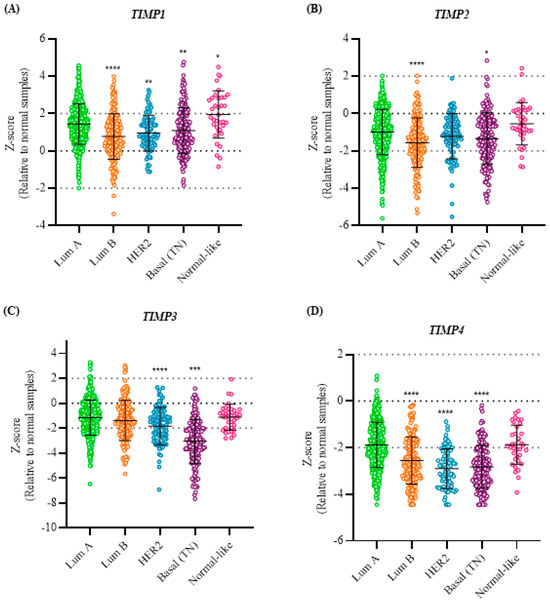
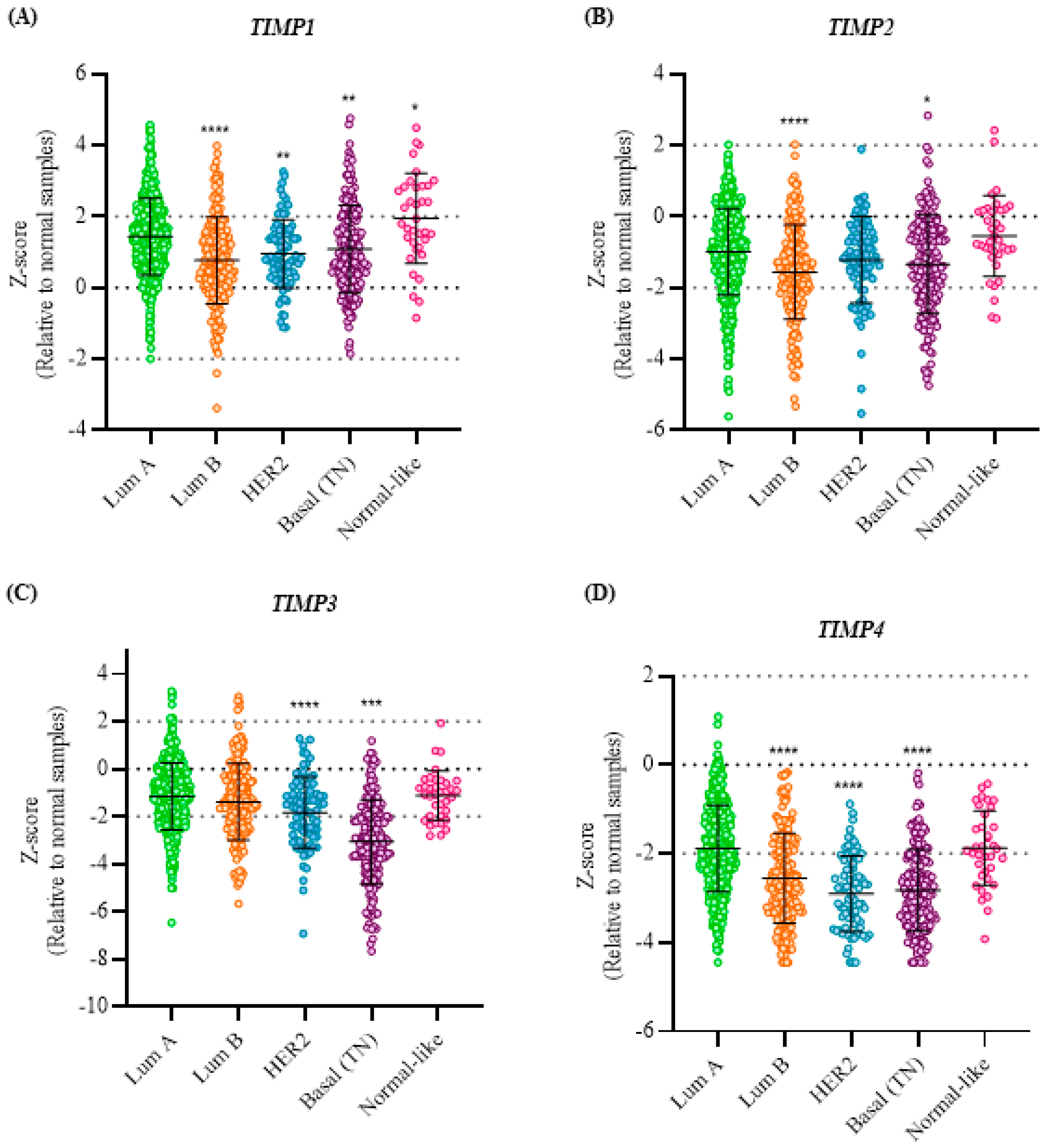
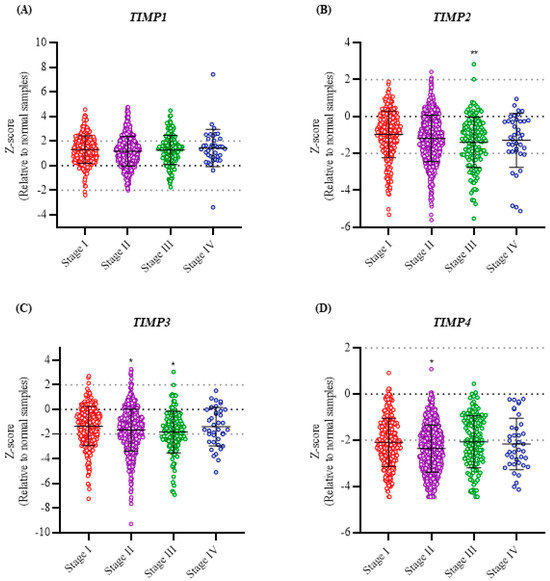
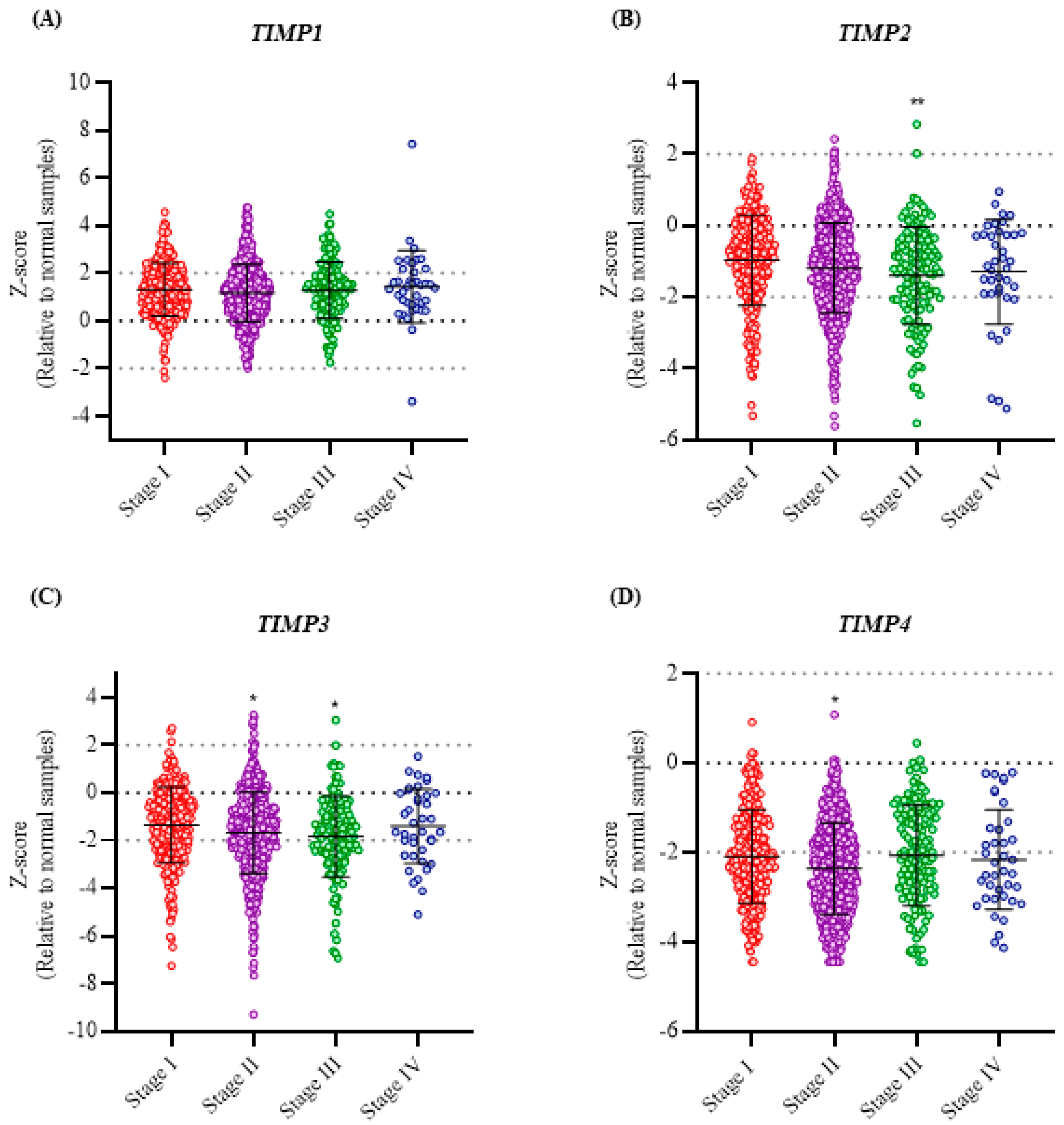
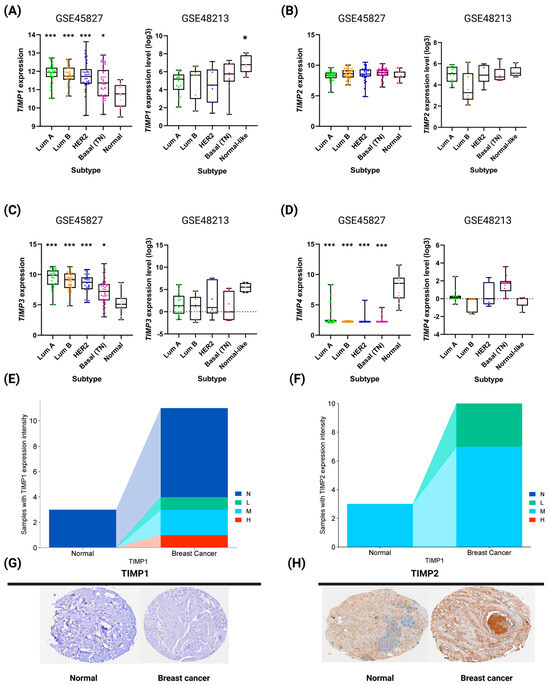
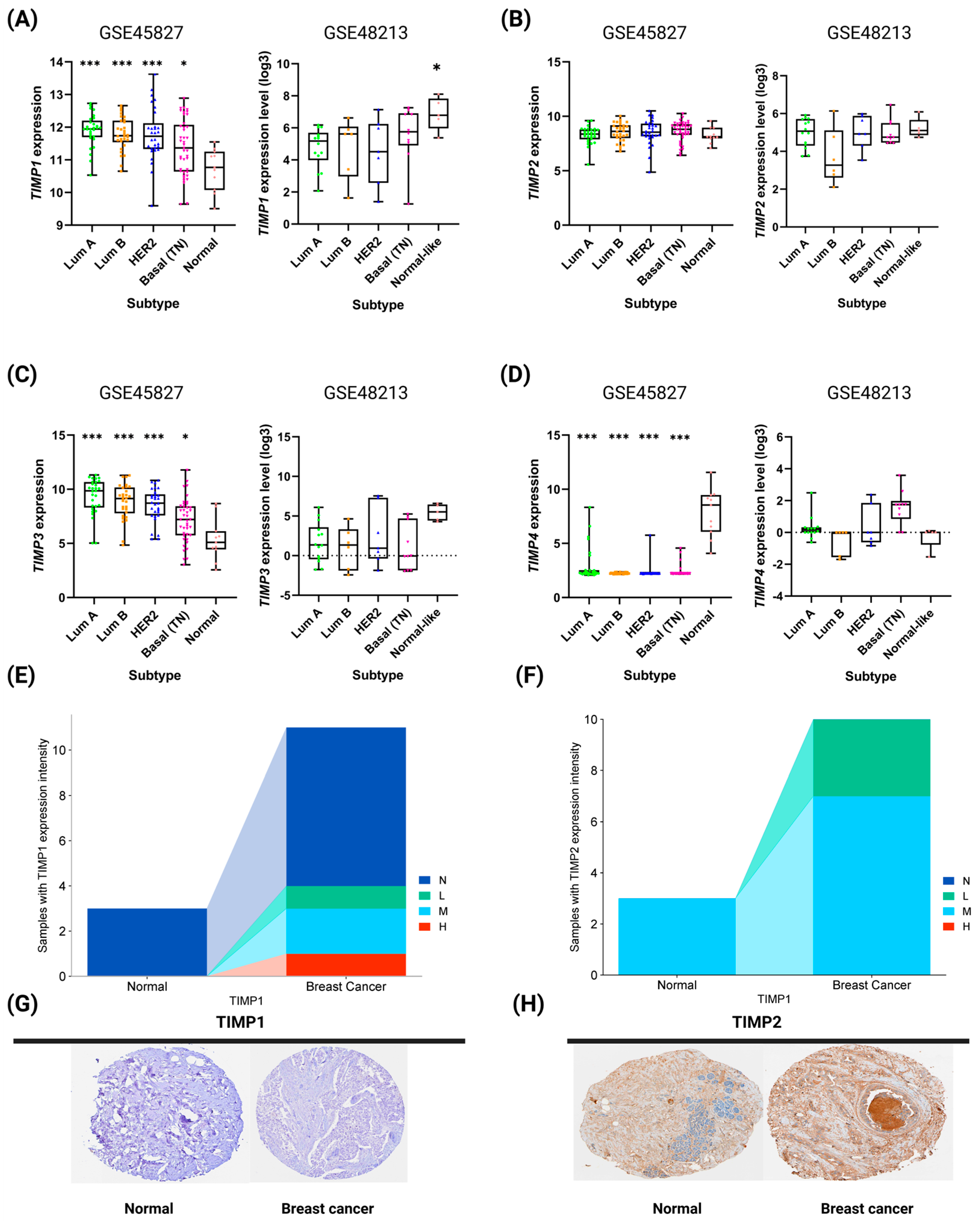
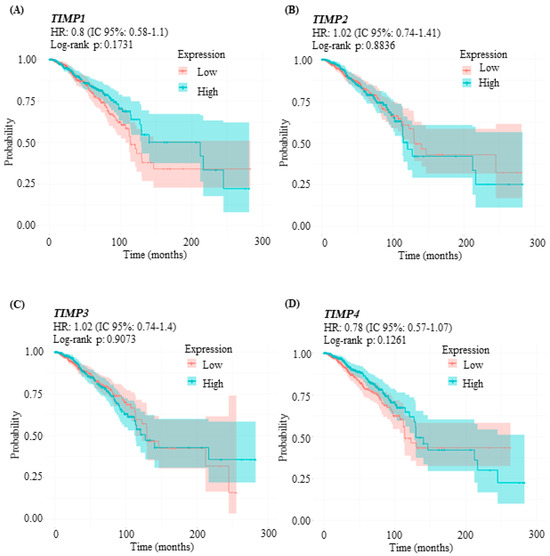
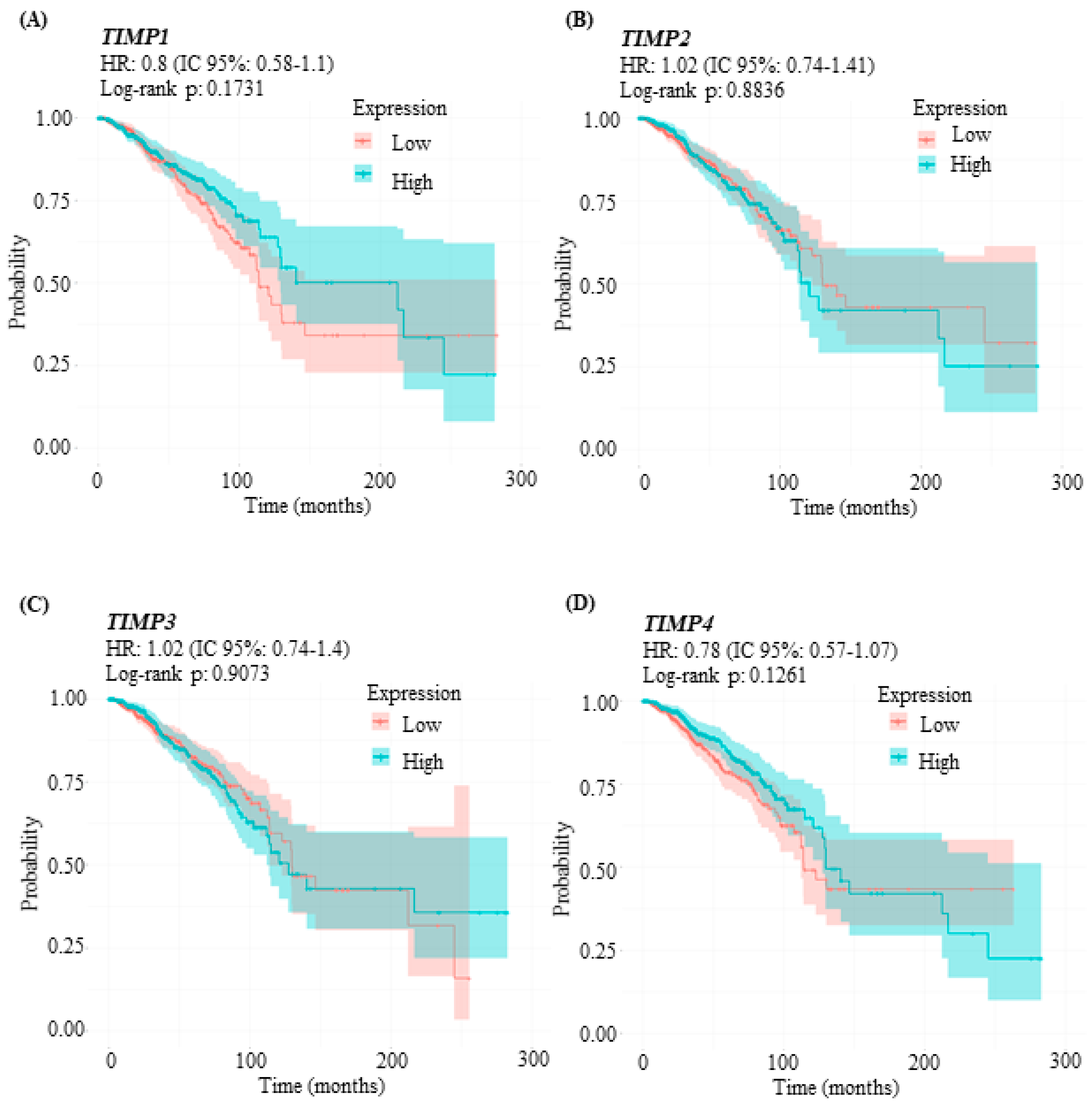
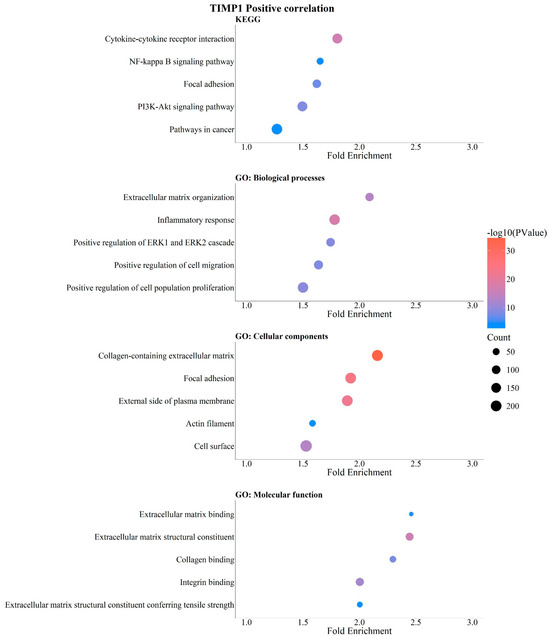
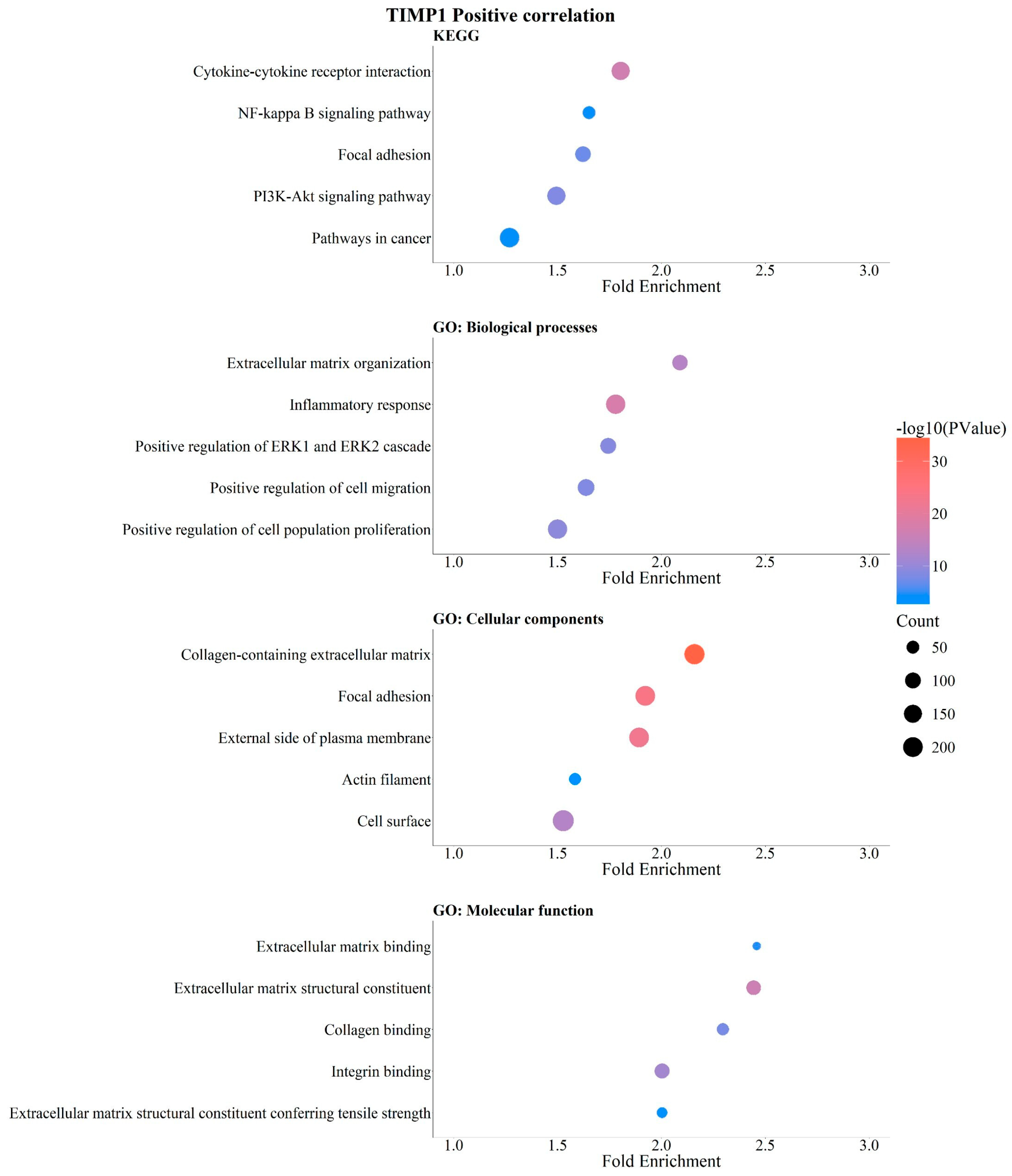
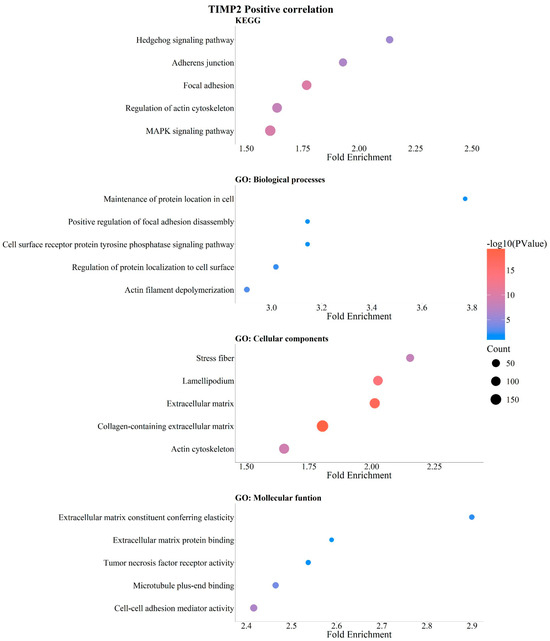
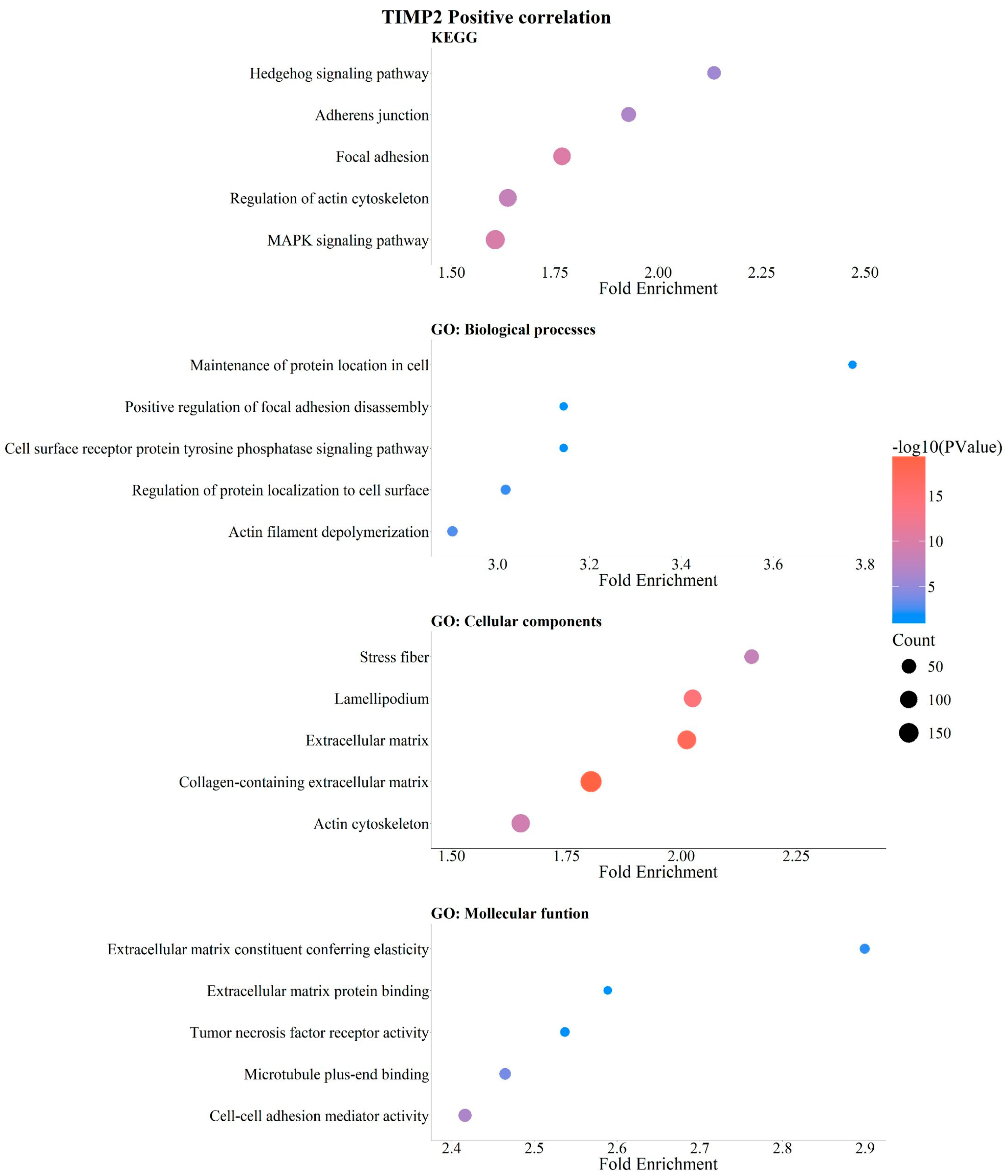
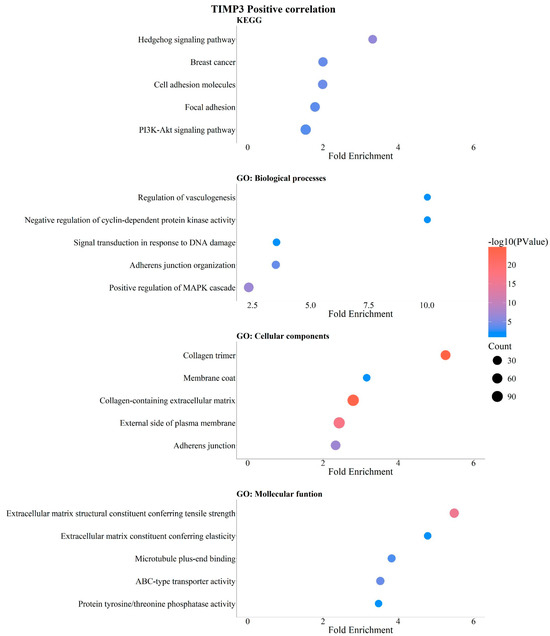
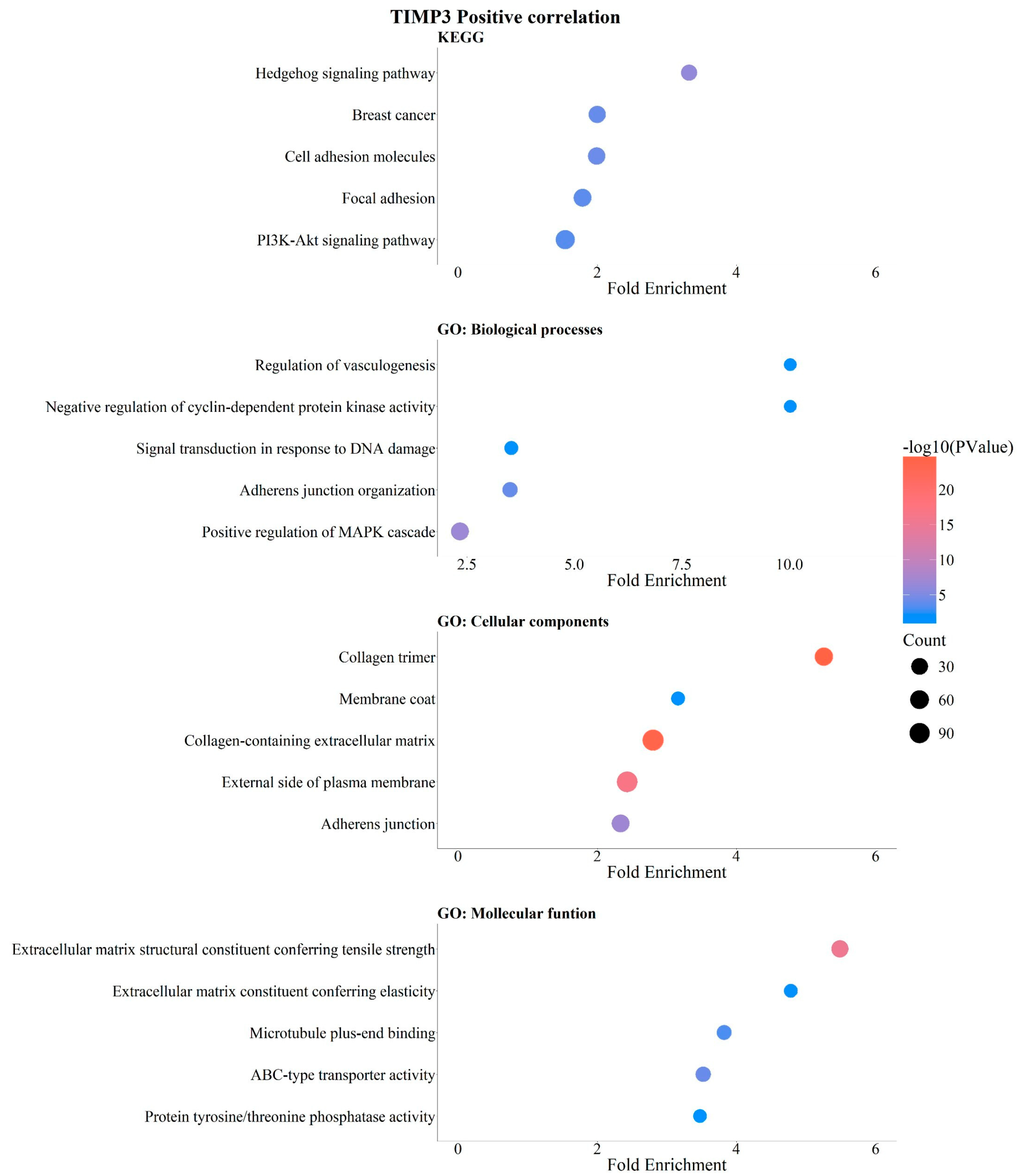
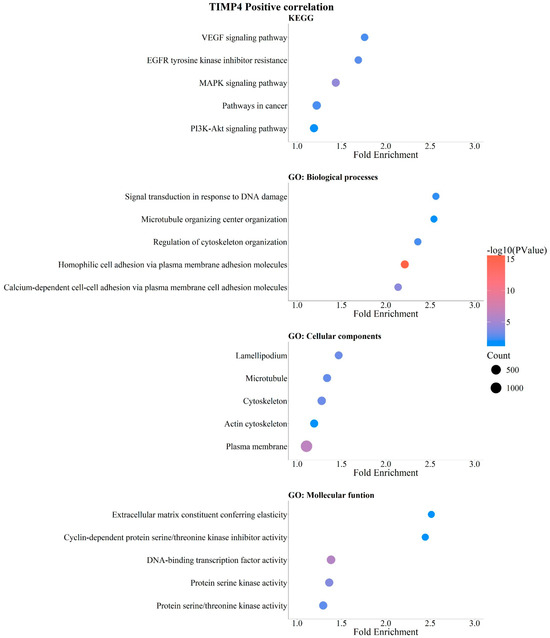
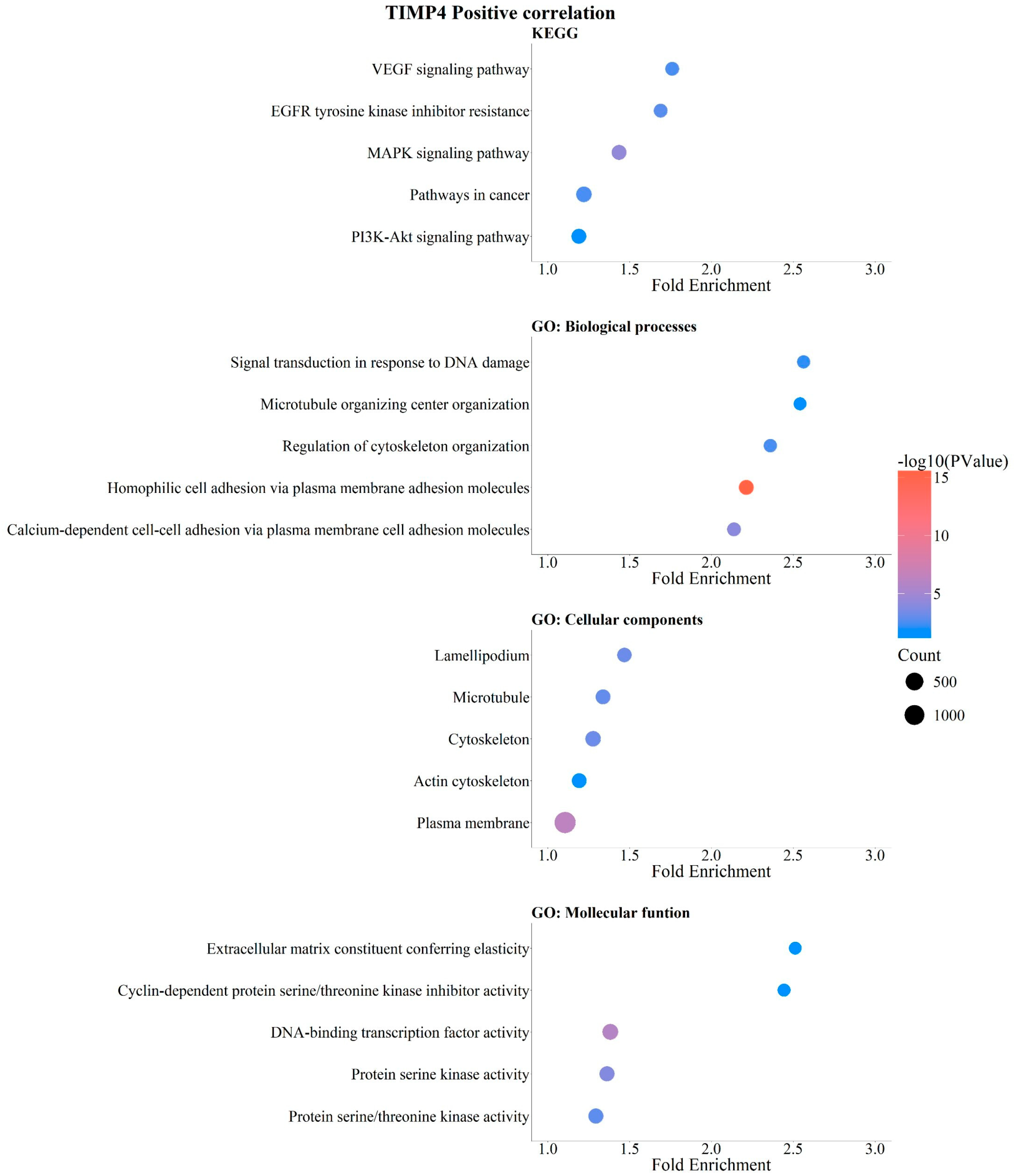
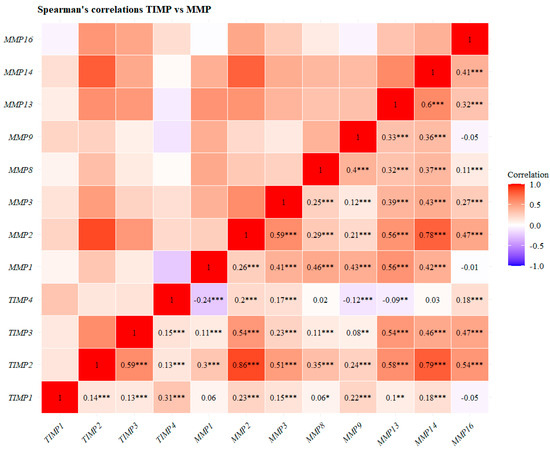
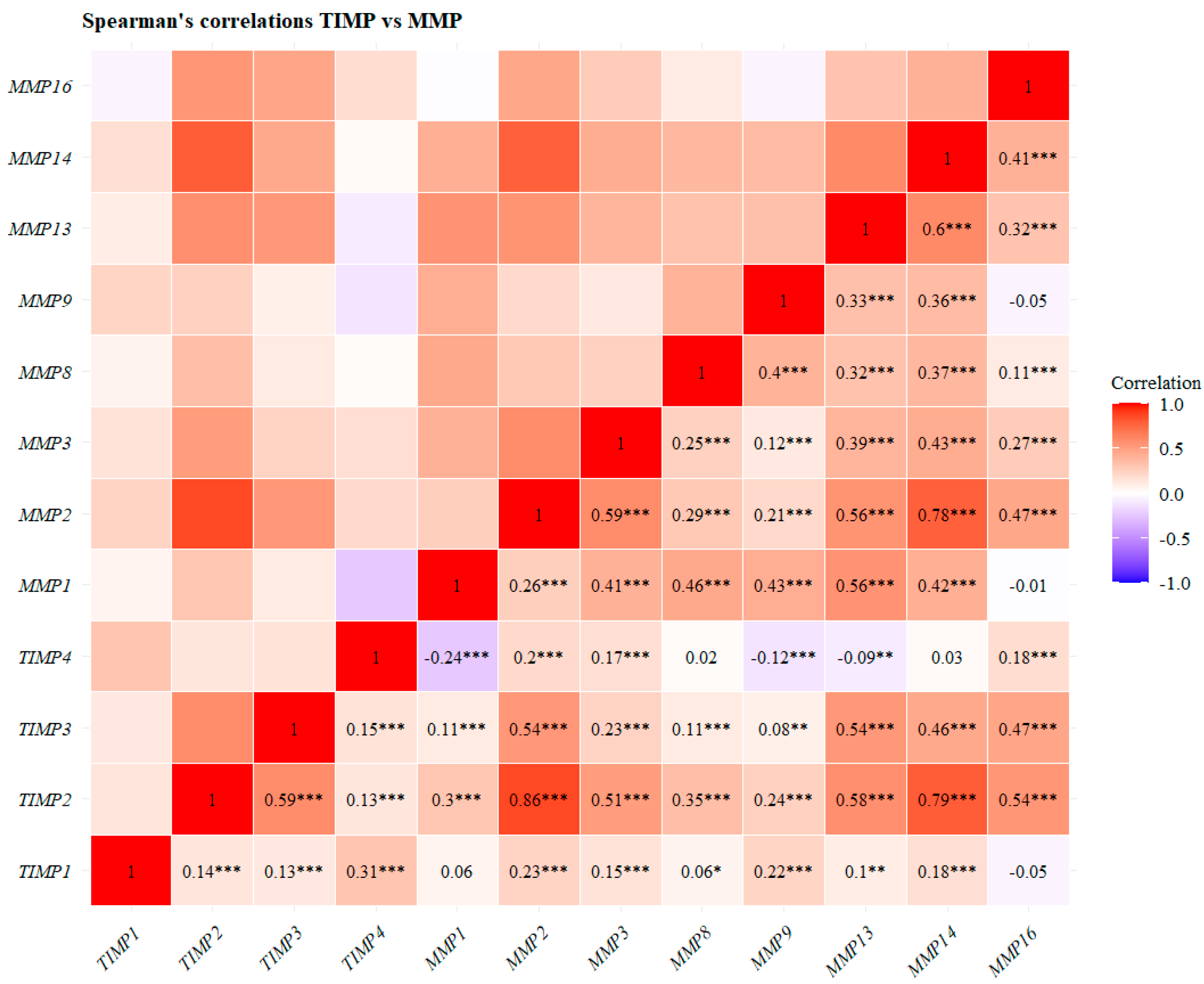
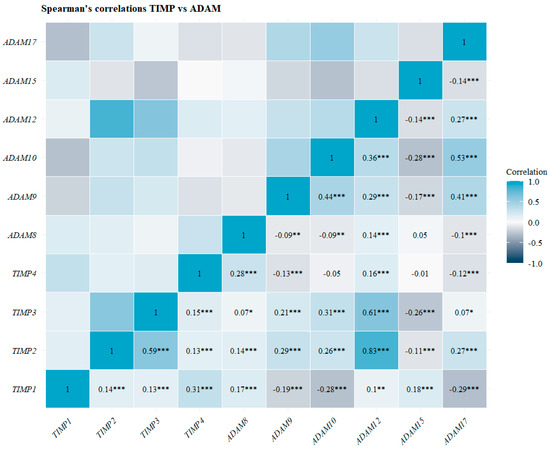
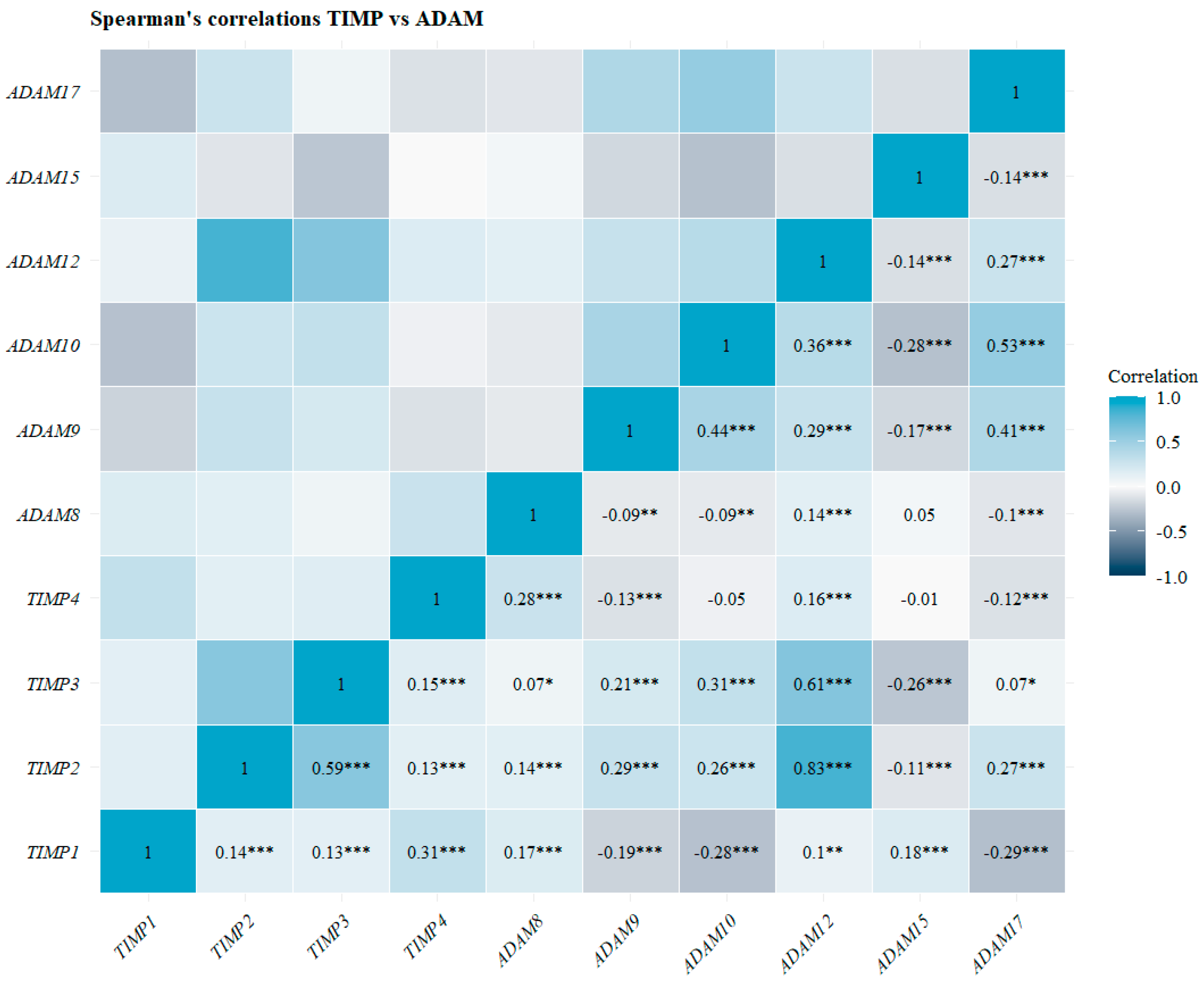
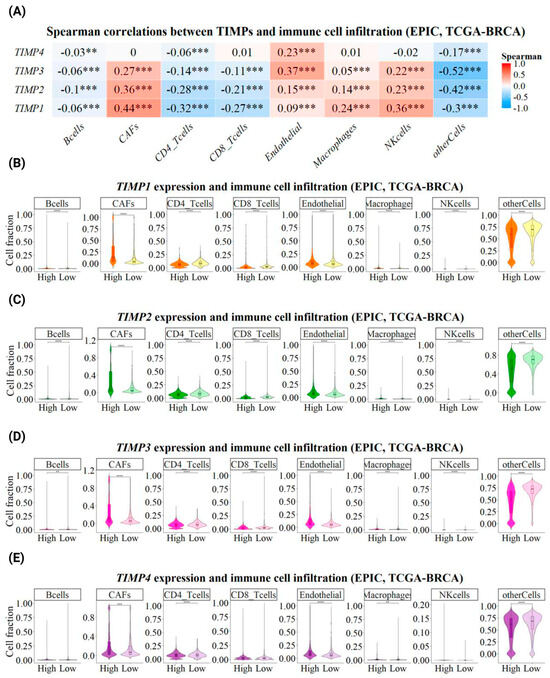
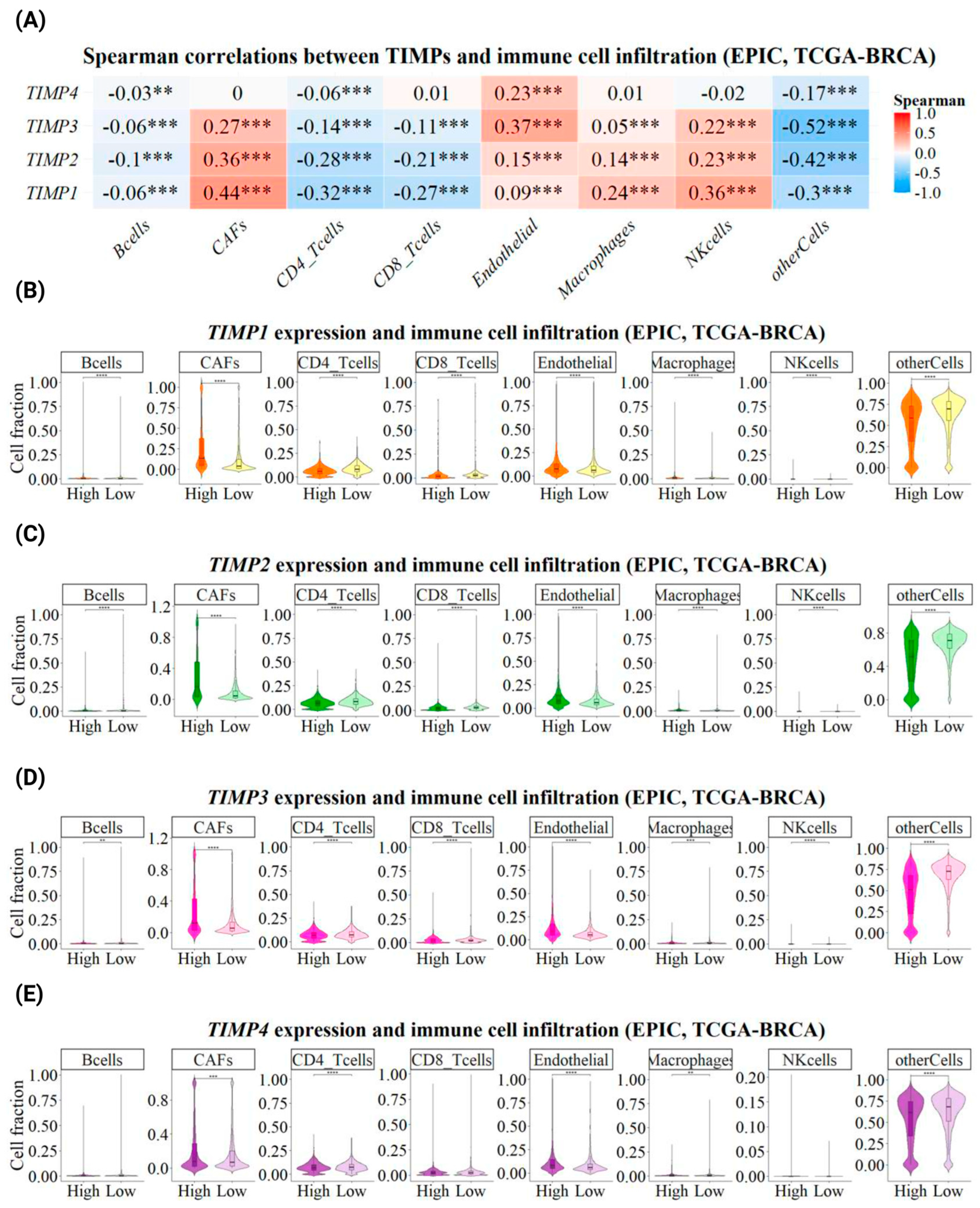
Disclaimer/Publisher’s Note: The statements, opinions and data contained in all publications are solely those of the individual author(s) and contributor(s) and not of MDPI and/or the editor(s). MDPI and/or the editor(s) disclaim responsibility for any injury to people or property resulting from any ideas, methods, instructions or products referred to in the content. |
© 2026 by the authors. Licensee MDPI, Basel, Switzerland. This article is an open access article distributed under the terms and conditions of the Creative Commons Attribution (CC BY) license.