Article

Investigation of Electron Transfer Mechanistic Pathways of Ferrocene Derivatives in Droplet at Carbon Electrode


1
Department of Chemistry, Quaid-Azam University, Islamabad 45320, Pakistan
2
School of Applied Sciences and Humanities, National University of Technology (NUTECH), Islamabad 44000, Pakistan
*
Author to whom correspondence should be addressed.
Submission received: 13 August 2022 / Revised: 3 September 2022 / Accepted: 7 September 2022 / Published: 9 September 2022

Abstract

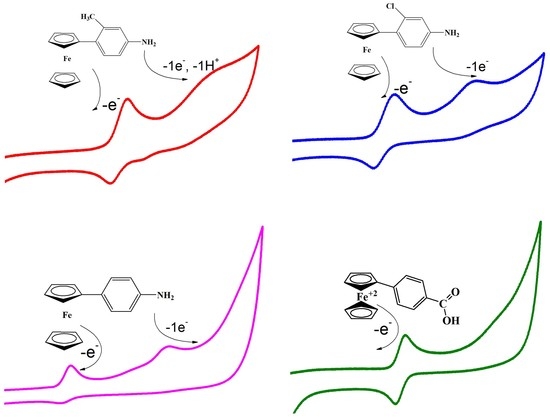
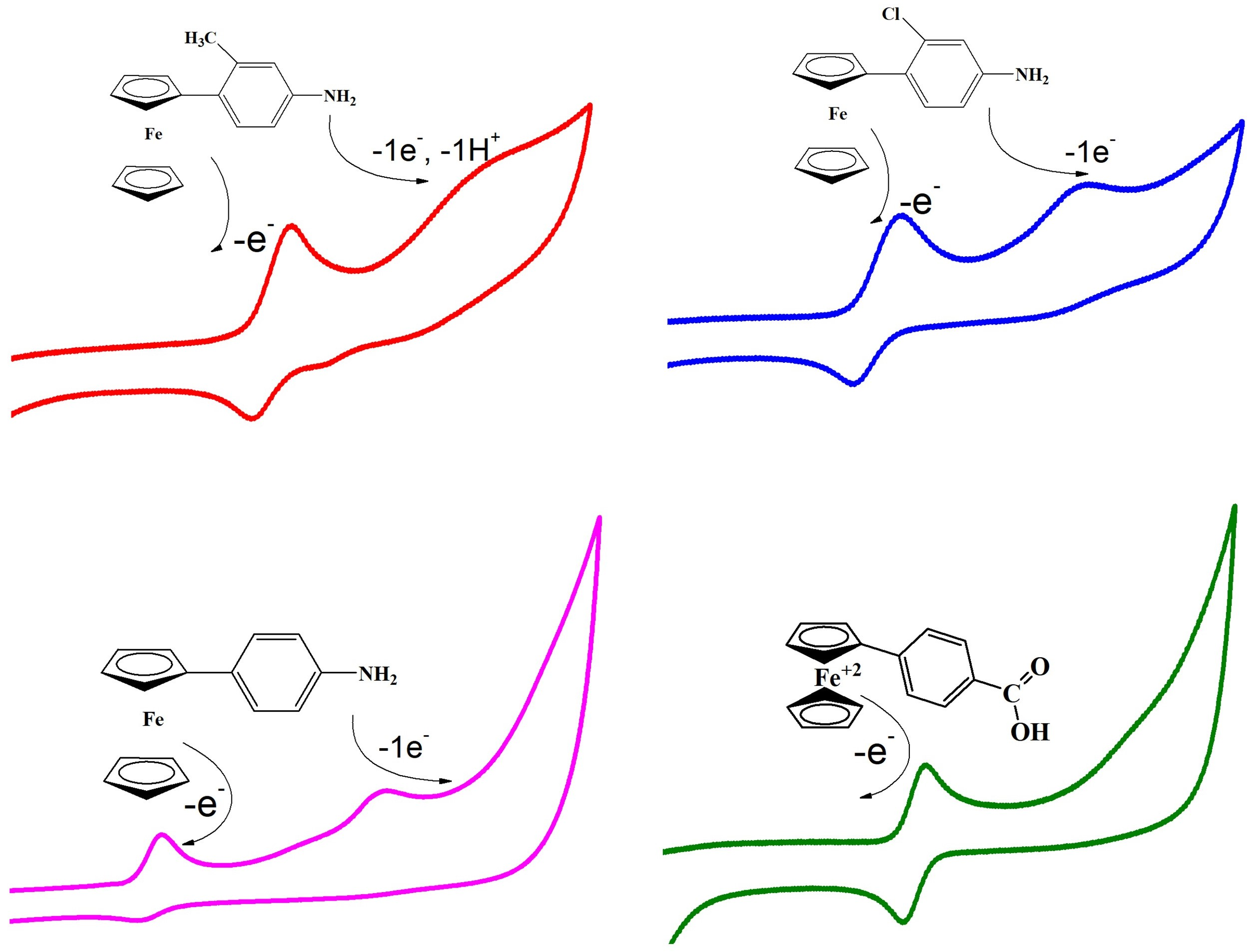
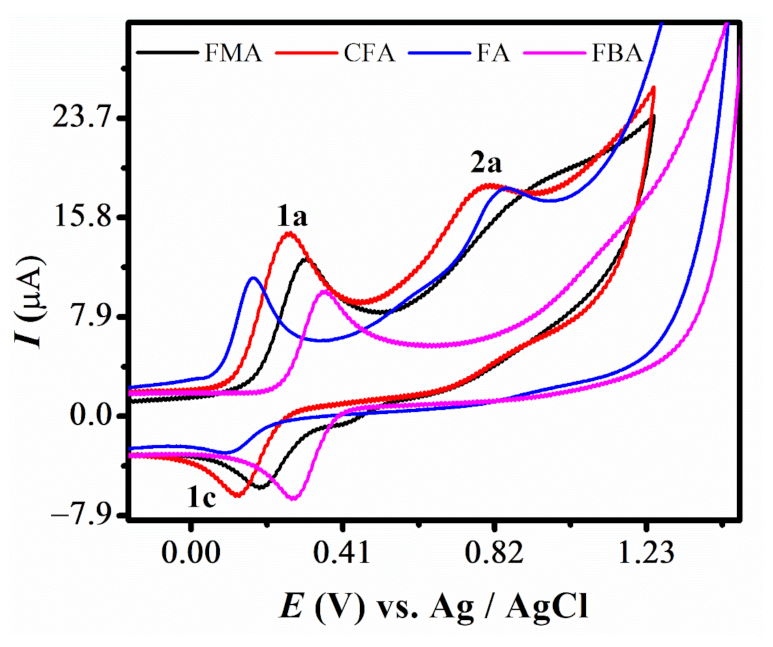
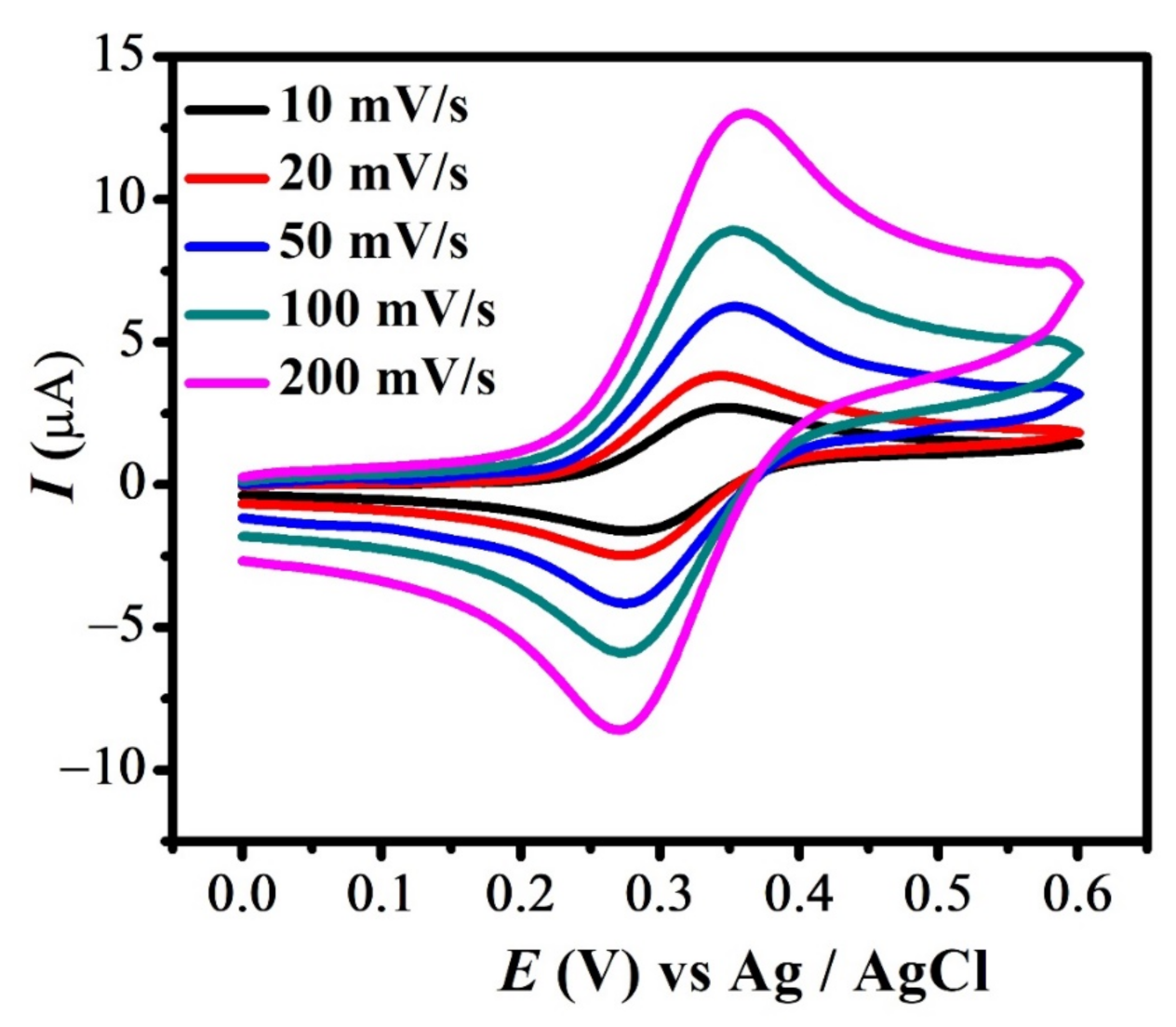
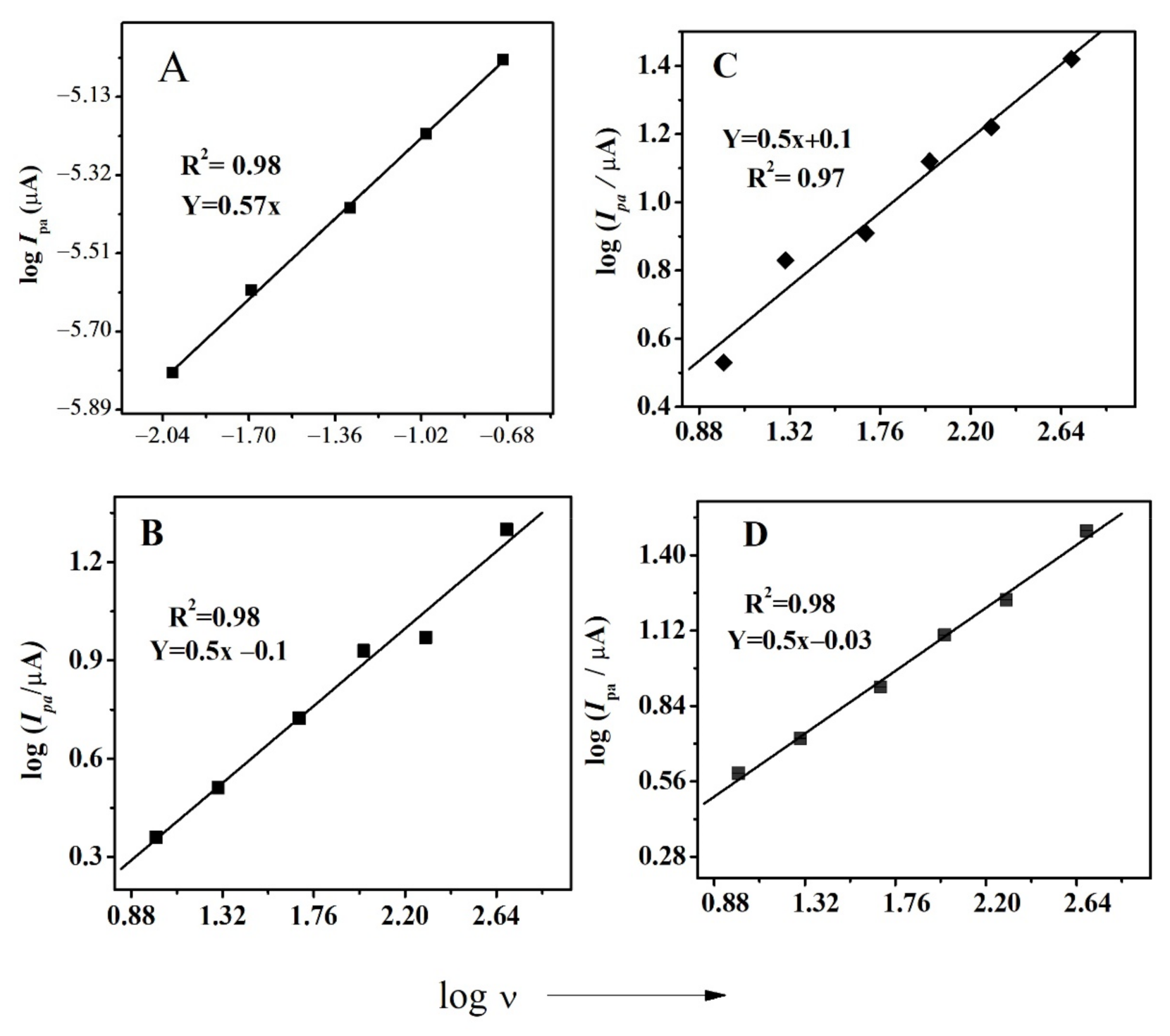
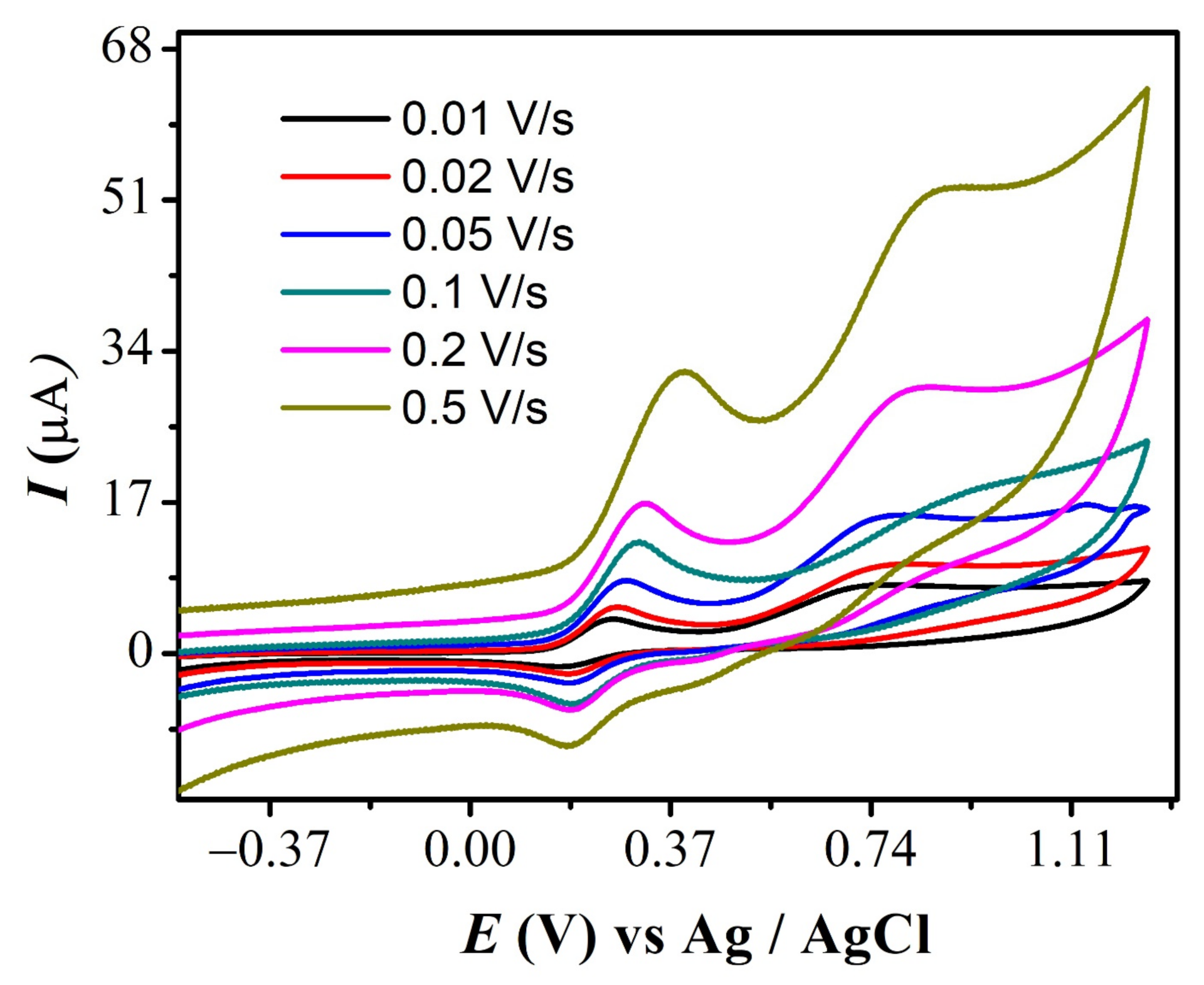
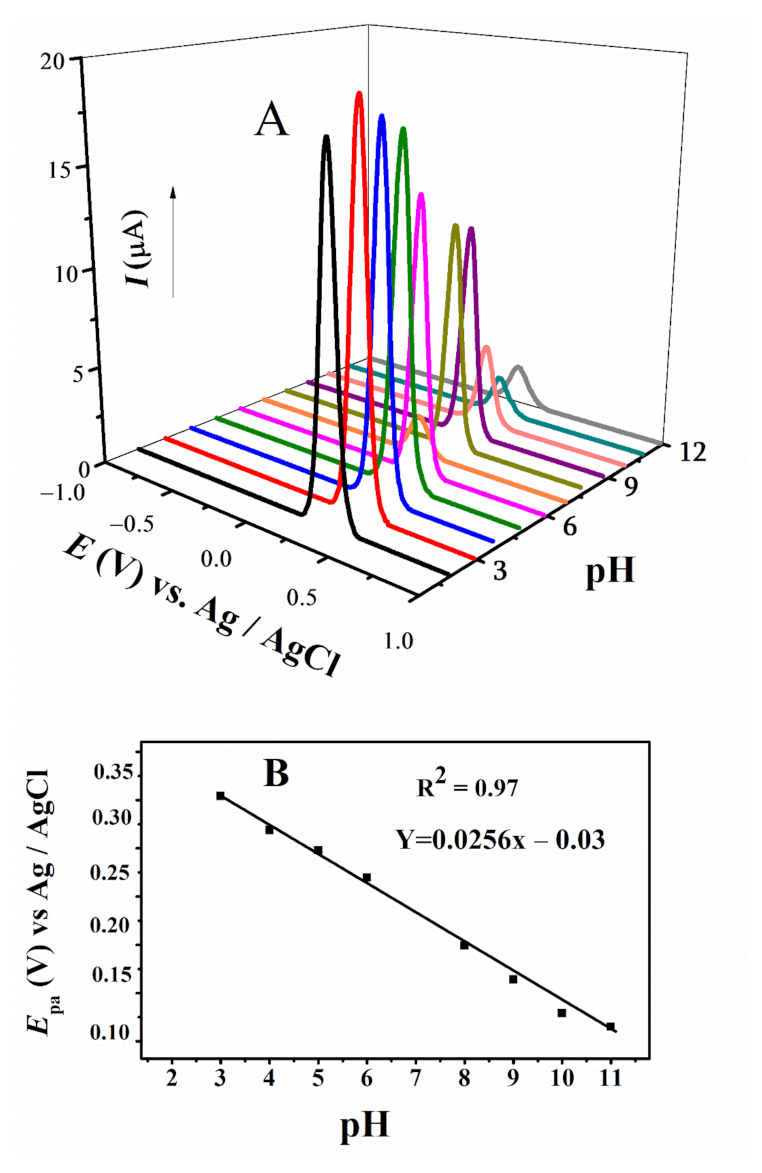
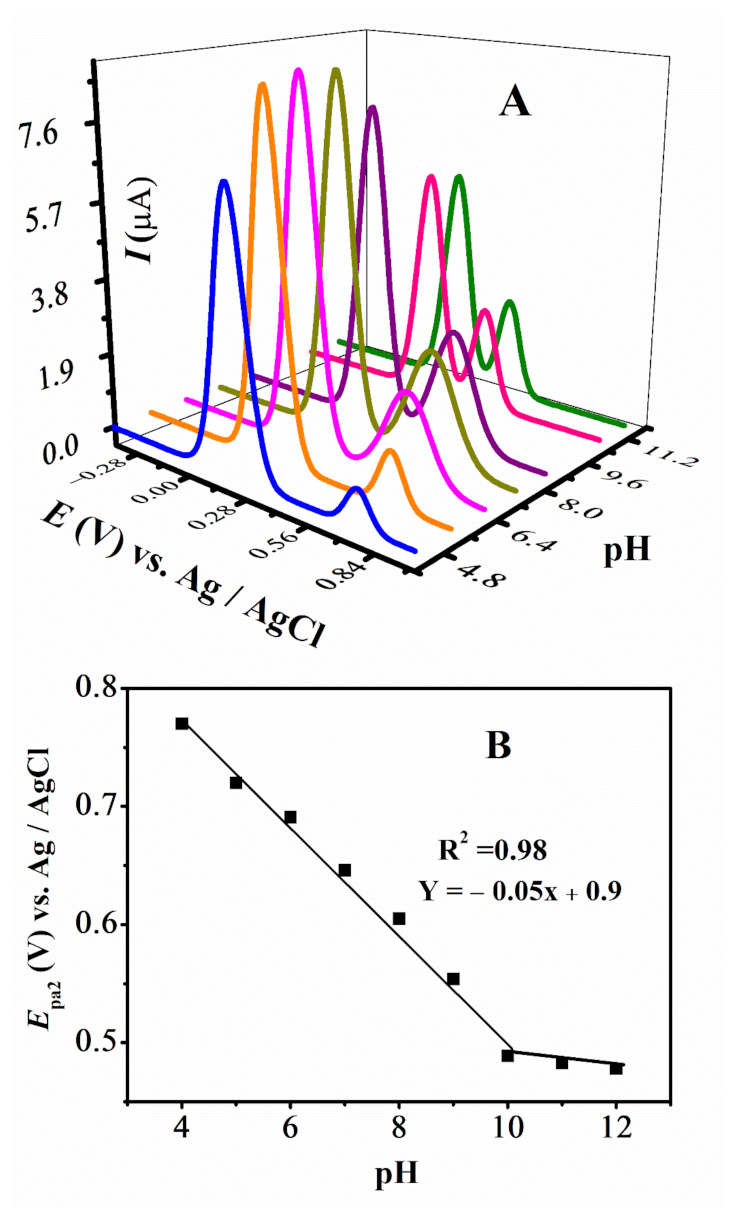
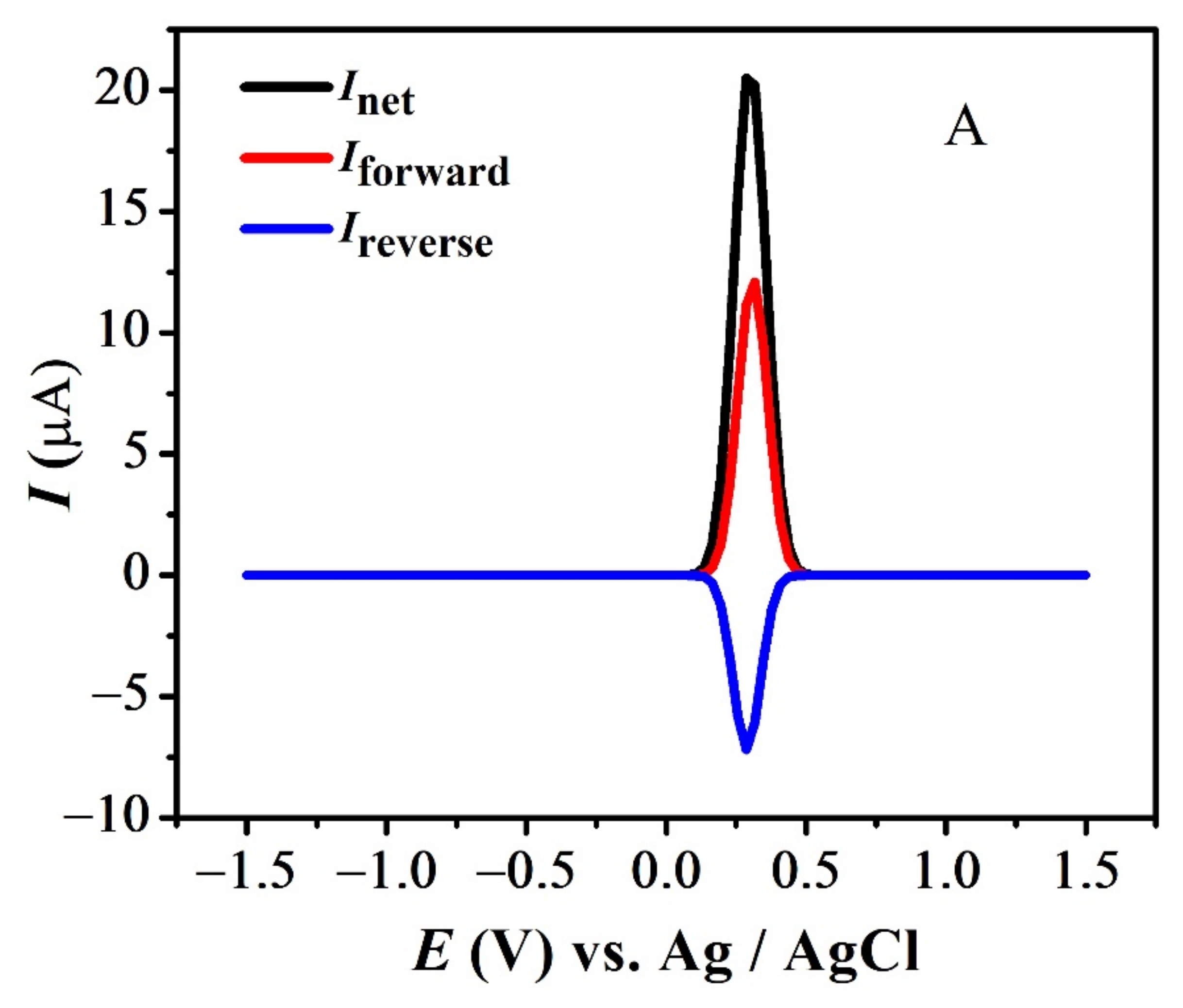
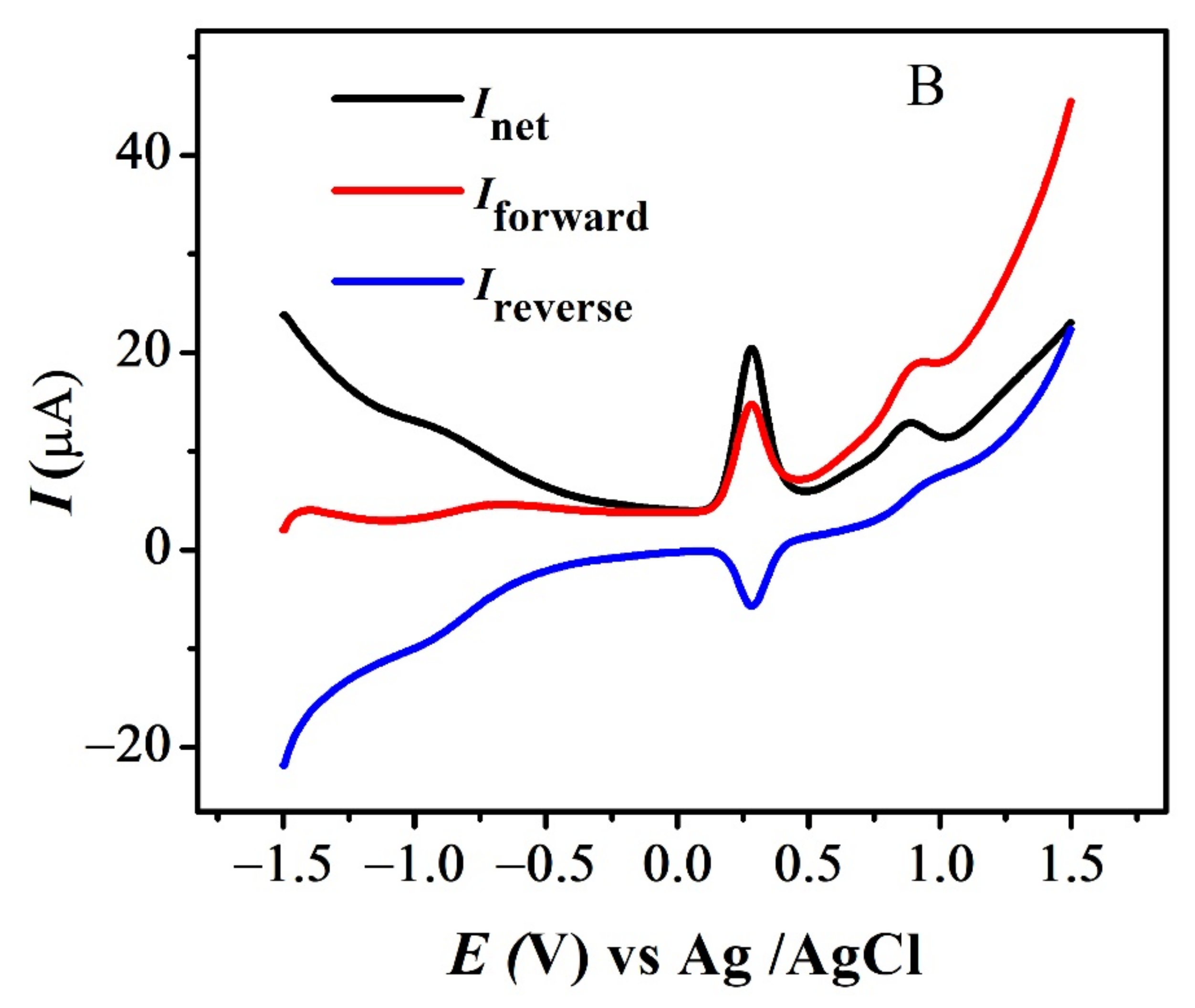
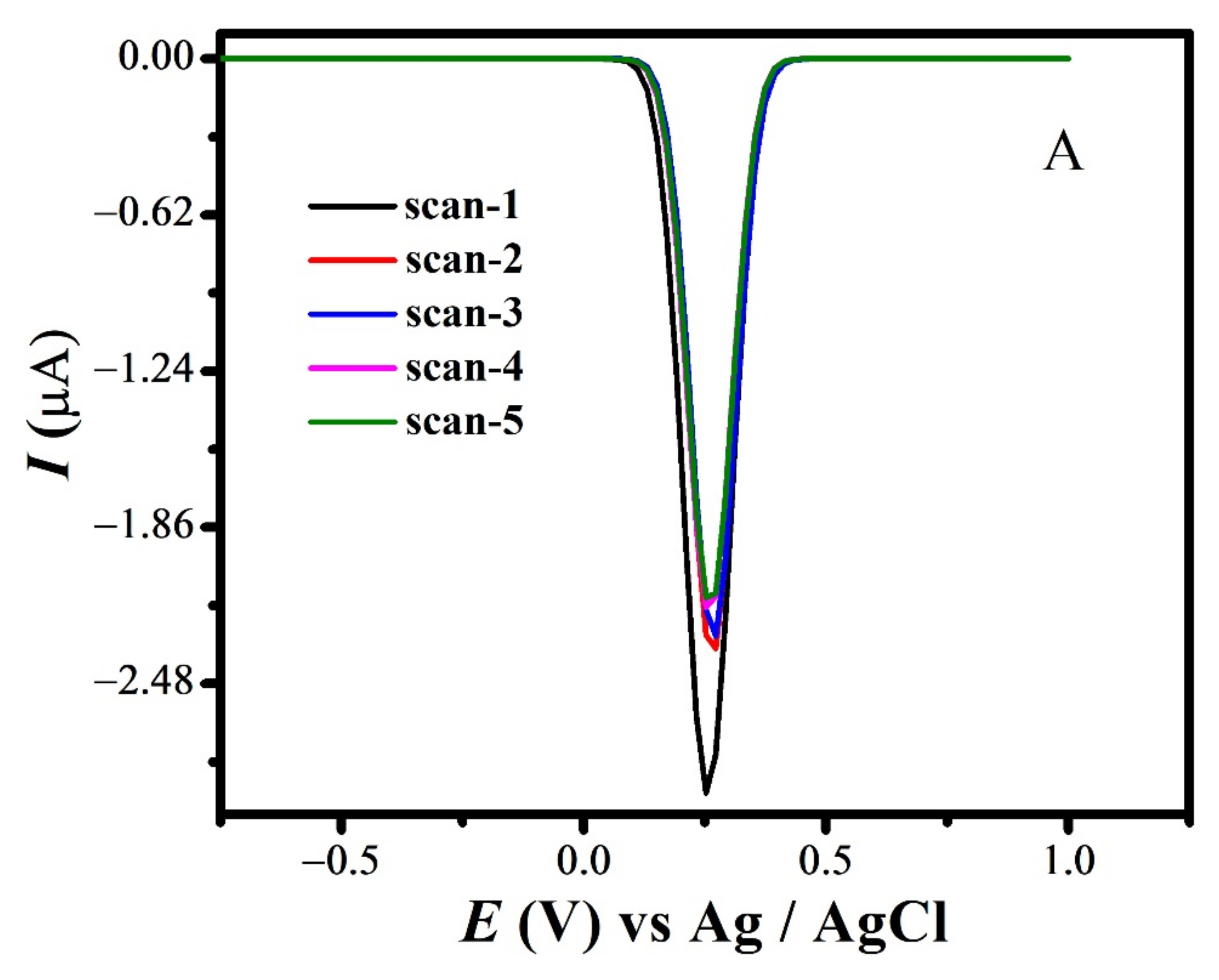
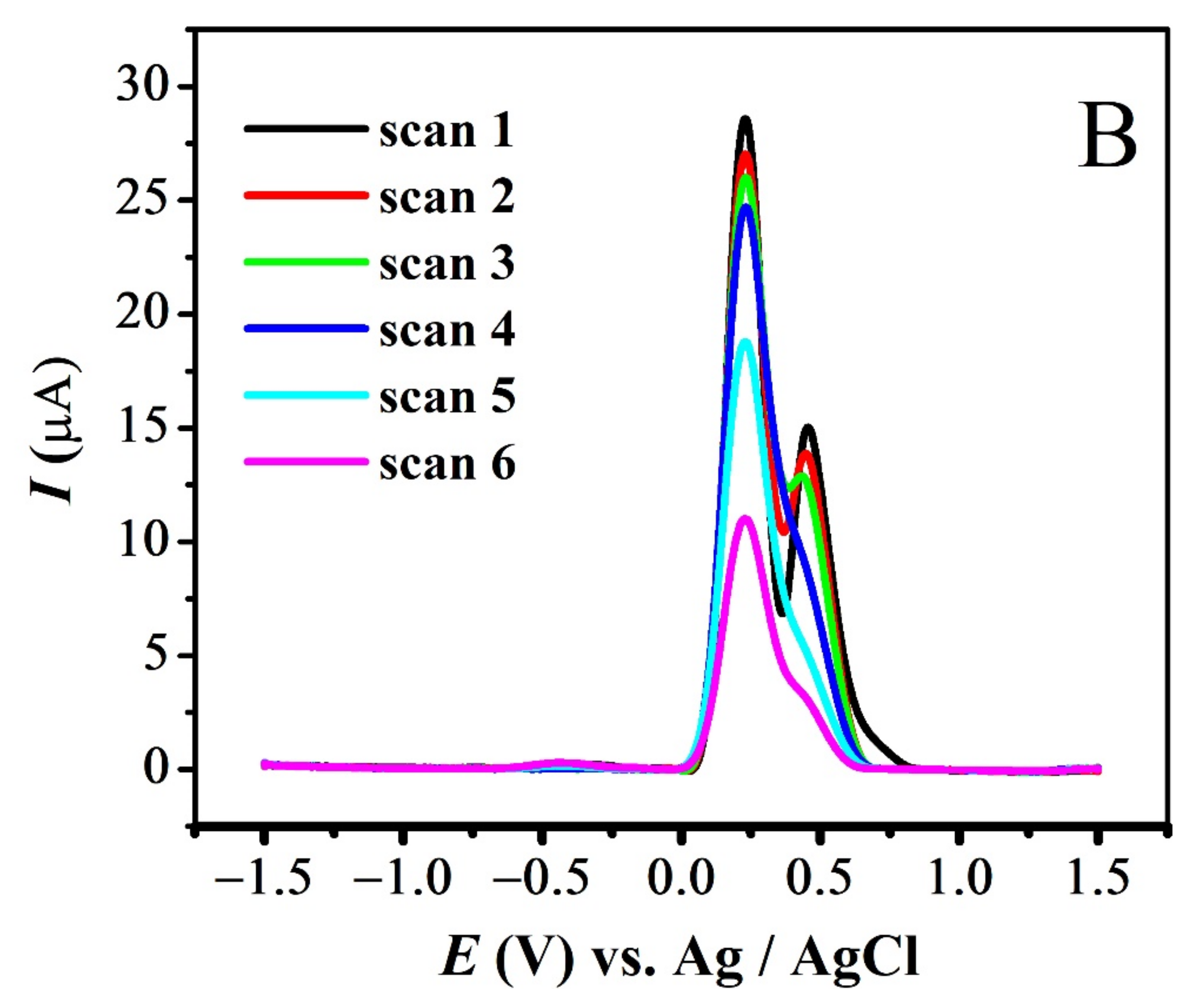
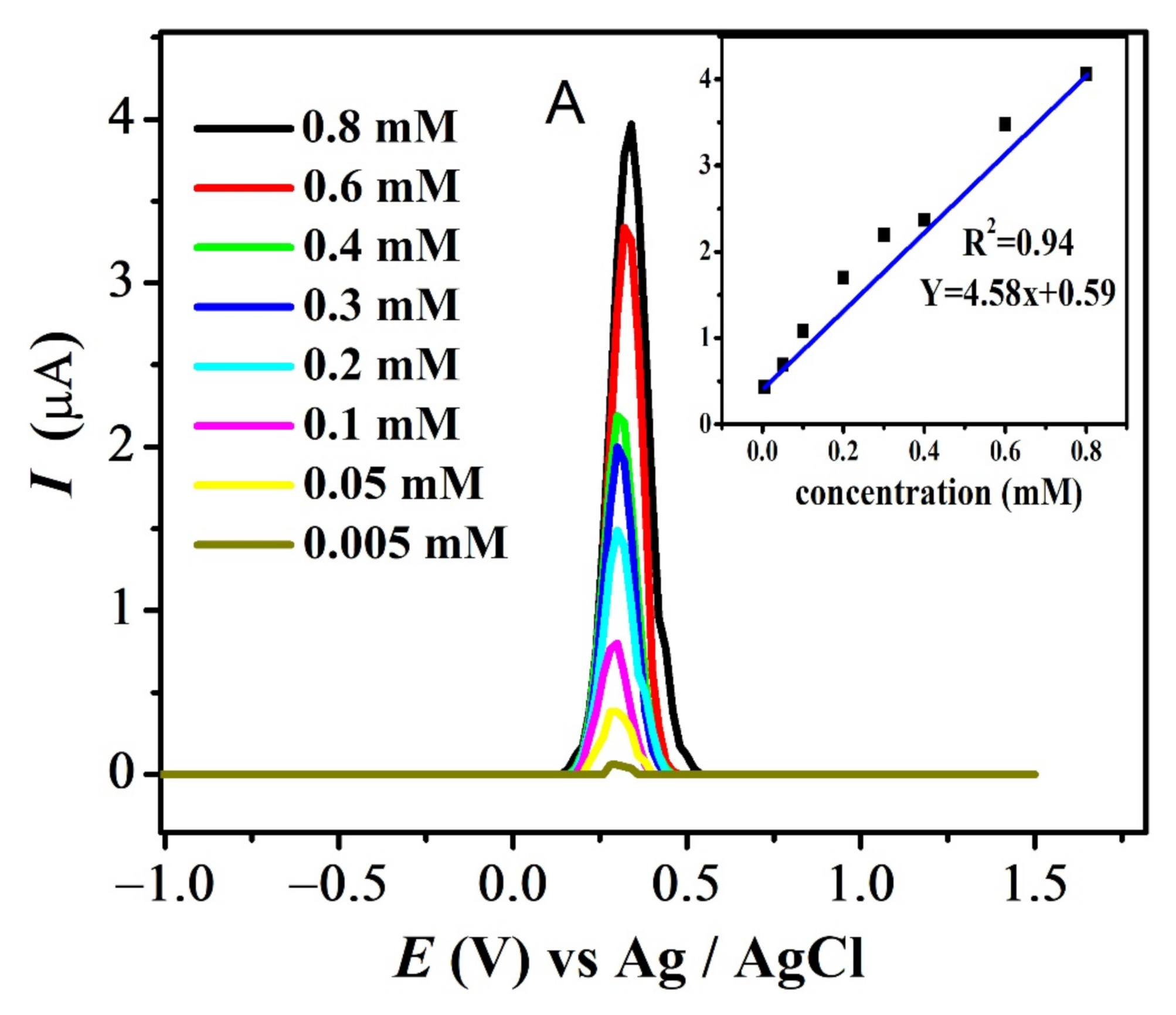
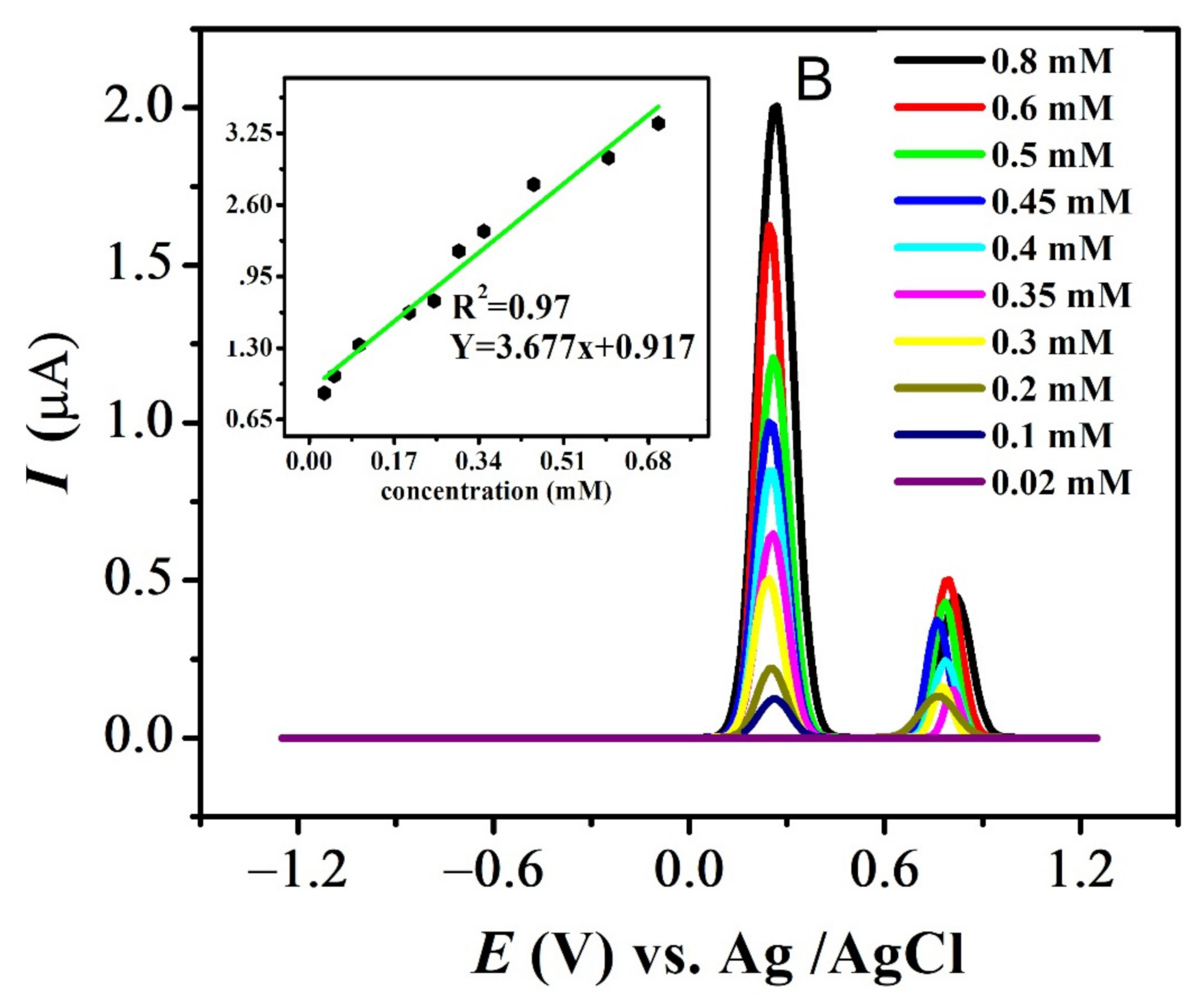
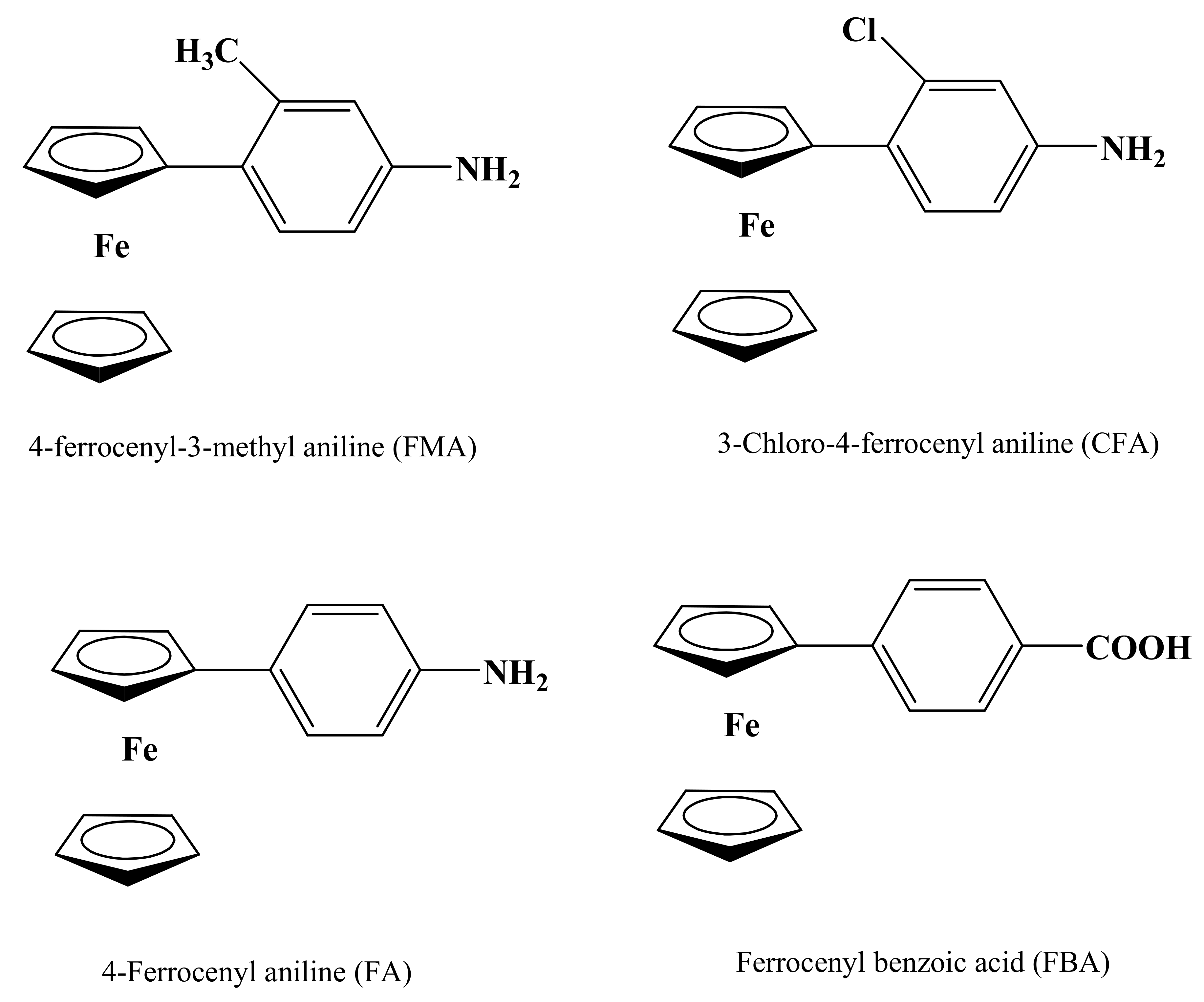
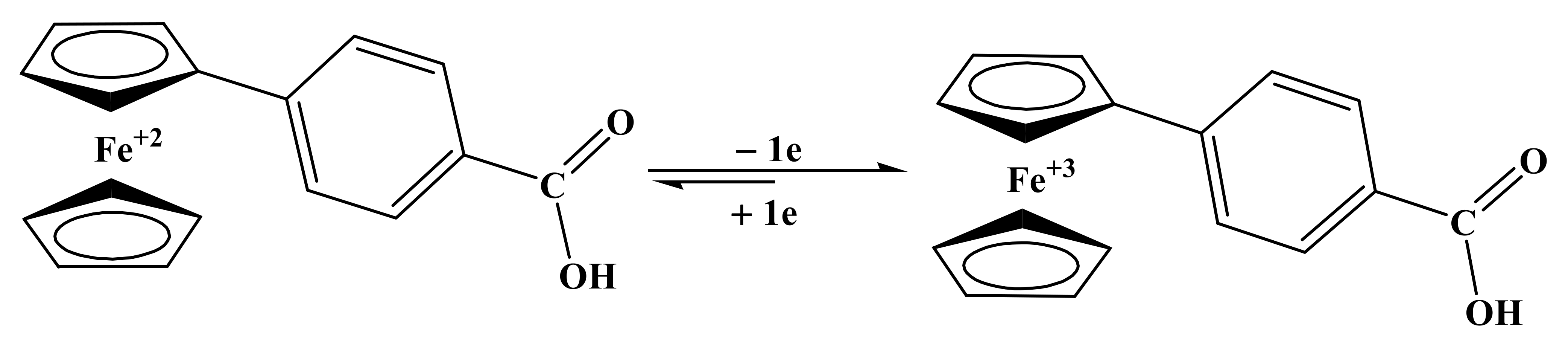
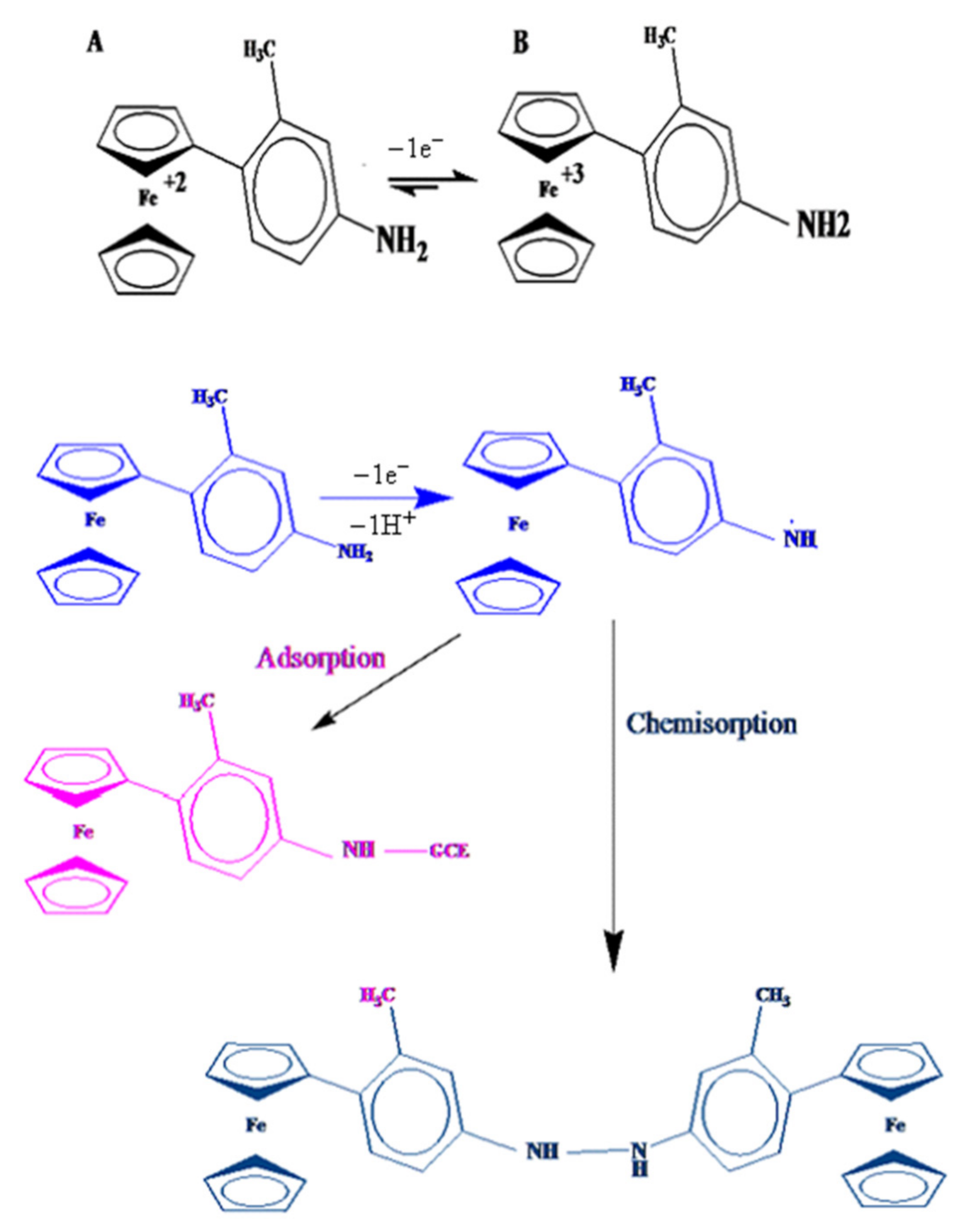
The results of cyclic, differential pulse and square wave voltammetric studies of four ferrocene derivatives, i.e., 4-ferrocenyl-3-methyl aniline (FMA), 3-Chloro-4-ferrocenyl aniline (CFA), 4-ferrocenyl aniline (FA) and ferrocenyl benzoic acid (FBA) on carbon electrode, revealed that the redox behavior of these compounds is sensitive to pH, concentration, scan number and scan rate. One electron, diffusion controlled, with a quasi-reversible redox signal displaying ferrocene/ferrocenium couple was observed for each of the studied ferrocenyl derivatives. Quasi-reversibility of this signal is evidenced by ∆Ep, Ia/Ic current ratio and ksh values. Another one electron and one proton irreversible oxidation signal was noticed in the voltammograms of these compounds except FBA. This signal corresponds to the electro-oxidation of the amine group and its irreversibility, as supported by ∆Ep, Ia/Ic current ratio and ksh values, is due to the influence of the electron donating nature of the amine group. A number of electrochemical parameters such as D, ksh, LOD and LOQ were evaluated for the targeted ferrocene derivatives. The obtained parameters are expected to provide insights into the redox mechanism for understanding their biochemical actions. The electrochemistry presented in this work is done using a unique environmentally benign and cost-effective droplet electrochemical approach.
Keywords: ferrocenes; electron transfer rate constant; electrochemistry in droplet; redox mechanism ferrocenes; electron transfer rate constant; electrochemistry in droplet; redox mechanism
Graphical Abstract