Article

The Effects of Lack of Awareness in Age-Related Quality of Life, Coping with Stress, and Depression among Patients with Malignant Melanoma

by
Ana-Olivia Toma
1,
Estera Boeriu
2,*,
Luminita Decean
3,
Vlad Bloanca
4,
Felix Bratosin
5,
Mihaela Codrina Levai
6,
Neeharika Gayatri Vasamsetti
7,
Satish Alambaram
8,
Andrada Licinia Oprisoni
2,
Bogdan Miutescu
9,
Kakarla Hemaswini
10,
Iulius Juganaru
11,
Andrei-Cristian Bondar
12 and
Marius Liviu Moise
13
1
Department of Microbiology, “Victor Babes” University of Medicine and Pharmacy, Eftimie Murgu Square 2, 300041 Timisoara, Romania
2
Department of Pediatrics, Discipline of Pediatric Oncology and Hematology, “Victor Babes” University of Medicine and Pharmacy Timisoara, Eftimie Murgu Square 2, 300041 Timisoara, Romania
3
Faculty of General Medicine, George Emil Palade University of Medicine, Pharmacy, Science and Technology, Strada Gheorghe Marinescu 38, 540139 Targu Mures, Romania
4
Department of Plastic Surgery, “Victor Babes” University of Medicine and Pharmacy Timisoara, Eftimie Murgu Square 2, 300041 Timisoara, Romania
5
Methodological and Infectious Diseases Research Center, Department of Infectious Diseases, “Victor Babes” University of Medicine and Pharmacy, 300041 Timisoara, Romania
6
Research Center for Medical Communication, “Victor Babes” University of Medicine and Pharmacy, 300041 Timisoara, Romania
7
Faculty of General Medicine Nizampura, Kaloji Narayana Rao University of Health Sciences, Warangal 506007, India
8
Bhaskar Medical College, Amdapur Road 156-162, Hyderabad 500075, India
9
Department of Gastroenterology and Hepatology, “Victor Babes” University of Medicine and Pharmacy Timisoara, Eftimie Murgu Square 2, 300041 Timisoara, Romania
10
Malla Reddy Institute of Medical Sciences, Suraram Main Road 138, Hyderabad 500055, India
11
Department of Pediatrics, “Victor Babes” University of Medicine and Pharmacy, Eftimie Murgu Sq. No. 2, 300041 Timisoara, Romania
12
Psychiatry Hospital “Prof. Dr. Alexandru Obregia”, Soseaua Berceni 10, 041914 Bucuresti, Romania
13
Department of Radiology, “Premiere” Hospital—“Regina Maria”, Calea Aradului 113, 300643 Timisoara, Romania
*
Author to whom correspondence should be addressed.
Curr. Oncol. 2023, 30(2), 1516-1528; https://doi.org/10.3390/curroncol30020116

Submission received: 5 December 2022 / Revised: 18 January 2023 / Accepted: 20 January 2023 / Published: 23 January 2023

Abstract

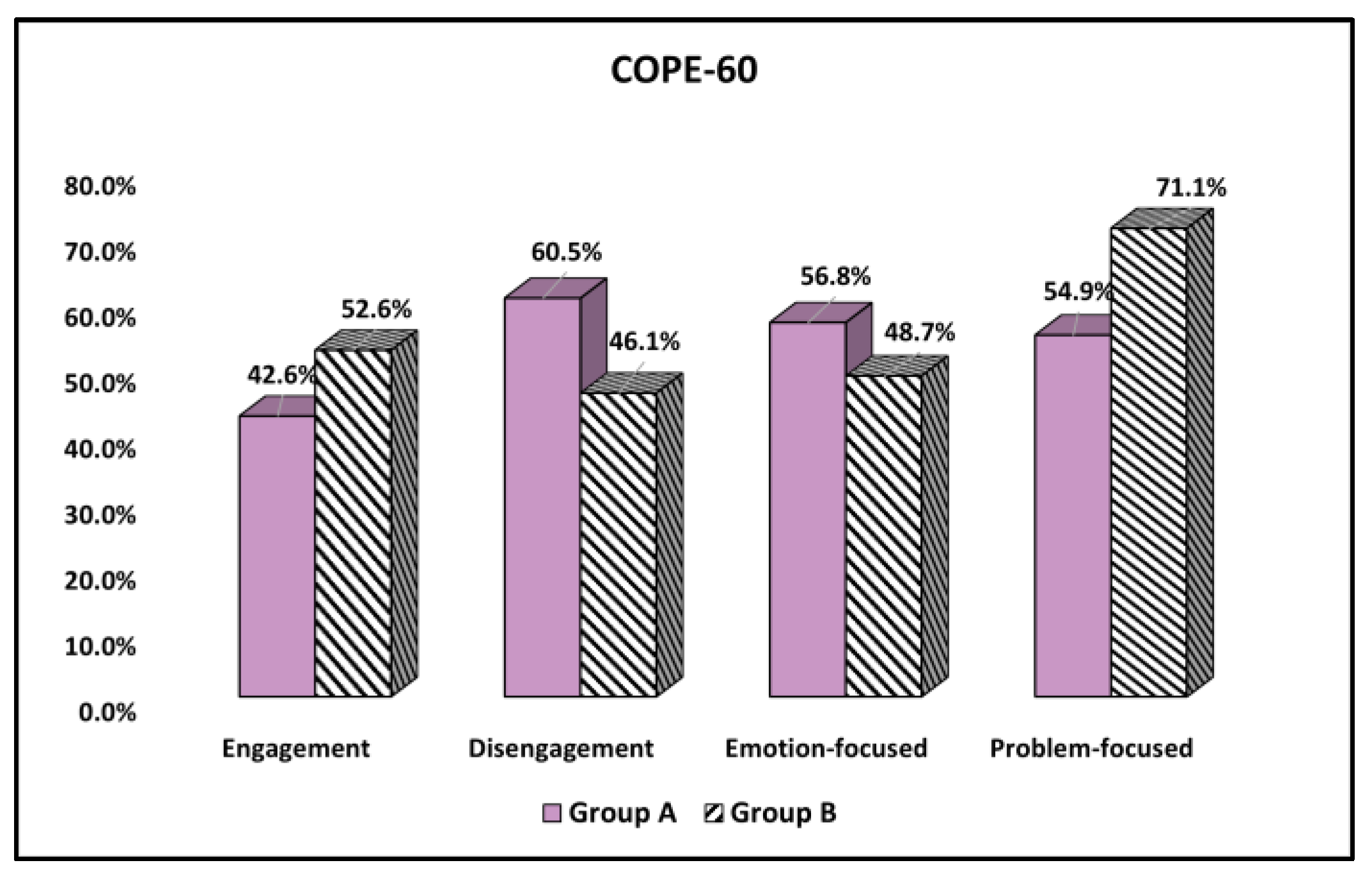
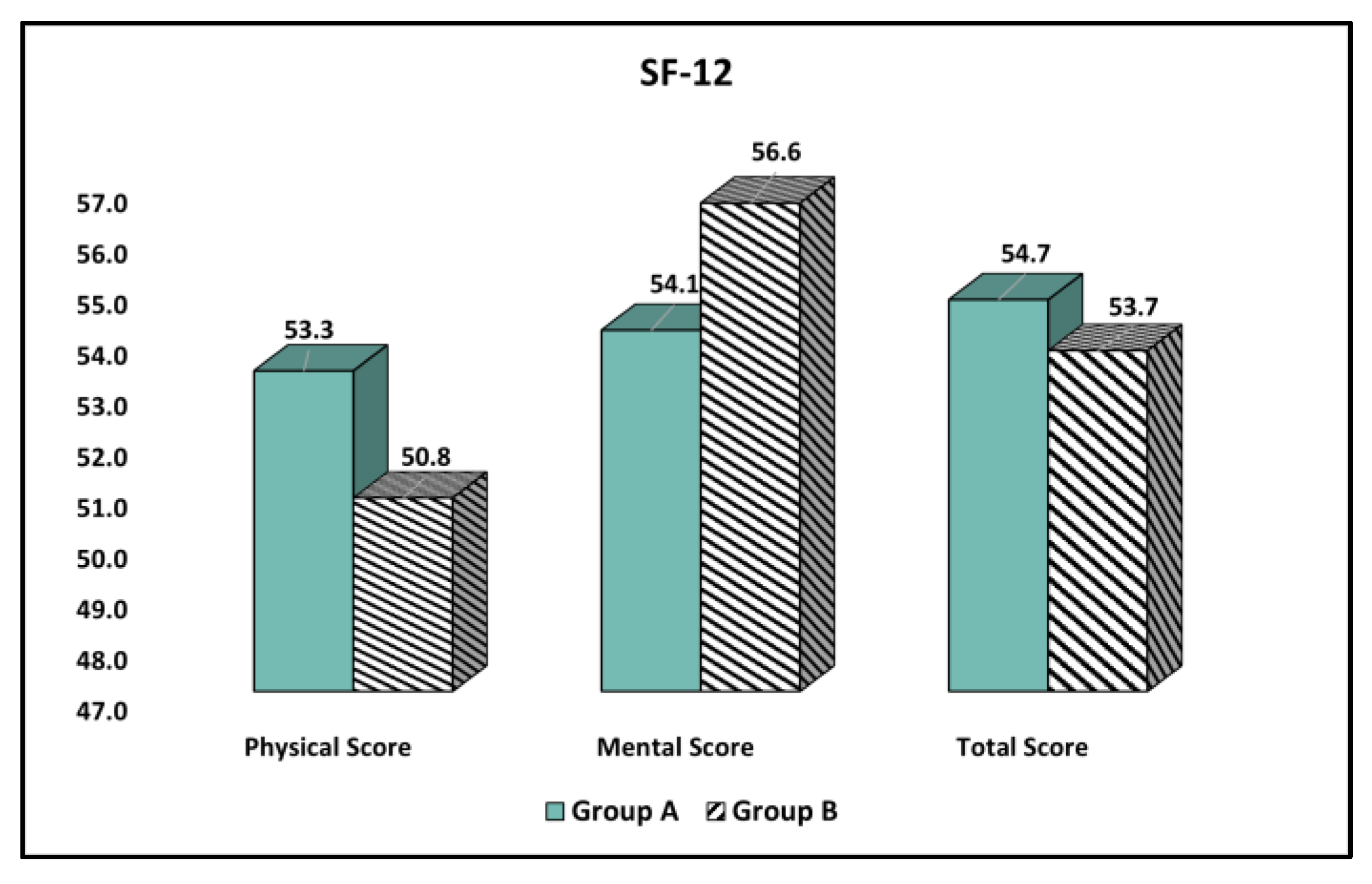
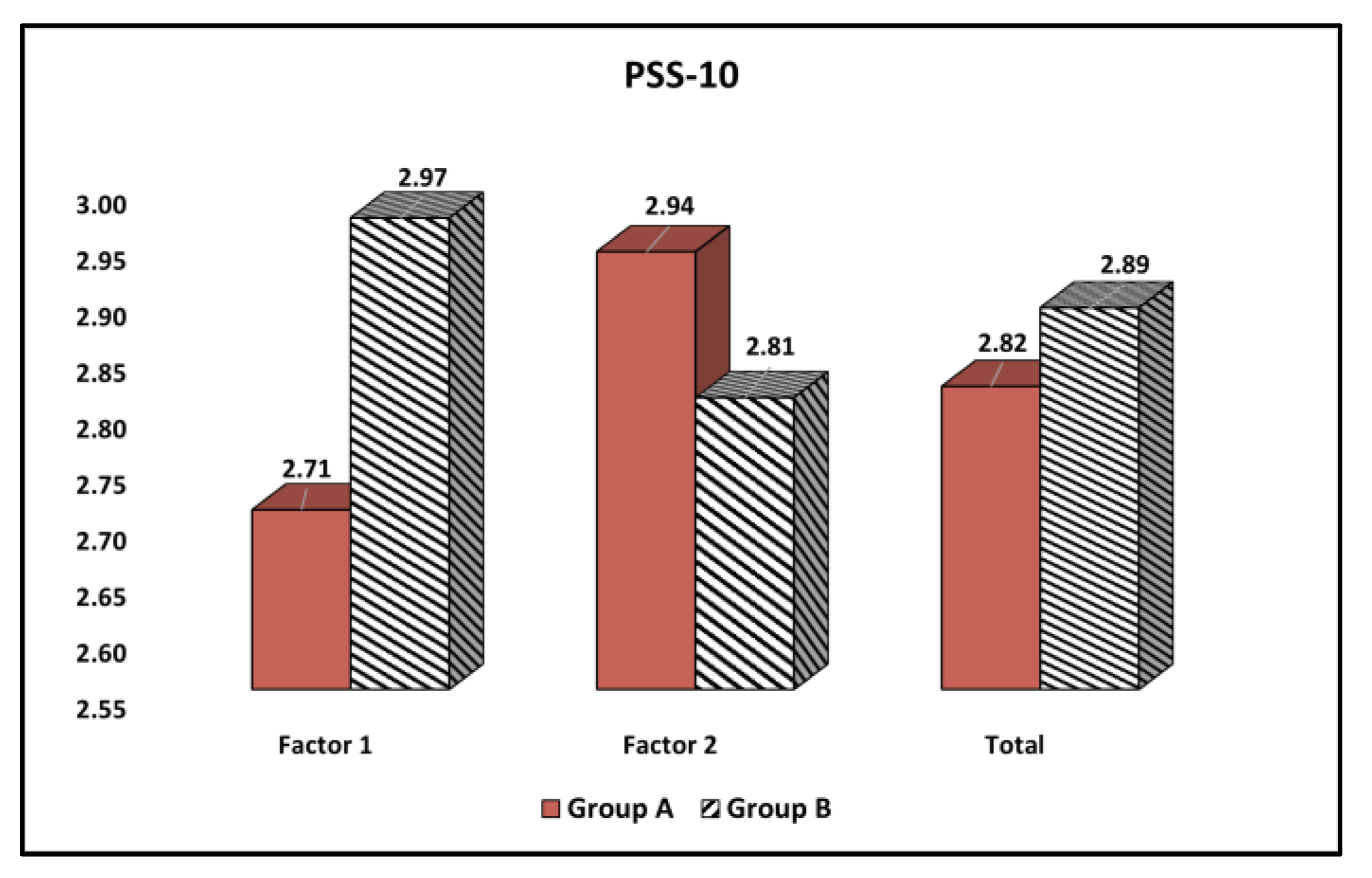
Almost one-third of all malignant melanoma patients exhibit emotional stress indicating the need for professional care. Considering this, patients’ psychological needs are routinely overlooked and unfulfilled, even though there is substantial evidence that psychological therapies may enhance psychosocial outcomes for melanoma patients, such as low mood, sadness, and anxiety. Among developing countries and some health systems in developed regions, the lack of awareness and screening methods for skin cancer creates a high risk of psychological issues associated with more advanced diseases. Therefore, the current study aimed to investigate and compare the impact of malignant melanoma awareness for screening, prevention, and treatment on the patient’s quality of life and coping with stress and depression, based on patients’ age. This cross-sectional study recruited 238 patients with malignant melanoma distributed into two groups, Group A patients between 18 and 65 years and Group B patients older than 65. There were no significant gender differences and cancer staging differences between groups, although self-reported depressed mood and anhedonia were significantly more frequent in younger adults with malignant melanoma (43.8% vs. 28.9%). From the unstandardized surveys, it was observed that significantly fewer patients from Group B knew that melanoma could be caused by sun exposure (34.2% vs. 52.2%), and they were less likely to use sunscreen or visit a doctor to evaluate their skin moles (25.9% vs. 14.5%). Elderly patients preferred television as the main source of information, and only 68.4% of patients from Group B were using smart devices. There was a significantly higher physical score on the SF-12 scale among Group A patients, although patients from Group B scored higher in the mental health assessment, and the perceived helplessness on the PSS-10 scale was significantly higher compared to younger adults with melanoma (2.97 vs. 2.71, p-value = 0.036). Lower scores on the physical and mental SF-12 questionnaire determined a higher presence of depressive symptoms (rho = −0.352, respectively rho = −0.273). Higher scores on the DLQI sexual difficulties and treatment difficulties also correlated significantly with the presence of depressive symptoms and anhedonia (rho = 0.341, respectively rho = 0.264). Awareness campaigns for malignant melanoma should focus on the elderly population, too, using the television as the main communication channel. On the other hand, the more informed and knowledgeable group of adults younger than 65 are more likely to experience psychological problems and should be targeted for psycho-oncological aid.
Keywords: skin cancer awareness; malignant melanoma; quality of life; coping with stress skin cancer awareness; malignant melanoma; quality of life; coping with stress